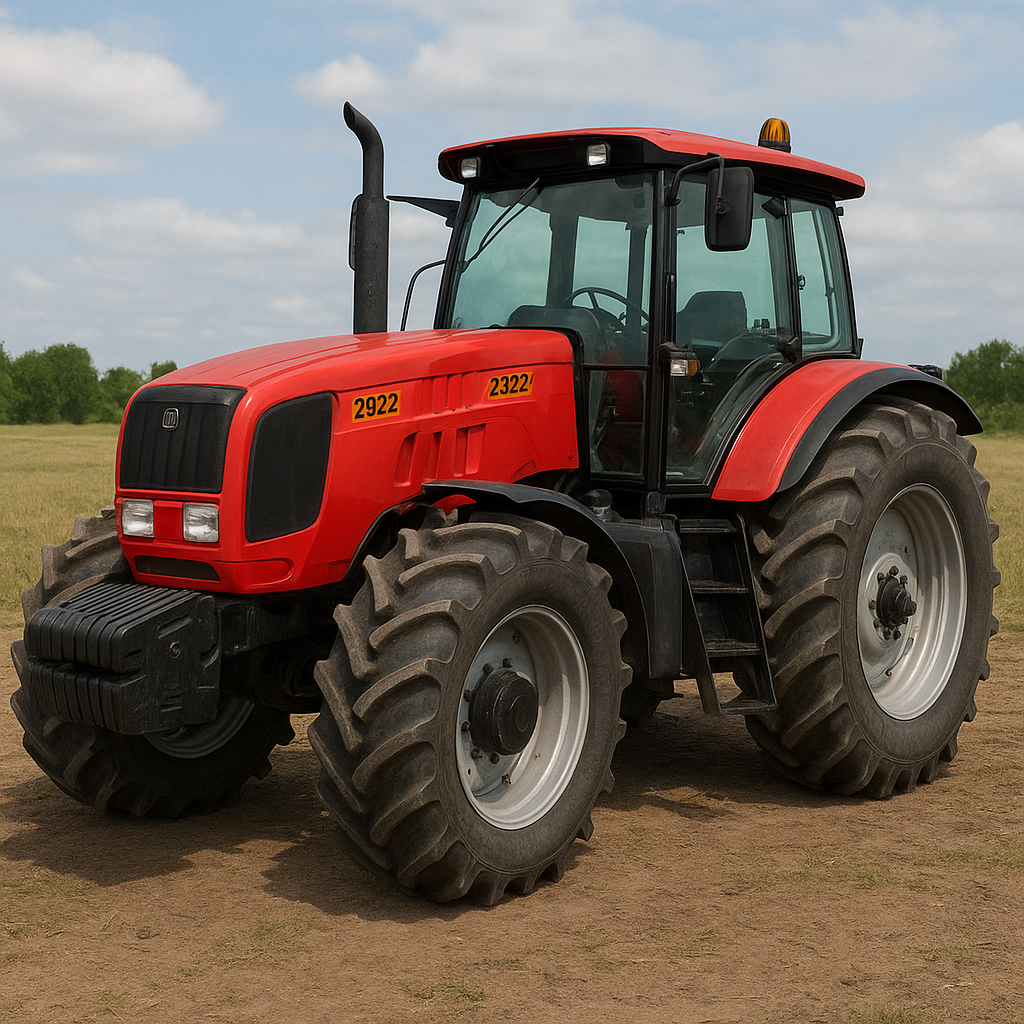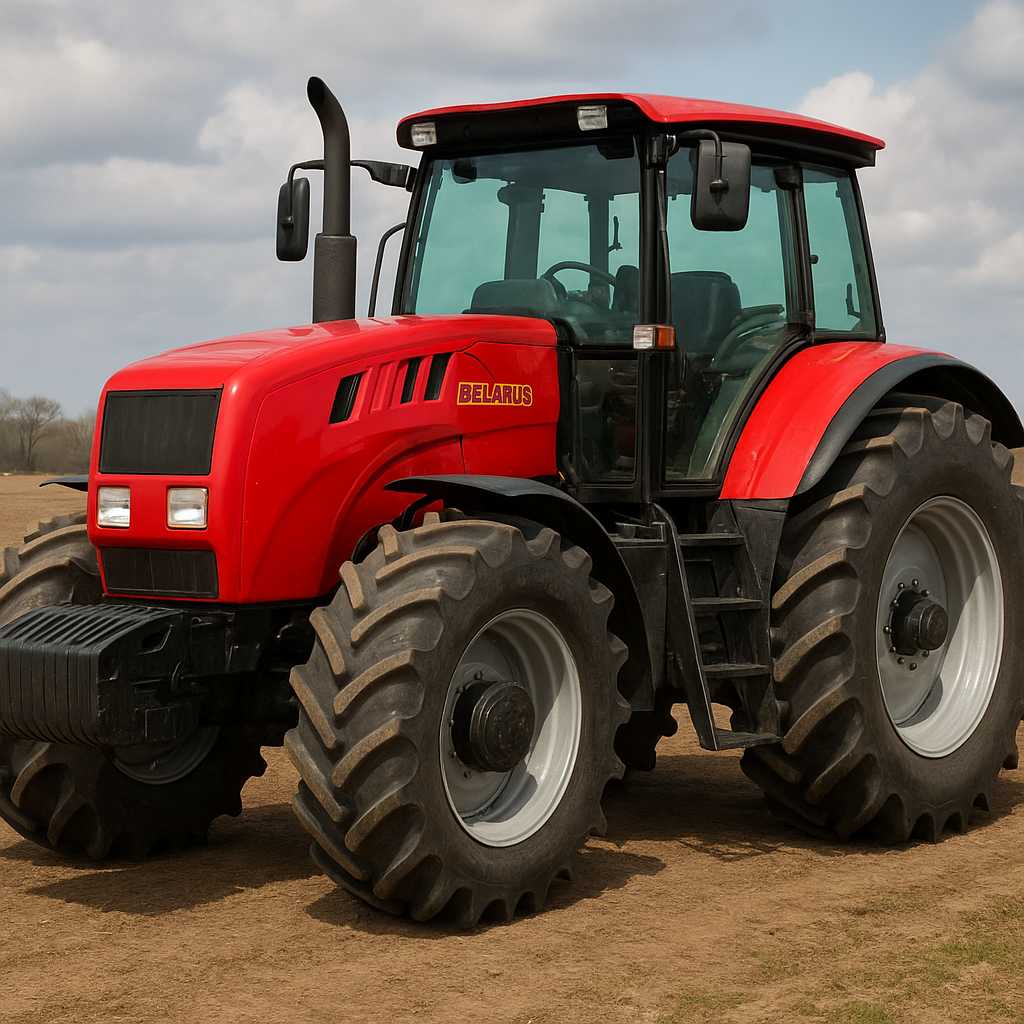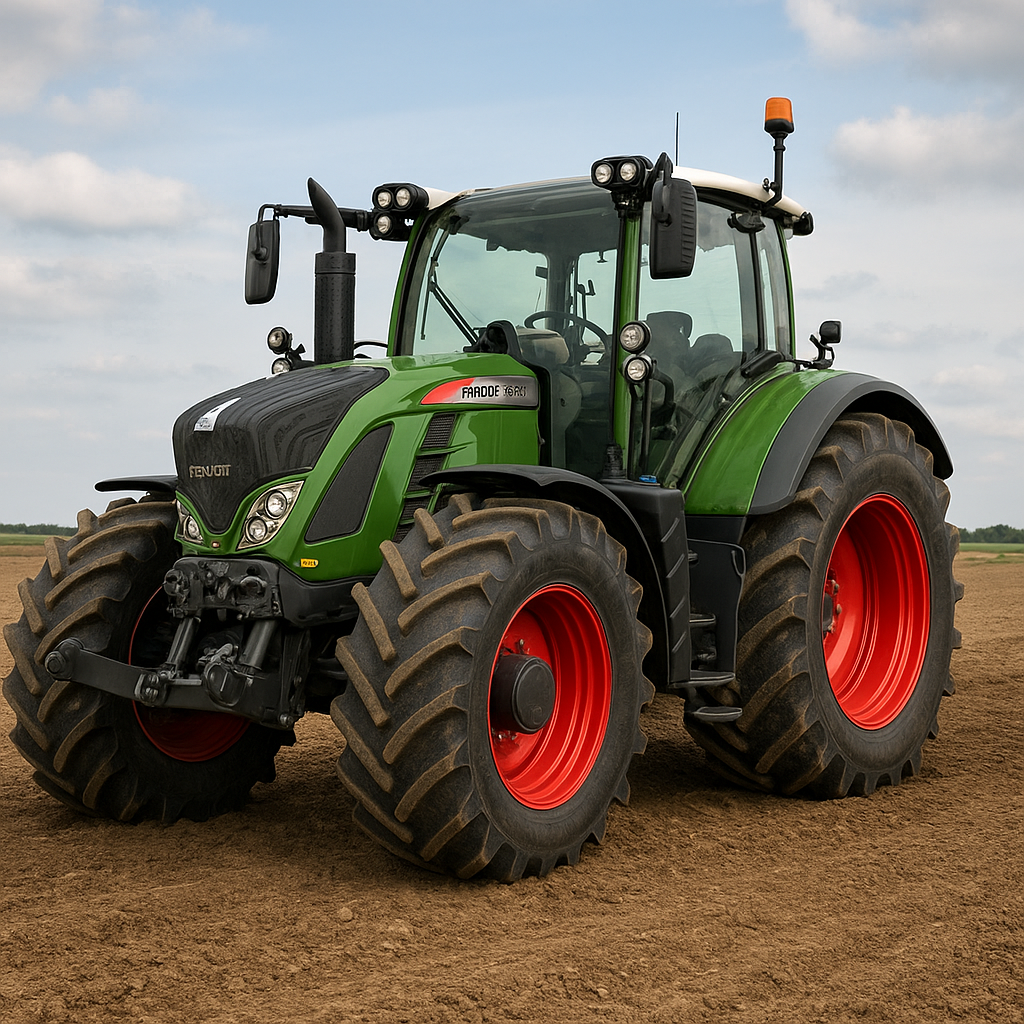
The Fendt 724 Vario is a member of the acclaimed 700 Vario family, built to bridge the gap between high-power fieldwork and versatile farm operations. Combining advanced transmission technology, robust drivetrain components, and a comfort-oriented operator environment, this model is commonly chosen by professional farmers, contractors, and mixed agricultural operations that require both power and precision. This article explores the tractor’s design, typical applications, technical characteristics, operator comforts, and marketplace role, offering insights and practical data for those considering the 724 Vario for modern agricultural needs.
Design philosophy and key features
At the core of the Fendt 724 Vario is the brand’s long-standing approach to create tractors that are both powerful and intelligent. The Vario concept—a stepless continuously variable transmission—remains central, allowing operators to precisely match ground speed to engine load without stepped gears. This translates into smoother operation, better traction utilization, and reduced fuel wastage during tasks that demand frequent speed adjustments, such as seedbed preparation and slurry spreading.
Chassis, drivetrain and build quality
- The 724 Vario is built on a durable chassis designed for heavy-duty tasks while providing good weight distribution for soil protection. Its front axle and chassis geometry support effective ballast management for implements or front loaders.
- Transmission: the hallmark Vario stepless drive provides infinite speed selection up to road speeds (typically 50–60 km/h depending on configuration). The design reduces mechanical shifting losses and improves operator comfort.
- Engine: a high-torque, turbocharged six-cylinder diesel engine optimized for low-end torque and steady power delivery at low rpm. This is paired with an efficient cooling and air management system to sustain heavy workloads and long operating hours.
- Durability: Fendt emphasizes component longevity—strengthened axles, reinforced linkages, and high-capacity drivetrain elements designed to cope with both field and transport duties.
Electronics and integration
Modern Fendt tractors, including the 724 Vario, integrate advanced electronics for machine control and precision farming. Key systems include:
- ISOBUS compatibility for direct implement communication and control.
- FendtONE or similar onboard management systems linking tractor controls to farm office software for planning and telemetry.
- Guidance and autosteer integration supports RTK-level precision for tasks such as planting and spraying, reducing overlap and input waste.
- Onboard diagnostics and service intervals monitored via the control console, helping to optimize uptime and maintenance scheduling.
Applications and typical uses
The 724 Vario is intended as a multi-purpose powerhouse in the 200–250 hp class, making it suitable for a wide range of applications in modern agriculture, contracting, and estate management.
Field operations
- Tillage and primary soil cultivation: capable of pulling medium-to-large ploughs and cultivators, particularly on farms that require flexible power for changing field sizes.
- Seeding and precision planting: works well with seed drills and planters, especially when combined with autosteer and ISOBUS to maintain consistent spacing and reduce overlap.
- Crop care: used for spraying and spreading; its hydraulic capacity and PTO configurations make it compatible with large booms and applicators.
Transport and loader work
- Road transport: high top speeds and robust transmission enable efficient field-to-yard transport of trailers and tankers.
- Front loader operations: when fitted with a loader, the 724 Vario provides the lifting capacity and visibility required for bale handling, feed distribution, and material handling in the yard or on mixed farms.
Specialist roles
- Forage and harvesting support: used as a transporter or grassland tractor during harvest windows.
- Contracting: contractors value the machine’s versatility—one tractor can cover multiple jobs across several farms.
- Precision agriculture platforms: used to gather field-level data and implement prescription maps for inputs, increasing resource efficiency.
Technical specifications and performance indicators
While exact factory specifications can vary by model year, region, and optional packages, the 724 Vario generally fits within the following technical envelope. Figures are representative and should be checked against official data for precise purchasing decisions.
- Engine: six-cylinder, turbocharged diesel engine; displacement commonly in the approximate 6–7 liter range, optimized for high torque at low rpm.
- Power and torque: nominal rated power typically around the mid-200 horsepower class (often cited in the 220–250 hp band depending on rating method and boost). Peak torque is engineered to be available at low engine speeds to improve efficiency and traction.
- Transmission: Vario continuously variable transmission, providing seamless speed control from near-zero to road speeds (up to 60 km/h if configured).
- PTO options: standard rear PTO speeds (540 / 1000 rpm) with optional ground-speed PTO and front PTO available for specialist equipment.
- Hydraulics: multiple spool valves, with total hydraulic flow capacities typically in the 160–220 L/min range depending on pump option. This supports large sprayer booms, loaders, and hydraulic motors on implements.
- Rear lift capacity: substantial three-point hitch capacity designed to handle heavy implements; values commonly up to around 8,000–10,000 kg at the hitch depending on configuration and electronics-assisted lift systems.
- Weight: operating weight commonly in the range of 7.5–9.5 tonnes depending on equipment, ballast, and tire options.
- Fuel economy: highly variable by task; light-duty road work may consume under 10 L/hour, while heavy fieldwork at high load can exceed 20 L/hour. Manufacturer tuning and Vario efficiency typically yield competitive specific fuel consumption.
Performance considerations
The combination of a torque-rich engine and stepless transmission means the 724 Vario often performs tasks at lower engine revolutions compared to stepped-gear tractors. Lower rpm translates to less noise, reduced fuel use per unit work, and decreased wear on moving parts. Electronic systems that manage engine load and transmission response further refine how power is delivered to the ground, improving traction and reducing wheel slip.
Operator comfort, cab technology and ergonomics
Fendt pays particular attention to the operator environment. The cab on the 724 Vario is designed for long hours in the field, offering ergonomic controls and visibility enhancements that reduce fatigue and increase productivity.
- Comfort: high-end seating with suspension, climate control, and low-noise insulation for comfortable long-shift operation.
- Control layout: joystick or multi-function armrest arrangements minimize hand movement; frequently used controls are accessible without leaving the seat.
- Visibility: large glazing areas and optional camera systems improve sightlines for loader tasks and implement monitoring.
- Connectivity: integrated terminals for ISOBUS, telemetry, and Fendt control systems allow the operator to manage tasks, view maps, and transfer data between tractor and office.
Safety and convenience features
- Advanced braking and stability systems suited for high-speed road transport with heavy trailers.
- Lighting packages for extended working hours, particularly during harvest seasons.
- Automated maintenance alerts and onboard diagnostics reduce unexpected downtime through predictive service scheduling.
Maintenance, operating costs and fuel efficiency
Owning a modern tractor like the 724 Vario involves costs that extend beyond purchase price—fuel, maintenance, tires, depreciation, and service must be managed. Fendt’s approach focuses on lowering lifetime operating costs through efficiency and serviceability.
Maintenance intervals and serviceability
- Regular service items include engine oil and filter changes, transmission fluid checks, hydraulic filter replacements, and cooling system inspections. Many tasks are made easier by accessible service points and modular component layout.
- Telematics and onboard diagnostics help schedule preventive maintenance, often extending intervals for non-critical services through intelligent monitoring of actual operating hours and loads.
Fuel efficiency strategies
- Operating at lower engine rpm with the Vario transmission reduces fuel consumption under many field conditions.
- Precision farming tools (autosteer, section control) reduce overlaps and input waste, indirectly lowering per-hectare fuel and input costs.
- Proper tire selection, ballast management, and routine maintenance (e.g., proper engine tuning and clean filters) all contribute to lower average consumption.
Market position, variants and competition
The 724 Vario occupies a strategic spot in Fendt’s lineup as a high-performing, versatile tractor for professional use. It competes with tractors from other European and global manufacturers in the 200–260 hp bracket. Buyers often choose based on brand ecosystem, dealer support, and integrated precision agriculture capabilities.
Variants and options
- Different axle configurations, tire or track options, and PTO/three-point hitch packages allow customers to tailor the tractor to specific tasks—road transport, heavy tillage, or sensitive soil cultivation.
- Electronic packages for telemetry, guidance and ISOBUS add functionality for businesses focused on precision agriculture and data-driven farm management.
- Optional comfort and luxury packages for operators working long hours include upgraded seating, enhanced sound insulation, and advanced infotainment systems.
Competitors and relative advantages
Direct competitors typically include models from major tractor brands offering similar power and features. The 724 Vario’s strengths often cited by users are:
- Efficiency and low-noise operation due to the Vario transmission and torque-optimized engine.
- High level of factory-installed electronic integration for precision farming.
- Strong resale value in markets where Fendt dealer networks and brand reputation are established.
Real-world use cases and farmer experiences
Farmers and contractors using the 724 Vario commonly highlight the tractor’s multi-role capability. Typical reports include:
- All-season utility: one machine handling spring tillage, planting, summer spraying, autumn harvesting support, and winter transport tasks.
- Reduced labour time: with precision steering and ISOBUS compatibility, operators complete jobs faster and with fewer passes, especially in large arable systems.
- Lower operator fatigue: cab comfort and intuitive controls allow for longer productive shifts during critical periods like harvest or planting windows.
Case example
On mixed farms combining arable and livestock operations, the 724 Vario often replaces two older machines: a medium-high power field tractor and a loader tractor. By equipping the 724 with a versatile loader and choosing matching ballast/tire setups, producers achieve operational flexibility without compromising on capacity.
Summary and final observations
The Fendt 724 Vario represents a modern blend of power, electronic integration, and operator-focused design suitable for demanding agricultural operations. Its stepless transmission and torque-rich engine enable efficient fieldwork, while advanced hydraulics and PTO options make it compatible with a wide range of implements. For farms and contractors seeking a versatile, efficient and precision-capable tractor in the mid-to-high power class, the 724 Vario stands out as a capable choice—especially where dealer support and digital farm management ecosystems are priorities. When evaluating this tractor, prospective buyers should confirm exact year-specific specifications (power ratings, hydraulic flow, lift capacity and optional packages) with local dealers, and consider total cost of ownership including fuel, service intervals and resale expectations.