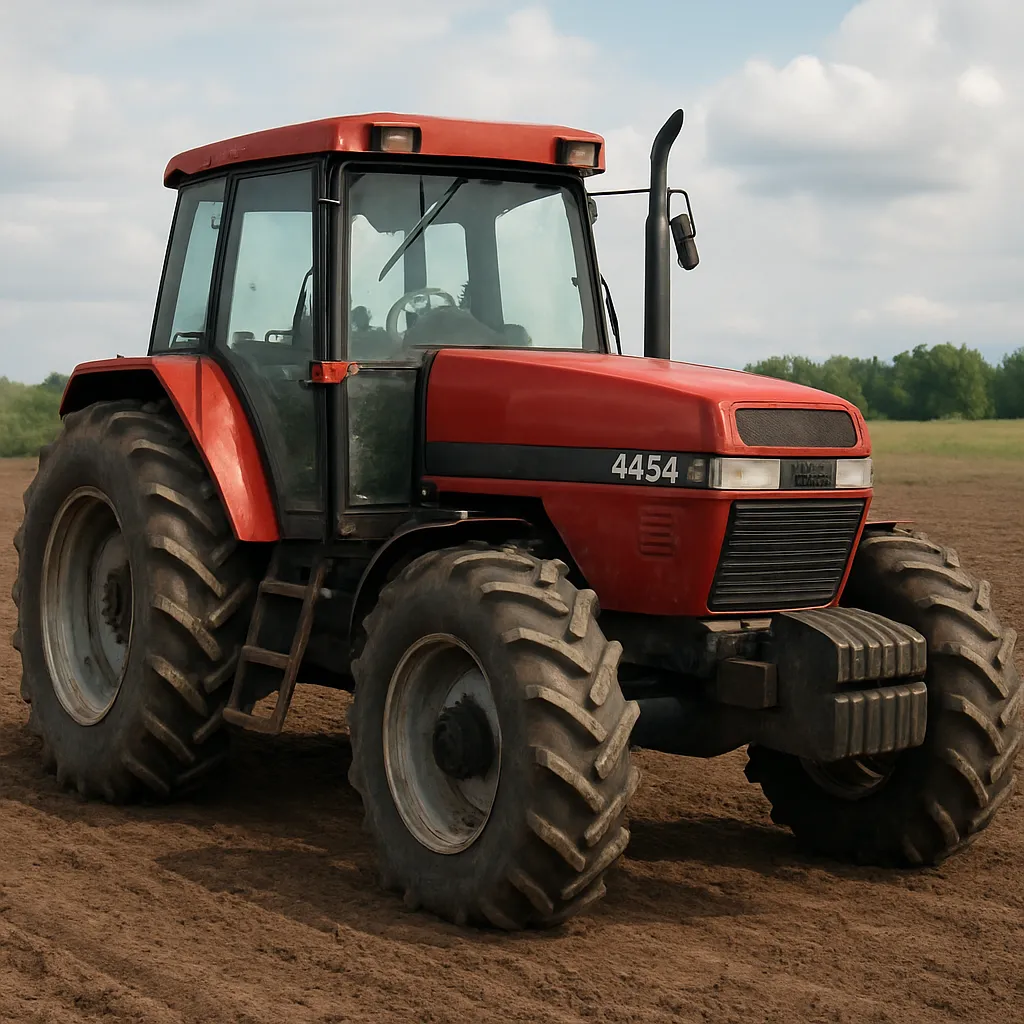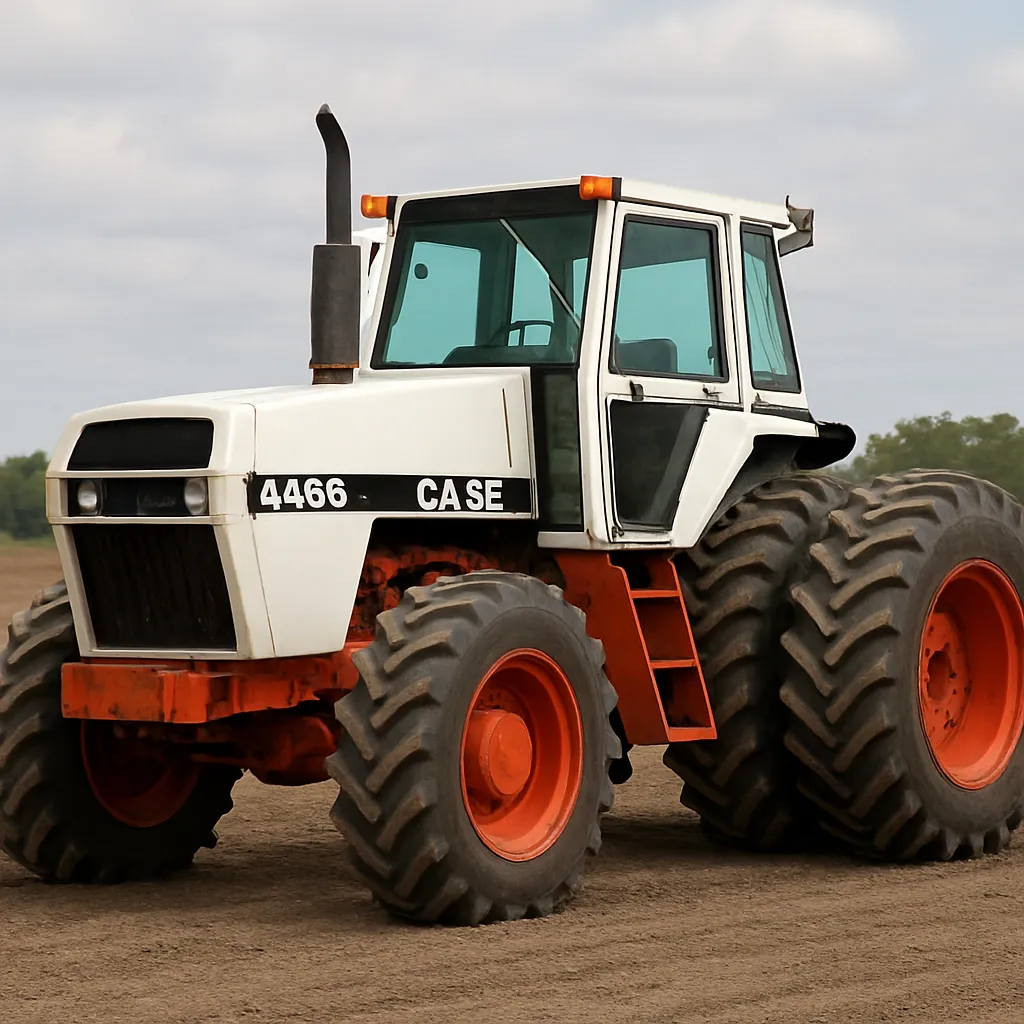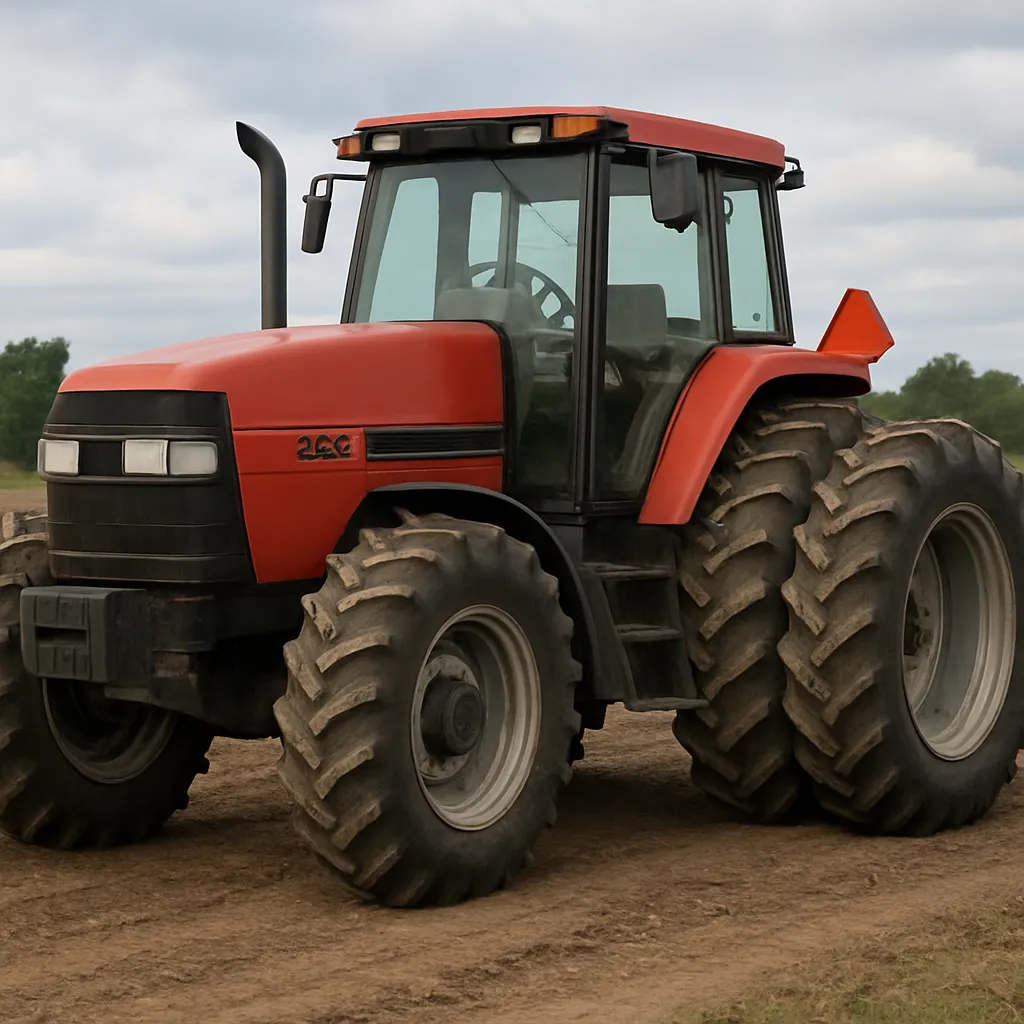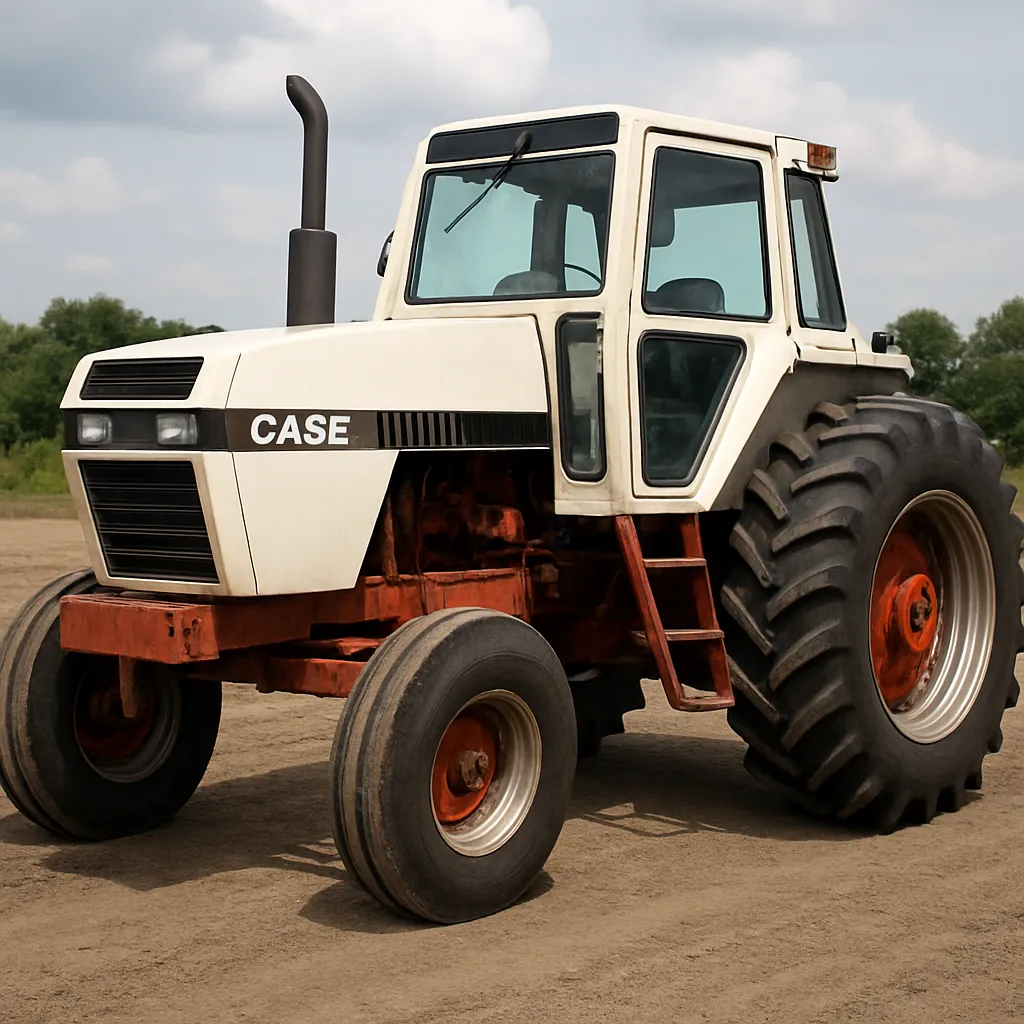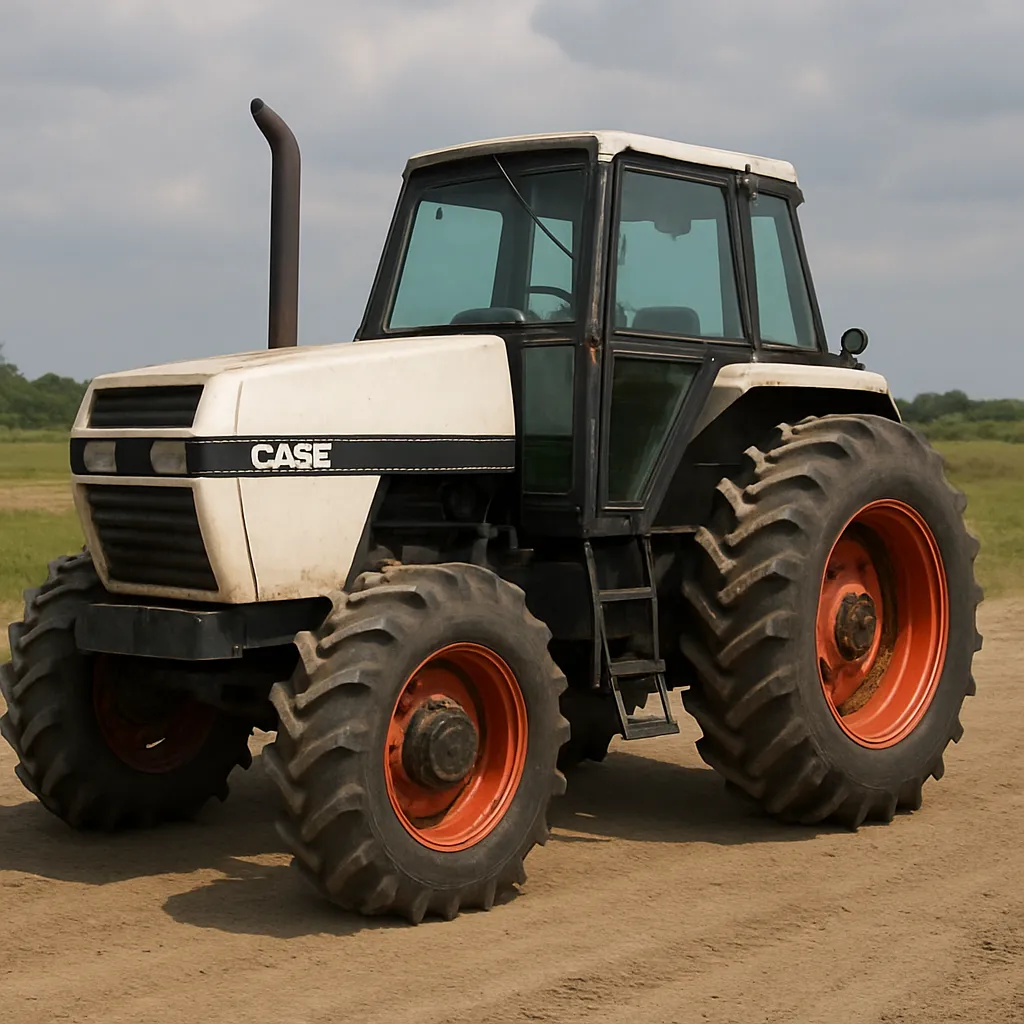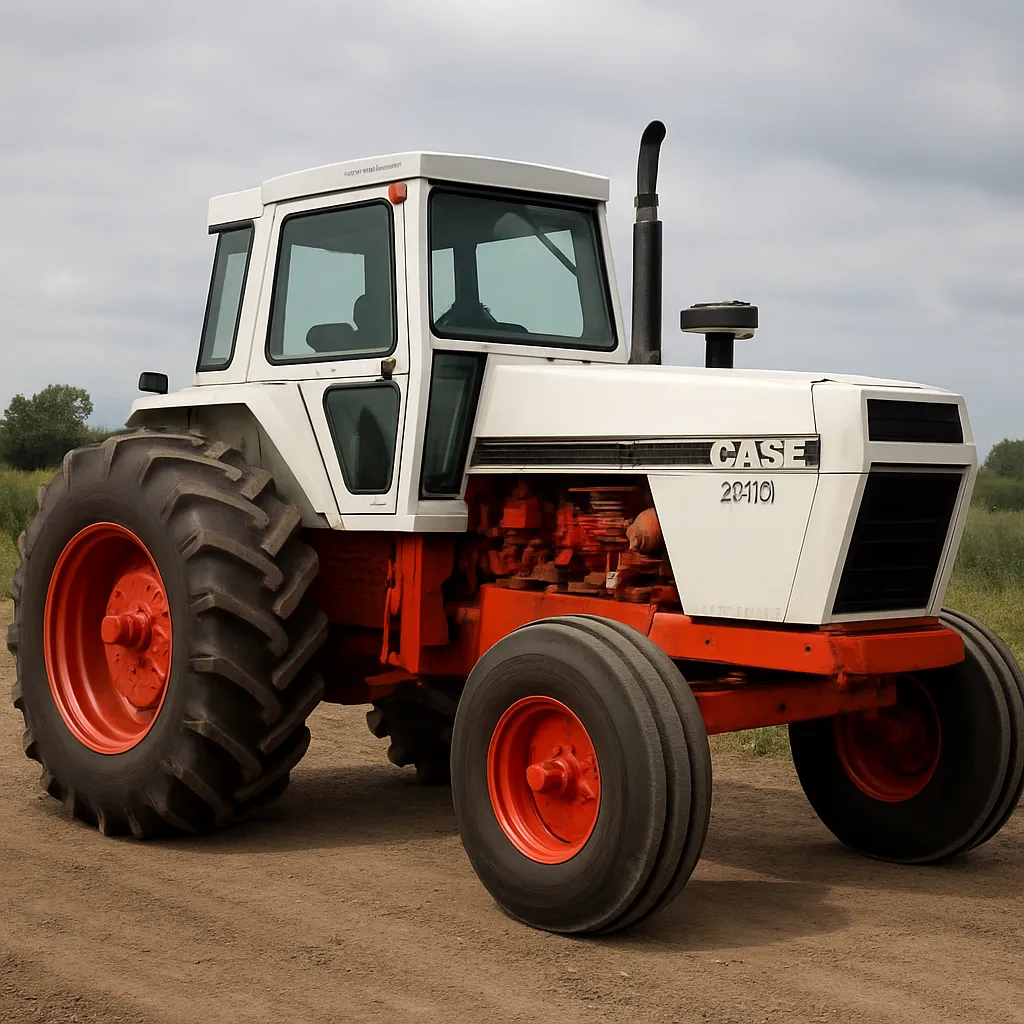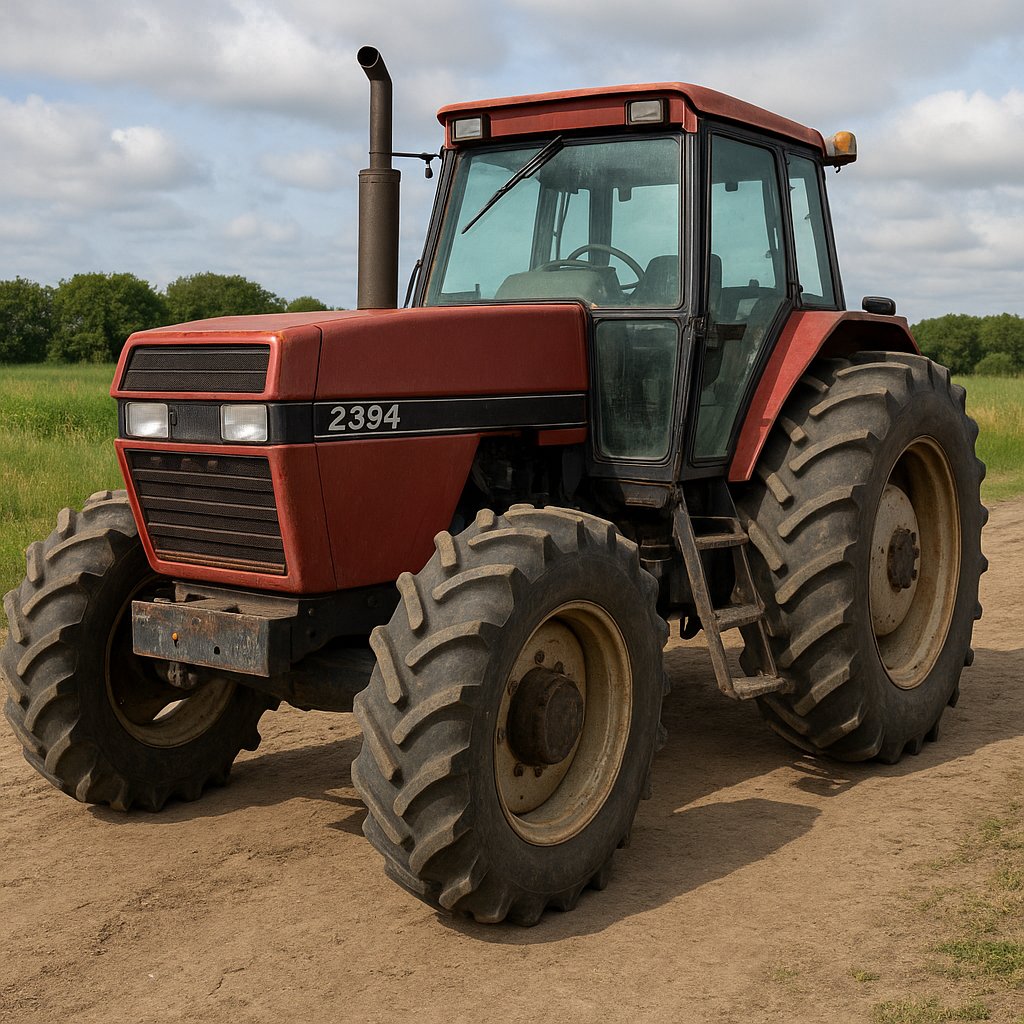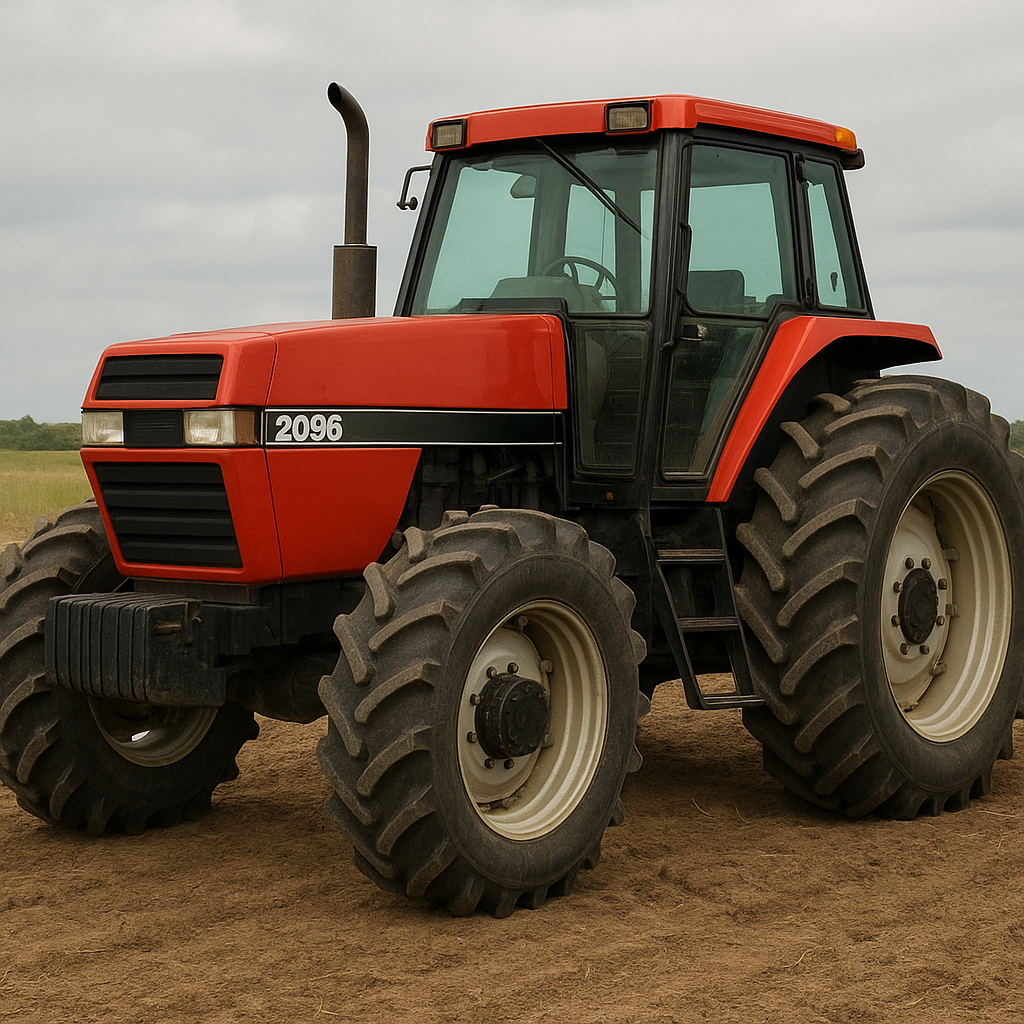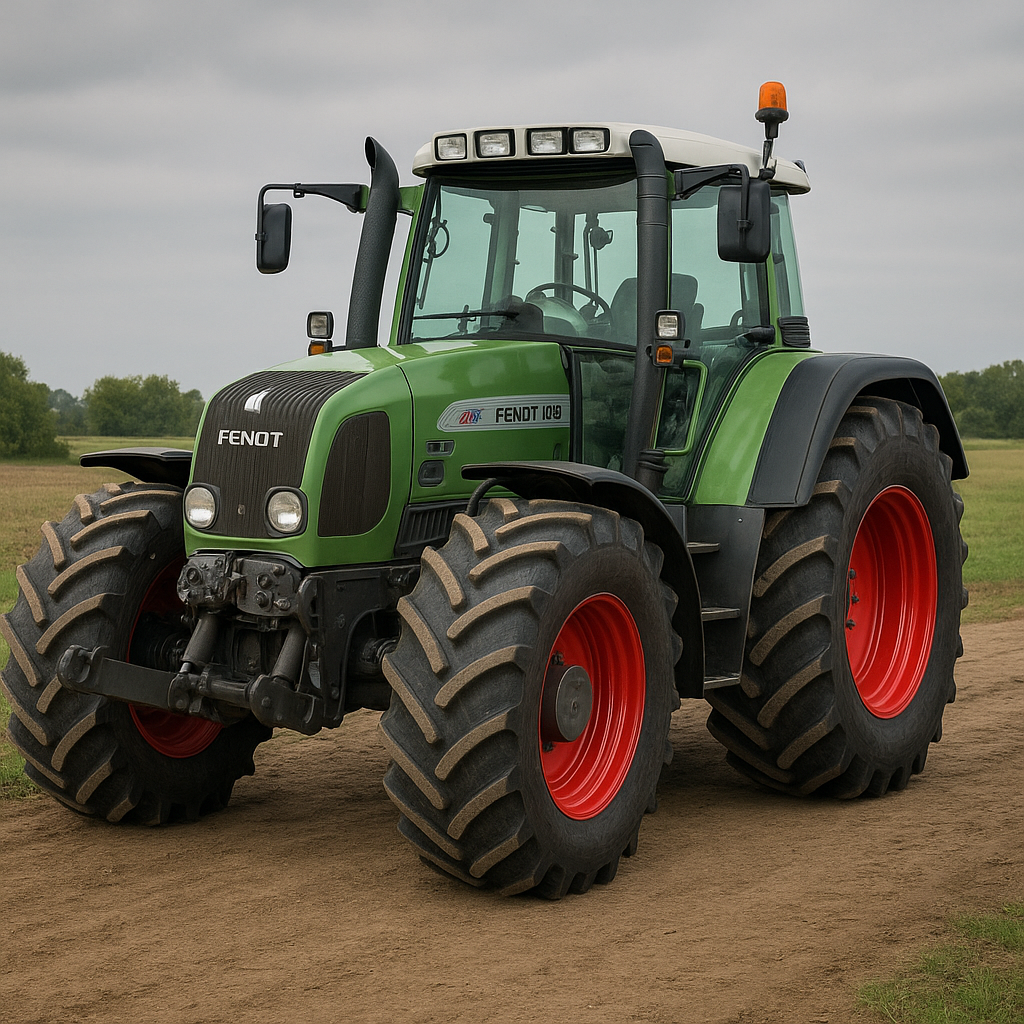
The Fendt 818 Vario is a versatile, high-performance tractor that combines advanced drivetrain technology, operator comfort, and modular adaptability for a wide range of agricultural and contracting tasks. Designed to deliver efficient power, smooth handling and extensive connectivity, the 818 Vario occupies a middle-to-high tier within Fendt’s lineup and is often chosen by farmers and contractors who need a reliable machine for both fieldwork and transport duties. This article explores the tractor’s key features, typical applications, maintenance and operational considerations, and relevant statistics and specifications where available.
Overview and design philosophy
At its core, the Fendt 818 Vario embodies Fendt’s long-standing emphasis on innovation in drivetrain and operator ergonomics. The model name indicates its place in the range rather than a single fixed specification; depending on year and market configuration, the 818 Vario may be fitted with different engine maps, cab options and equipment packages. Fendt prioritizes integration of drivetrain, hydraulics and electronics to create a tractor that is more than the sum of its parts — a concept reflected in the Vario continuously variable transmission (CVT), advanced engine management and user-focused cabin layout.
The 818 Vario is designed around several strategic goals:
- Delivering smooth, efficient power for pulling and PTO-driven implements.
- Maximizing operator comfort and reducing fatigue during long shifts.
- Offering modular equipment options so the tractor can be tailored to arable, livestock or contracting tasks.
- Integrating modern telematics, precision farming tools and ISOBUS compatibility for seamless implement control and data capture.
Key design elements include a low-noise, climate-controlled cab with excellent visibility, a robust chassis and front axle for heavy-duty work, and a hydraulic and PTO system designed for demanding implements. The Fendt 818 Vario’s blend of mechanical robustness and digital control makes it especially attractive to users who value both performance and efficiency.
Powertrain, hydraulics and core technology
Engine and transmission
The engine and transmission package defines a large part of the 818 Vario’s appeal. Fendt equips the Vario models with engines tuned for torque-rich performance across a broad rev range, optimized for lower fuel consumption through intelligent engine management and the so-called low-engine-speed concept used in many modern tractors.
Characteristic technical points include:
- Continuously variable transmission (CVT): The Vario transmission delivers seamless acceleration and precise speed control without gear steps, enhancing fuel efficiency and traction management during field operations.
- Engine torque management: Turbocharged engines with electronic management prioritize torque availability at lower RPMs, which reduces fuel consumption and wear during heavy draft work.
- PTO configurations: Multiple PTO speed options (commonly 540/1000 rpm and ECO variants) ensure compatibility with a wide range of implements.
Note: specific engine power, torque and fuel consumption figures vary by model year and regional configuration. Typical power for an 818-class machine is in the range of the upper 100s of horsepower (often marketed around 170–200 hp), with boosted outputs available during transport or PTO operation depending on software maps and emission standards.
Hydraulics, linkages and load-sensing
Modern tractors like the Fendt 818 Vario provide high-capacity hydraulic systems with load-sensing pumps, multiple spool valves and high lifting capacities on the rear linkage. These capabilities are essential for operating large planters, soil cultivation tools, spreaders and front-mounted equipment.
- Hydraulic flow: High-flow options allow for responsive implement control; flow rates can vary with optional high-flow or dual-pump setups.
- Linkage capacity: Heavy-duty lift arms and strong top links accommodate large implements and maintain stability under substantial loads.
- Front linkage and PTO: Front linkage and front PTO options let operators use a variety of front-mounted tools, improving versatility in both seeding and transport tasks.
Electronics, ISOBUS and telematics
Fendt has been at the forefront of integrating electronics for precision farming. The 818 Vario often comes with a suite of connectivity and control features:
- ISOBUS compatibility to control compliant implements directly from the tractor terminal, minimizing the need for additional control units.
- Precision farming systems such as section control, variable rate application (VRA) and guidance assist (GPS-based auto-steering) to reduce overlaps and inputs.
- Telematics (commonly offered under names such as Fendt Connect): remote monitoring of machine location, fuel consumption, operating hours and service alerts, which improves fleet management and uptime.
Applications and typical use cases
The Fendt 818 Vario is designed to serve a broad spectrum of agriculture and contracting activities. Below are the principal application areas and how the tractor’s features translate into operational benefits.
Arable farming and tillage
For large-scale arable farmers, the 818 Vario is useful for primary and secondary cultivation, seedbed preparation and heavy tillage when fitted with robust implements. The Vario transmission’s smooth power delivery facilitates precise speed control for consistent seeding and controlled soil disturbance. High hydraulic flow and strong linkage capacity allow for effective handling of large ploughs, power harrows and cultivators.
- Consistent ground speed improves seed placement and helps maintain uniform soil conditions for germination.
- High traction and electronic differential locks help maintain momentum in sticky soils or on slopes.
Planting, seeding and precision work
With ISOBUS and precision farming toolsets, the 818 Vario becomes an efficient seeding platform. Section control and variable-rate technology enable precise application of seeds and fertilizers, reducing input costs and environmental impact.
Crop care and spraying
The power and hydraulic capacity of the tractor support large spray rigs and tankers. Smooth PTO and variable speed control enable accurate ground speeds and constant spray rates, both crucial to good application uniformity.
Livestock farm operations
On livestock farms the 818 Vario can be configured for loader work, silage transport, bedding spreading and manure application. The front linkage and optional front loader make it capable in the yard as well as in the field.
Contractors and transport
Contractors value the 818 Vario for its flexibility and the ability to quickly switch between roles: tillage in the morning, transport and baling in the afternoon. High road speeds available on many configurations, combined with comfortable cab ergonomics, make longer transport legs less fatiguing.
Operator experience, cab features and safety
Fendt places strong emphasis on operator comfort and ergonomics, and the 818 Vario reflects that focus. The cab is engineered for long shifts with minimal fatigue and maximum situational awareness.
- Comfort: Climate control, adjustable seating with air suspension, low in-cab noise levels and intuitive control layout reduce operator strain.
- Visibility: Panoramic glazing and smart placement of lights and mirrors improve visibility during both fieldwork and road transport.
- Control ergonomics: Multi-function joystick, terminal screens and programmable controls allow operators to customize the interface for their preferred workflow.
- Safety features: High-spec braking systems, rollover protection, and integrated lights and mirrors contribute to safer operation on public roads and work sites.
Maintenance, uptime and total cost of ownership
Modern tractors are as much about serviceability and uptime as they are about raw performance. The Fendt 818 Vario incorporates design choices intended to simplify maintenance and reduce lifetime operating costs.
Service intervals and accessibility
Fendt typically designs components for long service intervals without sacrificing reliability; centralized daily checks and easily accessible maintenance points reduce downtime. Fendt’s dealer network supports scheduled maintenance programs and can often provide telematics-assisted diagnostics to preempt failures.
Fuel efficiency and emissions
Fuel consumption is a major contributor to operating cost. The combination of torque-rich engine tuning, CVT efficiency and engine-management strategies like low-engine-speed operation helps lower fuel use compared with older, gear-based tractors of similar power. Emissions standards (Stage V / Tier 4 final depending on region and model year) are met through aftertreatment systems; these can influence maintenance practices slightly due to the presence of particulate filters or SCR components.
Resale and lifecycle value
Fendt tractors generally maintain strong resale values in many markets because of brand reputation, build quality and dealer support. Investing in a well-specified 818 Vario with modern telematics and precision-farming gear can help preserve value and make the machine more attractive on the used market.
Technical specifications and representative statistics
Exact specifications for the Fendt 818 Vario vary by production year, options and regional variants. The figures below are representative ranges intended to provide a realistic picture rather than precise model-specific data. Always consult the official Fendt documentation or a dealer for exact numbers for a given build.
- Rated engine power: Approximately 170–200 hp (depending on map and year).
- Maximum engine torque: Torque peaks are typically available at low to mid rpm for efficient draft performance (representative peak torque values commonly in the high hundreds of Nm for this class).
- PTO: Rear PTO speeds commonly include 540, 540 ECO and 1000 rpm; front PTO optional on many builds.
- Hydraulic flow: Standard and high-flow options; combined pump flows commonly range broadly and can exceed 150 L/min with optional high-flow packages.
- Linkage lift capacity: Heavy-duty rear linkage capacities allow for large implements — often several tonnes at the lift arms depending on configuration.
- Fuel tank: Tank sizes vary; medium-to-large tanks are typical to support long field days without frequent refuelling.
- Operating weight: Gross vehicle weight depends on options and ballast; typical operating weights for mid-to-high-power tractors are in the multi-tonne range to provide traction and stability.
- Transmission: Fendt Vario stepless CVT with integrated management systems for traction control, cruise, and implement-related speed control.
Example real-world statistics (illustrative): many users report fuel consumption in the order of 10–18 L/h depending on task intensity — ploughing and heavy draft near the top of that range, lighter transport and idle tasks nearer the bottom — and effective field speeds that, combined with large implements, produce high daily hectare outputs in favorable soil conditions. Telematics data from fleets often show improved uptime and lower idle times when remote monitoring and scheduled maintenance are employed.
Options, customization and attachments
One of the strengths of tractors like the Fendt 818 Vario is the breadth of optional equipment that adapts the machine to diverse tasks. Key optional areas include:
- Front linkage and loader packages for front-mounted tools and material handling.
- High-flow hydraulics for implements requiring very high oil volumes, such as some air seeders or self-propelled sprayer booms.
- Precision farming packages including auto-steer, RTK GNSS, yield mapping and ISOBUS implement control.
- Comfort packs with advanced seats, suspension, climate systems and sound insulation for operator comfort.
- Lighting and visibility upgrades for extended work hours and safe road travel.
Dealers can configure machines from factory options or retrofit many features later, allowing operators to scale capabilities as their needs and budgets evolve.
Environmental and economic considerations
Modern tractor design increasingly balances higher performance with environmental responsibility. Features on the 818 Vario that support these goals include fuel-efficient engine maps, precision-application tools that reduce overuse of fertilizers and chemicals, and telematics that optimize machine routing and utilization.
Economic considerations for buyers often center on:
- Return on investment: Higher productivity per hour, reduced fuel consumption and accurate input application can shorten payback periods.
- Service and maintenance costs: Predictive maintenance and robust components can reduce unplanned downtime, but advanced aftertreatment systems and electronics require trained technicians and occasional specialized service.
- Operational flexibility: A well-specified 818 Vario can replace multiple older tractors, consolidating fleet costs and simplifying management.
Comparisons and buyer guidance
When considering the 818 Vario, prospective buyers should compare it to similarly classed tractors from other manufacturers in terms of power, transmission type, hydraulics and available support. Key decision factors include:
- The types of implements and tasks it must serve — heavy primary tillage, precision seeding, loader work or long-distance transport.
- Dealer proximity, support quality and availability of replacement parts.
- The value of integrated electronics, ISOBUS compatibility and telematics for the buyer’s operation.
- Resale expectations in the buyer’s market, which can be stronger for widely supported and reputable brands.
For many users the Fendt 818 Vario is a compelling balance of advanced technology and practical capability. For those who prioritize straightforward simplicity and lower initial cost, alternative brands or lower-spec models might be preferred. Contractors who need maximum uptime and flexibility often appreciate Fendt’s dealer service and strong resale values.
Real-world performance and user experience
Farmers and contractors who operate the Fendt 818 Vario commonly highlight several benefits observed in everyday use:
- Smooth control and traction during heavy draft operations; the CVT keeps engine loads steady, improving traction and reducing slip.
- Reduced fatigue for operators thanks to ergonomic cabins and precise controls.
- Flexibility between tasks: with appropriate options the tractor shifts from seeding to transport to loader work with minimal downtime.
- Integration with precision farming leading to measurable input savings and improved application accuracy.
These qualitative benefits, combined with representative fuel and uptime statistics from fleet telematics, are typically decisive for larger scale farms and contractors looking for predictable operating economics.
Conclusion
The Fendt 818 Vario is a versatile, high-capability tractor suitable for a wide range of modern agricultural tasks. With a powerful yet efficient drivetrain, advanced hydraulics and electronics, and a cab designed for long workdays, it appeals to users who demand high performance, operator comfort and precision-farming readiness. Exact specifications and performance numbers depend on the chosen configuration and model year, but the general strengths — efficient CVT transmission, strong hydraulics, ISOBUS/telematics integration and robust build quality — remain consistent reasons why operators select this model for professional farming and contracting operations.
For precise model-year specifications, emissions packages and optional equipment for the 818 Vario suited to your region, consult an authorized Fendt dealer or official Fendt product documentation.