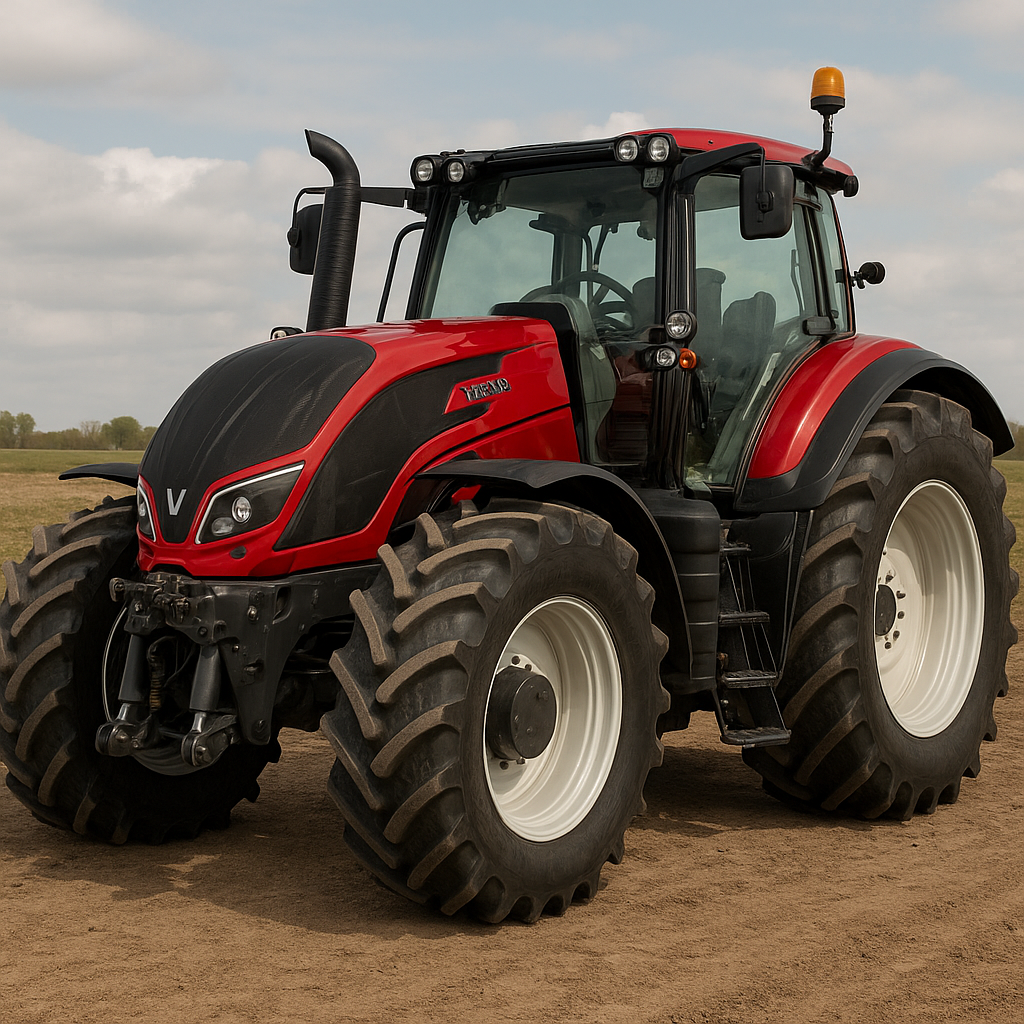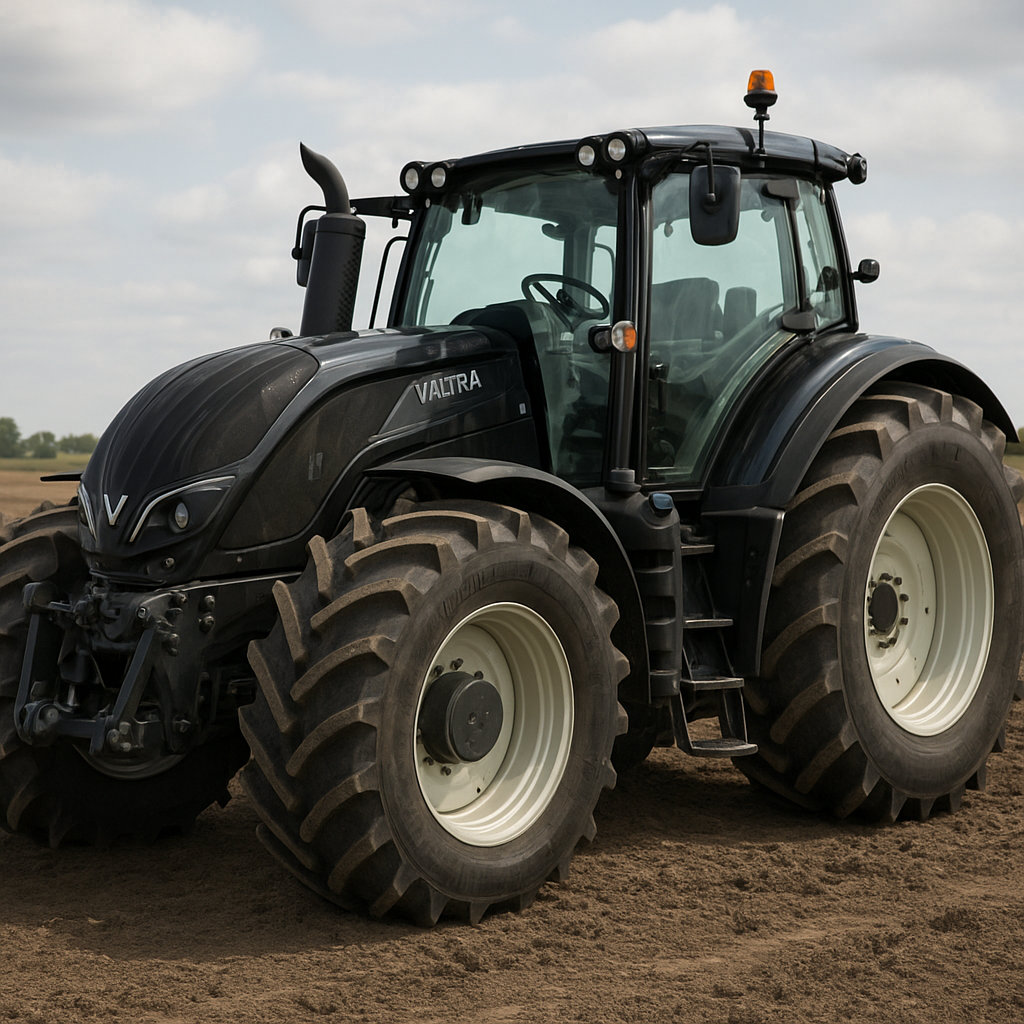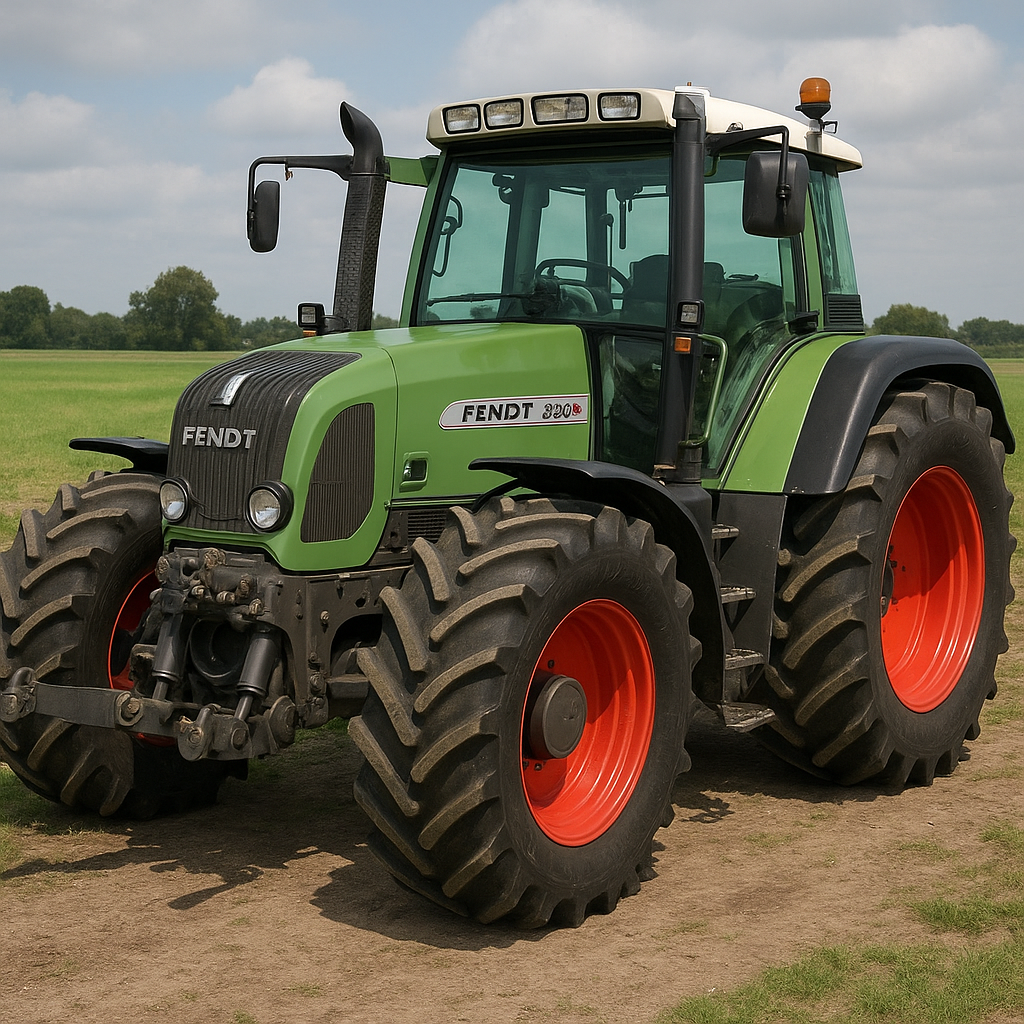
The Fendt 820 Vario is a versatile, medium-to-high-power agricultural tractor that has earned a reputation for combining advanced technology, operator comfort, and robust performance. Designed as part of Fendt’s 800 Vario series, the 820 occupies a position favored by mixed farms, large arable operations, contractors, and livestock enterprises that need a reliable workhorse able to handle a wide range of tasks. This article explores the tractor’s technical attributes, typical applications, operational advantages, and practical considerations for owners and operators. Throughout the text you will find detailed descriptions and useful context to help understand why the Fendt 820 Vario remains a popular choice among modern farmers and contractors.
Technical overview and key specifications
The Fendt 820 Vario belongs to a family of tractors that emphasize efficiency and modularity. At its core, the tractor pairs a high-capacity diesel engine with Fendt’s proven continuously variable Vario transmission, advanced hydraulics, and an operator-focused cab. Exact specifications can vary by market and optional packages, but the following items present the typical and most relevant technical characteristics.
Engine and powertrain
- Engine type: 6-cylinder diesel (AGCO POWER or manufacturer-supplied equivalents in many markets), built for continuous high-load performance and longevity.
- Rated power: Typically in the vicinity of 200–220 metric horsepower (approx. 147–162 kW) depending on trim and engine tuning. Many configurations advertise a nominal power around 200–210 hp with transient boost capability under load.
- Torque and responsiveness: Designed for strong low-RPM torque to support demanding draft applications and PTO work. Turbocharged and intercooled induction allows efficient power delivery over a broad rev range.
- Transmission: Continuously variable Fendt Vario transmission, offering seamless acceleration and precise speed control from slow field speeds up to road speeds (commonly up to 40–60 km/h, depending on regional approval and gearing).
Hydraulics, PTO and hitch
- Hydraulic capacity: Modular hydraulic systems commonly provide main-flow capacities in the range of 120–210 L/min with options for load-sensing pumps to match the demands of modern implements such as seeders, sprayers, and front loaders.
- Rear hitch: Category III/III-N/IV options with high lift capacity for heavy implements; electronic draft control and position control systems are standard or optional depending on specification.
- PTO: Multiple PTO speed selections typically offered (e.g., 540/540E and 1000 rpm) with electro-hydraulic engagement and soft-start features to protect driveline and implement components.
Cabin, ergonomics and electronics
- Cab comfort: Spacious, well-insulated cab with advanced seating and ergonomic controls designed for long hours in the field. Visibility and noise reduction are prioritized to improve operator comfort and reduce fatigue.
- Control interface: Fendt’s modern consoles and multifunction armrests integrate transmission, hydraulics and implement controls, often with touch-screen displays for machine management.
- Precision farming: Compatibility with FendtONE, ISOBUS, GPS guidance, section control and telematics packages allows precise application control, automatic steering and remote monitoring.
Dimensions, weight and capacities (typical)
- Unladen weight: Commonly in the region of 6 to 9 tonnes depending on configuration (ballast, front linkage and tools).
- Fuel capacity: Options typically range from ~300 to ~500 liters depending on tank choice; AdBlue/DEF tanks are also fitted for emissions compliance.
- Axles and tyres: Heavy-duty axles with multiple tyre options for field flotation or transport efficiency; dual wheels and tyre pressure control systems are available as options.
Note: Because the Fendt 820 Vario is configurable, exact values for horsepower, hydraulic flow, weight and capacities vary. Prospective buyers should consult local dealers or official Fendt documentation for model-year and market-specific figures.
Applications and real-world uses
The Fendt 820 Vario is engineered to be a multi-role tractor. Its balance of power, traction and advanced electronics makes it suitable for an unusually wide array of agricultural and non-agricultural tasks. Below are the most common application areas and the reasons the 820 Vario is chosen for each.
Arable farming and fieldwork
- Tillage and primary cultivation: Strong torque at low RPM and a robust rear hitch allow the 820 Vario to operate medium-to-large cultivators and ploughs efficiently. Continuous power delivery from the Vario transmission improves fuel economy during draft work.
- Seeding and drilling: Precision hydraulic and electrical control features are compatible with modern planters and seed drills, enabling consistent seeding depth and accurate section control.
- Spraying and spreading: The tractor’s hydraulics and power available at PTO match the needs of large sprayers and fertilizer spreaders; precision guidance reduces overlap and product waste.
Transport and contracting
- Transport work: The Vario transmission provides smooth acceleration and flexible road speeds, making the 820 Vario suitable for haulage tasks between fields or on long road runs.
- Contracting services: Contractors value the 820 for its ability to switch quickly between implements and operate reliably under heavy daily use. The tractor’s modular options allow customization for tasks such as baling, silage work, or harvesting support.
Dairy, livestock and mixed farming
- Handling and loader work: Front loaders combined with the 820’s stability and hydraulic capacity make it ideal for feeding, bedding and handling bales.
- Manure application: High torque and hydraulic control support slurry and solid manure spreading systems, particularly where precise application is required to maintain nutrient balance.
Specialized and municipal roles
- Specialized implements: With correct ballast and tyre choices, the 820 Vario can be adapted for orchard, vineyard or municipal tasks where agility and operator comfort are beneficial.
- Seasonal versatility: From sowing in spring to harvesting support and winter transport, the tractor’s flexibility supports year-round use on medium and large operations.
Technology, automation and precision farming features
One of the defining strengths of modern Fendt tractors, including the 820 Vario, is the integration of electronics that enable efficient farming practices and reduce operator workload. These systems improve accuracy, lower input costs and make data-driven decisions easier for growers.
FendtONE and machine integration
FendtONE and comparable telematics platforms allow the 820 Vario to act as part of a farm-wide digital ecosystem. Key capabilities include:
- Task planning and documentation: manage jobs, record field activities and analyze operational efficiency.
- Remote monitoring: owners and fleet managers can view fuel consumption, work hours and location.
- ISOBUS compatibility: seamless integration with certified implements for automatic control and data exchange.
Autonomous and semi-autonomous functions
While fully autonomous tractors are still emerging, the 820 Vario supports advanced driver assistance such as:
- Automatic steering and headland management to reduce driver fatigue and ensure consistent pass-to-pass accuracy.
- Implement control and section shutoff to minimize overlap and over-application of seeds, fertilizers, and chemicals.
- Adaptive cruise and work-mode optimization to maintain desired field speeds under varying loads.
Data-driven efficiency
Using GPS-based guidance and variable-rate application maps, operators can apply inputs precisely where needed. The integration of these systems leads to measurable savings in seed, fertiliser and chemical use, while supporting environmental best practices such as reduced runoff and better nutrient management.
Operator experience, comfort and safety
Long hours in the field demand a machine that reduces fatigue and enhances productivity. The Fendt 820 Vario is engineered with that in mind, combining practical ergonomics with safety and comfort features.
Cab environment and controls
- Noise reduction: The cab is insulated to reduce noise levels, which contributes to safer and more comfortable long-term operation.
- Seat and suspension: High-quality seats with advanced suspension systems offer comfort over rough terrain and extended shifts.
- User interface: Intuitive consoles group commonly used controls together; multifunction joysticks and touch displays simplify implement and transmission management.
Visibility and lighting
Large windows, well-placed mirrors and optional camera systems ensure good visibility for both field and loader work. LED lighting packages improve nighttime productivity and safety on roads.
Safety systems
- Rollover protection and certified cab structures protect the operator during incidents.
- Electronic braking and stability systems support safe transport and implement handling.
- Interlocks and warnings for PTO engagement and hydraulic pressure protect both operator and machine.
Operating costs, efficiency and maintenance
The total cost of ownership of a tractor like the 820 Vario depends on purchase price, fuel consumption, uptime, service costs and resale value. Fendt tractors are positioned toward the premium end of the market, with correspondingly high initial cost but strong resale and long-term reliability.
Fuel efficiency and emissions
Fuel consumption varies widely with application, load and operator technique. The combination of engine management, Vario transmission and load-sensing hydraulics is designed to minimise fuel use during both transport and fieldwork. Modern engine management and exhaust aftertreatment systems (SCR/DEF) ensure compliance with current emissions standards while maintaining efficiency.
Maintenance and service intervals
- Scheduled service intervals and modular components reduce downtime and make routine maintenance predictable.
- Telematics and remote diagnostics enable dealers to pre-empt issues and provide quick support, often reducing on-farm repair times.
- High-quality components and robust engineering contribute to long service life when maintenance schedules are followed.
Depreciation and resale
Fendt tractors generally retain value well on the used market, particularly when documented service history and telematics records are available. This can offset part of the initial capital cost for operators who trade or upgrade machines periodically.
Market reception, comparisons and buyer considerations
The Fendt 820 Vario competes in a category where buyers weigh performance, comfort and technology against purchase and running costs. Its strengths include integration of advanced electronics, high operator comfort and proven driveline technology. Buyers typically compare it against similar mid-range tractors from other premium manufacturers as well as lower-cost alternatives.
Why buyers choose the 820 Vario
- Integrated precision farming features that reduce waste and improve field efficiency.
- Operator comfort that allows longer productive hours with less fatigue.
- Strong resale thanks to brand reputation and build quality.
- Flexibility for both fieldwork and transport, reducing the need for multiple specialized tractors.
Considerations before purchase
- Initial purchase price is higher than some competitors; expect to evaluate return on investment through productivity gains and lower input costs.
- Optional packages (hydraulic flow upgrades, telematics, tyre pressure control) add capability but also cost—buyers should match options to intended applications.
- Service network availability and local dealer support are critical to ensure uptime—especially for contractors whose income depends on machine availability.
Summary and practical advice for operators
The Fendt 820 Vario is a modern, adaptable tractor designed to meet the needs of demanding agricultural operations. Its blend of efficient powertrain, advanced electronics, comfortable cab and flexible hydraulics makes it suitable for a broad set of tasks—ranging from primary tillage and seeding to transport, loader work and precision application tasks. For prospective buyers, the decision to invest in an 820 Vario should weigh operational demands, expected annual hours, and the value of integrated precision-farming capabilities.
Practical tips for prospective owners:
- Assess typical field tasks and match hydraulic and PTO configurations to your implements.
- Consider telematics and guidance systems if you aim to reduce input costs and document applications for compliance or traceability.
- Discuss service packages with your dealer to ensure quick access to parts and technical support, which preserves uptime and long-term value.
- Review finance and resale scenarios: premium tractors often have higher residual values, which can be part of the investment calculation.
Whether used by large-scale arable operations, mixed farms, or contractors, the Fendt 820 Vario stands out for its thoughtful engineering and operational flexibility. For those seeking a reliable, technologically advanced tractor in the medium-to-high horsepower range, it remains a strong contender—particularly when precision farming and operator comfort are priorities.