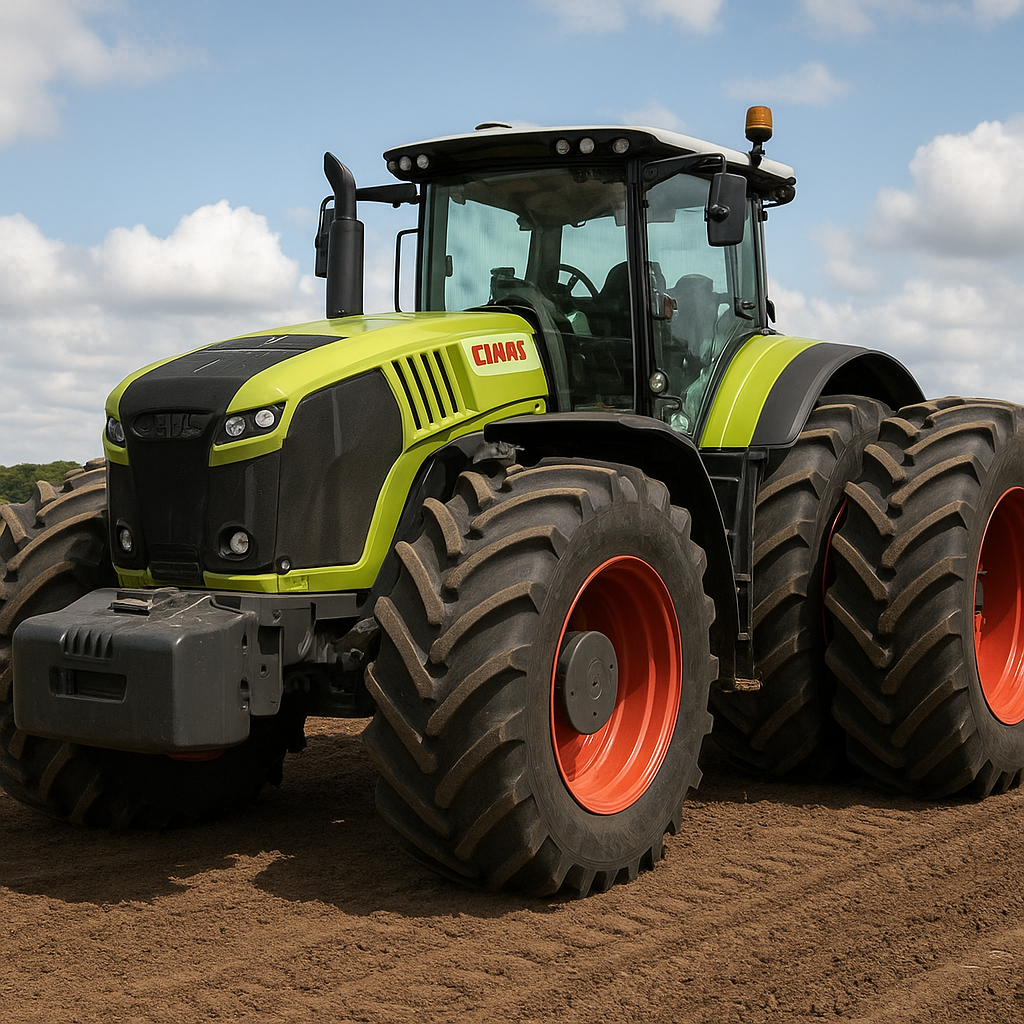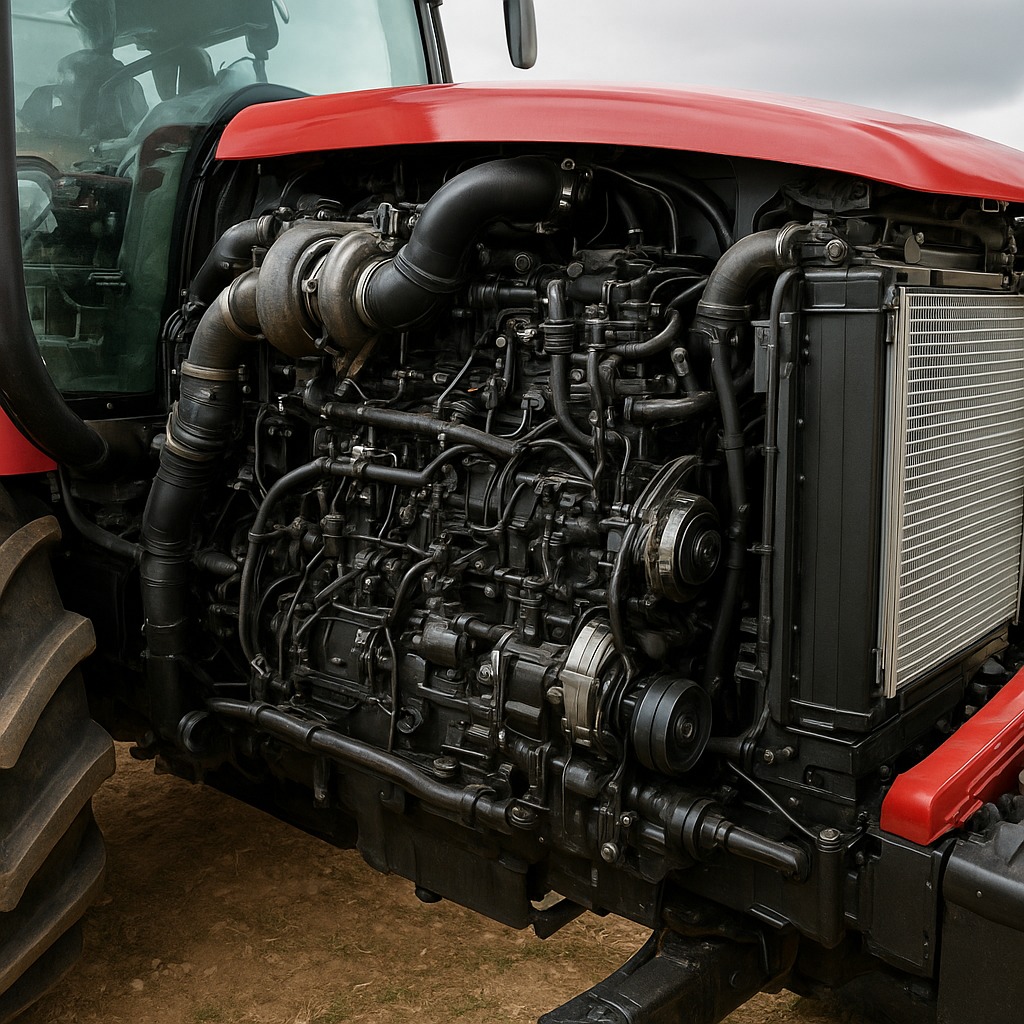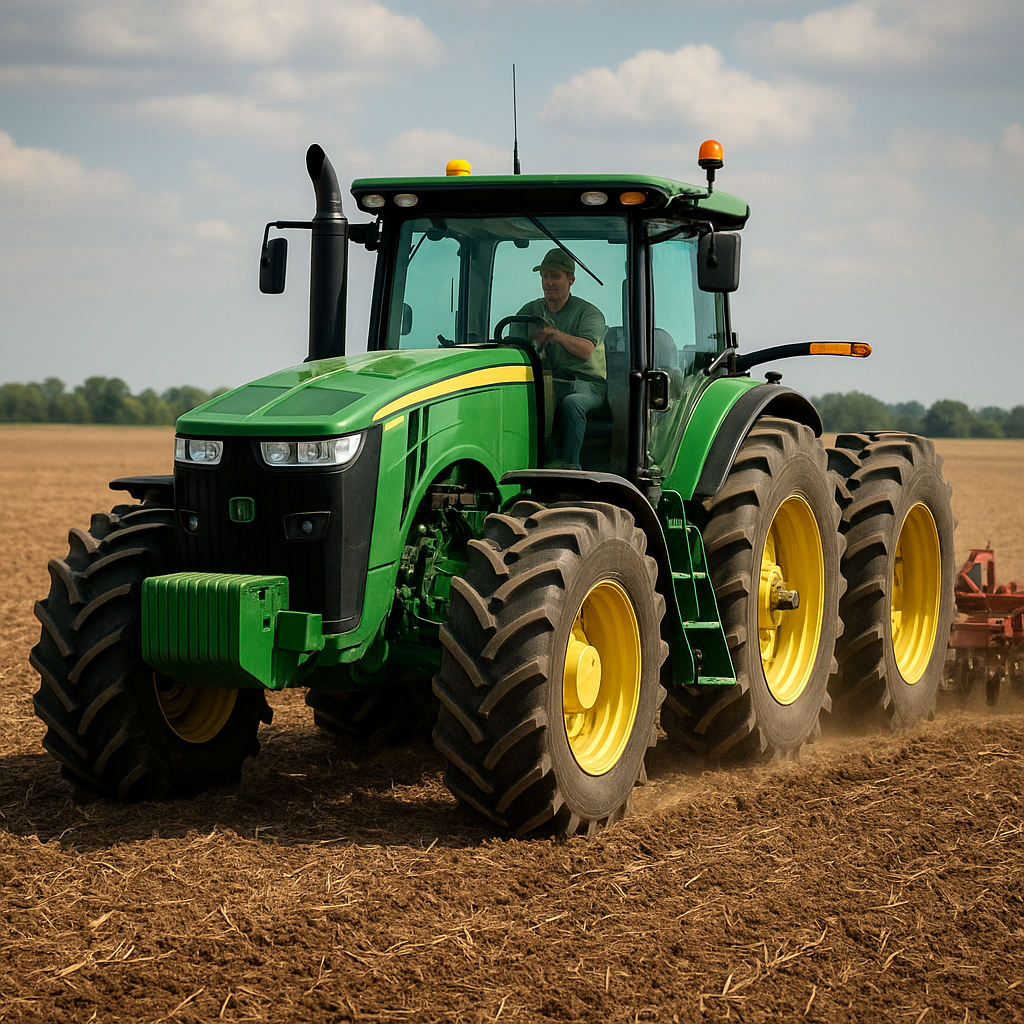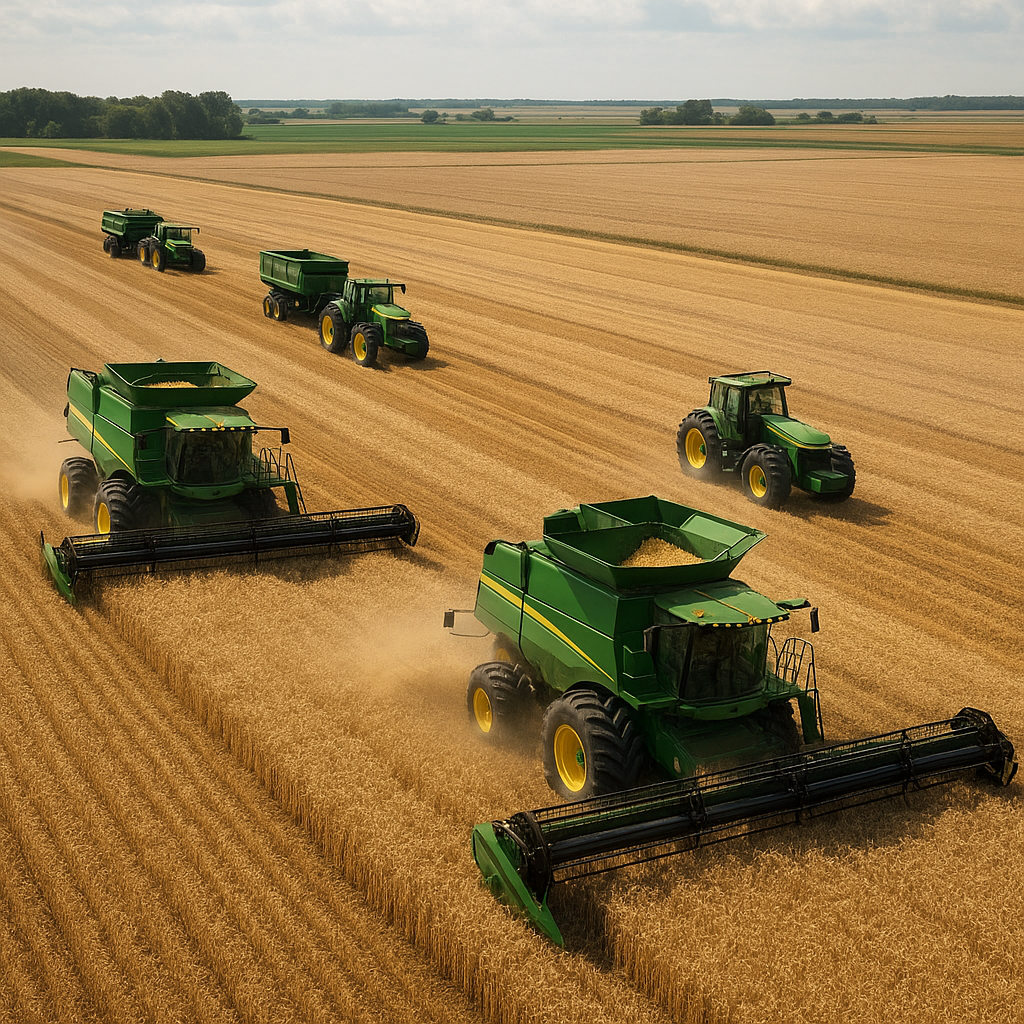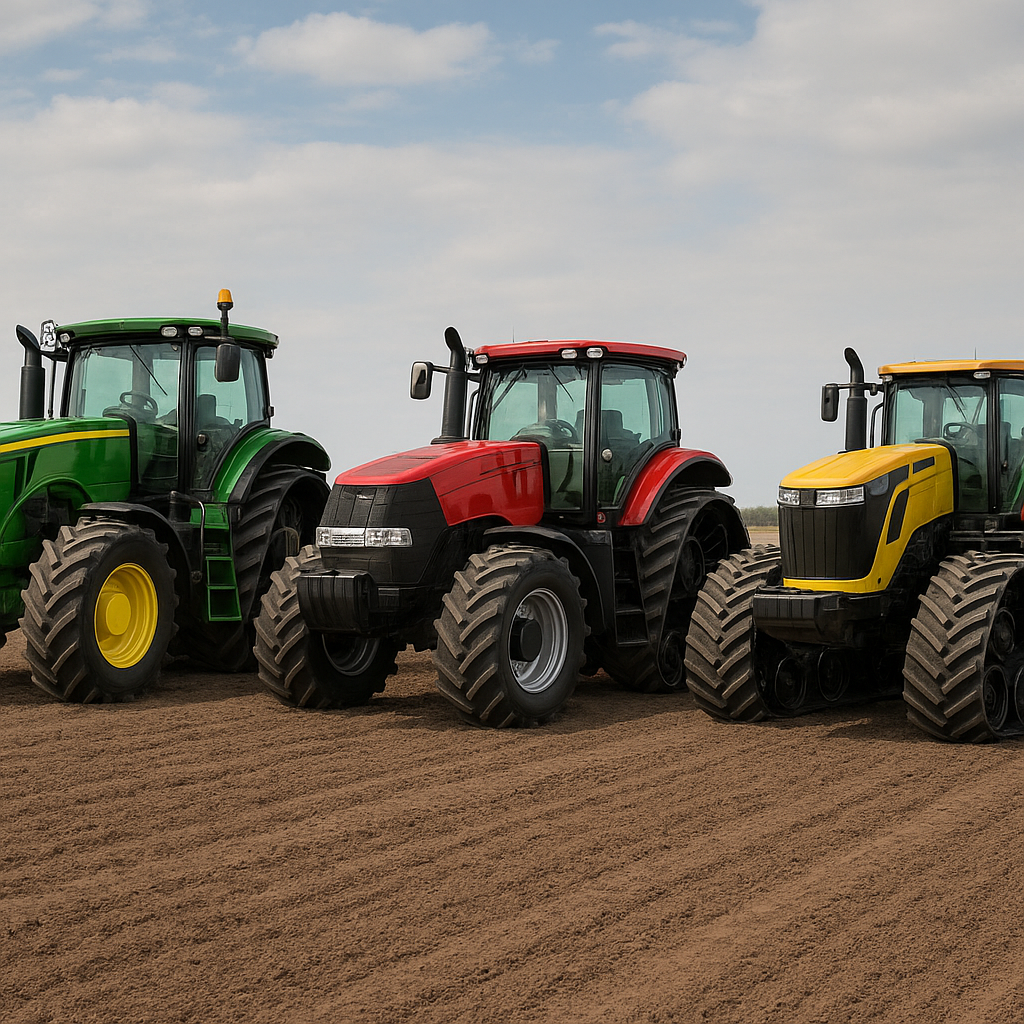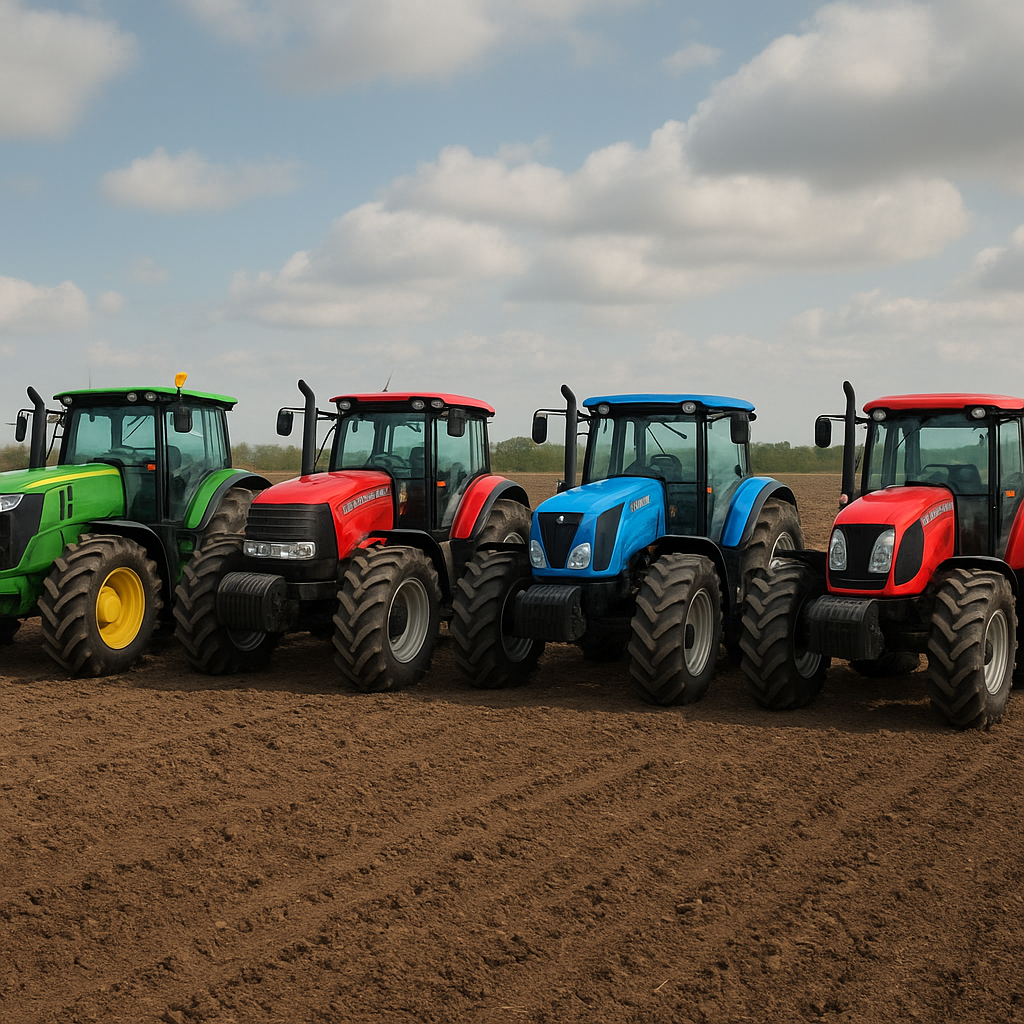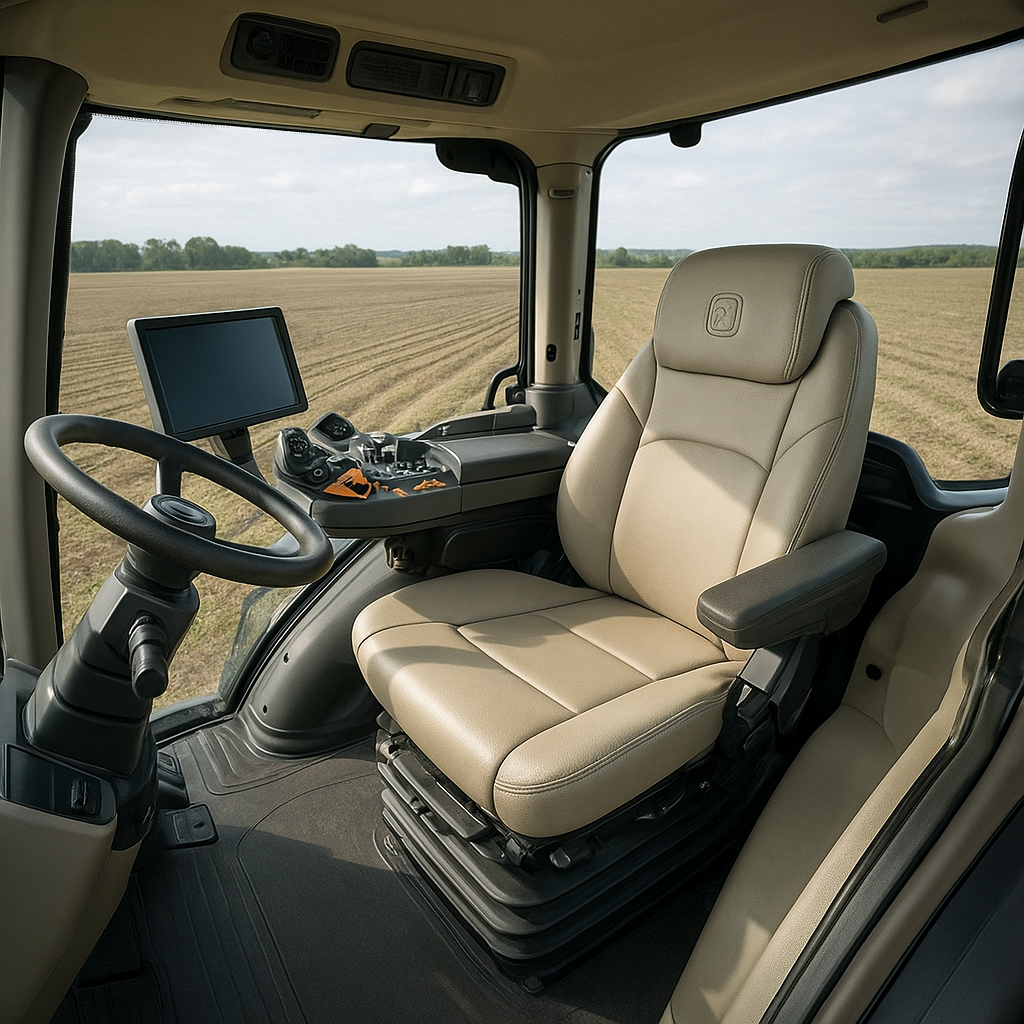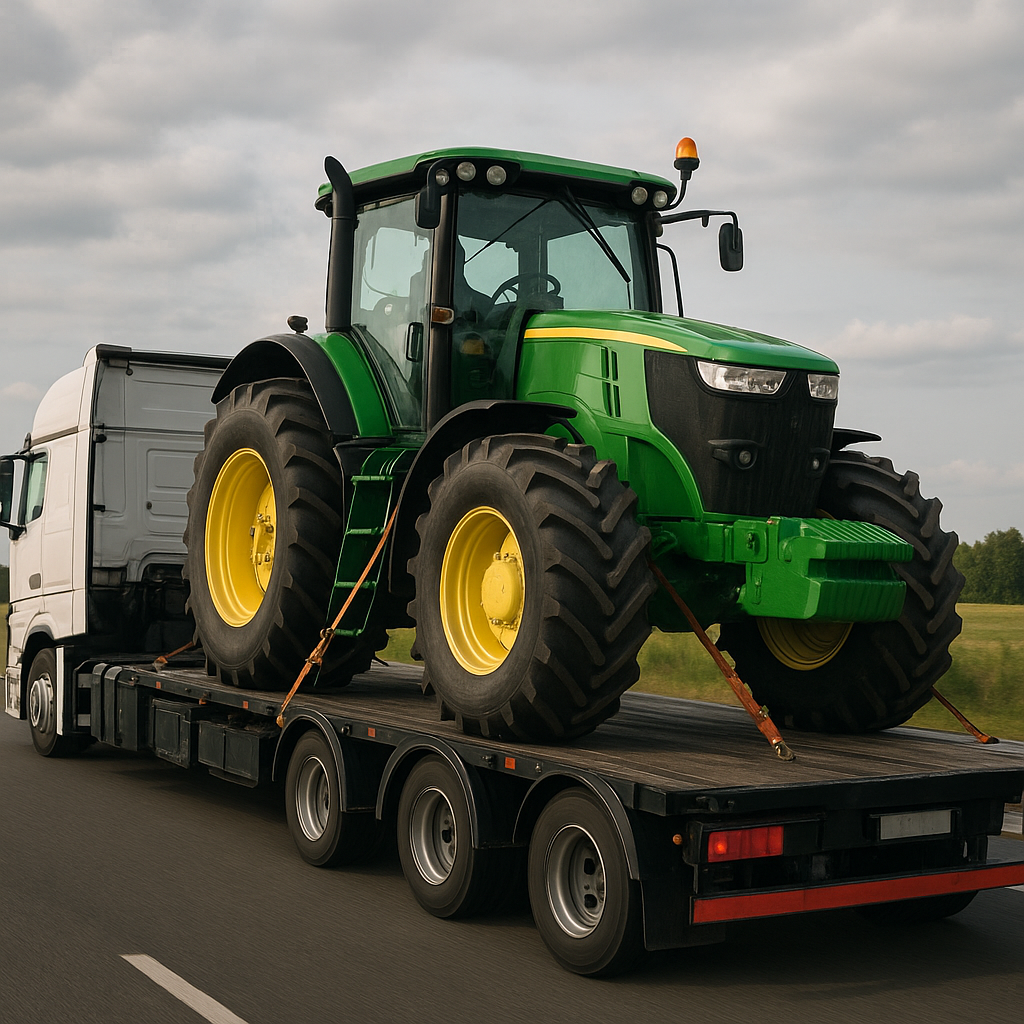
Transporting one of the world’s heavy machinery giants—a 20-ton tractor—demands rigorous planning, specialized equipment, and strict adherence to safety standards. This guide explores key considerations for moving colossal agricultural and construction tractors, from early preparation to secure loading, route mapping, and controlled transit. Each stage highlights techniques and best practices to mitigate risks, ensure stability, and protect both operators and public road users.
Planning and Preparation for a 20-Ton Tractor Move
Before any actual movement begins, a comprehensive strategy must be in place. Initial steps include verifying tractor dimensions, weight specifications, and any unique attachments. Detailed asset documentation is crucial, covering maintenance history, center of gravity data, and hydraulics. Early coordination with lift specialists and transport brokers can streamline subsequent stages.
- Document Tractor Profile: Record height, length, axle spacing, and auxiliary arms or booms.
- Perform Pre-Load Inspection: Check tracks or tires, brake systems, and hydraulic systems for leaks.
- Obtain Load Ratings: Confirm trailer’s payload capacity exceeds the 20-ton requirement.
- Engage Qualified Personnel: Mobilize certified riggers and drivers with experience handling oversized loads.
Selecting the Right Equipment and Loading Techniques
Loading a tractor of this magnitude requires a robust transport platform and precise maneuvering. Choice of trailer plays a pivotal role in risk management. Lowboy, flatbed, or modular designs can accommodate extreme weights, but each brings trade-offs in ground clearance and tie-down options.
Trailer Types and Features
- Lowboy Trailers: Offer a low deck height for clearance under bridges and overpasses.
- Removable Gooseneck (RGN): Simplifies rear loading ramps, ideal for self-driven or pushed tractors.
- Multi-Axle Platform: Distributes weight across more axles, reduces pavement stress, and complies with axle load limits.
Loading Best Practices
- Align Ramps Precisely: Avoid slippage by using anti-skid materials and guide rails.
- Slow, Controlled Drive-On: Operators must maintain constant speed to prevent jerks that compromise weight distribution.
- Use Heavy-Duty Winches: Assist non-operational units or steep inclines.
- Check Center of Gravity: Position the tractor slightly forward of the trailer’s midpoint to enhance stability and prevent rear lift.
Route Analysis and Regulatory Compliance
Mapping the path from origin to destination demands careful route analysis. Oversized cargo often faces restrictions due to bridge load ratings, low-clearance obstacles, and road construction zones. Start by consulting regional transport authorities for permits and corridor guidelines.
Permit Acquisition
- Oversize/Overweight Permits: Secure documentation specifying allowed travel times, speed limits, and designated routes.
- Escort Vehicle Requirements: Determine if pilot cars or police escorts are necessary to warn other motorists.
- Environmental Restrictions: Some jurisdictions limit heavy loads during thaw season to protect pavement integrity.
Route Planning Tips
- Assess Bridge Capacities: Verify each crossing can handle the combined weight of tractor plus loaded trailer.
- Check Clearance Heights: Identify and avoid tunnels, powerlines, and signage that might encroach on the load envelope.
- Plan Refueling and Rest Stops: Ensure sites can accommodate wide, long setups without impeding traffic.
- Emergency Contingency Paths: Predefine alternative lanes or service roads in case of road closures.
Safety Protocols During Transit
During movement, strict safety protocols guard against shifting loads and mechanical failures. Routine checks at rest intervals maintain secure conditions and prevent incidents arising from wear or environmental factors.
Securing the Load
- Primary tie-down Chains: Use high-tensile, grade 8 chains with calibrated tensioners.
- Secondary Straps: Employ woven polyester straps rated for dynamic loads to dampen vibrations.
- Beadlock Blocks: Place chocks under tires or tracks to restrict movement.
- Cross-Chaining: Crisscross tie-downs to stabilize lateral sway.
In-Transit Monitoring
- Scheduled Inspections: Every two hours or 100 miles, stop to retorque chains and examine anchor points.
- Temperature Checks: Monitor tire/wheel hub temperatures to catch overheating early.
- Driver Communication: Equip drivers with hands-free radios to report changing road conditions or mechanical anomalies.
- Weather Watch: Adjust speeds or pull over in severe weather to maintain control and compliance with local advisories.
Post-Delivery Procedures and Offloading
Upon arrival, an equally careful offloading routine safeguards equipment and personnel. Coordinated steps and the same quality of riggers used for loading should manage the descent process.
- Stabilize the Trailer: Engage landing gear and secure tractor in place before ramp deployment.
- Controlled Ramp Descent: Operators should reverse slowly under spotter guidance.
- Final Inspection: Examine hydraulic systems, structural elements, and chassis for transport-related stress.
- Documentation and Sign-Off: Complete delivery paperwork, noting any observations or required maintenance.
Key Considerations for Future Moves
Building a comprehensive transport process for 20-ton tractors elevates operational efficiency. Emphasize ongoing training, equipment maintenance, and updates to procedural manuals. Incorporate lessons learned from each transit to refine checklists, enhance securing methods, and streamline permit workflows. Maintaining a culture of continuous improvement ensures each successive haul achieves maximum safety and minimal downtime.