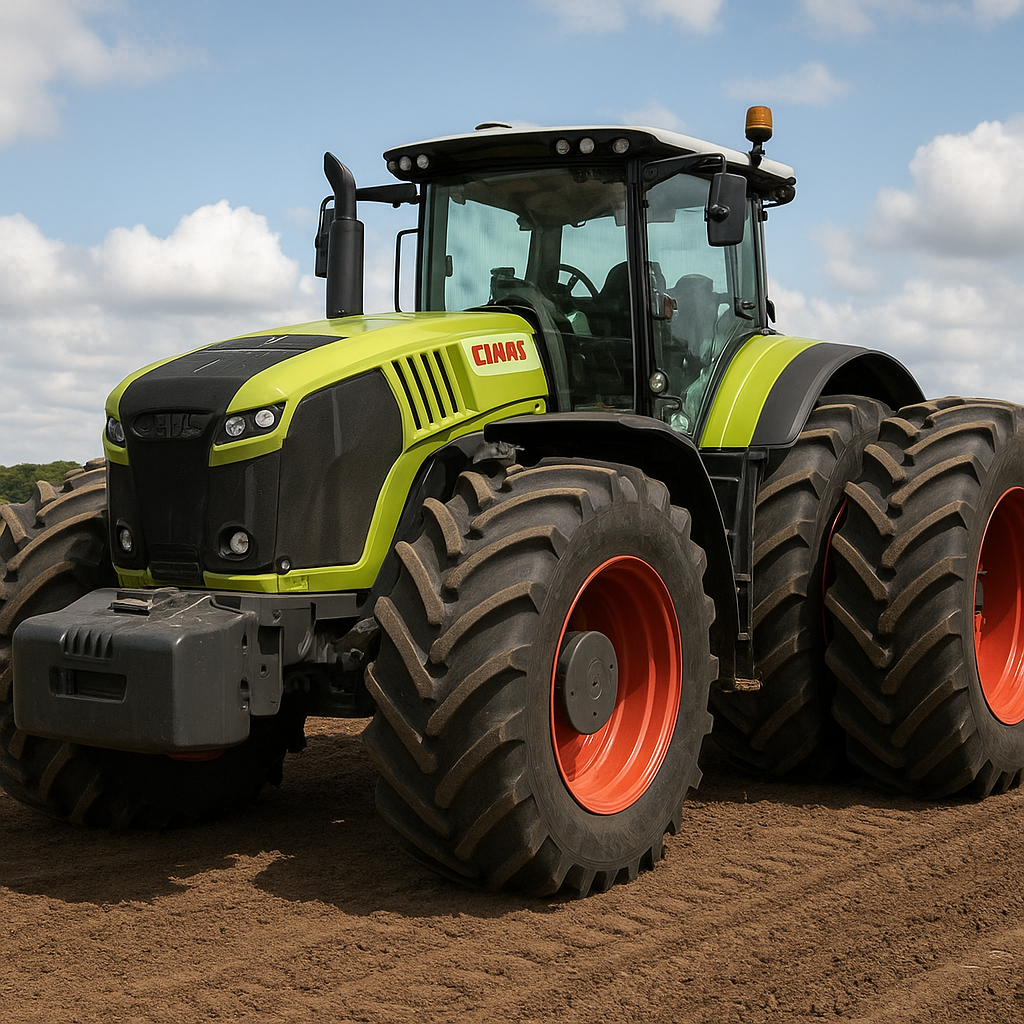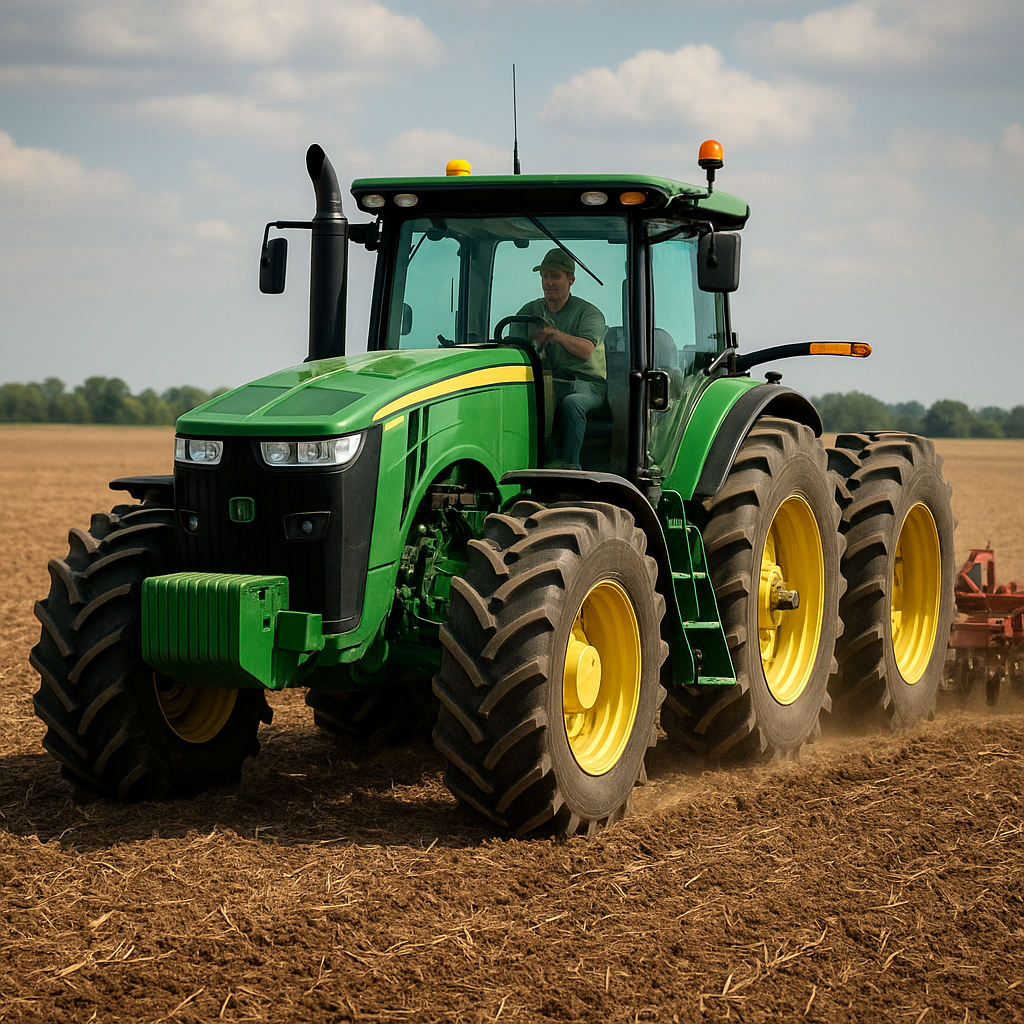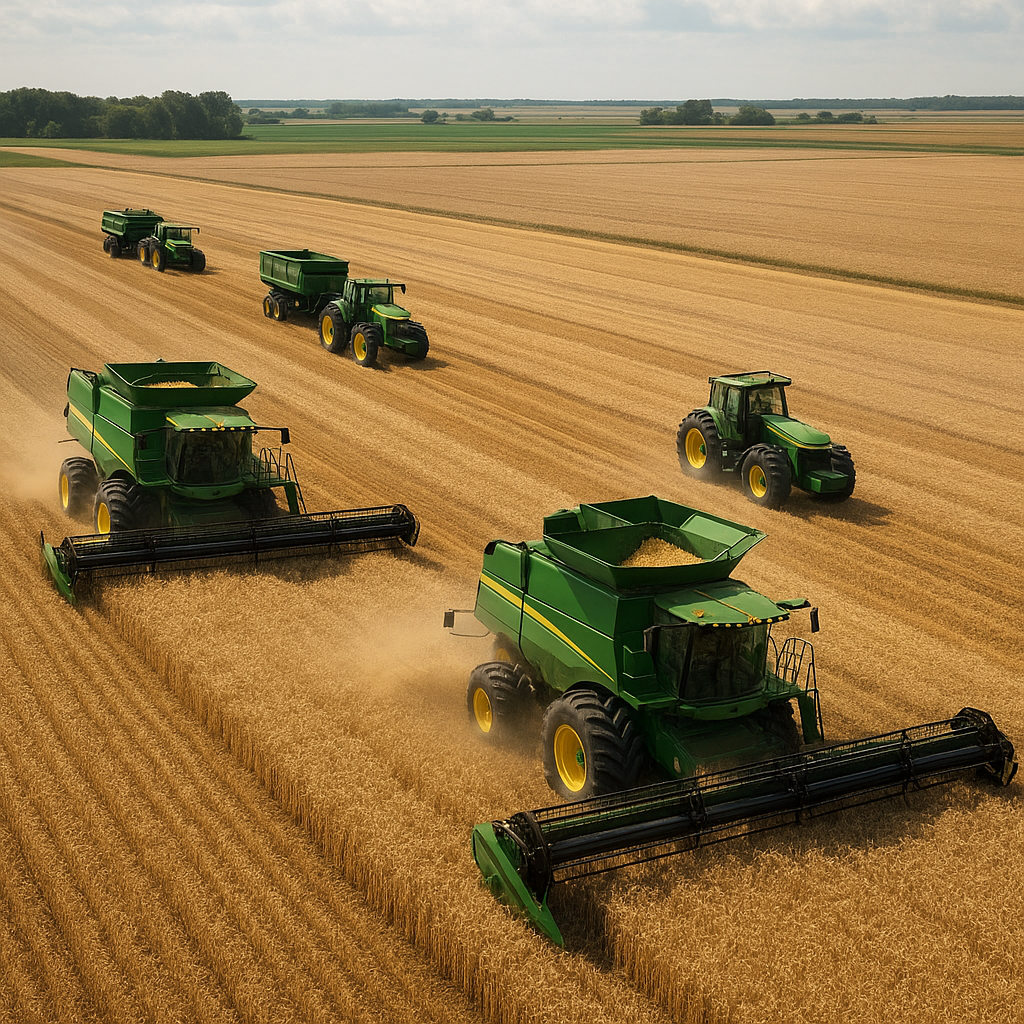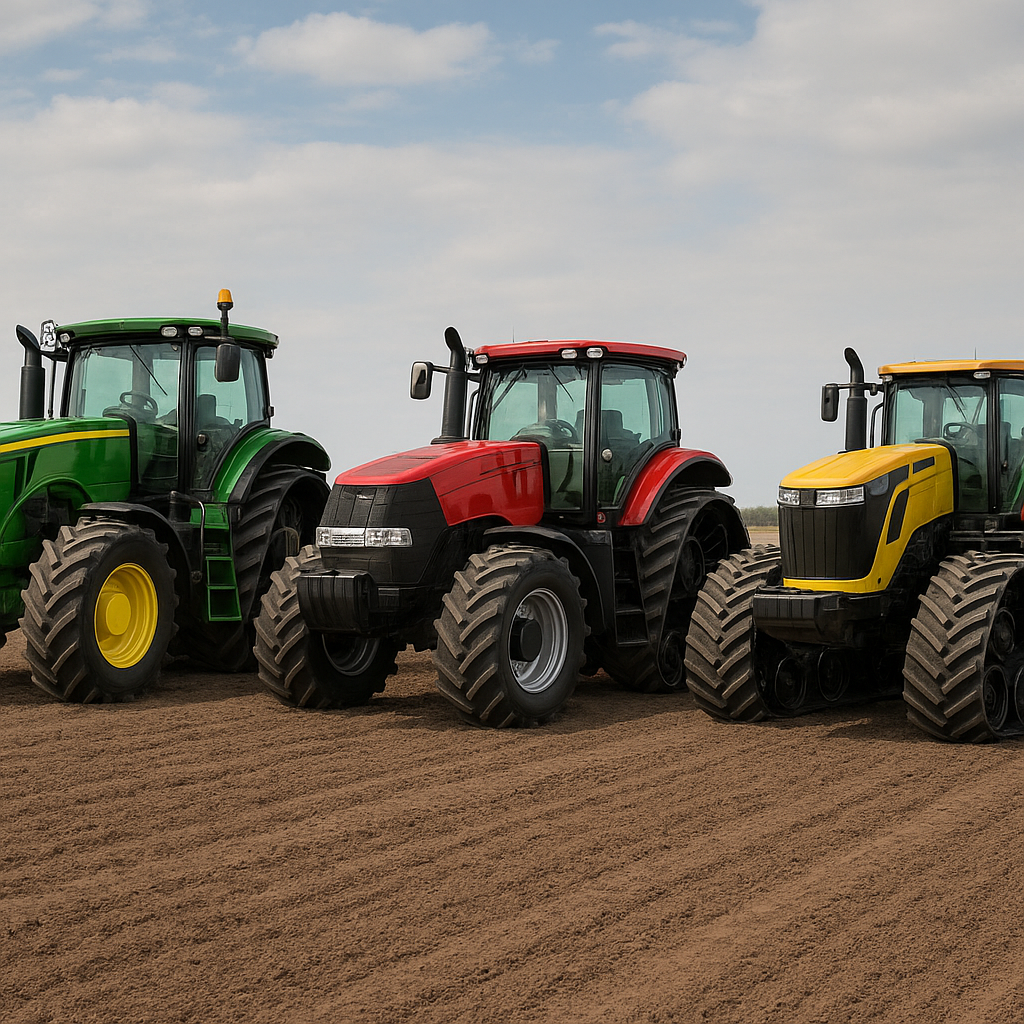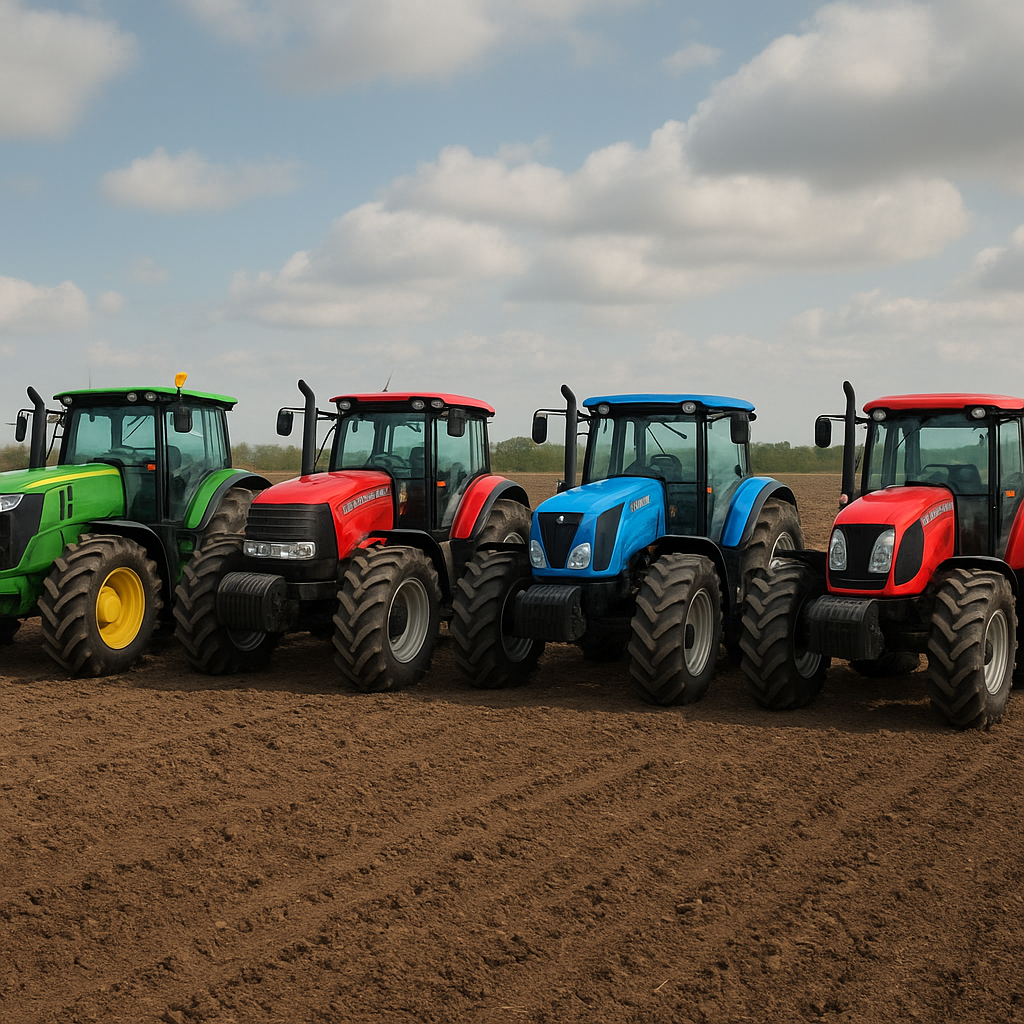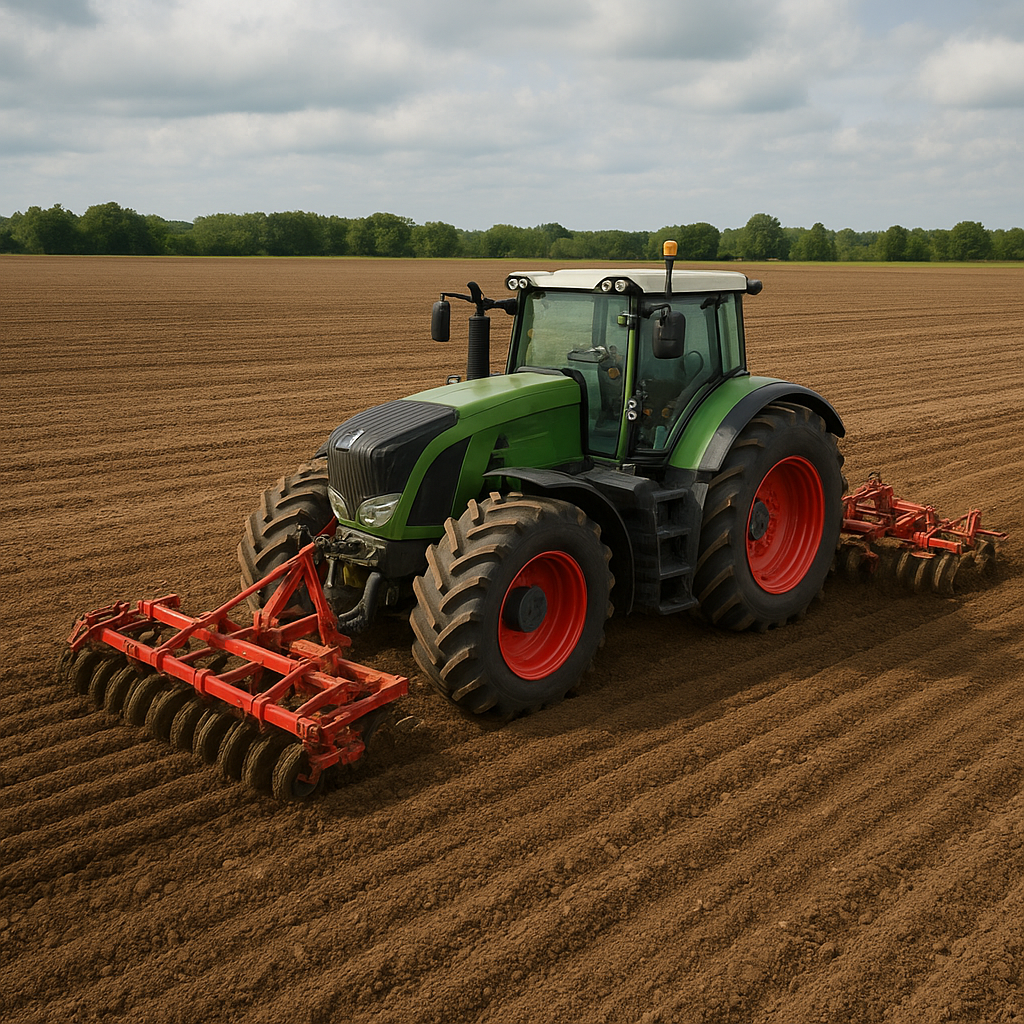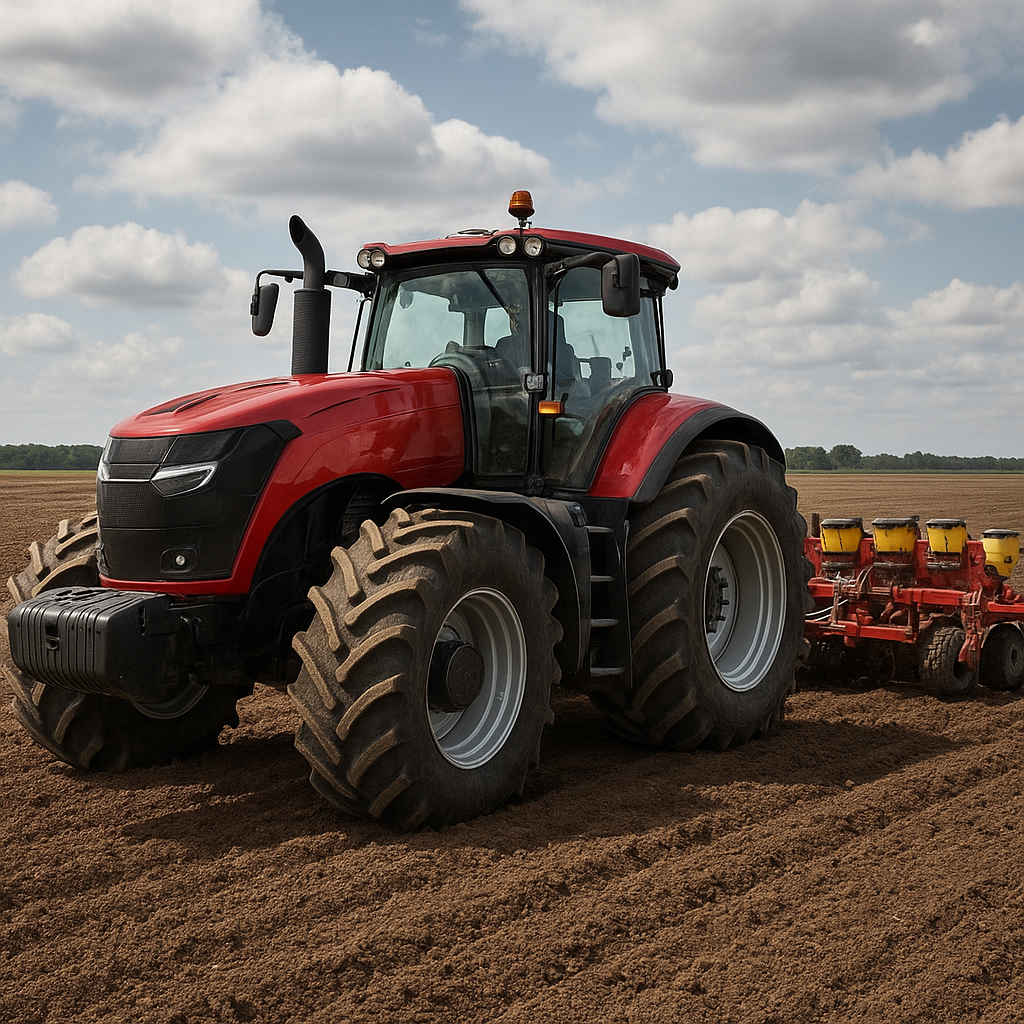
Over the past decades, tractors surpassing 500 horsepower have revolutionized field operations, reshaping the scale and scope of modern farming. These mammoth machines combine raw power with cutting-edge technology to address the ever-growing demands for efficiency, sustainability, and precision in agriculture. This article explores the evolution, engineering breakthroughs, economic implications, and future prospects of the biggest tractors powering today’s farms.
History and Evolution of High-Power Tractors
Early agricultural tractors emerged with modest engines barely exceeding 20 horsepower. As farms expanded and labor shortages intensified, manufacturers relentlessly pursued greater power. By the 1970s, tractors in the 100–200 HP class signaled a turning point. However, it was not until the late 1990s that horsepower ratings broke the 300 HP barrier. Investment in turbocharging, intercooling, and advanced fuel-injection systems set the stage for a new generation.
Key Milestones
- 1950s – Introduction of diesel engines with improved efficiency and torque curves.
- 1970s – Shift from mechanical to electronic engine management, boosting reliability.
- 1990s – Turbocharged and electronically controlled engines surpassed 300 HP.
- 2000s – Manufacturers like John Deere, Case IH, and New Holland fielded prototypes above 400 HP.
- 2010s – Commercial release of 500+ HP models, paired with precision guidance systems.
The synergy of mechanical ingenuity and digital controls ignited the race toward ever-larger tractors. Farm consolidation and the push for higher productivity drove equipment suppliers to break new ground. Today’s flagship models often exceed 600 HP, dwarfing the tractors of yesteryear and enabling single-pass operations over thousands of acres.
Engineering Marvels Behind 500+ HP Machines
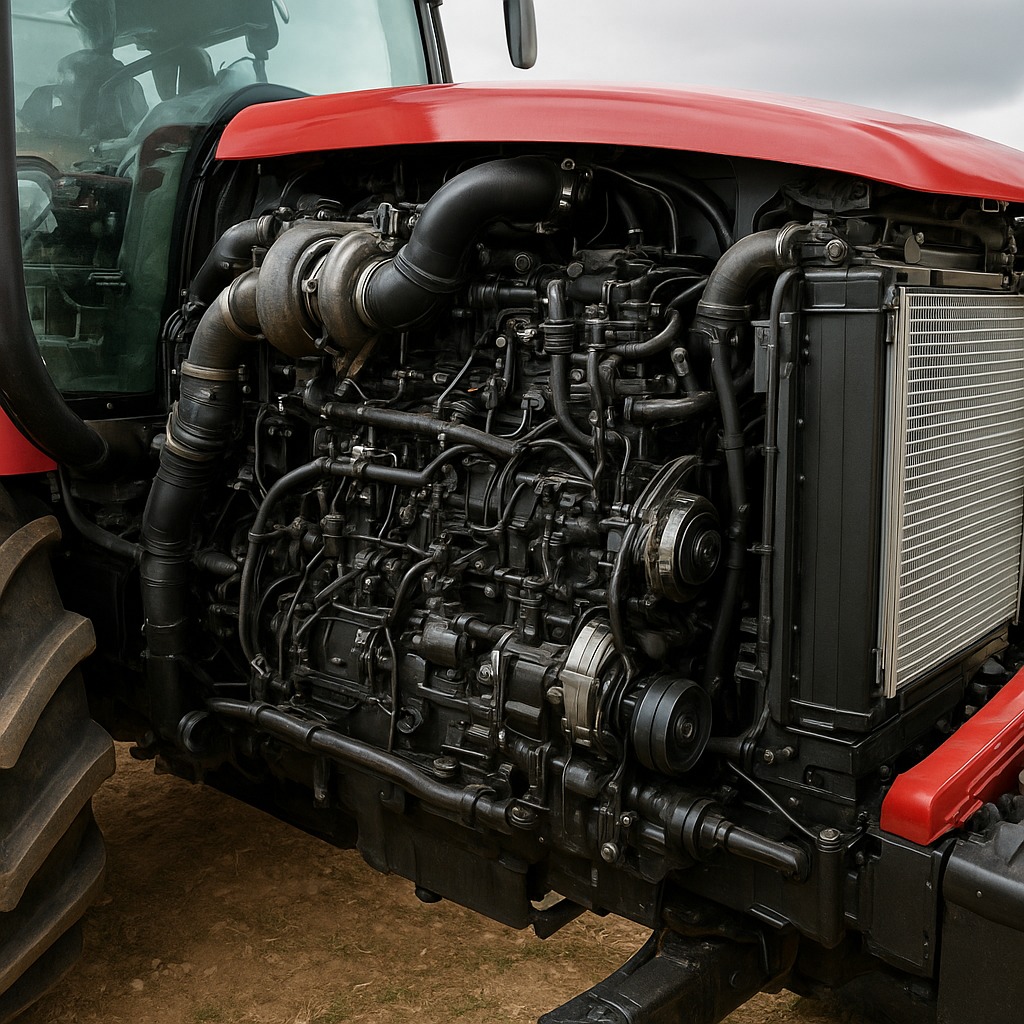
Designing a tractor with over 500 HP demands meticulous attention to engine architecture, drivetrain robustness, cooling capacity, and operator ergonomics. Each component must withstand extreme loads while delivering consistent performance.
Engine and Drivetrain Innovations
At the heart of these giants lies a multi-cylinder diesel engine with high-pressure common-rail injection. Advanced turbocharging and twin-scroll chargers optimize air flow and minimize lag. Electronic control units (ECUs) constantly adjust injection timing and fuel volume to maintain peak efficiency under variable loads. The drivetrain typically features:
- Heavy-duty planetary gear transmissions with multiple ranges.
- Continuously Variable Transmission (CVT) for seamless speed regulation.
- All-wheel drive systems with lockable differentials for uncompromised traction.
- Hydraulic torque assist to cushion load spikes and protect driveline components.
Cooling and Fuel Systems
Extracting and dissipating heat from a 500+ HP engine is a formidable challenge. Modern tractors employ multi-core radiators, reversible fans, and segregated oil coolers to maintain optimal operating temperatures. Large-capacity fuel tanks, coupled with high-pressure filtration, ensure uninterrupted supply to the engine, even during extended field operations spanning dozens of hours.
Cab Comfort and Control
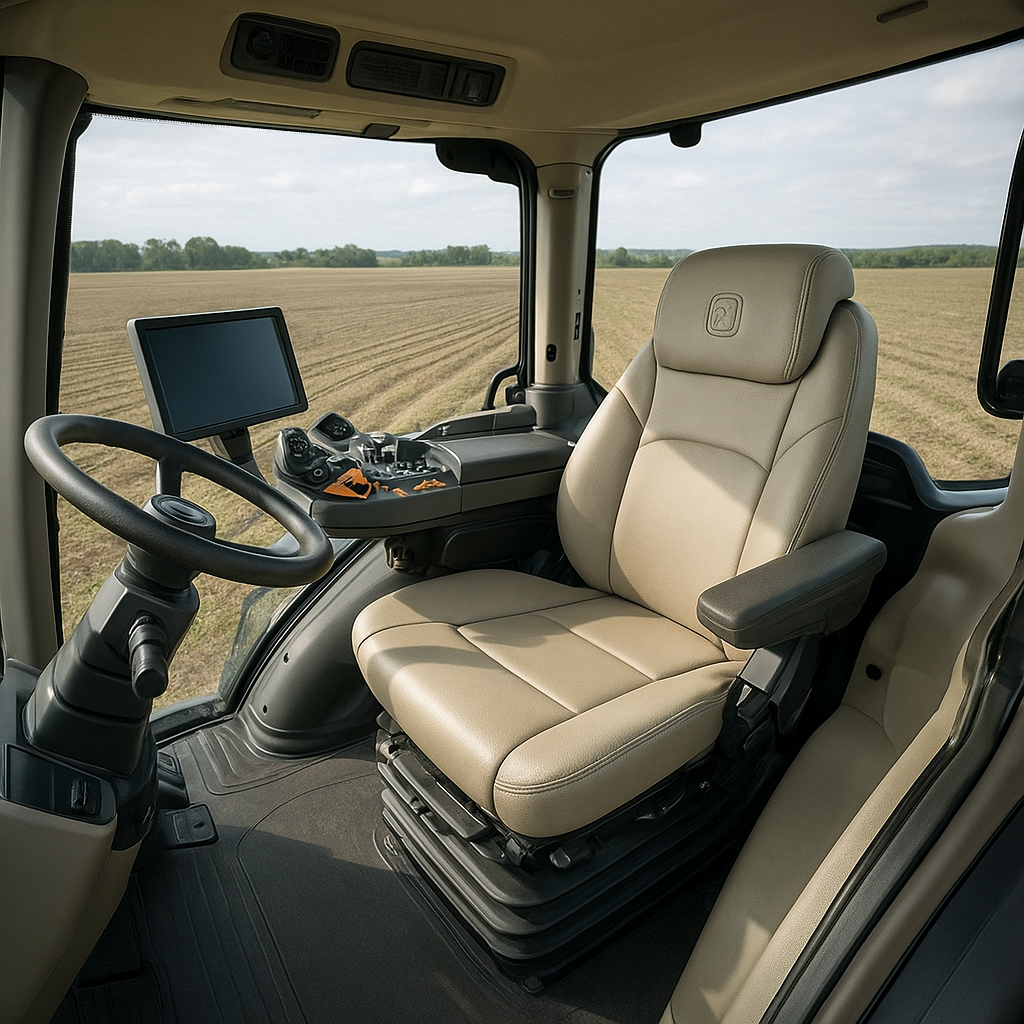
Enhanced ergonomics and digital interfaces allow operators to harness the tractor’s full potential with minimal fatigue. Features include:
- 360-degree camera systems and proximity sensors.
- Integrated GPS guidance for precision farming.
- Adjustable suspension seats and climate-controlled cabins.
- Touchscreen displays consolidating engine data, mapping, and implement controls.
By reducing operator stress and maximizing situational awareness, these tractors deliver high performance with safety and comfort in equal measure.
Economic and Environmental Impacts
Deploying 500+ HP tractors transforms the economics of crop production. Large-scale operations benefit from fewer passes over the field, lower labor requirements, and faster turnaround times. This scale allows producers to:
- Increase cultivated acreage per season while minimizing downtime.
- Achieve higher yield consistency through precise seeding and application rates.
- Lower per-acre fuel and input costs by optimizing load factors.
Fuel Consumption vs. Output
Critics often cite high fuel consumption as a drawback. However, when measured in output per liter of diesel, modern high-horsepower tractors can outperform smaller models. Thanks to advanced engine management and load-matching systems, these machines maintain near-constant optimal operating points, reducing wasted energy.
Sustainability Considerations
Tractors in this class increasingly adhere to stringent emissions standards such as Tier 4 Final and Stage V. Selective Catalytic Reduction (SCR) and Diesel Particulate Filters (DPF) ensure that massive engines emit minimal pollutants. Moreover, precision application technology reduces fertilizer and pesticide overuse, promoting more sustainable land stewardship.
Future Innovations and Trends
The quest for ever-greater performance continues, but the next frontier may extend beyond raw horsepower. Electrification, autonomy, and data integration promise to redefine tractor capabilities.
Electrification and Hybrid Systems
Several manufacturers are prototyping hybrid tractors combining electric motors with diesel gensets. These platforms offer instant torque, regenerative braking, and the potential for zero-emission operation in sensitive areas such as livestock barns or greenhouses. Battery capacity and power density remain challenges, but rapid advances in energy storage could usher in a new era.
Autonomous Operations
Fully autonomous tractors are no longer science fiction. Equipped with LiDAR, radar, and machine-learning algorithms, self-driving tractors can:
- Execute planting, spraying, and harvesting tasks without human intervention.
- Operate continuously, day and night, maximizing fieldwork windows.
- Communicate with other machines and farm management systems for synchronized operations.
By integrating real-time data from drones, satellites, and soil sensors, these autonomous platforms can optimize routes and adjust parameters on the fly, pushing innovation to unprecedented levels.
Data-Driven Decision Making
Advanced telemetry and cloud-based analytics enable farmers to harness machine performance data alongside yield maps, weather forecasts, and soil moisture readings. This holistic approach supports precision nutrient management, predictive maintenance, and strategic resource allocation, resulting in improved profitability and resilience.
The evolution of tractors over 500 HP underscores a broader transformation in agriculture, where scale, technology, and sustainability converge. As engineering marvels on wheels, these machines exemplify the fusion of power, intelligence, and adaptability, driving the industry toward a more productive and environmentally conscious future.