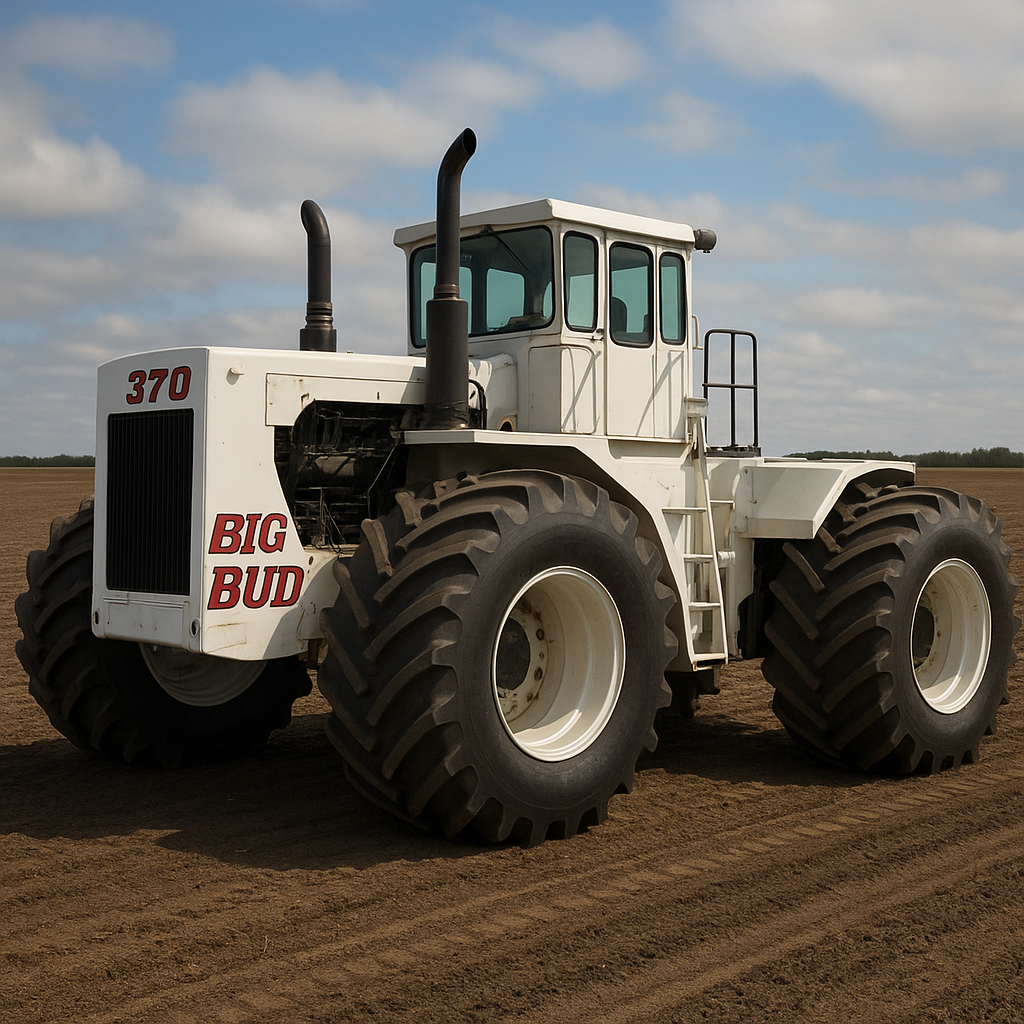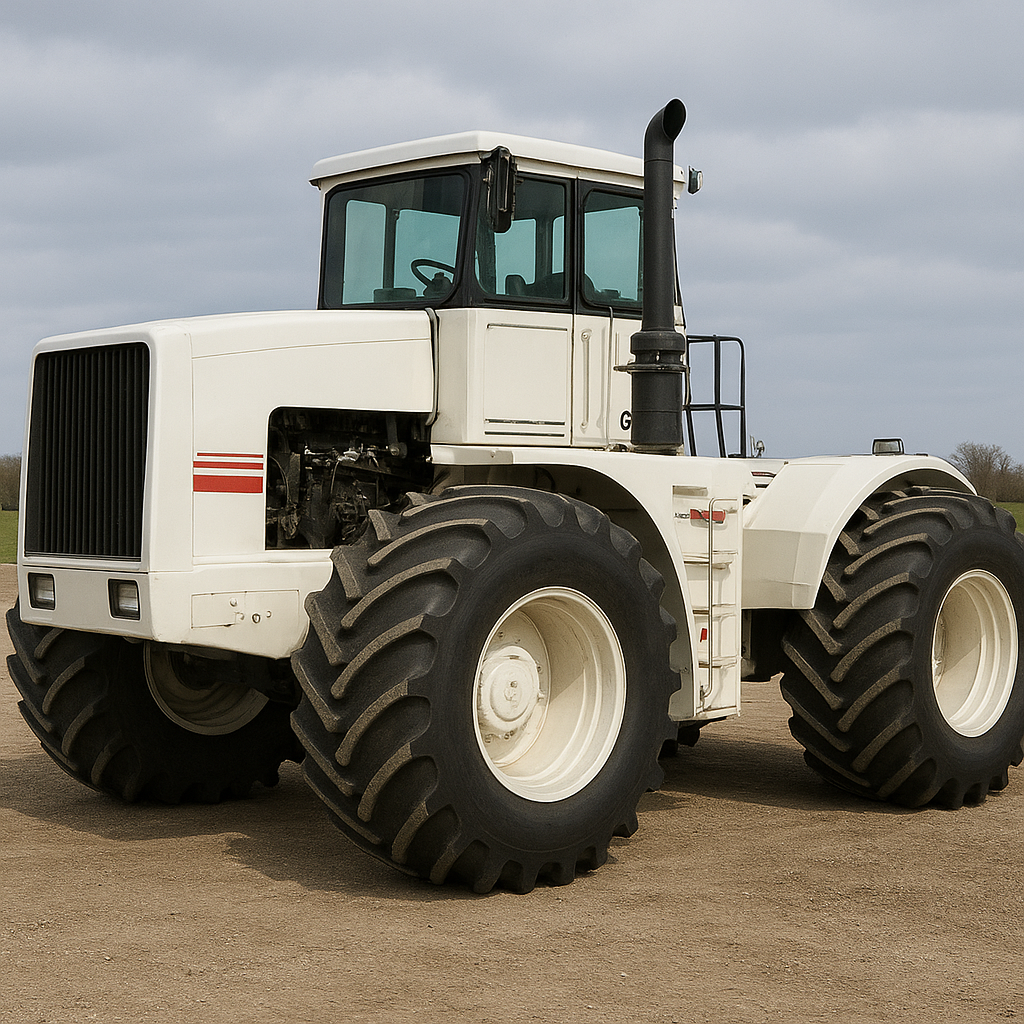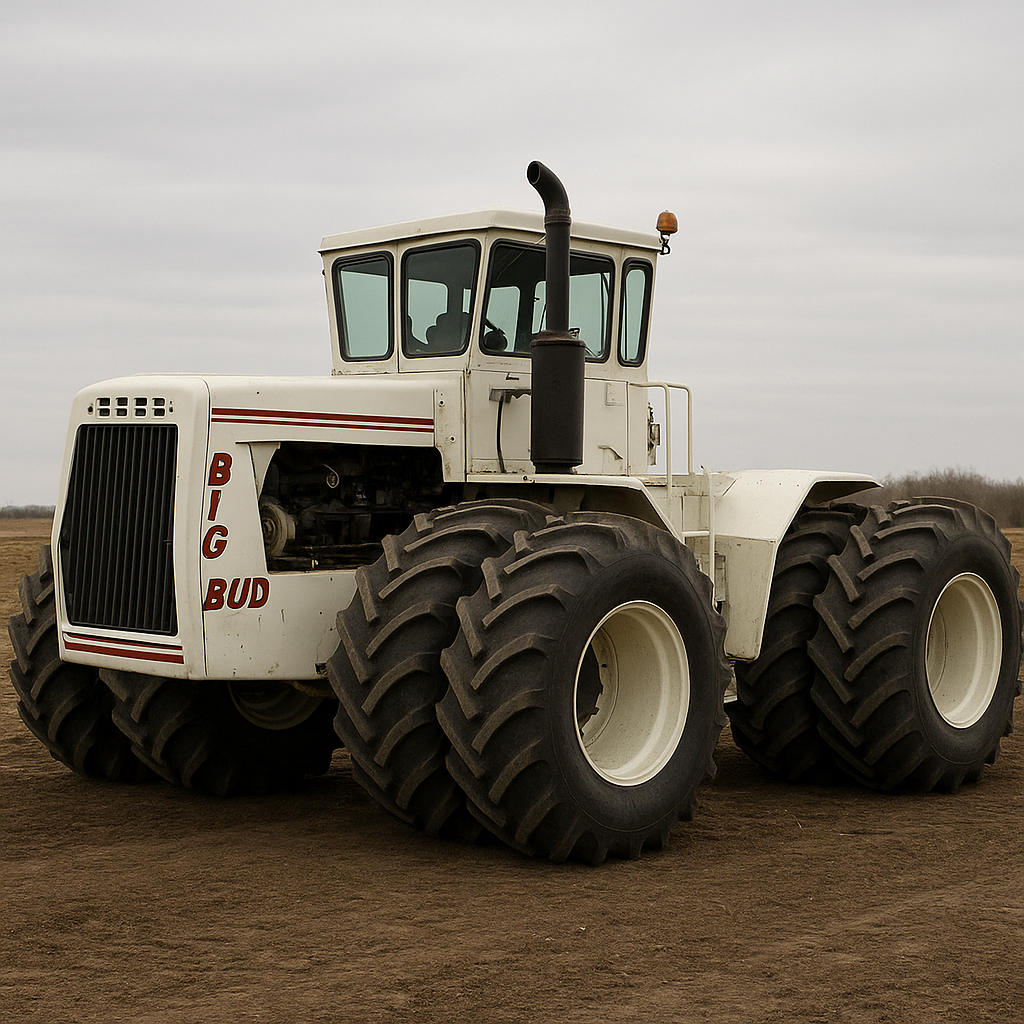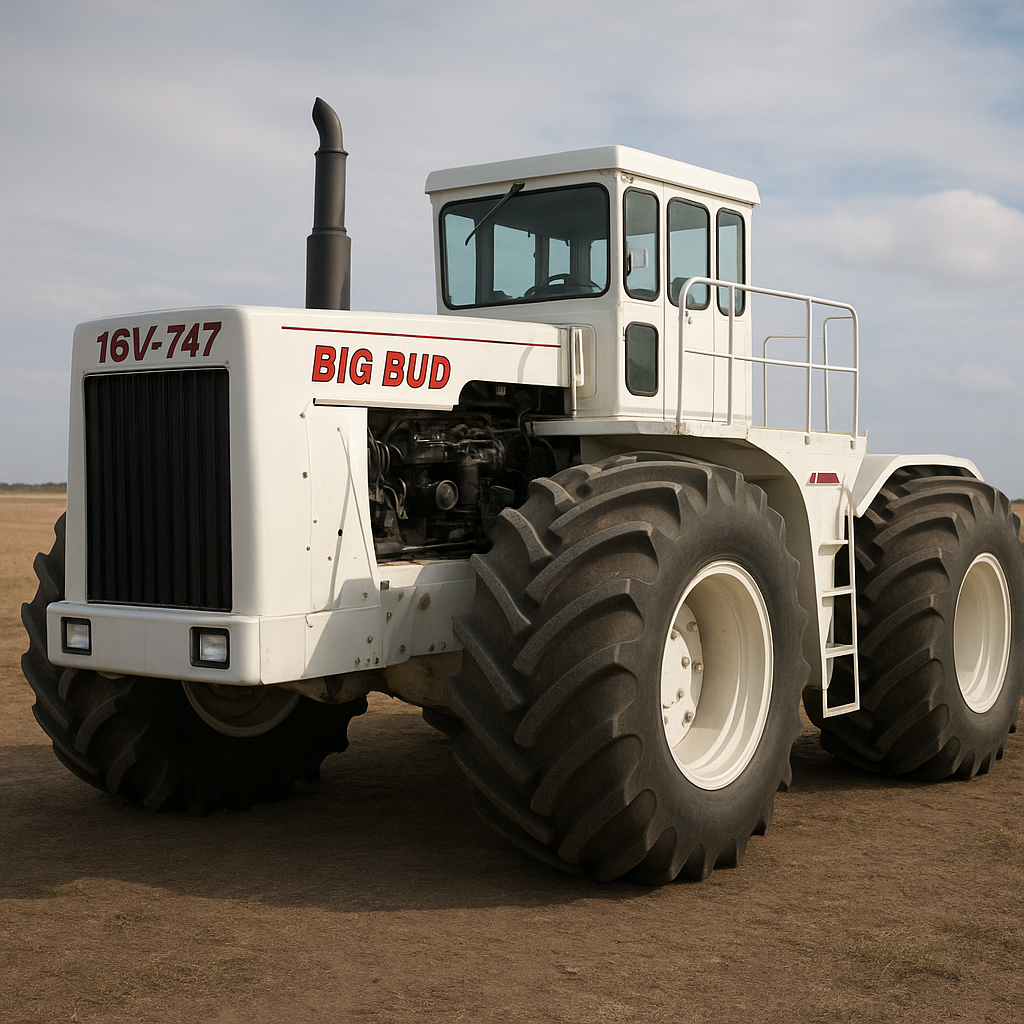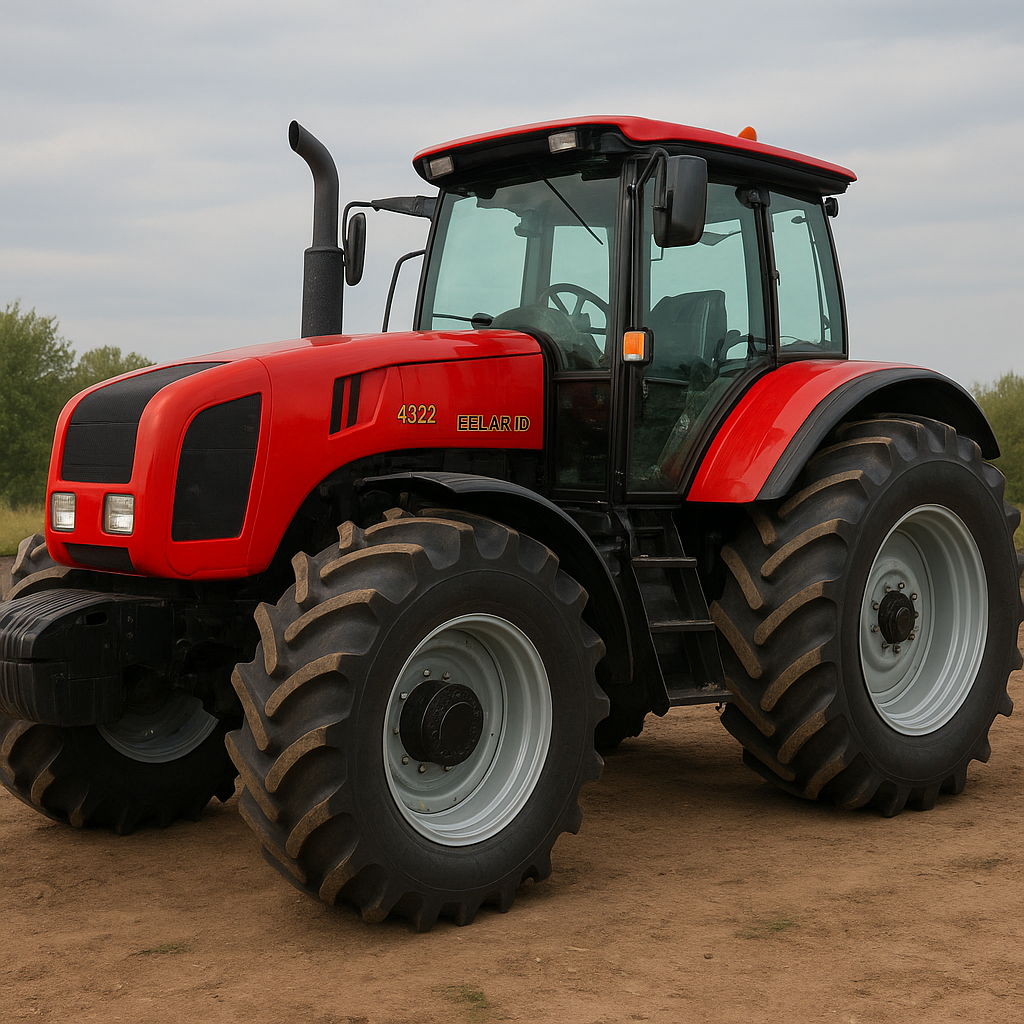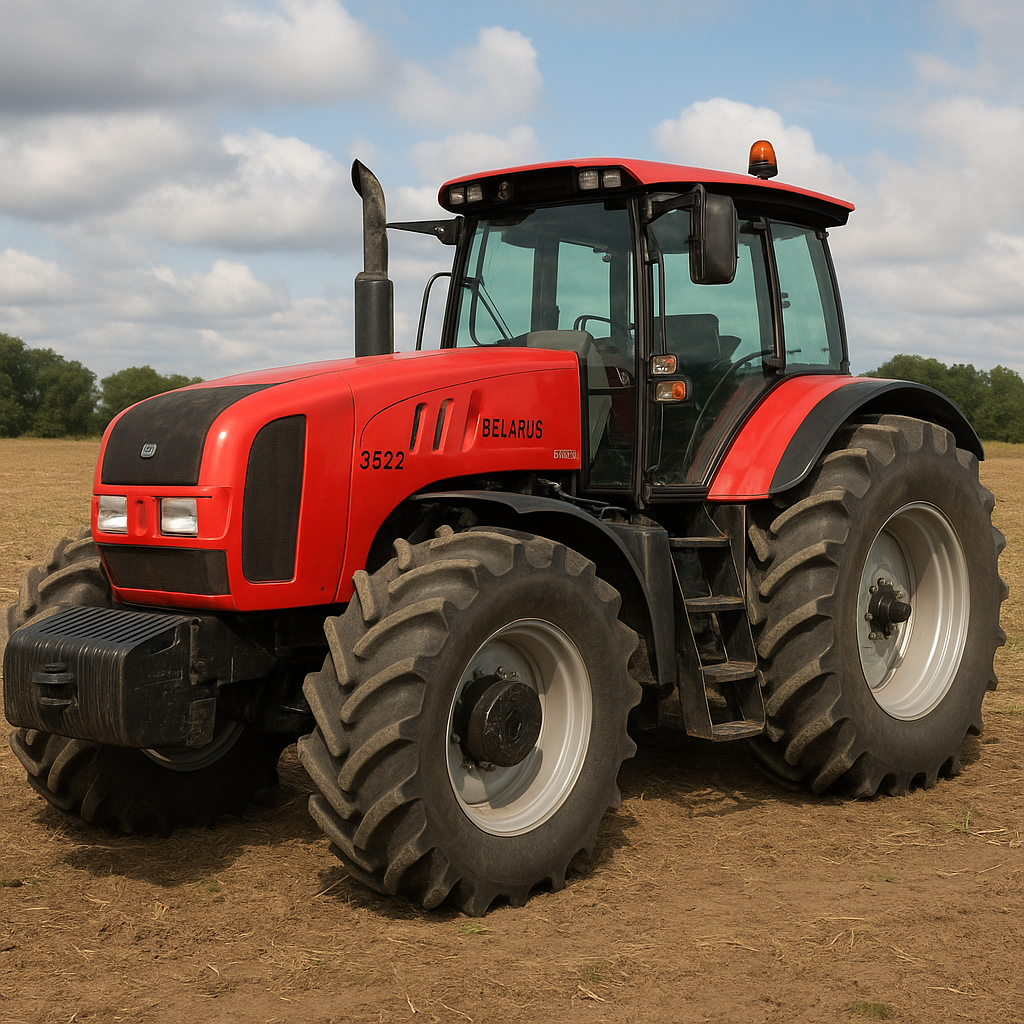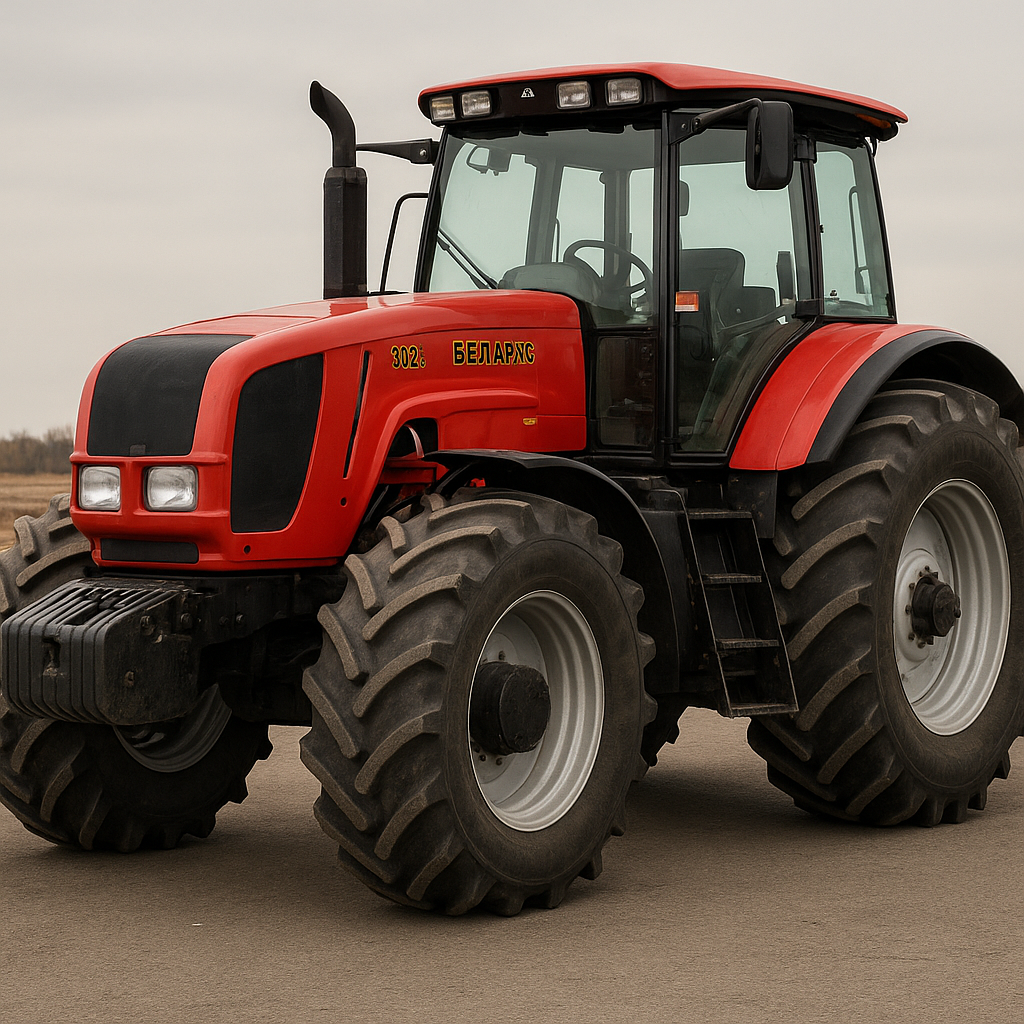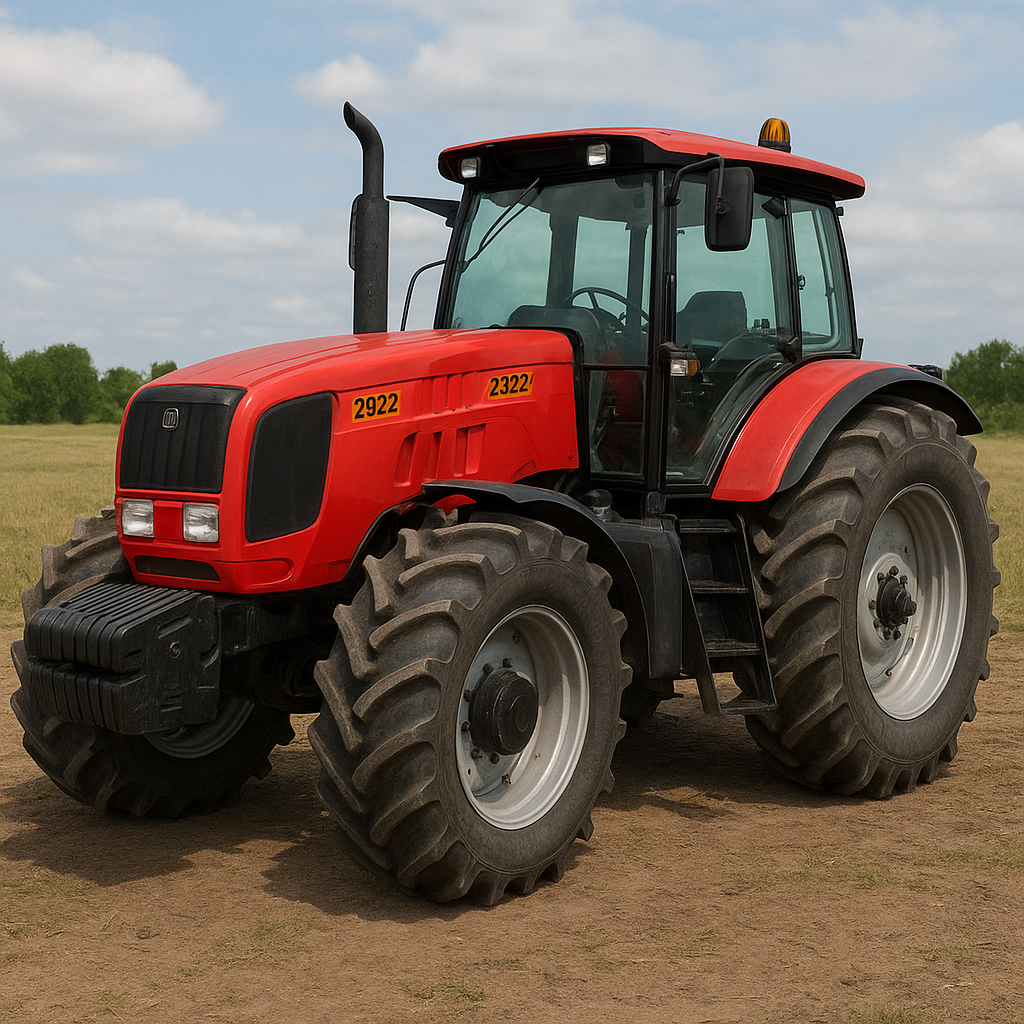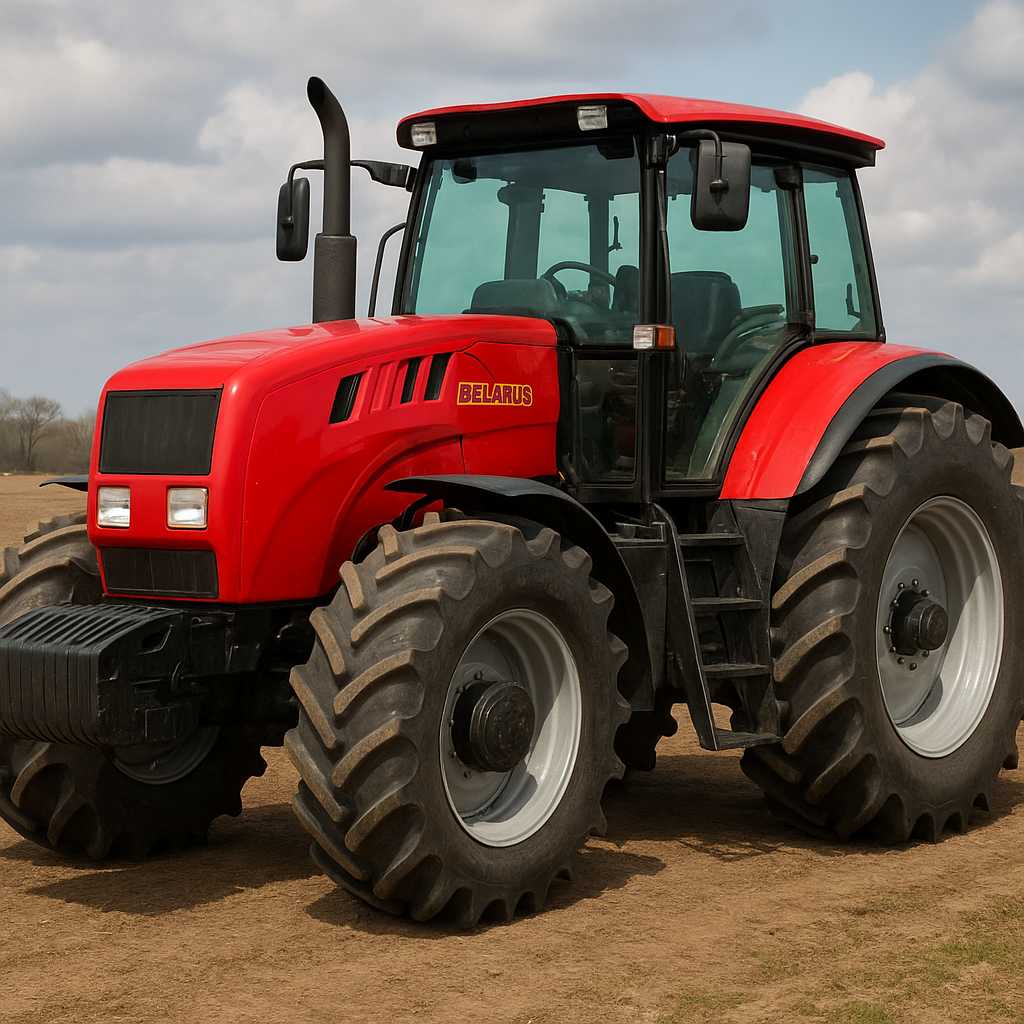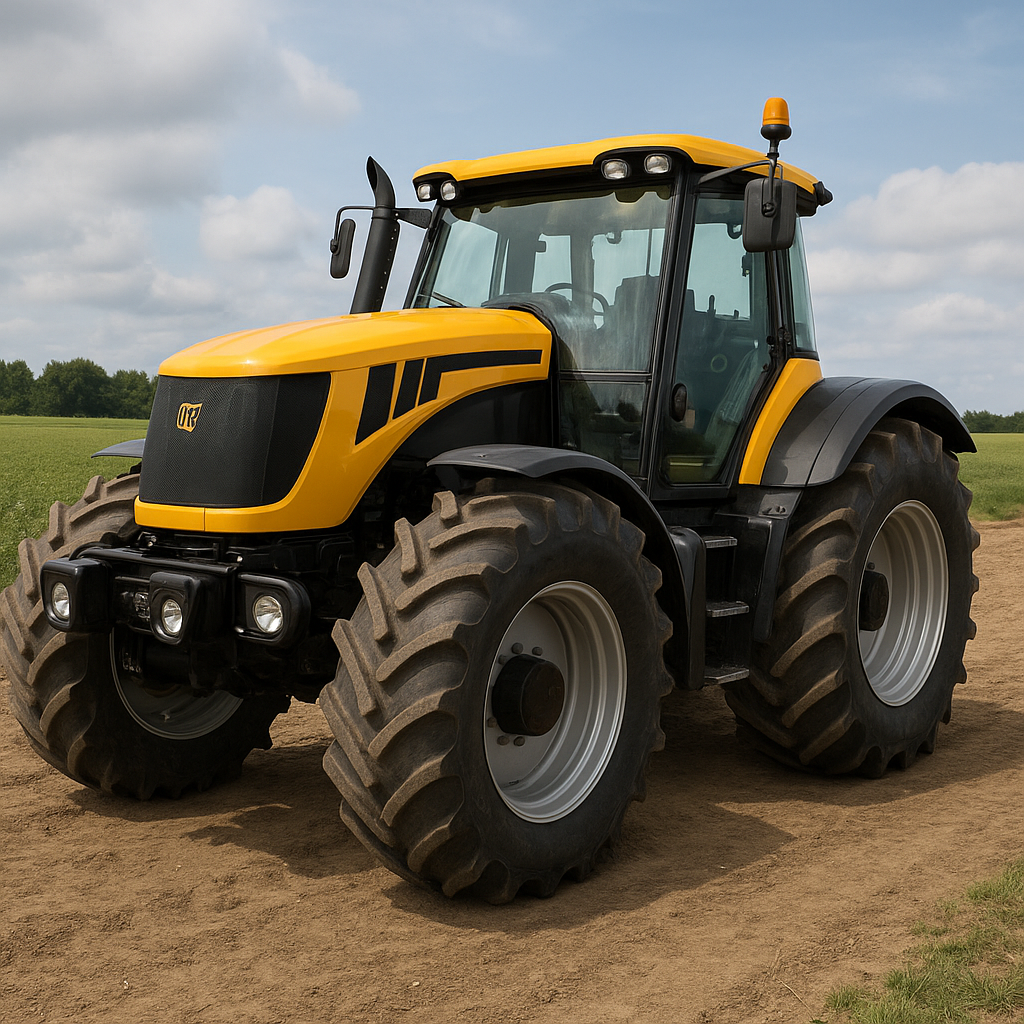
The JCB Fastrac 3230 represents a distinctive approach to agricultural machinery design: a tractor engineered for a blend of on-field capability and high-speed road travel. Combining innovative chassis engineering, practical ergonomics and adaptable powertrain options, the Fastrac line has long appealed to farmers and contractors who need a machine that performs both in the field and on public roads. This article examines the 3230 model in depth — its design principles, typical uses, technical characteristics, operational advantages, maintenance considerations, market context and relevant statistics where available.
Overview and design philosophy
The JCB Fastrac family was developed around the idea that a tractor can be more than a slow-moving workhorse: it can be a fast, comfortable, productive machine for long-distance travel between fields, haulage tasks and time-sensitive operations. The 3230 embodies that philosophy through a robust chassis, full suspension, and driveline components designed to deliver both traction and speed.
Key design elements include a purpose-built frame rather than a conventional agricultural axle-mounted arrangement, a suspension system that improves ride quality and traction, and cab ergonomics aimed at long days on the road and in the field. The combination of these features makes the 3230 attractive to users who value mobility, operator comfort and operational flexibility.
Applications and operational roles
The JCB Fastrac 3230 is used across a broad range of agricultural and semi-industrial tasks. Its combination of speed and power allows it to bridge roles that would otherwise require both a tractor and a transport vehicle.
- Arable farming: towing seeders, planters, cultivators, and large grain trailers between fields with minimal delay;
- Fertilizer and chemical application: carrying and running mounted or trailed spreaders and sprayers over long distances at legal road speeds;
- Haulage and logistics on farm: transporting crops, slurry tankers and feed loads across farm complexes and between sites;
- Contracting work: road haulage of implements, seasonal movement of machinery and support tasks for diverse clients;
- Specialist roles: grassland work, forager towing, bailer transport and operations where speed and smooth ride reduce soil compaction and operator fatigue.
Why speed matters
High road speed is not just a convenience: it affects farm logistics, turnaround times and operational efficiency. Where farms and contracting operations cover large geographic areas, the ability to move machinery at up to 65 km/h (typical for high-speed tractors like many Fastrac models) reduces transit time, increases the number of tasks completed per day and lowers total labor costs. The 3230 is designed to exploit this advantage while still providing field-relevant power and traction.
Technical characteristics and typical specifications
The Fastrac 3230 shares a number of design principles common to the Fastrac range. While exact specifications can vary by year, market and optional equipment, the following points describe typical technical attributes of the 3230:
- Engine: turbocharged diesel engine tuned for a blend of torque and fuel economy. Depending on configuration, engine outputs commonly fall into a medium-power band suitable for large implements without excessive fuel consumption.
- Transmission: multi-speed powershift or modular gearbox options designed to offer both low-speed tractive capability and high road speed. Some model years provide high-speed gearing enabling road travel up to 65 km/h (40 mph) in certain jurisdictions.
- Suspension: full suspension of both front and rear axles to absorb shocks and improve stability at speed and over uneven ground.
- Hydraulics: high-flow hydraulic systems for modern implements, with multiple remote valves and optional load-sensing systems to deliver consistent actuator performance.
- PTO: rear and, in some configurations, front PTOs with multiple speed options for implementing a wide variety of PTO-driven equipment.
- Braking and safety: systems sized to manage high-speed road travel under load, including robust service brakes and optional ABS or enhanced braking packages depending on market regulations.
- Cab and visibility: roomy, road-optimized cab with good sightlines, integrated controls and options for climate control, air suspension seat and soundproofing to reduce operator fatigue during long transits.
For users requiring precise numbers, typical ranges for a model like the 3230 might include nominal power ratings in the mid-horsepower segment (often quoted by manufacturers as a band rather than a single number), hydraulic flow rates sufficient for large modern sprayers and loaders, and weight and lifting capacities tailored for heavy trailed equipment. Exact figures vary by year and regional variant; always confirm with a manufacturer’s specification sheet for a particular serial-numbered machine.
Performance, efficiency and on-road behavior
One of the Fastrac 3230’s strengths is translation of engine power into practical performance both on-road and off. Several performance elements are noteworthy:
- High-speed stability: the combination of frame strength and suspension tuning reduces pitching and roll at road speeds, making long transits more comfortable and safer;
- Traction control: advanced driveline systems and differential locking strategies provide dependable traction in field conditions while allowing smooth engagement when moving between jobs;
- Fuel economy: engines are tuned to produce usable torque at modest rpm, which improves fuel economy during fieldwork and steady road cruising;
- Implement compatibility: hydraulic flow and PTO options support a wide range of implements, enabling the tractor to work efficiently without auxiliary power sources.
Real-world efficiency gains stem from reduced downtime during farm-to-farm moves, decreased need for trailer transport of implements and improved operator productivity through reduced fatigue. For many contractors, the operational cost-per-hour advantage of a fast, versatile tractor quickly offsets its higher initial cost compared with basic models.
Comfort, ergonomics and cab technology
Long-distance usage places a premium on operator comfort and intuitive controls. The 3230’s cab commonly includes:
- spacious layout with excellent outward visibility,
- adjustable, often air-suspended seats and steering columns,
- low noise levels and effective climate control,
- clear instrument clusters and ergonomically placed control levers,
- optional telematics and GPS-ready systems for precision farming and fleet management.
Telematics and connectivity options are increasingly standard or available as upgrades, enabling remote monitoring of working hours, fuel consumption, service intervals and location. For fleet managers, those features can optimize utilization and plan maintenance to reduce unexpected downtime.
Hydraulics, PTO and implement integration
The Fastrac 3230 is built to integrate with contemporary implements and systems. Hydraulic systems typically provide sufficient flow to operate large sprayers and loaders, while multiple spool valves and electronic controls support complex implement management.
- Rear PTO: configurable speeds (e.g., 540/1000 rpm variants on many tractors) for compatibility with conventional and high-speed implements.
- Front PTO options: available on some configurations, improving versatility for front-mounted equipment such as mowers and snow blowers.
- Three-point linkage: Category-compliant couplings and lift capacities that accommodate heavy mounted implements.
Integration with ISOBUS-capable implements is typically achievable through optional electronics and signal interfaces, enabling precision farming workflows and simplified operator control of complex tools.
Maintenance, uptime and life-cycle considerations
Operators of higher-speed, multi-role tractors like the 3230 need to focus on maintenance areas that affect both field performance and road reliability:
- Suspension and chassis: regular inspection of suspension components, bushings and mounting points is critical because these wear items are subject to loads at speed;
- Drivetrain and transmission: oils and filters should be changed as per manufacturer intervals, especially if the machine cycles frequently between low-speed high-load work and prolonged road running;
- Hydraulics: maintaining clean fluid and filters preserves spool valve function and pump life — debris can be catastrophic for expensive hydraulic components;
- Electrical and telematics: software updates, battery health and sensor checks ensure that advanced control systems remain reliable;
- Tires and brakes: regular condition checks are essential given the combination of heavy loads and high travel speeds.
A proactive maintenance and telematics-driven servicing strategy typically yields high uptime and preserves resale value. Operators often prioritize verified service records when acquiring used models, as documented maintenance history enhances trust in aged, high-value machines.
Market position and statistical context
JCB’s Fastrac range occupies a niche between conventional tractors and dedicated transport vehicles. Some relevant points about its market context:
- JCB introduced the Fastrac concept in the early 1990s and iterated the platform for decades, focusing on high-speed capability, comfort and multi-role use.
- The Fastrac series is particularly popular in regions where farms or contracting operations are spread over long distances and where road speed improves productivity—examples include parts of Europe, the UK, Australia and North America.
- For many operators, the ratio of cost-to-productivity favors a single high-speed tractor that can tow implements and move between sites quickly rather than maintaining separate tractors and transport tractors or heavy farm trucks.
Statistical figures specific to the 3230 model (production volumes, sales by year or exact fuel consumption numbers) depend on production year, configuration and regional equipment packages. General metrics observed from aggregated Fastrac sales and operator reports include:
- typical fuel consumption during mixed operations that is competitive with similar-power conventional tractors when measured in liters-per-hour under similar working conditions;
- resale values that remain strong in markets valuing speed and telematics due to the long service life of robustly built chassis designs;
- average annual utilization rates for contractor-owned units that are often higher than farm-owned machines, reflecting the vehicle’s multi-site mobility advantage.
Environmental considerations and regulations
Modern agricultural operators must consider emissions, noise and road compliance. The Fastrac 3230 conforms to regional emissions standards applicable at time of manufacture and, where retrofits are required, approved after-treatment or engine upgrades may be installed to meet newer regulations.
- Emissions: engines fitted to the 3230 comply with the emissions standard relevant to their production year—operators should confirm whether selective catalytic reduction (SCR) or particulate filters are fitted when seeking to meet current local regulations.
- Noise and vibration: full suspension and cab soundproofing reduce operator exposure and neighborhood disturbance during road movement.
- Roadworthiness: high-speed tractors must meet vehicle registration and lighting/braking rules for public road use; many regions require special licensing or markings for tractors capable of higher speeds.
Comparisons and purchasing considerations
When comparing the 3230 to other tractors or multi-role machines, buyers typically evaluate several factors:
- Role fit: whether the machine will primarily replace a standard tractor, serve as a dual-purpose tractor and hauler, or act as a contractor’s mobile workhorse;
- Operating environment: long road transits and frequent site changes favor the Fastrac concept; compact or purely field-based farms may find the extra capability unnecessary;
- Running costs: initial acquisition cost may be higher but can be offset by reduced need for additional vehicles and improved labor efficiency;
- Resale and support: availability of local dealer support, parts supply and resale demand in the market should inform purchase decisions.
Safety and operator training
Because the Fastrac 3230 operates at road speeds and in mixed environments, safety considerations are critical. Operator training should emphasize:
- braking distances at maximum permitted speeds when towing heavy loads;
- correct use of differential locks, traction aids and PTO engagement under load;
- heightened awareness of road rules, lighting and signage requirements for tractors in public traffic;
- routine inspections before road movement, including tire pressures, hitch security and brake condition checks.
Future outlook and technological trends
Agricultural machinery continues to evolve rapidly. Trends that influence the ongoing relevance and evolution of tractors like the Fastrac 3230 include:
- Electrification and hybrid drivetrains: while full electrification of high-power tractors remains challenging, hybrid systems and electrified auxiliaries (e.g., hydraulics) may reduce fuel use and emissions;
- Autonomy and precision farming: autonomous guidance and advanced GPS integration are increasingly available and can be integrated into Fastrac platforms to enhance field productivity;
- Telematics and data services: fleet management, predictive maintenance and remote diagnostics will continue to lower operating costs and improve uptime;
- Materials and design optimization: lighter, stronger materials and modular component design can improve fuel economy and simplify servicing.
Conclusion
The JCB Fastrac 3230 stands as a practical example of a tractor designed to bridge the gap between powerful field machinery and high-speed road transport. Its chief advantages are mobility, operator comfort and versatility — traits that make it particularly valuable for contractors and large farms where distance and time are critical factors. While specific configuration details and exact specifications vary by production year and market, the 3230’s core strengths — robust chassis design, full suspension, adaptable hydraulics and PTO options — continue to define its appeal. For buyers and operators, careful consideration of intended use, maintenance practices and regulatory compliance will determine whether the 3230 is the right tool for their operation.