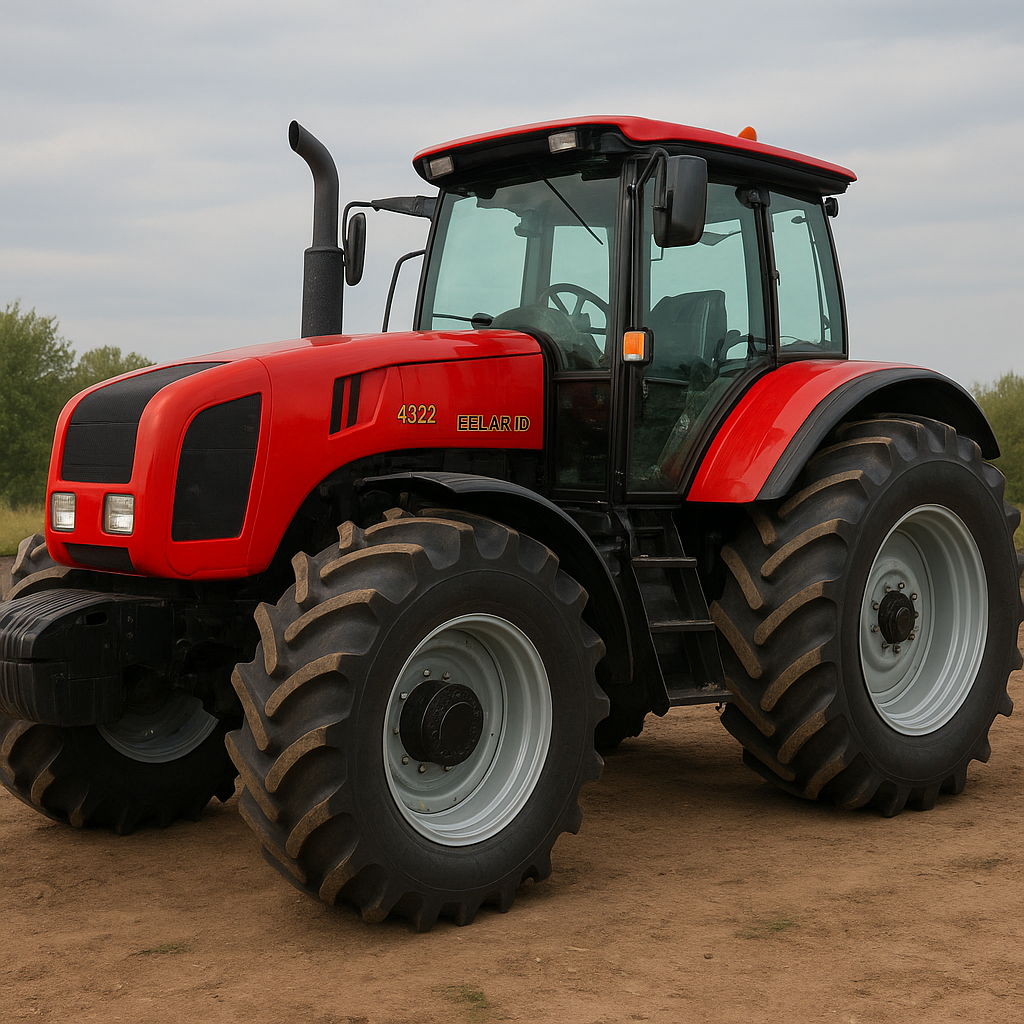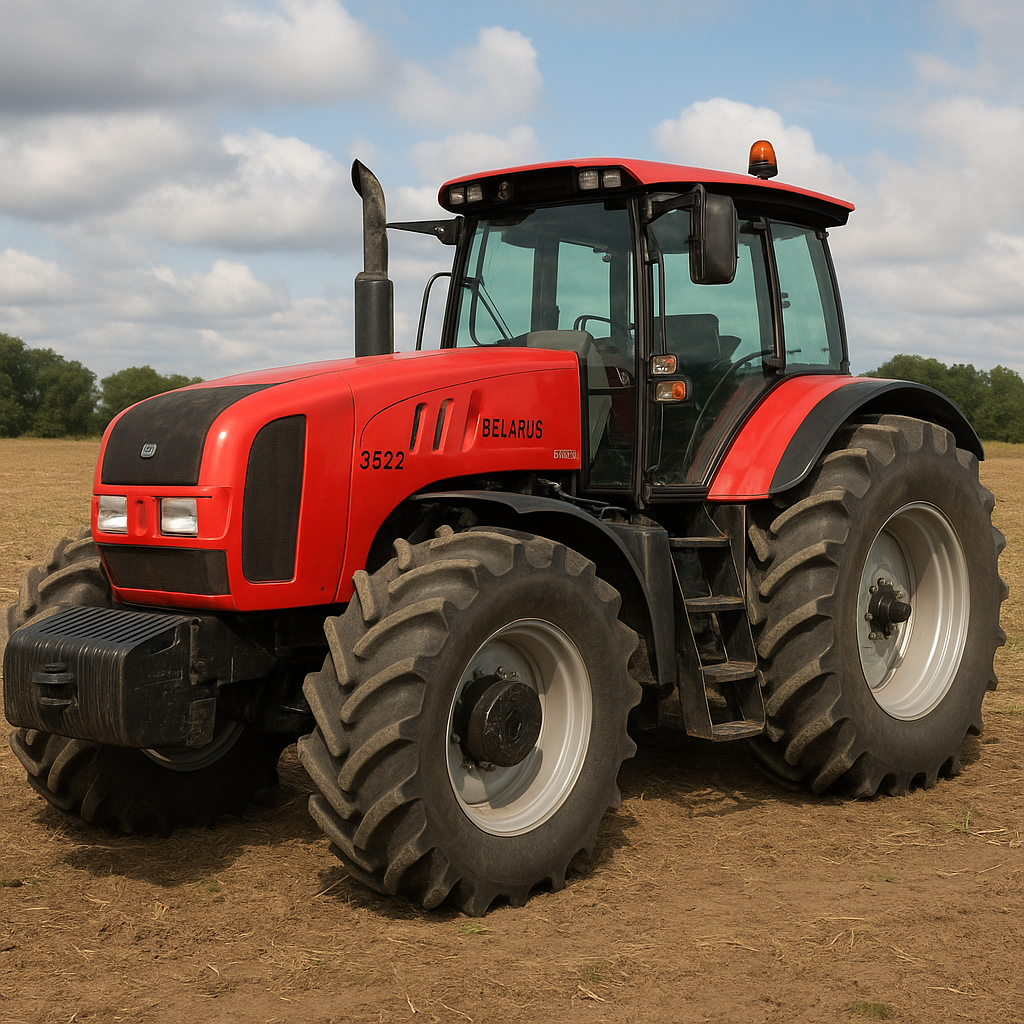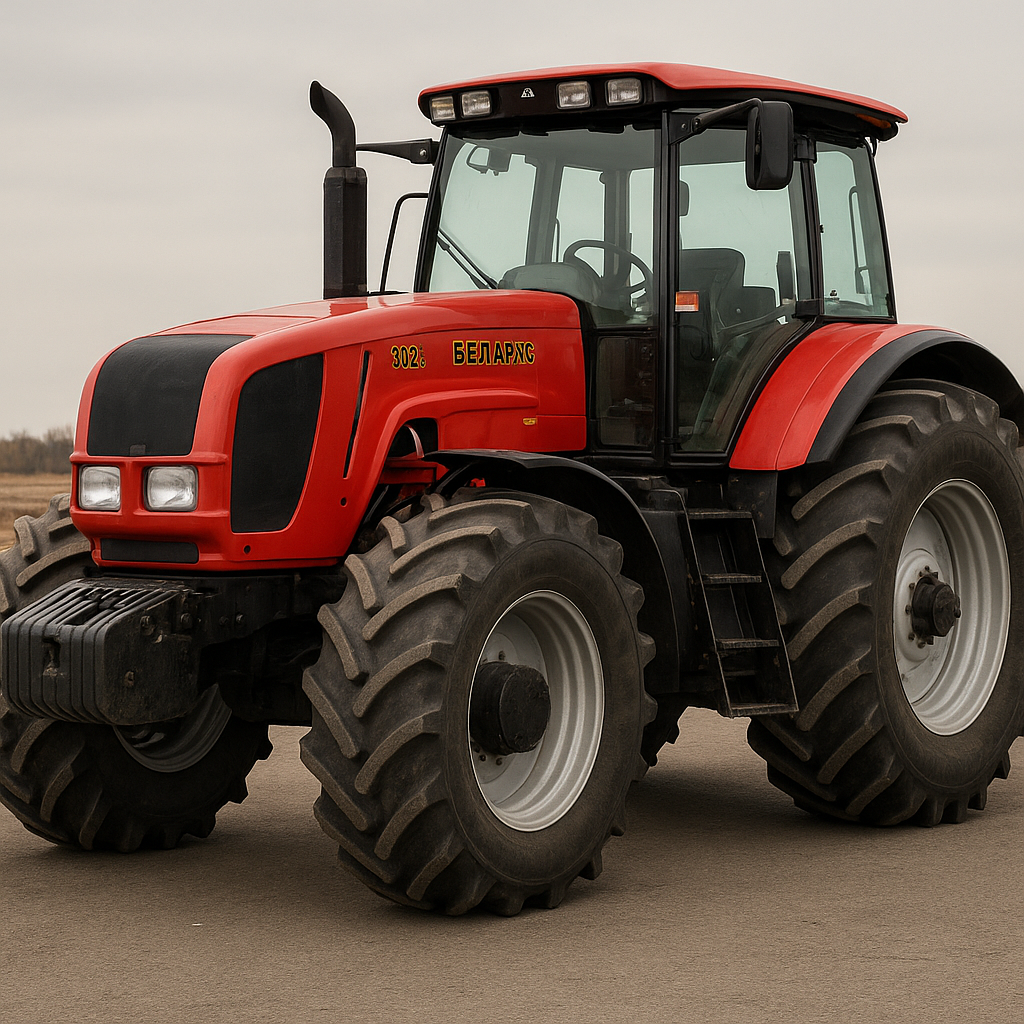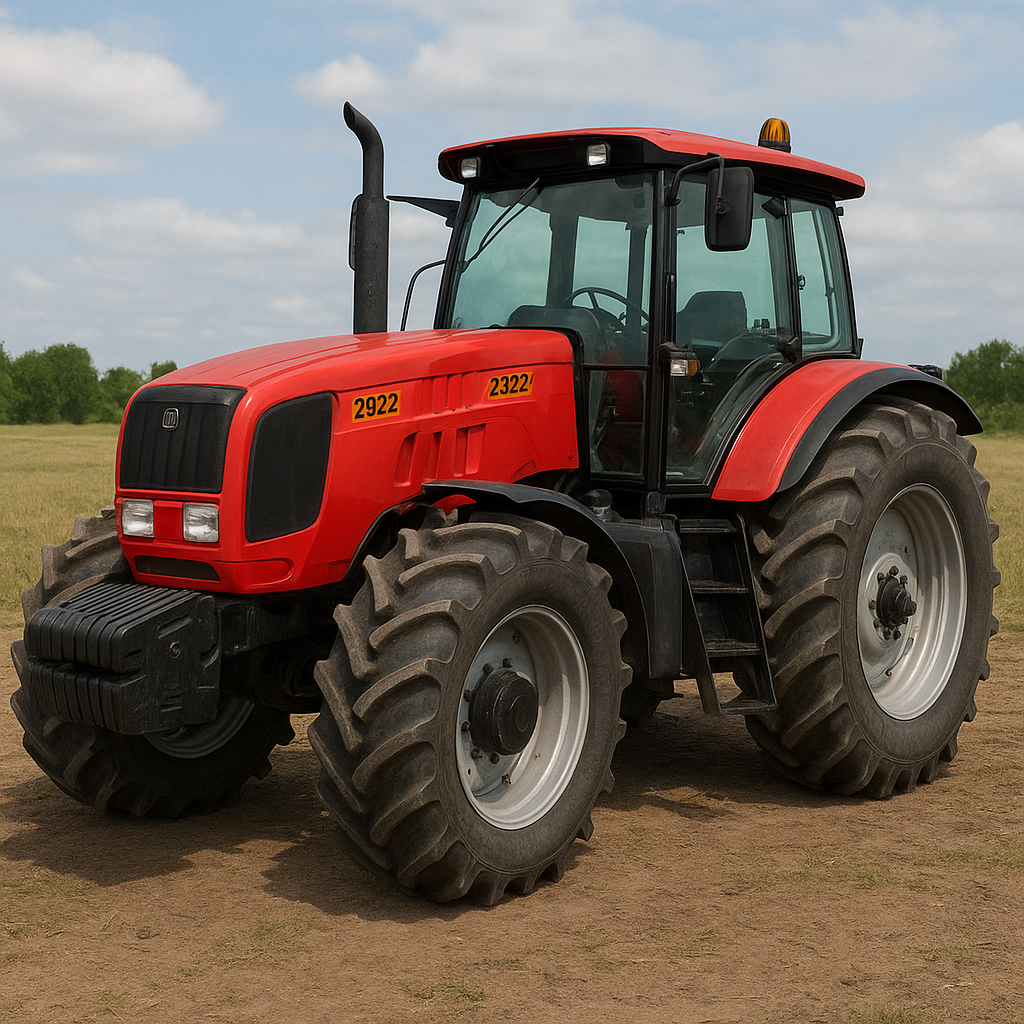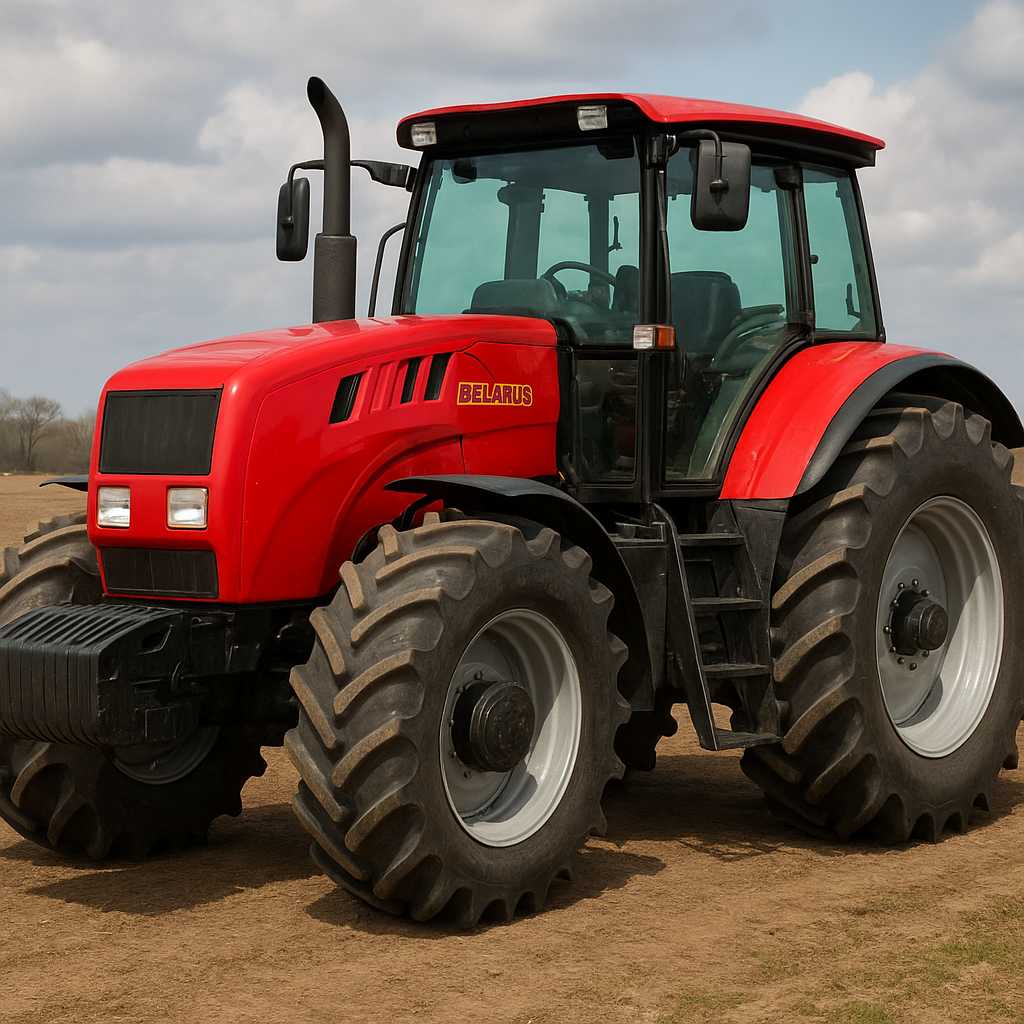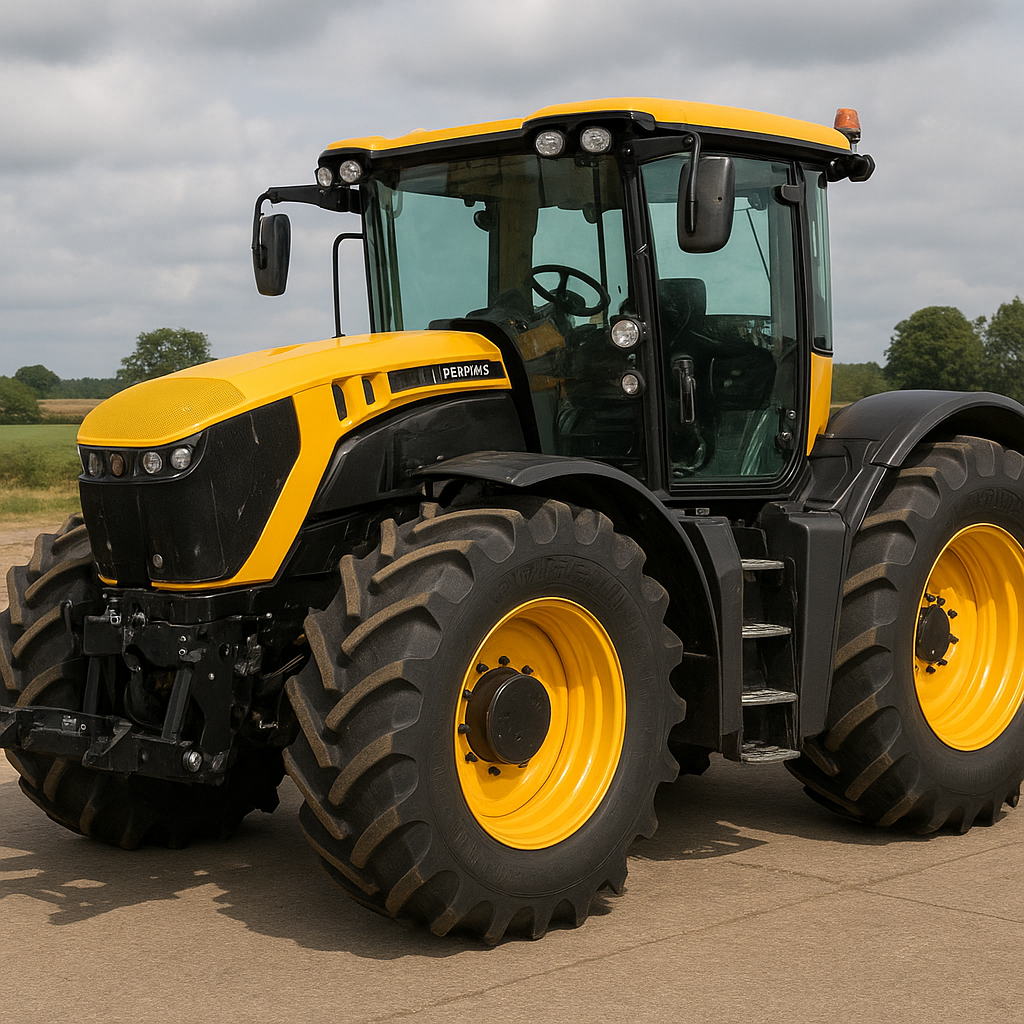
The JCB Fastrac 4220 is part of JCB’s well-known Fastrac family — a line of tractors designed to combine agricultural versatility with exceptional on-road speed and operator comfort. Renowned for its distinctive full-axle suspension and an emphasis on productivity both in the field and on highways, the Fastrac 4220 is often chosen by farmers, contractors and contractors who need rapid transit between jobsites without compromising on power or hydraulic capability. This article outlines the machine’s key characteristics, practical applications, operational considerations and other interesting information that helps explain why the Fastrac series remains a notable name in modern mechanised agriculture.
Design and technical features
The Fastrac series introduced several design innovations compared with conventional tractors, and the 4220 inherits many of those core advances. At its heart the model is built to be a true dual-purpose machine — capable of high-speed road transit and competitive field performance — while delivering a comfortable, safe environment for the operator during long days.
Chassis, suspension and mobility
- The Fastrac platform is characterised by a strengthened chassis with a unique, manufactured emphasis on dynamic ride quality. The 4220 typically features full front and rear suspension, which smooths rough terrain and reduces operator fatigue.
- High on-road performance is a hallmark: many Fastrac models are homologated to travel at speeds approaching modern commercial vehicle limits, reducing transit time between fields or jobsites and increasing daily utilisation.
Engine and transmission
JCB Fastrac models are fitted with engines selected to balance torque for fieldwork and power for road travel. The 4220’s driveline is designed to deliver torque-rich performance for implements while allowing brisk cruising speeds on public roads. Transmission options for the Fastrac range historically include powershift and continuously variable or semi-continuous systems that provide a wide spread of working speeds and efficient highway gears.
Hydraulics, PTO and linkage
- Robust hydraulic systems enable the Fastrac 4220 to operate a wide array of modern implements. The unit often features multiple remotes and high flow options to manage loaders, sprayers, and other hydraulic equipment.
- PTO configurations and a heavy-duty rear linkage make the model suitable for conventional agricultural implements such as mowers, spreaders and balers as well as heavier specialist attachments used in contracting work.
Cab, ergonomics and operator aids
One of the most noticeable features when stepping into a Fastrac cab is the emphasis on comfort and ergonomics. The 4220 is designed to support long hours with a layout oriented to visibility and control. Options commonly include climate control, advanced seating, intuitive controls for drivetrain and hydraulics, and comprehensive visibility for road and field operations. Safety aids such as ABS braking systems, rollover protection and easy-to-access controls are standard considerations.
Applications and practical use cases
The JCB Fastrac 4220 is not a single-purpose machine; instead, it is engineered for a broad spectrum of roles where transit speed, power and hydraulic capability matter. Its flexibility makes it attractive to several user groups.
Agricultural operations
- Large arable farms that need swift movement between distant fields value the Fastrac for its road speed and fast transfer times, which increase usable working hours.
- Contractors performing seasonal operations — for example, harvesting support, large-scale tillage, or contract spraying — often prefer a machine that can quickly reposition with implements attached or move between farms without exceeding legal road speed limits.
- Specialist operations such as muck spreading, heavy cultivation and large baling tasks benefit from the high hydraulic flow and linkage capacity.
Contracting, municipal and mixed-use roles
- Contractors who perform multiple tasks in different locations (e.g., roadside maintenance, earthmoving, slurry tanker work) find the Fastrac’s high travel speed and implement flexibility especially useful.
- Municipal and highway contractors may use the 4220 for tasks requiring rapid repositioning or to tow equipment between sites while staying within road speed limits for agricultural vehicles.
Livestock and mixed farms
On mixed farms, where one machine must perform feeding, manure handling, bale transport and fieldwork, the Fastrac provides a compromise between a dedicated heavy-duty farm tractor and a faster transport vehicle. Its combination of versatility and adaptability reduces the need for multiple specialist machines.
Performance, economics and maintenance
When assessing total cost of ownership and operational suitability, several performance and economic factors come into play. The Fastrac 4220 is engineered to be productive and to reduce downtime, but like any advanced machine, it requires informed maintenance and cost planning.
Fuel economy and efficiency
Fastrac tractors aim to combine torque-efficient engine maps with drivetrain ratios that conserve fuel when travelling at higher speeds. While performance varies with task and specification, operators generally report that efficient highway transit and reduced shuttle times contribute to better overall fuel utilisation on mixed-use operations. Proper specification — such as selecting a model with a suitable transmission and matching tyre choice — has a measurable impact on real-world fuel consumption.
Maintenance and serviceability
- Design choices favour straightforward service access to routine items like filters, batteries and fluid points. This reduces downtime for scheduled maintenance compared with some multi-role machines that have more cramped layouts.
- Because the Fastrac platform uses specialised components (notably its suspension system and high-capacity driveline), adherence to manufacturer service intervals and attention to hydraulic and suspension seals is important for longevity.
Total cost of ownership
Higher initial purchase cost relative to a simple farm tractor is offset for many users by the Fastrac’s high utilisation and multi-role capability. For contracting businesses, the ability to do more with one machine — including rapid movement between sites — can improve return on investment. Operators should weigh purchase price, expected hours per year, maintenance regime and fuel usage when calculating lifecycle costs.
Variants, market positioning and notable facts
Within the Fastrac family, different models match a range of power outputs and equipment packages. The 4220 occupies a position intended for users who need substantial power and equipment capacity combined with highway-capable speeds and a premium ride.
Model variants and options
- Manufacturers typically offer the Fastrac with a range of engine tunes and transmission options so purchasers can prioritise either field power or road efficiency.
- Equipment options include front loaders, wide range tyre choices, specialized heads for municipal tasks, and multiple hydraulic and linkage configurations to suit implements from seed drills to heavy cultivators.
Why some users choose the Fastrac 4220
- Speed: Reduced transit time between jobs is a major selling point for operations spread across large areas.
- Comfort and safety: Full suspension and modern cab ergonomics reduce operator fatigue and improve work quality.
- Hydraulic capacity and implement versatility: ability to run sophisticated implements simultaneously.
- Durability: Built for heavy-duty, multi-season use when properly maintained.
Typical specifications (approximate and illustrative)
- Engine power (range depending on tune): approximately 150–220 hp
- Top road speed: up to around 65 km/h (40 mph) on homologated models
- Hydraulic flow: multiple circuits with high-flow options, commonly 100–200 L/min depending on configuration
- Rear linkage lift capacity: several tonnes (typical heavy-duty agricultural linkages)
- Weight: generally several tonnes, with variation depending on specification and attachments
Note: the figures above are indicative ranges intended to describe typical capabilities; exact specifications vary by market, year and optional equipment.
Practical tips for prospective buyers and operators
Choosing a Fastrac 4220 — or any high-performance agricultural tractor — should follow a clear evaluation of farm or contract needs, expected annual hours, and desired return on investment.
Match machine to task
- Consider the balance between roadwork and fieldwork: if the majority of hours will be spent on highways between jobs, prioritise drivetrain and comfort upgrades; if heavy tillage is the norm, select options that increase torque and linkage capability.
- Discuss hydraulic circuit requirements with implement suppliers to ensure compatibility and peak performance.
Service and support
Buyers should assess dealer support for parts and service in their region, as specialised suspension and drive components benefit from manufacturer-backed maintenance programs. Well-documented service history and demonstration hours are valuable when purchasing used machines.
Resale and lifecycle
High-utilisation machines with full service records tend to hold value, especially if configured for common contracting or agricultural tasks. Investing in recommended service intervals and genuine parts often increases resale prospects.
Interesting facts and concluding remarks
The Fastrac concept challenged traditional tractor design by prioritising speed and ride quality alongside field capability. Over successive generations, models like the 4220 demonstrate how integrating advanced suspension, versatile hydraulics and a comfortable cab can reshape expectations of what a tractor can do.
Key strengths include a combination of high transit speed, operator comfort, and implement versatility — factors that make the Fastrac 4220 attractive for users who must combine road travel and demanding fieldwork. Whether for large arable farms, contractors or mixed operations, the 4220 remains an example of engineering aimed at improving productivity by bringing transport and work functions into a single, capable machine.
suspension speed comfort efficiency versatility PTO hydraulics cab fuel economy safety