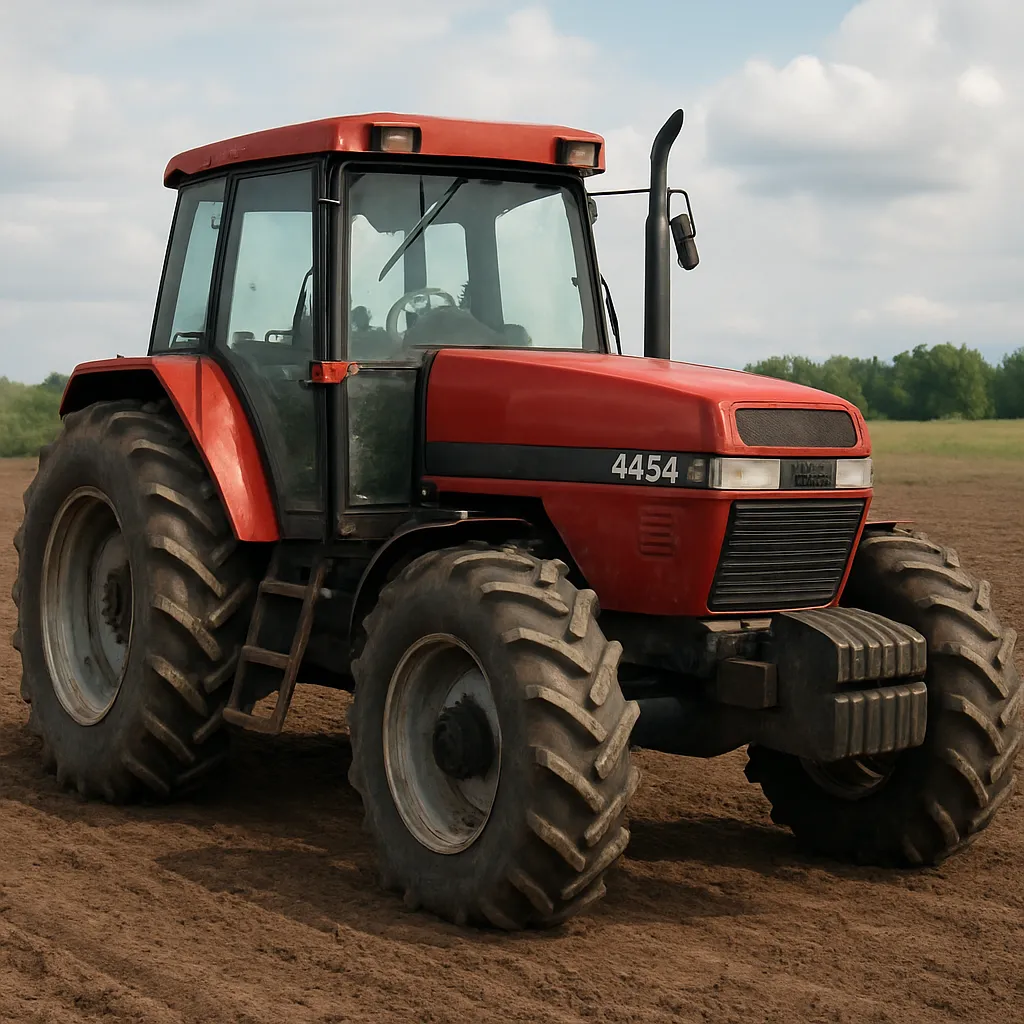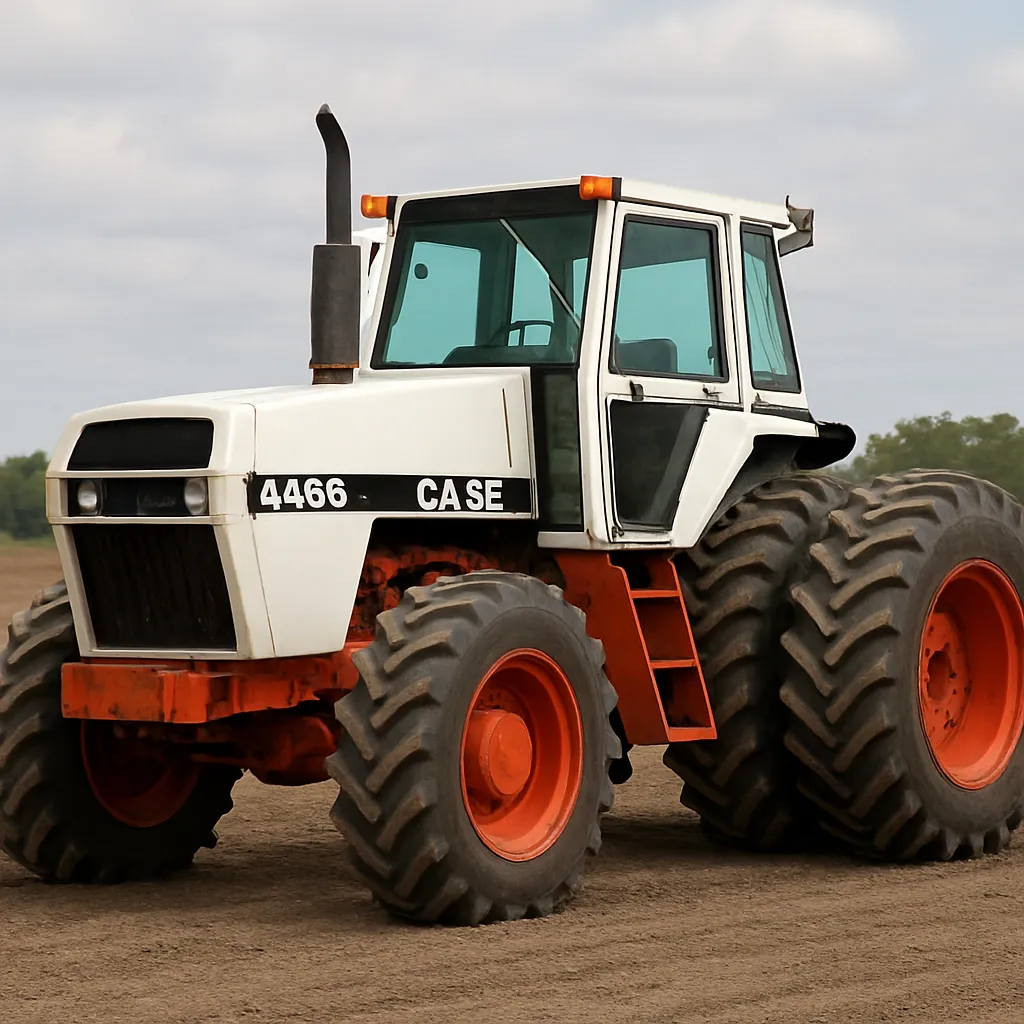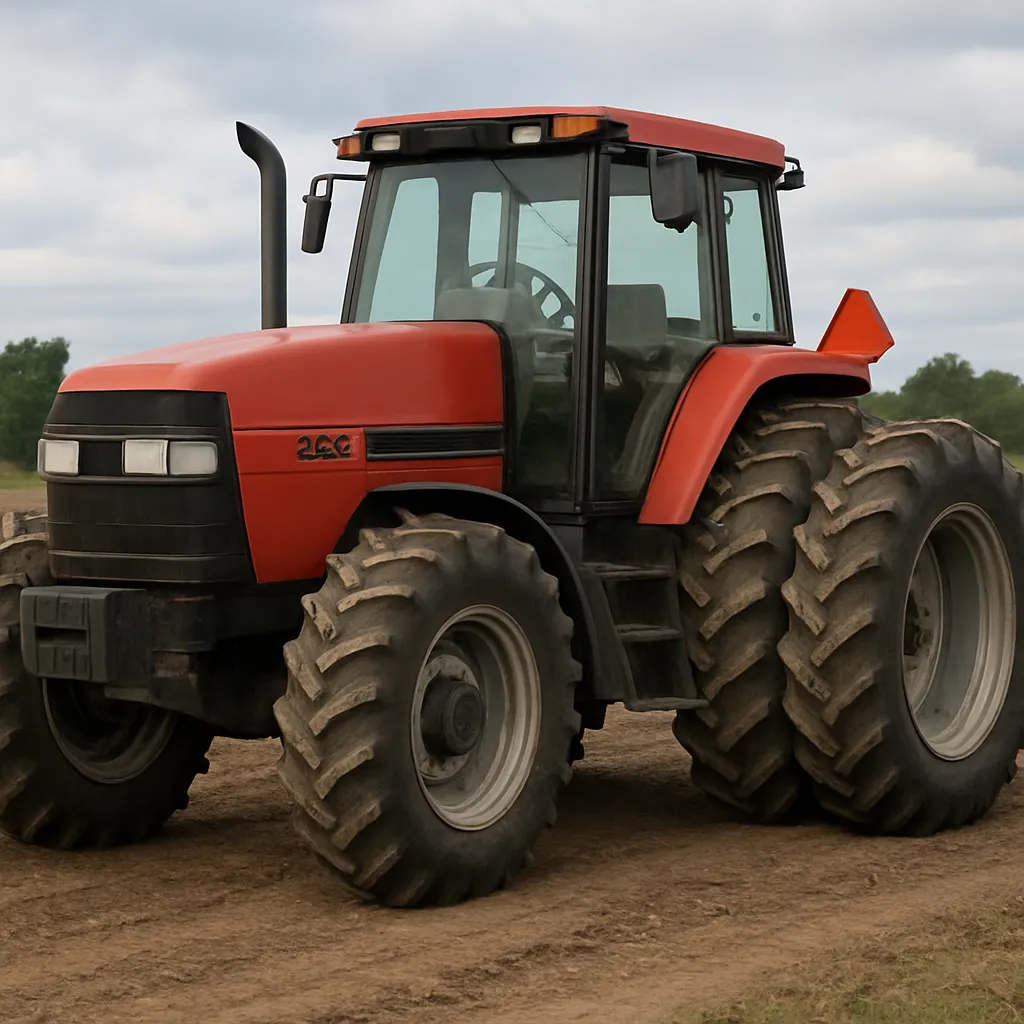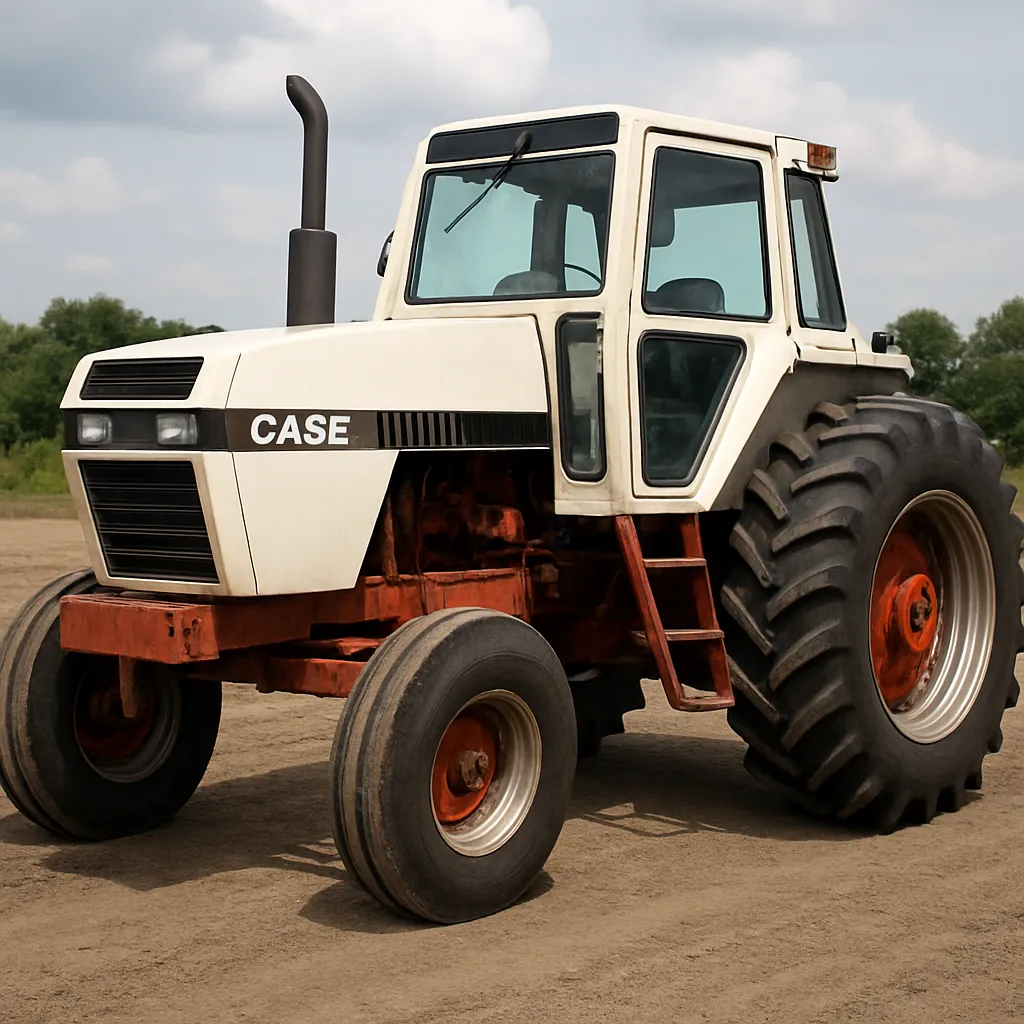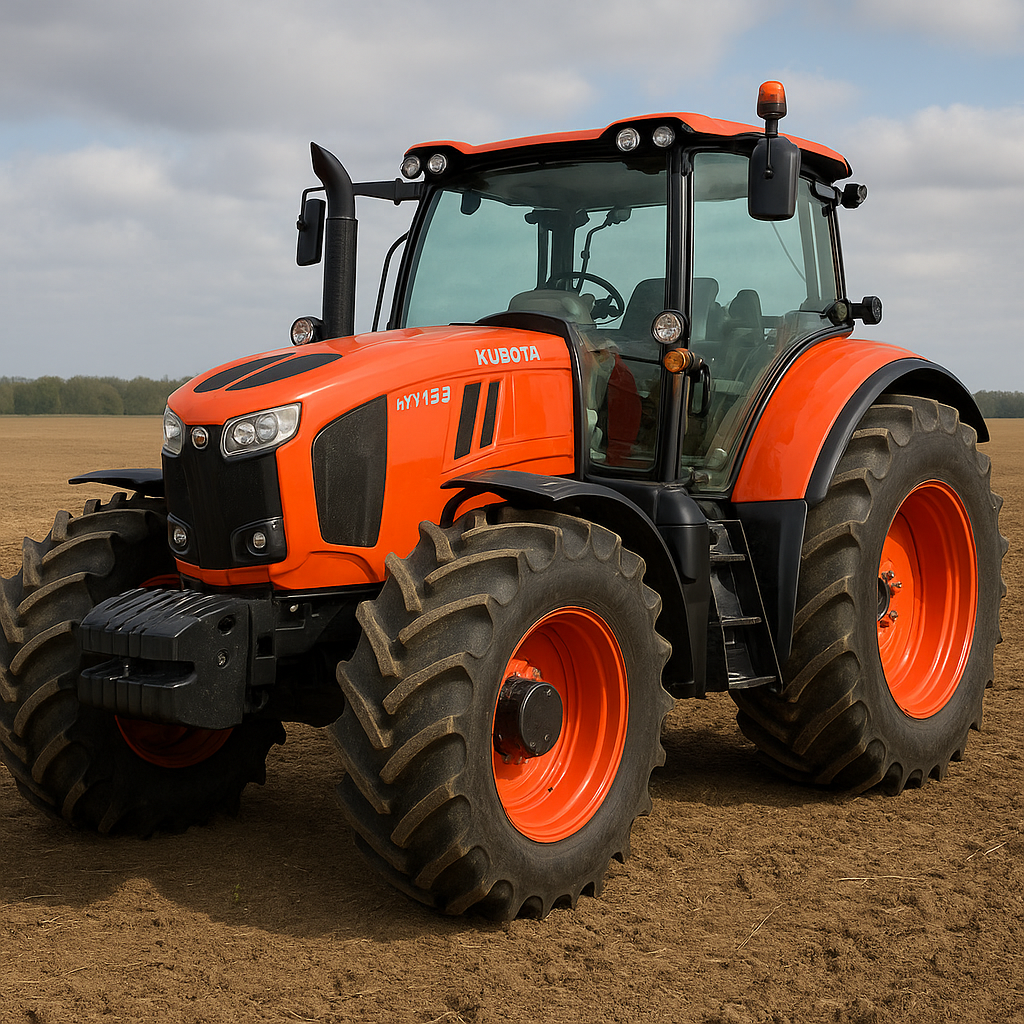
The Kubota M7153 is a versatile utility tractor designed to meet the needs of professional farmers, contractors, and operators requiring a balance of power, comfort, and versatility. In this article we explore its design, technical features, applications, performance, maintenance aspects, and market position. The aim is to provide a comprehensive overview that will help potential buyers, operators, and enthusiasts understand where the M7153 fits in modern agricultural and contractor work.
Overview and Design Philosophy
The Kubota M7 series was developed to bridge the gap between compact utility tractors and full-size agricultural tractors, offering a combination of modern technology, operator comfort, and robust mechanical systems. The Kubota M7153 embodies this approach with a focus on delivering steady power and reliable operation across multiple tasks such as tillage, loader work, planting, and transport.
Key design priorities for the M7153 include ergonomic operator controls, modular attachment compatibility, and a chassis robust enough to handle heavy implements. The external styling mixes functional body panels that protect vital components with high-visibility cab and lighting packages to support long work days and early-morning or late-evening operations. The tractor’s balance and weight distribution are tuned to optimize traction and minimize soil compaction—an increasingly important design consideration in modern farming systems.
Powertrain and Mechanical Features
The heart of any tractor is its powertrain. The M7153 typically comes equipped with a diesel engine designed to offer dependable torque for both field and PTO-driven implements. The model designation suggests a rated output in the upper mid-range of the series; many tractors with similar numbering are positioned around the 140–160 horsepower range.
Engine and Performance
- Engine: The M7153 is usually powered by a turbocharged diesel engine tuned for low-end torque and steady power delivery. Engines in this class are engineered for longevity and are often built with common-rail injection and emission control systems appropriate to regional regulations (such as Stage IV / Tier 4 final technologies in many markets).
- Horsepower: Rated power for this model typically sits around the 150–160 hp class, providing sufficient capacity for larger implements and loader operations while still being manageable for transport and lighter work.
- Torque characteristics: The engine prioritizes mid- and low-range torque to improve pull-through in fieldwork and to maintain consistent PTO speed under load.
Note: exact engine displacement, peak torque values, and emissions equipment vary by market and configuration. Buyers should consult local Kubota dealers for exact specifications for the M7153 sold in their region.
Transmission Options
Kubota traditionally offers multiple transmission choices to match operator preference and application. The M7153 is compatible with several transmission types, typically including synchronized mechanical options, powershift transmissions, and sometimes a continuously variable transmission (CVT) or Kubota’s proprietary variable transmissions in certain markets.
- Transmission choices allow operators to prioritize fuel efficiency, smoothness in directional changes, and productivity under varying field conditions.
- Typical features include multiple ranges, creeper options for very low-speed tasks, and efficient power transfer for PTO and draft control.
Hydraulics and PTO
- Hydraulics: Robust hydraulic systems are important on tractors like the M7153. This model typically offers high-flow hydraulic options to support modern implements such as large planters, seed drills, and heavy front loaders. Flow rates and number of remote valves can be configured for specific tasks.
- PTO options commonly include 540/1000 rpm settings and economy modes for reduced fuel use during transport or when using low-demand implements.
- Rear linkage and lift capacity are engineered to handle large mounted and trailed implements; expected rear lift capacity is in the several-thousand kilogram range, suitable for implements in the medium-to-large segment.
Applications and Use Cases
The Kubota M7153 is designed to be a multi-purpose tractor capable of performing reliably across a broad spectrum of professional tasks. Its balance of power, stability, and adaptability make it a popular choice in several sectors.
Agricultural Applications
- Primary tillage and secondary cultivation: Suitable for pulling ploughs, disc harrows, and cultivators across medium-to-large fields.
- Seeding and planting: With precise draft control and optional high-flow hydraulics, the M7153 can operate seed drills and planters efficiently.
- Forage and hay operations: Strong PTO capability and robust linkage allow use with mowers, balers, and rakes.
- Transport and logistics: Adequate road speeds and cab comfort make the M7153 useful for transport tasks between fields and to storage facilities.
Contracting and Municipal Work
- Loader work: When fitted with a front loader, the M7153 excels in handling heavy materials, silage, and bulk feed.
- Landscaping and estate management: Strong hydraulics and auxiliary control options help operate mowers, sweepers, and attachments used by municipal services.
- Construction support: While not a dedicated construction machine, the tractor’s robust build enables light earthmoving and site preparation when required.
Specialized Roles
- Vineyard and orchard adaptations: With narrow track and specialized attachment options, certain configurations can be adapted for intensive horticulture.
- Livestock operations: Feeding, bedding, and manure management are common uses, particularly when fitted with suitable front-end implements.
Operator Comfort, Cab and Controls
Kubota emphasizes operator comfort and ergonomics in the M7 series, and the M7153 benefits from these design choices. A comfortable and efficient cab contributes directly to daily productivity and operator satisfaction.
- Cab features typically include climate control (heating and air conditioning), high-visibility glazing, and adjustable seating to reduce operator fatigue.
- Noise insulation and vibration damping are improved compared with older tractor generations, allowing for longer operating hours with less strain.
- Controls are usually laid out to minimize operator movement: joystick options for loader control, integrated multifunction levers for transmission and hydraulics, and clear instrumentation for engine, fuel, and PTO monitoring.
Efficiency, Fuel Use and Environmental Considerations
Fuel efficiency has become a major purchasing factor. The M7153 is designed to provide competitive fuel consumption while meeting emissions regulations through after-treatment systems where required.
- Efficiency: Engine mapping, transmission efficiency, and hydraulic system management help reduce overall fuel consumption in practical use. Operators can expect varying fuel usage depending on load and work type, but the tractor is tuned for economical operation under mixed tasks.
- Typical in-field fuel consumption figures for tractors in this class range widely—commonly between 8–15 liters per hour under moderate to heavy load, but precise numbers depend on implement load, terrain, and operator technique.
- Emissions systems such as diesel particulate filters (DPF) and selective catalytic reduction (SCR) are commonly used to meet modern emission standards; these systems require periodic maintenance and adherence to service intervals.
Maintenance, Reliability and Total Cost of Ownership
Long-term cost-effectiveness is driven not only by purchase price but by durability, ease of servicing, and resale values. Kubota tractors are generally recognized for strong build quality and dealer support networks.
- Reliability stems from proven engine designs and conservative component sizing. Routine servicing—oil changes, filter replacements, and cooling system checks—are essential to maintain longevity.
- Maintenance access points are designed for straightforward servicing. Dealers often provide maintenance packages and service plans to reduce downtime and manage predictable costs.
- Spare parts availability and a global dealer network aid in reducing repair lead times, an important factor for operations where tractor downtime is costly.
- Resale values for the M7 series have generally been favorable relative to competitors, particularly where machines are well-maintained and equipped with premium options.
Technology, Safety and Optional Equipment
Modern tractors increasingly integrate electronics and automation. The M7153 supports several technological options to increase productivity and safety.
- Basic to advanced telematics packages may be available, enabling remote diagnostics, location tracking, and preventive maintenance scheduling.
- Guidance-ready systems and GPS integration can be fitted for precise fieldwork, reducing overlap and improving input efficiency.
- Operator assistance features—such as automated lift/draft control, engine speed management, and PTO auto-engage—save operator time and reduce wear on components.
- Safety features include ROPS-certified cab structures, multi-point lighting for night operations, and robust braking systems suited for transport tasks.
Market Reception, Comparisons and Buyer Considerations
The M7153 competes in a segment populated by offerings from several major agricultural equipment manufacturers. Buyers typically evaluate tractors in this category on the following:
- Power and torque delivery relative to implement needs.
- Transmission smoothness and suitability for the operator’s workflow.
- Hydraulic flow rates and lift capacity for modern implements.
- Cab comfort and ergonomics for long working days.
- Total cost of ownership including fuel, maintenance, and residual values.
When compared with alternatives, the M7153’s strengths often cited by users include robust build quality, a well-appointed cab, and a good balance between power and maneuverability. Regional dealer support and parts availability also influence buyer decisions.
Statistical and Practical Figures (Typical and Approximate)
Below are representative figures and typical ranges for tractors in the M7153’s class. These numbers are indicative and vary by market and specific configuration.
- Rated engine power: approximately 150–160 hp.
- Engine displacement: commonly in the range of 4.0–5.0 liters depending on engine variant.
- Rear lift capacity: typically around 6,000–8,000 kg (dependant on linkage and configuration).
- PTO speeds: standard 540/1000 rpm with optional economy settings.
- Top road speed: commonly up to 40 km/h or market-specific limits.
- Hydraulic flow: standard to high-flow options often between 80–160 liters/min depending on pump configuration.
- Fuel tank capacity: commonly 200–300 liters for extended work shifts without refueling.
- Typical in-field fuel consumption: broad range of about 8–15 L/h under typical workloads; specific duty cycle and implement load influence actual consumption.
Practical Tips for Prospective Buyers
- Match the tractor’s rear lift capacity, hydraulic flow, and PTO characteristics to your primary implements; undersizing a tractor can limit productivity, while oversizing increases initial cost.
- Consider transmission preference: CVT/variable transmissions provide smooth operation and fuel efficiency in mixed tasks, while powershift options may be preferred for heavy draft work and durability.
- Evaluate dealer support for service intervals, warranty coverage, and availability of specialized options like telematics, guidance systems, and high-flow hydraulics.
- Inspect standard comfort features: cab noise levels, seat ergonomics, and control layout are important for operator retention and efficiency.
- Review residual values in your region. Resale performance can significantly affect total ownership cost over a typical 5–10 year ownership horizon.
Conclusion
The Kubota M7153 represents a compelling option in the upper mid-range tractor category. It offers a balance of power, operator comfort, and practicality for a variety of tasks, from arable fieldwork to loader operations and contractor roles. With configurable transmissions, hydraulic packages, and technological options, the M7153 can be tailored to many operations. Prospective buyers should verify exact specifications with regional dealers, match the tractor to implement requirements, and assess long-term service and support arrangements to ensure the machine meets their operational and financial expectations.