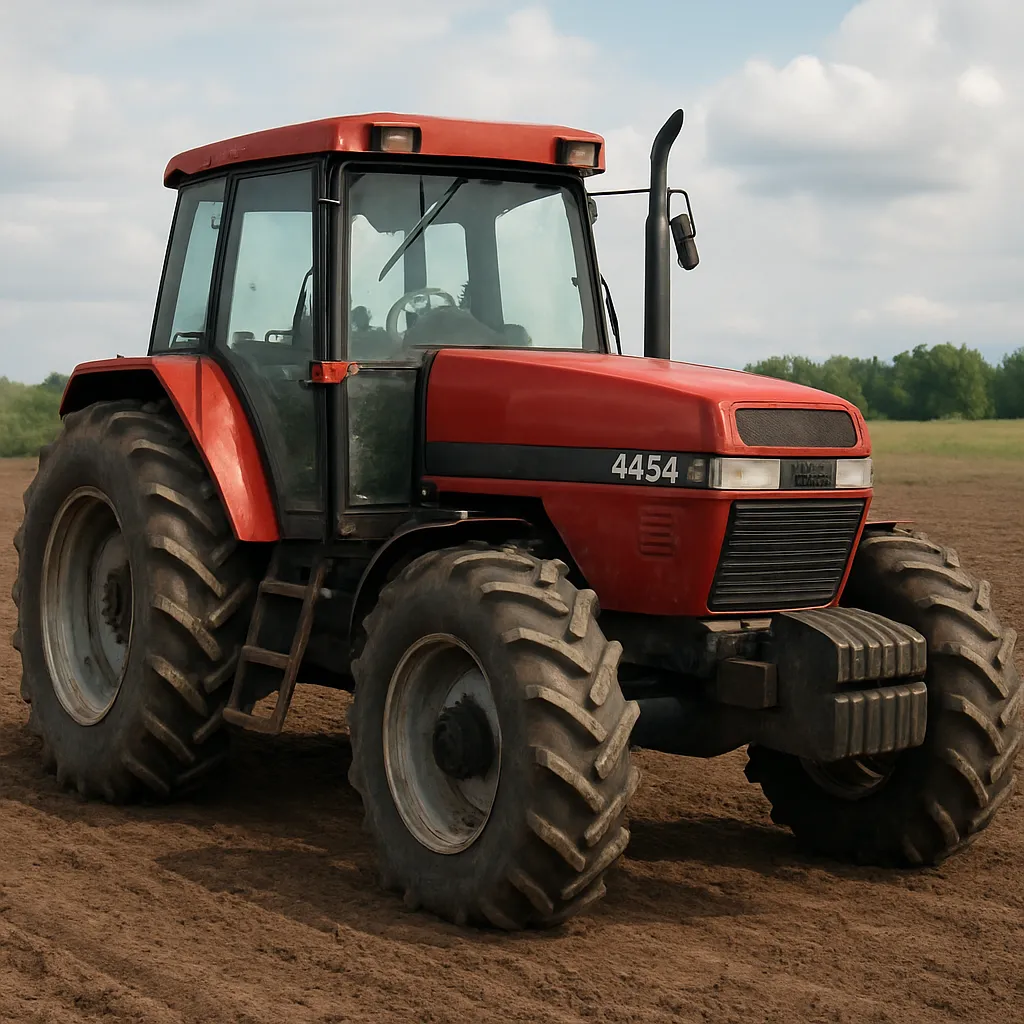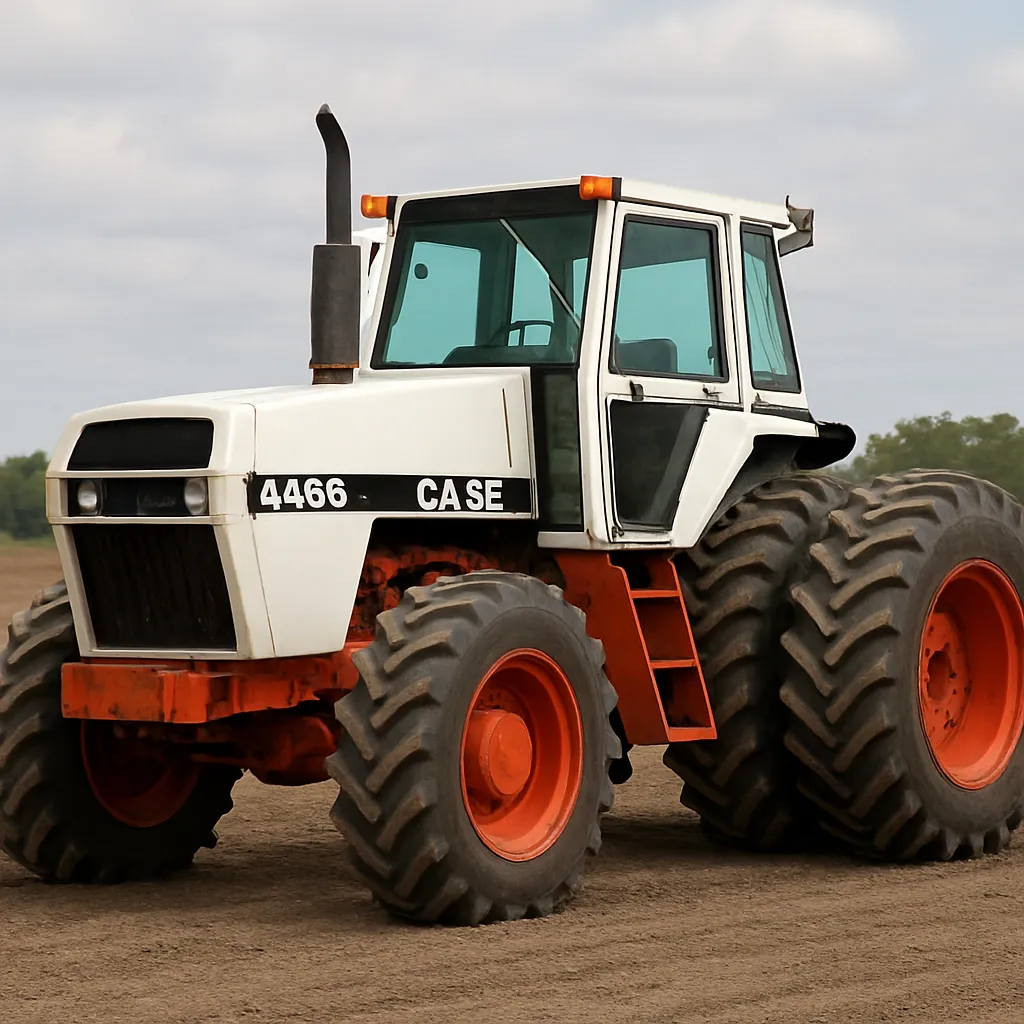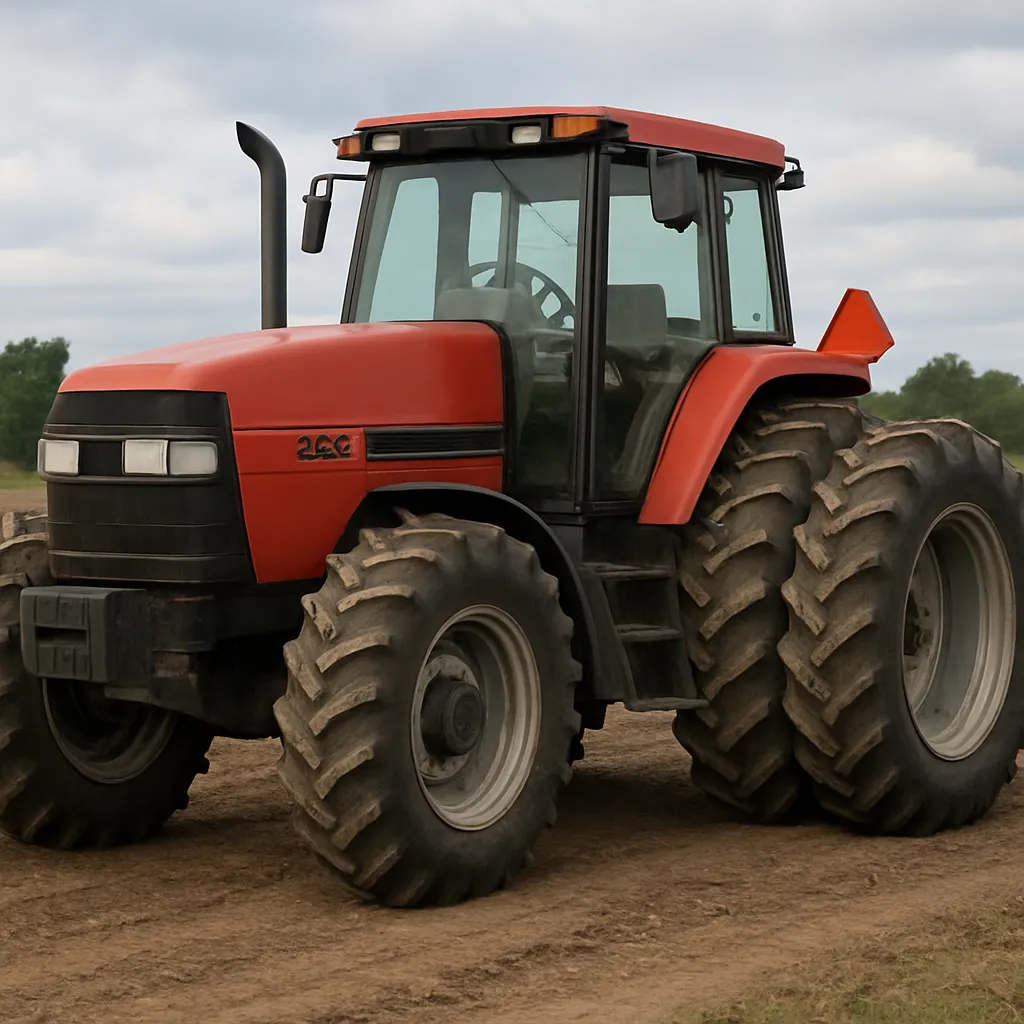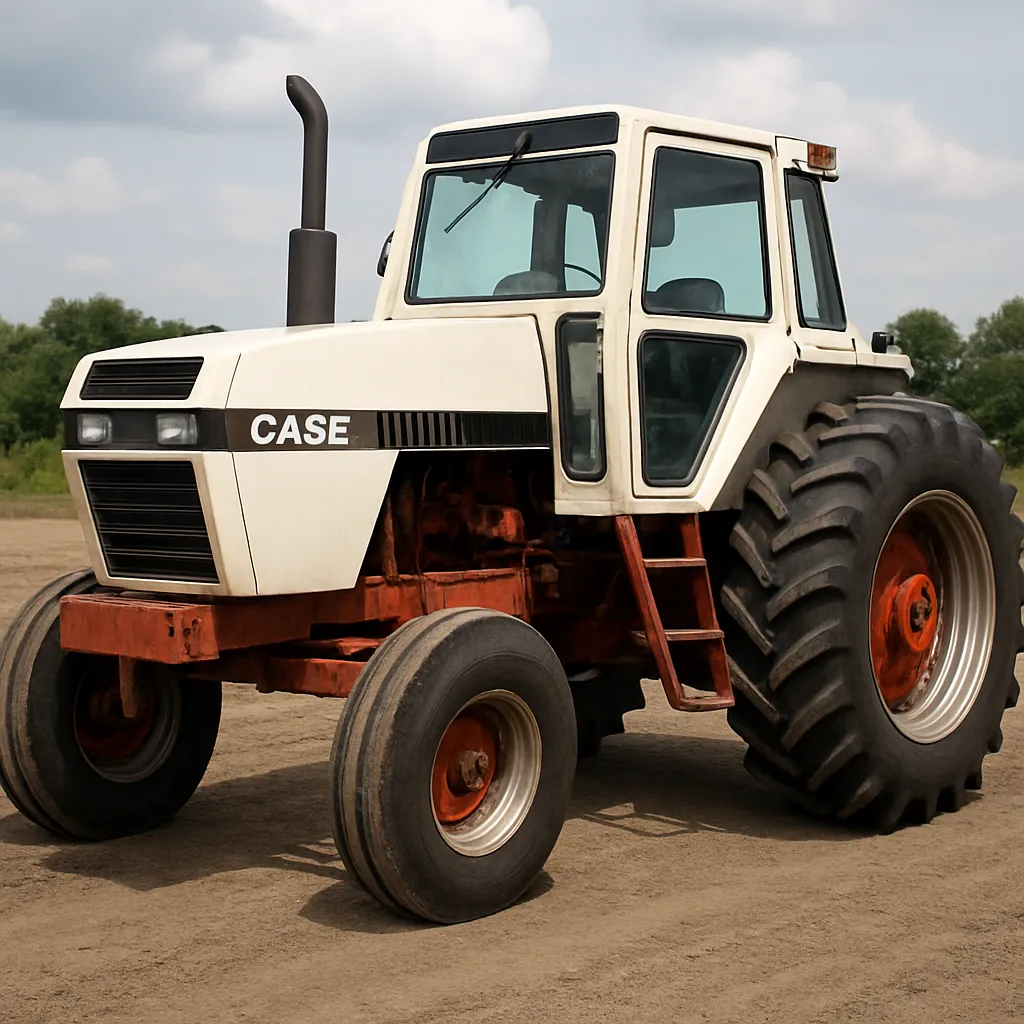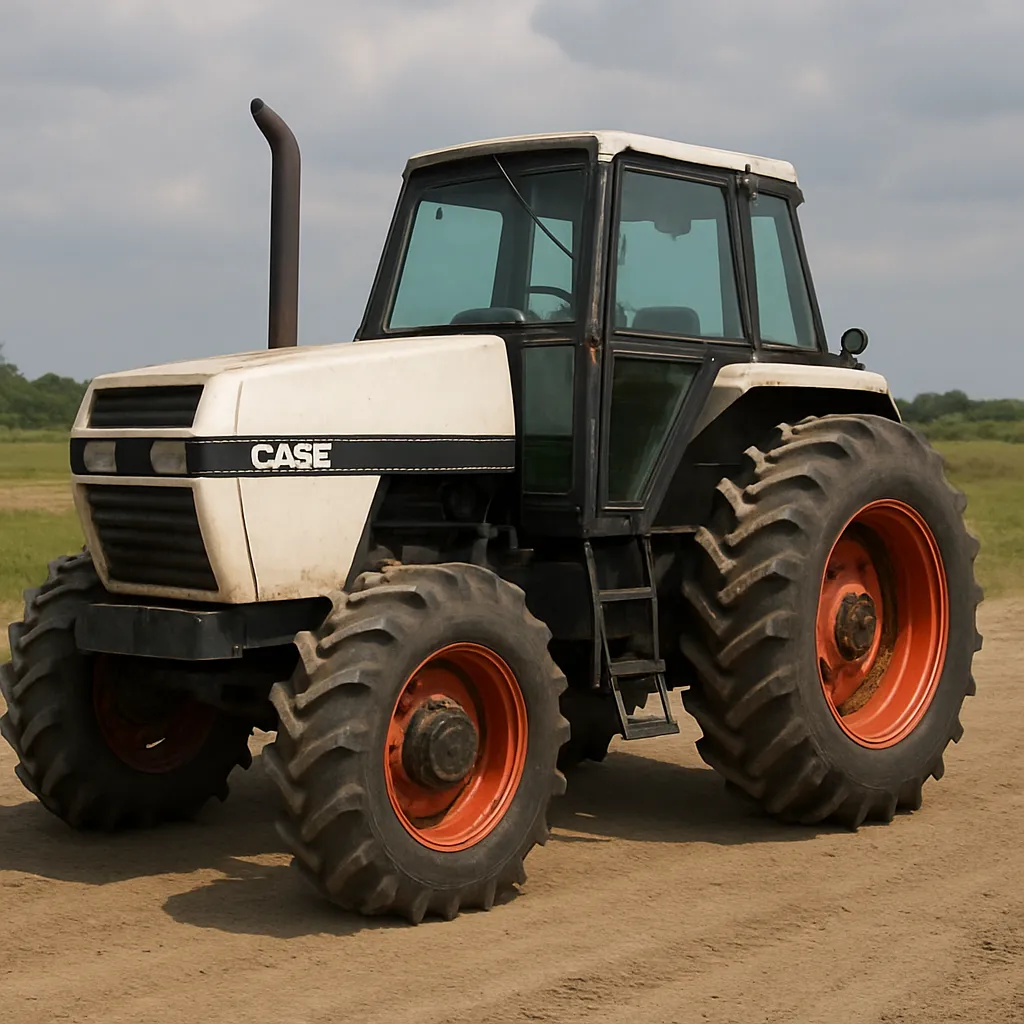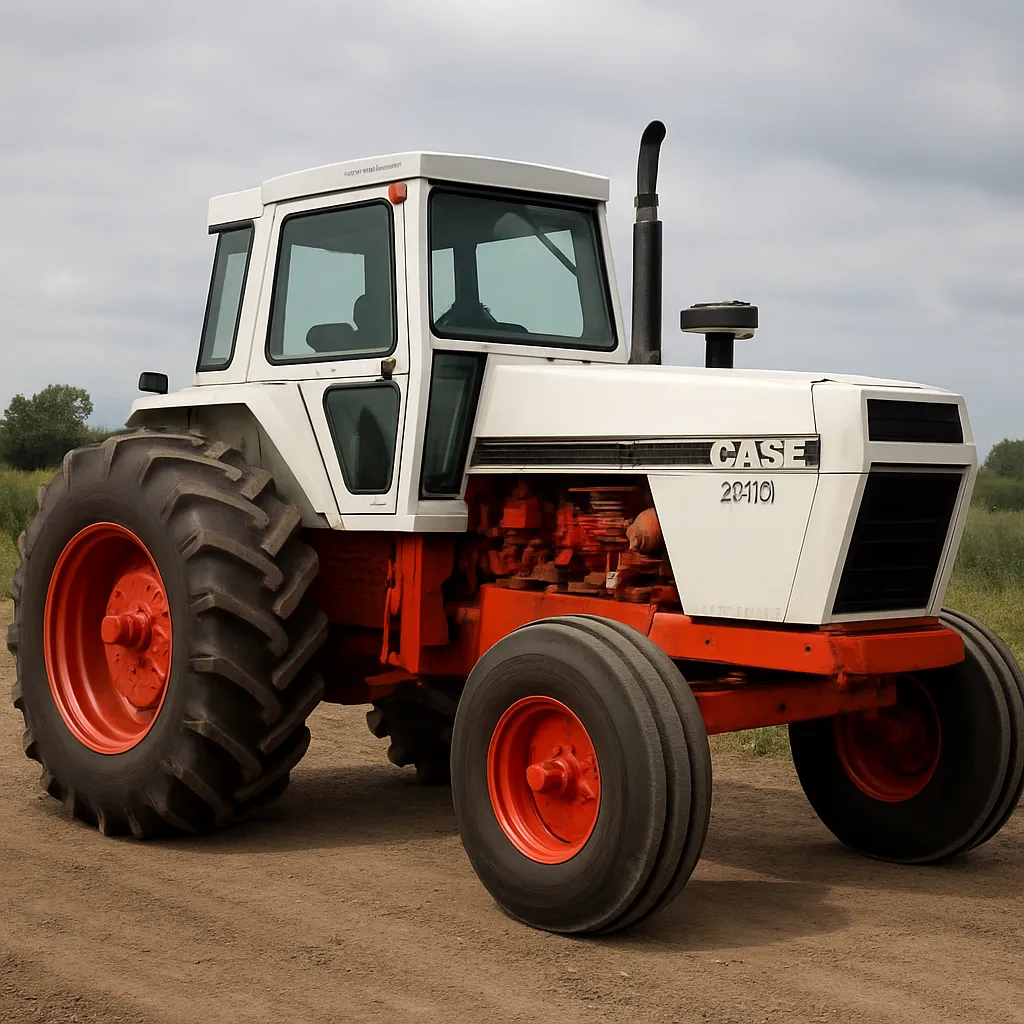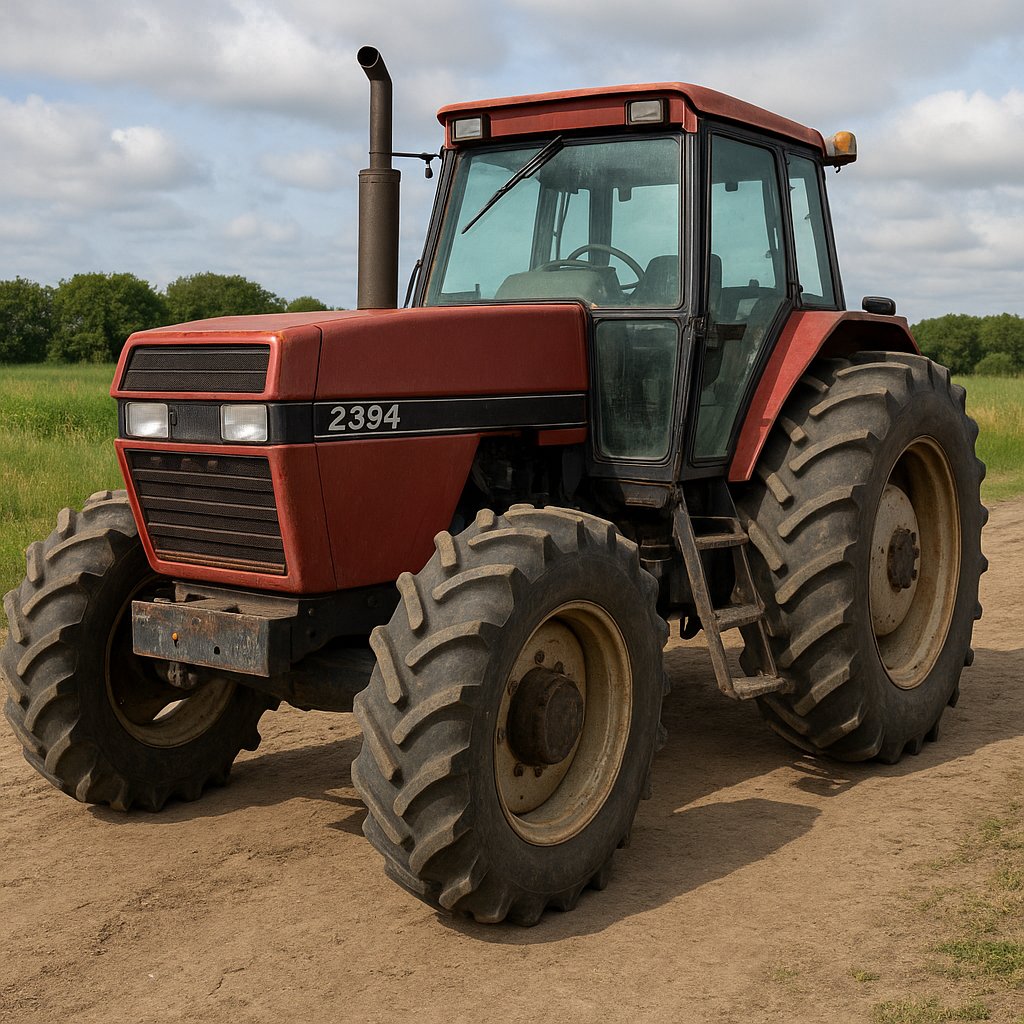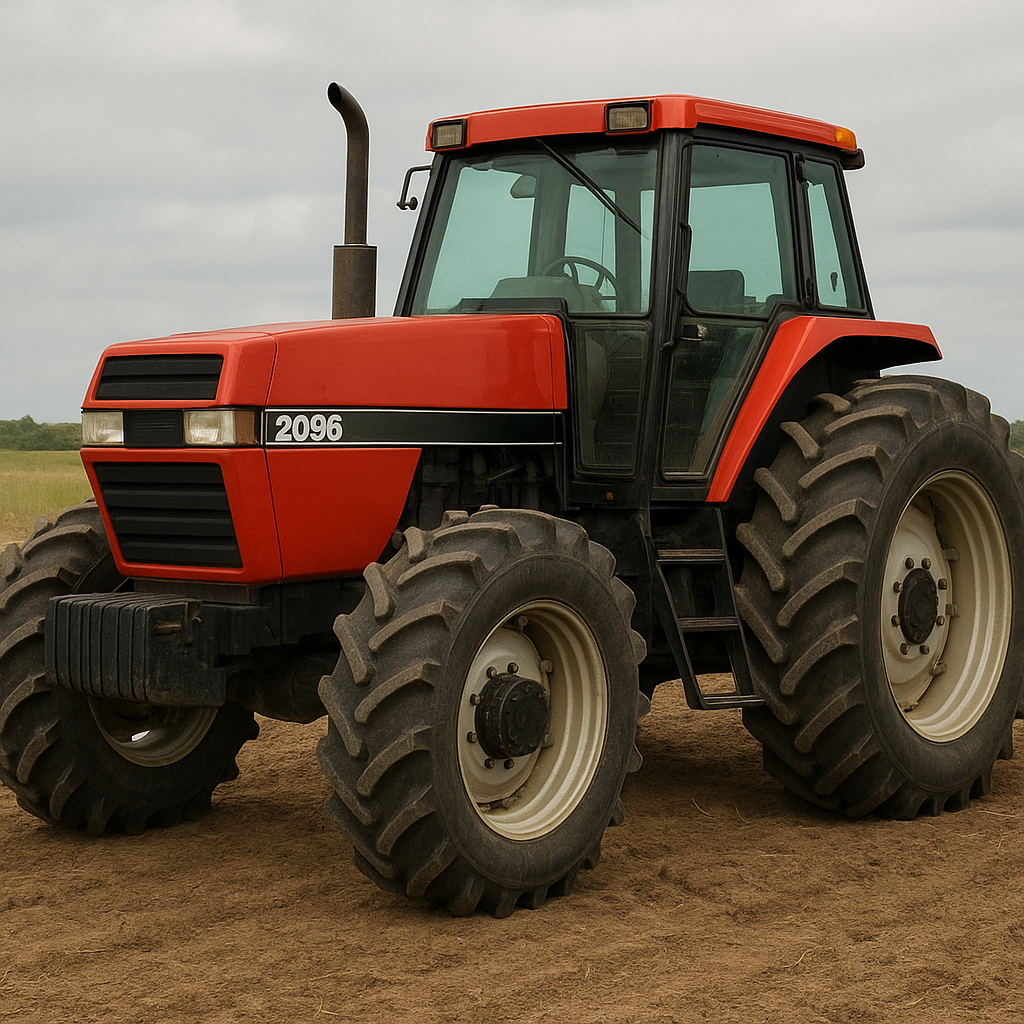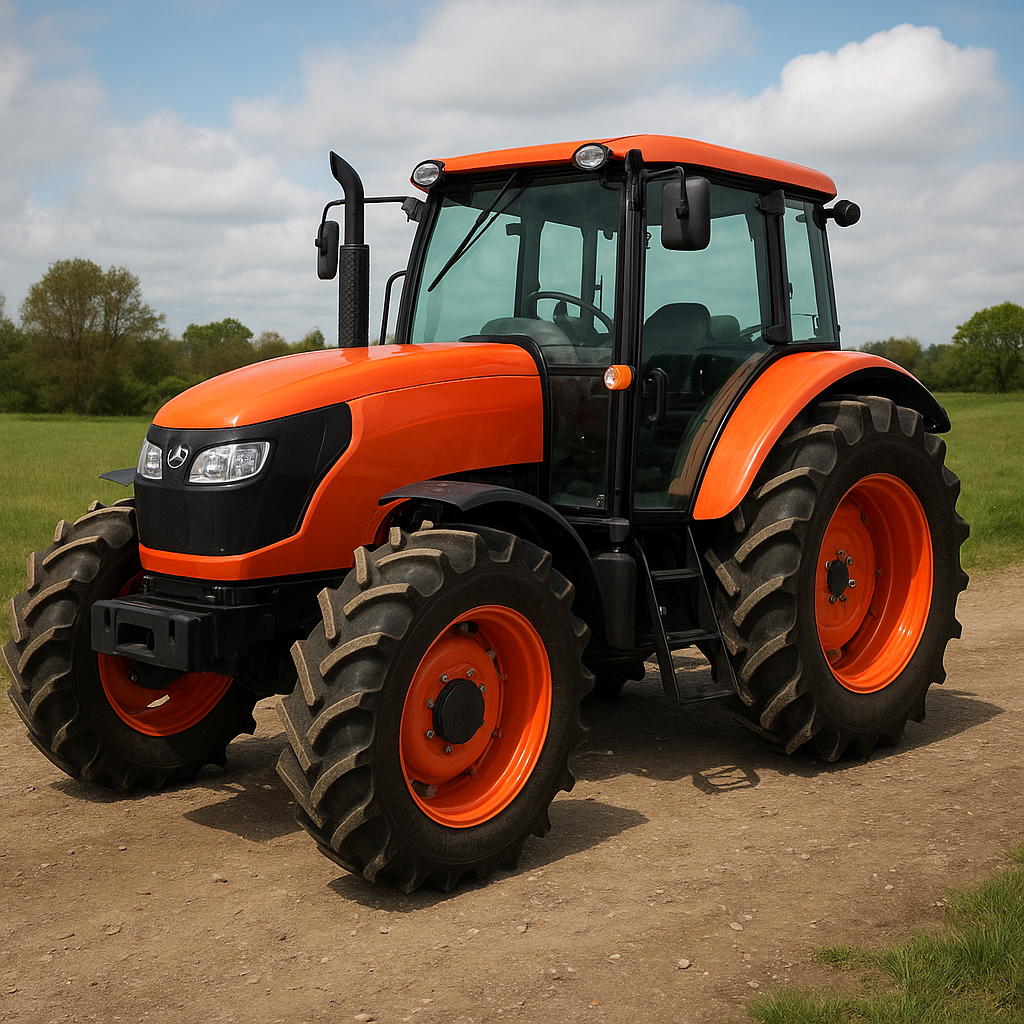
The Kubota M9580 is a versatile agricultural machine that blends robust construction with practical features meant for a wide range of jobs on farms, estates and light industrial sites. This article examines its design, typical specifications, real-world applications, maintenance considerations and buying tips. Wherever precise numerical data is provided, it is indicated as approximate or typical for the model family and may vary depending on year, market and factory options.
Overview and design philosophy
The Kubota M9580 belongs to a family of medium‑frame utility tractors designed to offer a balance between power, maneuverability and operator comfort. As a product aimed at commercial farmers, contractors and larger hobby farms, the machine places emphasis on durability, serviceability and multi‑task capability. In many markets the model number suggests a tractor class with roughly mid‑range output, making it suitable for implements from loaders and mowers to mid‑sized tillage equipment.
Key aspects of the design include a compact but sturdy chassis, a four‑cylinder diesel engine tuned for low‑end torque, and a choice of driveline setups that favor practical fieldwork. The cab or ROPS area (depending on specification) is often designed for all‑day operation with visibility, simple controls and adequate climate control. Kubota’s engineering focus for this class typically aims at delivering predictable power delivery, straightforward electronics and robust hydraulics to drive mounted and trailed implements.
Typical technical characteristics and specifications
Exact specifications for the Kubota M9580 can vary by production year and regional variant. The values below represent typical or approximate figures commonly associated with mid‑sized Kubota tractors in this numbering range. Treat the numbers as reference points rather than guaranteed factory specifications.
- Engine: 4‑cylinder diesel, turbocharged in many variants; electronic or mechanical fuel delivery depending on year. Displacement typically in the ~3.8–4.5 L range (approximate).
- Horsepower: approximate engine power usually falls between 85 and 100 hp (63–75 kW). Rated PTO power is commonly a few percent lower than engine gross power.
- Torque: designed for strong low‑end torque to pull heavy implements with less slipping; peak torque figures commonly seen in tractors of this class are in the 350–430 Nm range (approximate).
- Transmission: options often include synchronized shuttle, power shuttle or partial powershift transmissions with multiple forward and reverse speeds. Gear ranges typically include a low range for heavy draft work and a high range for transport.
- PTO: rear PTO standard at 540 rpm; options sometimes include 540/1000 or economy PTO settings depending on package.
- Hydraulics: open center or load‑sensing systems depending on model and options. Implement pump flow typically in the 45–75 L/min range (approximate). Rear linkage lift capacity often between 2,500 and 3,800 kg (approximate).
- 3‑point hitch: Category II or Category II/III depending on market and hitch geometry.
- Fuel capacity: commonly in the 90–150 L range, allowing long operating intervals between refills.
- Weight and dimensions: operating weight commonly around 3,000–3,800 kg, wheelbase and overall dimensions tuned to balance stability and maneuverability.
- Brakes and tires: wet disc braking or oil‑immersed multi‑disc brakes; multiple tire choices for field, row‑crop, or turf applications.
These technical elements are engineered to create a versatile platform: the engine provides sustained power, the transmission offers flexibility in a variety of work regimes, and the hydraulics and PTO enable a wide array of implements. Kubota emphasizes ease of maintenance and accessibility of routine service points, which reduces downtime in busy seasons.
Primary applications and real‑world uses
The Kubota M9580 is suited to a broad set of roles. Owners commonly deploy it across crop production, livestock operations, land management and light construction tasks. Below is an overview of typical applications where the tractor’s combination of power and versatility is most valuable.
- Field work: ploughing, harrowing, seedbed preparation and cultivation for medium‑to‑large plots. The tractor’s torque and PTO capability make it suitable for medium‑duty soil-engaging implements.
- Hay and forage: mowing, tedding, raking, baling and forage harvesting with tow‑behind or implement‑mounted equipment.
- Loader work: mounting a front loader for material handling, manure, feed and bulk material movement. A loader package turns the tractor into a daily utility machine on farms.
- Livestock and farm‑yard tasks: moving feed, bedding, cleaning pens, and towing trailers or slurry tanks.
- Orchards, vineyards and specialty crops: with appropriate tires and narrower implements, these tractors can be used for inter‑row work, spraying and harvesting assistance.
- Municipal and contractor use: maintaining verges, roadside mowing, snow clearance (with suitable front blade and weights) and small earthworks.
- Light construction: grading, leveling, trenching with attachments such as backhoes, small rippers and box scrapers.
Thanks to the modular nature of implements and quick‑attach systems, a tractor like the M9580 can be configured daily to serve many functions, increasing overall utilization and return on investment.
Performance traits: strengths and operational characteristics
Several performance traits distinguish a well‑designed mid‑size utility tractor like the Kubota M9580:
- Fuel efficiency: modern diesel engines with torque curves optimized for lower rpm can deliver better fuel economy when compared with older designs. Effective power transfer to the PTO reduces wasted fuel under load.
- Maneuverability: a relatively compact wheelbase and responsive steering make the tractor suited for field ends, gateways and confined farmyard spaces.
- Reliability: Kubota’s reputation in utility tractors rests on robust engine design and simple, serviceable components. Proper preventive maintenance yields long service life.
- Operator comfort: ergonomically placed controls, comfortable seating and optionally climate‑controlled cabs support long operating days and reduce operator fatigue.
- Hydraulic performance: adequate flow for loaders and multi‑function implements reduces cycle times for handling tasks and improves implement responsiveness.
These strengths translate into practical benefits: shorter job times, lower operating costs per hour and less operator fatigue. They make the tractor a productive asset in seasonal peaks and routine tasks.
Maintenance, servicing and ownership considerations
Owning and operating a mid‑size tractor requires attention to maintenance, but Kubota’s designs typically simplify routine care. Key points for long, trouble‑free life include:
- Schedule regular oil and filter changes for engine, hydraulics and transmission according to the owner’s manual. For tractors in heavy use, follow manufacturer‑recommended shorter intervals.
- Keep the cooling system clean and ensure coolant concentrations and hoses are inspected seasonally.
- Monitor PTO, clutch and brake adjustments; replace wear items promptly to avoid damage to driveline components.
- Hydraulic seals and hoses should be inspected frequently; replace any showing abrasion, swelling or leakage.
- Use recommended lubricants and genuine or equivalent replacement parts to maintain warranty status and reliability.
From a cost perspective, mid‑range tractors such as the M9580 tend to have moderate depreciation: they hold value well if service records are clean and hours are reasonable. Financing, extended warranties and dealer maintenance packages can reduce unexpected cashflow demands for commercial operators.
Safety, ergonomics and operator aids
Safety features commonly built into tractors in this class include ROPS (Roll‑Over Protective Structures), seat belts, interlock systems on PTO engagement, and ergonomically placed controls to reduce accidental activation. Visibility from the cab and the placement of work lights are also important for dawn or dusk work. Additional operator aids that may be available include:
- Easy‑read instrument clusters and warning indicators
- Optional GPS or guidance readiness for precision tasks
- Joystick controls for loaders to simplify loading operations
- Adjustable seating and climate systems to improve operator endurance
A focus on simple, reliable safety systems ensures compliance with regulatory standards in many markets while keeping operator training straightforward.
Comparisons and market position
In the market segment where the Kubota M9580 competes, buyers typically evaluate models from manufacturers such as John Deere, New Holland, Massey Ferguson and Case IH. Kubota’s strengths often cited by owners include:
- Compact but durable design philosophy
- Reputation for reliable diesel engines and long service intervals
- Strong dealer networks for parts and service in many regions
- Good resale values when maintained
Competitors may offer more advanced electronics, larger dealer ecosystems in some markets, or slightly different ergonomic philosophies. Ultimately, choice depends on dealer support, local parts availability, specific implement compatibility and total cost of ownership.
Buying guide and inspection checklist for used models
When evaluating a used Kubota M9580 (or similarly classed tractor), consider this practical checklist:
- Verify service history and hour meter readings. High hours do not preclude purchase if maintenance is documented.
- Inspect engine for leaks, excessive smoke on start‑up, and steady idle. Check for compression or unusual noises if possible.
- Test transmission and clutch engagement through the full range of gears. Listen for grinding or hesitation.
- Operate the PTO and hydraulics under load. Check for steady oil pressure and linkage responsiveness.
- Check 3‑point hitch function and lift capacity. Inspect lift rams for leaks and smooth operation.
- Examine tires and wheels for uneven wear, which may indicate alignment or axle issues.
- Look for signs of heavy frame repairs, welds, or structural damage in chassis and loader mounts.
- Prefer machines with recent consumable replacements (tires, batteries, belts) or factor their replacement cost into negotiations.
Financing, trade‑in values and extended warranty options vary by dealer and region. For commercial operations, consider a pre‑purchase inspection by a trusted technician.
Environmental considerations and regulatory compliance
Tractors built across different years conform to varying emissions standards. Newer units and engine generations often incorporate improvements to meet Tier/Stage emissions regulations (e.g., Tier 4 / Stage IIIB or higher, depending on market), including diesel particulate filters or selective catalytic reduction on some models. When operating or purchasing:
- Confirm the emissions tier of the specific unit, especially if operating in areas with strict regulations.
- Be aware that aftertreatment components may increase maintenance complexity and cost.
- Consider fuel quality and diesel particulate handling when planning long‑term running costs.
Sustainable practices—such as matching engine size to the work, reducing idle time and using precision farming techniques—help lower fuel consumption and emissions during the tractor’s operational life.
Attachments, implement compatibility and versatility
A major strength of mid‑frame Kubota tractors is their compatibility with a broad range of attachments that expand functionality. Commonly paired implements include:
- Front loaders and buckets for material handling
- Backhoes for excavation and trenching
- Mowers, flail cutters and finishing mowers for turf and pasture
- Bale spears, silage forks and grapple attachments for forage handling
- Ploughs, cultivators and seeders for tillage and planting
- Snow ploughs, blades and salt spreaders for municipal work
When selecting attachments, pay attention to hydraulic flow requirements, recommended lift capacity and PTO compatibility. Proper matching ensures safe operation and maximizes productivity.
Conclusion
The Kubota M9580 represents a class of mid‑range utility tractors designed for owners who need dependable power, flexible implement compatibility and relatively low operating complexity. While specific specifications vary by model year and market, the general character of the machine emphasizes strong low‑end torque, adaptable transmissions, and hydraulic capacity suitable for a wide variety of agricultural and light industrial tasks. With diligent maintenance and a thoughtful match of implements to tasks, tractors of this class deliver strong value and multi‑season productivity to farms, contractors and municipalities alike.