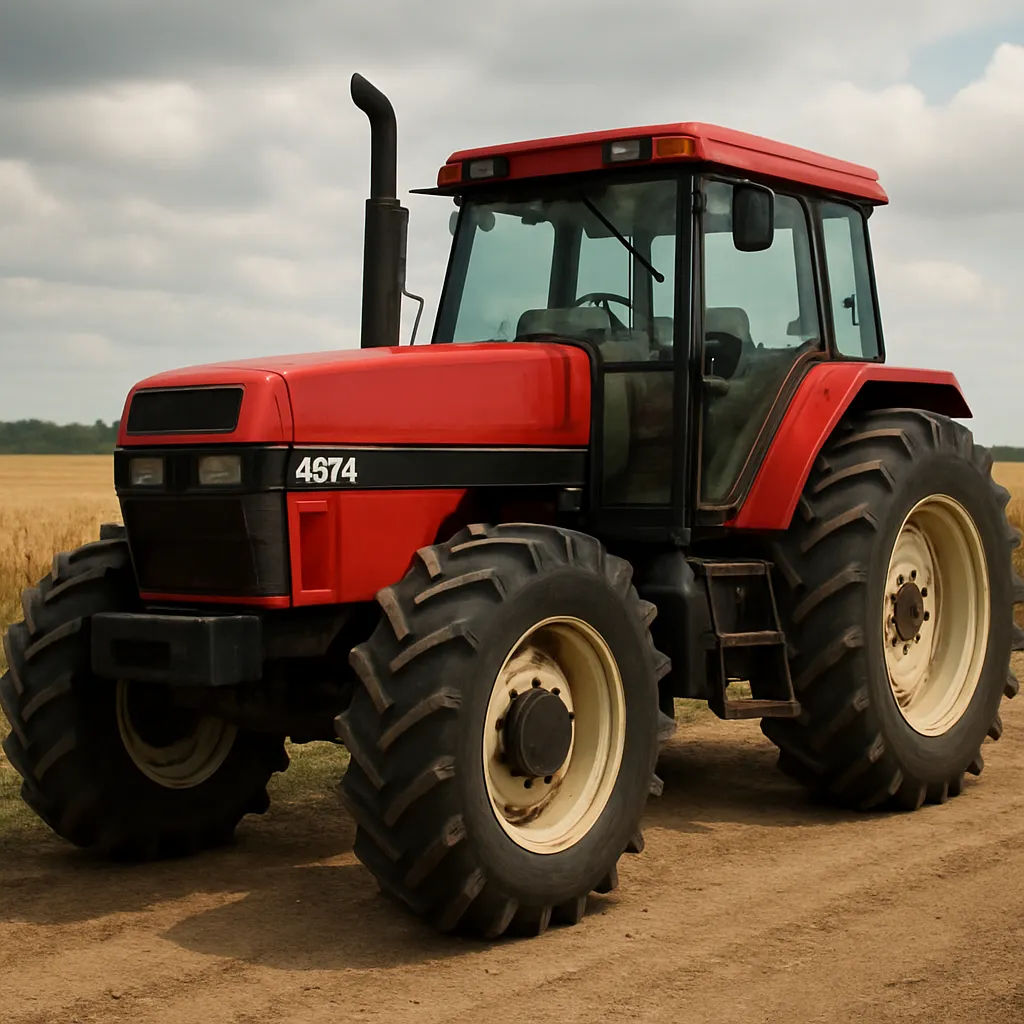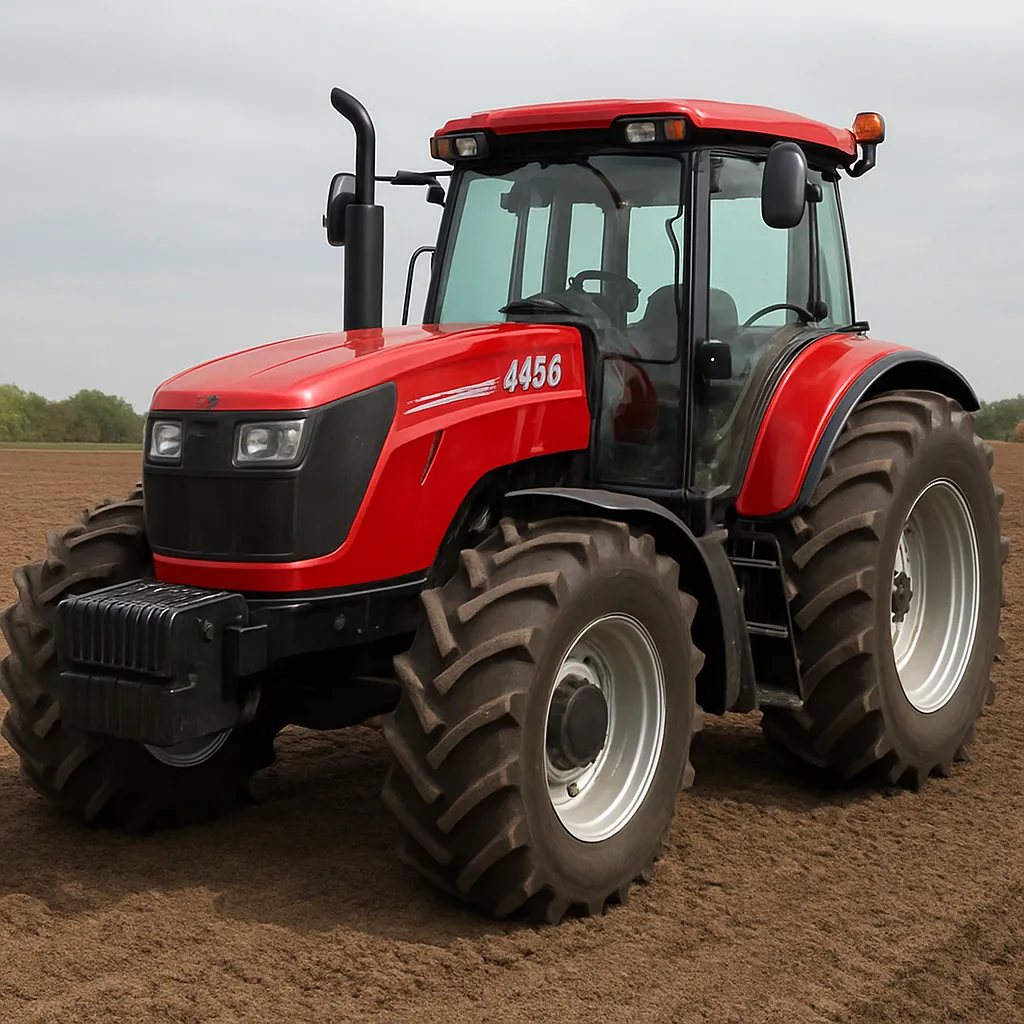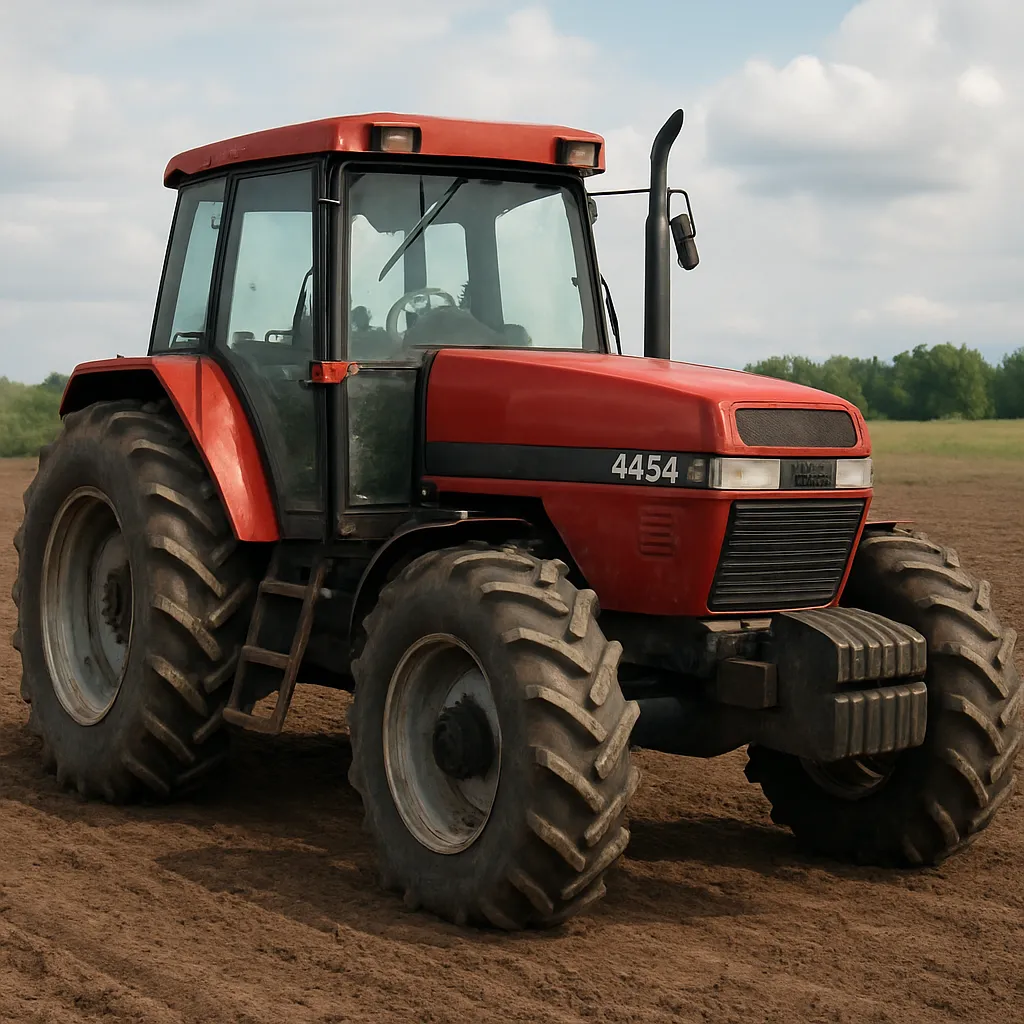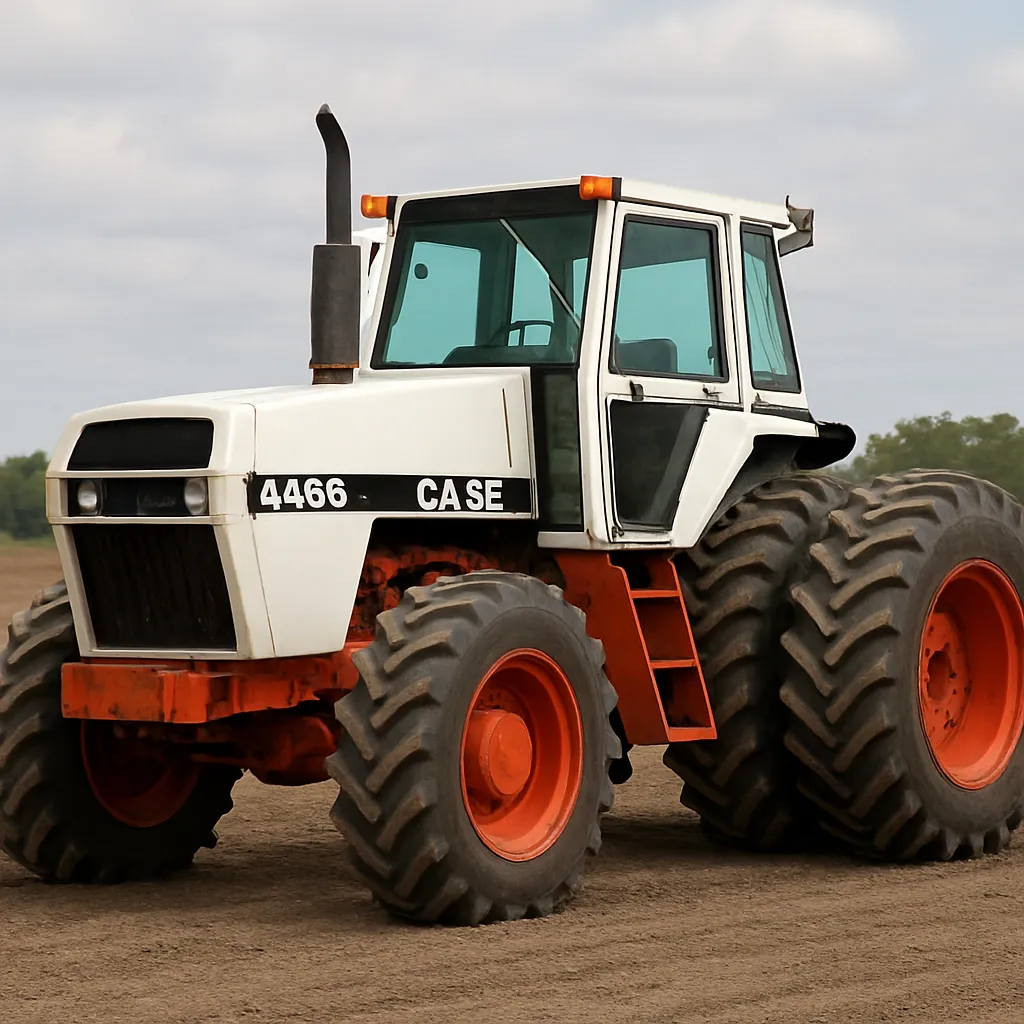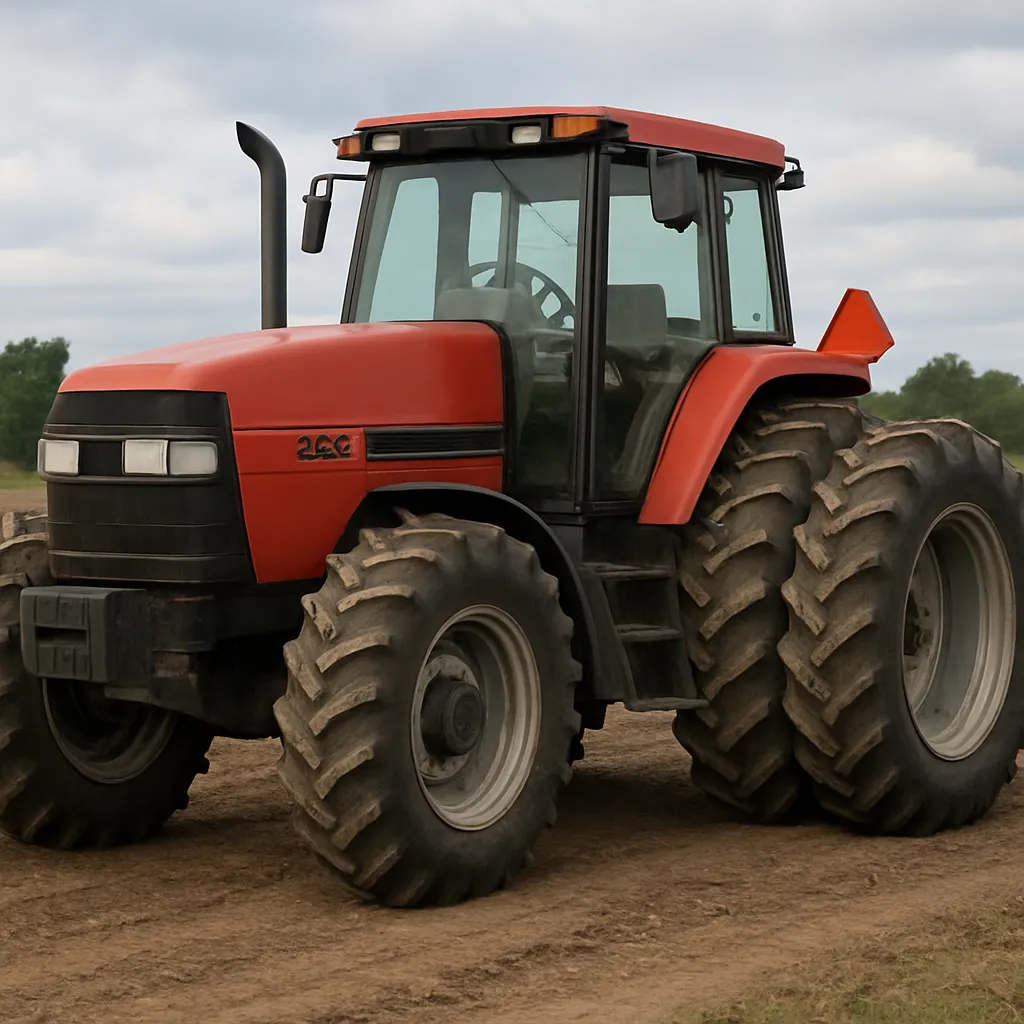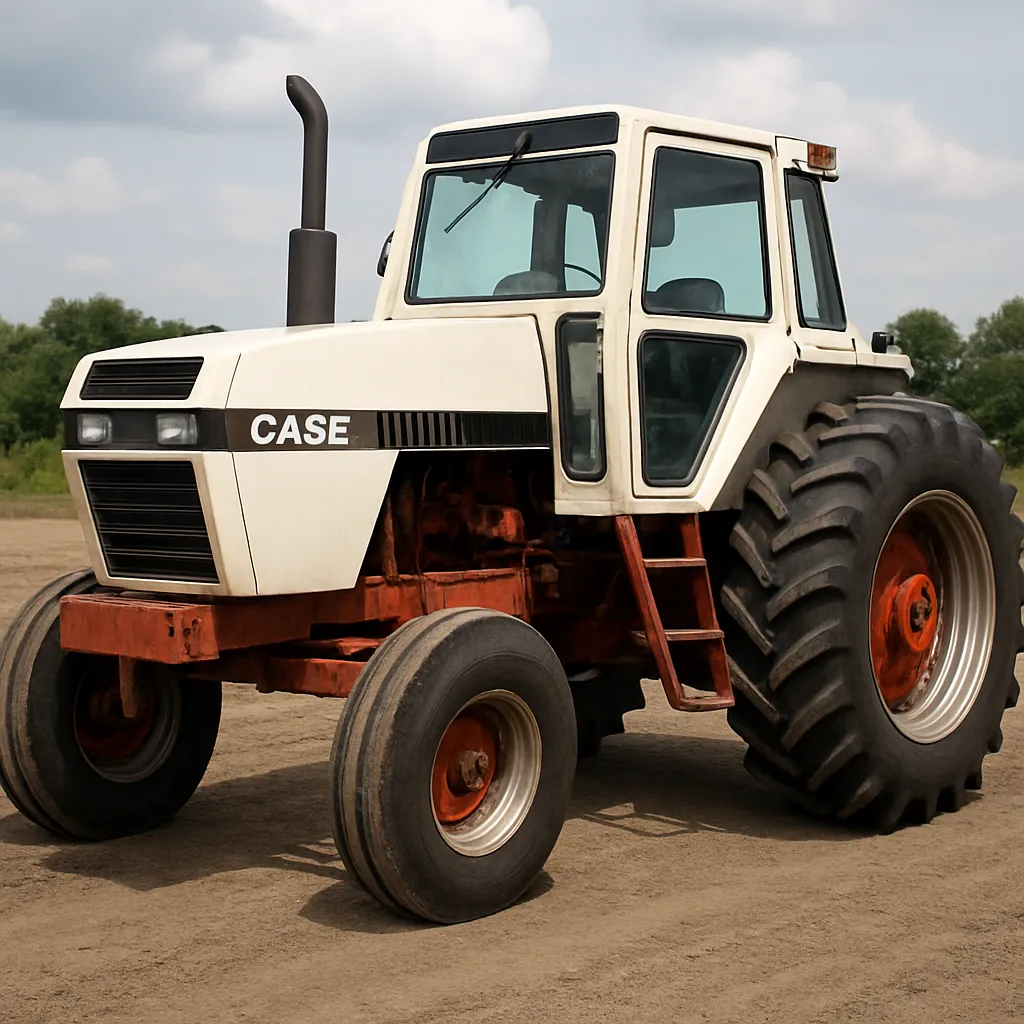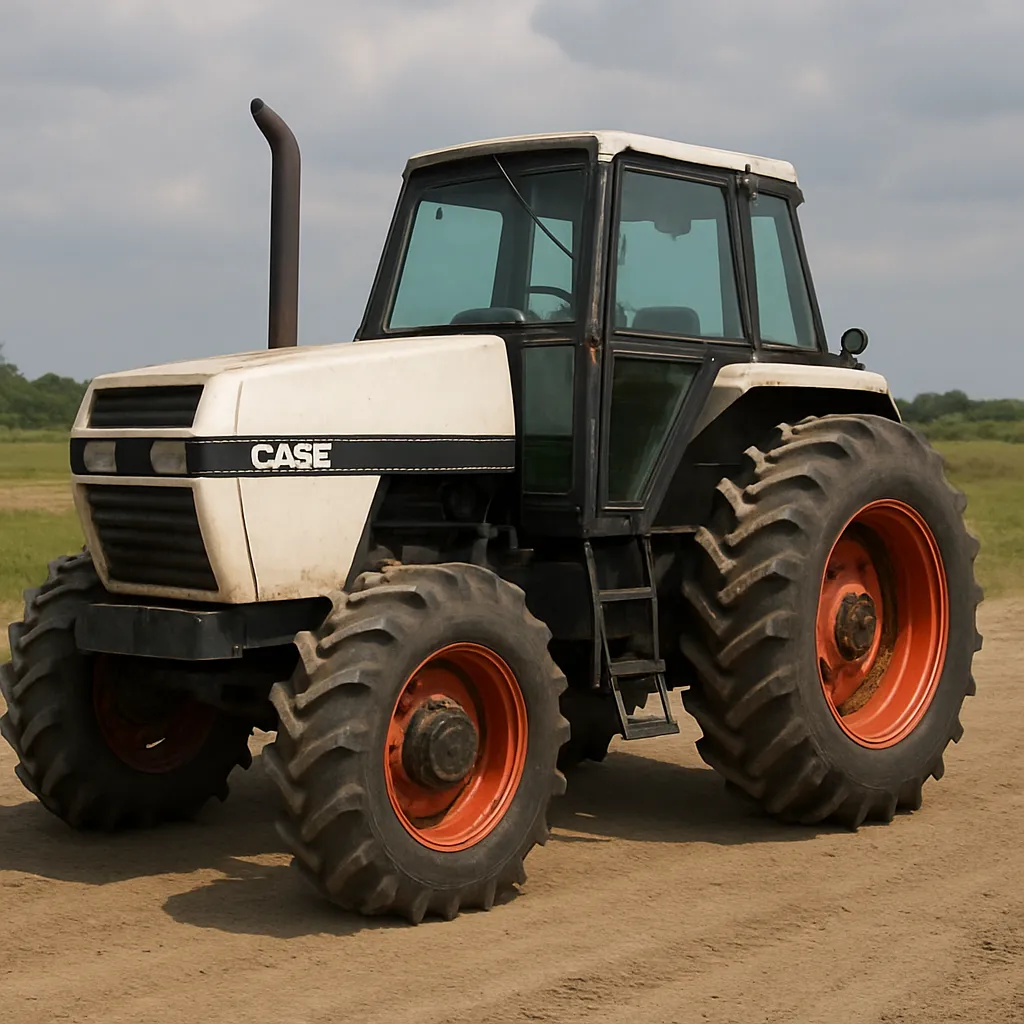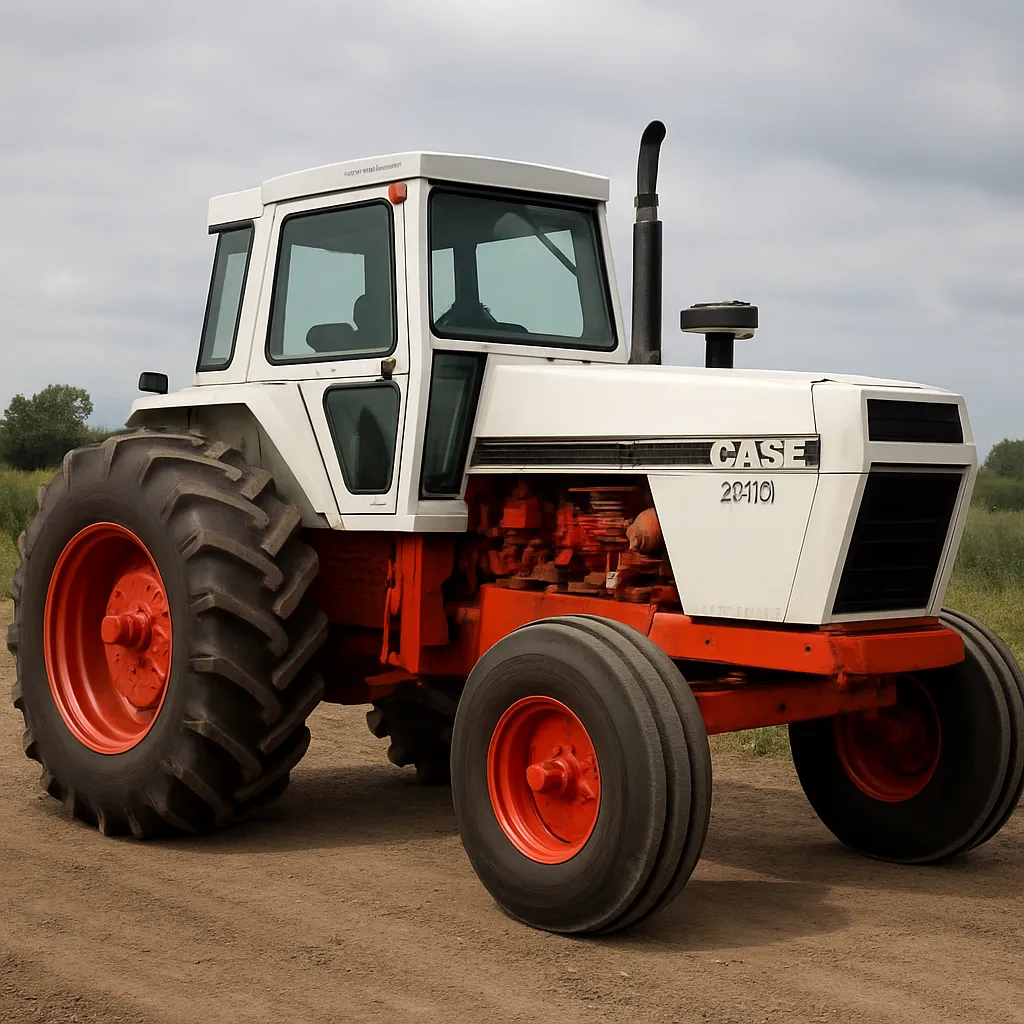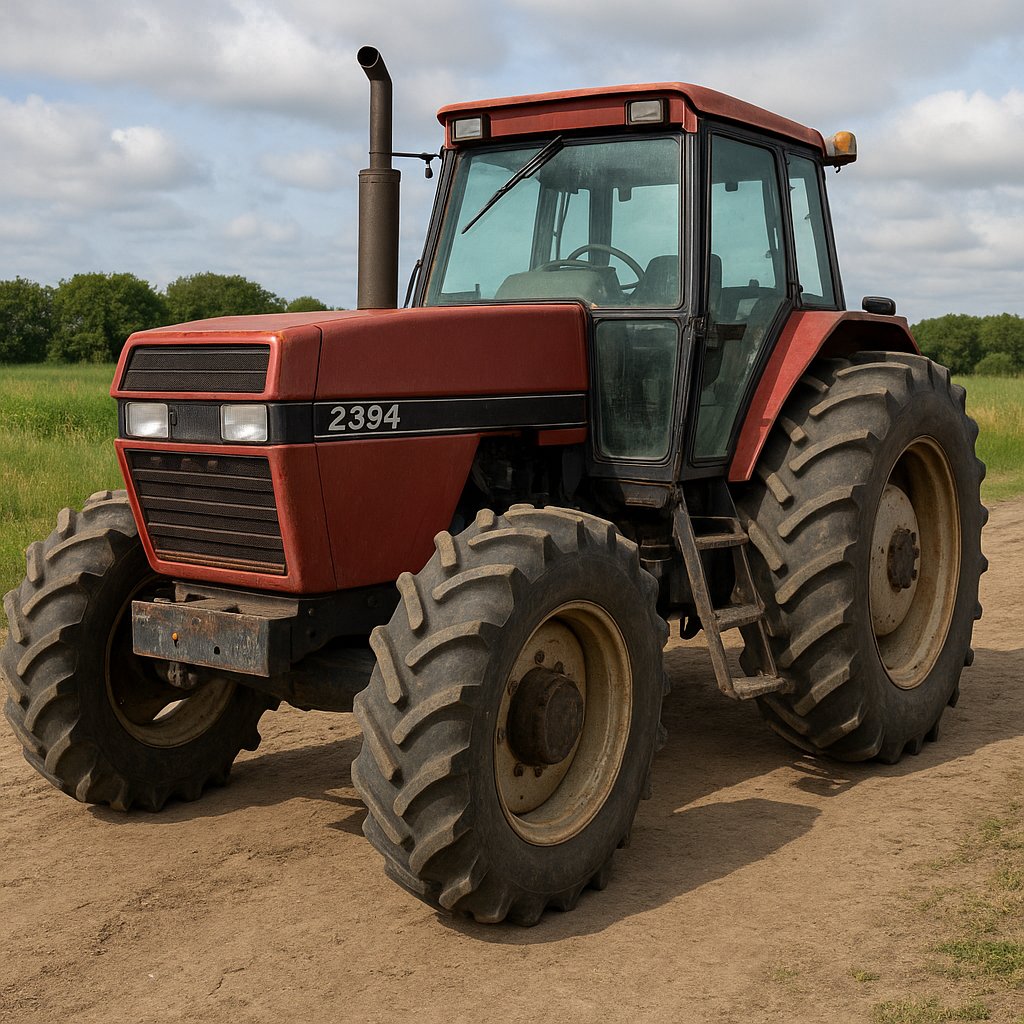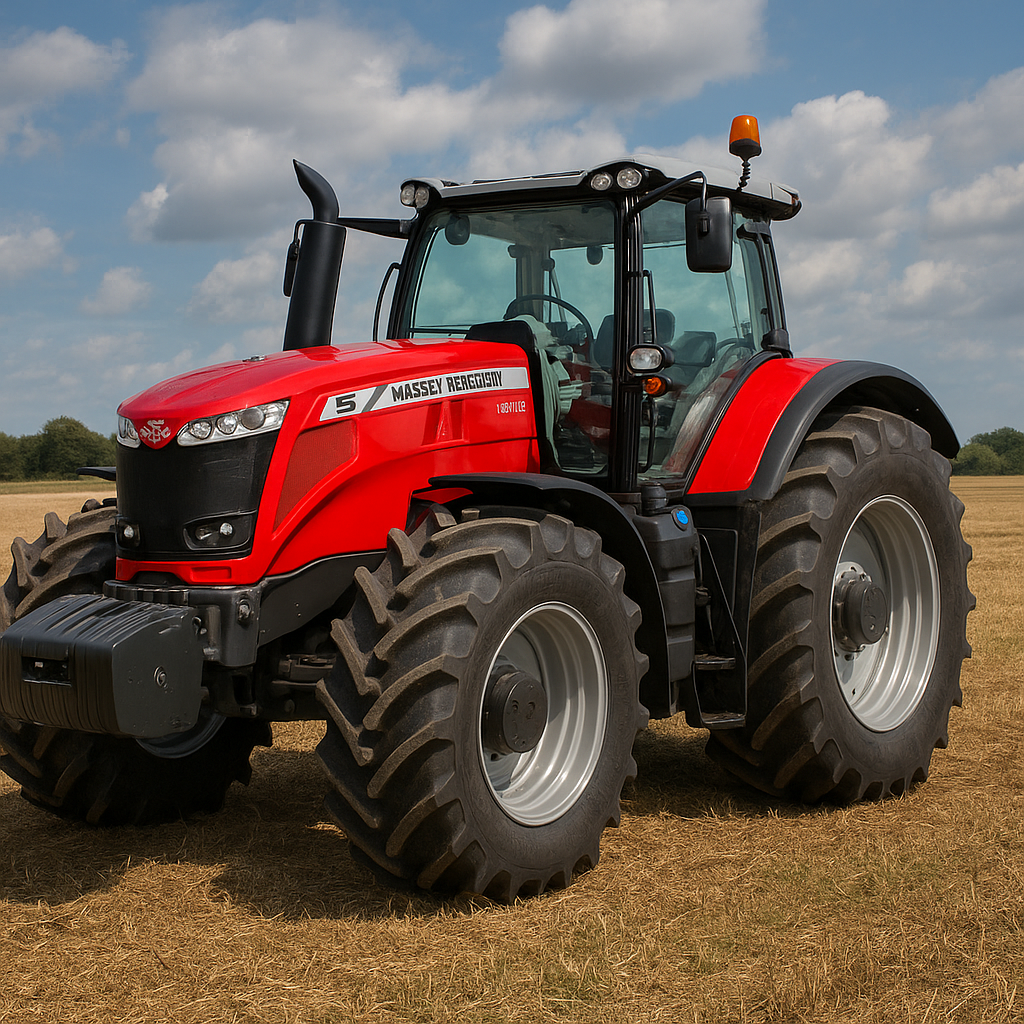
The Massey Ferguson 8732 S is a heavyweight agricultural tractor designed for large-scale farming operations, contracting work and a wide range of heavy field and transport tasks. Combining robust mechanical engineering with modern electronics, comfort and telematics, the 8732 S aims to deliver reliable high-horsepower performance with a focus on productivity and operator comfort. In the sections below you will find an overview of the tractor’s design and technology, typical applications and operational strengths, technical statistics and performance figures (where available), plus notes on maintenance, efficiency and real-world use.
Overview and market position
The Massey Ferguson 8732 S belongs to the 8700 S series — a line of tractors built to serve the highest power bracket in the Massey Ferguson range. These machines are targeted at large arable farms, contractors and operators who require a combination of steady high output, heavy hydraulic capacity and long operating hours. The 8732 S stands out by offering a balance of power, durability and modern control systems, making it a preferred choice where both heavy draft work and PTO-driven implements are used frequently.
In practice, the 8732 S competes with other high-power tractors from global manufacturers. What distinguishes it are Massey Ferguson’s priorities on operator ergonomics, a straightforward service layout and the integration of AGCO’s engine and telematics systems under the MF brand umbrella. It is often chosen by customers looking for dependable uptime, high lifting capacity and flexible transmission options.
Design, engine and emissions
Under the bonnet, the 8732 S typically uses an AGCO Power inline six-cylinder engine tuned for this model’s rated output. The engine is engineered to meet modern emissions standards using a combination of exhaust gas recirculation and selective catalytic reduction or other after-treatment systems depending on market stage compliance (for example, Stage IV / Tier 4 Final in many regions). These systems allow high torque at low engine speeds, which is critical for fuel efficiency and consistent pull in the field.
Key design aims include robust cooling and an engine management system that prioritizes constant torque delivery. This results in:
- High low-speed torque reserve for stable pulling power.
- Fuel-efficient operation at PTO and transport speeds.
- Reduced noise, vibration and harshness (NVH) for operator comfort.
While exact engine displacement and tuning can vary by year and market, the 8732 S is commonly associated with a displacement in the upper multi-liter range (typical of six-cylinder engines in this power band), and an advertised power rating around the 320-horsepower mark depending on whether boost/overboost is included. Such ratings provide a practical reference for implement selection and match-up.
Transmission, driveline and hydraulics
A key strength of the 8732 S is the variety and modernity of its driveline options. Operators can choose transmissions that suit their workflow: fully variable continuosly-variable transmissions (CVT) provide seamless speed transitions and excellent control during PTO work and headland turns, while stepped transmissions may be offered where robust mechanical simplicity is desired.
Hydraulics are designed for heavy implement use. Typical features include:
- High-flow hydraulic pumps capable of delivering substantial flow rates (often in the region of 150–200+ L/min in high-spec machines) to support large hydraulic motors, loaders and complex seeders or applicators.
- Multiple rear and mid-mounted couplings for simultaneous operation of several implement circuits.
- Electronic hydraulic prioritization and joystick options for loader and implement control.
The rear linkage on the 8732 S is built for heavy three-point implements and commonly offers lift capacities well into the multiple-tonne range, making it suitable for large ploughs, cultivators and seed drills. The tractor also provides robust PTO options (540/1000 rpm and economy settings) to drive a broad set of implements.
Cab, controls and operator comfort
Massey Ferguson has emphasized ergonomics and visibility in the cab design for the 8700 S series. The 8732 S typically features a spacious, climate-controlled cab with sound insulation, ergonomic seating, and well-laid-out controls. Typical operator-focused elements include:
- Adjustable steering column and air-suspended seat for long-day comfort.
- User-friendly control console with physical switches and modern touchscreen displays.
- Advanced joystick options for hydraulic and loader control.
- Excellent all-around visibility and LED working lights for night operations.
Beyond comfort, the cab integrates modern data and telematics features. MF Connect, Massey Ferguson’s telematics system, can be specified to enable remote monitoring of machine location, fuel consumption, service alerts and operating hours. Integration of guidance and auto-steer systems is also common, allowing precise, repeatable field passes and reduced operator fatigue.
Applications and typical use cases
The 8732 S is a versatile high-horsepower workhorse. Common applications include:
- Primary tillage: Large ploughs, disc harrows and subsoilers where sustained pull and high draft force are required.
- Seeding and planting: Large planters and seed drills benefit from the tractor’s hydraulic capacity and PTO control.
- Spraying and fertiliser application: High-capacity sprayers and spreaders that require stable transport speeds and strong hydraulic performance.
- Baling and forage harvesting: Pulling large balers, forage wagons and feed mixers.
- Transport: Heavy transport duties using trailers on and off-road thanks to high torque and optional economy gears for fuel-efficient road travel.
- Contracting: Contractors appreciate the combination of power, serviceability and telematics for multi-job operations across large regions.
The tractor is designed for long operating days and rapid implement changes, so it suits enterprises where a single, powerful machine must perform multiple roles.
Performance figures and statistics
Below are typical performance and specification figures reported for the 8732 S or the closely related models within the 8700 S family. Note that exact numbers can vary by model year and market specification; the values given are representative of common factory configurations:
- Rated power: approximately 320 hp (model designation often reflects the power class).
- Engine: inline six-cylinder AGCO Power unit with multi-liter displacement (commonly around 7–9 litres depending on variant).
- Maximum torque: strong torque reserve for low-rpm pulling — frequently in the range that supports heavy draft tools (typical maxima often exceed 1,200–1,400 Nm for tractors in this band).
- Hydraulic flow: standard to high-flow options, commonly 150–200 L/min or more when dual pumps or high-spec packages are chosen.
- Rear linkage lift capacity: commonly in excess of 10,000 kg (configurations vary by specification and hitch design).
- PTO options: 540 / 1000 rpm and economy PTO modes to maximize implement flexibility and fuel economy.
- Maximum road speed: commonly governed at 40 km/h or 50 km/h depending on regional regulations and gearbox options.
- Fuel tank: large-capacity tanks to support long work days; capacities can approach several hundred litres depending on build.
- Weight: operating mass typically in the multiple-tonne range to provide traction and stability for heavy implements.
These figures offer a baseline for implement matching and operational planning. Exact published specifications should be checked with the local dealer or the manufacturer’s datasheet for the selected year and build.
Technology, connectivity and precision farming
Precision agriculture and connectivity are increasingly expected even on large tractors. The 8732 S supports a range of modern farming technologies:
- Guidance and auto-steer: compatibility with GNSS systems for accurate headland turns and repeatable passes, improving application accuracy and reducing overlap.
- Telematics: MF Connect provides remote machine monitoring (location, hours, fuel use, alerts), enabling fleet management and preventative maintenance planning.
- ISOBUS compatibility: simplified implement control using standardised data and plug-and-play interfaces for modern implements.
- Engine and transmission management: software-driven optimization for fuel economy and consistent performance under varying loads.
These technologies reduce input costs, improve productivity and provide traceable records for modern farm management.
Maintenance, serviceability and lifecycle costs
For large-scale operations, uptime and lifecycle costs often matter as much as purchase price. The 8732 S is engineered for straightforward service access and logical component placement to reduce downtime:
- Accessible service points and grouped maintenance items help speed routine checks and fluid changes.
- Robust cooling and filtration systems extend component life in dusty conditions.
- Telematics and diagnostics can alert operators and dealers to pending service needs before failures occur.
- Dealer networks for parts and warranty support are an important consideration; many users rely on local MF dealers for scheduled servicing and emergency repairs.
Operators typically plan service intervals around intensive seasons—preparing the tractor for seeding or harvest to avoid costly disruptions. Because fuel and parts account for a large share of running costs, attention to proper oil grades, filter replacement and cooling system condition contributes significantly to lower total cost of ownership.
Environmental considerations and efficiency
Meeting emissions regulations while preserving fuel economy is a central design challenge. The 8732 S addresses this with calibrated engine management and after-treatment systems that reduce particulate and NOx emissions while preserving usable torque at low engine speeds. Practical efficiency considerations include:
- Choosing the correct transmission mode and gear for PTO-driven implements to maintain low engine rpm and lower fuel use.
- Using GPS guidance to reduce field overlap, saving fuel and inputs.
- Monitoring and optimizing tyre pressures and ballast to reduce rolling resistance and soil compaction.
These practices, combined with the tractor’s engine tech, help operators meet environmental targets and reduce operational costs over the machine’s service life.
Real-world feedback and suitability
Farmers and contractors using tractors of this class often highlight the following real-world strengths:
- Reliable high-power performance during long working days.
- Good balance between electronic assistance and mechanical robustness.
- Comfortable cab and intuitive controls that reduce fatigue.
- Valuable telematics and guidance options that increase productivity on large farms.
Potential purchasers should evaluate the 8732 S in the context of their specific tasks — matching implement weights, hydraulic demands and field conditions to ensure the tractor is neither under- nor over-specified. Consultation with a local Massey Ferguson dealer for a demo and a configuration-specific quotation is advisable.
Conclusions and buying considerations
The Massey Ferguson 8732 S is a powerful, well-equipped tractor for demanding agricultural operations. Its combination of engine performance, hydraulic capacity, modern cab comforts and connectivity make it capable across a wide range of tasks from tillage to transport. Buyers should consider:
- Exact specification and options to match hydraulic flow, PTO choices and transmission to their implements.
- Local service and parts support, which are crucial for uptime in contracting work.
- Telematics and precision farming packages that can increase the tractor’s productivity and lower operational costs.
- Lifecycle costs including fuel, tyres, routine maintenance and resale value for full financial planning.
Overall, the 8732 S represents a viable choice for those needing reliable, high-horsepower performance combined with the modern features required for precision farming and long-term productivity.
Note: Technical data such as power, torque, hydraulics and capacities can vary by build year, market regulations and optional equipment. For precise specifications and the most current figures, consult an official Massey Ferguson brochure or an authorised dealer in your region.