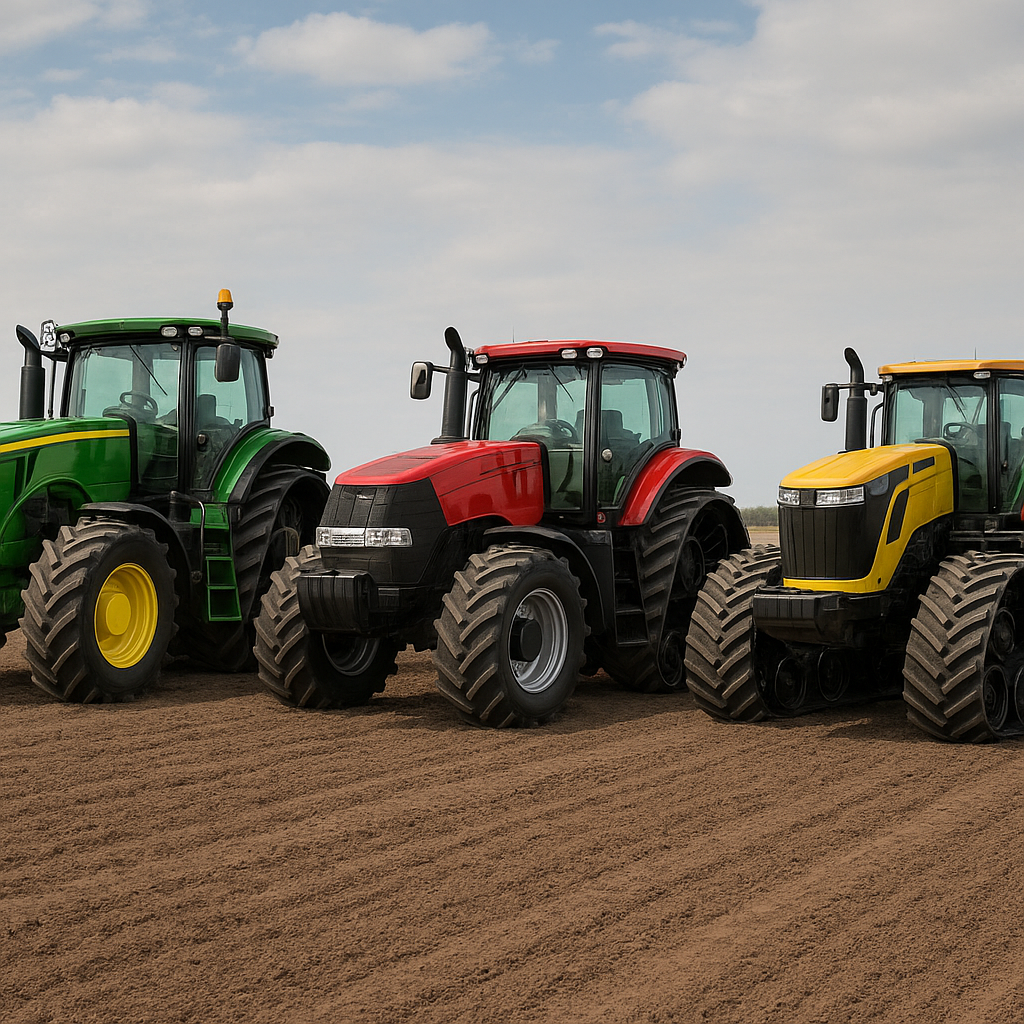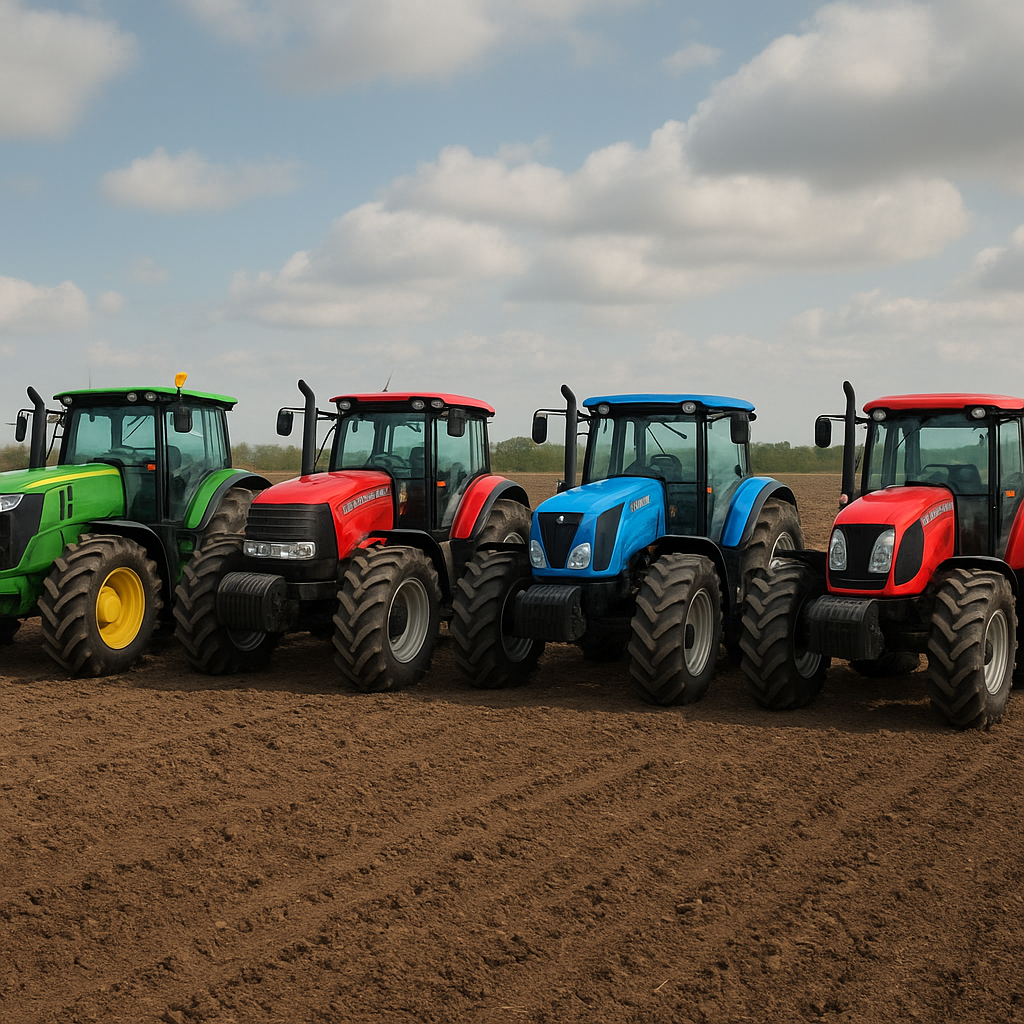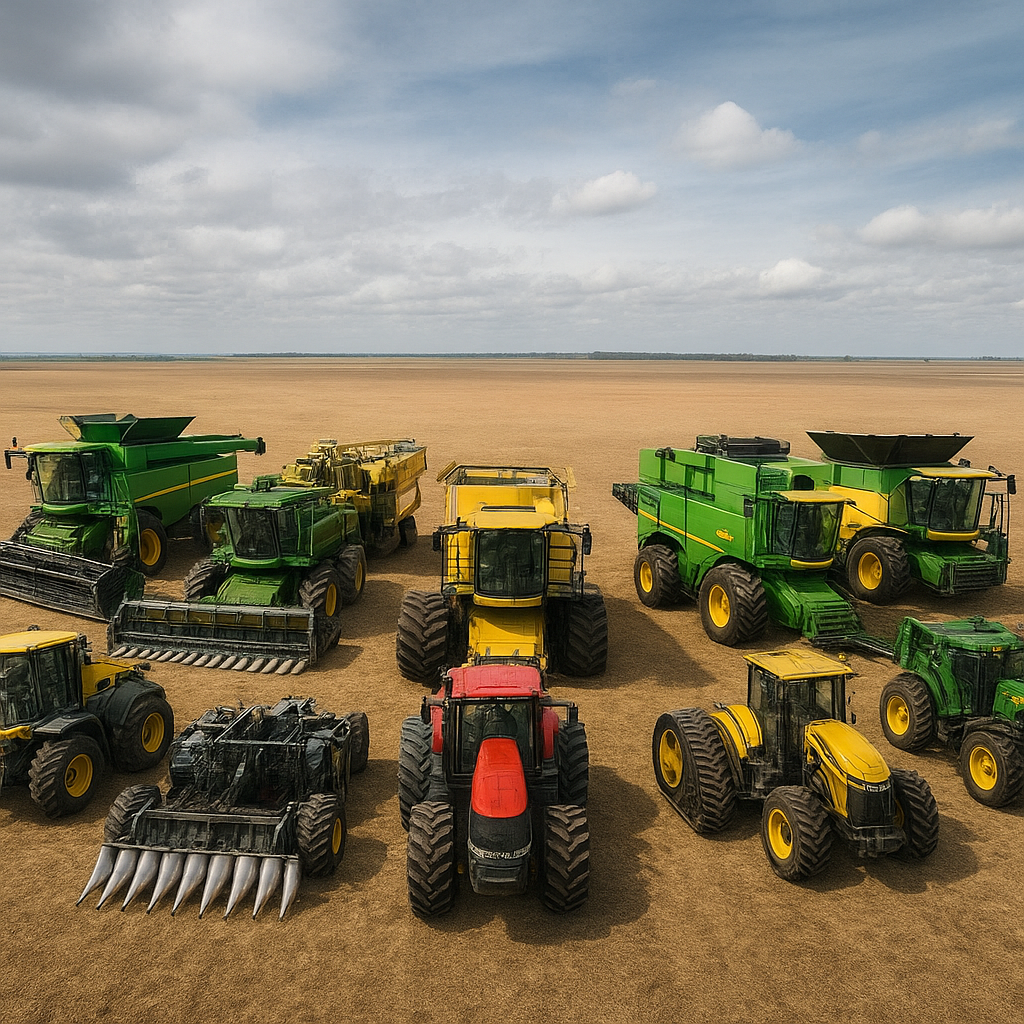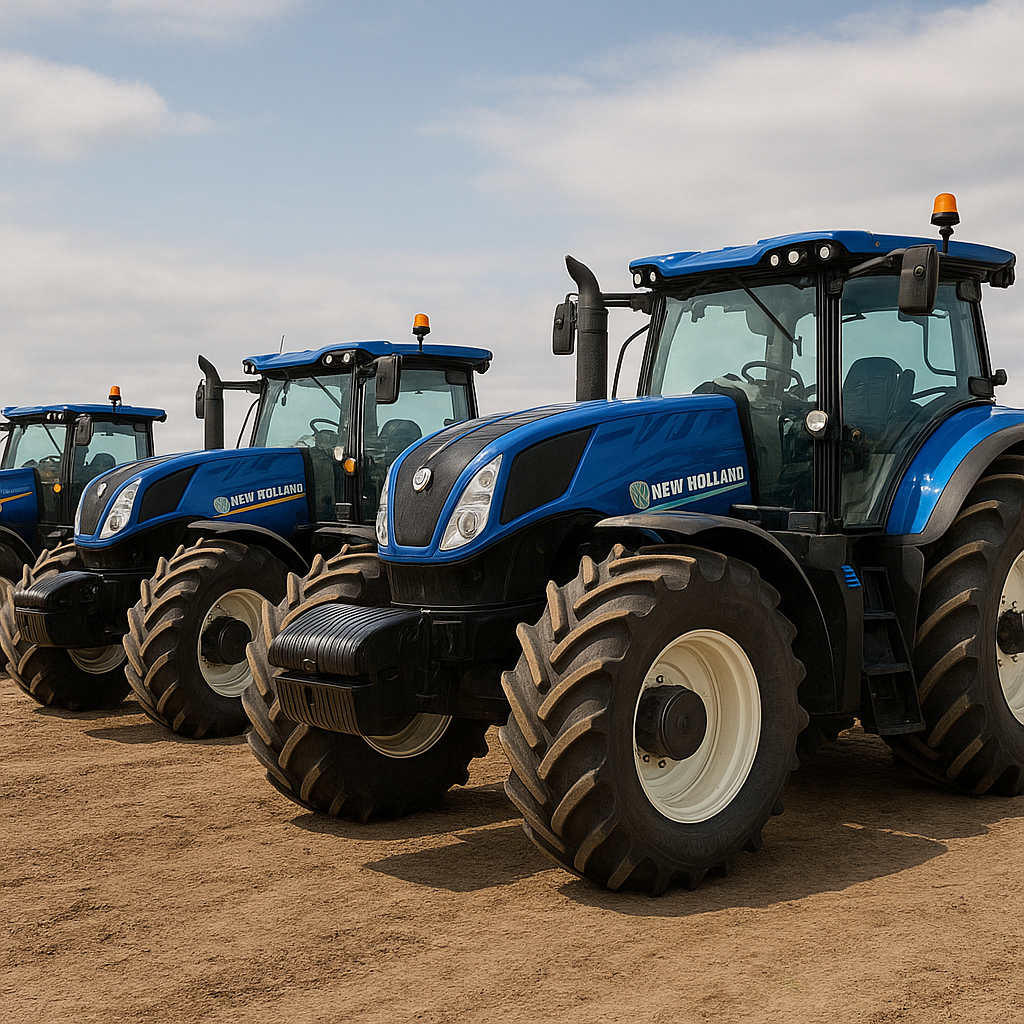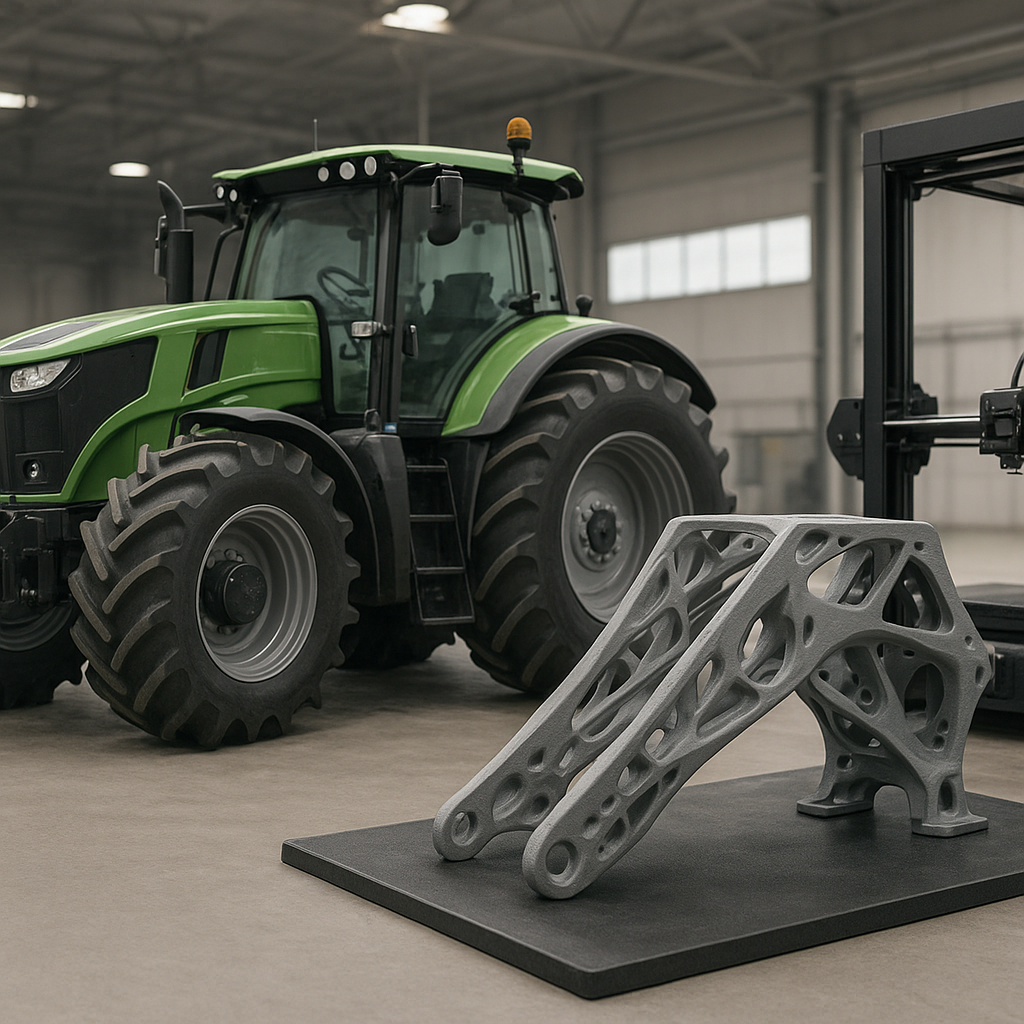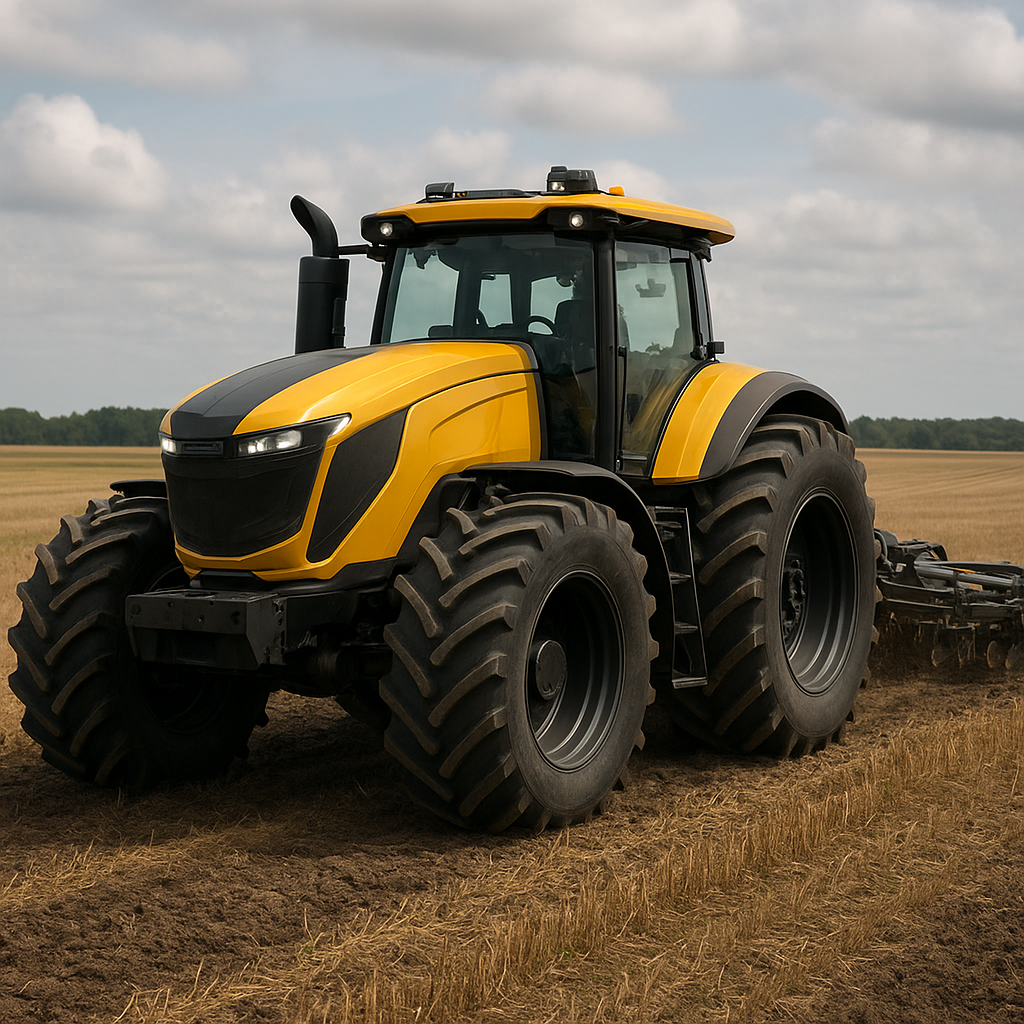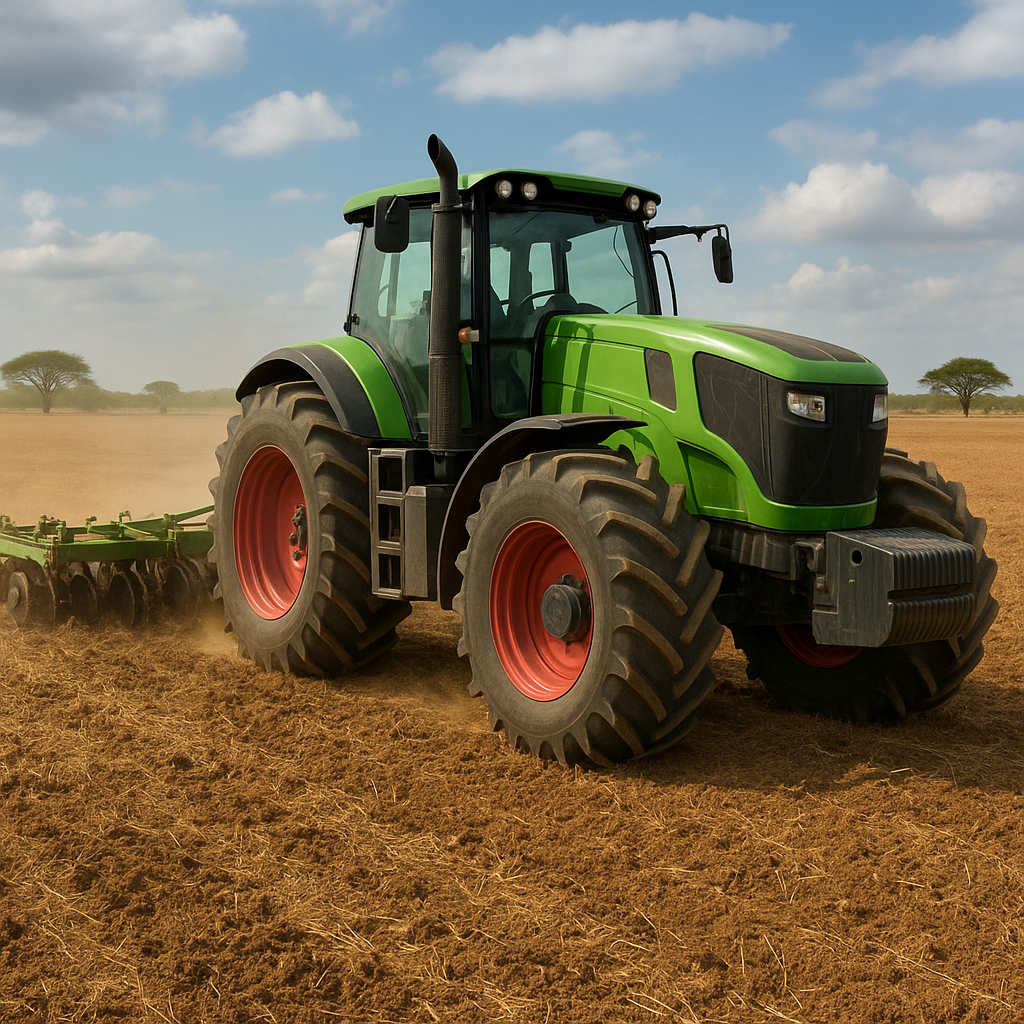
The African agricultural landscape demands machinery that can withstand harsh climates, variable terrains, and large-scale operations. Massive tractors, specifically engineered for these conditions, have begun to transform the way farmers cultivate their land. By integrating cutting-edge technologies and rugged design elements, these machines deliver power and durability previously unattainable in many regions. This article explores how the world’s biggest tractors are reshaping farming practices, enhancing productivity, and promoting long-term sustainability across the continent.
Designing for African Terrain: Adapting the Biggest Tractors
Creating a mega tractor suitable for African fields involves more than simply scaling up existing models. Engineers must address unique challenges such as uneven ground, seasonal flooding, and abrasive soils. High ground clearance and reinforced chassis structures improve resilience against hidden obstacles like stones or stumps. Specialized tread patterns on oversized tires ensure optimal traction in sandy or muddy conditions. Some manufacturers employ adjustable tire pressure systems, allowing operators to fine-tune contact area on the go, minimizing soil compaction while retaining grip.
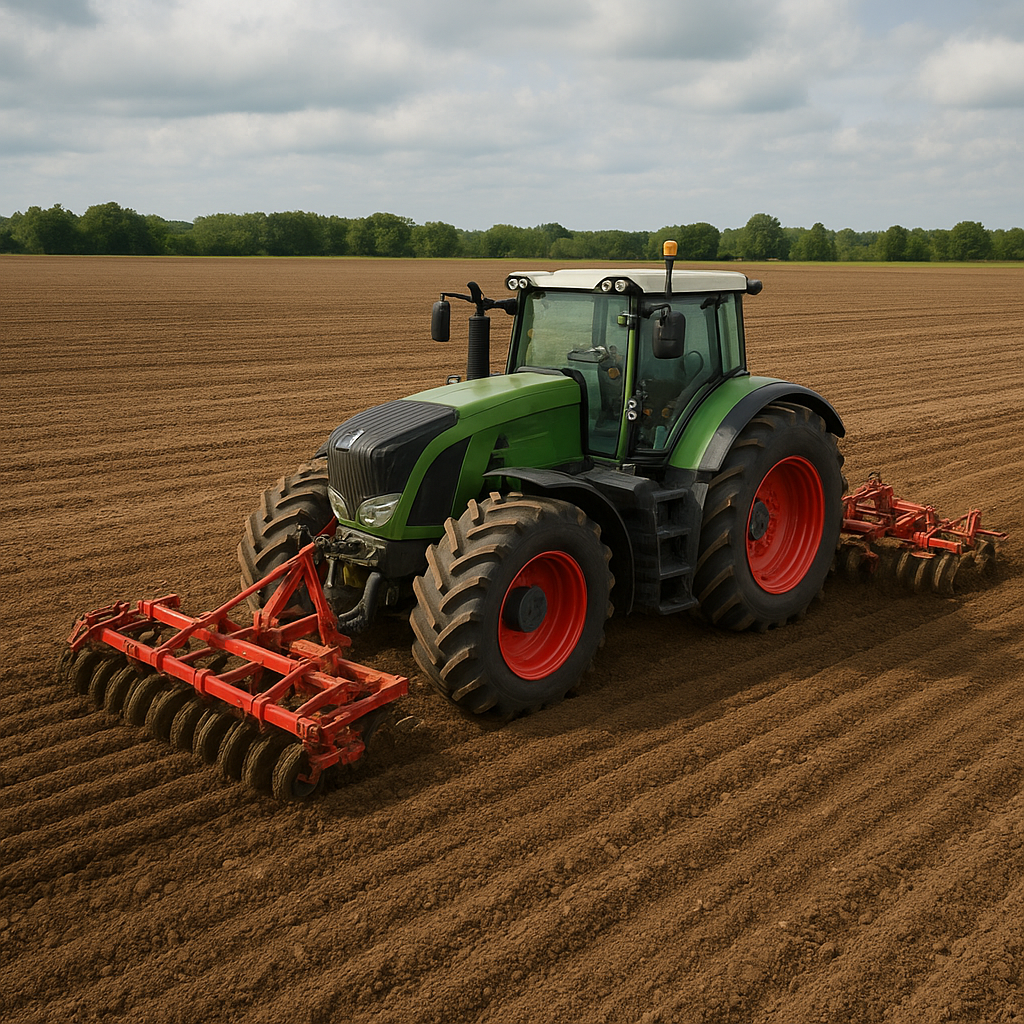
Heavy-duty front and rear axles incorporate advanced suspension systems to absorb shocks during operation over rocky surfaces. Robust transmission gears with extra lubrication channels enhance durability under extreme loads. Many models feature modular implements so farmers can switch quickly between ploughs, harrows, and seed drills, boosting overall efficiency. Corrosion-resistant coatings on exposed metal parts help combat high humidity and chemical residue from fertilizers.
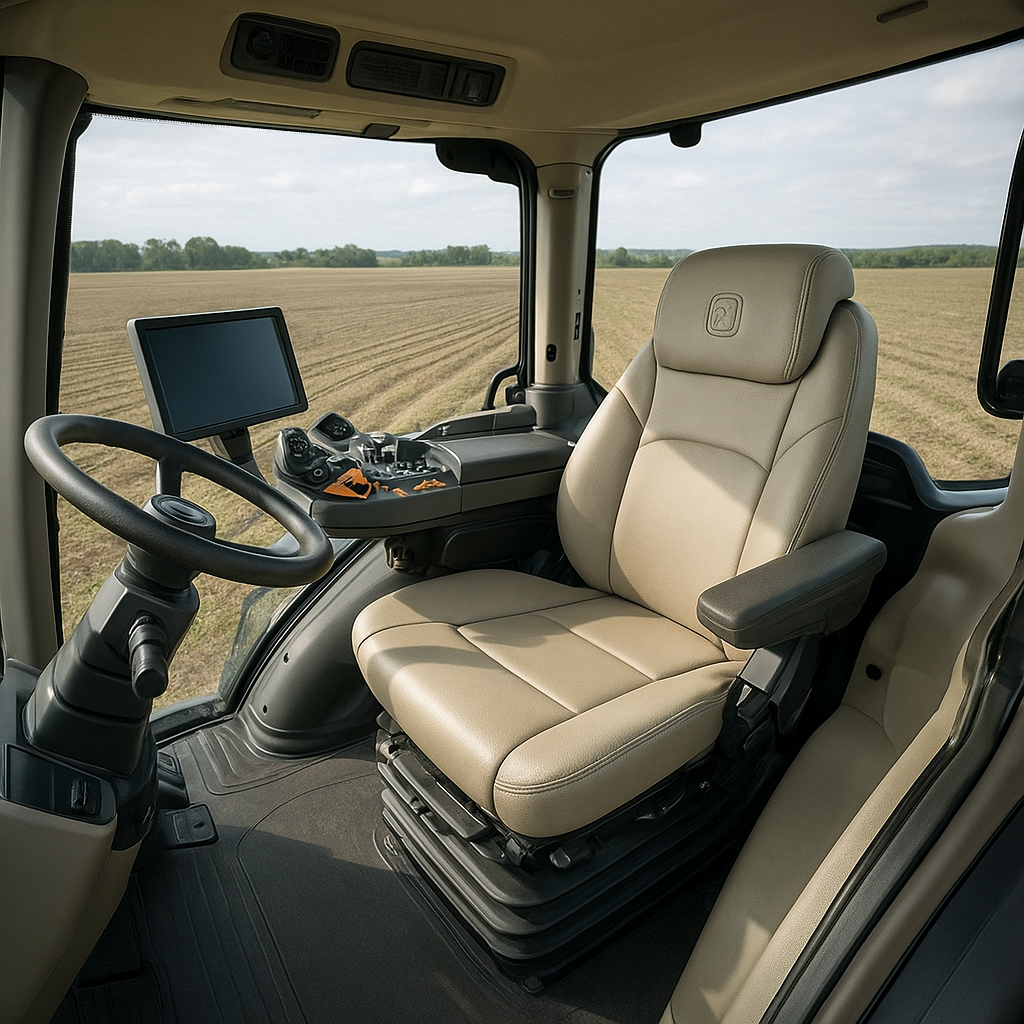
Cabin design also plays a crucial role. Climate-controlled interiors protect operators from dust and heat, while panoramic windows ensure maximum visibility. Reinforced roll-over protection systems (ROPS) meet stringent safety standards. Ergonomic controls and adjustable seats reduce operator fatigue during long hours in the field. By fine-tuning every component for African realities, these colossal machines deliver unmatched performance where smaller tractors often struggle.
Technological Innovations in Mega Tractors
Modern mega tractors incorporate a suite of advanced technologies that redefine agricultural mechanization. From precision guidance to remote diagnostics, these features facilitate data-driven decision-making and optimize resource use.
Key Technological Features
- GPS-based auto-steering: Ensures centimeter-level accuracy in row alignment, maximizing land use and reducing overlap.
- Telematics systems: Provide real-time monitoring of engine health, fuel consumption, and maintenance schedules via mobile apps.
- Variable-rate application controls: Automatically adjust seed, fertilizer, and pesticide delivery for optimal yield.
- Wireless connectivity: Enables software updates and troubleshooting without the need for service visits.
- Integrated sensors: Track soil moisture, nutrient levels, and crop growth, feeding data into farm management platforms.
In addition, many manufacturers emphasize adaptability. Modular electronic control units allow compatibility with local implements, while robust wiring harnesses resist damage from vibration and extreme temperatures. Hybrid powertrain prototypes are emerging, combining diesel engines with electric motors to reduce emissions and improve fuel efficiency. Autonomous operation is on the horizon, with AI-driven obstacle detection and path planning reducing the need for manual intervention. Such innovation empowers farmers to operate more sustainably, making informed choices that conserve water and minimize chemical runoff.
Economic and Social Impact of Mechanization
Large-scale mechanization offers transformative potential for African economies and rural communities. By deploying the biggest tractors, farms can dramatically increase cultivated areas, shorten planting windows, and accelerate harvest cycles. This surge in output can lead to higher incomes for smallholder cooperatives and reduce the need for seasonal labor migration.
However, the initial investment for mega tractors often exceeds the budgets of individual farmers. Financing solutions such as leasing programs, cooperative ownership models, and government-backed loan guarantees have emerged to bridge this gap. Shared machinery rings enable multiple farms to access high-horsepower equipment affordably, spreading costs and risks. Training initiatives sponsored by agricultural ministries and NGOs ensure operators and mechanics acquire the necessary skills, fostering local expertise in maintenance and repair.
The ripple effects extend beyond farm gates. Enhanced mechanization stimulates demand for supporting services—fuel distribution, spare parts markets, and technical training centers. As rural incomes rise, communities invest in education, healthcare, and infrastructure. In regions where women play central roles in agriculture, access to efficient machinery can relieve physical labor burdens, creating opportunities for entrepreneurship and value-added processing.
Case Studies: Success Stories Across the Continent
Numerous pilot programs illustrate the real-world impact of deploying ultra-large tractors in African agriculture.
Eastern Africa: Kenya’s Grain Belt
A consortium introduced 300-horsepower machines equipped with precision planters in the Rift Valley. Farmers achieved a 30% yield increase on maize and wheat, thanks to uniform seed depth and automated fertilizer application. Collaborative training sessions reduced equipment downtime by 40%.
West Africa: Rice Production in Nigeria
High-clearance tractors fitted with rotary tillers revolutionized paddy field preparation. The enhanced productivity shortened land preparation from 15 days to 5, allowing multiple cropping cycles annually. The economic boost led local cooperatives to invest in cold storage facilities, reducing post-harvest losses.
Southern Africa: South African Commercial Farms
On large estates, 450-horsepower tractors with GPS mapping and auto-steer have become standard for maize and soybean rotations. Water-saving irrigation attachments have cut water use by 20%, emphasizing sustainability. Farmers report greater flexibility in responding to weather fluctuations, thanks to rapid planting and harvesting capabilities.
Challenges and the Road to Sustainable Farming
Despite the benefits, obstacles remain. High upfront costs, uneven infrastructure, and limited access to quality fuel and spare parts can hinder adoption. Road networks often fail to support the transport of oversized machinery, requiring specialized trailers and permits. Furthermore, heavy tractors can cause soil compaction if not managed correctly, negating some gains in yield.
To address these issues, stakeholders are focusing on integrated solutions. Public–private partnerships are funding the development of regional service hubs, offering maintenance, training, and certified parts. Innovations in low-pressure tire technology and subsoil tillage implements help minimize compaction. Bio-diesel blends and locally produced biodiesel reduce reliance on imported fuel, reinforcing energy resilience.
Future prospects hinge on balancing scale with environmental stewardship. Ongoing research into electric and hydrogen-powered drivetrains aims to lower emissions. Collaborative data platforms will enable smallholders to share insights, enhancing collective decision-making. By aligning technological innovation with social and ecological priorities, Africa can harness the potential of its biggest tractors to build a more prosperous and sustainable agricultural future.