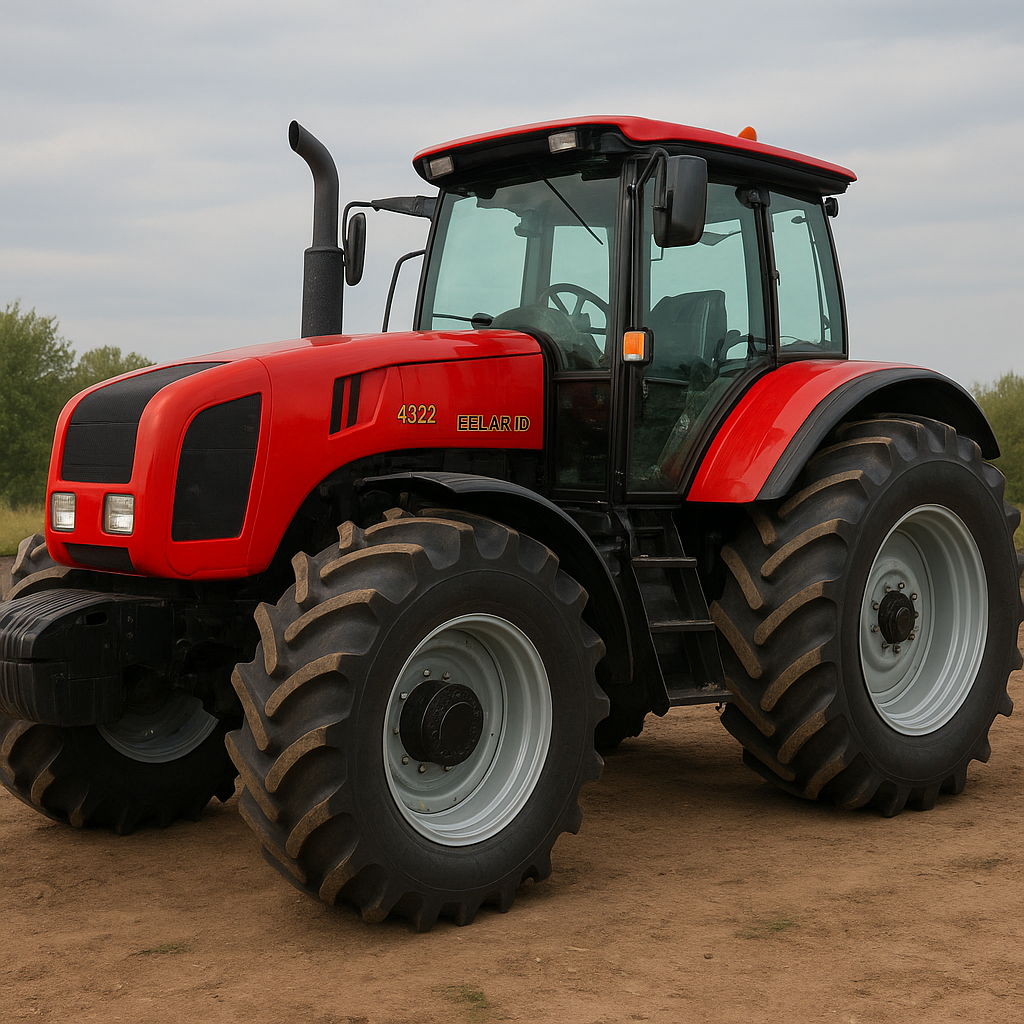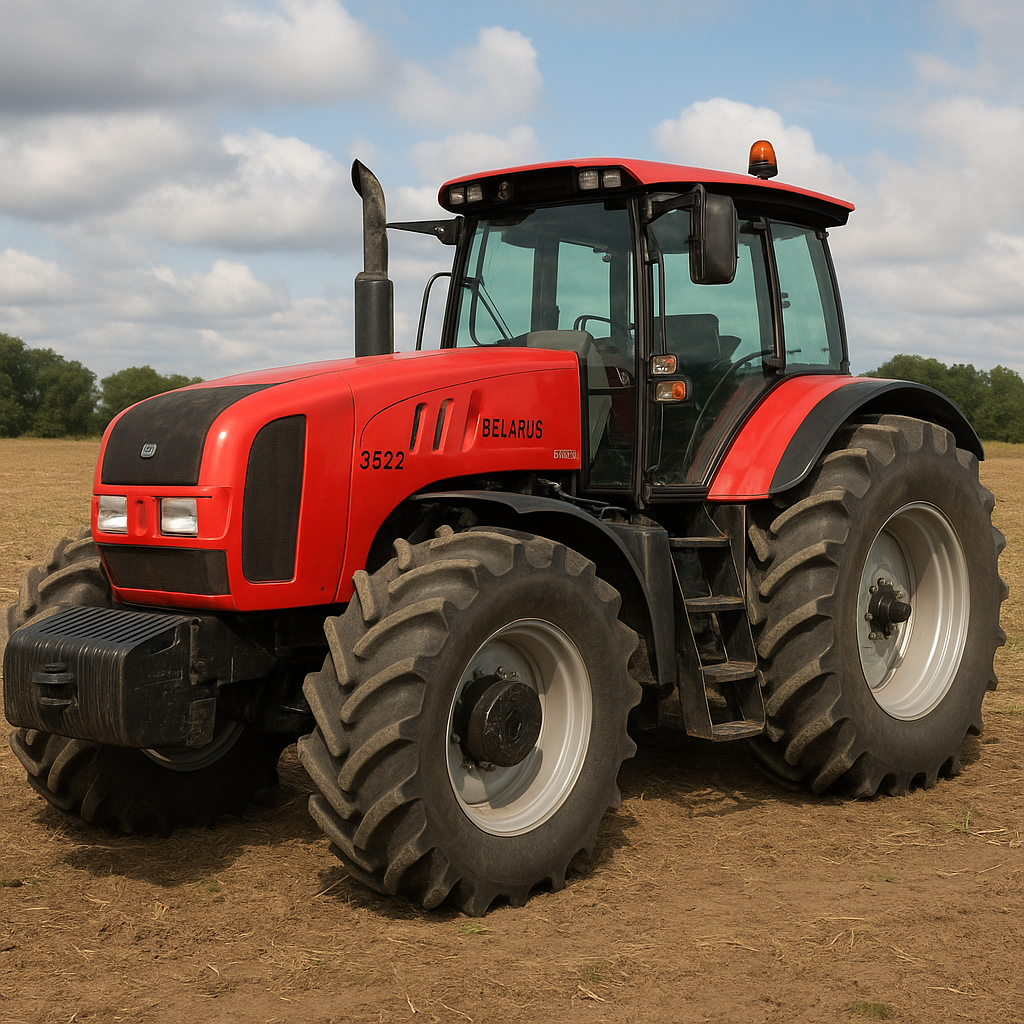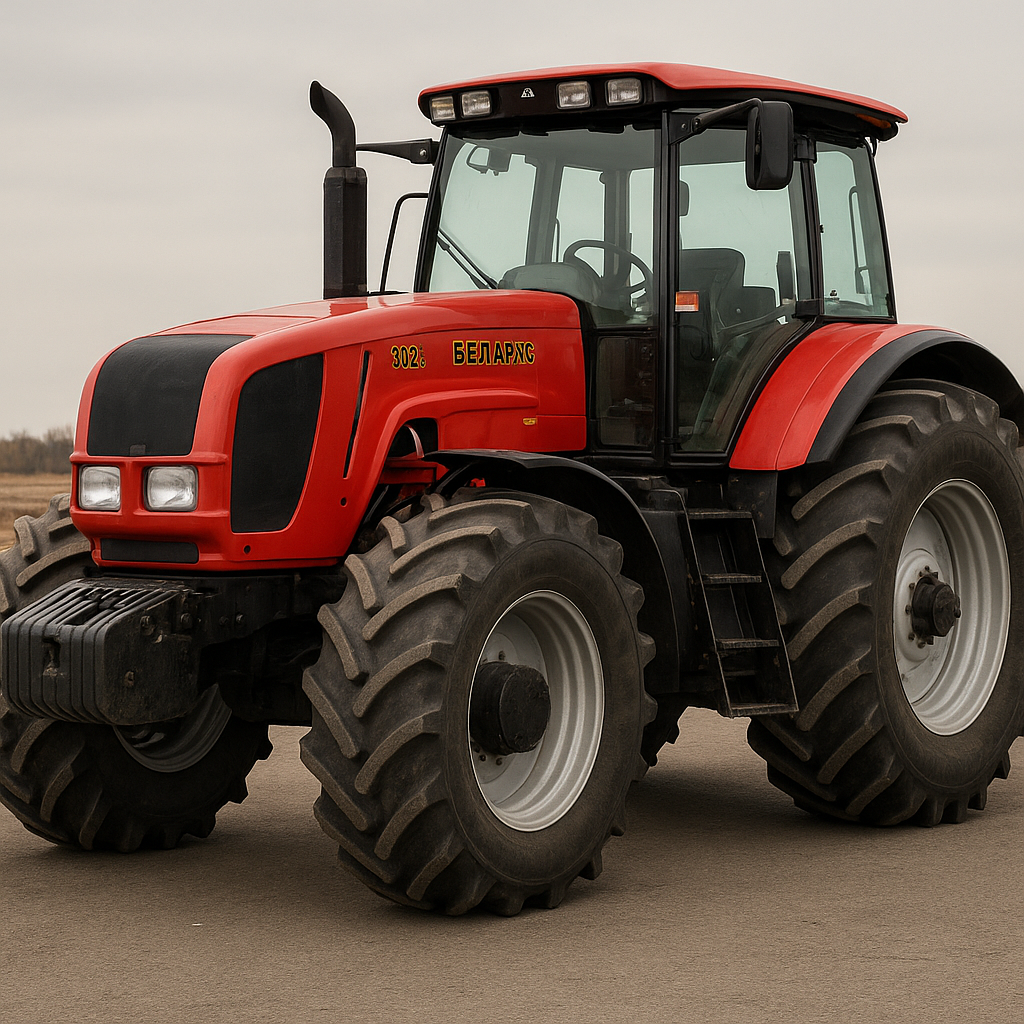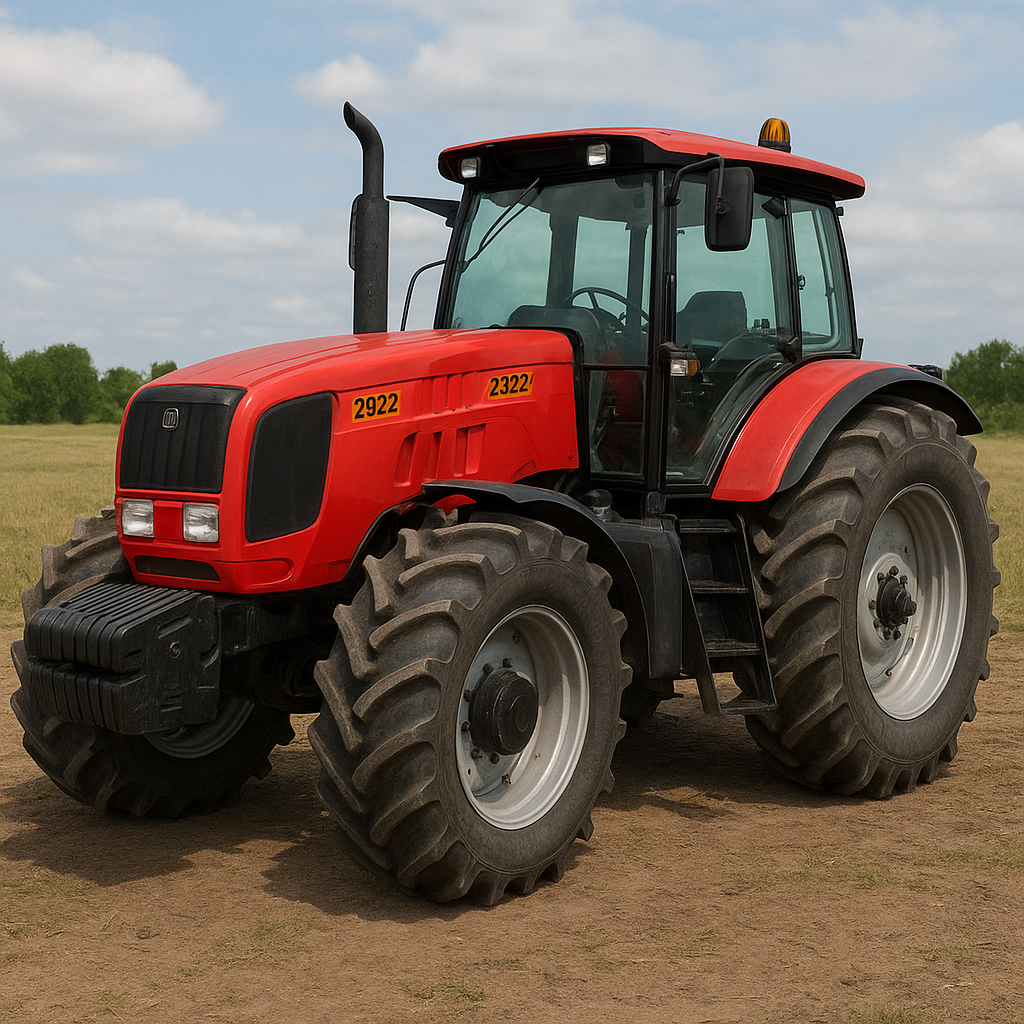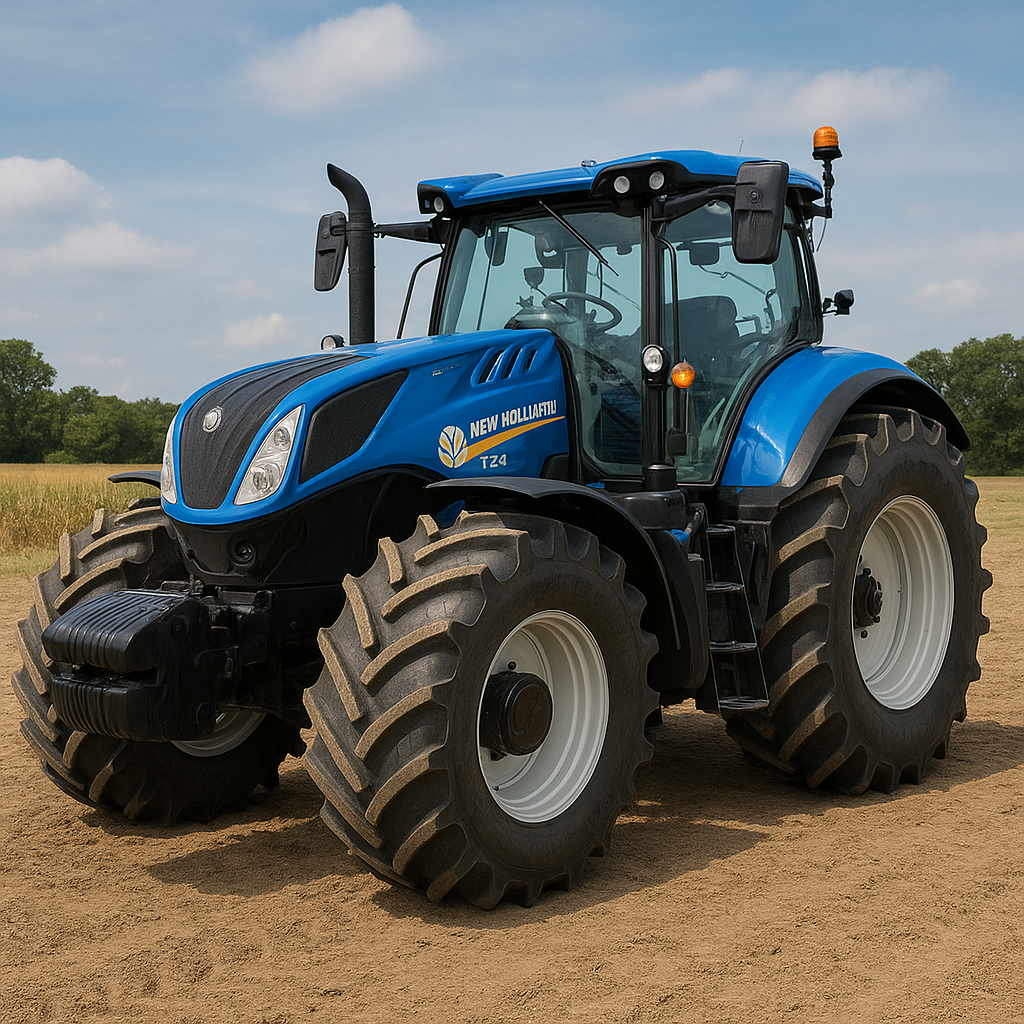
The New Holland T7.315 is a heavy-duty agricultural tractor designed to meet the needs of large-scale farms, contractors and mixed enterprises that require high power, versatility and modern electronics. In this article you will find an in-depth look at the T7.315: its main characteristics, typical applications, technical concepts, operating advantages and practical considerations for buyers and operators. The content includes both general information and commonly reported performance figures; where exact values depend on configuration, approximate ranges or typical numbers are provided.
Overview and positioning
The New Holland T7.315 is part of the T7 series, a line of tractors aimed at the medium-large to high-power sector of modern agriculture. With a factory-rated output of 315 horsepower, the T7.315 sits toward the top of the series and is intended for demanding work such as heavy tillage, large-scale planting, fertilizer application with large booms, transport tasks and PTO-driven field implements.
Key design priorities for this model include robust engine performance, comfortable long-hour operation in a well-equipped cab, modern transmission solutions such as continuous variable traction options, and integration with precision farming systems. New Holland positions the T7.315 for customers who need a tractor that balances raw pulling power with electronic control and fuel efficiency.
Technical specifications and performance (typical figures)
The exact specification of a T7.315 varies with year of manufacture, optional packages and regional emissions standards. Below are typical or factory-indicated values that help characterize the tractor’s capabilities.
Powertrain and engine
- Rated engine power: typically 315 hp (ISO standard).
- Maximum engine power (boost under load): commonly in the range of 330–350 hp depending on engine calibration and transient boost strategies.
- Engine family: emissions-controlled diesel engines with aftertreatment (SCR + DOC and particulate systems), compliant with modern standards (Stage IV / Tier 4 Final where applicable).
- AdBlue/DEF system: used for selective catalytic reduction to meet emissions targets.
Transmission and drive
- Transmission options frequently include a continuously variable transmission (CVT) marketed as AutoCommand in many New Holland tractors, or advanced powershift alternatives.
- CVT benefits: seamless speed control, optimized engine load for fuel efficiency, and smooth transport/field transitions.
- Top transport speed: often rated up to 40–50 km/h depending on gearing and regional configurations.
- 4WD and differential lock options for traction control in challenging conditions.
Hydraulics, hitch and PTO
- Hydraulic system: load-sensing hydraulic pumps are standard or optional, with typical hydraulic flow rates from approximately 160 to over 200 L/min depending on specification and optional pumps.
- Number of remote valves: generally configurable with several electro-hydraulic remotes (3–6 depending on needs).
- Rear linkage capacity: rated lift capacities frequently in the range of 8,000–12,000 kg (varies by configuration), enabling heavy implements.
- PTO: multi-speed PTO options (540 / 1000 / economy speeds), with PTO torque and horsepower matched to the engine output for high-demand implements.
Dimensions, weight and fuel
- Operating weight: typically between approximately 8,500 and 11,000 kg depending on ballast, front linkage and options.
- Wheelbase: medium to long wheelbase configuration for stability under heavy draft loads.
- Fuel capacity: large tanks designed for extended field operation—typical capacities can be several hundred liters (often in the 400–700 L range depending on tank option).
Note: the numbers above are representative and will vary across production years and regional equipment packages. For exact factory figures consult the official specification sheet for the model year and the selected options.
Applications and typical use cases
The T7.315 is a multi-role tractor. Its combination of high horsepower, strong hydraulic flow, and robust linkage make it suitable for a wide variety of demanding agricultural tasks:
- Tillage: Primary and secondary tillage with large ploughs, discs and cultivators. The T7.315 provides the drawbar pull and hydraulic support needed for deep or wide implements.
- Seeding and planting: Pulling large planters, air seeders or direct seeders across large acreage, where consistent ground speed and draft control improve seed placement.
- Spraying and spreading: Tractor-mounted boom sprayers, large fertilizer spreaders and slurry applicators benefit from the hydraulic capacity and stability.
- Baler and harvester support: Operating large balers, forage harvesters and other PTO-driven implements; the PTO capacity and torque are key.
- Transport and logistics: Road transport of trailers, heavy wagons and implements at high speed with CVT advantages for fuel economy and operator comfort.
- Contracting and mixed operations: Ideal for contractors who need a single platform that can cover many types of work efficiently.
The tractor’s flexibility also makes it attractive for specialty applications such as heavy tillage in challenging soils, custom harvesting support, and operations that require advanced guidance and precision farming integrations.
Cab, ergonomics and operator aids
New Holland emphasizes operator comfort and ease of control. The T7.315 typically comes with a spacious, climate-controlled cab with sound-deadening and ergonomic control layout. Notable features often include:
- Large panoramic windows for visibility and reduced blind spots.
- Adjustable air-suspension seats and steering columns to reduce fatigue during long shifts.
- Intuitive armrest-mounted controls and electronic joysticks for streamlined implement operation.
- In-cab displays: multifunction touchscreen displays for transmission, engine and implement control as well as optional ISOBUS compatibility for implement management.
- Advanced automation: headland management, cruise control profiles and GPS-based autoguidance options.
These systems improve productivity by reducing operator workload, increasing repeatability for tasks such as planting and spraying, and enabling more consistent fuel-efficient operation. The tractor is commonly supplied ready for integration with New Holland’s precision farming suite and telematics platforms.
Precision farming and connectivity
T7.315 models are often sold with compatibility for New Holland’s precision tools and telematics ecosystems. Typical capabilities include:
- ISOBUS compatibility for plug-and-play communication with modern implements.
- Auto-steer and guidance systems with sub-meter to centimetre-level accuracy when paired with RTK corrections, improving overlap reduction and productivity.
- Telematics: remote monitoring of machine hours, location, fuel consumption and fault codes via platforms such as MyPLM or other connectivity services.
- Data management: the ability to record field and implement data for later analysis and farm management.
Telematics and precision capabilities are particularly valuable to large farms and contractors who use data to optimize input usage, reduce costs and increase overall operational efficiency.
Fuel efficiency, emissions and maintenance
Modern T7 tractors are engineered to harmonize high performance with reasonable fuel consumption. Some important points:
- Emissions control: Engines use selective catalytic reduction (SCR) and other aftertreatment solutions to meet Stage IV / Tier 4 Final (and later) standards. This requires AdBlue/DEF and periodic maintenance of the aftertreatment system.
- Fuel consumption: Fuel use depends strongly on load and duty cycle. Typical consumption for heavy draft work can range from around 15–30 L/hour; lighter transport or seeding work may be much lower. Modern engine control and the CVT aim to keep fuel consumption optimized.
- Service intervals: Greasing, oil and filter changes follow manufacturer guidelines. The use of high-quality lubricants and scheduled maintenance maximizes uptime.
- Ease of service: accessible daily checkpoints, modular aftertreatment components and dealer support networks help keep maintenance manageable for large operators.
Implement compatibility and hydraulic flexibility
One of the strengths of the T7.315 is the ability to power and control large implements. Design highlights include:
- High-capacity hydraulics to run multiple remote functions simultaneously (e.g., folding booms, active steering, and implement motors).
- ISOBUS implement control for sophisticated seeders, sprayers and planters.
- High-capacity rear linkages and optional front hitches to carry and operate very large implements safely and efficiently.
- Electronic draft control and lift management systems to ensure precise implement depth and consistent seed placement under variable soil conditions.
These features allow the tractor to be a hub in a modern farm system, interfacing with complex implements while maintaining operator ease and control.
Market notes and statistical observations
While specific sales figures for the T7.315 are influenced by region, crop cycles and dealer networks, a few general market observations apply:
- High-horsepower tractors such as the T7.315 are most commonly purchased by large commercial farms and contractors where economies of scale justify the investment.
- In many markets, demand for tractors in the 250–350 hp class has grown due to increases in field size and the desire to tow wider, more productive implements.
- Resale value is generally supported by strong brand networks and the ongoing need for replacements and upgrades in commercial fleets.
- Adoption of telematics and precision farming tools is increasing: a growing share of new tractors are sold with integrated connectivity and autoguidance options.
Because the T7.315 is a niche within the broader tractor market (high-power territory), its production volumes are lower than compact and mid-range models, but each machine typically supports heavy, high-value operations.
Operator tips and best practices
To get the most from a T7.315, operators and fleet managers should consider the following practical points:
- Match implement size to tractor capacity: Using implements that consistently demand near-maximum power will increase fuel use and wear. Choose implement sizes that let the tractor operate in its optimal efficiency band when possible.
- Use electronic controls: Enable AutoCommand or transmission automation features to keep the engine in the most efficient rpm range.
- Monitor telematics: Regularly review fuel use, idle time and service alerts to reduce unnecessary costs and downtime.
- Maintain aftertreatment systems: Keep AdBlue levels topped and follow service schedules to avoid performance limitations imposed by emissions protection modes.
- Operator training: Provide training on advanced functions (GPS guidance, headland management, ISOBUS) to improve productivity and reduce operator-dependent variability.
Purchase and lifecycle considerations
Buying a T7.315 represents a significant capital investment. Considerations for purchase include:
- Total cost of ownership: Balance the purchase price with expected fuel consumption, service intervals, financing terms and potential resale value.
- Configuration choices: Choose hydraulic flow, axle types, cab packages and telematics options that match the farm’s operational profile. Over- or under-specifying can reduce cost-effectiveness.
- Dealer and service network: Access to a strong dealer network ensures parts availability and rapid service—crucial for minimizing downtime in peak seasons.
- Warranty and extended coverage: Consider extended service contracts for high-utilization scenarios, especially for contracted work where predictable maintenance costs are important.
Concluding perspective
The New Holland T7.315 is a modern, high-horsepower tractor designed for demanding agricultural environments. Its combination of strong engine performance, advanced transmission choices (including CVT), high hydraulic capacity and comprehensive cab ergonomics makes it suitable for large farms and contracting businesses. With growing importance of precision technologies and connectivity, the T7.315 also serves as a platform for data-driven farming practices.
Prospective buyers should evaluate their specific workload, desired implement compatibility, service support and total cost of ownership. When correctly matched to farm needs—and maintained according to manufacturer recommendations—the T7.315 can be a productive, reliable centerpiece of a modern large-scale agricultural operation.