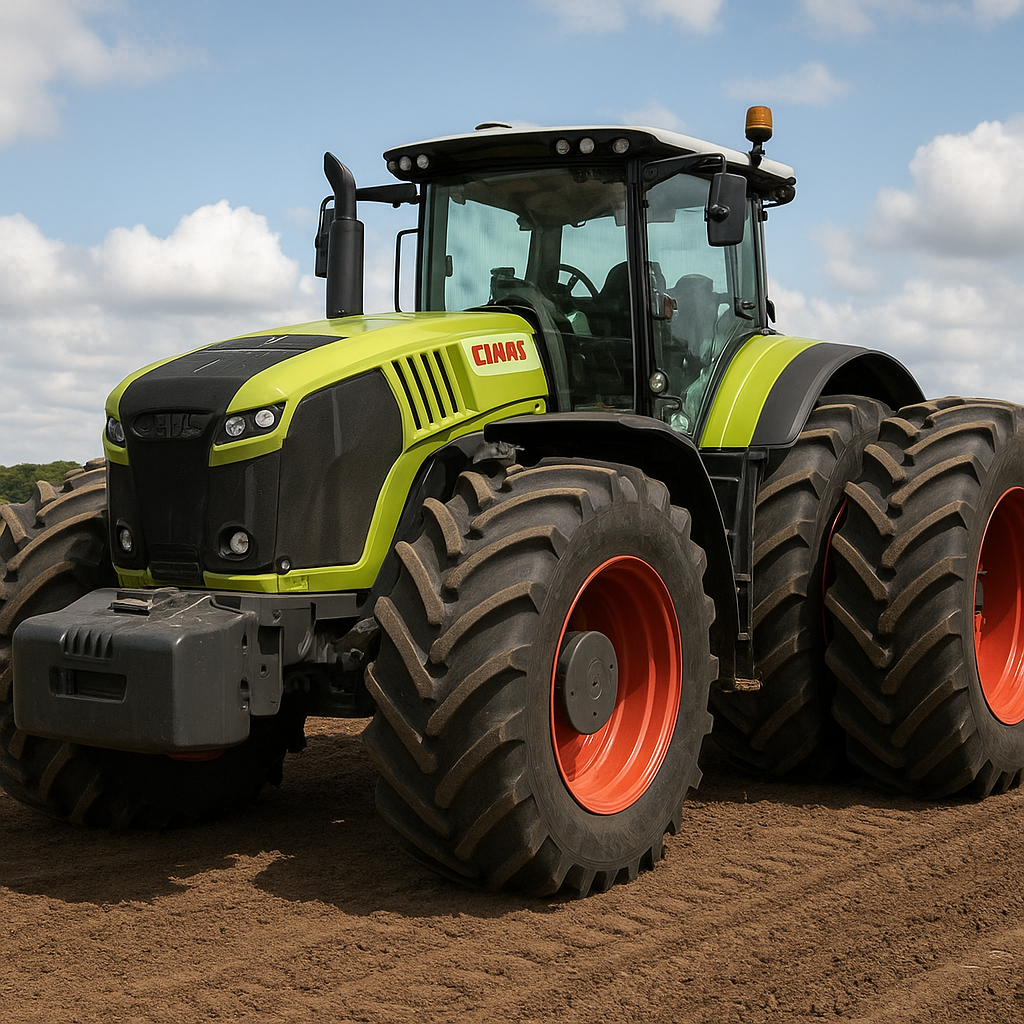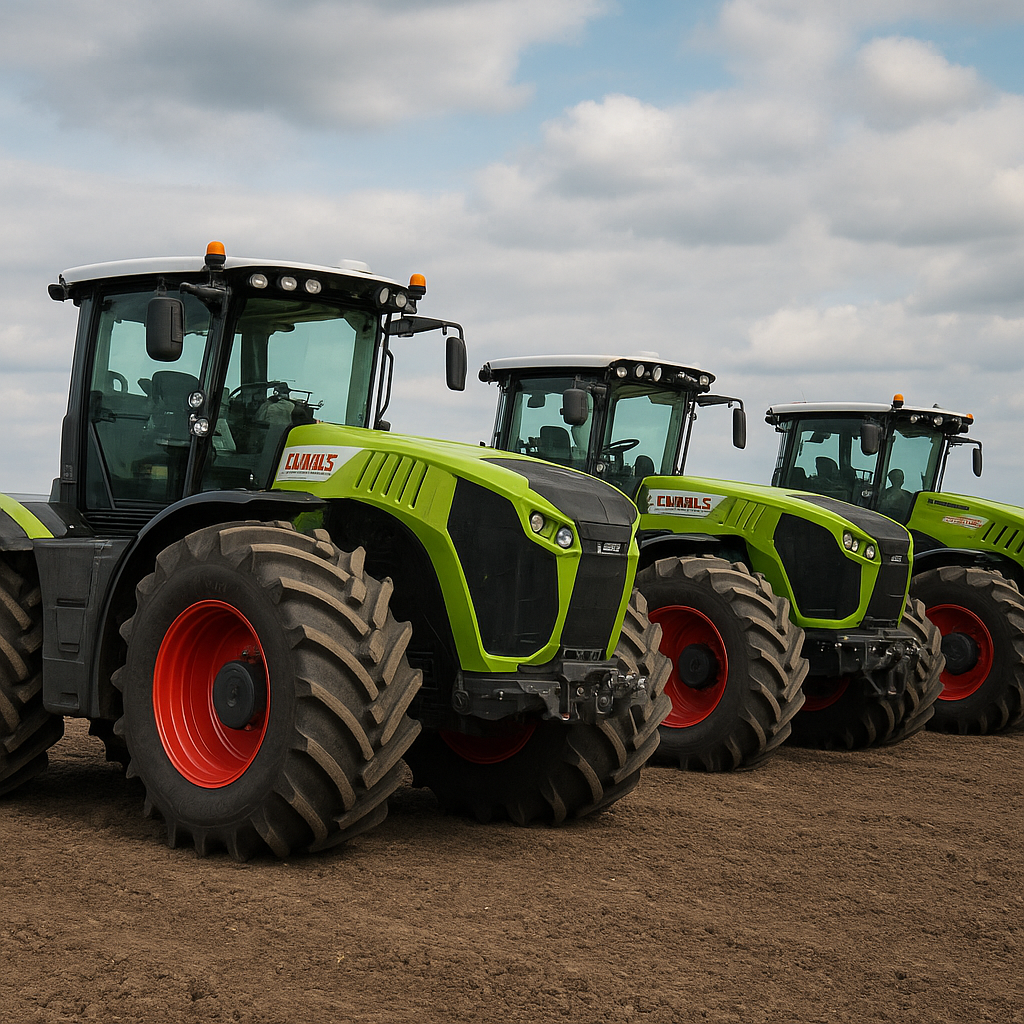
The Claas Xerion lineup represents some of the most powerful and versatile agricultural tractors on the market. Designed to tackle the largest-scale operations with ease, these giants deliver exceptional traction and groundbreaking levels of efficiency. In this review, we explore the biggest Claas Xerion models, their standout features, and the reasons why they remain favorites among large-scale farmers and contractors worldwide.
Overview of Claas Xerion Giants
The Xerion series was introduced to fill a gap between conventional tractors and four-wheel-drive behemoths. With their distinctive cab-over-engine layout and pivot-steer chassis, Xerion models stand out from traditional designs. Claas engineers pushed boundaries to offer machines that combine horsepower, comfort, and all-terrain capability.
- Unlimited steering angle for precise maneuvering
- All-wheel steering for ultimate agility
- High-capacity transmissions delivering nonstop power
- Innovative cab design ensuring operator comfort
Since the first Xerion appeared in the late 1990s, Claas has continuously upgraded cab ergonomics, refined hydraulic systems, and enhanced engine performance. Each new generation boasts a step forward in fuel economy without sacrificing output, making Xerion giants a sound investment for demanding operations.
Leading Models Breaking Records
Among the Xerion family, a few models stand out as the biggest and mightiest:
- Xerion 4500: Topping the lineup with 517 horsepower, this model achieved record-breaking field efficiency in European mop-up work.
- Xerion 4000: Delivering 499 horsepower, it balances speed and torque for high-speed transport and heavy tillage alike.
- Xerion 5000 TRAC VC: Featuring continuously variable transmission (CVT) tech and air-sprung cab for peak comfort.
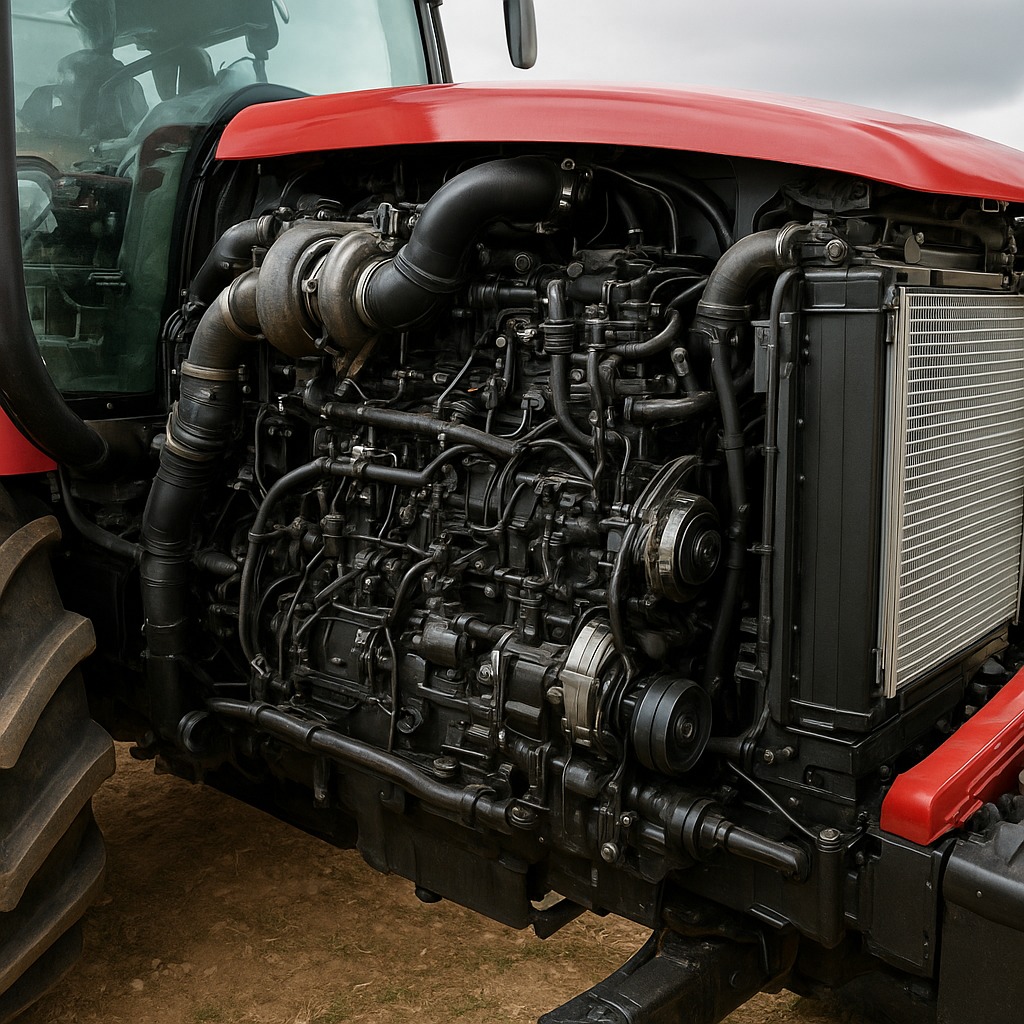
The Xerion 4500’s 16.0-liter engine stands among the largest tractor powerplants in Europe. Coupled with an advanced cooling system, it ensures stable operation under the heaviest loads. Meanwhile, the 5000 TRAC VC model introduced an air suspension cab that reduces fatigue during long days, reinforcing Claas’s commitment to operator well-being.
Engineering Excellence and Key Features
High-Capacity Drivetrain
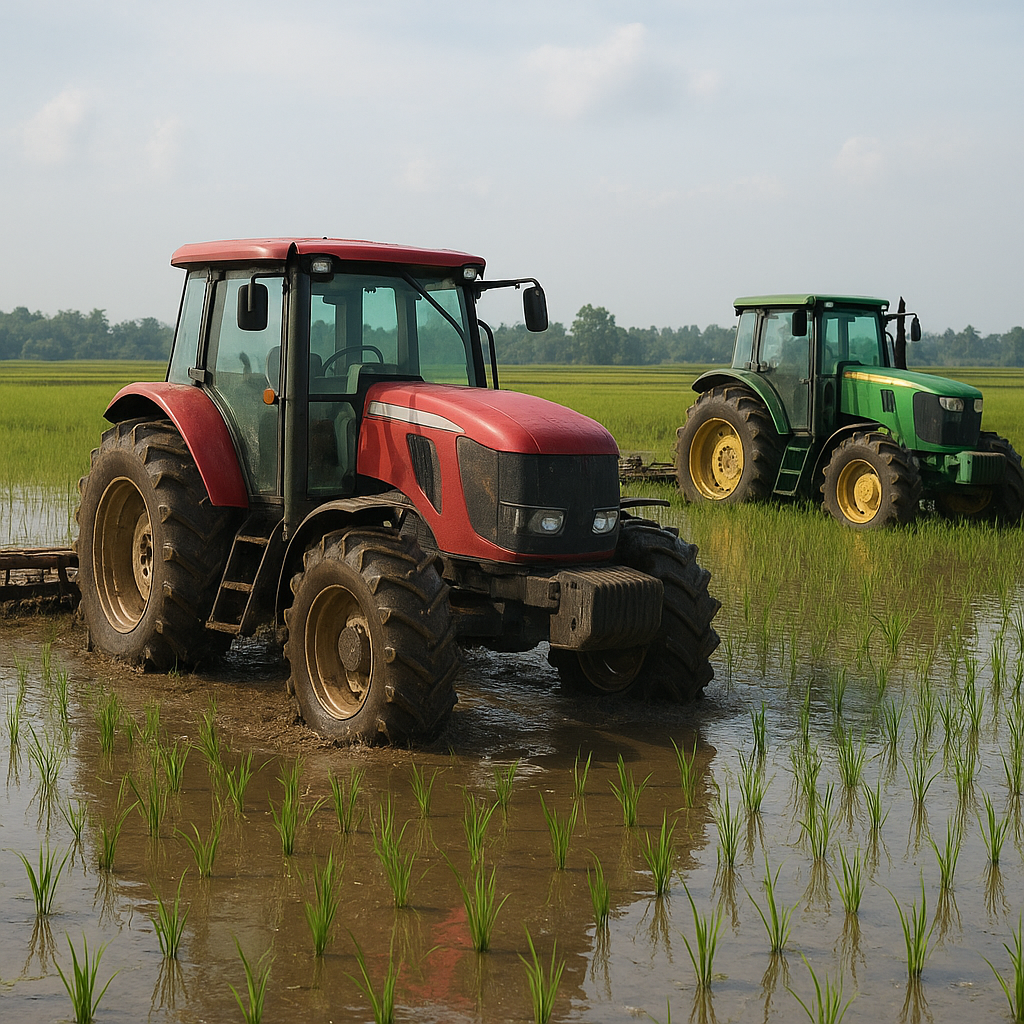
The heart of each Xerion is its drivetrain. Featuring a robust power-split transmission and planetary final drives, these tractors deliver continuous, smooth power to all four wheels. Claas’s unique pivot-steering articulation enables a tighter turning radius, while full-time four-wheel drive maximizes field traction, even in soggy conditions.
Advanced Hydraulics and PTO Options
Equipped with up to six hydraulic circuits and a combined oil output exceeding 400 L/min, the Xerion excels when powering large seed drills, spreaders, and mounted balers. A choice of front, mid, and rear PTO shafts ensures compatibility with virtually any implement.
- Front PTO: 1,000 rpm for driving headers and snow blowers
- Mid PTO: 540/1,000 rpm for special attachments
- Rear PTO: Eco mode for fuel-saving operation
Operator Comfort and Control
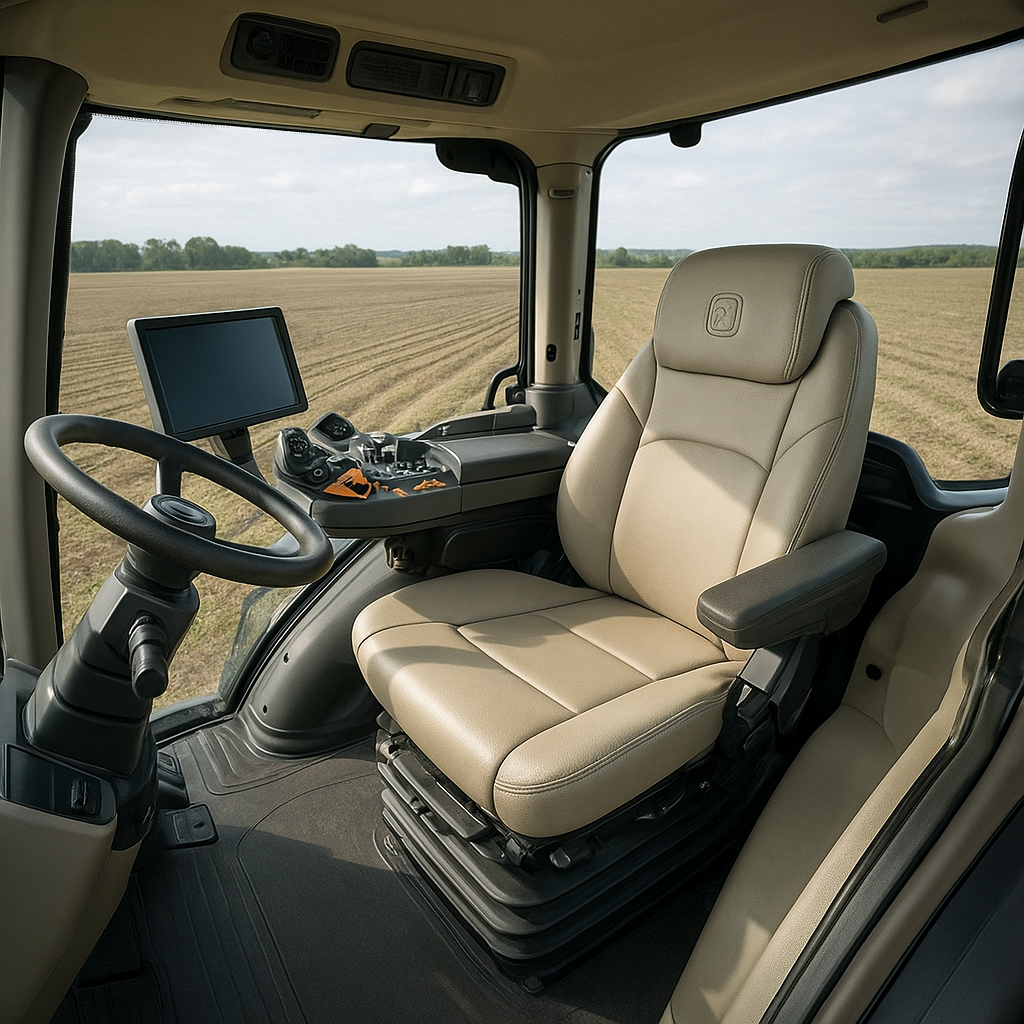
Claas placed great emphasis on ergonomics. The panoramic cab offers 360-degree visibility, heated and ventilated seats, and quiet operation under 65 dB(A). The Command Arm joystick integrates hydraulic, transmission, and steering controls into a single interface, reducing operator fatigue and boosting productivity.
Durability and Maintenance
All Xerion models feature heavy-duty axles, reinforced chassis frames, and optimized service intervals. Large-access panels, ground-level filters, and centralized lubrication points simplify routine checks. With an average service interval of 600 hours, downtime is minimized, keeping machines running when they’re needed most.
Applications and Performance in the Field
Xerion giants excel across a broad spectrum of tasks. Their high ballasting capacity and wide dual tires or tracks ensure durability and minimal soil compaction, crucial for conservation tillage. Key applications include:
- High-speed transport of bulky loads along country roads
- Deep plowing on heavy clay soils
- Large-area seedbed preparation with mounted cultivators
- Spreading slurry and solid manures with trailed spreaders
- Harvest support using front-mounted headers
Field tests reveal the Xerion 4000 can cover up to 18 hectares per hour in light tillage, while the Xerion 4500 tows 12-meter width implements without stress. The combination of high torque at low rpm and a continuously variable transmission delivers seamless power, even under fluctuating loads.
Comparing Claas Xerion to Other Giants
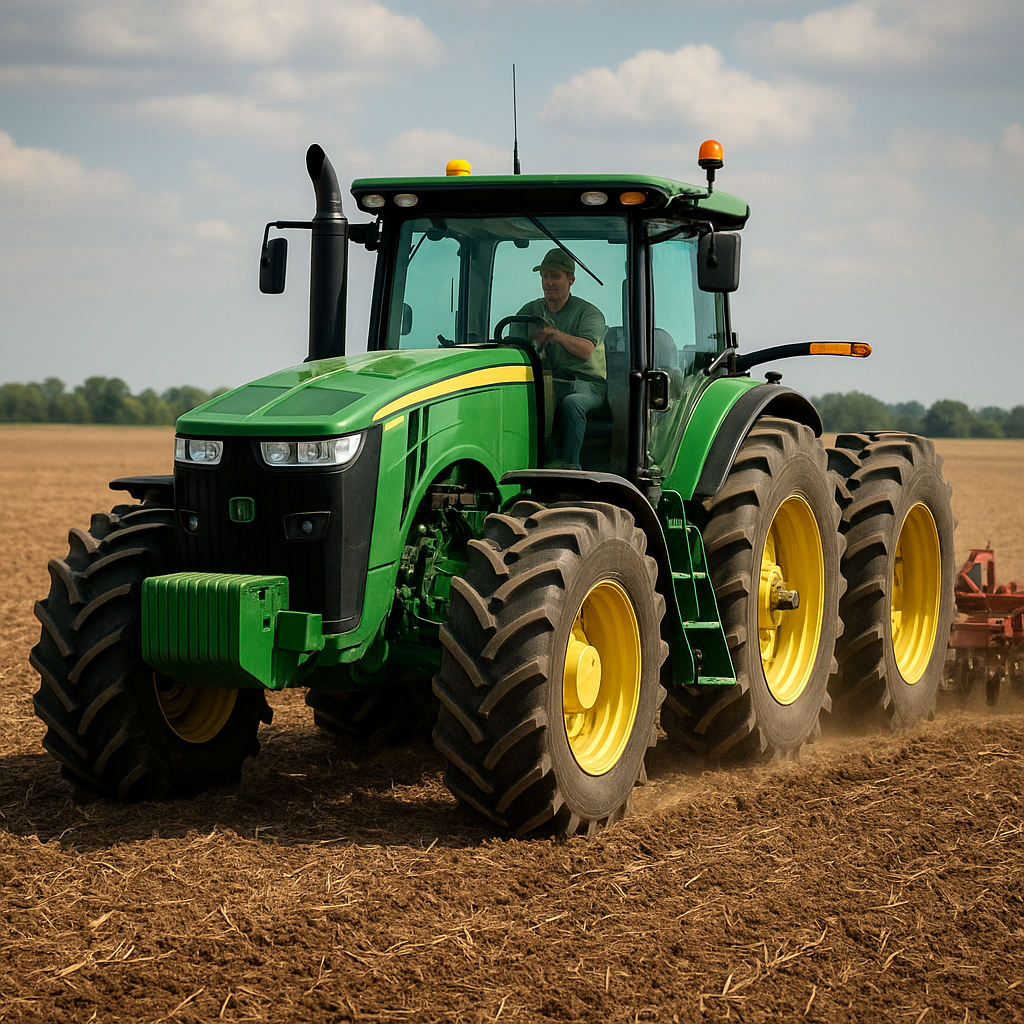
When pitted against rivals from John Deere, Fendt, and New Holland, Claas Xerion series holds its own. Key differentiators include:
- Innovation in steering technology with articulated frame
- Superior all-round visibility versus forward-engine machines
- Higher hydraulic flow rates for modern implements
- Air-sprung cabs unmatched in competitor offerings
While some competitors offer marginally higher engine outputs, Claas’s focus on system integration ensures that every component works in harmony. This results in lower fuel consumption per horsepower-hour and greater overall uptime.
Future Developments and Upgrades
Claas continues to push boundaries. Upcoming xerion variants target even lower emissions through hybrid drivetrain trials and expanded telematics packages for real-time fleet management. Enhanced automation features promise semi-autonomous field passes and precision guidance with sub-2 cm accuracy.
For operators seeking the next leap in tractor technology, the Xerion series remains a trailblazer. With each update, Claas strives to set new benchmarks in tractor efficiency, operator experience, and sustainable performance.