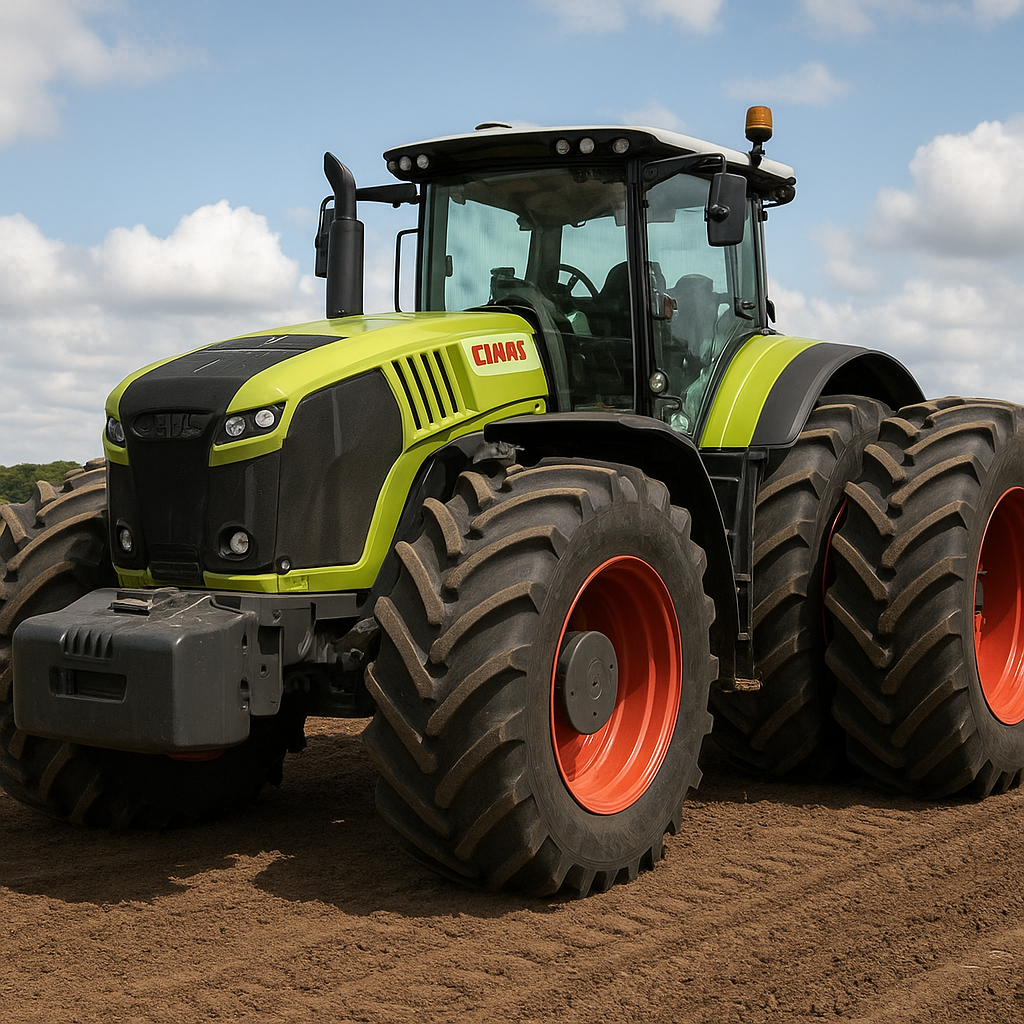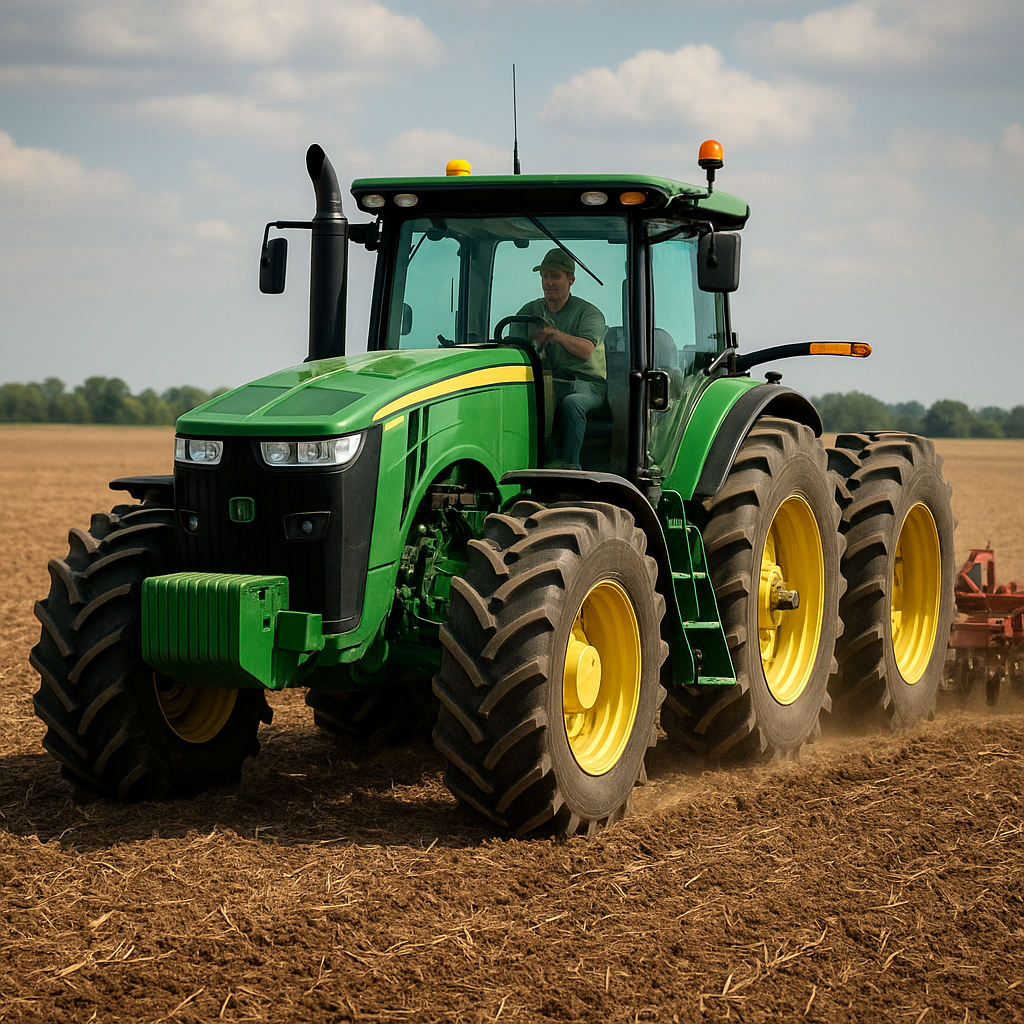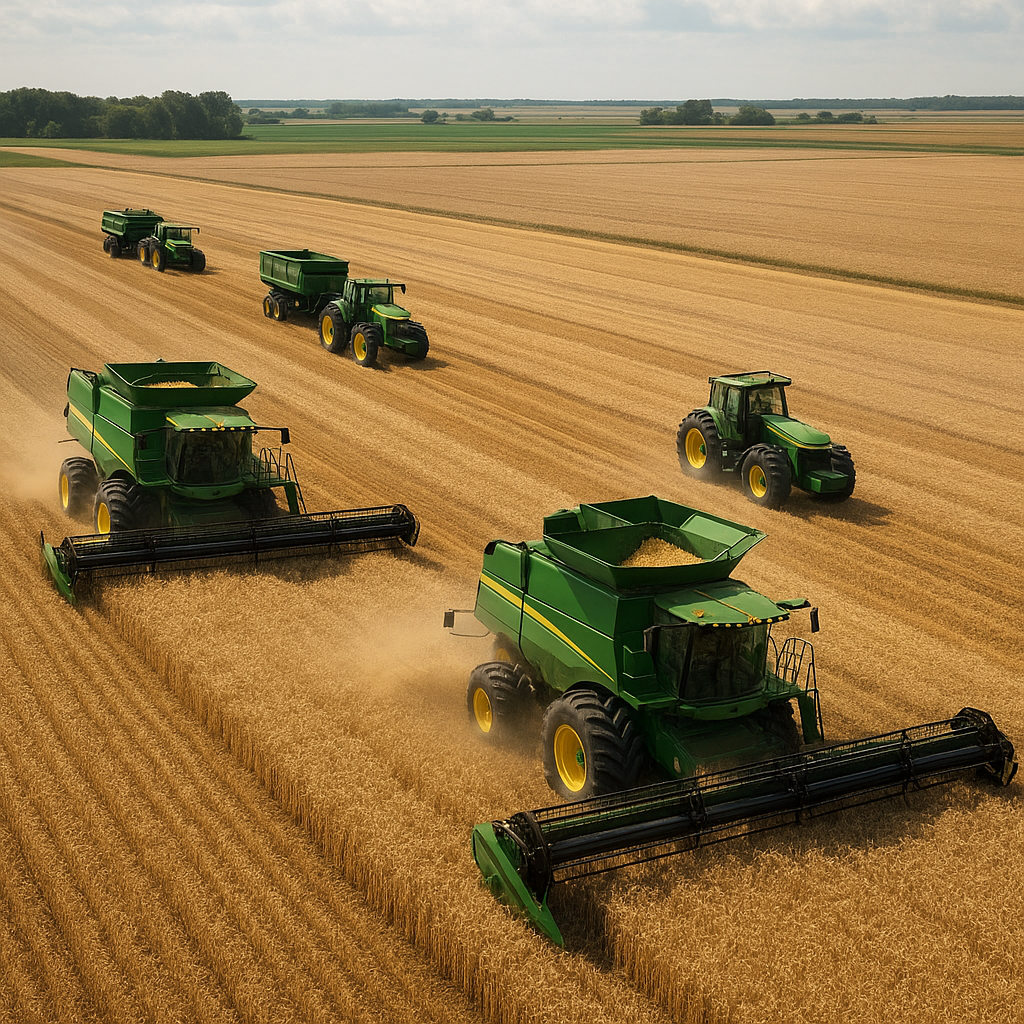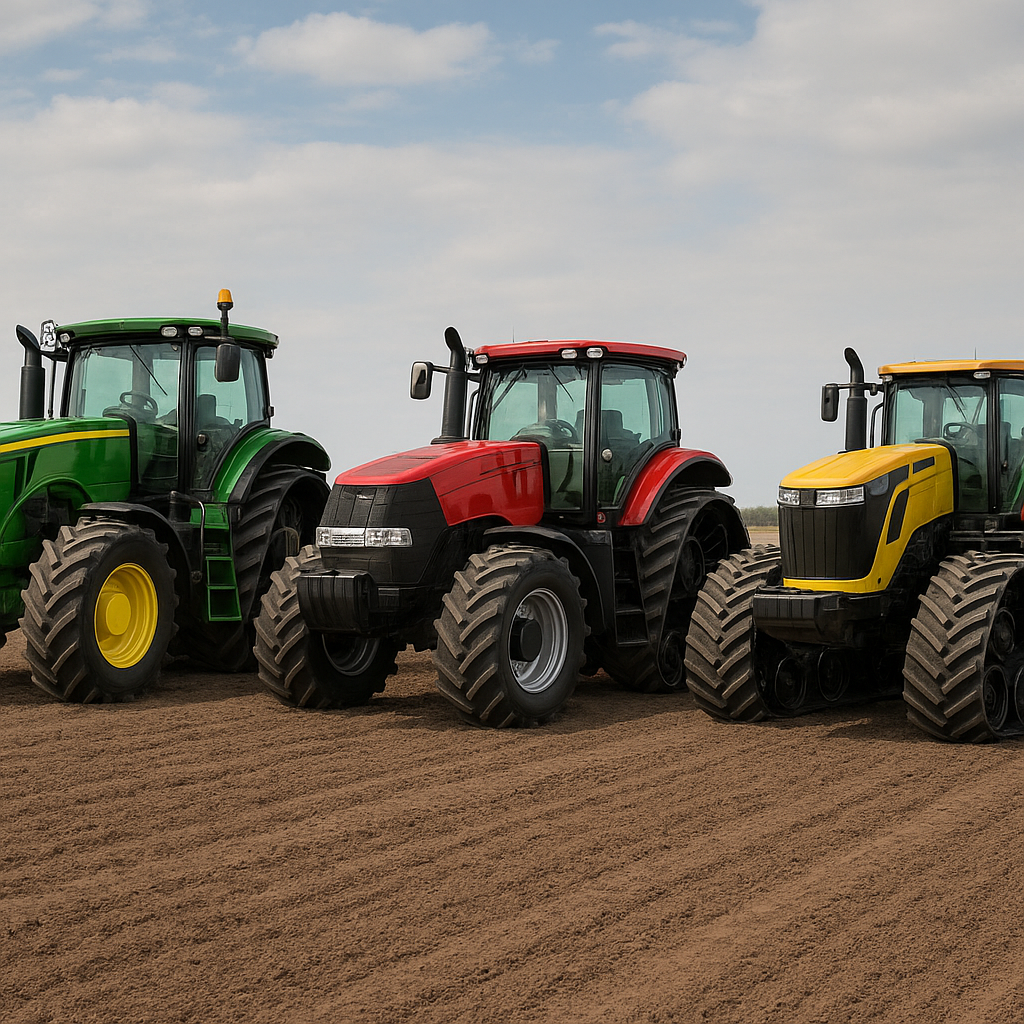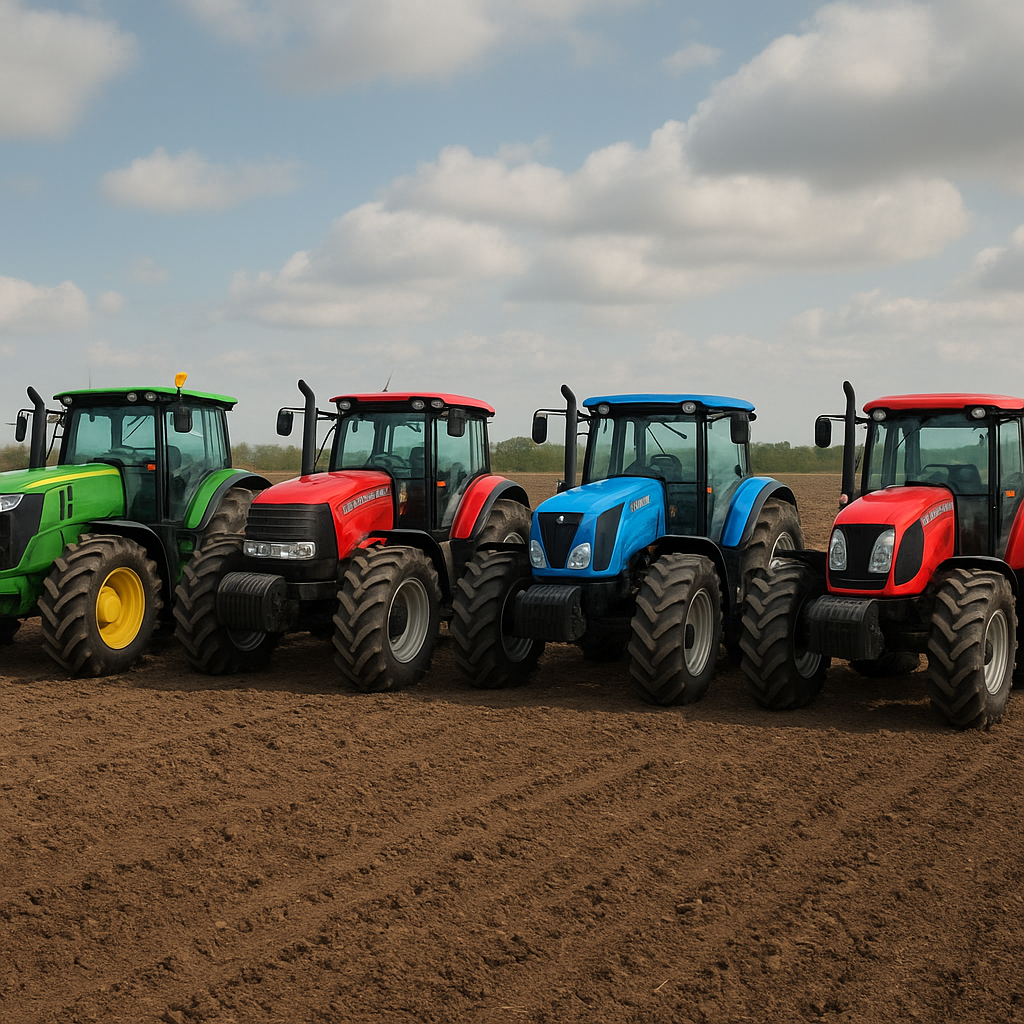
Facing increasing pressures from population growth and climate change, farmers are turning to the biggest tractors on the market to boost productivity. While these powerful machines deliver unmatched horsepower and advanced features, their environmental consequences cannot be overlooked. This article examines the ecological footprint of mega-tractors and explores strategies to reduce their impact on our planet.
Design and Power: The Rise of Mammoth Machines
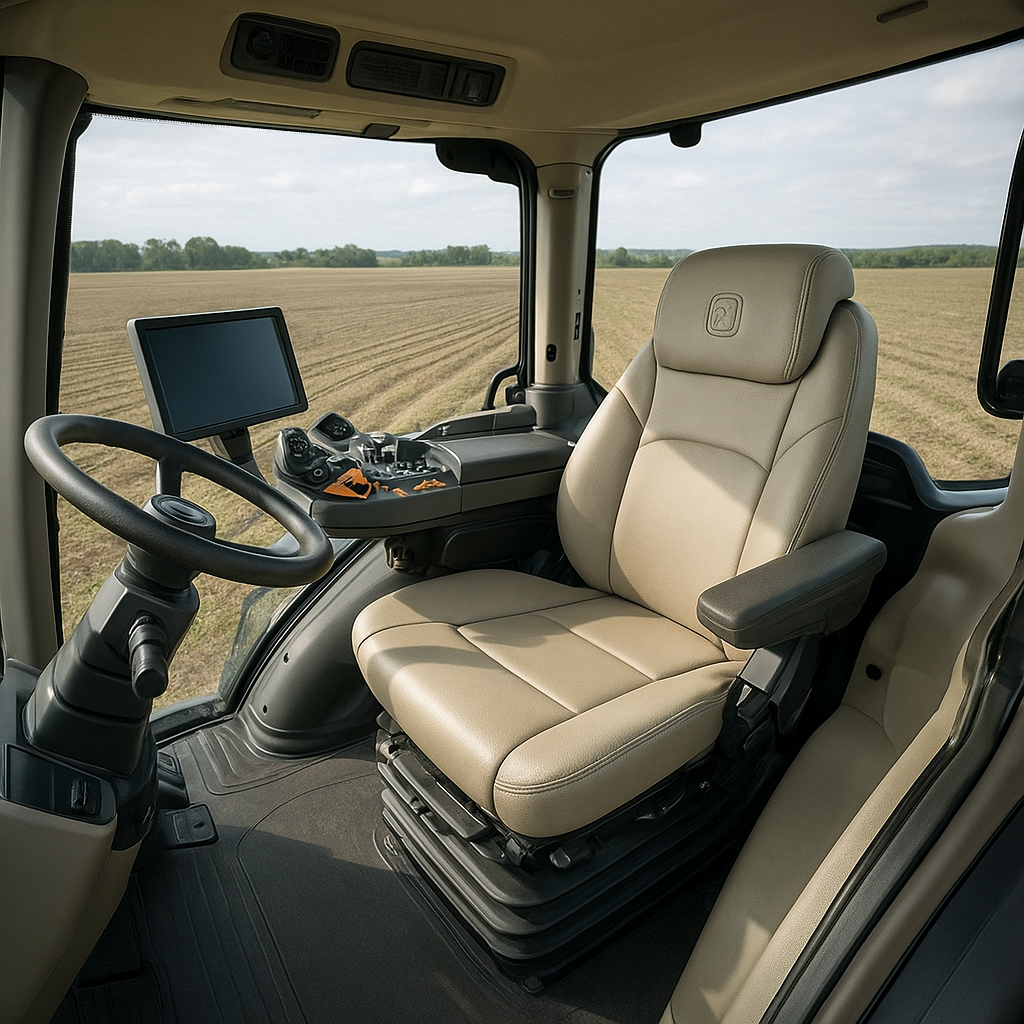
Modern agricultural demands have fueled a race toward ever-larger farm machinery. Some models exceed 600 horsepower and weigh more than 20 tons. Manufacturers emphasize strength and durability, often integrating features like auto-steer guidance, telematics, and high-capacity transmissions. Key reasons farmers invest in these giants include:
- Covering vast fields more quickly
- Reducing the number of passes and labor costs
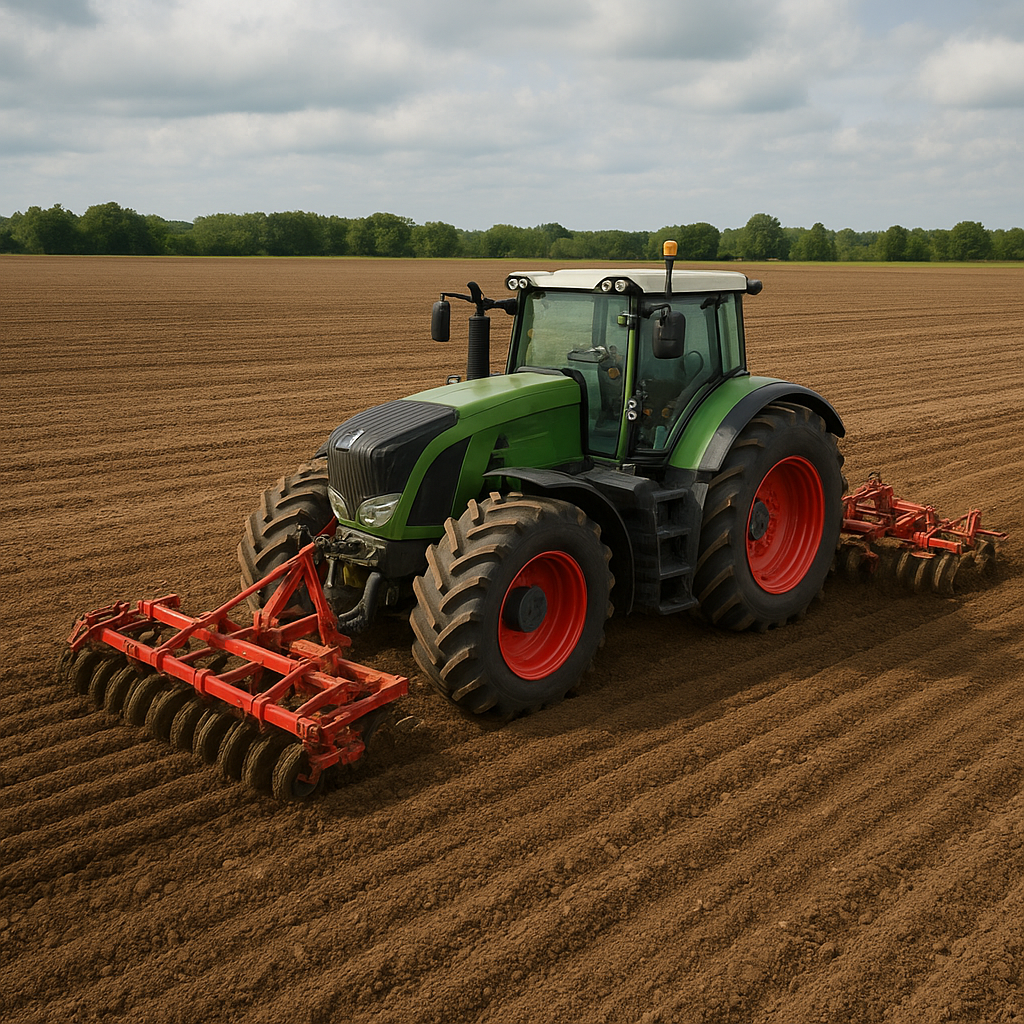
- Operating heavy implements, such as deep tillage rigs
- Improving consistency in seed placement and soil preparation
High-horsepower tractors require reinforced frames, oversized tires or dual-wheel setups, and advanced hydraulics. While these innovations increase efficiency, they also contribute to higher diesel consumption and maintenance demands.
Fuel Consumption and Emissions: A Growing Concern
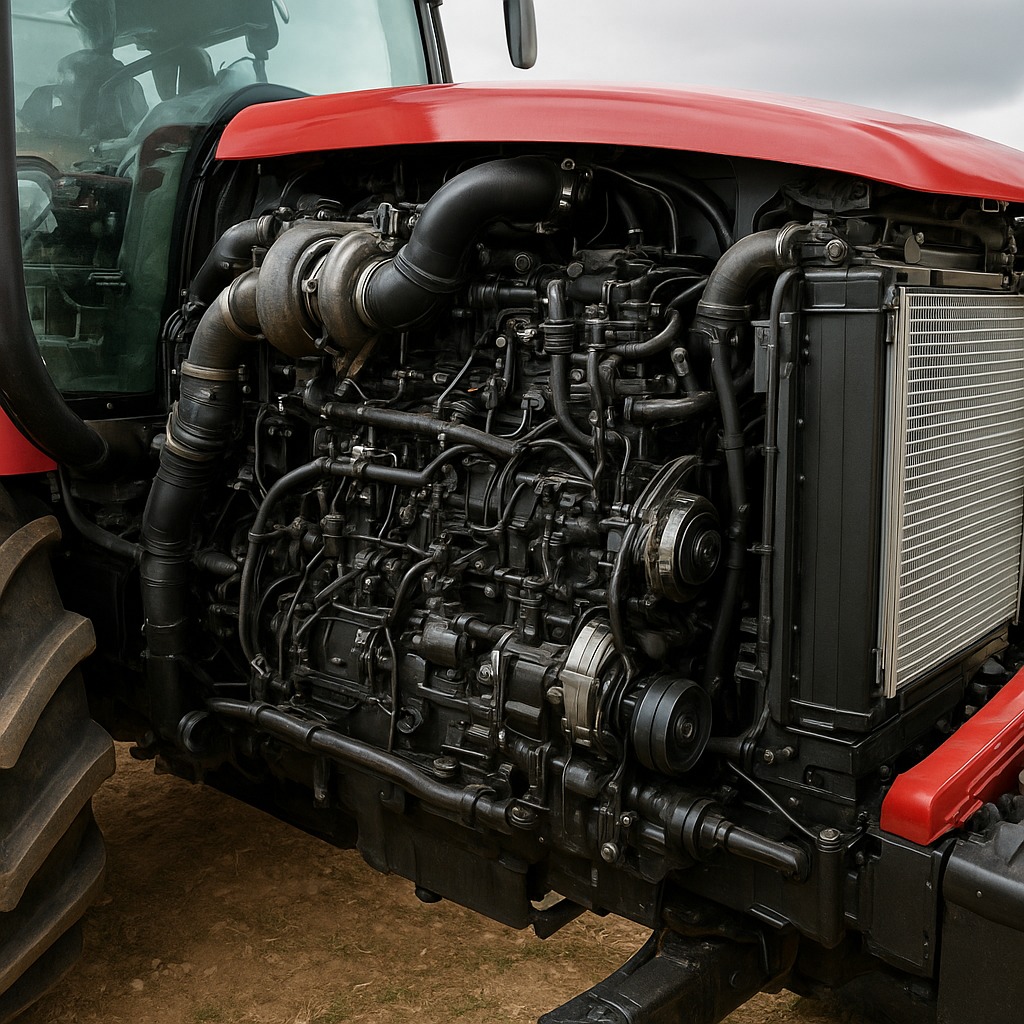
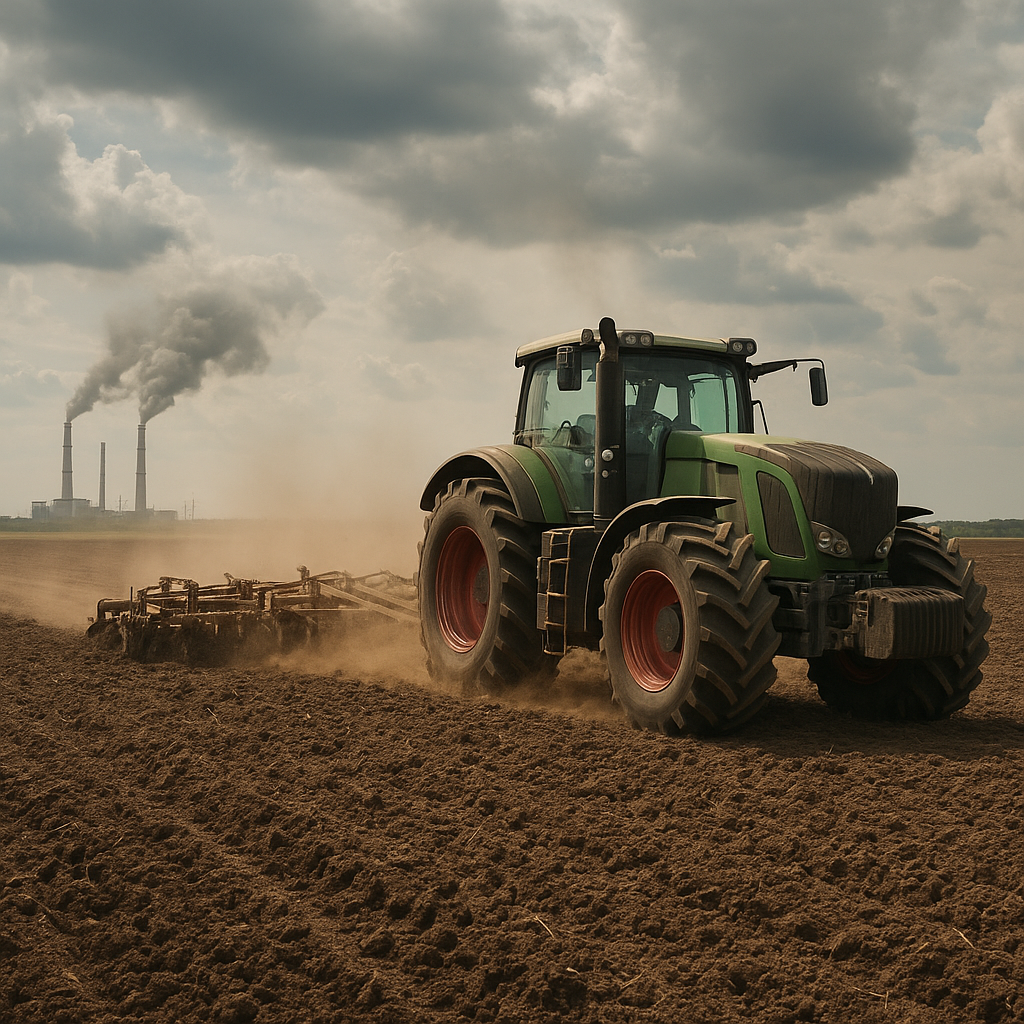
The combustion engines powering the largest tractors produce significant quantities of greenhouse gases. On average, a 500–600 HP tractor can burn between 20 and 30 gallons of diesel per hour, translating into several tons of CO2 emissions over a single growing season. Beyond carbon dioxide, tractors emit particulates, nitrogen oxides (NOx), and hydrocarbons that degrade air quality.
Key factors influencing fuel use and emissions include:
- Engine efficiency and calibration
- Field conditions (soil type, moisture, topography)
- Speed and load on implements
- Idling time and maintenance practices
As a result, the carbon footprint of large-scale cropping operations can escalate rapidly. For example, a 1,000-acre corn farm using a 600 HP tractor might emit upwards of 500 metric tons of CO2 annually just from fieldwork.
Soil Compaction and Ecosystem Effects
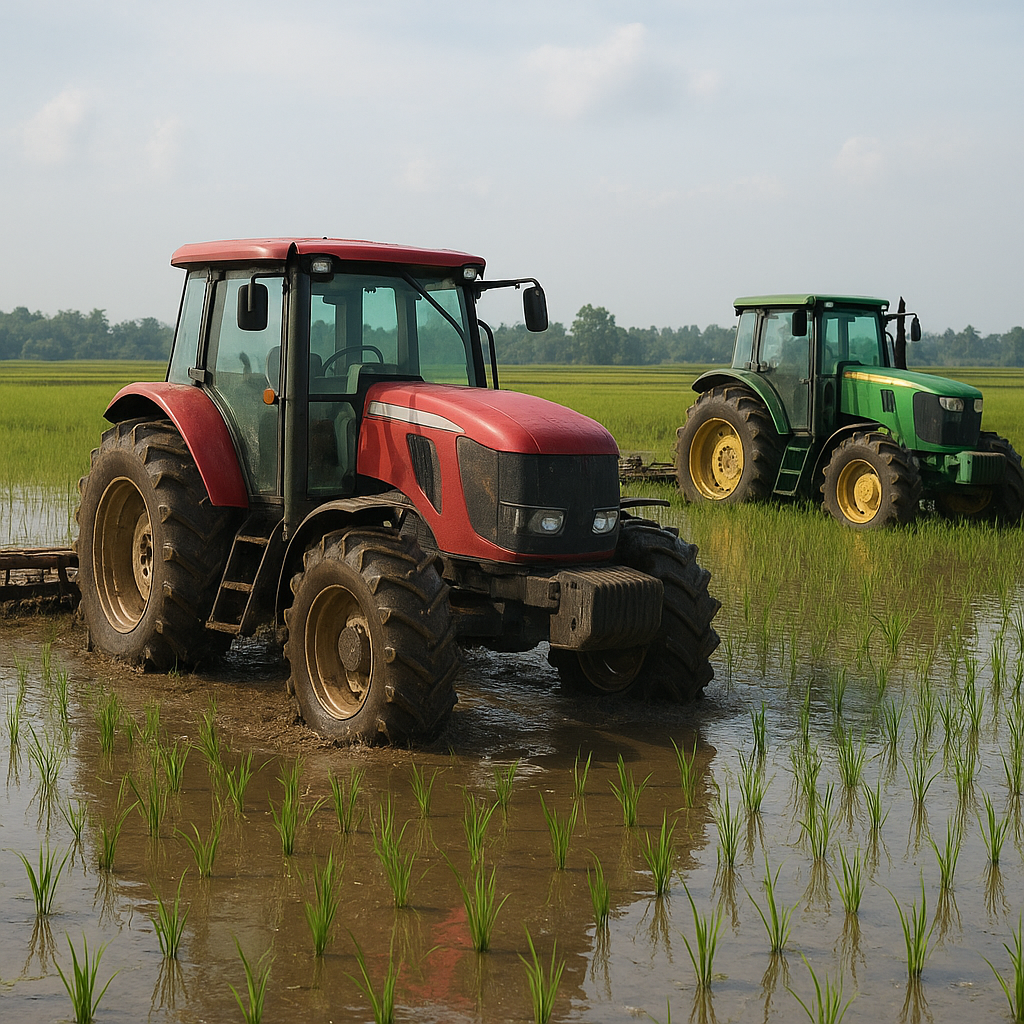
Heavy machinery exerts immense pressure on the ground, leading to soil compaction that reduces pore space, impedes water infiltration, and hampers root development. Consequences include:
- Lowered crop yields due to restricted root growth
- Increased runoff and erosion, carrying away topsoil and nutrients
- Reduced soil microbial activity, vital for nutrient cycling
- Altered water tables and potential for localized flooding
Compacted soils often require deeper tillage or additional passes to restore texture, which can further increase fuel use and emissions. Moreover, diminished soil health impacts overall biodiversity, threatening beneficial insects, earthworms, and plant diversity in field margins.
Technological Innovations for Greener Operations
To counteract environmental drawbacks, the agricultural sector is investing in cutting-edge solutions:
- Precision farming systems optimize tractor routes and implement depth, reducing unnecessary field overlaps.
- Variable Rate Technology (VRT) adjusts seed, fertilizer, and pesticide applications in real time, lowering input waste.
- Autonomous tractors eliminate human error in acceleration and braking, ensuring smoother operation and reduced fuel draw.
- Guidance systems and section control prevent double application of chemicals, curbing environmental runoff.
Additionally, manufacturers are experimenting with alternative fuels such as biodiesel blends, hydrotreated vegetable oil (HVO), and even hydrogen prototypes. Early tests show promising reductions in CO2 emissions by up to 20% without sacrificing horsepower.
Case Studies: Field Trials and Findings
Several research projects have assessed the environmental benefits of adopting greener practices with large tractors:
- A Midwest university trial demonstrated that precision guidance reduced fuel use by 15% on a 700 HP tractor.
- Farmers in Western Europe adopting biodiesel blends reported a 10% cut in carbon output during planting seasons.
- Trials with controlled traffic farming (CTF) showed up to 50% less soil compaction by confining heavy wheels to permanent lanes.
These findings underscore the potential for modern machinery to operate more sustainably when paired with best management practices.
Policy, Economics, and the Path Forward
Government incentives play a critical role in encouraging farms to upgrade to cleaner equipment. Subsidies, tax breaks, and carbon credit programs can offset the high upfront costs of advanced tractors and retrofits. Key policy measures include:
- Funding research into low-carbon engine technologies
- Supporting farmer training in precision agriculture
- Implementing emissions standards for new agricultural machinery
- Creating marketplace access for sustainably produced crops
Economically, larger tractors offer cost-per-acre advantages, but farmers must balance these gains against potential environmental liabilities. By adopting integrated soil health strategies—cover cropping, reduced tillage, and spot spraying—operators can maintain productivity while lowering their ecological footprint.
Outlook: Balancing Scale with Stewardship
As agribusiness continues to scale up, the challenge will be reconciling the need for efficient, large-area cultivation with the imperative of environmental protection. Innovations in engine design, fuel alternatives, and digital farming tools provide promising avenues. Still, success will depend on collaboration among farmers, manufacturers, researchers, and policymakers.
Ultimately, harnessing the power of the biggest tractors in an ecologically responsible way demands a holistic approach—one that values soil vitality, reduces diesel consumption, and safeguards our climate for future generations.