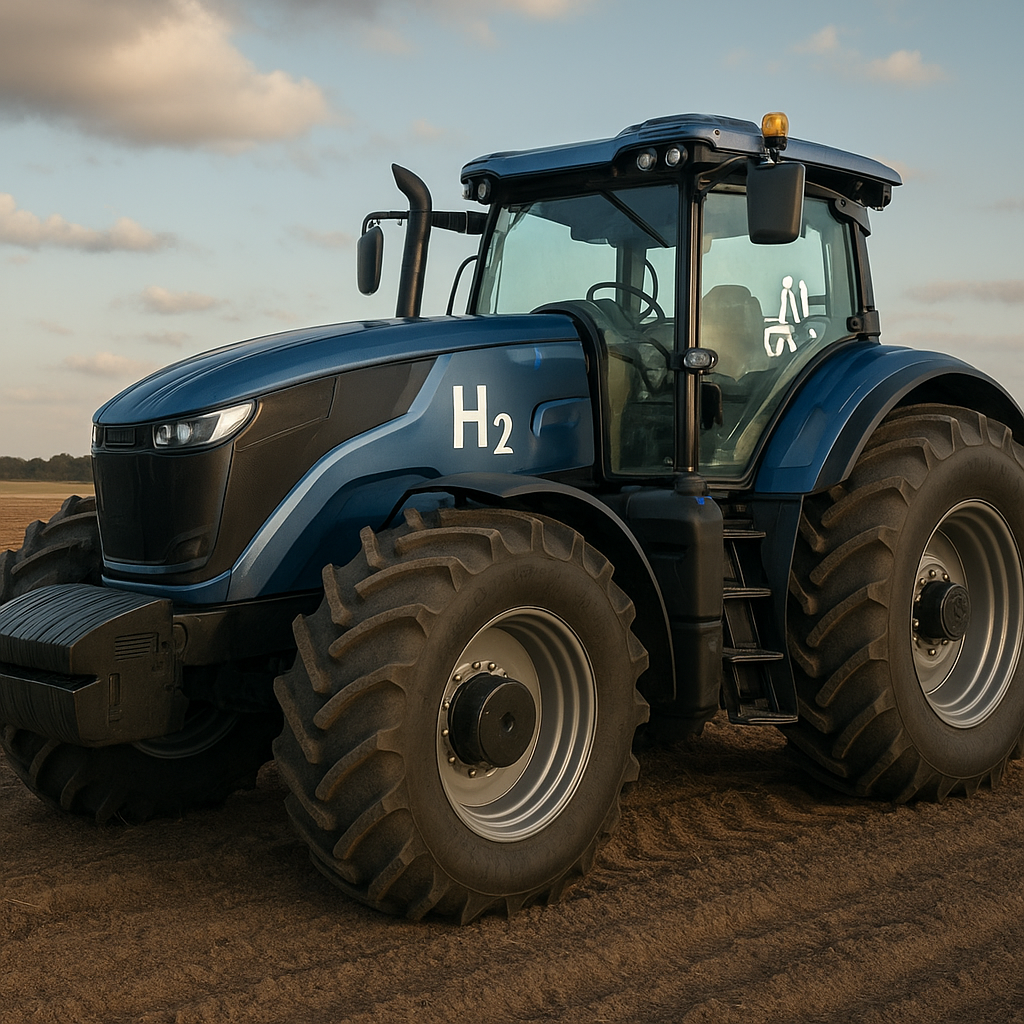
The agricultural landscape is undergoing a profound transformation as the demand for sustainable and efficient farming equipment continues to rise. In the realm of massive farming machines, the confluence of cutting-edge technologies is driving unprecedented enhancements. This exploration delves into the evolution of the biggest tractors, emphasizing the pivotal roles of hydrogen fuel and AI integration. By examining technical breakthroughs and real-world applications, we uncover how these innovations promise to redefine efficiency, sustainability, and operational autonomy for the next generation of heavy-duty farm equipment.
Big Tractors in Modern Agriculture
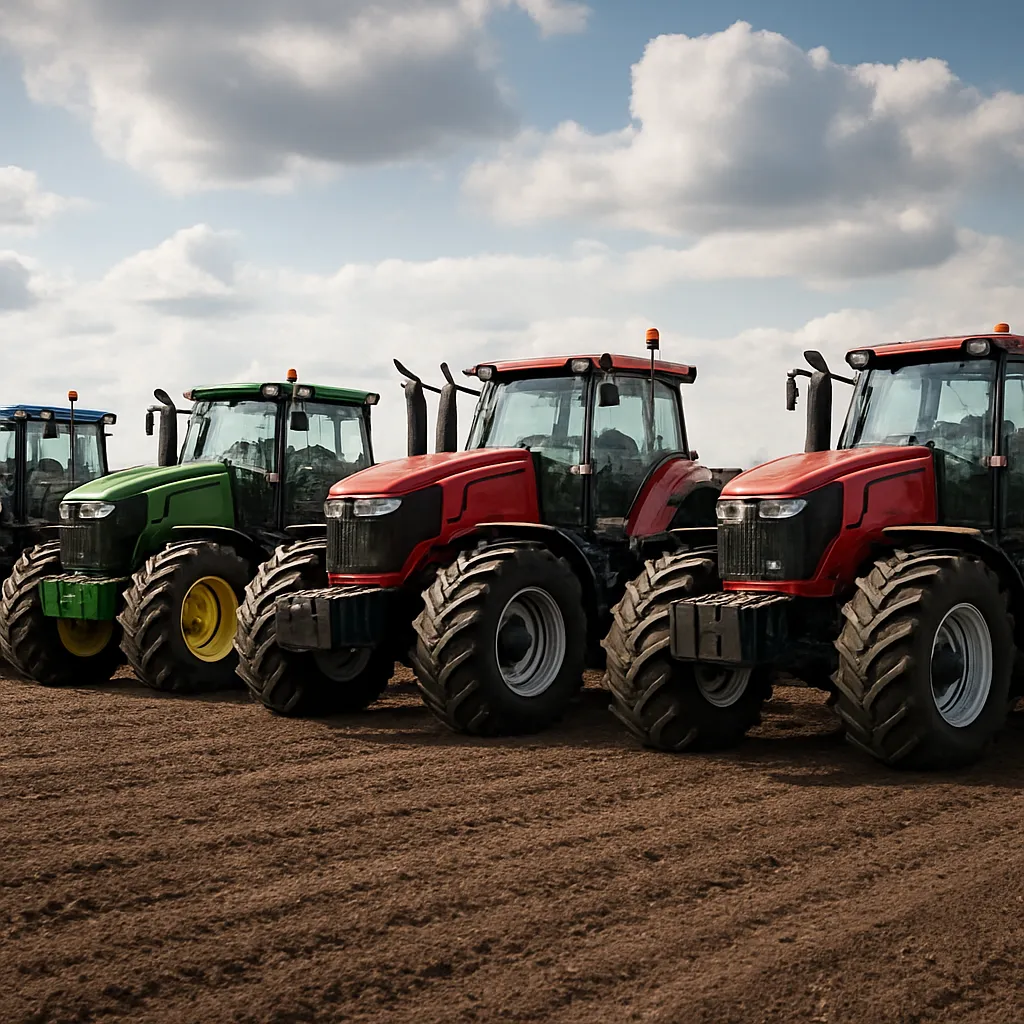
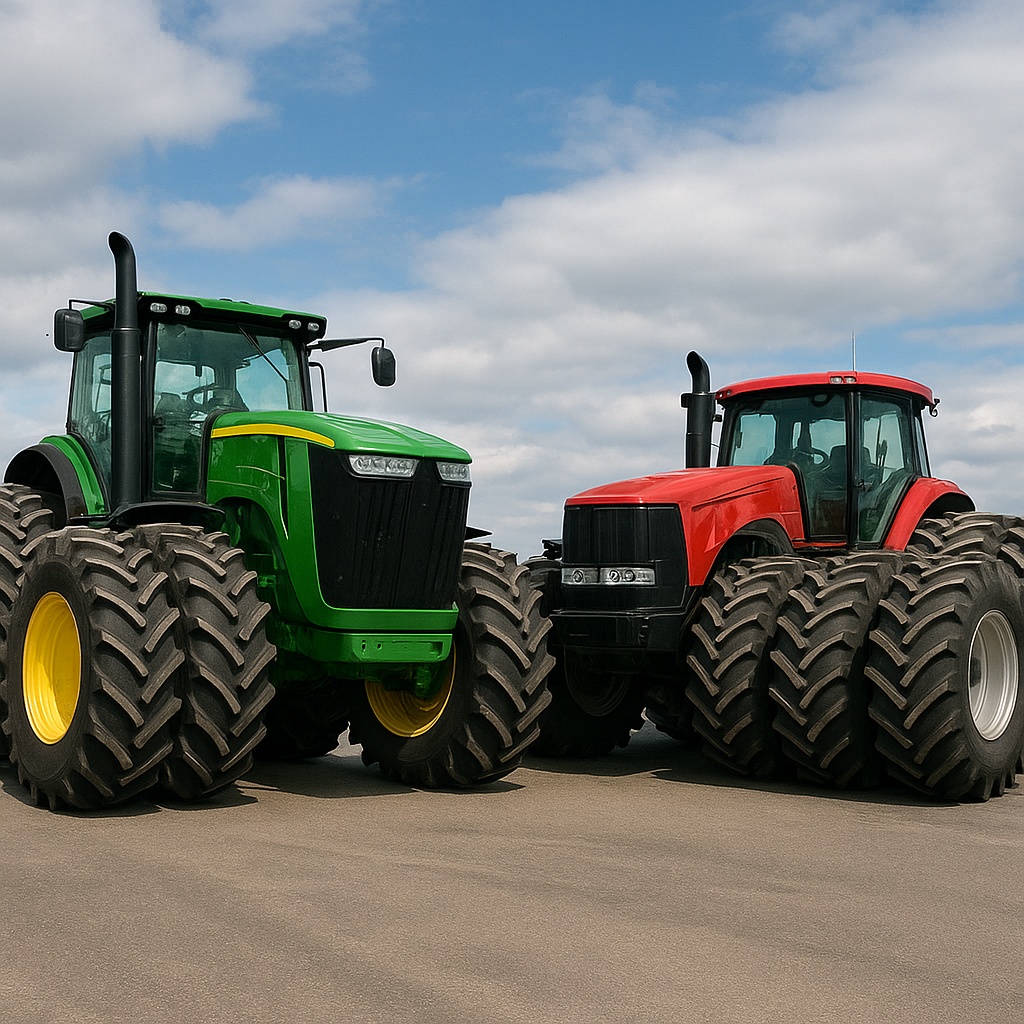
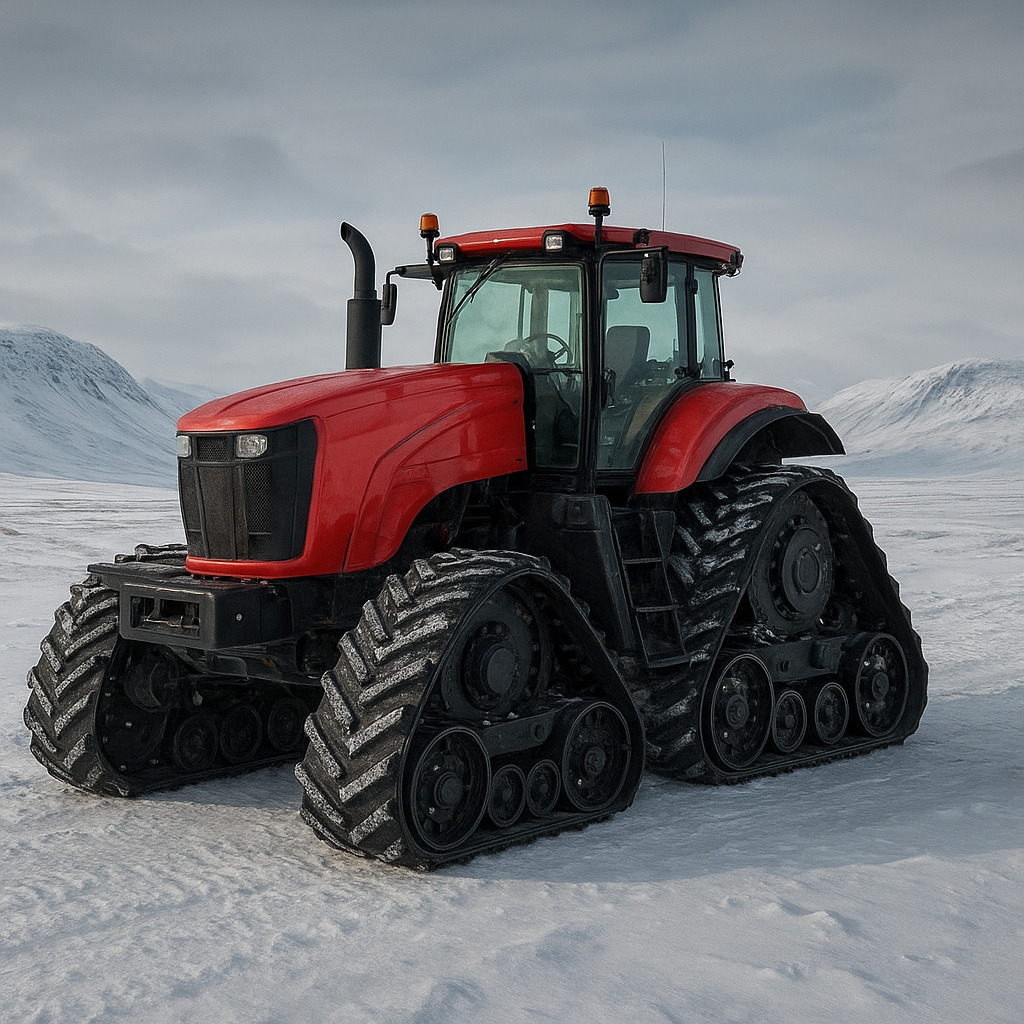
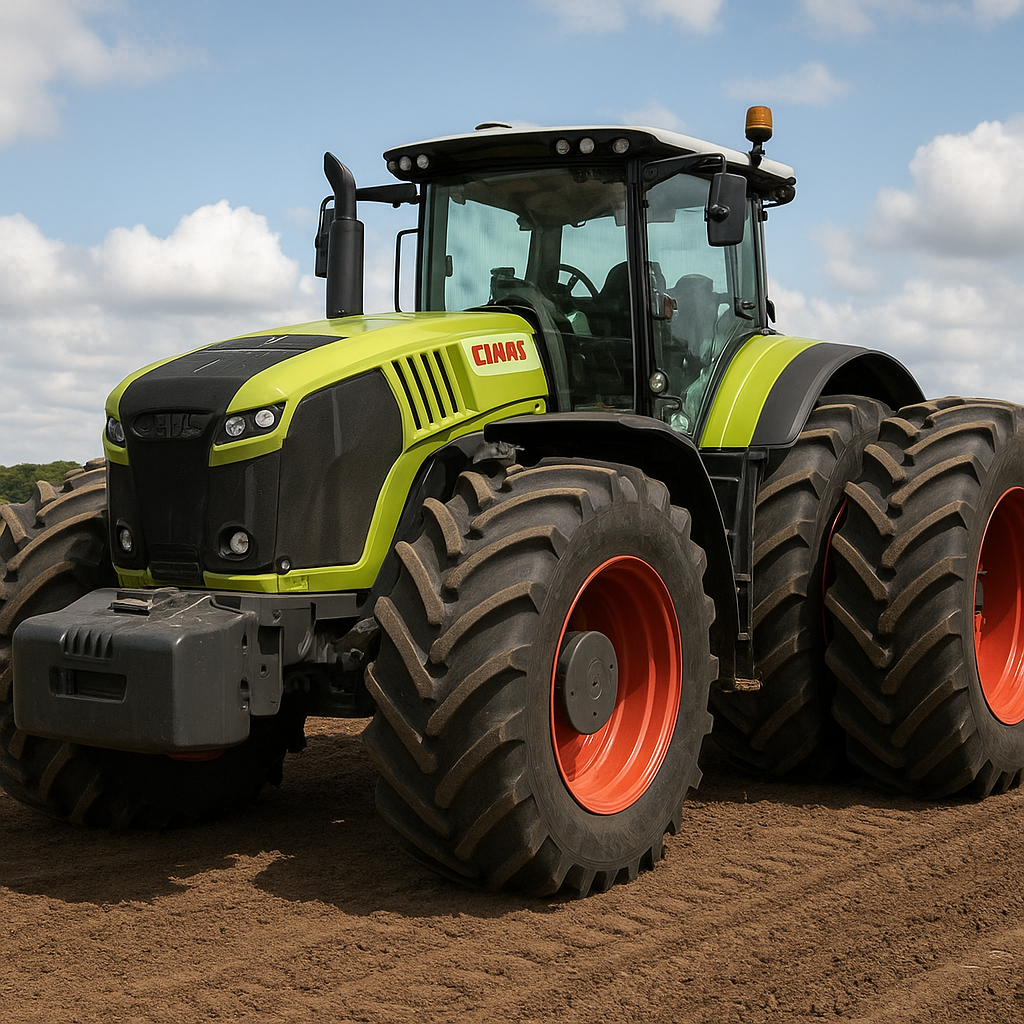
Today’s largest tractors are marvels of mechanical engineering, boasting massive torque outputs, complex hydraulic systems, and operator-centric amenities. These giants routinely exceed 500 horsepower, towing implements that can cover dozens of acres in a single pass. Their design emphasizes durability, precision steering, and efficient power transmission. Manufacturers continue to push the envelope by integrating advanced sensors and telematics, enabling farmers to monitor performance metrics such as fuel consumption, engine load, and ground pressure in real-time.
Operational challenges, including soil compaction, fuel costs, and variable field conditions, demand constant innovation. As fields grow larger and labor becomes scarcer, large-scale farms seek tractors that can operate longer hours with minimal downtime. The drive toward automation and remote operation reduces reliance on skilled labor while increasing the predictability of daily output. This shift lays the groundwork for embracing alternative power sources and intelligent machine control.
Key features of today’s biggest tractors include:
- All-wheel drive systems for improved traction and field stability
- Advanced hydrostatic or power shift transmissions for smooth gear changes
- Integrated climate-controlled cabins with ergonomic controls
- Comprehensive telematics suites for data-driven decision making
- Heavy-duty frames engineered to withstand extreme workloads
Hydrogen as the Future Fuel
With growing concerns over carbon emissions and fossil fuel dependency, hydrogen emerges as a compelling alternative. When used in fuel cells, hydrogen generates electricity through a chemical reaction, emitting only water vapor as a byproduct. This characteristic positions hydrogen-powered tractors at the forefront of sustainability initiatives aimed at reducing agriculture’s environmental footprint.
Transitioning to hydrogen involves several technical and logistical steps. Key considerations include:
- On-site production: Electrolyzers powered by renewable energy sources can generate green hydrogen directly on the farm.
- Storage solutions: Compressed or liquid hydrogen tanks designed to maximize energy density while ensuring safety.
- Fuel cell integration: Modular systems that convert hydrogen to electrical power for the tractor’s drivetrain and auxiliary systems.
Beyond zero-tailpipe emissions, hydrogen fuel cells offer consistent power delivery and rapid refueling compared to battery-electric systems. For large tractors that operate for extended periods, hydrogen can provide a clear advantage in terms of energy density and quick turnaround times. Moreover, the scalability of hydrogen infrastructure on large agricultural estates can support multiple machines and even power irrigation pumps or grain-handling equipment.
AI Integration in Big Tractors
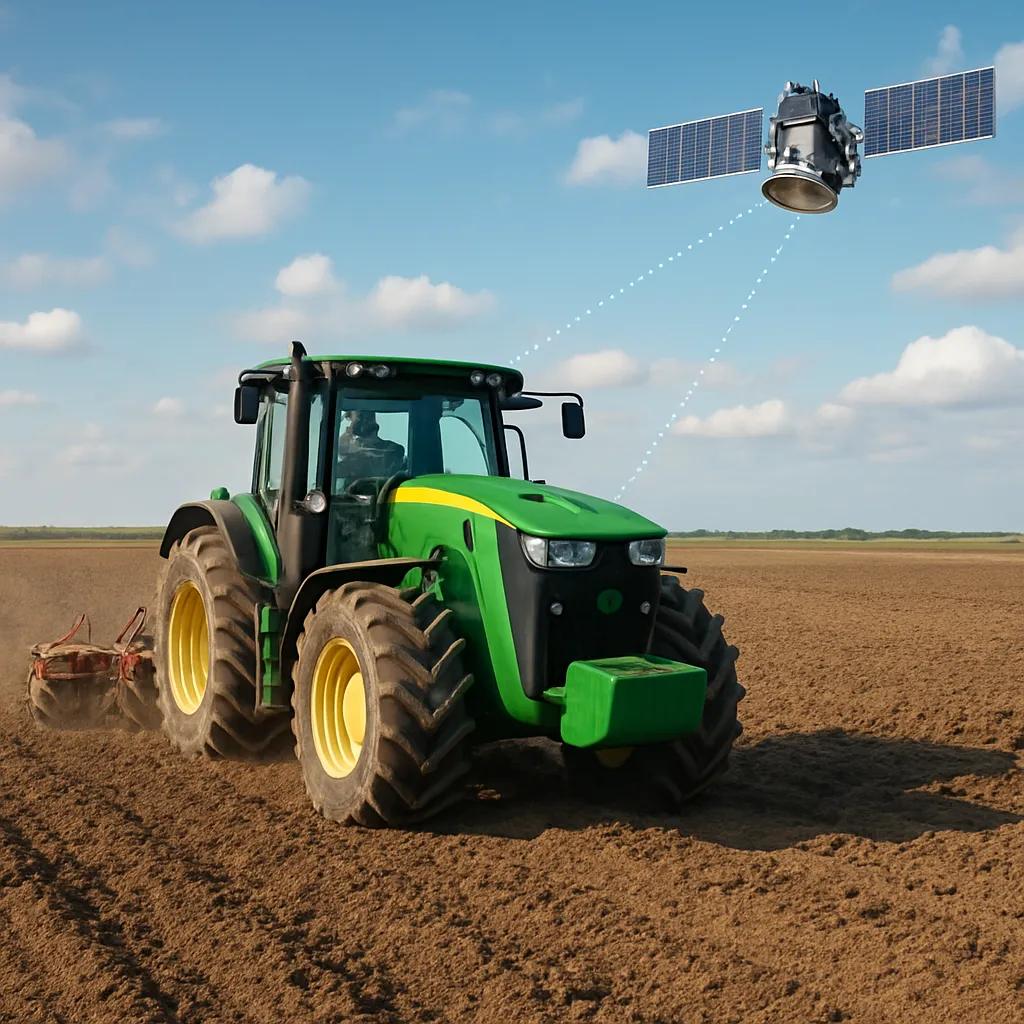
The infusion of AI into heavy machinery is reshaping how tractors perceive and respond to their environment. Machine learning algorithms analyze sensor data—such as GPS coordinates, soil moisture levels, and crop health imagery—to optimize routing, seeding, and spraying tasks. These systems improve operational precision, reduce waste of expensive inputs like fertilizers and pesticides, and enhance overall yield.
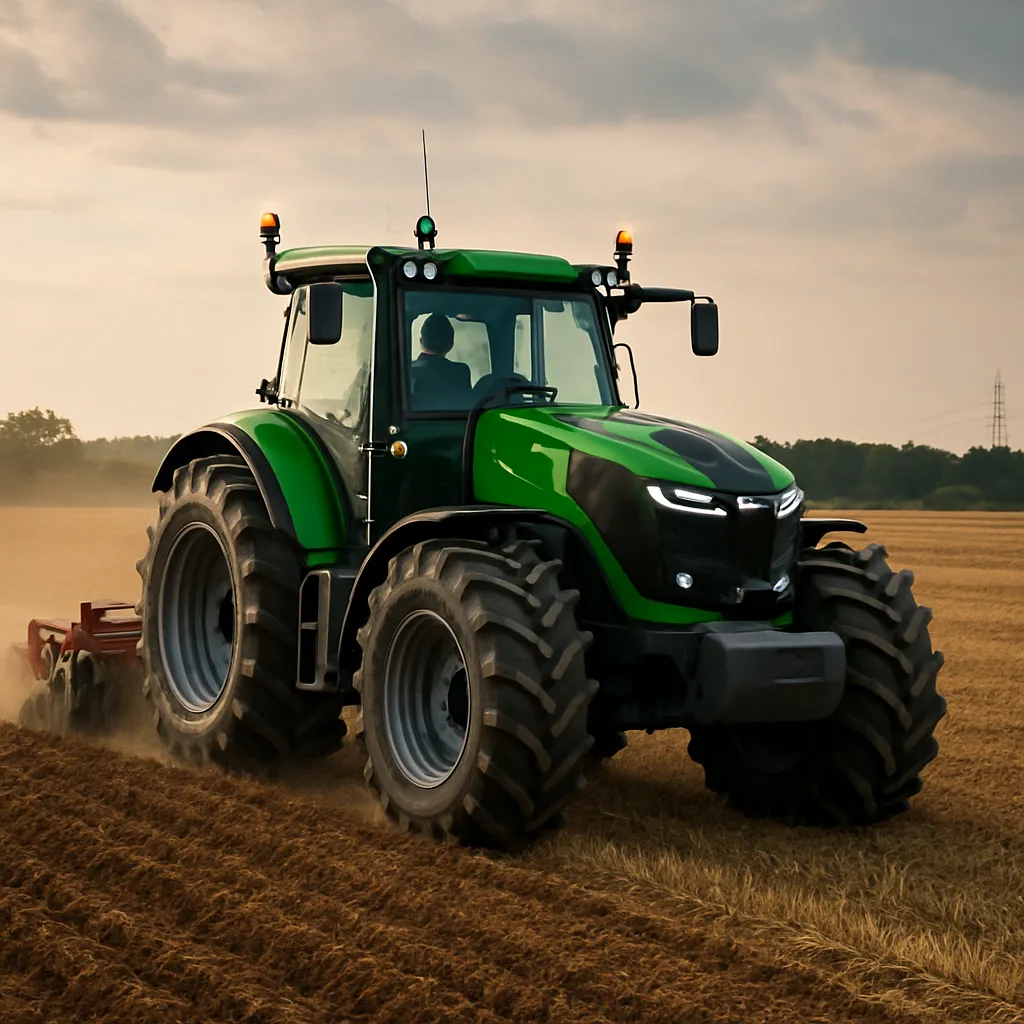
Autonomous driving capabilities are becoming increasingly robust. Using a combination of LiDAR, radar, and stereoscopic cameras, AI-equipped tractors can navigate complex field topographies, detect obstacles, and adjust their speed and steering in real time. This technology mitigates collision risks, minimizes tire slip, and ensures consistent implement engagement across varied terrains.
Core AI features transforming big tractors include:
- Adaptive path planning: Dynamic route adjustments based on real-time field conditions.
- Predictive maintenance: Early fault detection through anomaly recognition in engine and hydraulic performance.
- Variable-rate application: Site-specific control of seeding and nutrient delivery to match precise soil requirements.
- Fleet coordination: Centralized management of multiple autonomous units for synchronized field operations.
Synergies Between Hydrogen and AI
Combining hydrogen fuel cells with AI-driven control systems yields a potent synergy for the future of big tractors. Fuel cell stacks supply clean, stable power to electric drivetrains, while AI orchestrates complex fieldwork with minimal human intervention. This pairing addresses both sustainability and labor challenges, unlocking new efficiencies on mega-farms and cooperatives.
Operational workflows benefit from tight integration:
- AI algorithms optimize energy allocation, ensuring the fuel cell operates within peak efficiency ranges.
- Real-time data analytics forecast energy consumption patterns, enabling intelligent refueling schedules.
- Autonomous task planning synchronizes tractor routes with on-site hydrogen production schedules to minimize idle time.
- Remote fleet monitoring ensures seamless diagnostics and refueling logistics across vast acreages.
Such synergy enhances resource management and supports circular agricultural practices, where renewable generators power hydrogen production, and the resulting fuel drives zero-emission field machinery. The reduced carbon footprint contributes to global sustainability goals, while AI-driven precision cuts input costs and maximizes land productivity.
Challenges and Prospects
While the vision of hydrogen-AI tractors is compelling, several hurdles remain. Building an extensive hydrogen refueling network across rural areas requires significant capital investment and regulatory support. Safety protocols for high-pressure storage and handling must be rigorously enforced. On the AI front, ensuring robust cybersecurity is critical to prevent unauthorized access or system manipulation.
Research and pilot programs are underway worldwide. Collaborations among tractor manufacturers, technology firms, and agricultural enterprises are vital to de-risk large-scale adoption. Government incentives, carbon credits, and infrastructure grants can accelerate deployment, making hydrogen-AI tractors a viable reality for mainstream farming operations.
As these challenges are addressed, the agricultural sector stands on the cusp of a technological revolution. The fusion of innovation, hydrogen propulsion, and intelligent automation will redefine what it means to cultivate the land, ushering in a new era of productivity that harmonizes with environmental stewardship.