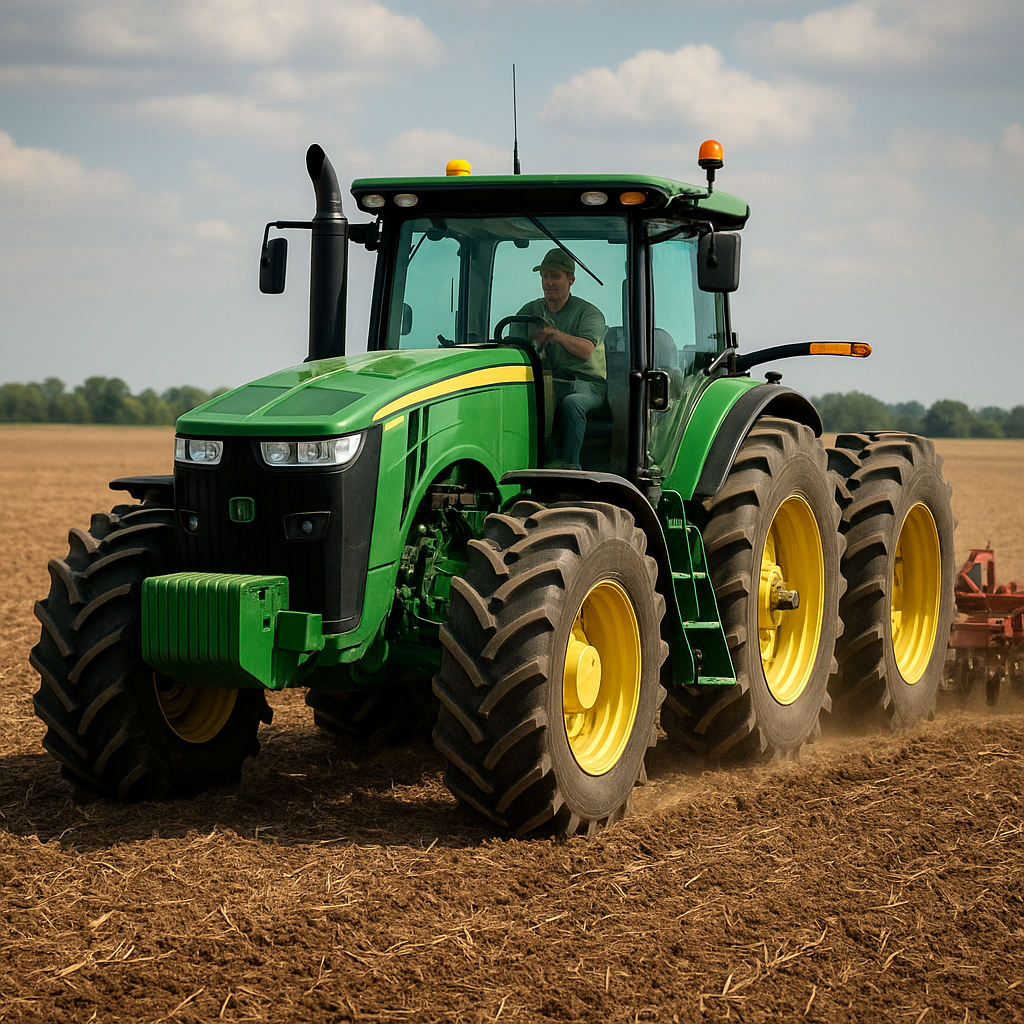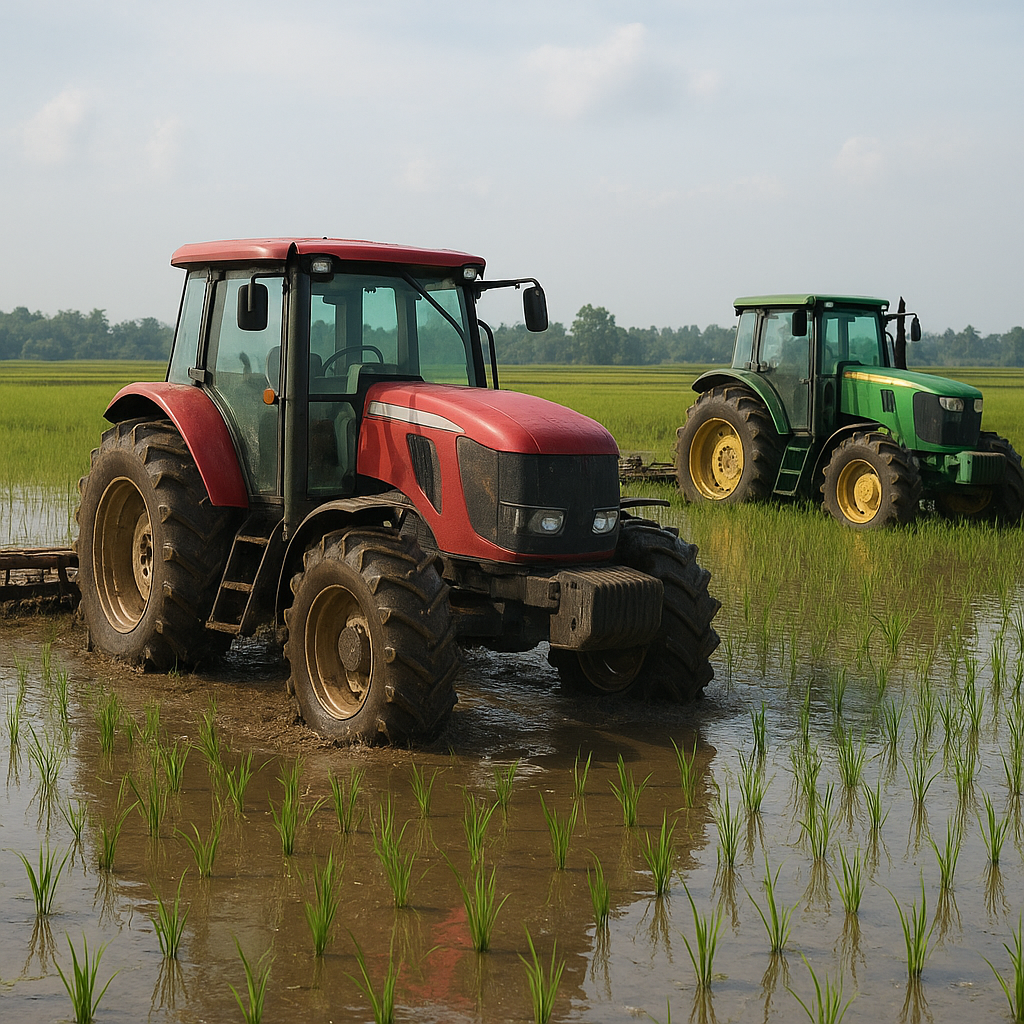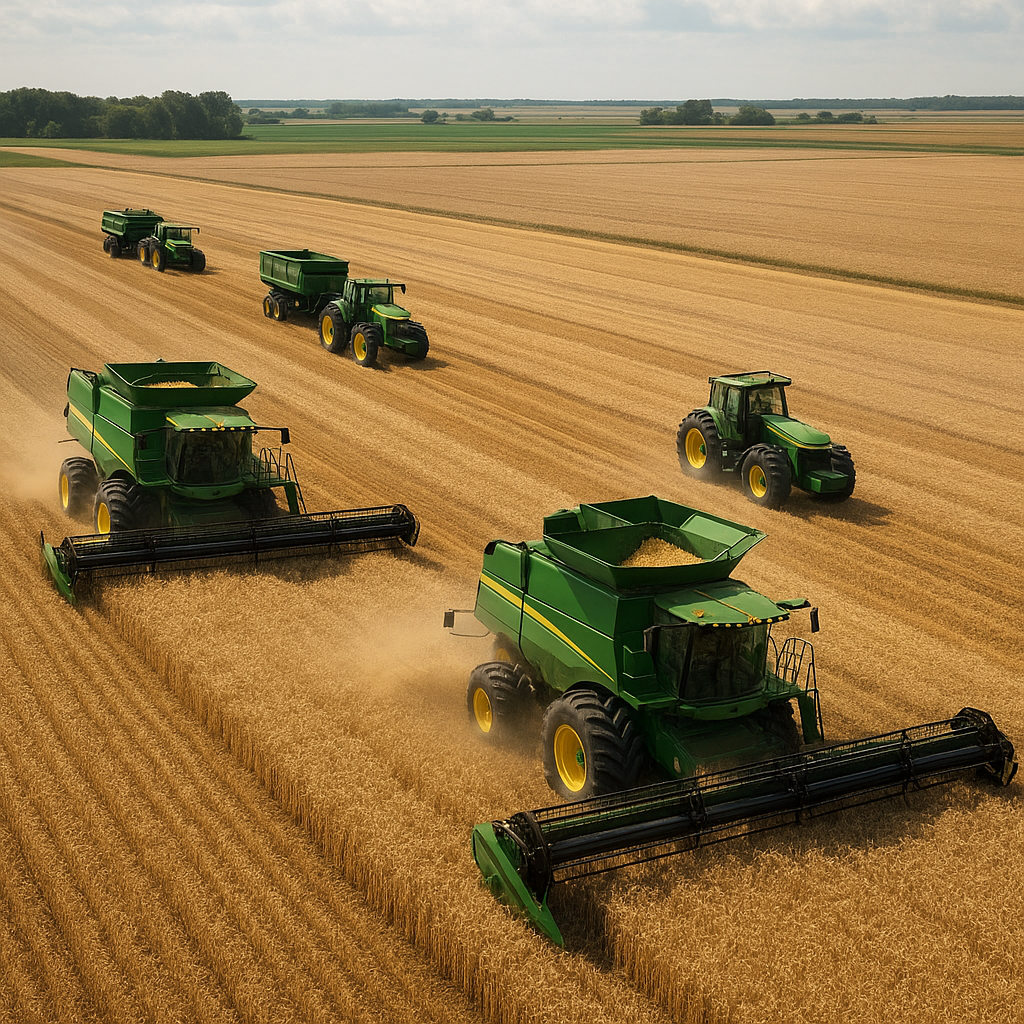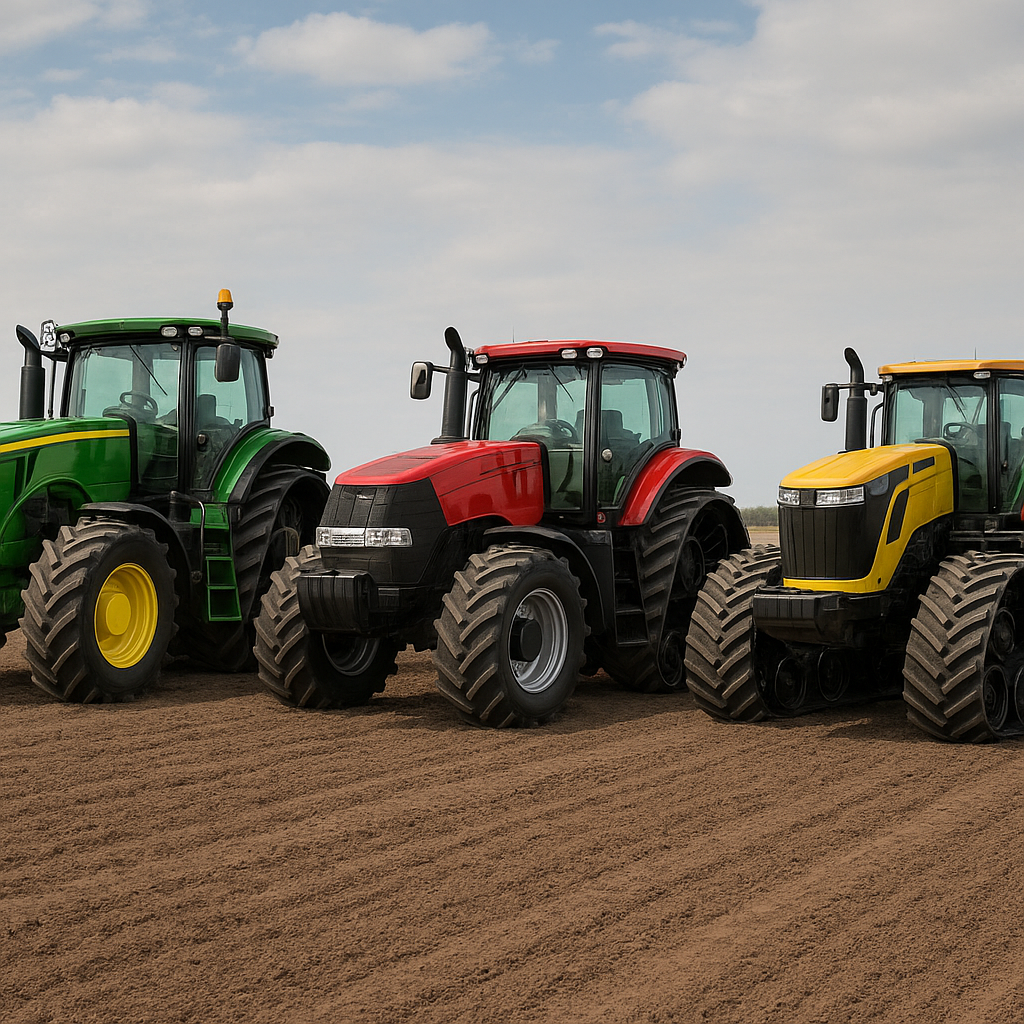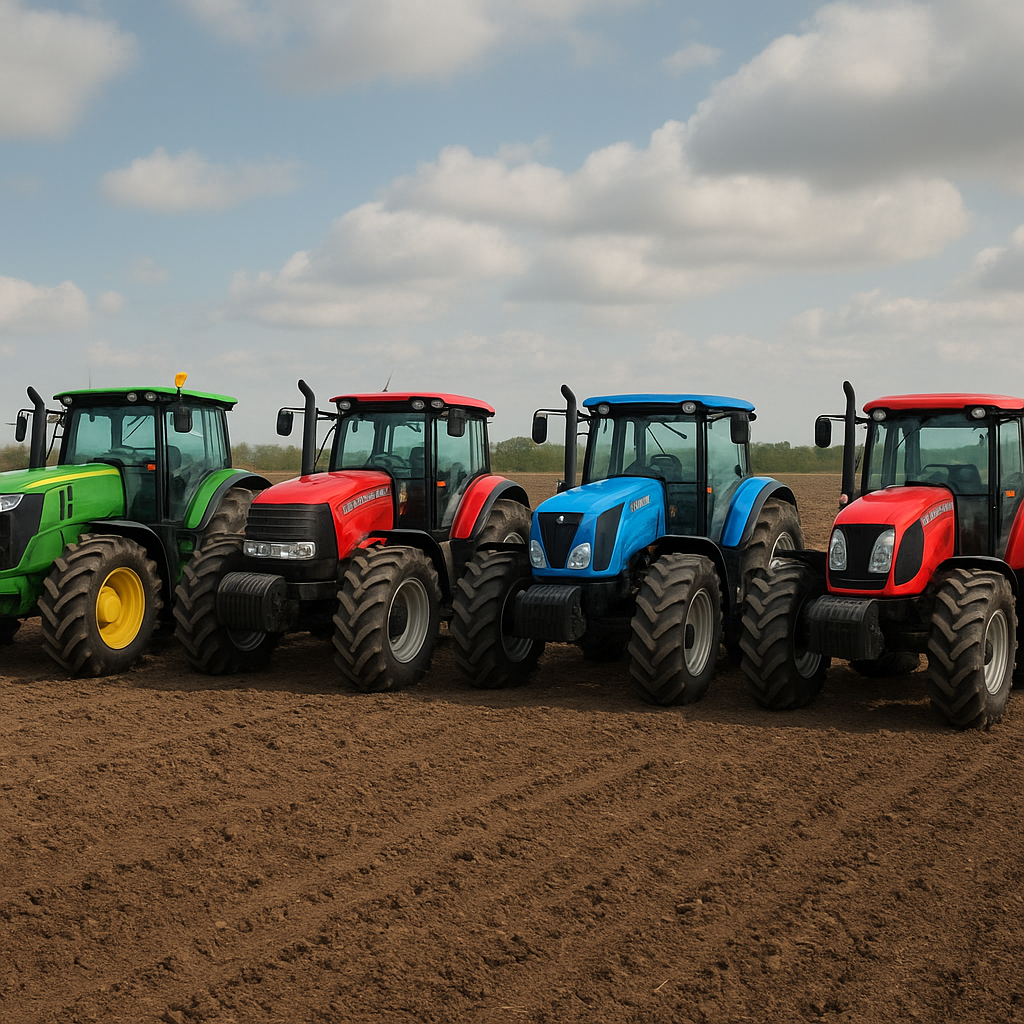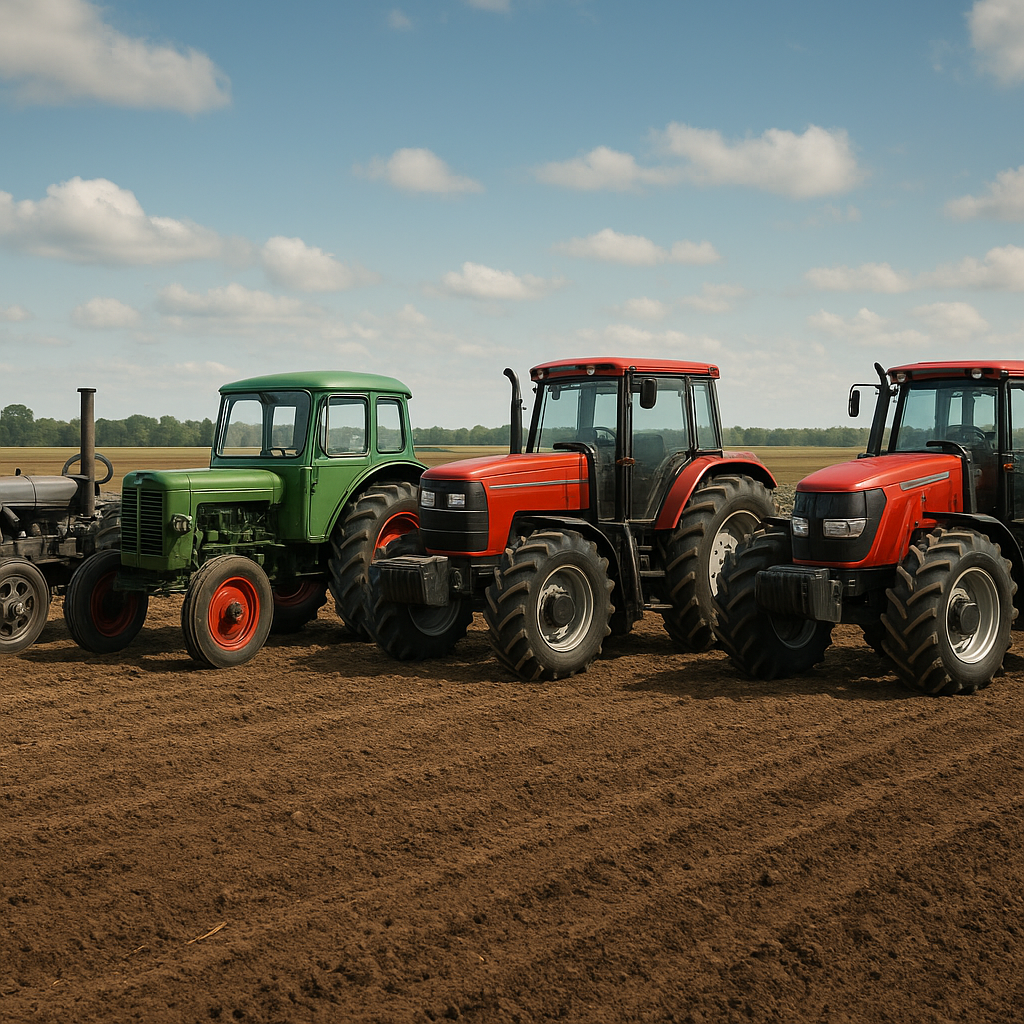
The realm of agriculture has been redefined by colossal machines that blend raw strength with cutting-edge technology. From early steam-powered leviathans to modern multifunctional behemoths, these tractors embody relentless progress. Their staggering horsepower outputs, revolutionary powertrain architectures, and advanced control systems have transformed large-scale farming into a domain of unmatched productivity. In the following chapters, we explore the evolution, iconic models, pioneering innovations, and future trends shaping the world’s biggest tractors.
Evolution of Giant Tractor Designs
The journey of massive tractors began in the early 20th century, when farmers traded cumbersome draft animals for steam engines. These early “traction engines” boasted boilers and large wheels, yet lacked maneuverability and depended heavily on fuel and water supplies. As internal combustion engines matured, diesel powerplants replaced boilers, delivering superior efficiency and reliability. By mid-century, innovations in hydraulics, suspension, and transmission systems set the stage for modern mega-tractors.
Steam to Diesel: A Paradigm Shift
Steam tractors exhibited raw brute force but weighed over 10 tons, limiting their field versatility. The introduction of diesel engines in the 1930s offered a dramatic reduction in weight and fuel consumption. Combined with the development of synchronized transmissions and hydraulic lifts in the 1950s, these tractors could handle heavier implements at higher speeds. Tractor makers began focusing on chassis strength, tire technology, and operator comfort to tame the enormous forces generated.
From Two Wheels to Tracks
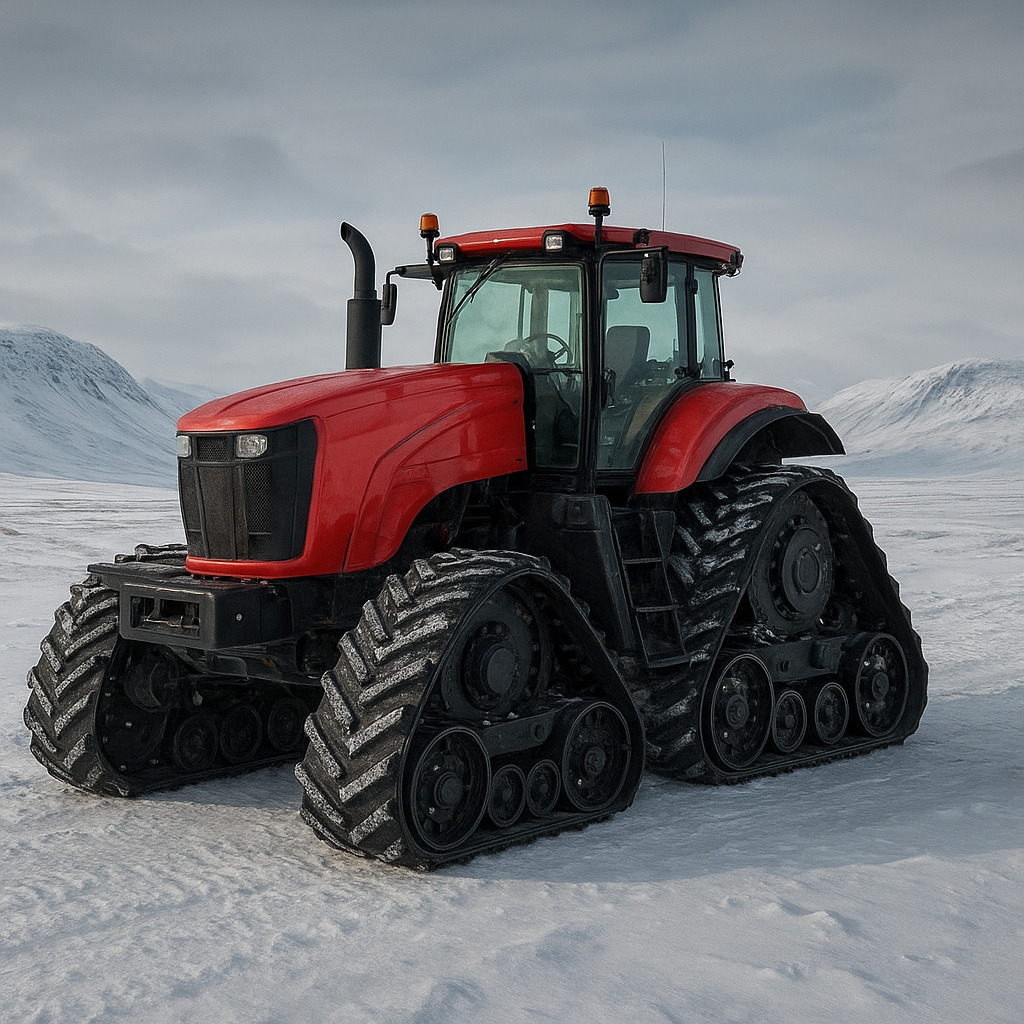
Traditional two-wheel drive tractors struggled with soil compaction and traction in soggy fields. The leap to four-wheel drive in the 1970s mitigated slipping but still concentrated weight on limited contact areas. This gave rise to tracked configurations. Rubber tracks distribute mass more evenly, reduce ground pressure, and improve pulling capability. Today’s four-track giants can gently glide over delicate topsoil, minimizing compaction while maximizing drawbar torque.
Legendary Horsepower Icons of Agriculture
A handful of tractor models have attained near-mythical status among farmers and machinery enthusiasts. These icons combined unprecedented power with innovative features that set benchmarks for productivity. They also served as testbeds for new technologies, influencing generations of equipment to follow.
- Big Bud 747 – Built in 1977, this undisputed heavyweight delivers 1100 hp and holds records as the world’s largest farm tractor. Its six massive tires and 620,000-pound frame forged the path for modern colossi.
- John Deere 9RX – Debuted in the late 2010s, the 9RX series offers up to 620 hp, an advanced track suspension system, and an intelligent power management module that optimizes fuel use under varying loads.
- Case IH Steiger Quadtrac – With four independent rubber tracks, this model provides unrivaled traction in challenging conditions. It features a power-density design to deliver up to 600 hp while maintaining low soil compaction.
- AGCO Challenger MT975E – Combining a Caterpillar C27 engine and Omega CVT transmission, it generates 600 hp and integrates precision guidance systems for sub-inch accuracy.
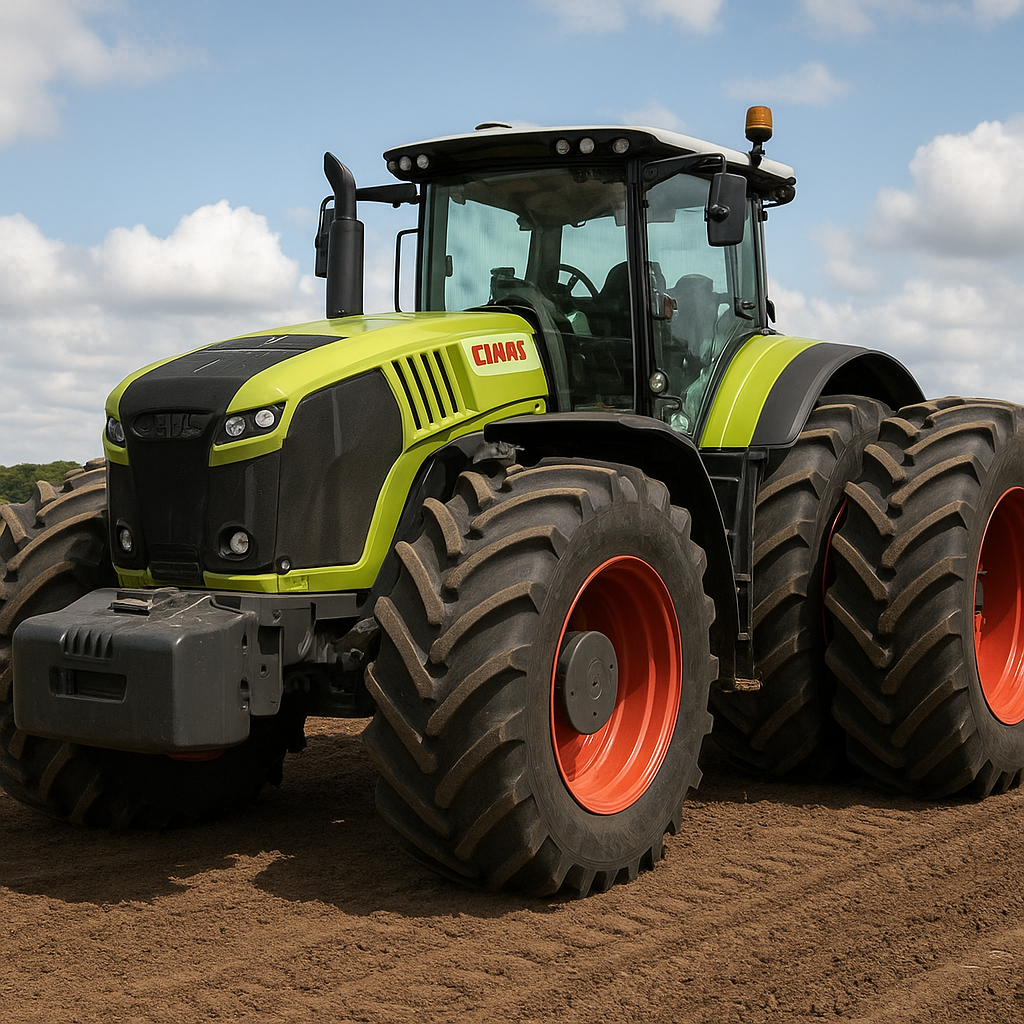
- Claas Xerion 5000 – Unique for its central pivot joint and all-wheel steering, it achieves exceptional maneuverability despite 530 hp output, making it ideal for headland turns and road transfer.
These tractors proved that brute force need not sacrifice operator safety or environmental responsibility. Advanced cab ergonomics, climate control, and wireless telemetry became standard in subsequent generations.
Cutting-edge Innovations in Mega Tractors
The biggest tractors are laboratories on wheels, constantly integrating breakthroughs to boost efficiency, reduce emissions, and simplify operation. Below are some of the most transformative technologies adopted by these giants:
- Precision Farming Systems: GPS-based auto-steering, variable-rate seeding, and real-time yield mapping improve resource utilization. Big tractors equipped with multi-sensor arrays can adjust fertilizer and pesticide applications on the fly, enhancing sustainability and profit margins.
- Telematics and Connectivity: Remote diagnostics, over-the-air updates, and performance monitoring dashboards allow fleet managers to track fuel consumption, engine health, and implement status from any location.
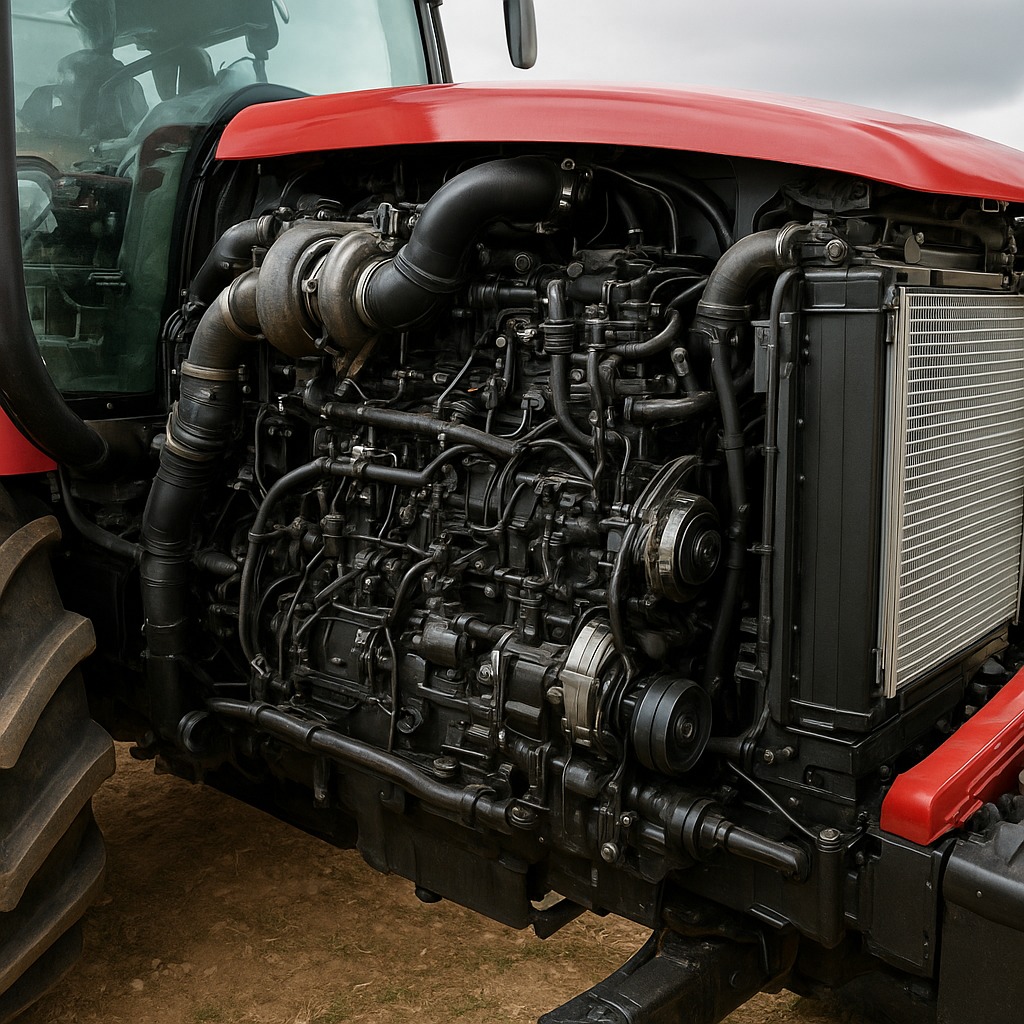
- Emission Control: Tier 4 and Stage V diesel engines employ selective catalytic reduction (SCR), diesel particulate filters (DPF), and exhaust gas recirculation (EGR) to meet stringent environmental standards without sacrificing power.
- Continuously Variable Transmissions (CVT): CVTs provide infinite gear ratios, ensuring the engine runs at peak efficiency across varying speeds and loads. This dramatically reduces mechanical stress and maximizes fuel economy.
- Active Suspension: Electronically controlled hydraulics adjust chassis height and wheel load distribution in real time. The result is improved traction, ride comfort, and implement stability.
Autonomy on the Horizon
Autonomous operation is no longer science fiction. Several manufacturers are testing self-driving prototypes that combine machine vision, LiDAR, and AI algorithms to navigate fields, avoid obstacles, and maintain optimal travel lines. The ultimate goal is fully unsupervised tractors that can handle end-to-end tasks, increasing uptime and reducing labor demands.
Emerging Trends: Tomorrow’s Tractor Titans
As energy landscapes shift and digital agriculture gains momentum, big tractors must adapt. Research focus areas include:
- Electrification: Battery-electric and hydrogen fuel cell powertrains promise zero tailpipe emissions and quieter operation. Challenges remain in energy density and refueling infrastructure, but pilot models are already in field testing.
- Modular Implements: Interchangeable attachments with plug-and-play connectivity allow a single tractor to perform multiple tasks—plowing, seeding, spraying—simply by swapping tool modules.
- Remote Operation Hubs: Operators controlling multiple machines from a centralized control center may become commonplace, leveraging 5G networks for low-latency command and real-time video feedback.
- Sustainability Certification: Tractors may carry carbon footprint labels, reflecting lifecycle analyses from manufacturing to disposal. This transparency will guide eco-conscious agribusinesses in their equipment choices.
These trends indicate a future where mega-tractors are not just horsepower monsters but intelligent, eco-friendly partners in global food production. As growers demand ever-higher yields and tighter margins, the quest for the ultimate tractor—one that synthesizes raw horsepower with advanced precision and sustainability—continues unabated.