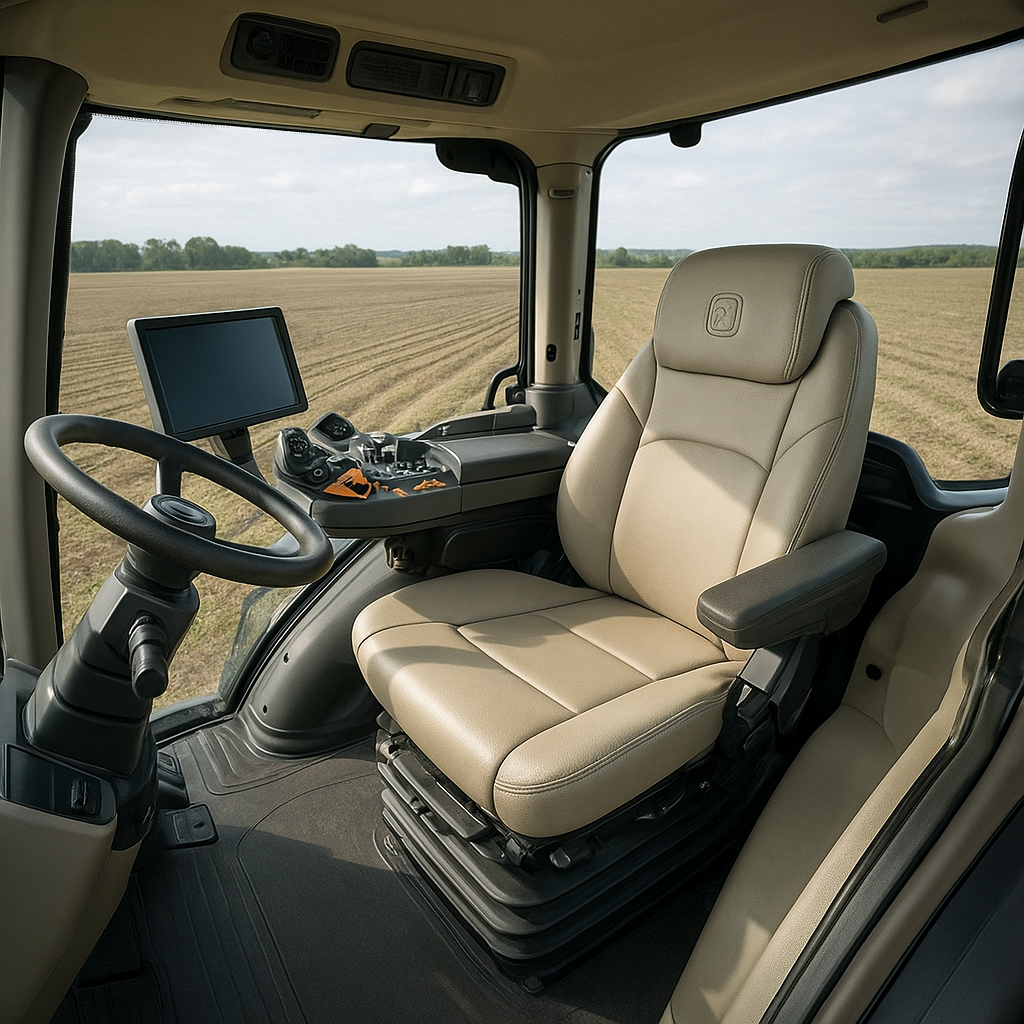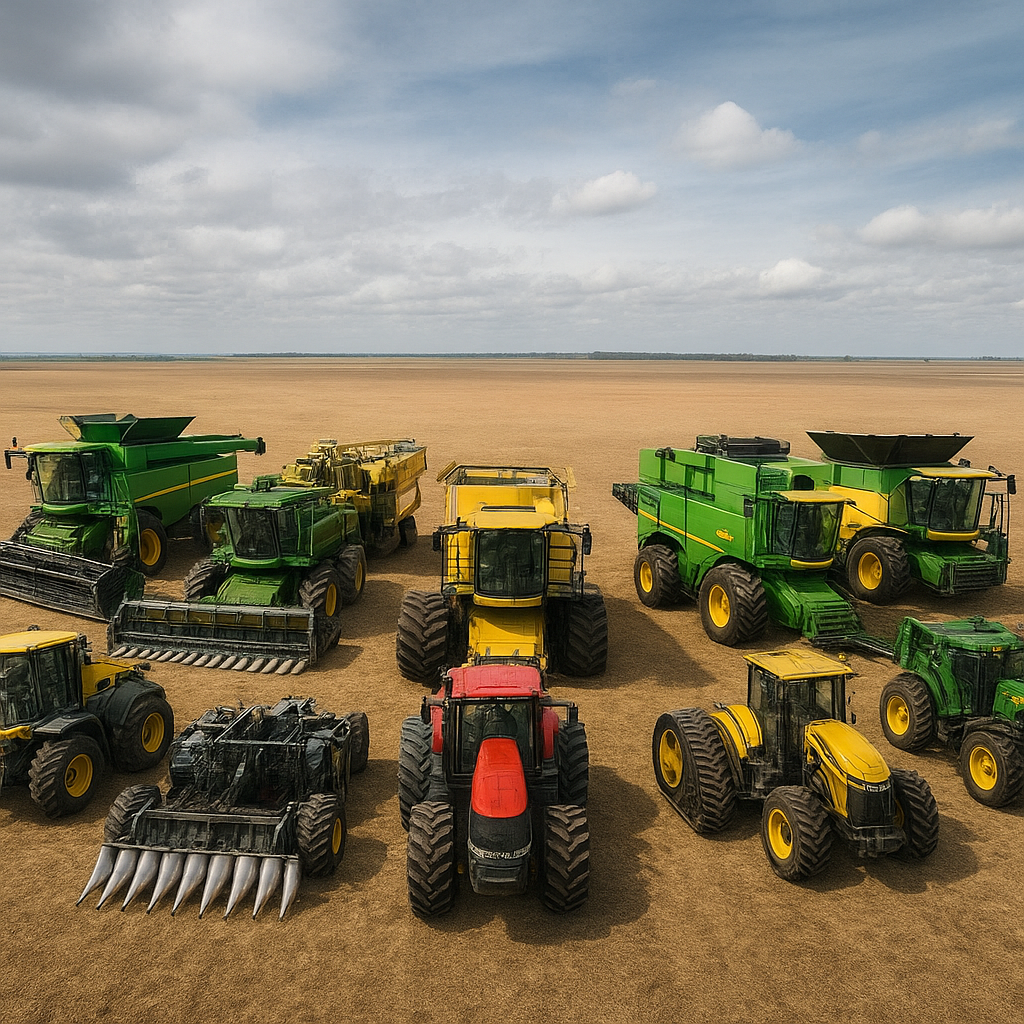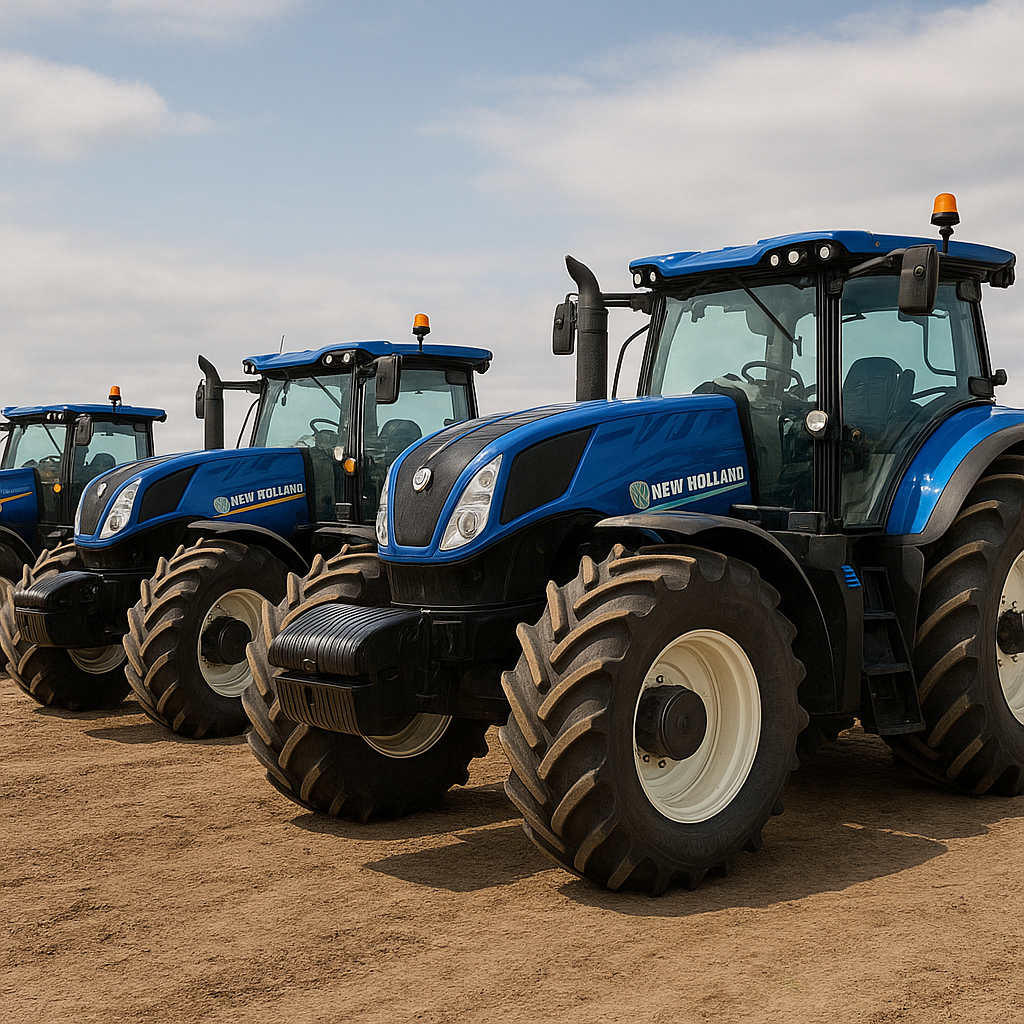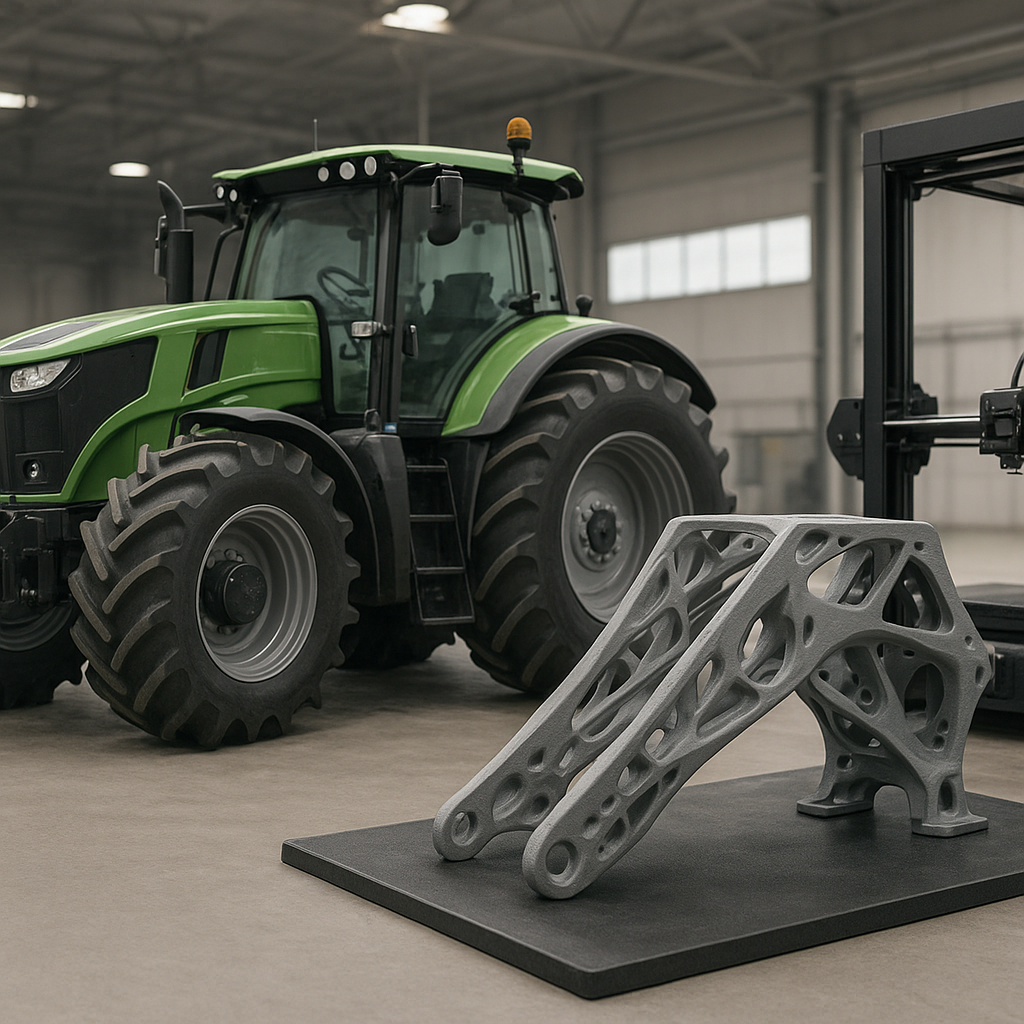
Massive farming machinery has evolved into high-tech powerhouses, far beyond simple diesel engines and hydraulic systems. Modern large-scale tractors combine raw force with cutting-edge electronics to transform agriculture. Central to this transformation is the integration of GPS technology, which has broken through the limits of traditional guidance methods. By leveraging satellite-based positioning, these tractors achieve a level of precision and efficiency that was once unimaginable. This article explores how GPS shapes the performance of the biggest tractors on Earth, examines the benefits for farmers, and considers the future of autonomous operations in large-scale farming.
Precision Navigation and Guidance
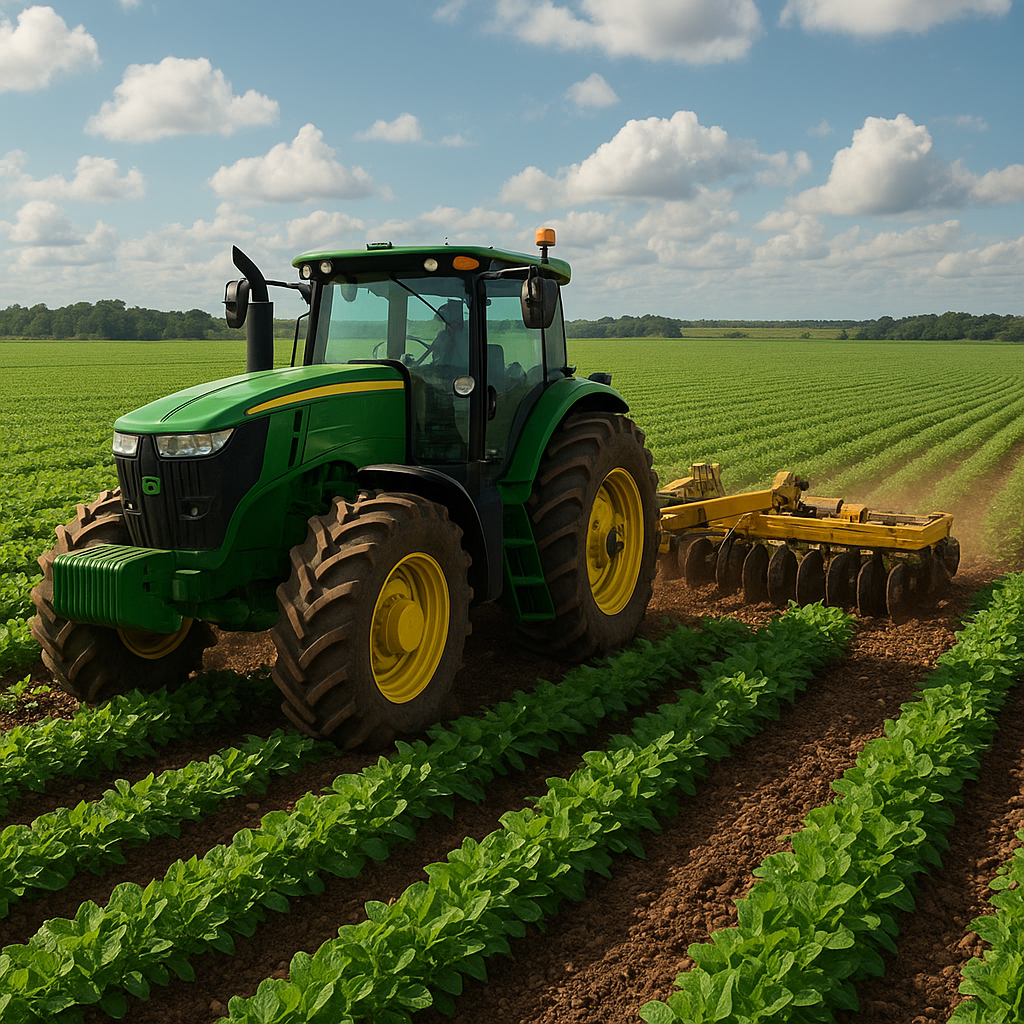
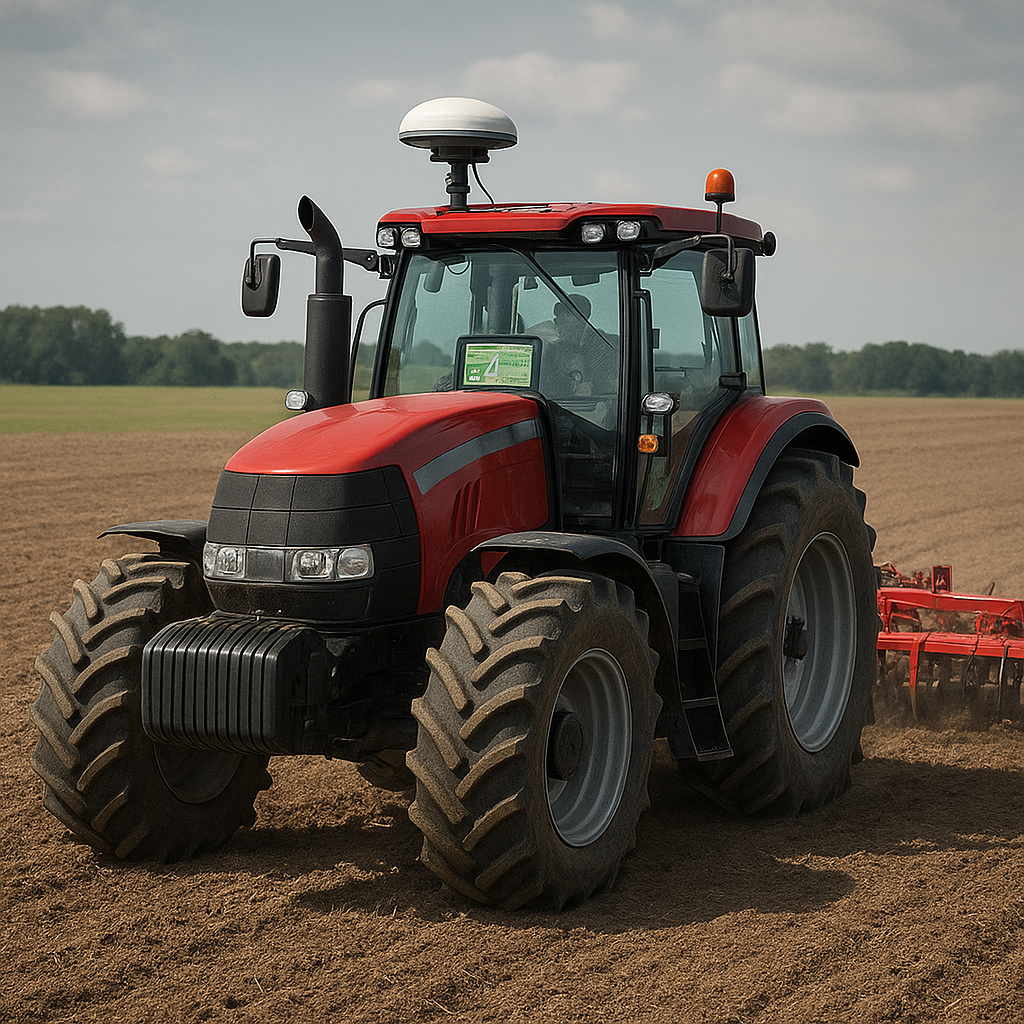
Satellite-based navigation is at the heart of contemporary tractor control systems. Through real-time location data, massive tractors can follow exact paths across fields, reducing overlaps and gaps in coverage. This precision is particularly valuable for operations involving fertilizers, pesticides, and seeds, where even slight deviations can lead to wasted resources or uneven crop development.
- MaintainLines and auto-steering systems allow tractors to run parallel tracks with centimeter-level accuracy.
- RTK correction enhances raw GPS signals, ensuring stability even under heavy canopy or in remote areas.
- Real-time kinematic (RTK) and DGPS unlock sub-inch precision, enabling tasks like strip-till and micro-dosing with confidence.
- Integration with onboard sensors adjusts row spacing and spray rates based on instantaneous location feedback.
By automating steering through connectivity to satellites and ground stations, farmers can operate colossal tractors, such as the Big Bud 747 or John Deere 9620R, with minimal fatigue and maximum overlap control.
Enhancing Efficiency and Productivity
Large-scale tractors are prized for their towering engines and massive implements, but without GPS, much of that power is underutilized. GPS-driven guidance helps rationalize the deployment of resources, cutting down on time and fuel while boosting overall productivity. Farmers can map fields accurately, identify zones that require different rates of input, and track every pass with digital logs.
Fuel Savings and Time Management
Implementing precise path planning means less time spent retracing old tracks. On a sprawling 2,000-acre farm, even a 2% reduction in redundant passes translates into thousands of gallons of saved diesel. Using telemetry, fleet managers can monitor fuel consumption in real time, adjust field routes dynamically, and dispatch the nearest tractor for urgent tasks.
Yield Optimization
High-resolution satellite imagery combined with GPS-enabled tractors allows for variable-rate seeding and fertilization. In areas identified as nutrient-poor, tractors can deposit extra fertilizer; in richer zones, they apply less. This strategic approach to inputs not only increases average yield but also promotes environmental stewardship by preventing overapplication of chemicals.
Integration with Massive Tractors
Some of the world’s largest tractors—units exceeding 600 HP—leverage GPS to tame their massive power. These giants include:
- Big Bud 747: Often dubbed the “largest farm tractor ever built,” this mammoth relies on precise GPS guidance for handling its 1,100 HP potential.
- Case IH Steiger Quadtrac: With a track-based chassis and integrated GPS, it excels in wet or uneven terrain, maintaining traction while following GPS paths.
- John Deere 9R Series: Offers a factory-installed guidance package, featuring sectional control for match-and-align operations at the headland.
- Fendt 1000 Vario: Combines VarioDrive transmission with GPS-driven Variable Rate Application (VRA) for optimized fieldwork.
- AGCO MT800: A track-format powerhouse, employing multi-satellite support to maintain consistent ground pressure and efficient field coverage.
The synergy between giant tractors’ mechanical prowess and GPS-driven intelligence results in unmatched field performance. Satellite signals feed steering motors, autopilot algorithms, and even implement control modules, ensuring every operation is smooth and consistent.
Advanced Data Management and Connectivity
Modern farm management platforms integrate GPS data into comprehensive dashboards. Every pass made by a tractor is recorded, geotagged, and stored in the cloud. Farmers and consultants can analyze:
- Field maps showing coverage density, input rates, and yield performance.
- Equipment utilization reports to optimize maintenance schedules and reduce downtime.
- Soil moisture and nutrient status overlays, guiding future planting decisions.
- Machine-to-machine (M2M) communication that synchronizes multiple tractors operating in tandem.
With LTE and satellite internet connectivity, these tractors remain linked to operations centers even in the most remote regions. Alerts for low fuel, engine diagnostics, and performance anomalies are communicated instantly, allowing rapid response to potential issues.
Future Trends in Autonomous Farming
The next frontier involves fully autonomous giant tractors that require minimal human intervention. Research prototypes are already tackling:
- Advanced obstacle detection using Lidar, cameras, and radar fused with GPS positioning.
- Swarm operation where multiple self-driving tractors collaborate to cover large areas efficiently.
- AI-driven decision support for dynamically adjusting routes and application rates based on live sensor data.
- Enhanced safety features, including geofencing to keep machinery within designated zones.
As these autonomous systems mature, farmers will shift from direct operation to high-level oversight, focusing on strategy rather than steering. Large-scale tractors will evolve into mobile platforms for a suite of smart implements, all orchestrated via satellite-based navigation and cloud intelligence.
Challenges and Considerations
Despite the benefits, several obstacles remain on the path to fully realizing GPS-enabled large-scale farming:
- Signal obstruction under dense foliage or extreme weather, requiring backup guidance methods.
- Upfront investment for integrated GPS hardware, software licenses, and connectivity subscriptions.
- Technical training needed for operators and technicians to manage sophisticated electronic systems.
- Data security and privacy concerns surrounding the transmission and storage of farm information.
Overcoming these challenges demands ongoing collaboration between equipment manufacturers, software developers, and end users, ensuring that giant tractors remain reliable, productive, and safe assets on every farm.