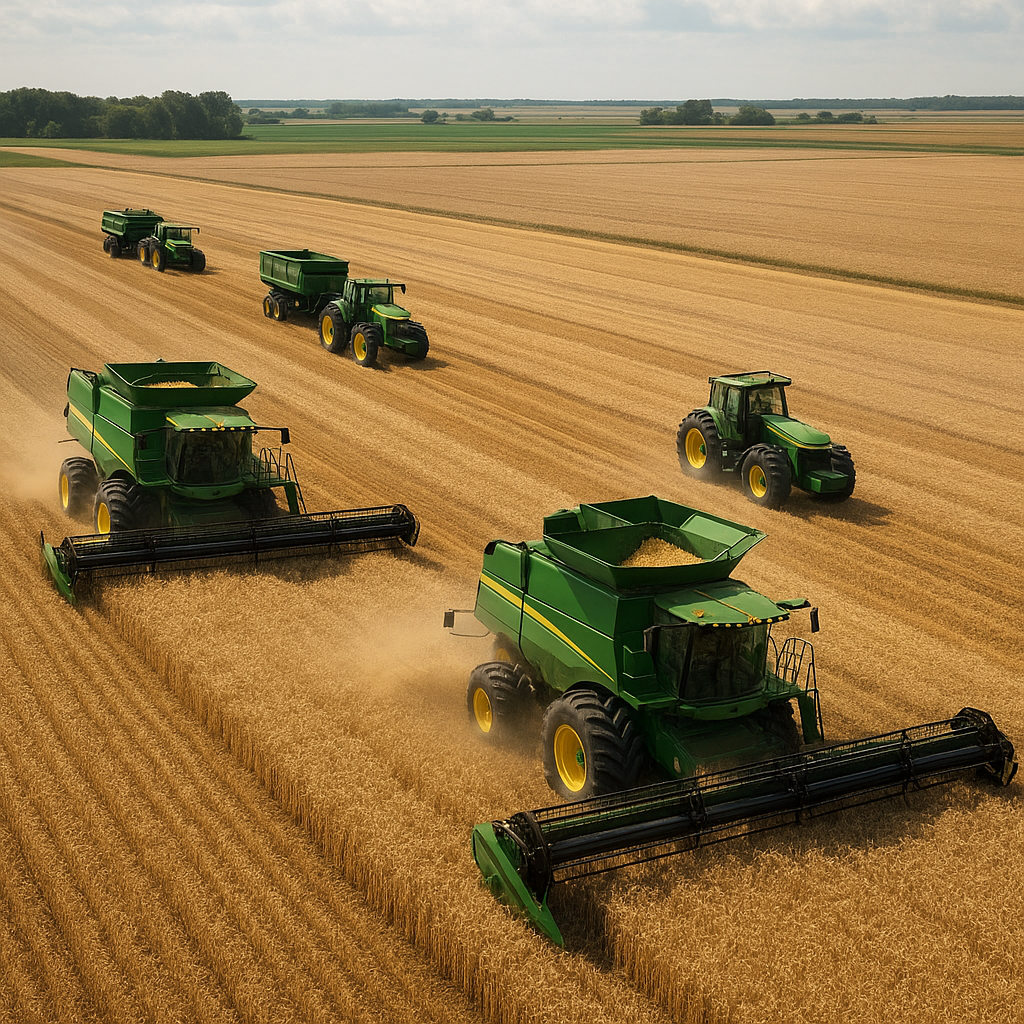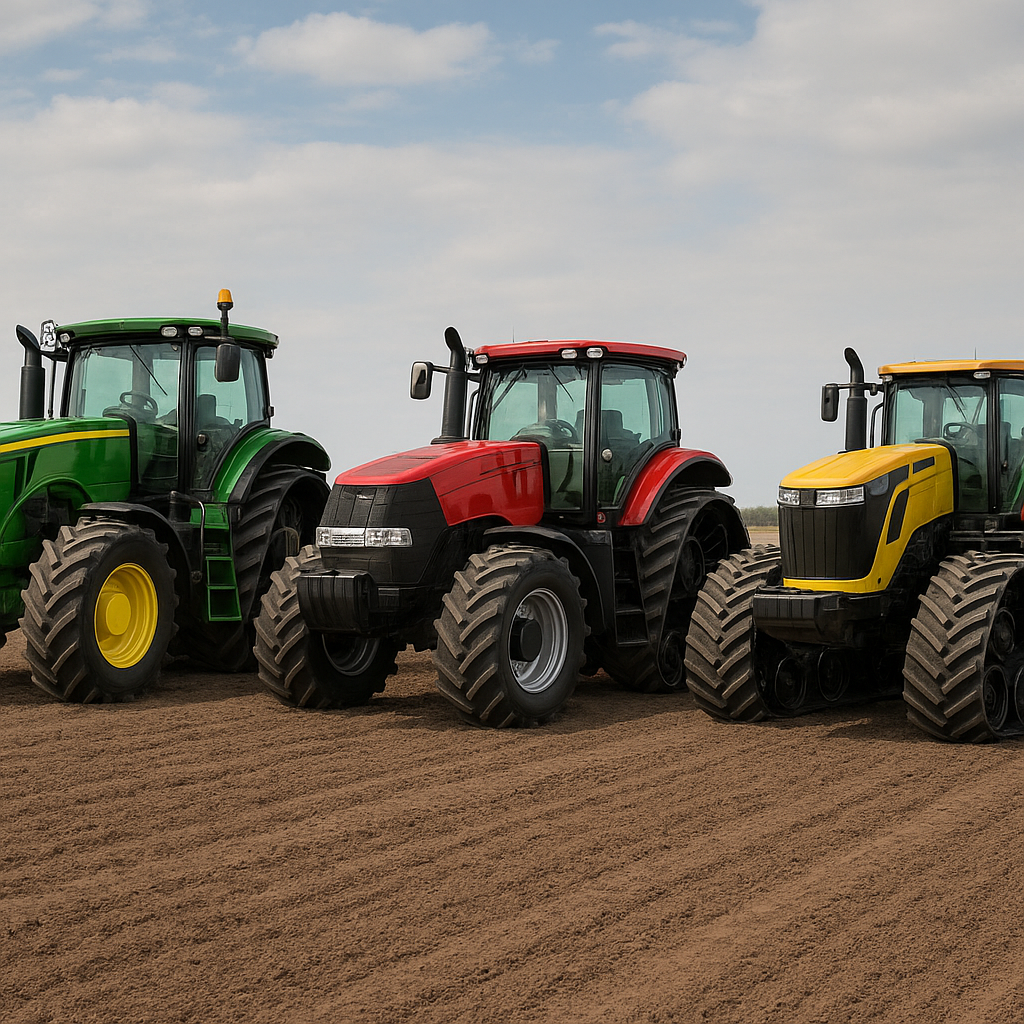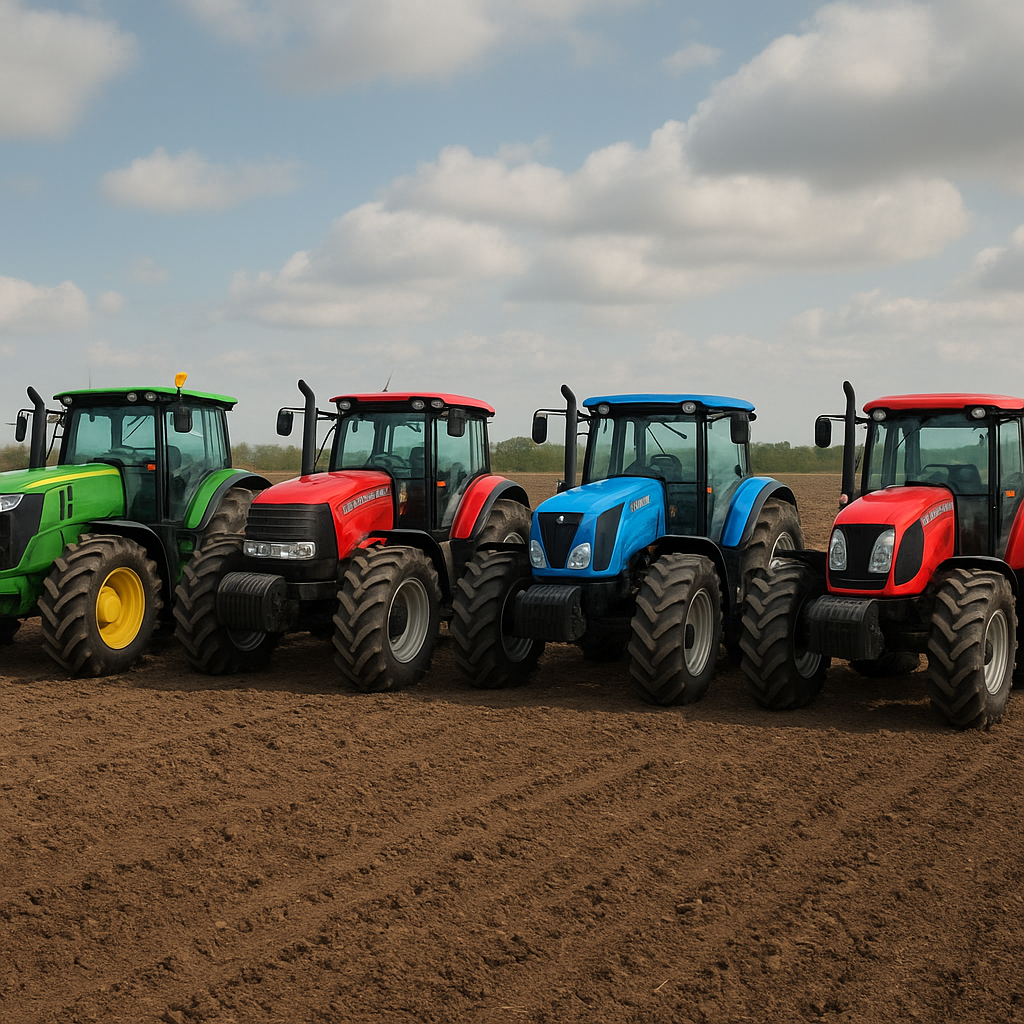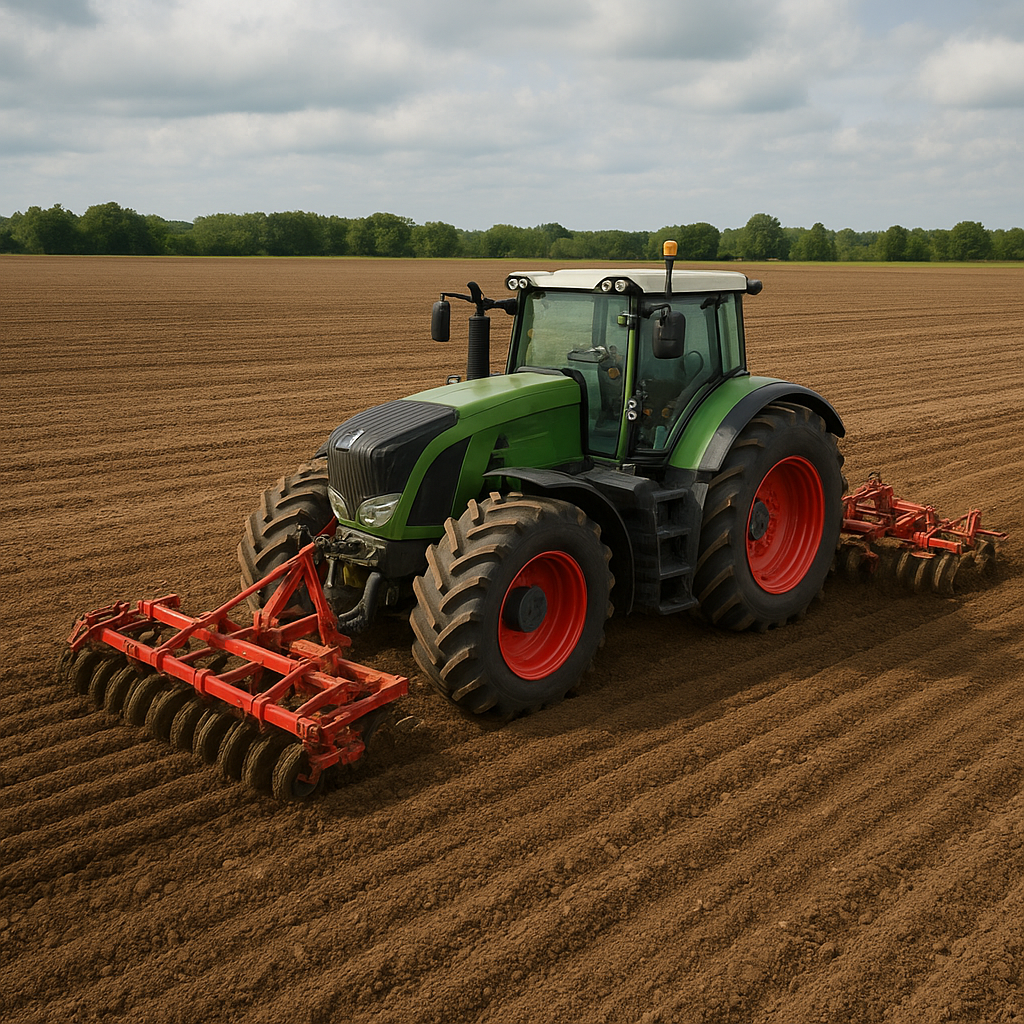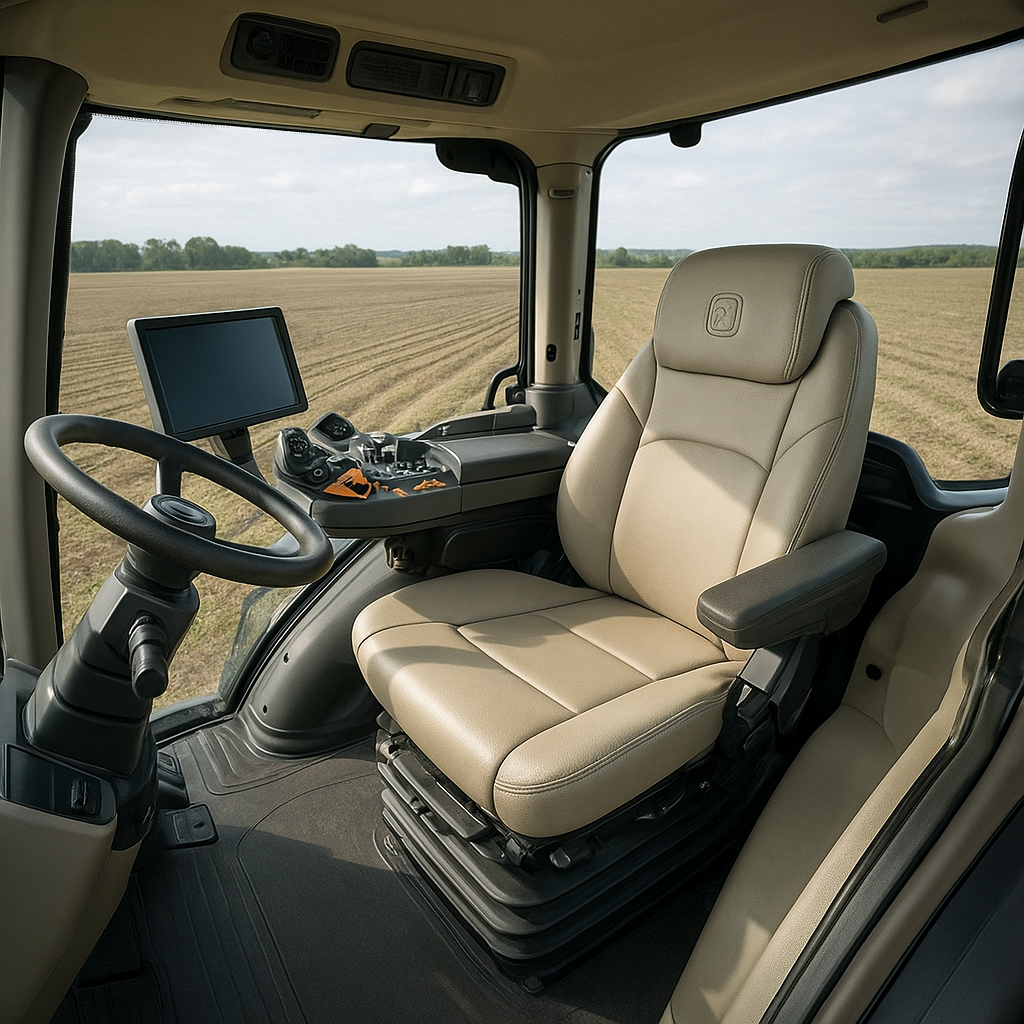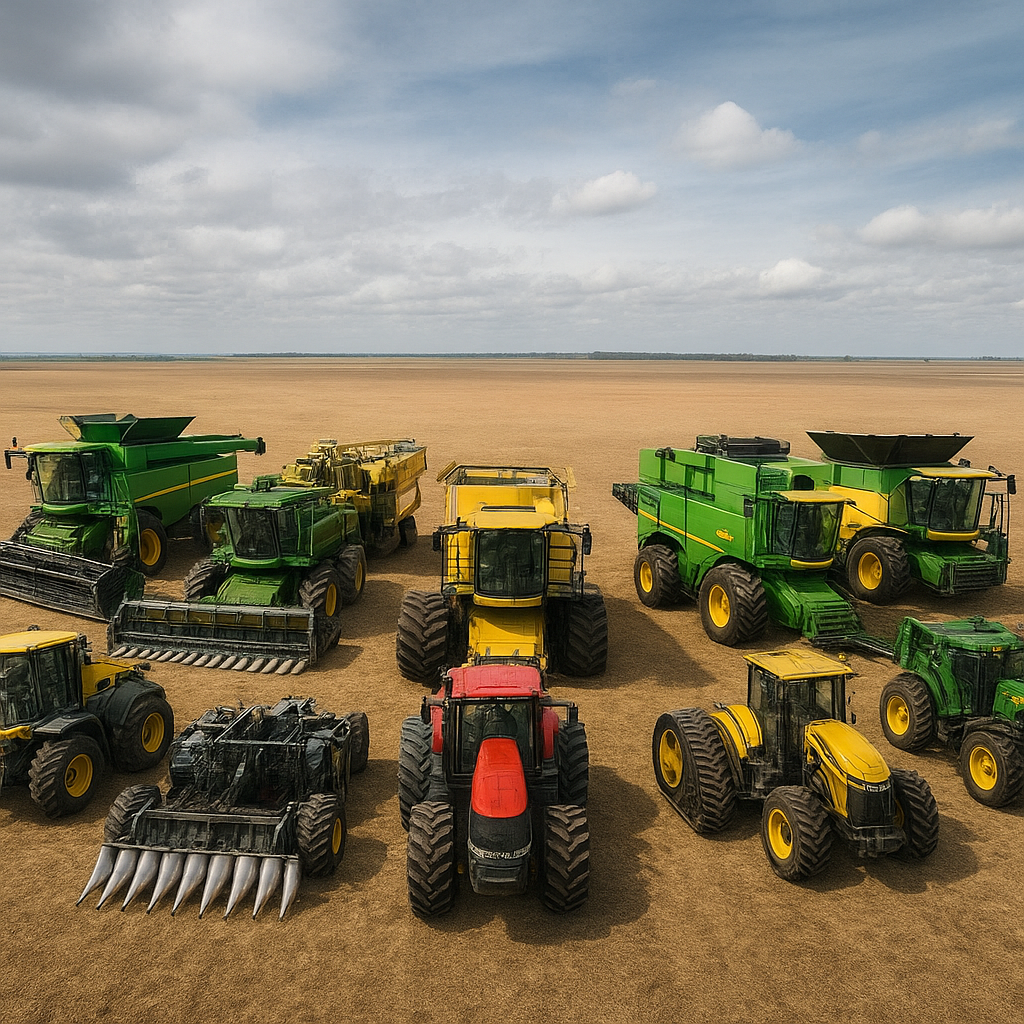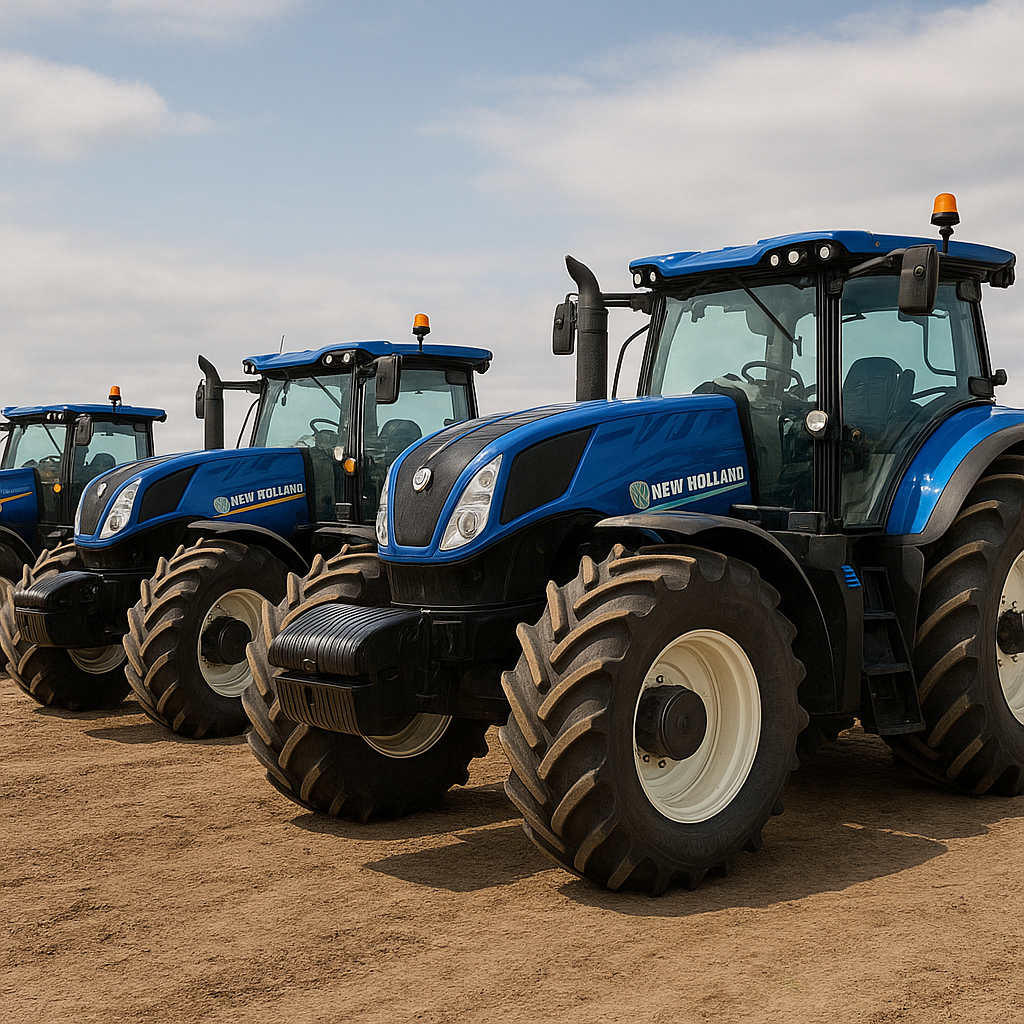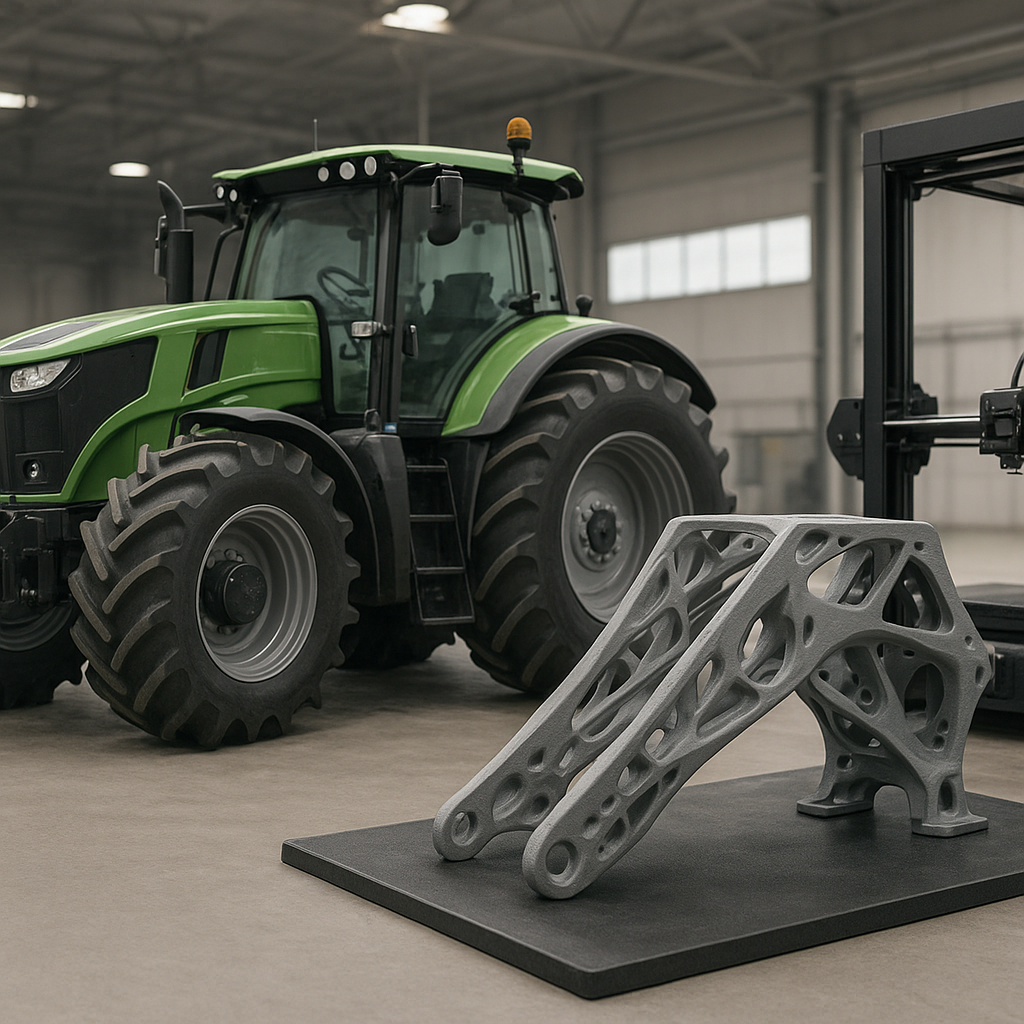
In the vast fields of modern agriculture, a new breed of machines has emerged to meet the demands of ever-growing global food production. These behemoths, known as the world’s longest and widest agricultural tractors, push the boundaries of scale, power, and efficiency. From pioneering prototypes to production models that weigh more than a loaded semi-trailer, their sheer size raises questions about engineering, economics, and the future of farming. This article explores the evolution, design, and impact of these mega-tractors, detailing how they reshape the landscape of large-scale cultivation.
Evolution of Massive Farm Machines
Farm machinery has come a long way since the horse-drawn plows of the 19th century. Mechanization revolutionized agriculture, replacing animal power with steam and, later, internal combustion engines. As fields grew larger and labor shortages became more acute, manufacturers began experimenting with increasingly powerful and oversized tractors. Early pioneers focused on improving traction and load capacity; modern giants refine these concepts to extreme proportions.
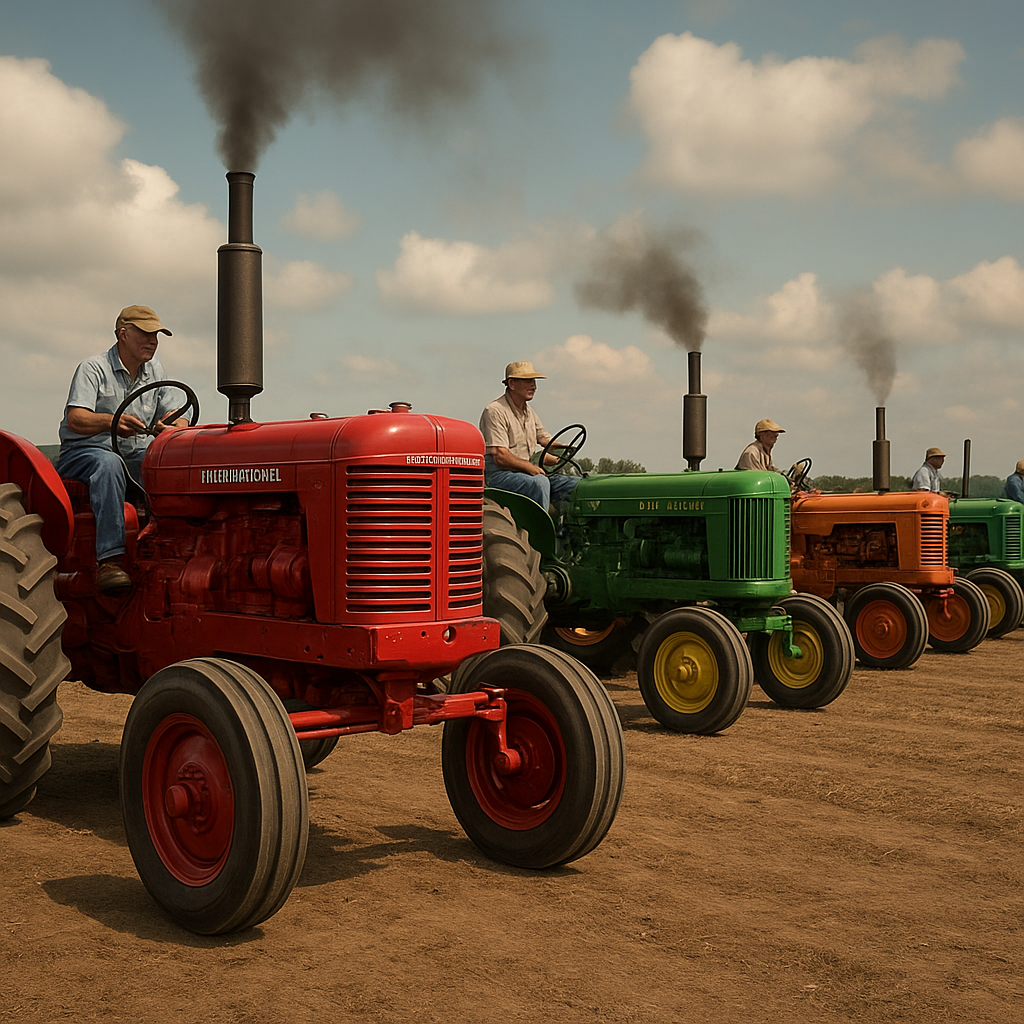
From Steam Engines to Diesel Titans
- Steam-powered tractors in the early 1900s weighed several tons and required specialized crews to operate.
- The introduction of diesel engines brought higher fuel efficiency and more convenient operation, enabling continuous work for longer periods.
- Post–World War II advances in metallurgy and hydraulics allowed designers to create heavier axles, sturdier frames, and complex drive systems.
As manufacturers experimented with multi–wheeled configurations, the focus shifted from simple horsepower gains to balancing weight distribution, reducing soil compaction, and increasing ground clearance. Farmers in North America and Australia, with vast acreages to cover, became ideal markets for these experimental models.
Key Drivers Behind Increased Size
The push toward larger tractors has been driven by several factors:
- Scale: Bigger farms require machines capable of covering more acres in less time.
- Labor shortages: As rural populations decline, one operator with a giant tractor can replace multiple smaller teams.
- Technological integration: Modern tractors include GPS guidance, telematics, and automated steering systems—technologies easier to implement on a single platform than across a fleet of smaller units.
Engineering Marvels of Size
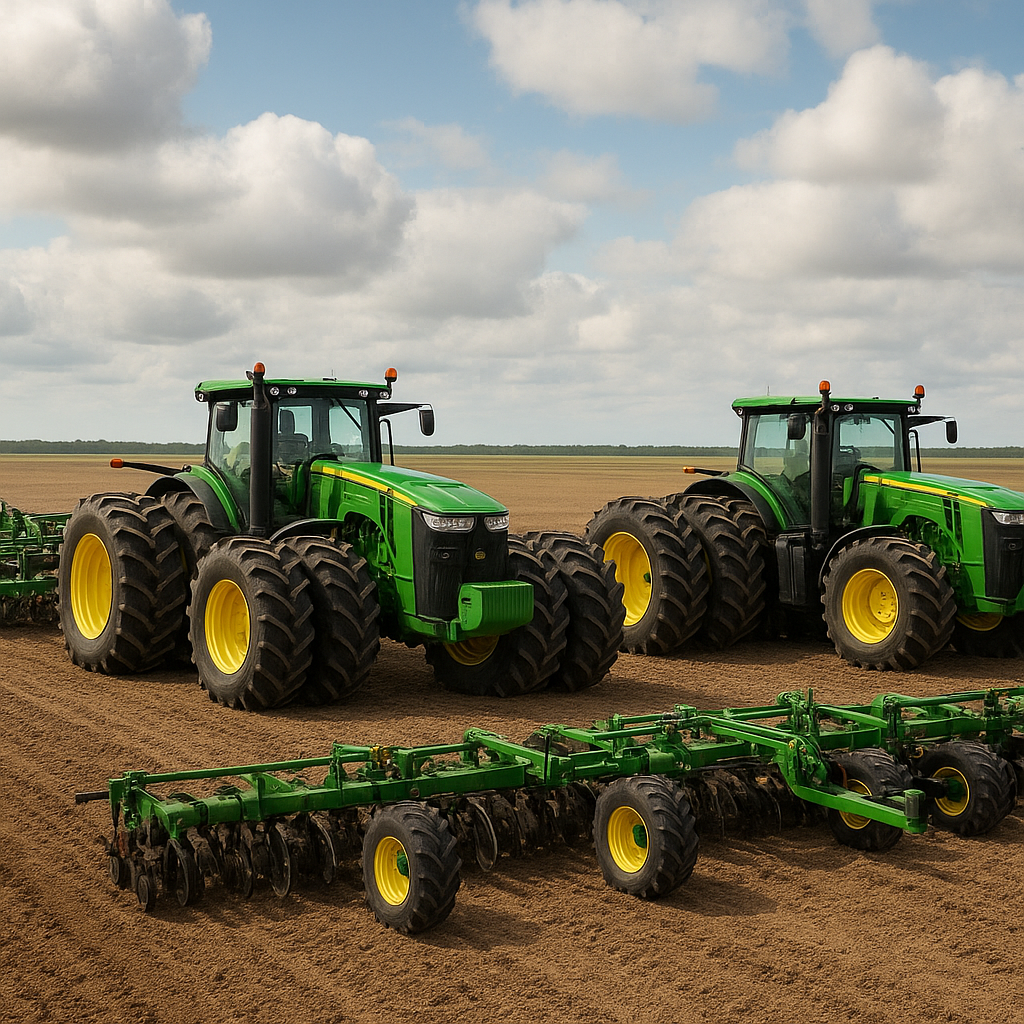
Designing a tractor that stretches over 30 feet long and spans more than 20 feet wide presents unique engineering challenges. From transmission design to cooling systems, every component must be scaled or reinvented to perform reliably under extreme loads.
Biggest Names on the Field
- Big Bud 747 – Often hailed as the world’s largest production tractor, the Big Bud 747 measures over 27 feet long and produces 930 horsepower.
- Challenger MT975 – With a track system that spans nearly 20 feet, the MT975 delivers exceptional traction and minimal ground compaction.
- Fendt 1167 Vario – Combining nearly 700 horsepower with advanced electronics, this model exemplifies the integration of innovation in modern farm equipment.
- Massey Ferguson MF 8700 S – Known for its modular design, allowing widths from 12 to 20 feet depending on wheel or track configurations.
- Holland BigTrac 1800 – Featuring an articulated chassis and dual cab design for improved operator visibility over ultra-wide implements.
Core Design Considerations
Building these giants requires mastery over several domains:
- Frame strength: Heavy-duty alloys and reinforced welding techniques prevent frame flex under massive loads.
- Advanced transmissions: Continuously variable transmissions (CVTs) handle broad speed ranges and high torque demands.
- Hydraulics and pneumatics: Multipoint hydraulic systems operate large implements without overheating, while air suspension maintains ride comfort and adjustable ground pressure.
- Cooling capacity: Radiators the size of small cars and high-flow fans ensure engines running over 1,000 horsepower stay within optimal temperature ranges.
- Electronics and automation: GPS-based auto-steer and implement control allow a single operator to manage multi–task operations, boosting overall efficiency.
Impact on Modern Farming Practices
The deployment of the longest and widest tractors has transformed large-scale agriculture in profound ways. While some critics point to increased soil compaction and higher upfront costs, advocates highlight the gains in productivity, reduced labor requirements, and improved precision.
Benefits of Mega Tractors
- Enhanced field coverage: A wider machine means fewer passes, cutting down on fuel consumption and time spent in the field.
- Precision farming: Integrated sensors monitor soil moisture, nutrient levels, and crop health in real time, enabling targeted applications of fertilizer and water.
- Reduced labor costs: One operator can manage more acres than ever before, addressing labor shortages in rural areas.
- Consistency: Operating at steady speeds with consistent implement depth improves overall yield and crop uniformity.
- Scalable operations: Farms can increase acreage without proportionally adding machinery fleets.
Challenges and Considerations
Despite the advantages, mega tractors pose specific challenges:
- Infrastructure requirements: Farm gates, loading docks, and service bays must be upgraded to accommodate oversized equipment.
- Soil health concerns: Concentrated weight can increase compaction, hindering root development unless mitigation strategies like controlled traffic farming are employed.
- Upfront Investment: The sticker price of a top-tier mega tractor can exceed that of a small combine harvester, requiring significant capital or financing.
- Logistics: Transporting these machines between fields often involves disassembly or special wide-load escorts, adding operational complexity.
The Path Toward Sustainability
Manufacturers and farmers alike are seeking ways to balance scale with environmental stewardship. Innovations include:
- Adaptive track widths that spread weight and reduce soil pressure.
- Alternative fuels such as biodiesel or sustainability-focused electric drives to minimize carbon footprints.
- AI-driven route planning to avoid sensitive areas and optimize field patterns.
- Data analytics platforms that integrate weather forecasts, soil maps, and crop models for smarter decision-making.
As the global population climbs and arable land becomes more precious, these giants may represent a viable path to producing more food on existing acreage. By harnessing unmatched power, cutting-edge electronics, and refined designs, the world’s longest and widest agricultural tractors continue to redefine what is possible in the realm of agriculture.