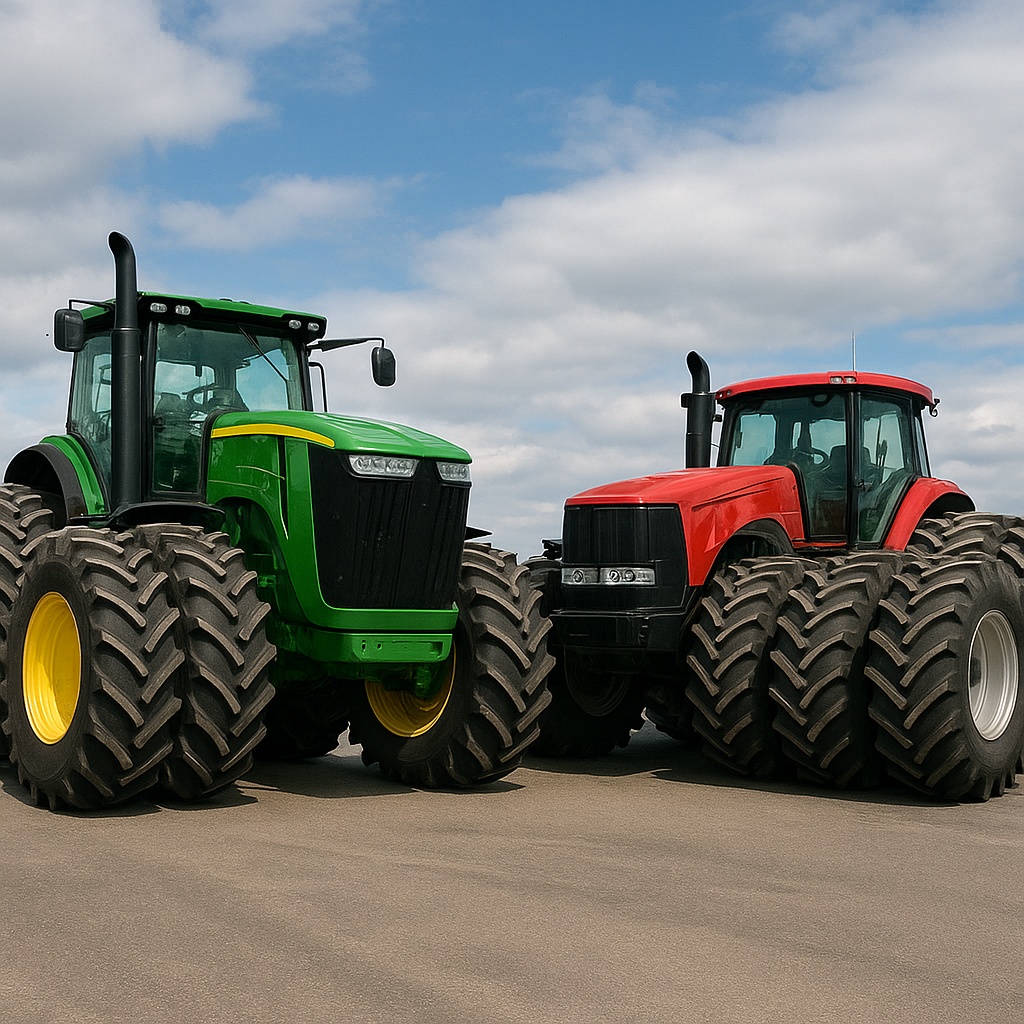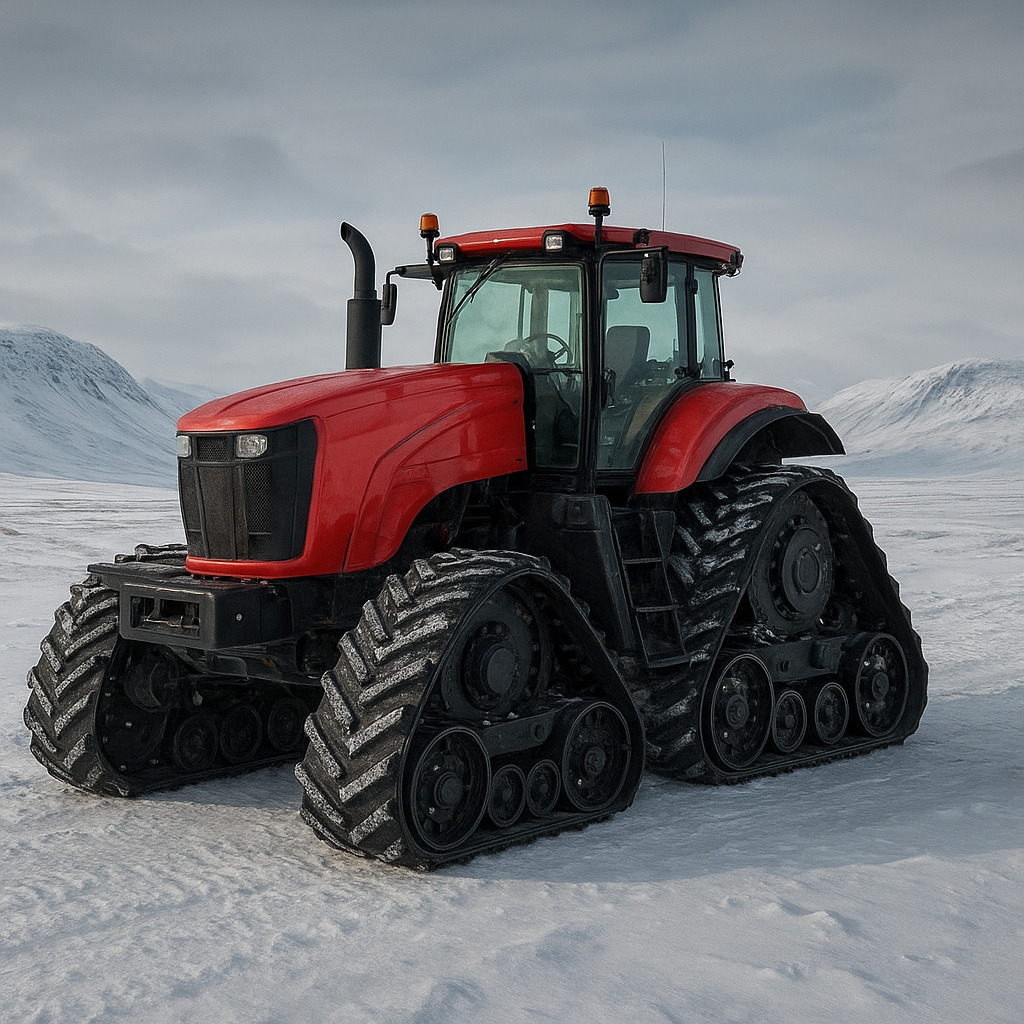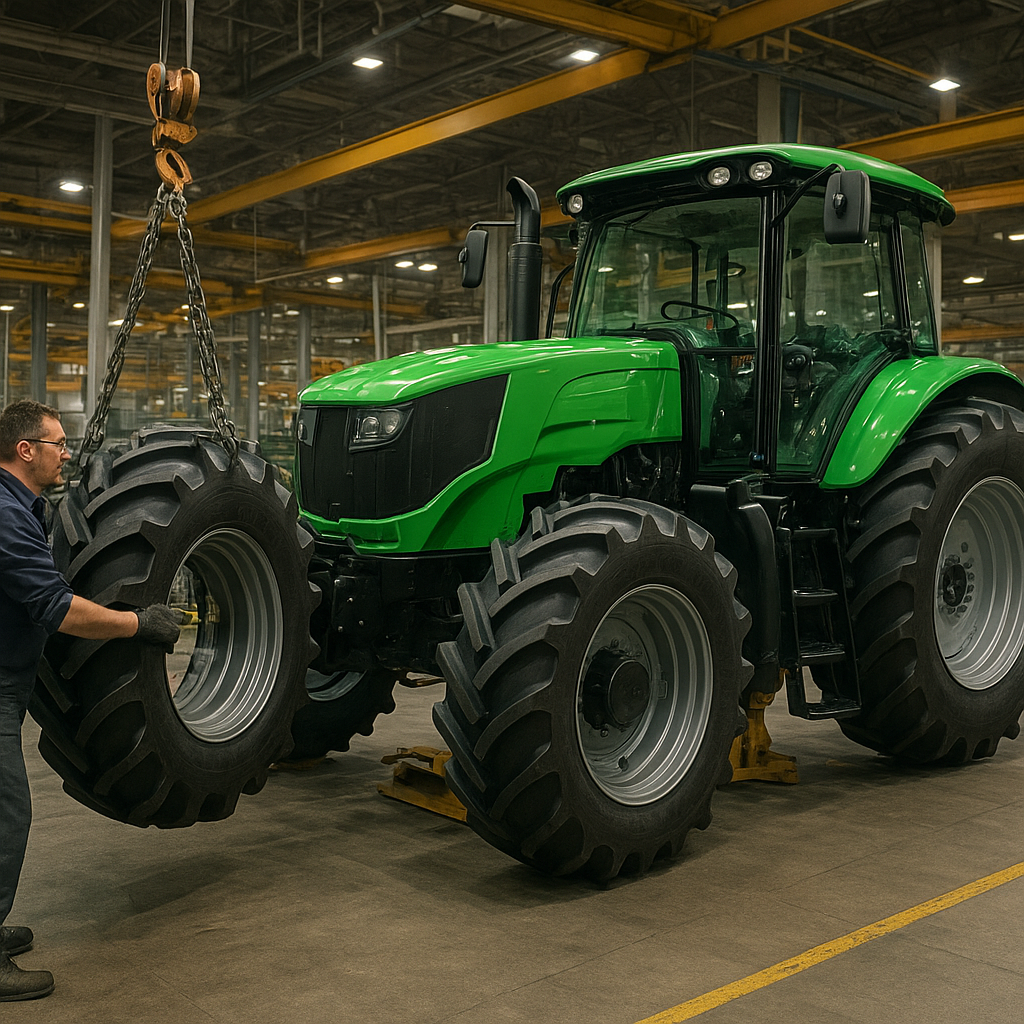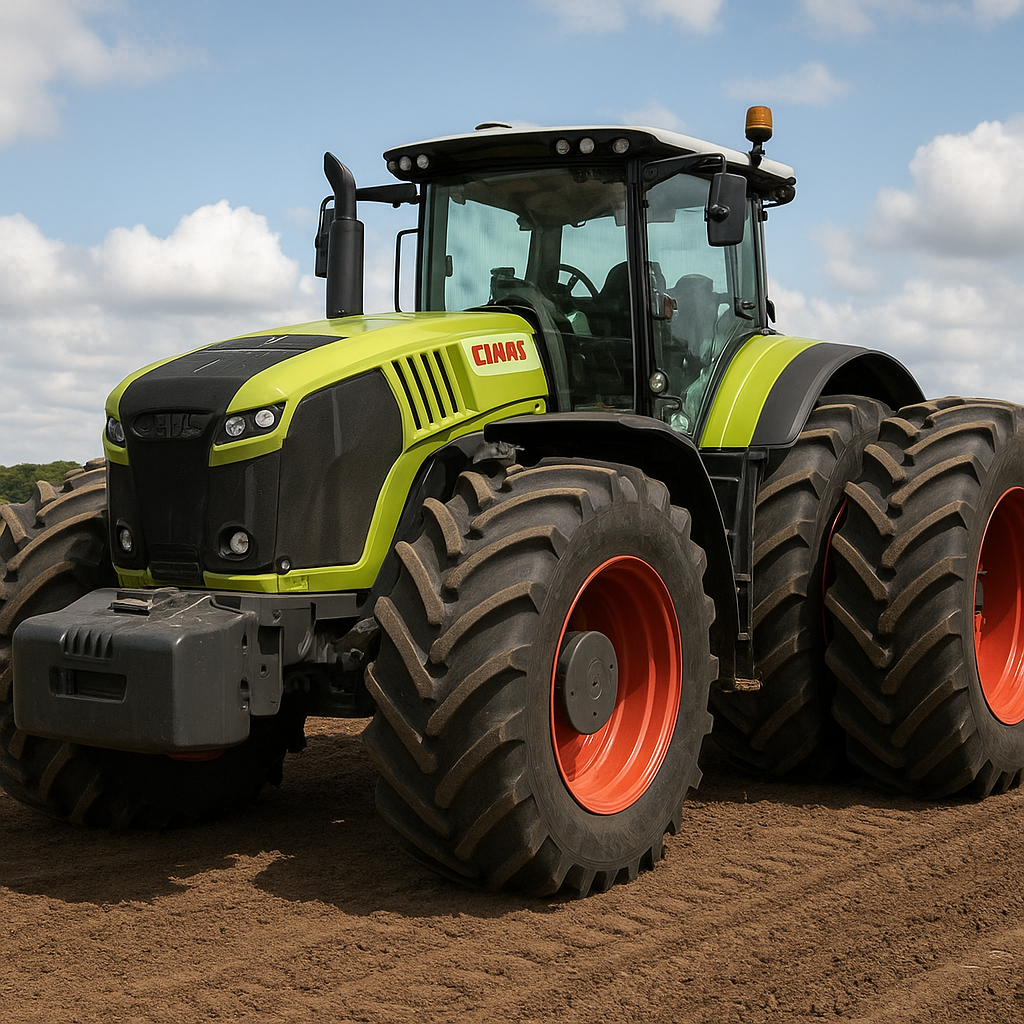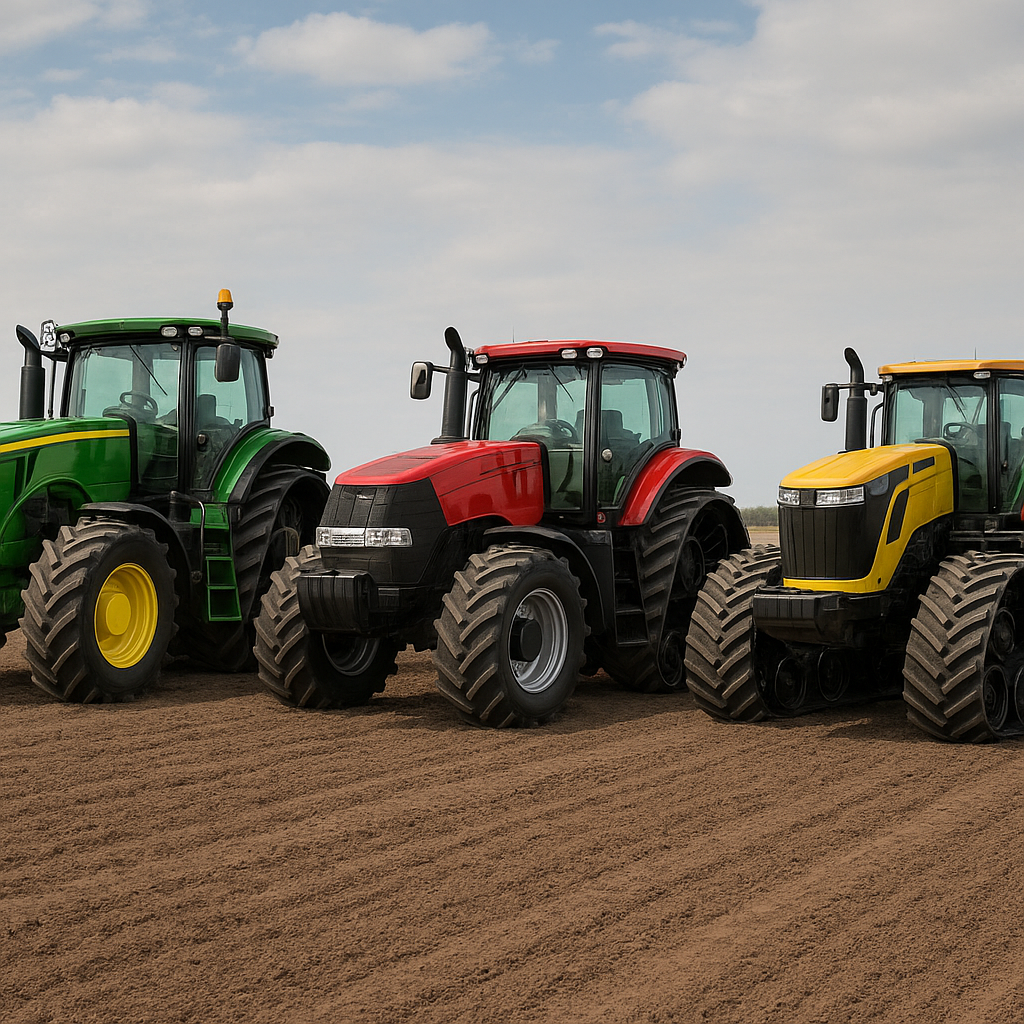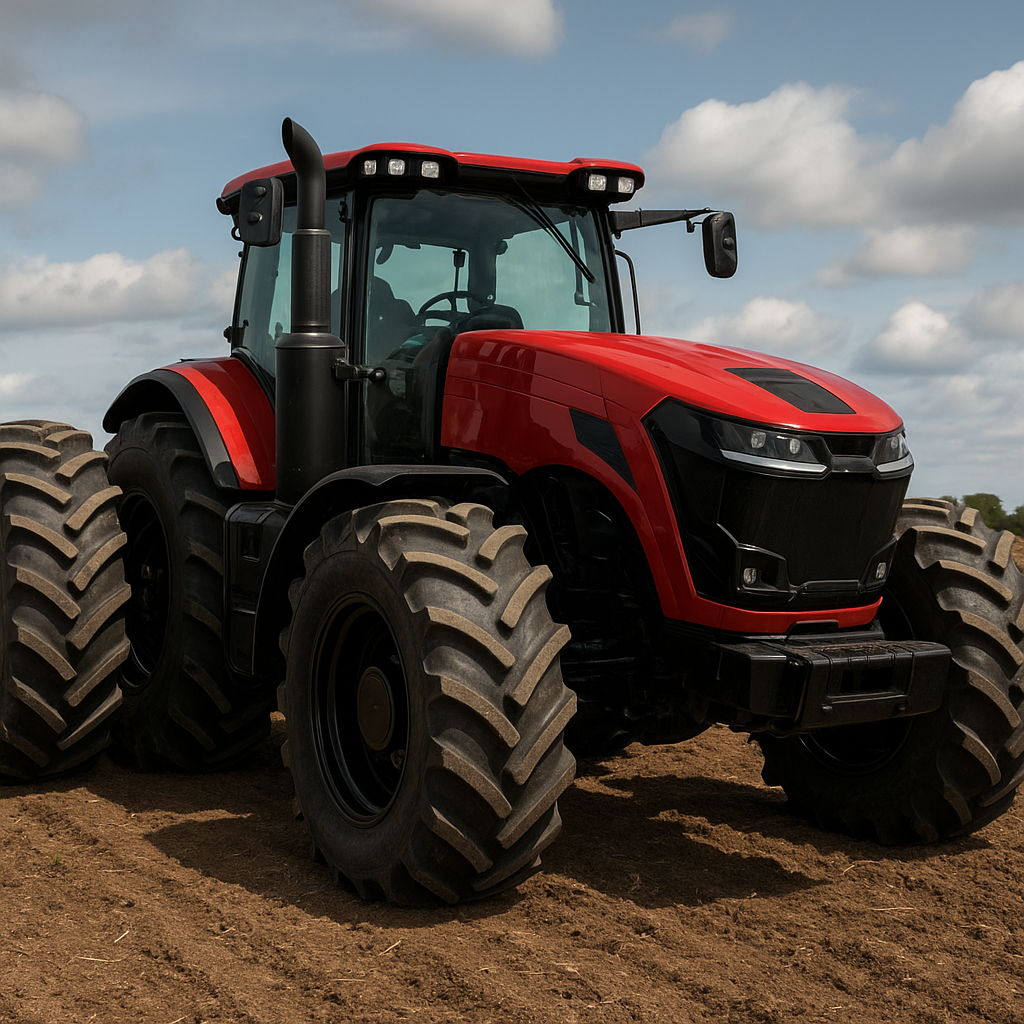
The agricultural landscape is witnessing a remarkable shift towards mega-machinery that redefines efficiency, power, and scale. Tractors delivering over 500 horsepower have become indispensable tools on vast farms and industrial operations. In this article, we explore the leading machines that set new standards in 2025, dive into the groundbreaking technologies driving their performance, examine the operational benefits and challenges they present, and consider what lies ahead for these mechanical giants.
Top 10 Tractors Over 500 Horsepower in 2025
-
Case IH Steiger Quadtrac 620
Boasting 620 hp, the Steiger Quadtrac 620 combines unparalleled traction with advanced suspension. Its four-track system reduces soil compaction and maximizes field coverage.
-
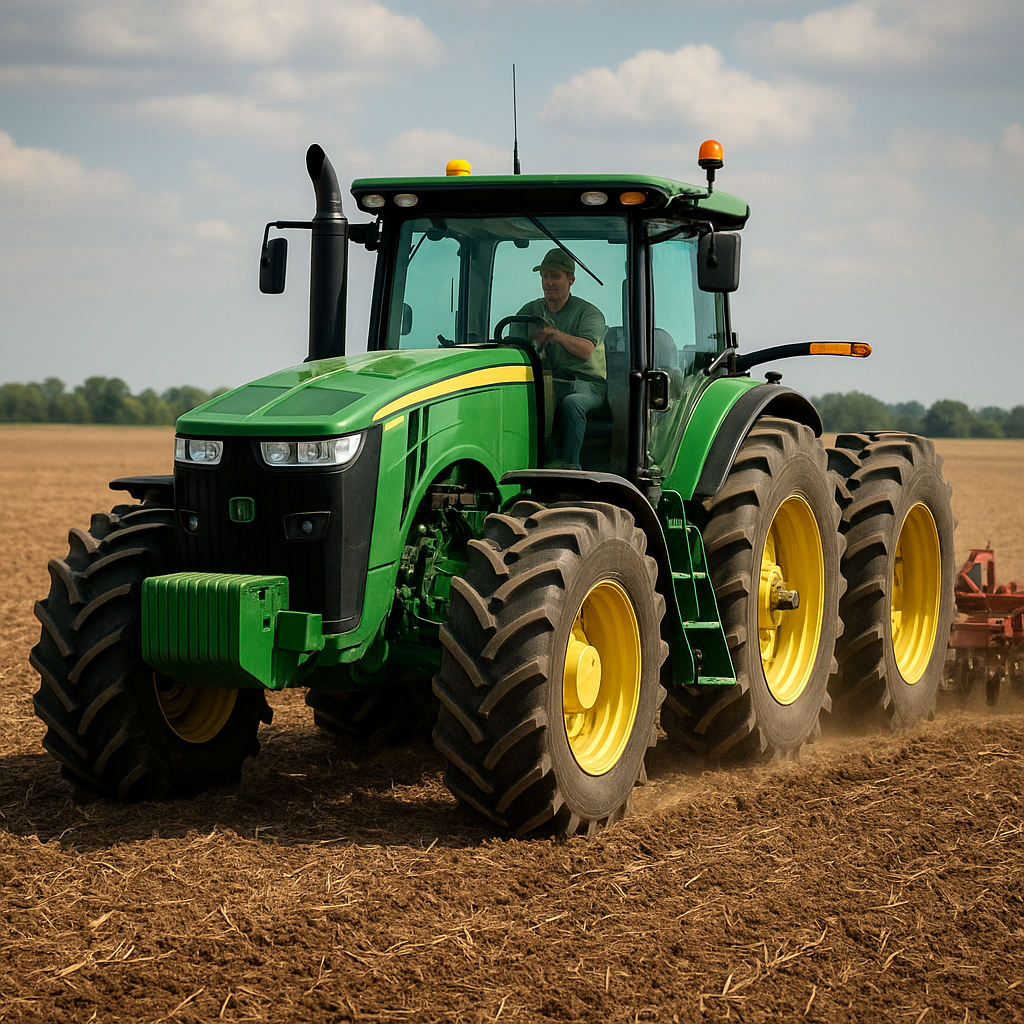
John Deere 9RX 680
With a mighty 680 hp powertrain, the 9RX 680 excels in both tillage and seeding. Integrated Autotrac guidance ensures precision steering across diverse terrains.
-
New Holland T9.645
This 578 hp beast features a robust EcoBlue HI-eSCR engine for optimal efficiency and low emissions while maintaining high torque output.
-
Massey Ferguson 9780 S
At 560 hp, the 9780 S delivers smooth power delivery through its advanced Dyna-VT transmission, offering seamless speed adjustments and reduced fuel consumption.
-
Fendt 1167 Vario
Powered by 673 hp, the 1167 Vario combines VarioDrive stepless transmission with a sophisticated load-sensing hydraulic system for superior control.
-
Challenger MT875E
This 552 hp model emphasizes durability with reinforced undercarriage components and a high-capacity cooling package to handle extended workloads.
-
Valtra S494
Valtra’s S494 offers 490 hp at the PTO but peaks above 500 hp at the engine, backed by SmartTouch armrest controls for fully customizable performance profiles.
-
Deutz-Fahr 9340 TTV
With 408 hp nominal and 436 hp boost, the 9340 TTV pushes its block to reach over 500 hp transiently, featuring cutting-edge engine management for innovation in emissions control.
-
AGCO IDEAL 9T
Though primarily a combine, the 9T chassis retrofitted with specialized implements yields over 500 hp, showcasing AGCO’s flexible modular approach.
-
JCB Fastrac 8330
Delivering 330 hp in base form, twin-turbocharging pushes the Fastrac 8330 to exceed 500 hp peaks, leveraging its renowned low-center-of-gravity design for stability at speed.
Technological Advancements Driving Mega-Machinery
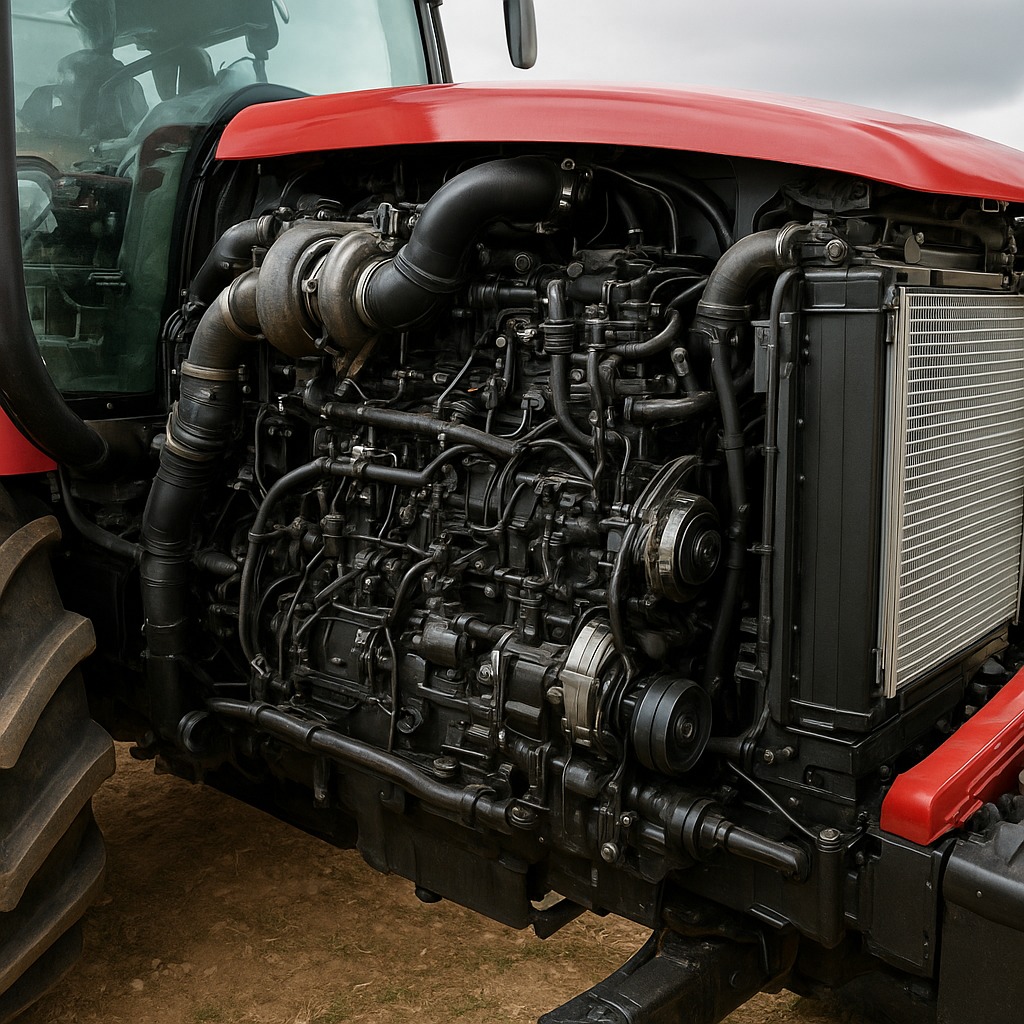
High-horsepower tractors are no longer just scaled-up versions of smaller models; they embody a suite of cutting-edge innovations. Modern powertrain systems integrate electronic engine tuning, variable geometry turbochargers, and precise fuel injection strategies to extract maximum performance while adhering to stringent emission regulations. Meanwhile, telematics platforms enable real-time monitoring of engine health, fuel usage, and field productivity, empowering farm managers to make data-driven decisions.
A key breakthrough is the shift towards hybrid and biofuel-compatible engines. Manufacturers are experimenting with electric-assist systems that reduce diesel dependency, offering bursts of extra torque during heavy draft work. This approach not only curbs operating costs but also enhances environmental sustainability. In-field sensors, combined with GPS and machine vision, facilitate autonomous operations such as seed spacing, variable-rate application, and obstacle avoidance, all of which contribute to farming precision unprecedented a decade ago.
Operational Benefits and Challenges
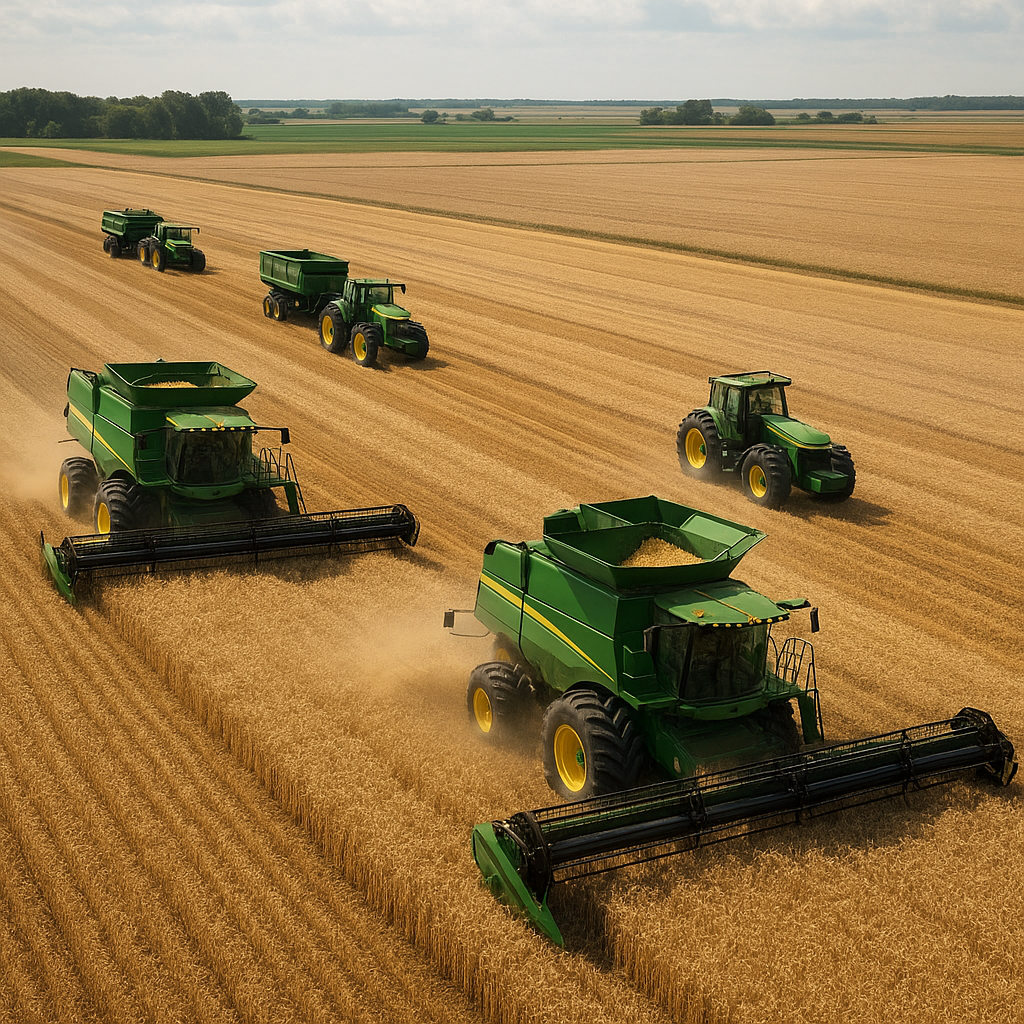
Implementing tractors over 500 hp can significantly boost productivity on large-scale farms. A single pass with a mega-tractor can replace the work of multiple smaller units, reducing labor requirements and field traffic. The enhanced torque reserves allow deep tillage and heavy-seeding tasks in one go, cutting turnaround times between planting windows. Coupled with multi-task implements—planters, sprayers, and spreaders—these machines streamline workflows and minimize soil disturbance.
However, several challenges accompany these advantages. The upfront cost of a 500+ hp tractor can exceed half a million dollars, necessitating careful financial planning or cooperative ownership models. Maintenance demands escalate with complexity; specialized service knowledge is critical to address advanced hydraulics, emission after-treatment systems, and sophisticated electronics. Field logistics also become more intricate, as wide implements require wider headlands and impeccable field boundary mapping to avoid crop damage.
Future Outlook for High-Power Tractors
The trajectory of tractor development points towards even greater automation and connectivity. Artificial intelligence is poised to refine route planning, predictive maintenance schedules, and adaptive field strategies based on soil moisture, crop health, and weather forecasts. Manufacturers are exploring fully electric platforms, where battery-energy storage systems deliver continuous high-power output without compromising soil integrity through excessive weight distribution.
Additionally, collaborative robotics will likely become standard. Swarms of smaller autonomous machines may operate in tandem with flagship 500+ hp tractors, performing complementary tasks like weeding, monitoring, and targeted treatments. This hybrid ecosystem ensures that mega-tractors focus on heavy-lift operations while agile robots handle delicate interventions, optimizing overall farm efficiency. As connectivity improves via 5G networks and low-earth-orbit satellites, remote diagnostics and over-the-air software updates will keep these mechanical titans at their peak performance, revolutionizing modern agriculture.