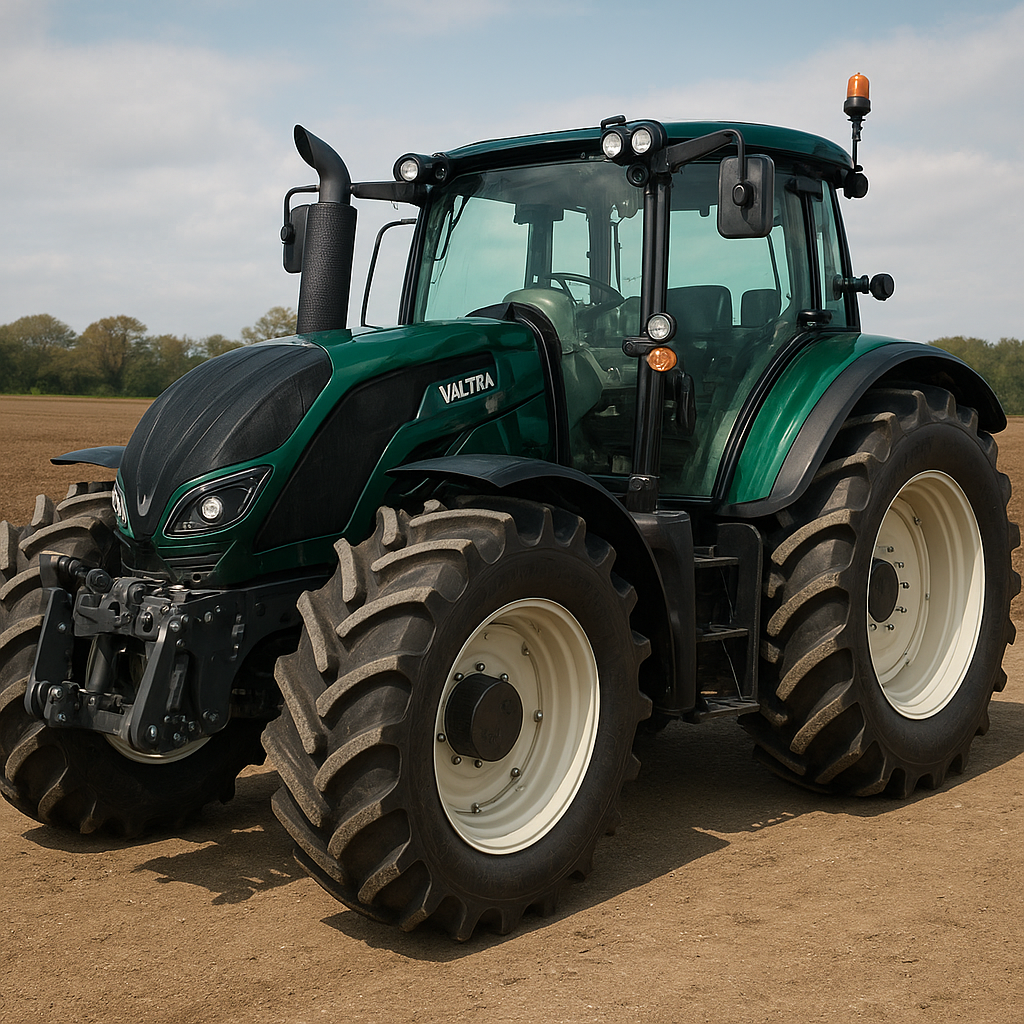
The Valtra N154e is a modern agricultural tractor designed to balance power, versatility and operator comfort. At the heart of the machine sits a robust engine paired with driveline options tailored to different tasks, delivering reliable horsepower and torque for demanding field work. With advanced transmission choices, modular attachments and an emphasis on versatility, the N154e is intended to meet the needs of mixed farms, contractors and specialized operations. Key characteristics include reliability, competitive fuel efficiency and a cabin focused on comfort and visibility.
Overview and positioning in the market
The Valtra N-series occupies a middle-to-upper position in the brand’s lineup, combining compact dimensions with high output and modularity. The N154e targets operators who need a tractor powerful enough for heavy implements yet nimble enough to work in tighter spaces than full-size row-crop tractors. Its design philosophy emphasizes customizable configurations—engines, transmissions, hydraulics and cabin options can be specified to match agricultural tasks, municipal work and light forestry operations.
Although specifications vary by market and the year of manufacture, the N154e is typically rated in the roughly 140–160 horsepower class (PTO rated power will be quoted by Valtra depending on local certification standards). Valtra sources robust, turbocharged engines compliant with current emissions regulations in most regions and pairs them with transmissions and hydraulic systems designed to support loader work, rear implements and PTO-driven equipment.
Design and technical features
Engine and emissions
The N154e is fitted with a modern, turbocharged diesel engine designed to provide broad torque across the working range. These engines are engineered for durability, incorporating features such as common-rail fuel injection, intercooling and electronic management systems that optimize combustion for power and emissions control. Across markets, Valtra uses engines that meet applicable Stage/ Tier emissions levels; depending on the region these may include selective catalytic reduction (SCR) or other after-treatment technologies.
Transmission and driveline
One of the strengths of the N-series is transmission variety. Customers can typically choose from mechanical synchromesh gearboxes, power-shuttle transmissions and continuously variable transmission (CVT)-like options depending on the year and specification. Typical features include:
- Power shuttle for seamless forward/reverse changes during loader work
- Multiple ranges and creeper options for low-speed precision tasks
- Optional four-wheel drive with differential locks for superior traction
- PTO speeds commonly include 540/540E and 1000 rpm options
Hydraulics and linkage
Hydraulic capacity and linkage strength are critical for modern tasks. The N154e offers a hydraulic system designed for heavy-duty three-point hitch operations and multiple remote valves for implements such as seeders, sprayers and bale handlers. Electronic hitch control and position control allow for precise implement management. Typical lift capacities at the rear hitch are in the range sufficient for most medium-to-large implements, and front linkage options are often available for loader-mounted implements.
Cab and ergonomics
Valtra prioritizes operator environment, providing a well-insulated cabin with excellent visibility, straightforward controls and adjustable seating. Climate control, noise damping and ergonomic joystick options for loader control reduce operator fatigue during long shifts. Instrumentation is often digital and customizable, offering clear readouts for engine parameters, fuel consumption and implement performance.
Applications and real-world uses
The N154e is designed for a wide array of applications due to its combination of power, nimbleness and configurable hydraulics. Common uses include:
- Arable farming: cultivating, planting, spraying and hauling grain trailers
- Hay and forage operations: mowing, raking, baling and bale handling
- Livestock farms: feed mixing, manure handling and yard maintenance
- Contracting: versatile enough for road-side mowing, snow clearing and seasonal work
- Light forestry: with protective packages and front loaders for timber handling
- Municipal services: street sweeping, salting, towing and ground maintenance
The modularity of the N154e makes it attractive for mixed farms where a single tractor must perform many duties. Its loader capability—combined with joystick control and good visibility—makes it particularly effective for materials handling, while high PTO and hydraulic performance support heavy implement use in the field.
Performance, efficiency and operational data
Performance in the field depends on configuration (tyres, final drive ratio, implement type) and operating technique. General expectations for an N154e-class tractor include strong drawbar pull at moderate speeds, efficient PTO power delivery and steady hydraulic flow under load. Fuel consumption will vary with load and tasks, but modern engines and electronic controls help optimize economy during both transport and PTO work.
When comparing tractors in this category, consider these performance indicators:
- Engine rated power and torque curve—important for PTO-driven implements and heavy draft work
- Hydraulic flow rate—critical for implement response and loader cycle times
- Transmission efficiency and range—affects field efficiency and transport speed
- PTO horsepower at operating rpm—determines implement performance
Manufacturers’ statistics such as fuel use per hectare or hourly fuel consumption are useful, but vary widely with the task. As a rough yardstick, tractors of this size often record fuel consumptions ranging from moderate figures during transport to higher values during intensive PTO or draft operations. Operators achieve best economy with correct matching of gear ratios, engine speed management and modern engine-management systems.
Options, configurability and attachments
A key selling point for Valtra is the degree of customization available. The N154e can be specified with a variety of factory-fitted options and dealer-installed attachments. Typical choices include:
- Front loaders with multi-function joystick and quick-attach systems
- Front hitch and PTO for two-end implement use
- Cab packages with premium audio, air-suspension seats and advanced lighting
- Hydraulic packages with extra remote valves, high-flow pumps and electronic prioritization
- Weight and ballast options for improved traction and stability
- Special tires for row-crop, turf, or heavy-traction applications
Because Valtra also offers factory-fitted solutions for niche tasks—such as orchard or vineyard configurations, forestry protection packages and municipal service kits—operators can often procure a machine tailored to their precise needs without extensive aftermarket modification.
Maintenance, serviceability and lifecycle costs
Maintenance intervals and servicing points
Routine maintenance is straightforward: regular oil and filter changes, fuel-filter replacement, air-filter service and monitoring of coolant and hydraulic fluids. Valtra designs service points for accessibility to minimize downtime. Service intervals depend on operating hours and load but following manufacturer recommendations and using genuine parts helps ensure longevity.
Lifecycle costs and total cost of ownership
When assessing total cost of ownership, consider:
- Purchase or lease cost and available finance packages
- Fuel consumption under typical workloads
- Servicing, parts availability and warranty coverage
- Resale value—Valtra tractors often hold value well in markets where the brand is established
- Operator productivity gains from comfort and ergonomics
Good maintenance practices, proper matching of implements and operator training significantly reduce long-term costs by minimizing fuel waste, reducing wear and improving uptime.
Safety, environmental considerations and compliance
Safety features include standard rollover protection, visibility aids (mirrors and optional cameras), and robust braking systems. Cab ROPS and seat belts are fundamental; optional lighting and beacons increase safety during road transport or night work.
On environmental aspects, modern Valtra engines comply with emissions standards for their markets, which may include Stage or Tier certification. Features such as efficient combustion, electronic fuel management and after-treatment systems reduce particulates and NOx emissions. Operators can further reduce environmental impact by employing best practices: proper implement matching, efficient route planning for transport tasks and regular maintenance to keep engines operating efficiently.
Buying advice and operator tips
For potential buyers weighing the N154e, consider these points:
- Define the primary tasks and match hydraulic flow, PTO speeds and hitch capacity to those tasks
- Decide on a transmission type based on the balance between field shifting needs and transport speed
- Factor in loader or front hitch requirements early; factory-installed options are often neater and better supported
- Check local dealer service network and availability of parts and certified technicians
- Consider resale markets in your region—tractor demand varies widely by country and farming system
Operator tips for getting the most from an N154e include regular monitoring of engine loads, operating at appropriate engine speeds for PTO work, using hydraulic flow management to reduce leaky circuits, and training operators to use shuttle and cruise functions for repeatable field tasks.
Comparisons with similar tractors
In its class, the N154e competes with mid-range tractors from other manufacturers that offer comparable horsepower and features. Key differentiators often include:
- Customization: Valtra’s emphasis on factory-built variants and telemetry options
- Operator environment: cabin ergonomics and visibility are often cited strengths
- Serviceability: dealer networks and parts availability vary by country
- Resale value: local brand reputation affects long-term value
Prospective buyers should compare spec sheets for hydraulic flow, rear hitch lift capacity, PTO torque, and transmission speeds—these technical numbers directly affect implement performance.
Statistics, usage figures and market notes
Exact production numbers and performance statistics for the N154e vary by model year and sales region. Valtra does not publish a universal “one-size-fits-all” spec sheet because tractors are often configured to order with regional options. That said, relevant statistics to ask dealers for include:
- Rated engine power (kW or hp) and maximum torque (Nm)
- Fuel tank capacity (litres) and typical operational range
- Hydraulic pump flow rate (l/min) and number of remote valves
- Rear hitch lift capacity (kg) at specific hitch positions
- Unladen and operating weights for transport and field stability calculations
In markets where Valtra is strong—Nordic countries, parts of Europe and Latin America—N-series tractors maintain robust resale prices. Contracting operations often favor used machines in this power bracket for their balance of versatility and durability.
Case studies and typical operator experiences
Farmers operating mixed enterprises (arable plus livestock) report that a model like the N154e allows them to reduce fleet complexity—one well-equipped tractor can handle planting, spraying and baling with appropriate implements. Contractors appreciate the combination of loader responsiveness and adequate power for seeding and tillage tasks on rental farms.
Municipal users highlight the benefits of a compact-yet-powerful machine for winter maintenance and ground-care tasks where maneuverability and front loader capability are essential.
Future-proofing and technology integration
Tractors in the N-series are compatible with many precision agriculture tools: GPS guidance, telematics and implement automation. These technologies enable reduced overlap during spraying and planting, lower input use and improved operator efficiency. When evaluating an N154e, consider whether you will add guidance systems or telematics, and confirm integration options with your dealer.
Conclusions
The Valtra N154e is a flexible and robust choice for operators seeking a balance of power, maneuverability and customizable features. Its strengths lie in a well-engineered operator environment, modular configuration options and driveline choices that adapt the tractor to a wide set of tasks—agricultural, municipal and light forestry. While exact technical specifications depend on market and chosen options, the machine is positioned as a reliable, efficient workhorse for farms and contractors that need a versatile mid-range tractor.
When considering an N154e, obtain the detailed specification sheet for the exact chassis and option package you need, confirm local service support and compare total cost of ownership across likely configurations. Proper matching of implements, attention to maintenance and the use of modern precision tools will maximize productivity and help realize the full value of the machine.