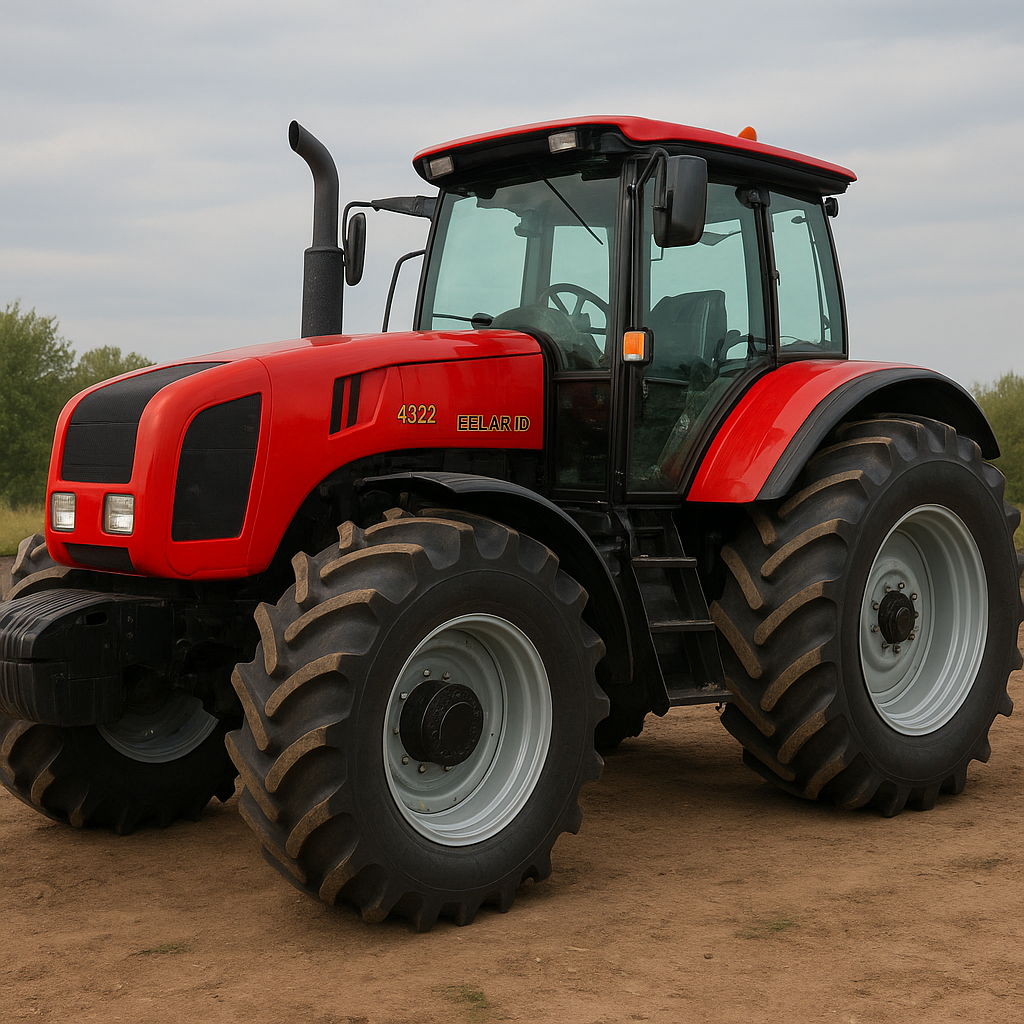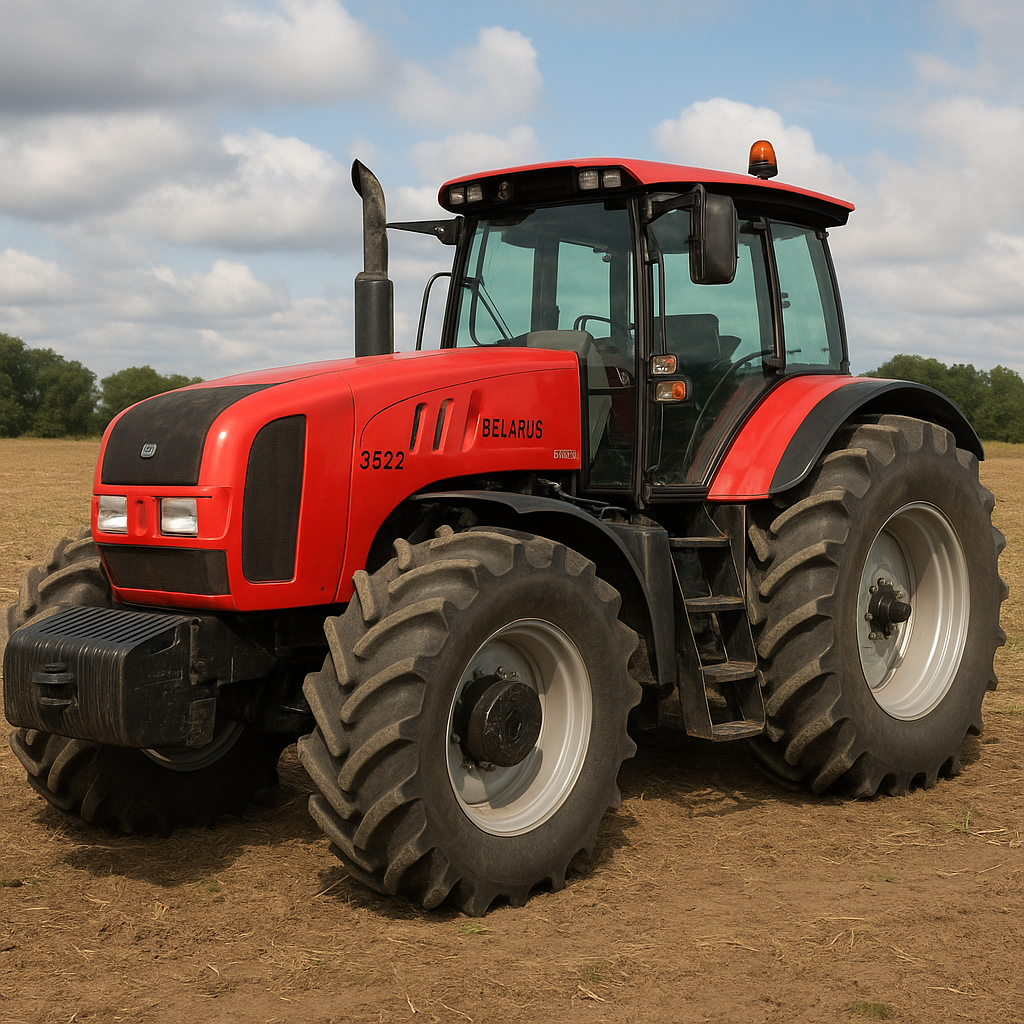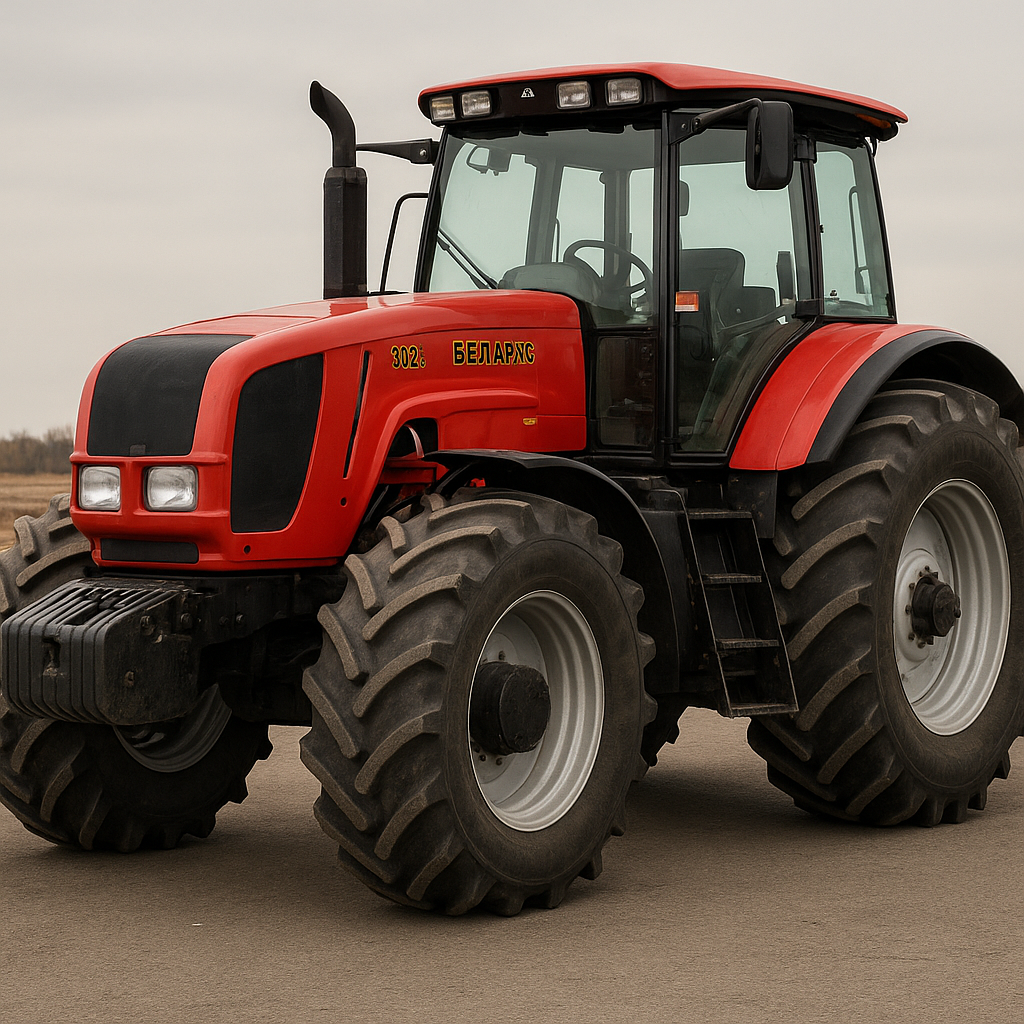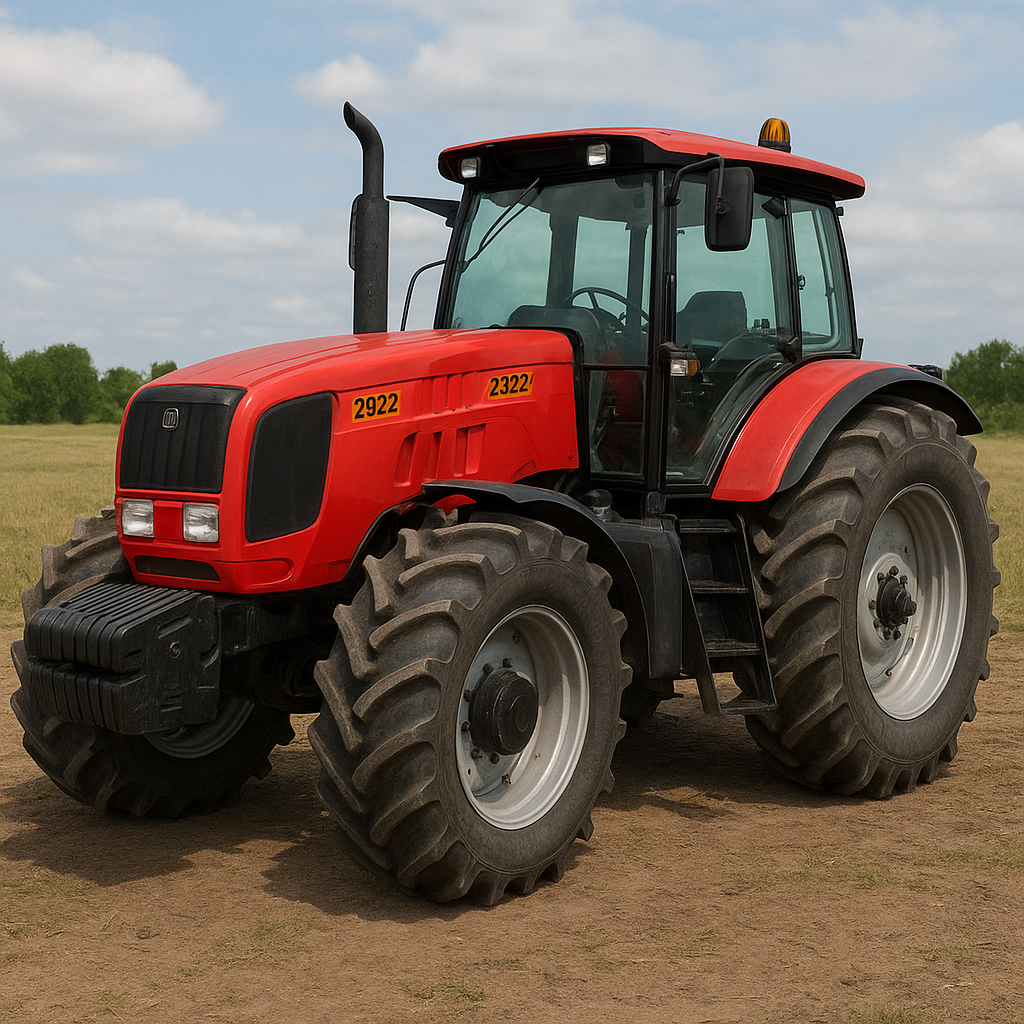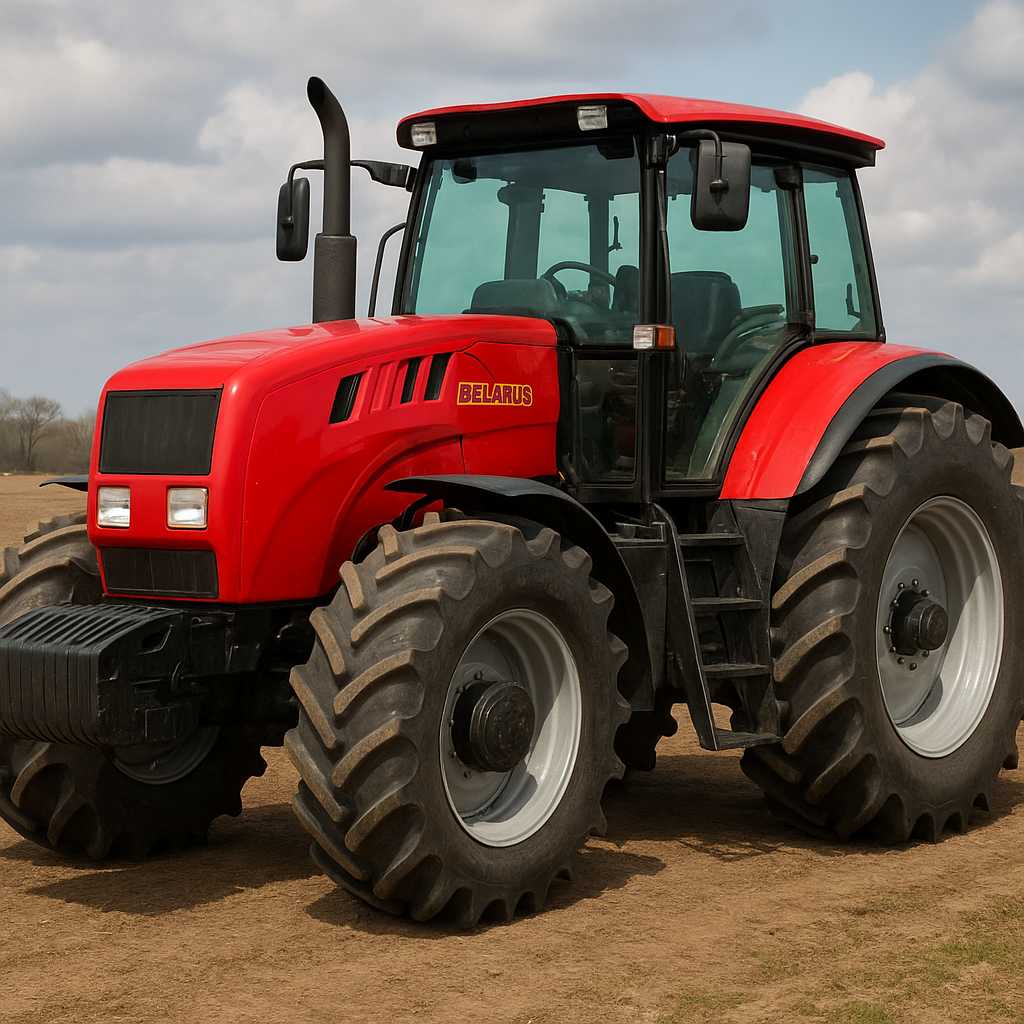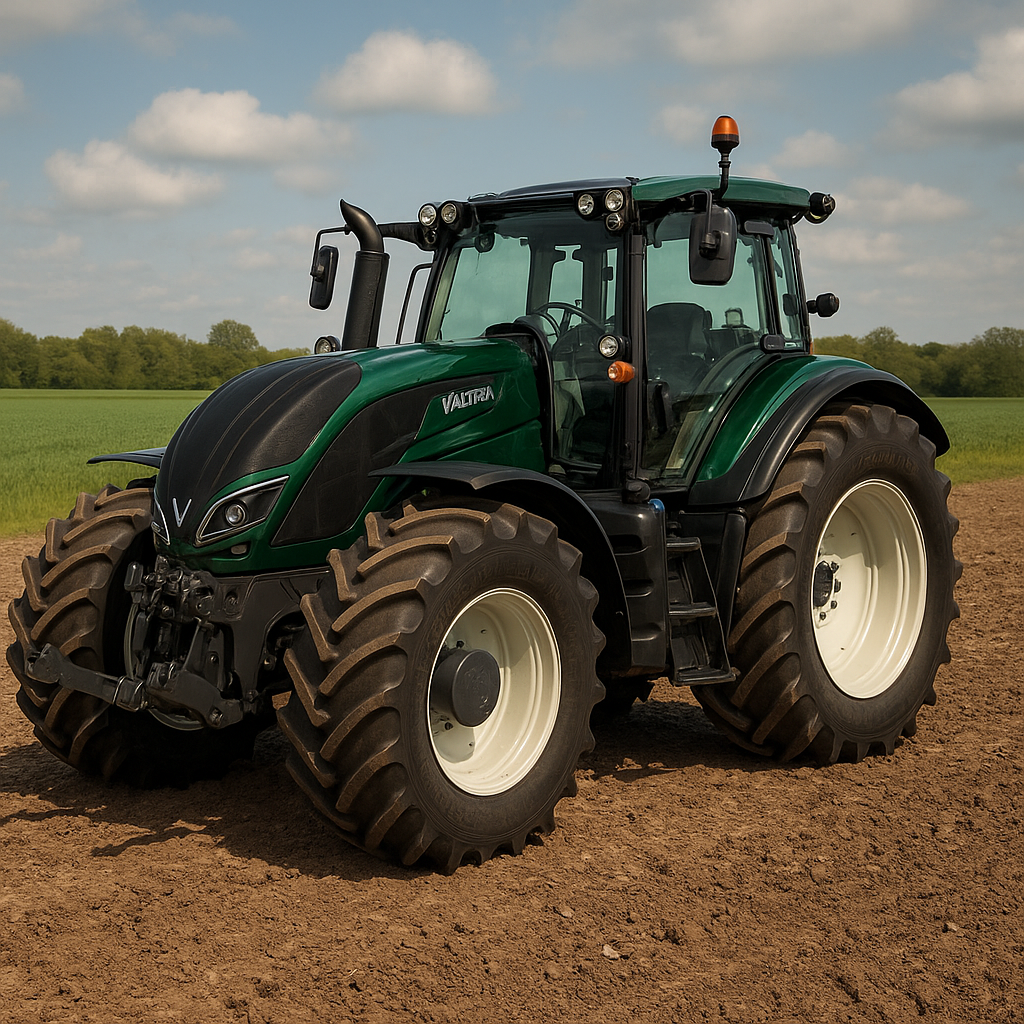
The Valtra T174 is a member of the manufacturer’s T-series lineup, designed to combine robust agricultural performance with flexibility for mixed-farm and contractor applications. In this article we explore the tractor’s background, technical characteristics, typical uses, technological features, and practical considerations for owners and operators. You will find a balanced view covering both operational strengths and the factors to weigh when considering the T174 for purchase or fleet integration.
Overview and positioning
Valtra, a brand known for customizing tractors to meet regional and operator-specific needs, positions the Valtra T174 as a medium-to-high-power utility tractor. The model number conventionally indicates a nominal power class around 170–175 horsepower. The T174 sits between lighter utility tractors and the largest field tractors, making it suitable for demanding tasks that don’t require the extreme horsepower of specialized high-horsepower machines.
Design philosophy and target users
The T174 is aimed at farms and contractors that need a reliable, all-purpose machine. Key target users include:
- Mixed farms that alternate between arable work, grassland management, and livestock-related tasks
- Contractors who require a versatile, dependable tractor for a range of implements
- Regional operations where maneuverability, comfort, and year-round use (field work, transport, loader work) are required
Valtra’s customization options make the T174 particularly attractive to buyers who want factory-fitted options for front loaders, twin-link hydraulics, specialized cabs, and task-specific electronics.
Technical specifications and performance (typical values)
Exact specifications vary by model year and optional equipment. The figures below reflect common configurations and typical factory options for the T174 series; always consult the official Valtra specification sheet for the exact year/model you are evaluating.
- Power: Nominal engine power usually around 170–175 hp, with peak or maximum power that can be slightly higher under boost conditions.
- Engine: Turbocharged diesel engine designed for torque-rich operation and long service intervals. Displacement commonly in the medium range for this class, engineered for fuel economy and durability.
- Transmission: Available transmissions typically include powershift (Versu or similar) and direct CVT-style options (Direct) depending on year and configuration. Speeds up to 40 km/h are standard for road transport variants.
- Hydraulics: Closed-center or open-center hydraulic systems configured for high flow; typical pump flows are in the range of approximately 120–180 L/min depending on options and whether multiple pumps are specified.
- PTO options: Standard 540/540E/1000 rpm PTO selections are common, with independent or live PTO configurations to suit various implements.
- Weight and dimensions: Kerb/operating weight is often in the 5–7 tonne range; wheelbase and overall length are tailored to balance stability and maneuverability.
- Fuel capacity: Tanks sized to provide extended run time; typical capacities range from roughly 250–400 liters depending on options and adjoined auxiliary tanks.
Performance characteristics emphasize torque delivery at low revs and versatility across tasks. For example, a typical T174 will deliver strong tractive effort for ploughing or heavy cultivations, while offering smooth acceleration and fine speed control for PTO-driven implements such as balers and mowers.
Key features and operator-focused technology
The T174’s appeal is rooted in a combination of drivetrain options and operator-focused features that increase productivity and comfort.
Transmission and driveline
- Multiple transmission choices allow buyers to prioritize fuel efficiency, simplicity, or seamless power delivery. The direct/continuously variable (CVT-like) options offer stepless speed control which is especially beneficial for front-loader work and transport.
- Robust four-wheel-drive systems with lockable differentials enable confident traction in muddy, snowy, or uneven conditions.
Hydraulics and implement control
Hydraulics form a central part of the T174’s capability: high-flow pumps, multiple remote spool valves, and electronic control options allow it to power advanced implements. For contractors and large farms, the ability to handle hydraulic motors, large seeders, and heavy fertilizer spreaders makes the T174 a strong performer.
Cab, ergonomics, and visibility
The cab is designed for long workdays: comfortable seating, low noise levels, and an ergonomic control layout. Visibility is optimized for front-loader work and implement attachment, while heating and air-conditioning systems ensure operator comfort across seasons.
Precision farming and electronic systems
Valtra has integrated modern electronic systems to enhance productivity and reduce operator fatigue:
- ISOBUS compatibility for seamless communication between tractor and implements
- Automated steering and guidance compatibility (e.g., AutoGuide or equivalent), improving accuracy in field tasks and reducing overlap
- Telematics and remote monitoring packages available for fleet managers who need data on fuel usage, engine hours, and location
Applications: where the T174 shines
The T174 is a genuinely multipurpose tractor, capable of handling a broad set of agricultural and utility tasks. Typical applications include:
- Field cultivation: Ploughing, harrowing, and cultivation of medium to large fields where horsepower and traction are required.
- Seeding and planting: Power to tow planters and seed drills, with hydraulic precision to manage depth and lifting.
- Forage and grassland: Mowing, tedding, raking, and baling—tasks that demand steady PTO power and responsive hydraulics.
- Loader work: Handling silage, feed, and materials with front loaders; the T174’s stability and hydraulic flow make it an efficient yard machine.
- Transport: Regional transport and carting operations due to efficient transmissions enabling road speeds up to 40 km/h.
- Contracting: Versatility and serviceability make the T174 a common choice for contractors who need to switch between implements regularly.
Because of its balance of power, comfort, and hydraulic capacity, the T174 is often used as the primary tractor on many medium-to-large farms, offering reliable performance across seasonal peaks like planting and harvest.
Attachments, implements and customization
One of Valtra’s strategic strengths is offering a high degree of factory customization. The T174 can be configured with an array of attachments and options:
- Front loaders and quick-attach systems designed specifically for the tractor’s chassis
- Front-mounted implements like mowers, snow blowers, and pallet forks
- Rear three-point hitches with various lift capacities and mechanical or electronic controls
- Specialized hydraulic kits for implements requiring high flow rates or multiple control circuits
- Optional weights, ballast solutions, and dual-wheel/hub options to adapt for field vs. transport work
Valtra’s factory-installed packages often include enhanced lighting, reinforced front linkage, and bespoke cab options that make the tractor ready for immediate specialized use out of the gate.
Fuel economy, operating costs and maintenance
Operating costs for the T174 will depend on usage patterns, service schedule adherence, and regional fuel prices. Broad observations include:
- Fuel consumption typically reflects the task: light transport or loader work may average lower fuel rates (single-digit to low double-digit liters per hour), while heavy tillage can push consumption into the mid-teens or higher. A conservative operational estimate for medium-to-heavy duty could be in the range of ~10–18 L/h depending on the implement and field conditions.
- Routine maintenance intervals—such as engine oil changes, hydraulic oil checks, and filter replacements—are designed to maximize uptime. Many Valtra designs emphasize long service intervals without sacrificing durability.
- Resale values for Valtra tractors tend to hold reasonably well in markets with strong brand recognition, driven by the brand’s reputation for robustness and customizability.
Planned maintenance and correct use of OEM or approved components help control lifecycle costs. Telemetry and remote-monitoring options also assist managers in optimizing maintenance and detecting issues early.
Safety, environmental and regulatory considerations
The T174 incorporates features aimed at operator safety and regulatory compliance:
- Operator protection structures, rollover protection, and well-designed cab ergonomics lower the risk in daily operations
- Emissions controls compliant with prevailing regulatory standards for the model year reduce particulate and NOx emissions; specific compliance levels depend on the year (e.g., Tier 4 Final/Stage IV or later designs where applicable)
- Fuel-efficient engine tuning and transmission choices help reduce emissions per hectare of work performed
For operations focused on sustainability, options like optimized hydraulic and transmission control, along with electronic management systems, can help lower fuel usage and emissions while maintaining productivity.
Market position and comparisons
In the 150–200 hp tractor bracket, the T174 competes with machines from major manufacturers such as John Deere, New Holland, Massey Ferguson, Case IH, and Fendt. Valtra’s competitive advantages often include:
- High level of factory customization and regional adaptation
- Strong reputation for durability in harsh climates
- Robust hydraulics and implement compatibility
- Operator-friendly cab and control layouts
Potential buyers should compare total cost of ownership, dealer support networks, available telematics, and option packages when choosing among brands. Valtra is particularly strong in European and Nordic markets, where its adaptation to cold climates and forestry/field versatility are valued.
Practical buying and ownership tips
If you are considering a T174, consider the following guidance to maximize value:
- Define the typical tasks and power demands: choose the transmission and hydraulic option that matches the implements you will use most frequently.
- Inspect any desired optional packages (front linkage, loader brackets, telematics) to ensure they are factory-integrated where possible—factory installs often mean better warranty and durability than aftermarket retrofits.
- Evaluate local dealer support for parts and service—serviceability and access to diagnostic tools reduce downtime.
- For used machines, obtain a full service history and confirm any major repairs, especially to the engine and transmission. Check for signs of heavy loader or contracting use which can increase wear.
Real-world performance and operator experience
Operators often praise the T174 for its balance of power and comfort. Common real-world highlights include:
- Smooth power delivery that aids precision tasks like baling and drilling
- Responsive hydraulics that reduce implement lag and improve cycle times for loader operations
- Comfortable cab and controls that reduce operator fatigue during long shifts
- Ability to swap roles quickly—from field to transport to yard duties—without sacrificing efficiency
Some owners note that the best value from a T174 is obtained when leveraging Valtra’s customization during purchase, avoiding costly retrofits and ensuring the tractor matches the farm’s workflow from day one.
Conclusion
The Valtra T174 is a versatile and reliable tractor that fits the needs of medium-to-large farms and many contracting operations. Its strengths lie in balanced power, adaptable transmission choices, robust hydraulics, and operator-focused cab design. With a wide range of factory options and modern electronic aids like ISOBUS and automated guidance compatibility, the T174 is a practical choice for users who need a dependable, multi-role machine. As with any major equipment purchase, matching specific configurations to intended tasks, verifying local support, and reviewing maintenance histories for used units will help ensure the tractor delivers lasting value.