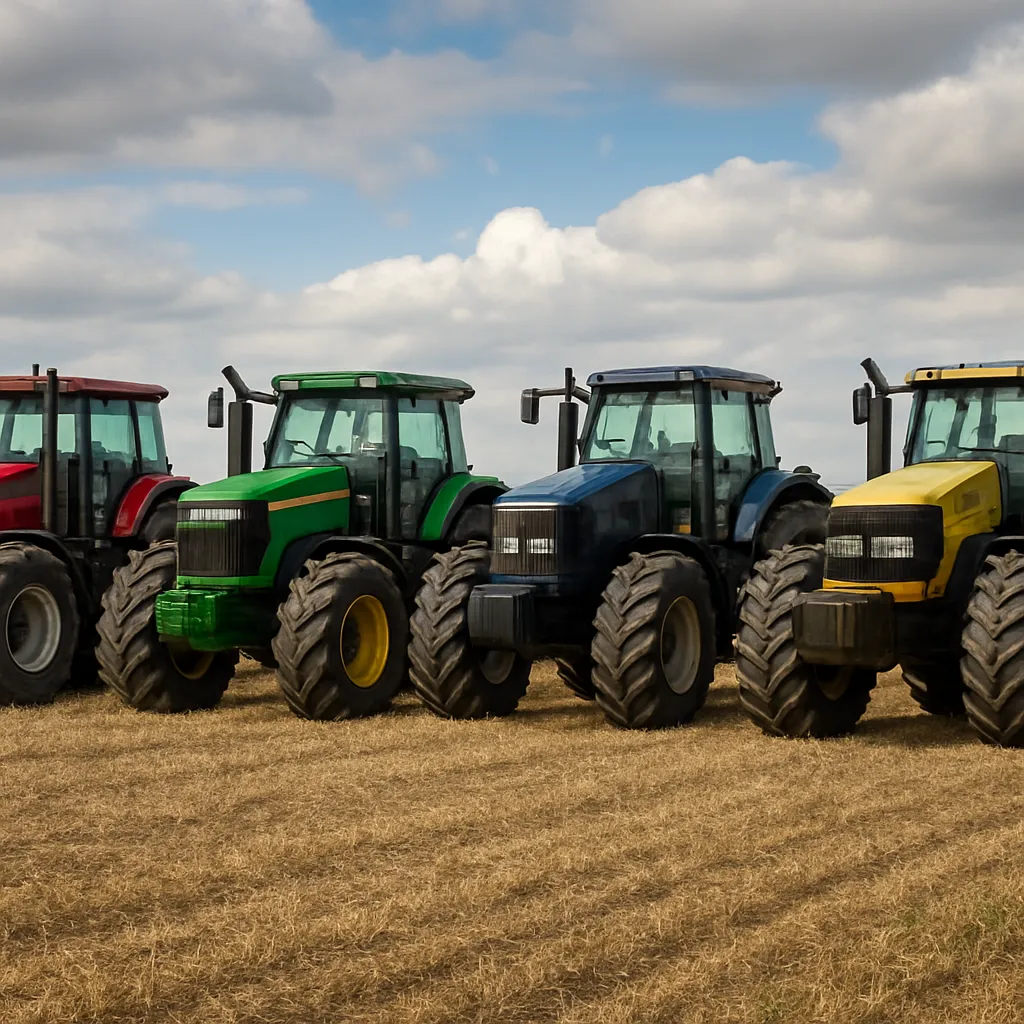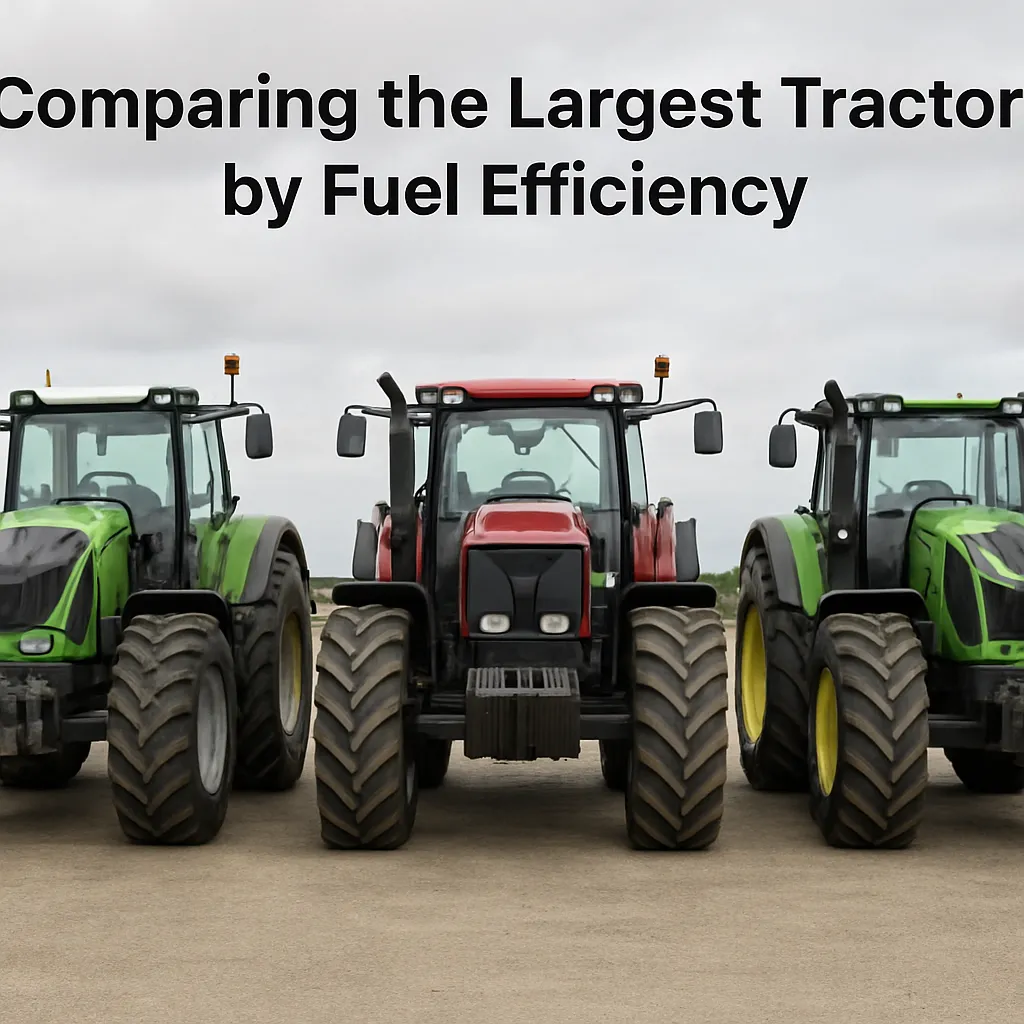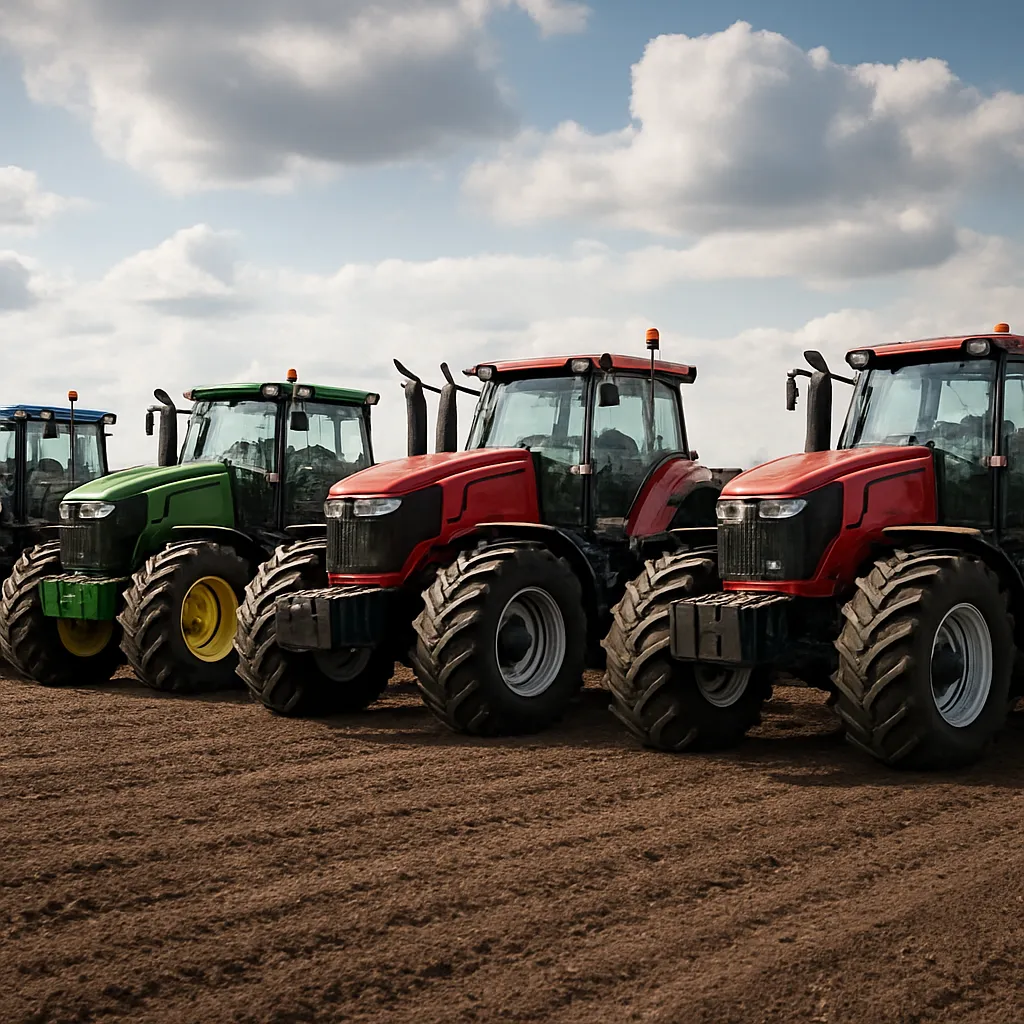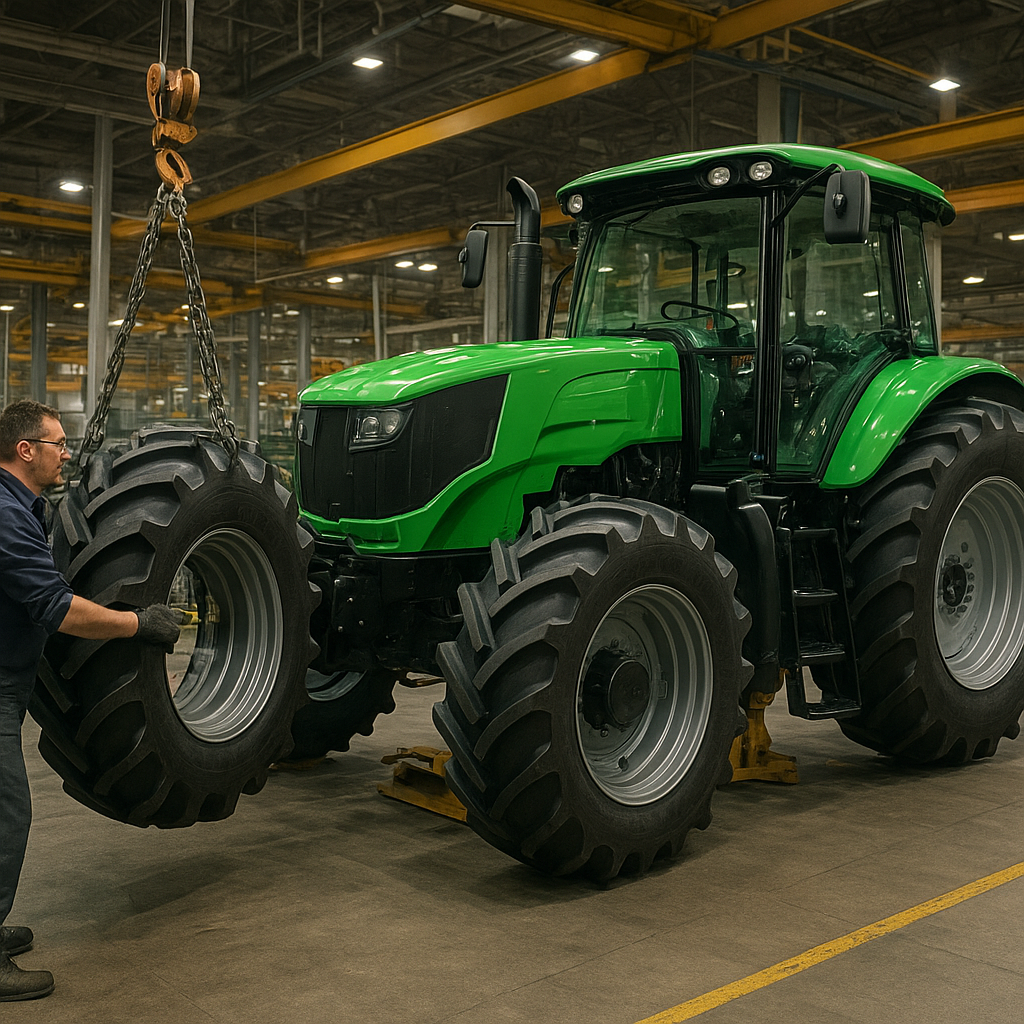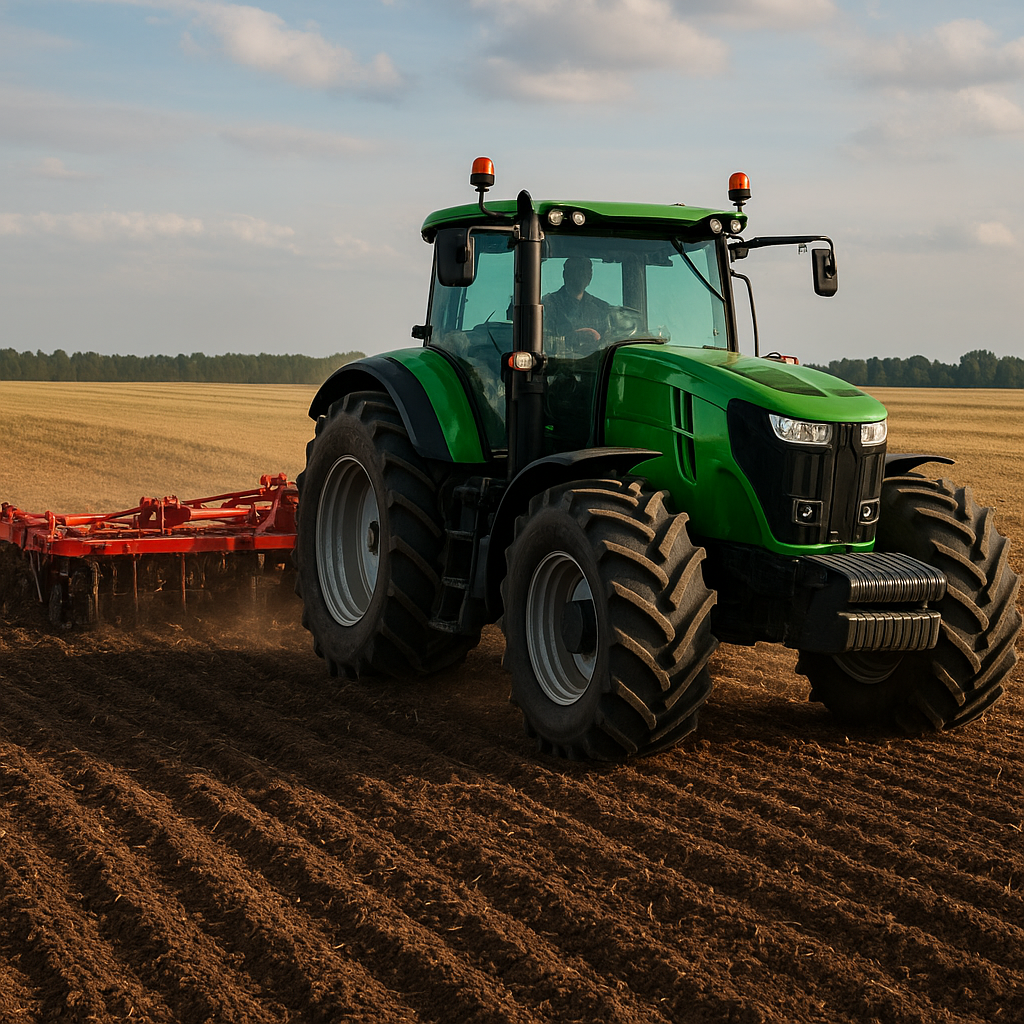
The advent of giant-scale tractors has transformed the landscape of modern agriculture by introducing unprecedented levels of efficiency and operational capacity. Handling expansive fields with heavy-duty implements, these machines enable farmers to cultivate thousands of acres in a fraction of the time once required. In this article, we explore the history, engineering marvels, and practical benefits of the world’s largest tractors, illustrating why they remain indispensable on large-scale farms.
Evolution of Massive Farm Machinery
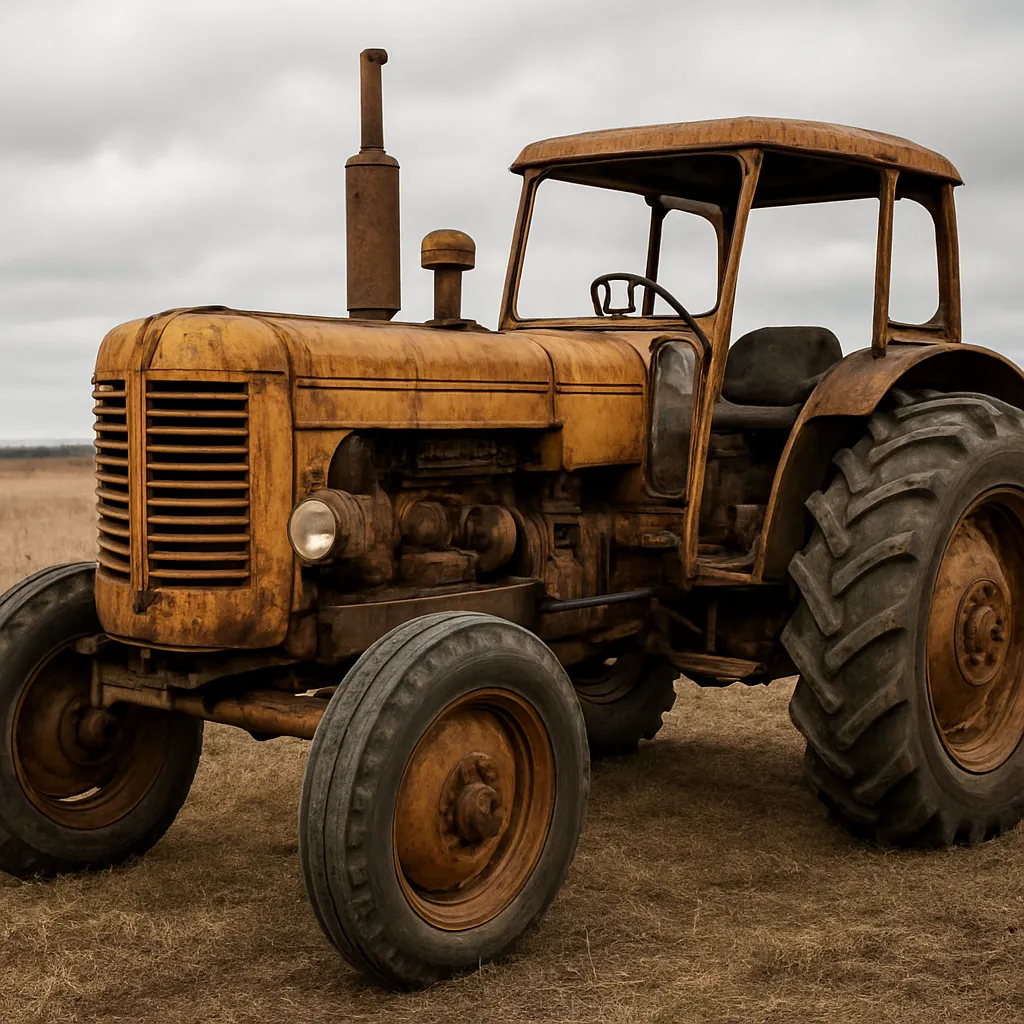
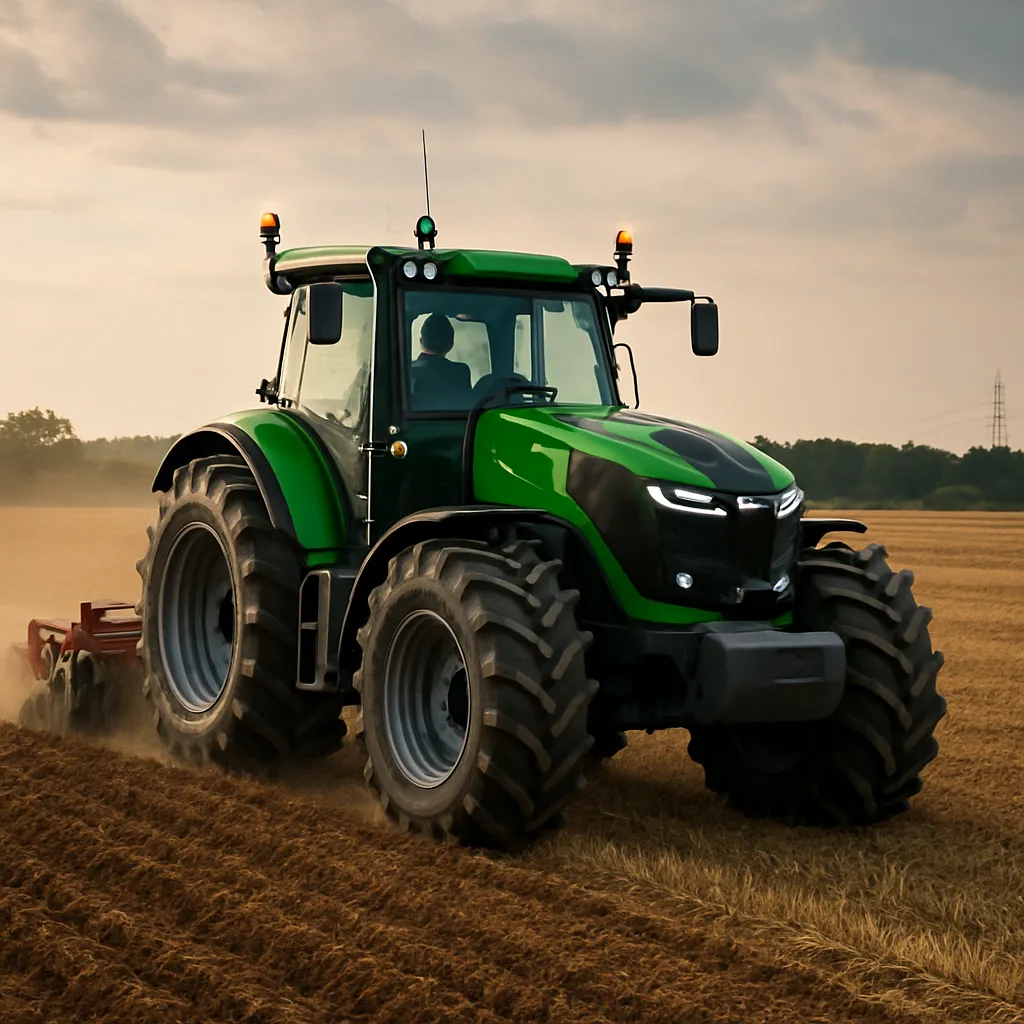
Early tractors were modest in size and power, designed primarily for small family farms. As farm consolidation gathered pace and fields expanded, manufacturers responded with machines boasting ever-higher horsepower ratings. Today’s top-of-the-line models can deliver more than 600 engine horsepower, combining muscle with sophisticated electronics to handle heavy implements such as multi-section plows, wide seeders, and large sprayers.
Key milestones in this evolution include:
- 1950s–1960s: Introduction of diesel engines replacing gasoline power, significantly boosting torque and fuel economy.
- 1970s: Emergence of four-wheel drive (4WD) tractors, offering superior traction in challenging soil conditions.
- 1990s: Integration of onboard computers for engine control, basic guidance, and improved fuel consumption.
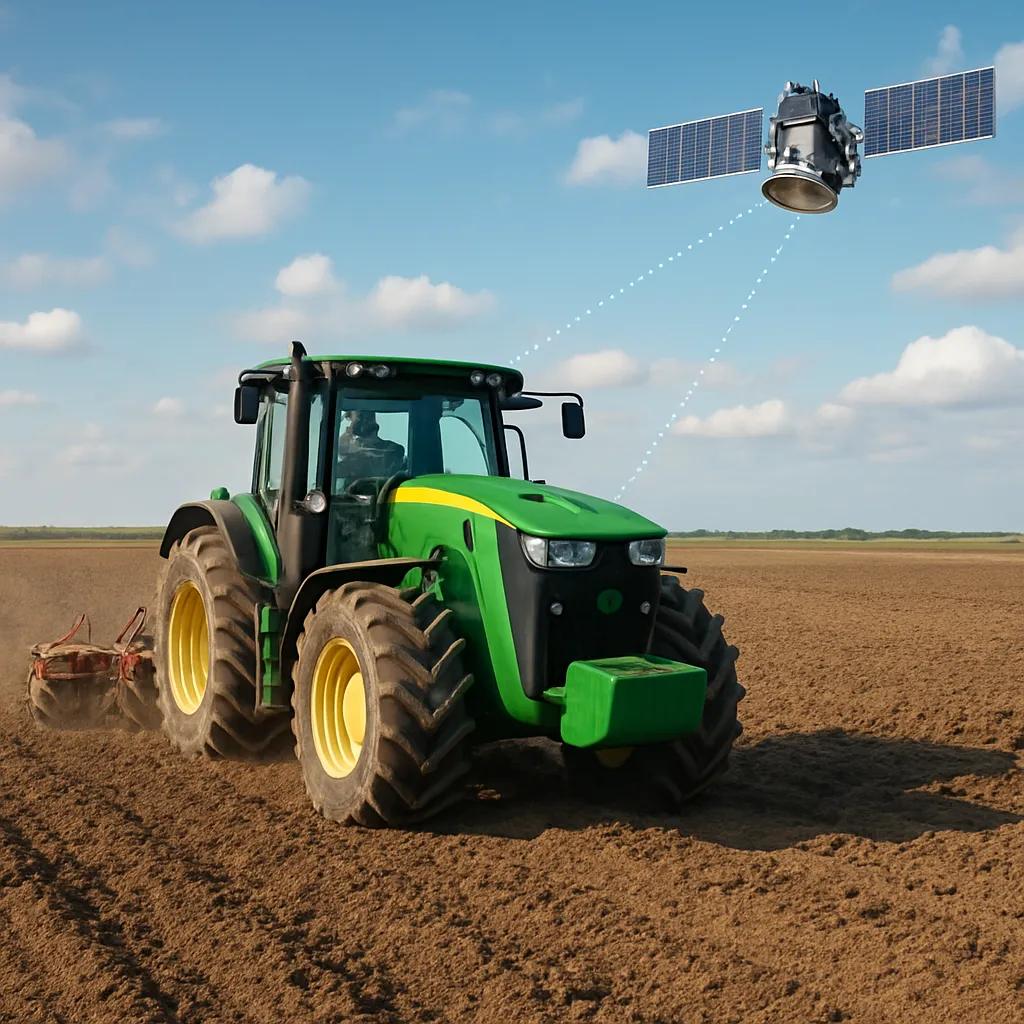
- 2000s–Today: Full-scale automation, GPS-based precision steering, and telematics connect tractors to farm management systems.
Manufacturers such as John Deere, Case IH, New Holland, and Fendt have all raced to outdo one another, introducing models with increasingly powerful engines, advanced hydraulics, and operator comforts that rival luxury vehicles. This ongoing innovation has elevated tractor design from simple workhorses to highly specialized platforms capable of multitasking in any season.
Key Features of the Biggest Tractors
Modern mega-tractors are distinctive for several standout characteristics:
- Horsepower and Torque: Engines exceeding 500–700 HP allow these tractors to pull massive implements, reduce the number of passes across the field, and maintain high speeds under load.
- Transmission Systems: Infinitely variable transmissions (IVTs) and advanced power-shift gearboxes ensure smooth acceleration, optimized fuel usage, and mechanical longevity.
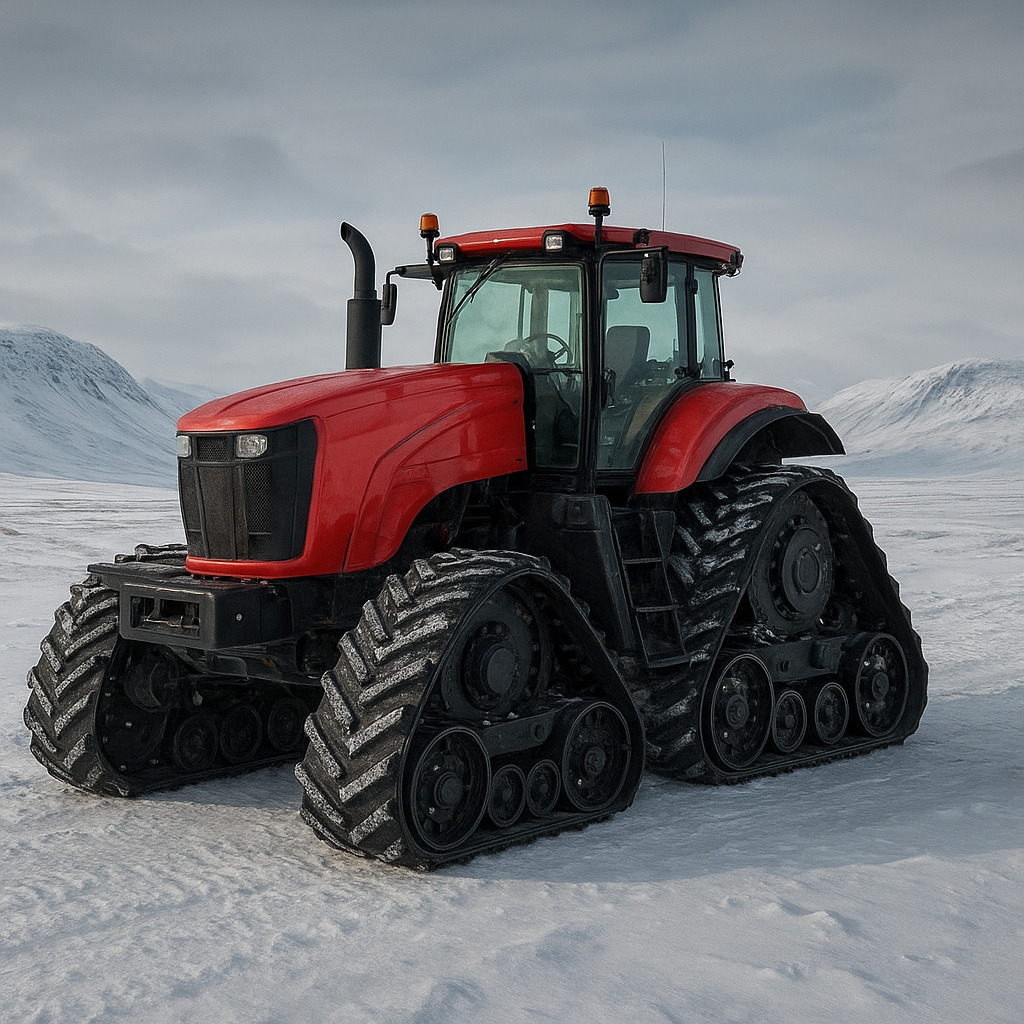
- Tire and Track Options: Wide, low-pressure tires or full rubber tracks distribute weight evenly, minimizing soil compaction and improving traction on soft ground.
- Hydraulics and PTO Capacity: Multiple hydraulic circuits and high-capacity Power Take-Off (PTO) shafts deliver consistent power to large seeders, planters, and balers.
- Cab Comfort and Control: Air-suspended seats, climate control, touch-screen monitors, and ergonomic dashboards reduce operator fatigue during long shifts.
- Precision Farming Tools: Integrated GPS, auto-steering, and section control technology enable farmers to plant and spray with centimeter-level accuracy.
Many top-tier tractors also support real-time data exchange, offering live feedback on fuel consumption, field coverage rates, and implement performance. These capabilities enhance precision in field operations and allow farmers to make informed decisions on the go.
Enhancing Large-Scale Farming Productivity
The deployment of large tractors on expansive farms yields numerous practical advantages:
- Time Savings: High-horsepower engines and wide implements slash the time needed for tillage, planting, and harvesting, enabling farmers to complete critical tasks within narrow weather windows.
- Labor Optimization: With automation features such as auto-steering and implement control, a single operator can manage complex operations that once required multiple workers.
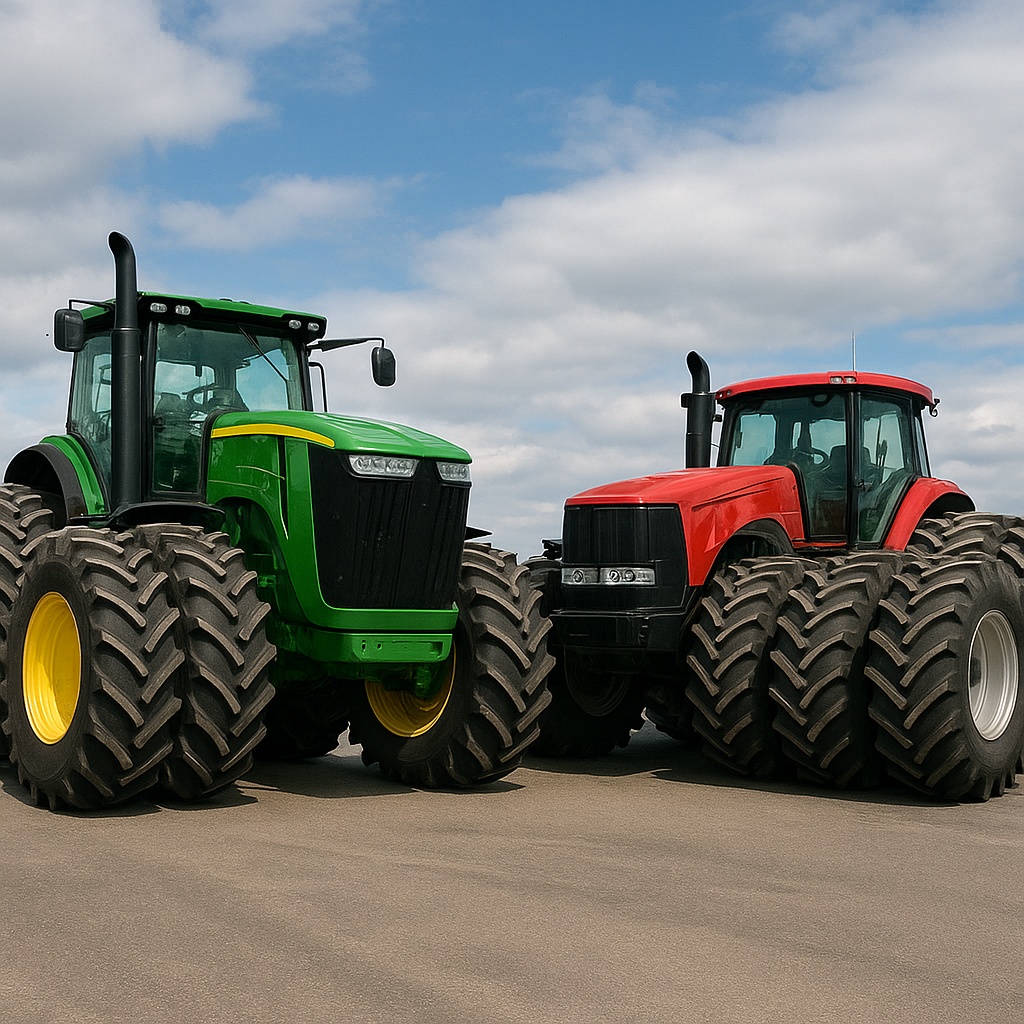
- Reduced Soil Compaction: Tracking systems and specialized dual-wheel arrangements minimize soil disturbance, preserving ground structure and promoting healthy root development.
- Fuel Efficiency: Advanced engine management and precision guidance reduce overlapping passes, thereby lowering overall fuel consumption per acre.
- Scalability: Farmers operating thousands of acres benefit from machinery that can keep pace with planting and harvesting timelines, ensuring all fields receive attention at the optimal growth stage.
In an era of tight margins and fluctuating input costs, boosting productivity is essential. Large tractors, when paired with efficient implements and data-driven management, drive up yields while controlling expenses. This synergy supports long-term profitability and farm resilience.
Advancing Sustainability and Soil Health
While big tractors might once have been criticized for their potential to compact soils, modern designs emphasize soil preservation. Features such as adjustable tire pressures, track systems, and weight distribution modules all aim to reduce ground pressure. Coupled with precision application of fertilizers and pesticides, this results in healthier ecosystems and minimized environmental impact.
- Sustainable Tillage: High-capacity seed drills paired with deep-injection fertilizer attachments allow for strip-till or no-till practices that conserve moisture and organic matter.
- Variable-Rate Technology: By applying inputs only where needed, large tractors help decrease chemical runoff and lower greenhouse gas emissions.
- Data-Driven Soil Management: Soil sensors connected to the tractor network can generate nutrient maps, guiding customized treatment plans that enhance long-term soil fertility.
As global demand for food rises, the agricultural sector must adopt methods that bolster yields without compromising environmental health. Big tractors equipped with cutting-edge tools deliver this balance, ensuring fields remain productive for generations.
Future Trends in Tractor Innovation
Looking forward, several emerging trends promise to further revolutionize large-scale farming:
- Autonomous Operation: Pilot projects involving driverless tractors are already underway, using lidar, radar, and machine learning to navigate fields with minimal human intervention.
- Electrification and Hybrid Power: Battery-electric and hybrid diesel-electric models aim to reduce carbon footprints, offering zero-emission operation for shorter tasks and efficient engines for heavy-duty work.
- Advanced Telematics: Real-time cloud connectivity will enable seamless data sharing among machines, agronomists, and supply chain partners, optimizing every stage from planting to market delivery.
- Robotic Attachments: Interchangeable robot modules could automate weeding, pest scouting, and crop sampling, enhancing field monitoring without increasing compaction or labor needs.
- Artificial Intelligence Integration: Onboard AI systems will analyze soil, weather, and crop data in real time, dynamically adjusting tractor settings and implement actions for peak performance.
These innovations underscore the central role of tractors in the ongoing agricultural revolution. As technology evolves, so too will the capabilities of the machines at the heart of global food production.
Versatility That Meets Diverse Agricultural Needs
Despite their massive size, today’s largest tractors offer surprising versatility. Swappable three-point hitches, front loaders, and drawbars make it simple to transition from plowing and seeding to hauling and material handling. Additionally, modular electronics architectures allow farmers to integrate new implements without overhauling the entire system.
Whether managing grain, cotton, sugarcane, or specialty crops, large tractors adapt to a broad array of tasks. From firmly anchoring deep ripper shanks in hardpan soils to effortlessly lifting heavy bins on harvest day, these machines exemplify mechanical durability and flexibility in the field.
Conclusion
At the cutting edge of agricultural practice, the biggest tractors stand as testaments to human ingenuity and relentless pursuit of technological excellence. Through superior power, unmatched reliability, and integrated smart systems, they continue to redefine what is possible on large-scale farms. As the industry moves toward full automation and sustainable energy sources, these mechanical giants will remain vital, ensuring that farmers worldwide can meet growing demands with precision, speed, and environmental responsibility.