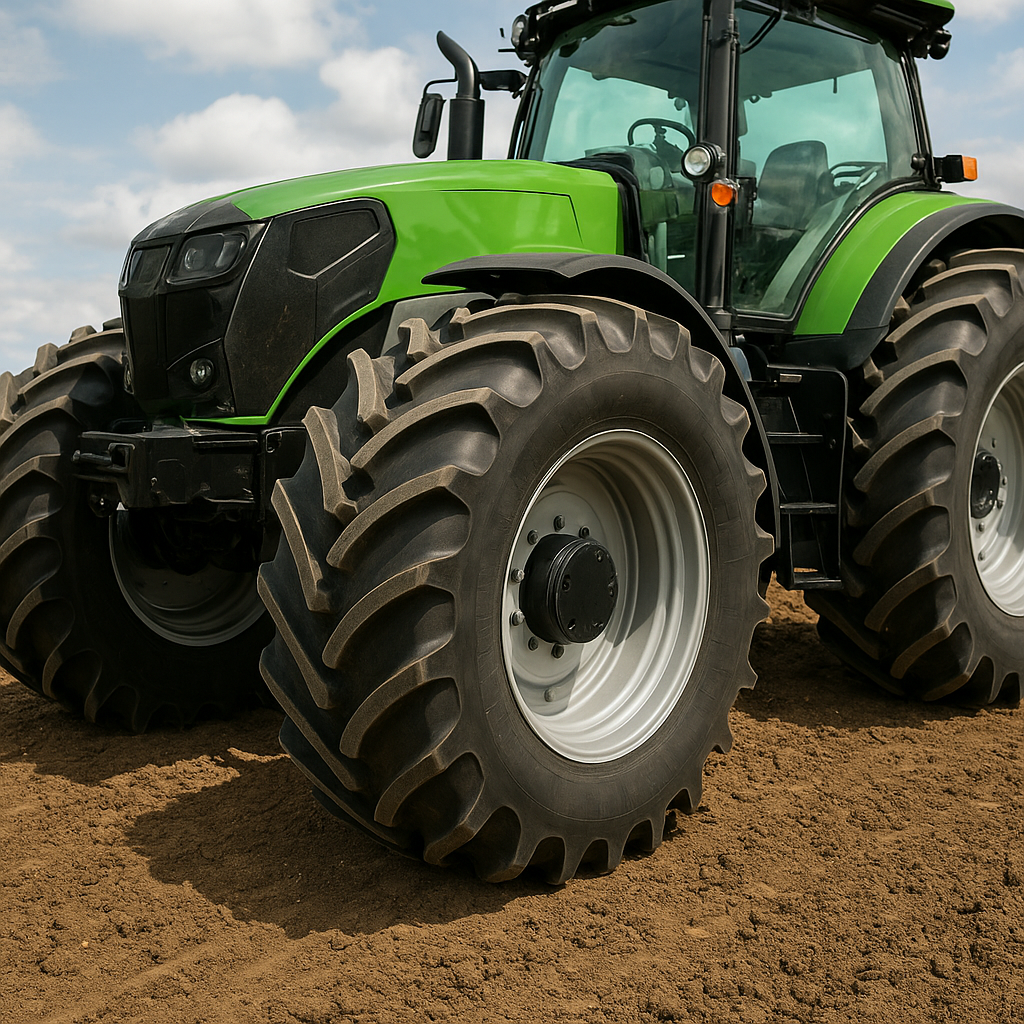
Massive tractors represent the pinnacle of modern agricultural engineering, combining raw power with advanced design to tackle the most demanding tasks on the farm. Among the many features that distinguish these giants, dual tires stand out as a critical innovation. By mounting two tires on each side of the axle, engineers have unlocked new levels of traction, stability, and efficiency in field operations. This article explores why dual tires are indispensable for the world’s largest tractors and how they contribute to improved performance, reduced soil damage, and long-term economic gains.
The Role of Dual Tires in Soil Management
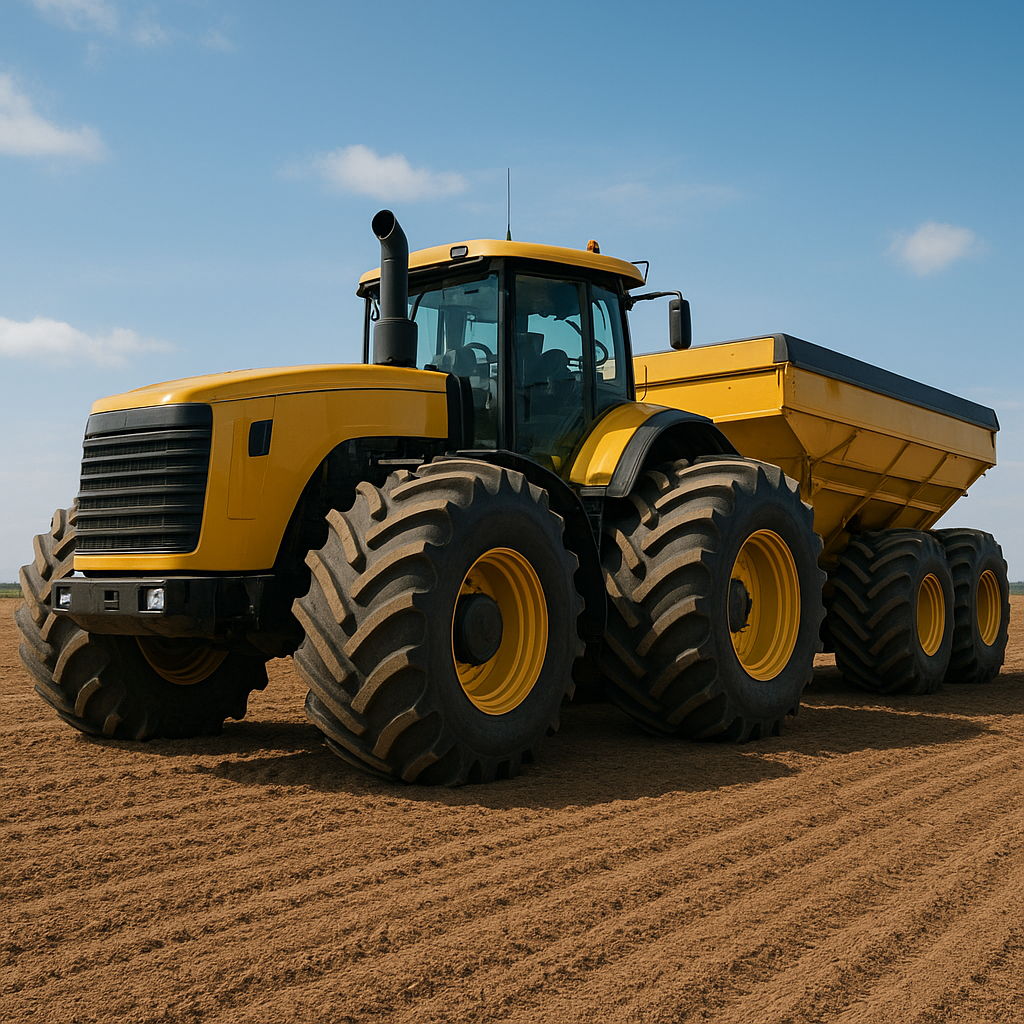
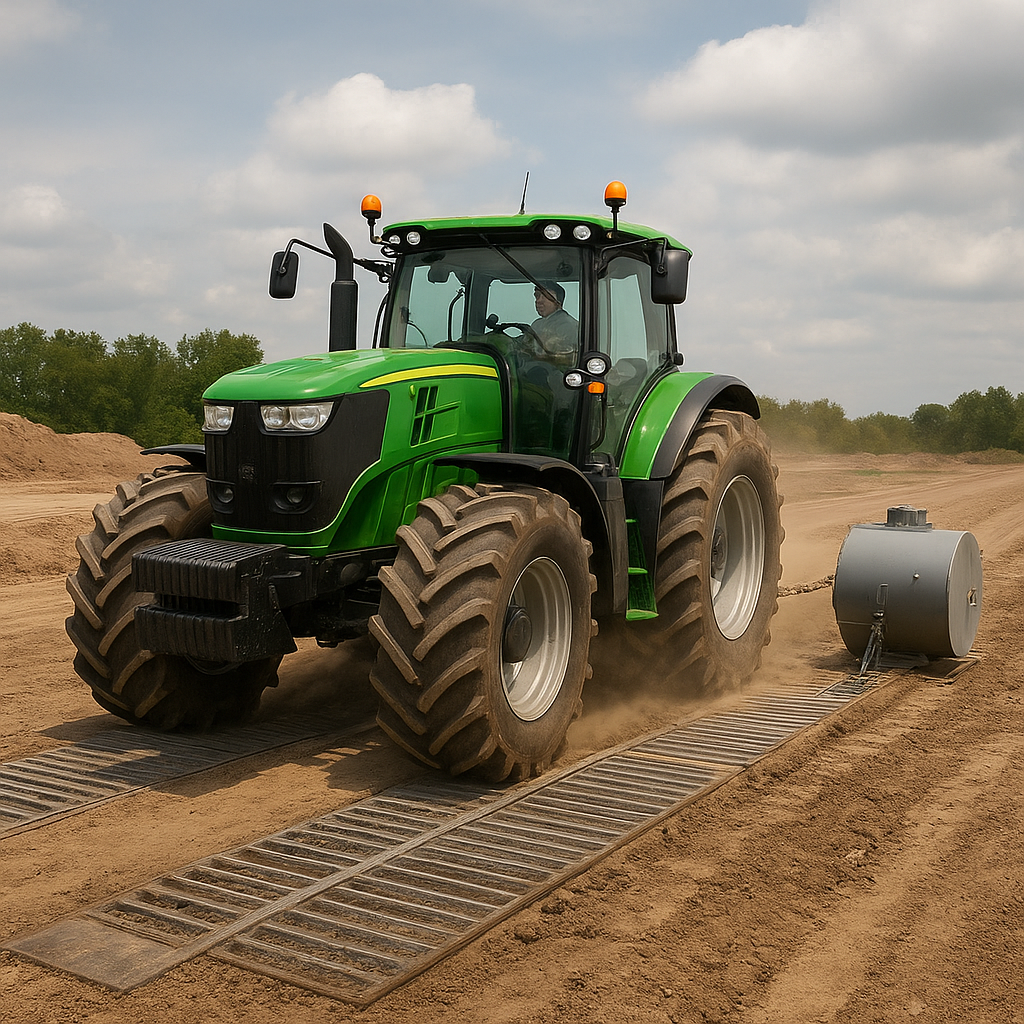
When operating machines like the Big Bud 747 or the John Deere 9RX series, farmers confront the risk of deep soil compaction that can harm future crop yields. Dual tires spread the weight of these heavy machines more evenly, which is essential for preserving soil health.
Reducing Soil Compaction
- The surface area under a tractor increases significantly with dual configurations, lowering ground pressure.
- Lighter pressure preserves root channels and maintains natural water infiltration.
- Continuous use of single large tires can create compacted tracks, impeding crop growth.
Expanding Ground Contact
By using two tires side by side, modern tractors achieve superior load distribution without sacrificing weight-carrying capacity. This design:
- Maximizes the contact patch, ensuring that every inch of soil bears less pressure.
- Promotes smoother movement over wet or uneven terrain, reducing wheel slippage.
- Helps maintain optimal planting depth by preventing unexpected sinkage into soft ground.
Enhancing Traction and Power Delivery
The largest tractors on the market boast horsepower ratings that exceed 600 HP. Harnessing this power efficiently requires exceptional traction, especially during heavy tillage or large-scale harvesting.
Improving Grip under Stress
Dual tires effectively double the gripping edges that engage the soil. This results in:
- Better pull force when dragging wide plows or multi-section cultivators.
- Reduced wheel spin on slopes or muddy fields, leading to faster cycle times.
Balancing Horsepower Output
When tractors like the Fendt 1167 Vario unleash immense torque, single tires may struggle to channel all that force into the ground. Dual setups provide:
- Enhanced stability under high-torque conditions.
- Even wear across all tires, protecting the drivetrain components from shock loads.
Economic and Environmental Benefits of Dual Tires
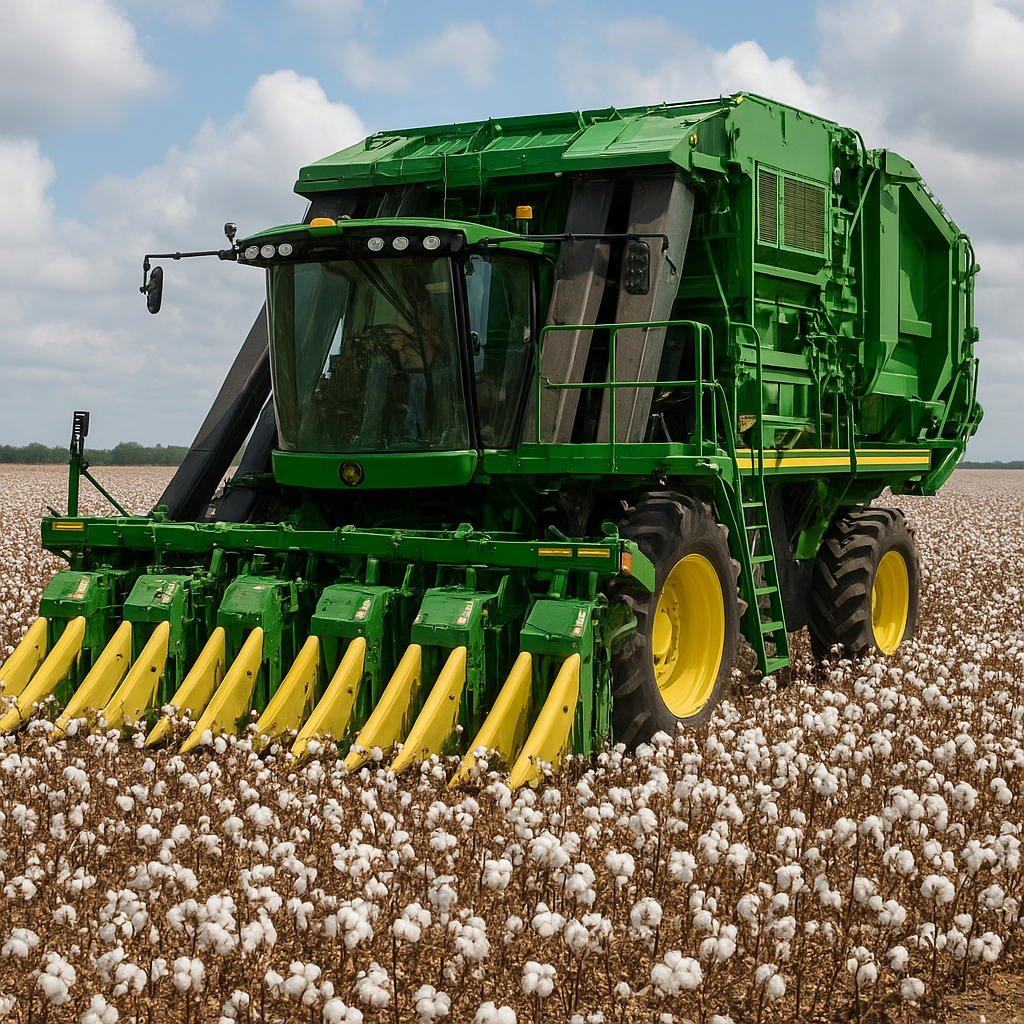
Beyond technical advantages, dual tires offer crucial benefits for farm budgets and ecological sustainability. Large-scale operations, whether grain, cotton, or sugar beet, must balance output goals with responsible land management.
Cost-Effectiveness over Time
- Though initial investment in extra tires is higher, reduced fuel consumption and fewer tire replacements lower operating costs.
- Lower soil compaction means less need for subsoiling or chemical remediation, saving labor and materials.
- Tractors with duals tend to retain higher resale value due to proven reliability and minimized field damage.
Sustainable Farming Practices
Maintaining soil structure and health directly influences long-term productivity. By preventing deep ruts and sealing soil pores, dual tires support:
- Improved moisture retention, which can reduce irrigation demands.
- Less reliance on synthetic soil conditioners, promoting a more environmentally friendly approach.
- Enhanced biodiversity in the root zone, benefiting beneficial microbes and earthworms.
Maintenance Considerations and Future Innovation
While dual tires deliver numerous advantages, they also introduce extra complexity when it comes to servicing and upkeep. Proper attention to maintenance ensures that farmers reap all the benefits without unexpected downtime.
Routine Checks and Best Practices
- Regularly inspect tire pressure on both inner and outer tires to maintain uniform load sharing.
- Monitor tread wear patterns; uneven wear may signal misalignment or incorrect inflation.
- Ensure correct wheel bolt torque to prevent separation during high-vibration tasks.
Emerging Technologies
As agriculture moves toward greater adaptability and automation, tire manufacturers and tractor OEMs are collaborating on new solutions:
- Central tire inflation systems (CTIS) allow operators to adjust pressure on the fly, optimizing for transport or field work.
- Advanced rubber compounds and self-sealing features increase durability and reduce the risk of flats.
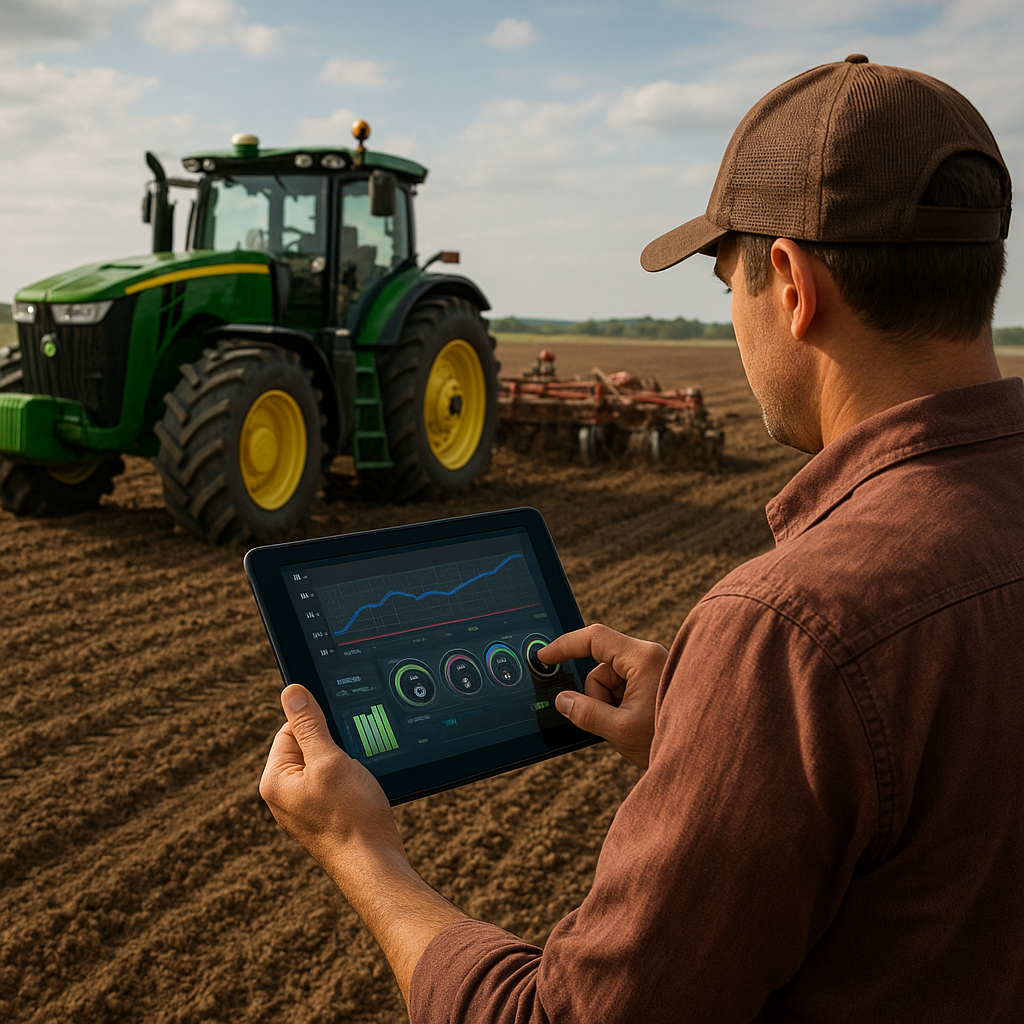
- AI-driven monitoring platforms can predict maintenance needs, alerting users before a tire issue causes delays.
In conclusion, the integration of dual tires into massive tractors has reshaped modern farming by delivering unmatched traction, preserving valuable topsoil, and boosting overall farm profitability. As manufacturers continue to refine tire and tractor designs, the synergy between advanced power units and specialized tire technology remains pivotal to the future of efficient, sustainable agriculture.