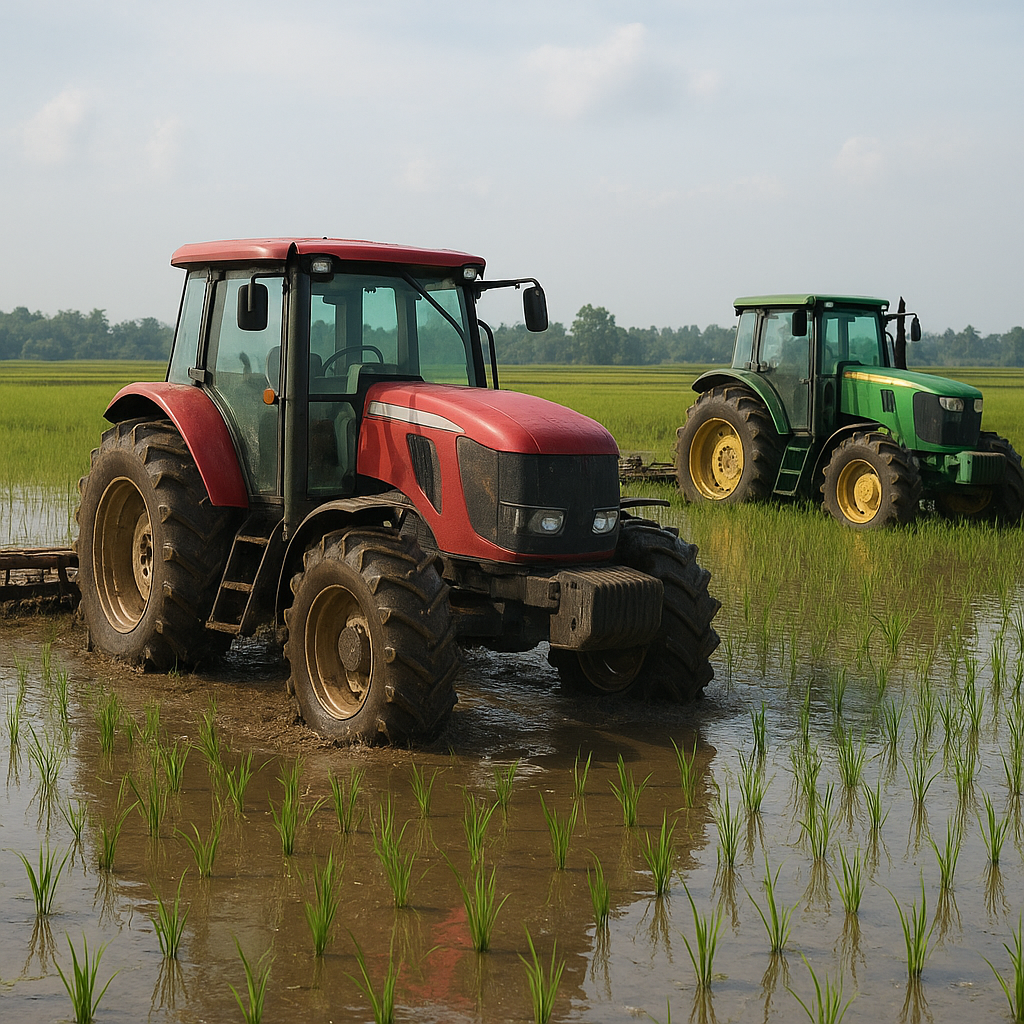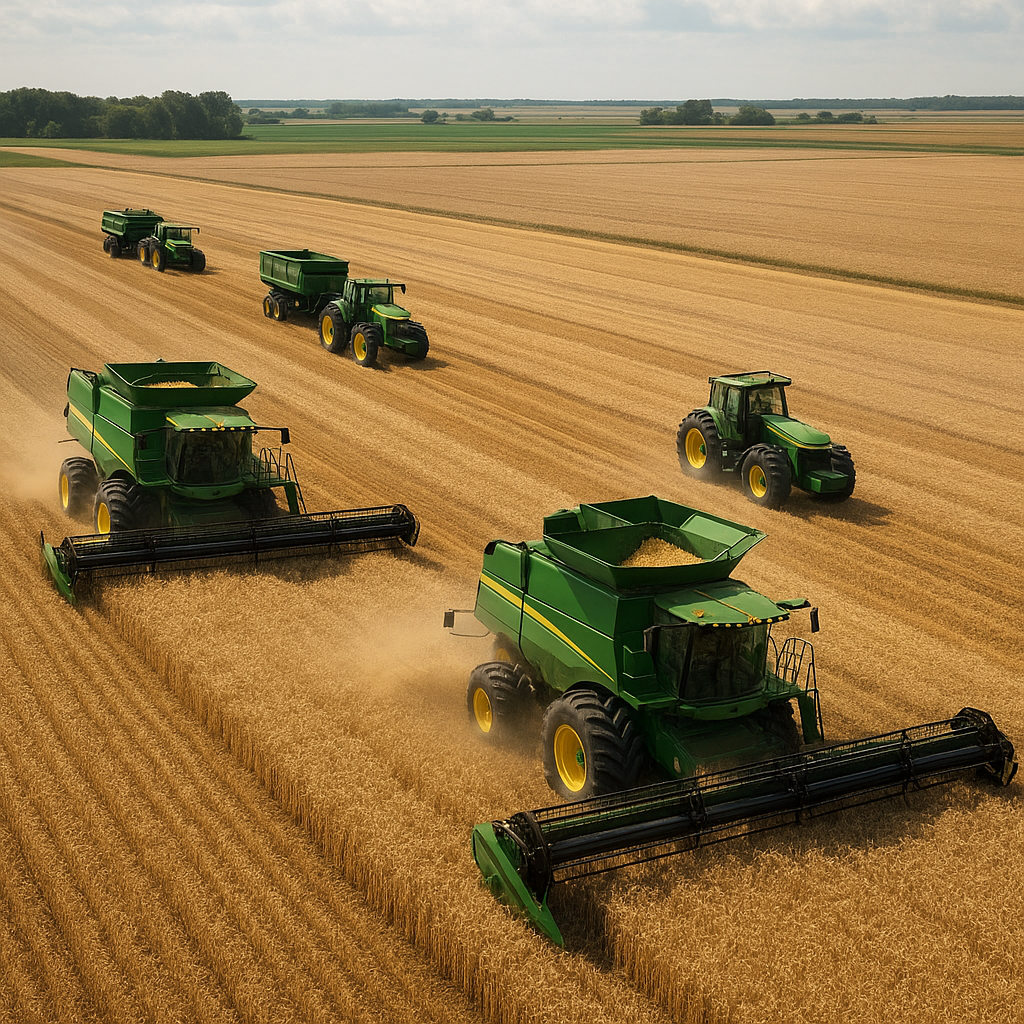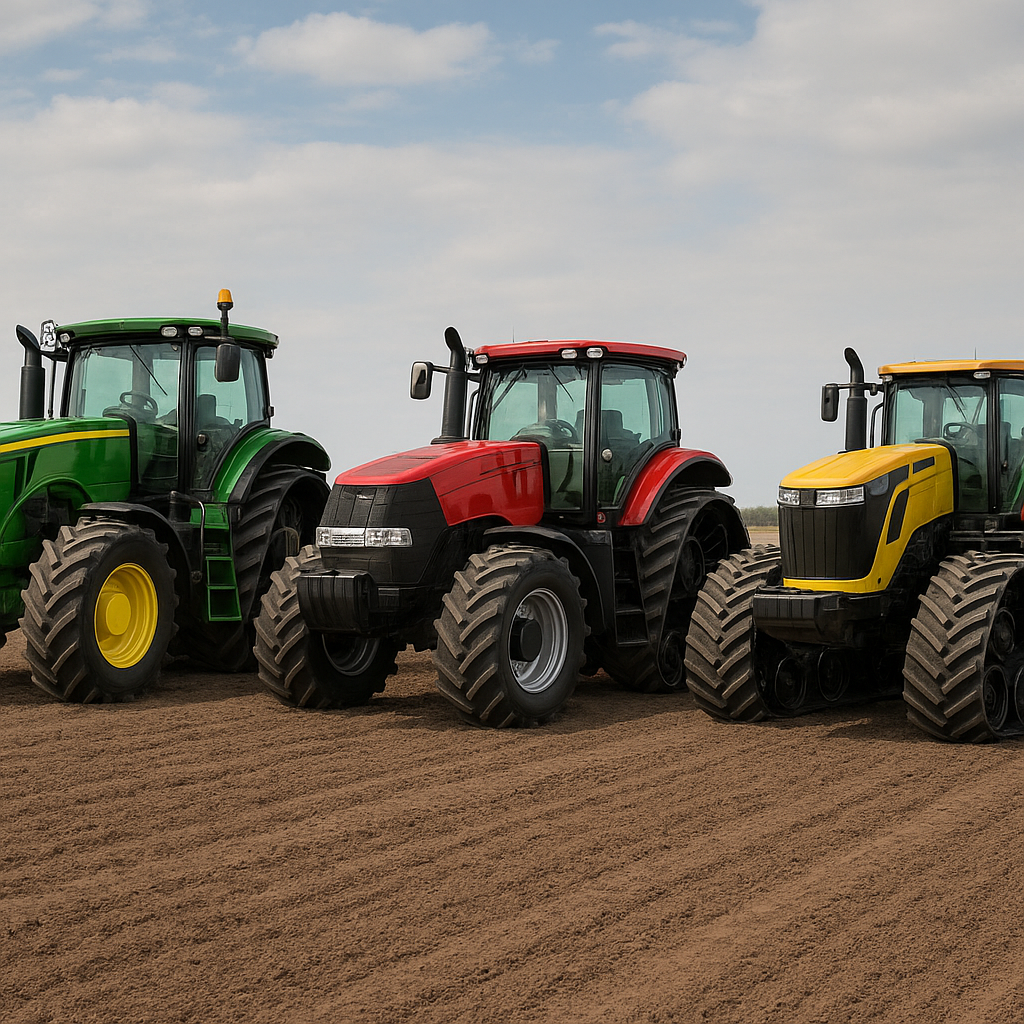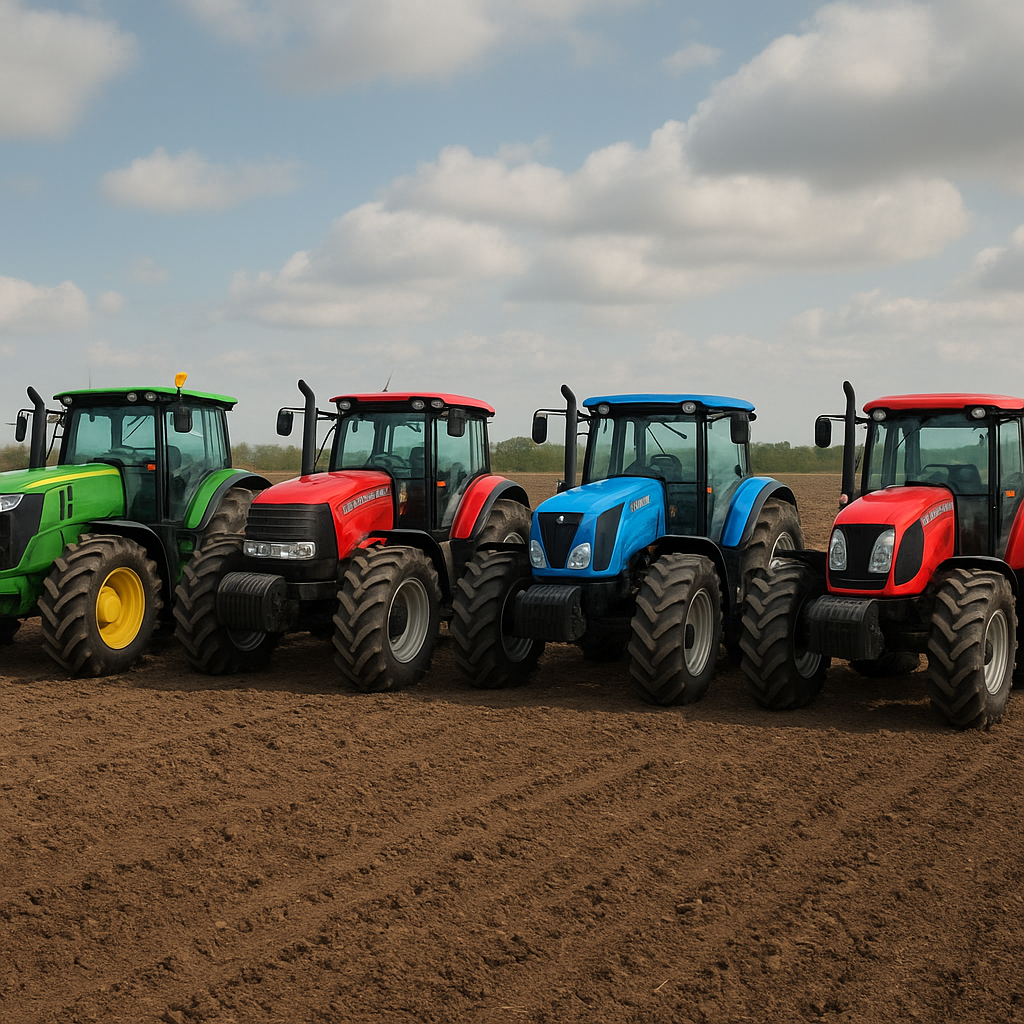
Farmers across the globe are embracing the era of massive agricultural machines to tackle ever-growing fields and demanding crop cycles. These mechanical giants, boasting staggering power ratings and cutting-edge features, are reshaping modern farming. By leveraging advanced technologies and robust engineering, producers can boost output, streamline operations, and address pressing environmental concerns. This article explores the lineage, innovations, and real-world impact of the biggest tractors in today’s fields.
Evolution of High-Horsepower Tractors
The journey toward today’s mega-machines started more than a century ago, when early gasoline and diesel tractors replaced draft animals. As fields expanded and mechanized implements grew heavier, manufacturers raced to increase horsepower ratings. From the first 50-HP workhorses to contemporary 600+-HP behemoths, each generation introduced breakthroughs in engine design, chassis strength, and operator comfort.
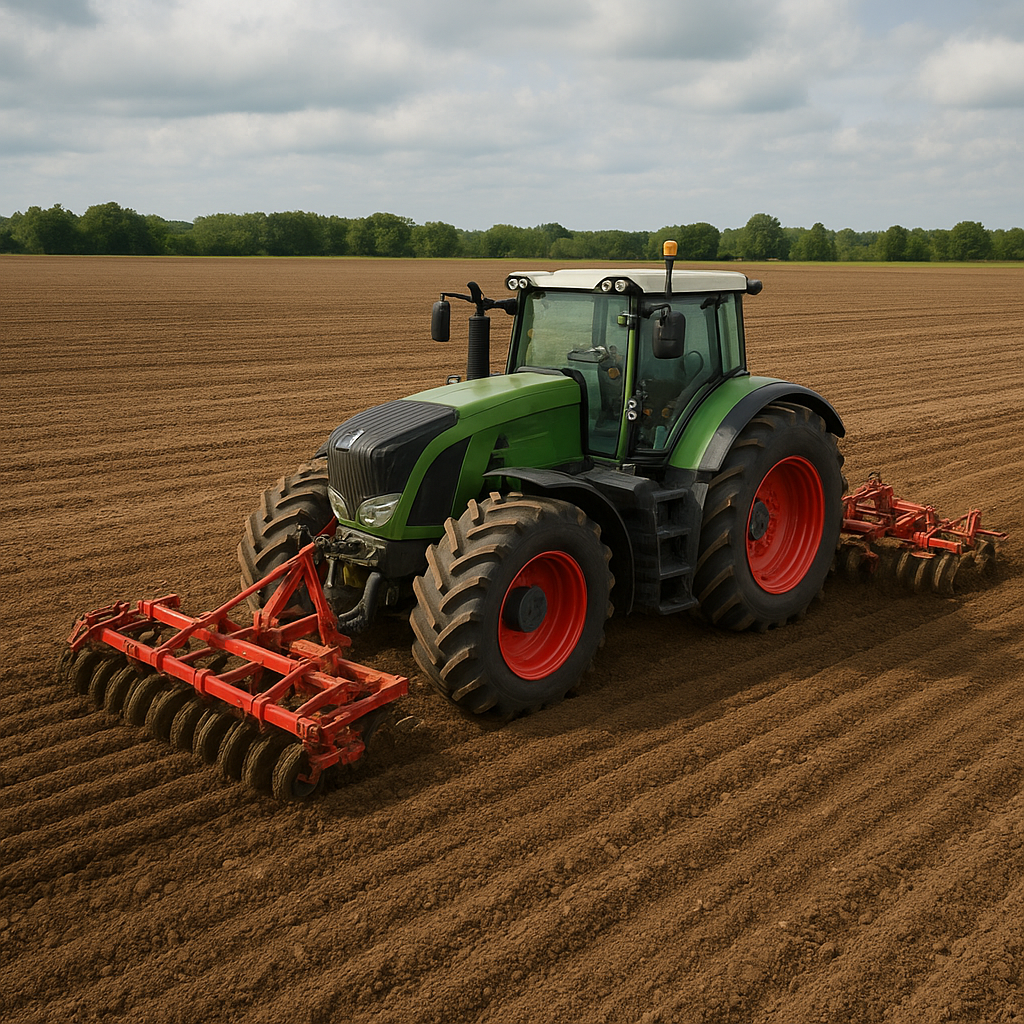
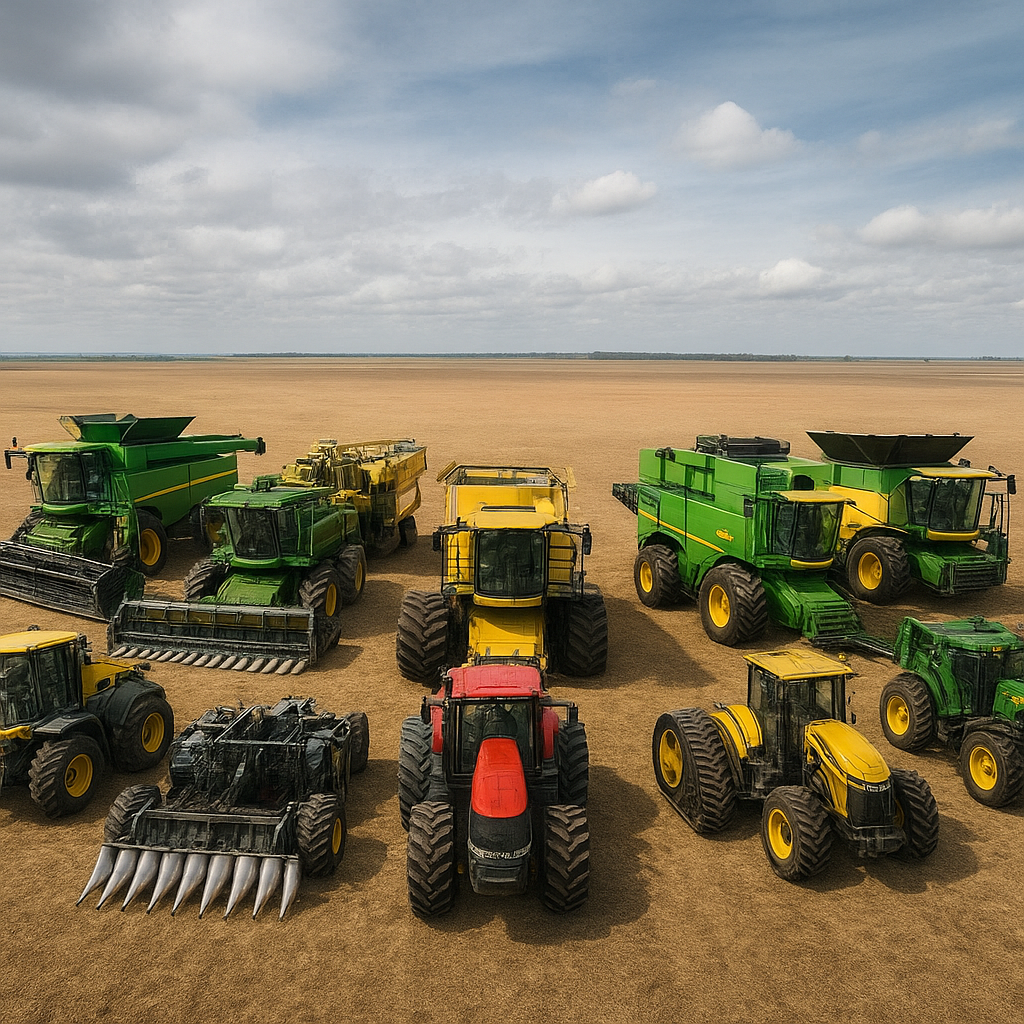
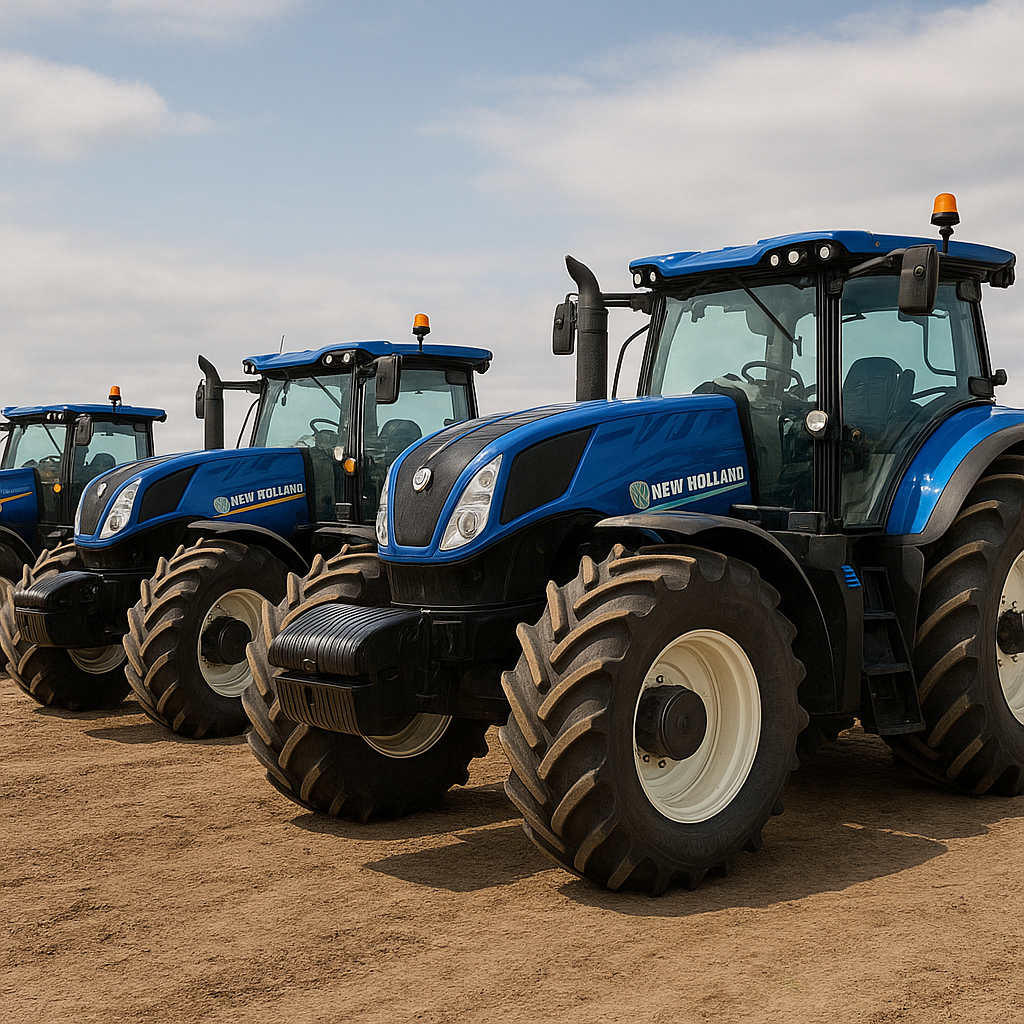
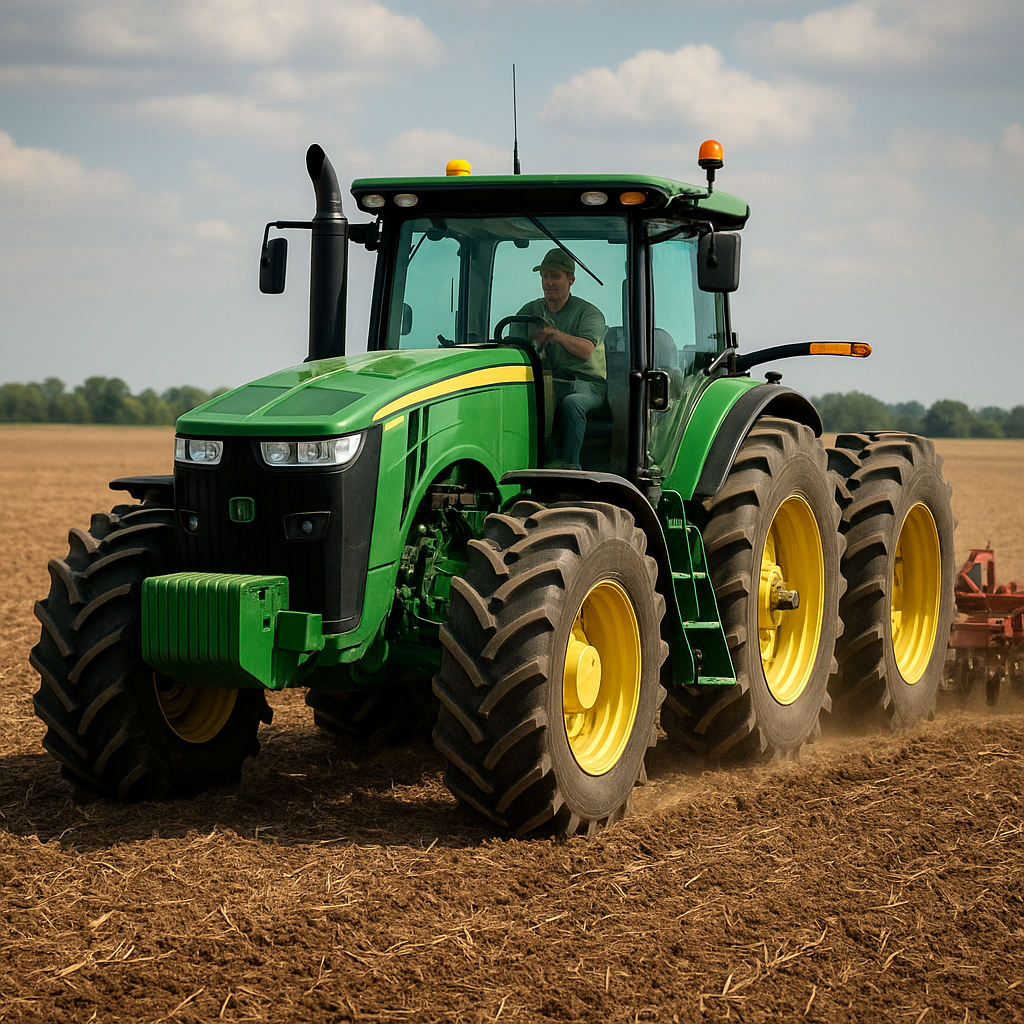
By the late 20th century, tractors in the 200–300-HP bracket were commonplace on large farms. However, mounting demand for pulling wider planters and multi-row harvesters pushed boundaries further. In response, companies like John Deere, Fendt, and Case IH unveiled flagship models exceeding 400, 500, and ultimately 600 engine horsepower. These monsters often weigh over 25 metric tons and feature dual-track systems or ultra-wide tires to distribute weight and minimize soil damage.
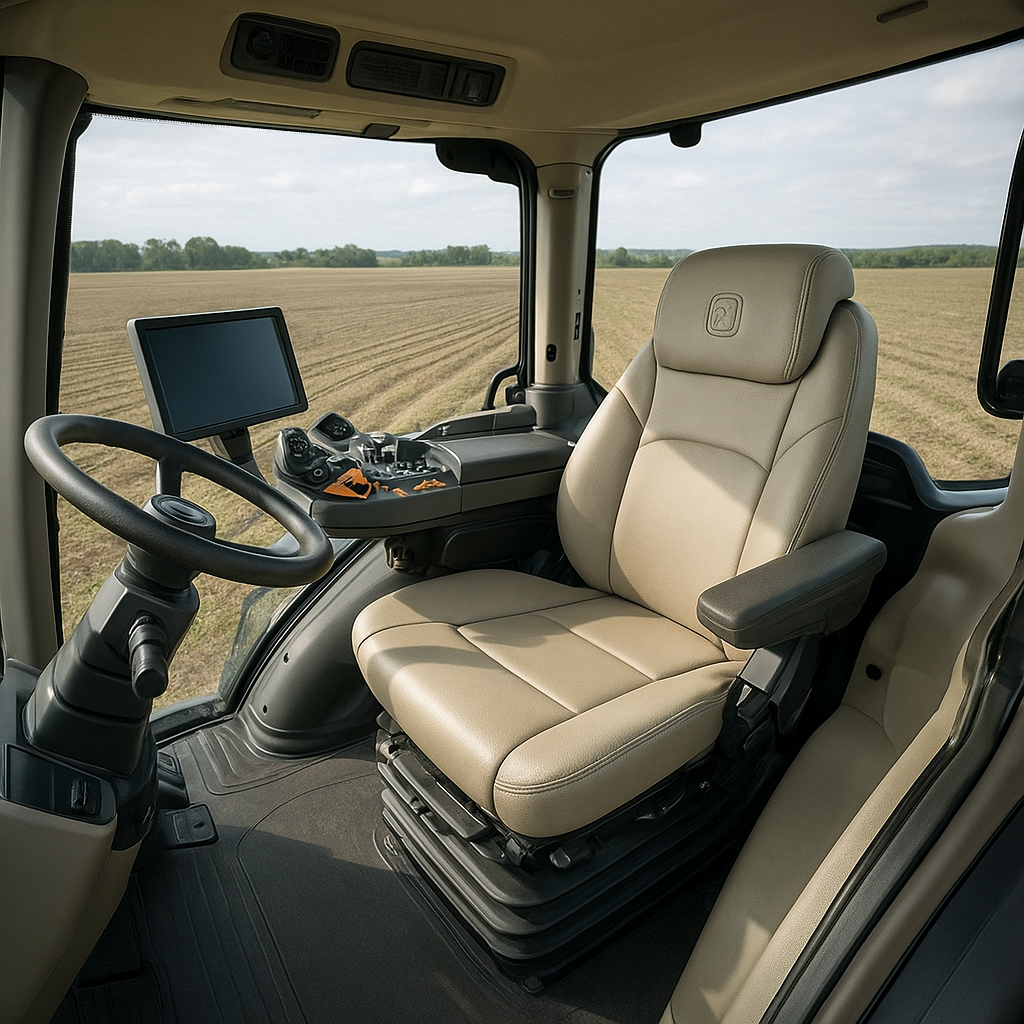
Today’s giants—such as the Fendt 1167 Vario, Case IH Magnum AFS, and John Deere 9RX series—combine colossal power with intelligent controls. Advanced suspensions, climate-controlled cabs, and customizable joystick layouts ensure farmers endure long hours with less fatigue. As the trend continues, some prototypes have pushed beyond 1,000 engine HP, signaling a future where mega-tractors could redefine large-scale agriculture.
Key Technologies Driving Modern Giants
Engine and Transmission Innovations
At the heart of every modern leviathan lies a sophisticated engine. Advanced common-rail fuel injection, turbocharging, and aftertreatment systems maximize output while reducing emissions. Variable geometry turbos and selective catalytic reduction meet stringent regulations without sacrificing grunt. Meanwhile, multi-speed continuously variable transmissions (CVTs) enable seamless power delivery, optimizing fuel consumption and improving efficiency across a range of field speeds.
Precision Agriculture and Guidance Systems
One of the most transformative developments is the integration of GPS guidance and autosteer technologies. Satellite-driven accuracy allows tractors to maintain exact headings with sub-inch precision. This level of control minimizes overlaps, reduces input waste, and elevates overall field uniformity. By combining GPS with variable-rate application maps, farmers can apply fertilizers and seeds exactly where needed, maximizing yield potential and cutting costs.
Autonomy and Telematics
From simple remote monitoring to full autonomy, telematics platforms grant real-time insights into machine health, fuel levels, and work progress. Some manufacturers now offer semi-autonomous modes where a single operator supervises several units working in concert. This trend toward autonomy promises to alleviate labor shortages and optimize around-the-clock operations during critical planting or harvest windows.
Traction and Soil Management
Maintaining optimal traction while minimizing compaction is a delicate balance. To address this, many top-end tractors use four-track undercarriages or ultra-wide radial tires with advanced single-wheel suspension. These systems distribute weight more evenly, protecting soil structure and preserving moisture retention. Innovations like adjustable tire pressure management allow on-the-fly tuning to match changing field conditions.
Benefits and Challenges of Operating Massive Tractors
Productivity Gains
- Large implements can be mounted in a single pass, slashing field time.
- High engine output handles heavy loads without downshifting, sustaining pace in tough soils.
- Advanced cabs and ergonomic controls reduce operator fatigue, boosting daily output.
These factors contribute to greater planting and harvesting capacities, helping farmers cover more acres during narrow weather windows.
Environmental Considerations
While mega-tractors enhance operational speed, they can pose risks to soil health if not managed properly. Overly compacted ground hampers root growth and reduces water infiltration. However, by employing wide tracks, low-pressure tires, and controlled traffic farming practices, producers can mitigate compaction. Coupled with variable-rate technology, these strategies advance sustainability by optimizing inputs and preserving soil structure.
Economic and Logistical Challenges
High-horsepower giants come with significant upfront investments, often exceeding six figures. Maintenance costs, specialized tires or tracks, and higher fuel use add to total ownership expenses. Transporting such machines between fields or across regions can require oversized loads, permits, and escorts. Additionally, not all operations justify the size and cost, making these tractors best suited for very large farms or custom applicators.
Operator Training and Safety
The complexity of modern giants demands skilled operators. Training programs must cover advanced electronics, precision systems, and routine diagnostics. Safety protocols for working with heavy machinery, ensuring proper cab entry, and preventing rollovers are vital. Manufacturers often integrate multiple cameras, radar sensors, and alarms to assist operators and reduce the risk of accidents.
Future Outlook: Innovation and Beyond
As agriculture evolves to meet global food demands, tractor manufacturers continue pushing boundaries. Electrified drivetrains, hybrid systems, and hydrogen fuel cells are under development, aiming to cut diesel reliance and emissions. Some prototypes explore modular designs, where power units detach from implements for flexible field deployment. The fusion of drones, robotics, and ground vehicles may lead to fully integrated fleets, coordinated by AI to optimize seeding, spraying, and harvesting in unison.
Emerging applications in biomass harvesting and renewable energy crop production require even larger and more efficient machines. Custom attachments for forestry, biofuel feedstock collection, and methane capture operations illustrate the expanding role of mega-tractors beyond traditional row crops. In this landscape, continual technological innovation will be the catalyst, forging a new era of productivity, environmental stewardship, and smart farming at scale.