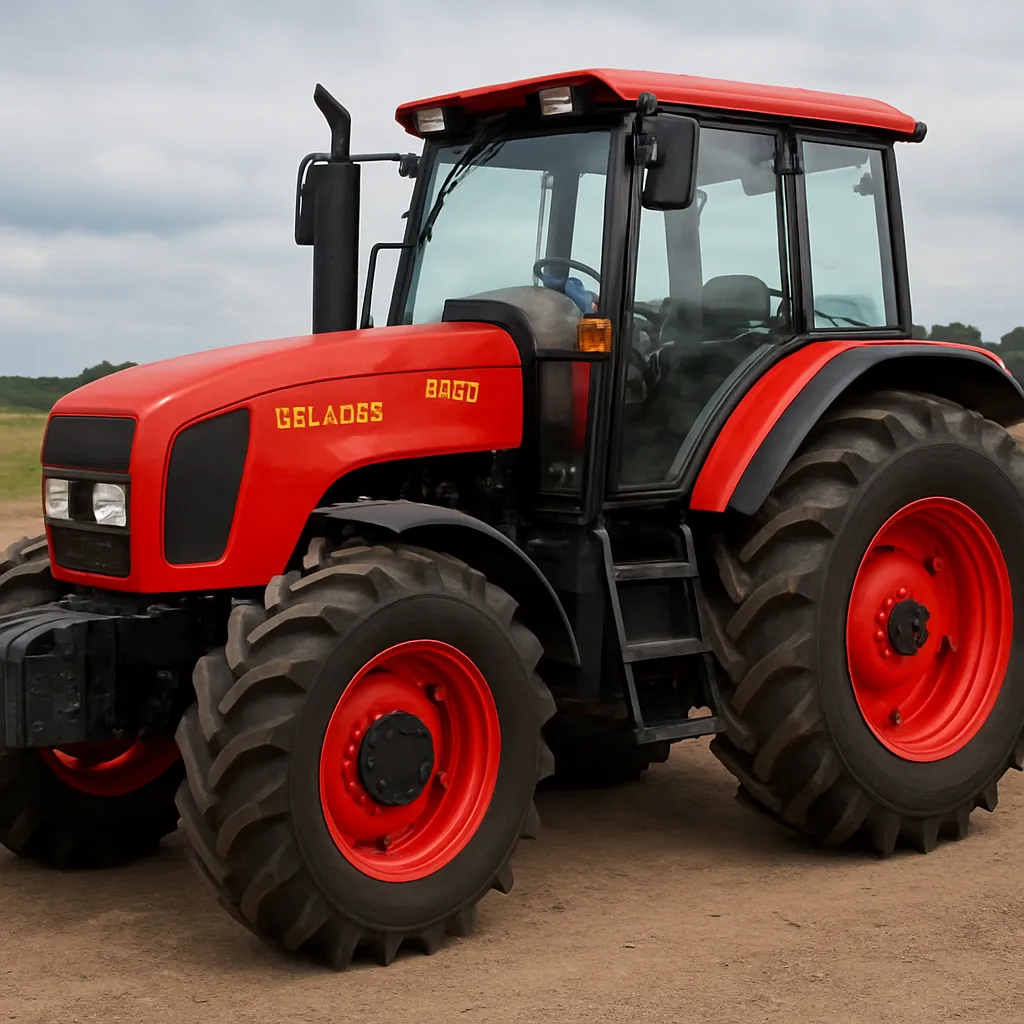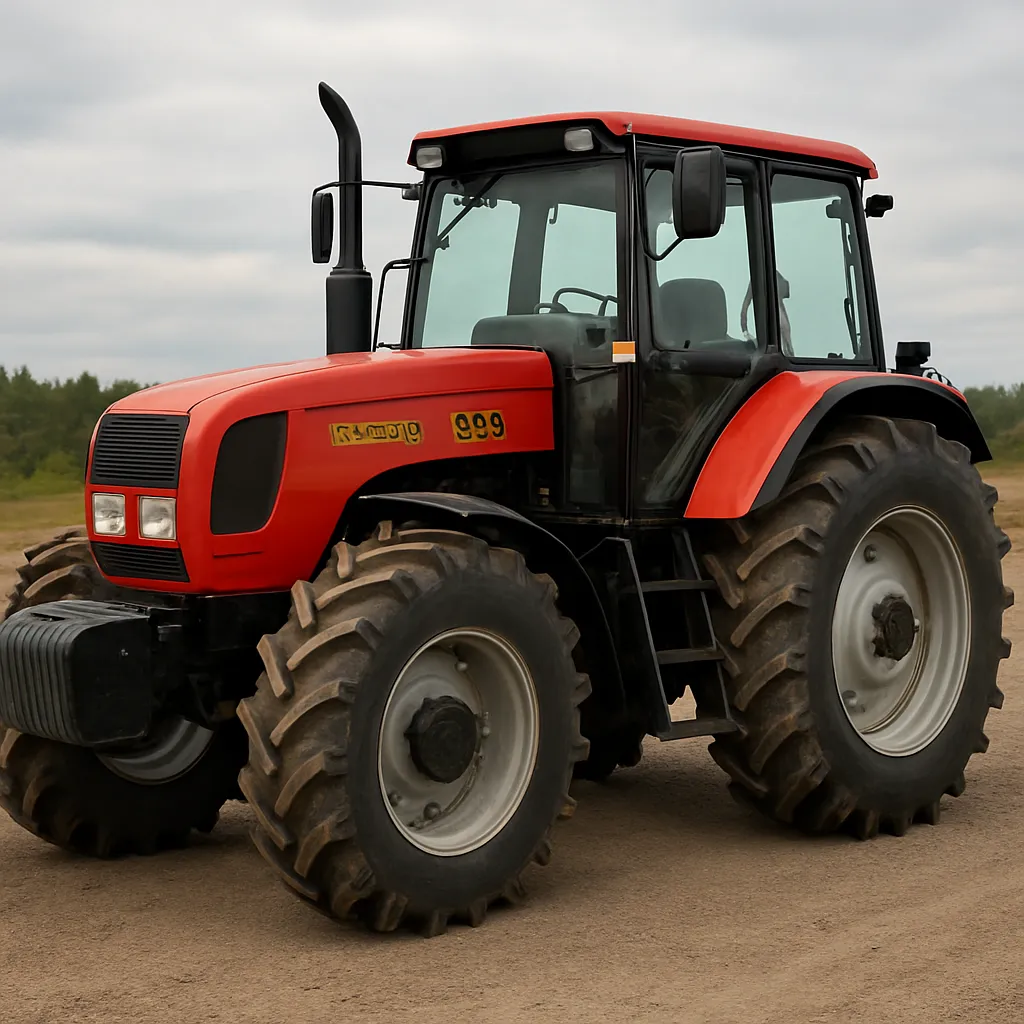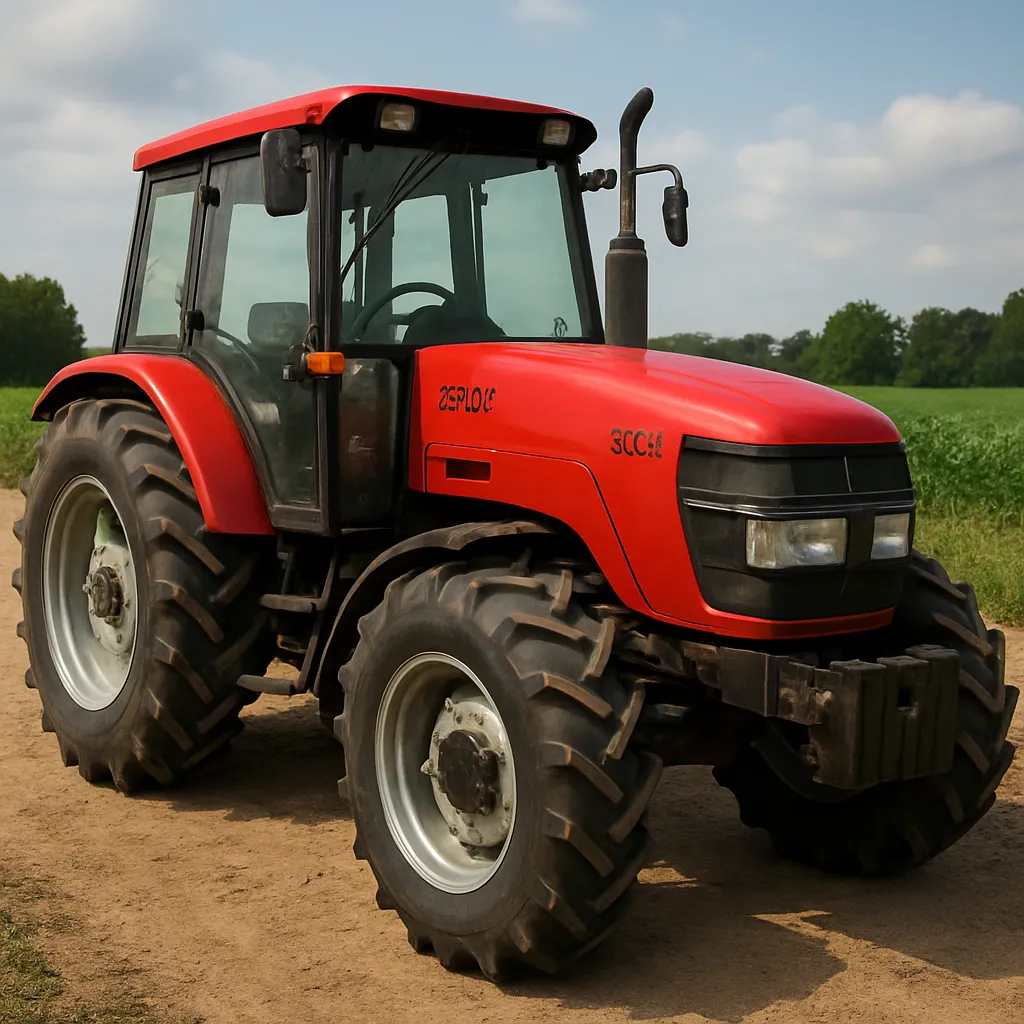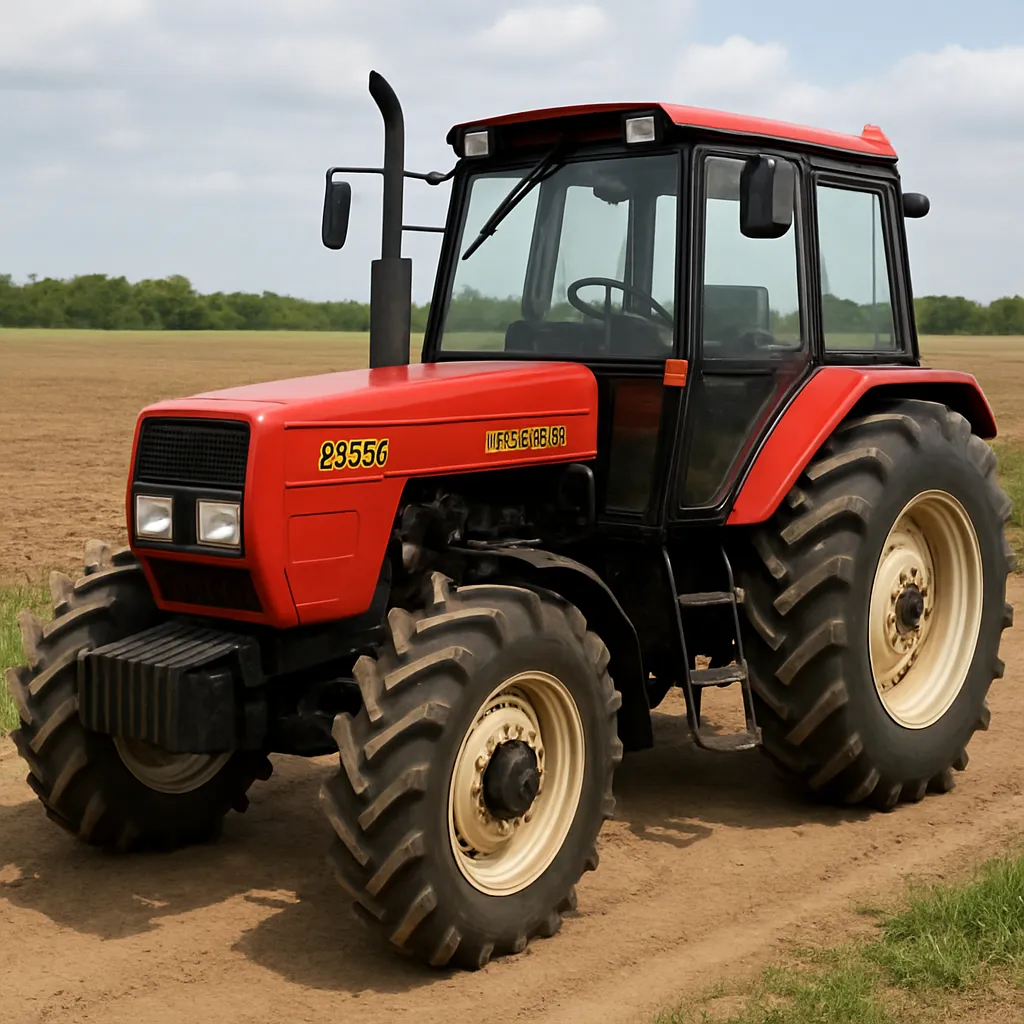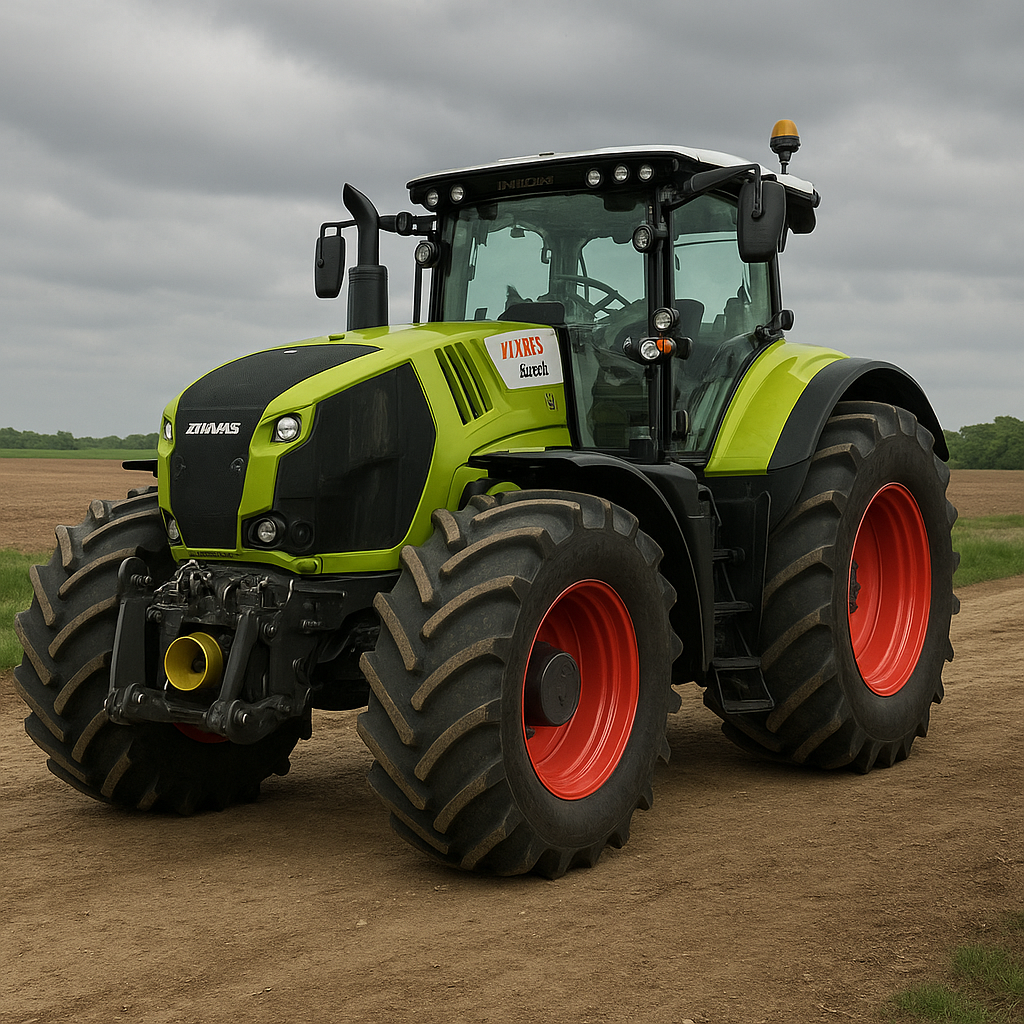
The Claas Axion 920 is a heavyweight in the agricultural tractor segment, designed to deliver robust field performance, versatility, and operator comfort. As part of the Axion 900 series, this model targets large-scale arable farms, contractors, and mixed operations that require consistent power, advanced driveline options, and modern electronic systems. Below you will find a comprehensive overview of the Axion 920, including its technical highlights, typical uses, technology packages, maintenance considerations, and practical guidance for operators and fleet managers.
Design and technical overview
The Claas Axion 920 combines mechanical strength with modern control systems to meet the demands of heavy cultivation tasks and transport. The tractor has been engineered to provide a balance between raw pulling capability and refined operator interfaces, placing Claas among manufacturers offering high-spec agricultural machinery for intensive use.
Powertrain and engine
The Axion 920 is powered by a high-displacement, turbocharged diesel engine designed for continuous high-load operation. The engine emphasizes torque delivery across a wide rpm range to maintain consistent performance during tillage, seeding, and heavy transport. Many variations of the Axion 900 family use engines with outputs in the mid-to-high two-hundred horsepower range; the 920 typically sits in that bracket and is tuned for efficient power delivery and durability.
- Typical engine attributes: inline six-cylinder layout, turbocharged and intercooled.
- Engine management features include electronic fuel injection, engine braking options, and emissions controls to meet contemporary regulations.
- Designed for high torque at low rpm to reduce gearing needs and improve fuel economy under load.
Transmission and driveline
Claas equips the Axion 920 with multiple transmission options depending on year and market specification. These commonly include multi-speed powershift transmissions and continuously-variable (CVT) or stepless systems branded under Claas technologies. Transmission choices allow operators to prioritize fuel economy, smooth power delivery, or shuttle responsiveness for loader and transport work.
- Transmission variants typically range from powershift units with numerous gears to efficient stepless drives for seamless acceleration and constant working speeds.
- 4WD and differential lock systems provide improved traction management in adverse field conditions.
- Choice of creeper gears or high-range speeds supports both low-speed implements and road travel.
Hydraulics and PTO
Hydraulic capability is a core strength of the Axion 920, allowing it to operate large modern implements with high flow and precise control. The hydraulics system commonly offers multiple remote outlets, load-sensing pumps, and high total flow rates suitable for hydraulic seed drills, heavy ploughs, and front-mounted implements.
- Hydraulics often include load-sensing pumps with flow rates capable of servicing multiple circuits simultaneously.
- Rear linkage lift capacities are engineered to handle heavy mounted equipment, with top lift figures in the class-competitive range.
- PTO configurations typically include standard 540/1000 rpm settings and optional ground-speed or independent PTO modes for specialized work.
Chassis, axles and tires
The Axion 920 is built on a robust chassis with options for rigid or suspended front axles. Tire choices are broad, enabling single, dual, or wide low-ground-pressure tires to be fitted for traction, flotation, or road stability as required by the application. Weight distribution and ballast management are configurable to match implement mass and field conditions.
- Front suspension systems improve ride comfort and reduce implement stress during transport.
- Axle load capacities and tire selections can be optimized for heavy ploughing versus high-speed transport duties.
Applications and field performance
The Claas Axion 920 is a multipurpose heavy tractor suited to a wide variety of tasks across arable, livestock, and contractor operations. Its combination of power, hydraulics, and optional electronic aids allows it to serve as a front-line machine for many demanding applications.
Primary agricultural uses
- Tillage: the Axion 920 excels at deep ploughing, heavy cultivations, and primary tillage where steady torque and traction are essential. Its robust rear linkage and hydraulic flow support large mounted ploughs or multi-section disc cultivators.
- Seeding and planting: when pulling heavy seed drills or air seeders, the tractor’s smooth torque curve and transmission options maintain consistent forward speeds and accurate seed placement.
- Crop care and spraying: with appropriate pumps and booms, the Axion 920 is frequently used for large-area spraying and fertiliser applications, especially on broad-acre farms.
- Baling and forage: the PTO and hydraulics support large balers, mowers, and forage harvest support equipment, making the machine useful for mixed farms with significant forage needs.
Contracting and transport
Contractors value the Axion 920 for its versatility and uptime. Typical contracting tasks include large-scale ploughing, subsoiling, cultivation, and heavy trailer haulage. With road-friendly gearing and comfortable cab options, the tractor can maintain long workdays between service stops.
- Road transport: high-range gears and comfortable cab setup make long transfers between sites feasible with good fuel economy for its class.
- Loader work: when fitted with a front loader, the machine can handle heavy pallet and feed handling duties on farms and industrial sites.
Specialised uses
With optional configurations and accessories, the Axion 920 can be adapted for specialised tasks such as sugar beet lifting, heavy-subsoiling, forestry skidding with protective packages, and winter municipal duties when fitted with ploughs or snow blowers.
Operator experience, electronics and precision farming
Claas places considerable emphasis on operator comfort and intelligent systems to boost productivity and reduce fatigue. The Axion 920 benefits from ergonomic design, comprehensive control layouts, and modern electronic features that integrate with farm management systems.
Cab and ergonomics
The cab layout focuses on visibility, comfort, and easy access to controls. Seating is typically suspension-equipped, with climate control and low noise levels to minimize operator fatigue. All major controls are arranged within reach and often replicated on armrests or multifunction joysticks for implement control.
- Cab comfort is enhanced with adjustable seats, ergonomic consoles, and wide visibility for front and rear implements.
- Sound insulation and vibration damping reduce operator stress during long shifts.
Control systems, telematics and ISOBUS
Modern Axion 920 tractors generally support ISOBUS, enabling plug-and-play communication with compliant implements. Claas also offers telematics platforms that provide remote diagnostics, fleet monitoring, and job tracking. These systems support precision agriculture through section control, variable-rate application, and GPS-guided autosteering.
- Telematics options enable remote fleet management, monitoring fuel consumption, engine hours, and error codes to maximize uptime.
- ISOBUS compatibility ensures that implements and tractor electronics work together seamlessly for automated functions and data logging.
- Autosteering and guidance reduce overlap, save fuel, and improve application accuracy for large fields.
Automation and assistance
Depending on configuration, the Axion 920 can be equipped with assistance packages to automate certain functions, such as depth control, headland sequences, and engine-transmission optimization. These systems contribute to consistent pass-to-pass performance and can lower operator learning curves for complex implements.
Maintenance, operating costs and lifecycle considerations
Operational economics are crucial for large tractors. The Claas Axion 920 is engineered (and usually supplied) with serviceability in mind, including accessible service points, robust component choices, and dealer support networks to minimize downtime.
Routine maintenance
- Regular intervals for oil, filter and fluid changes follow manufacturer guidance—critical to preserve engine life and emissions systems.
- Accessible daily checks include filters, lights, tyre pressure and visible hydraulic lines.
- Preventative maintenance on cooling systems and air intakes reduces the risk of overheating during heavy workloads.
Fuel consumption and economics
Fuel consumption varies widely with workload, topography, and attachments. Under moderate to heavy field work, consumption commonly ranges within class-typical figures. Operators can improve economy by optimizing gear selection, employing cruise or CVT settings for steady engine loads, and using precision farming systems to reduce overlap and unnecessary passes.
- Fuel efficiency gains are often realized with judicious transmission use and seasonal tuning of engine parameters.
- Telematics and real-time monitoring help control running costs through data-driven adjustments to operating behavior.
Resale value and depreciation
Large tractors like the Axion 920 typically retain good resale value on secondary markets, especially when they have documented service histories and telematics logs demonstrating sensible usage. Depreciation depends on hours, condition, and the evolution of emissions regulations that can affect desirability in certain markets.
Safety, environmental and regulatory aspects
Claas equips the Axion 920 to meet relevant safety and emission standards in markets where it is sold. Safety features include rollover protection systems, effective lighting packages for night work, and engine-management features that reduce emissions and fuel use.
- Modern emission controls (EGR, SCR or DOC depending on configuration and year) are used to comply with regulatory limits.
- Safety systems and operator aids reduce the risk of accidents during transport and field operations.
Comparative positioning and market insights
The Axion 920 competes in the high-horsepower row-crop and utility tractor class alongside machines from manufacturers such as John Deere, New Holland, Fendt, and Massey Ferguson. Its strengths lie in a blend of solid mechanical design, comfortable operator environment, and compatibility with precision agriculture ecosystems.
How it compares
- Against premium competitors, the Axion 920 often matches or undercuts on price while offering comparable features and dealer networks in many regions.
- Compared to more specialist brand offerings, the Axion 920 is marketed as a versatile all-rounder—strong for heavy-field work and capable for transport.
Use-case recommendations
- Large arable farms: recommended for primary cultivation and traction-demanding tasks where a reliable mid-to-high horsepower platform is required.
- Contractors: very suitable for contractors who need flexible performance across multiple job types and appreciate telematics for job tracking.
- Mixed farms: a good match when a single machine must perform both heavy fieldwork and occasional loader/transport duties.
Practical tips for operators and fleet managers
To extract maximum value from an Axion 920, operators should prioritize correct implement matching, frequent monitoring of consumables, and leveraging electronic aids to minimize wasted passes and fuel. A proactive service schedule, use of manufacturer-approved consumables, and calibration of precision-farming systems will extend machine life and maintain performance.
- Match tire and ballast setup to the task: flotation for soft soils, narrower profiles for transport efficiency.
- Keep telematics and firmware up to date to benefit from the latest performance and diagnostics features.
- Train operators on optimal use of transmission modes and engine management to lower fuel use and reduce wear.
Key strengths and closing summary
The Claas Axion 920 offers a compelling package for operations that need a powerful, adaptable tractor. Its combination of durable mechanical systems, advanced hydraulic and PTO capability, and support for modern precision agriculture tools make it a mainstay on many large farms and among contractors. With appropriate maintenance and sensible operation, the Axion 920 can deliver long service life and strong productivity across a wide range of agricultural tasks.
Notable attributes include horsepower appropriate for heavy implements, a reliable engine design, versatile transmission options, substantial hydraulics, standard PTO functionality, high traction potential, integrated telematics capabilities, prioritized cab comfort, excellent fuel efficiency when managed well, and overall reliability as a workhorse for modern farming.