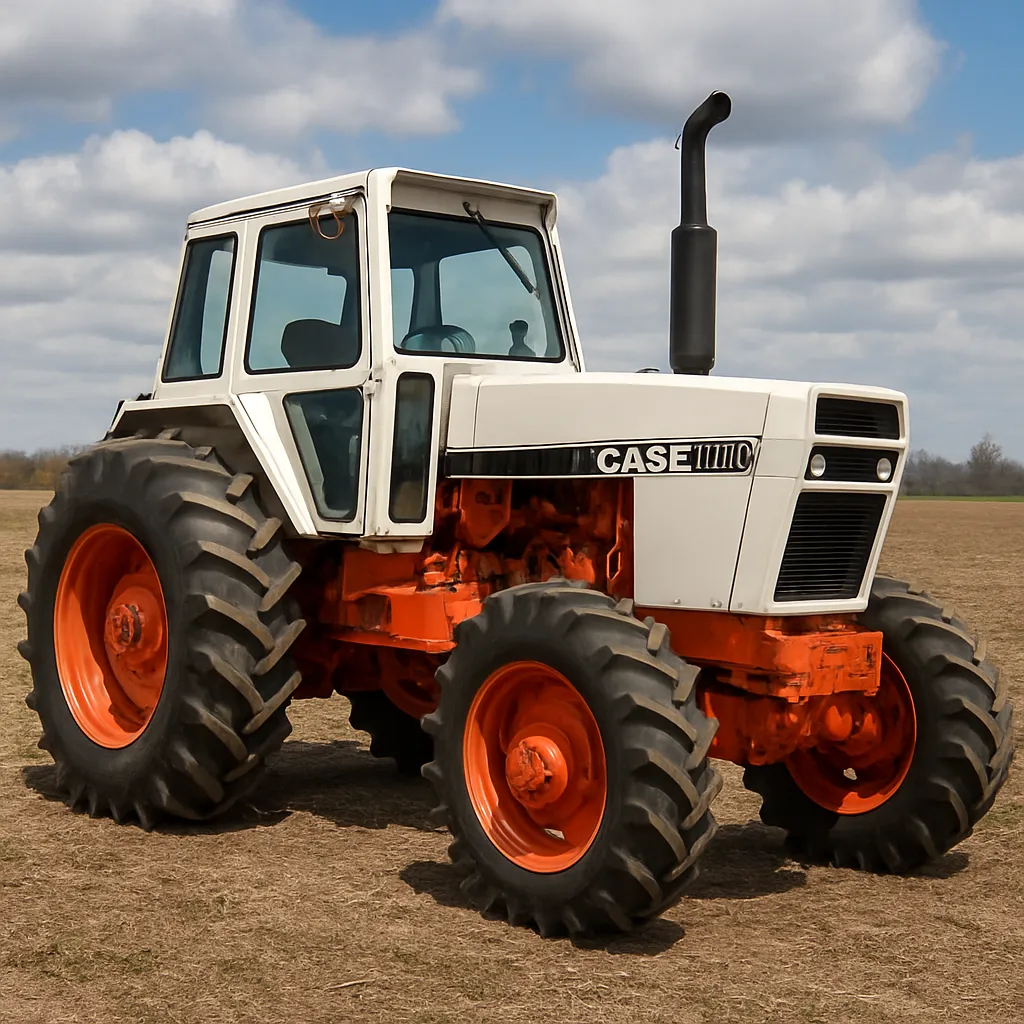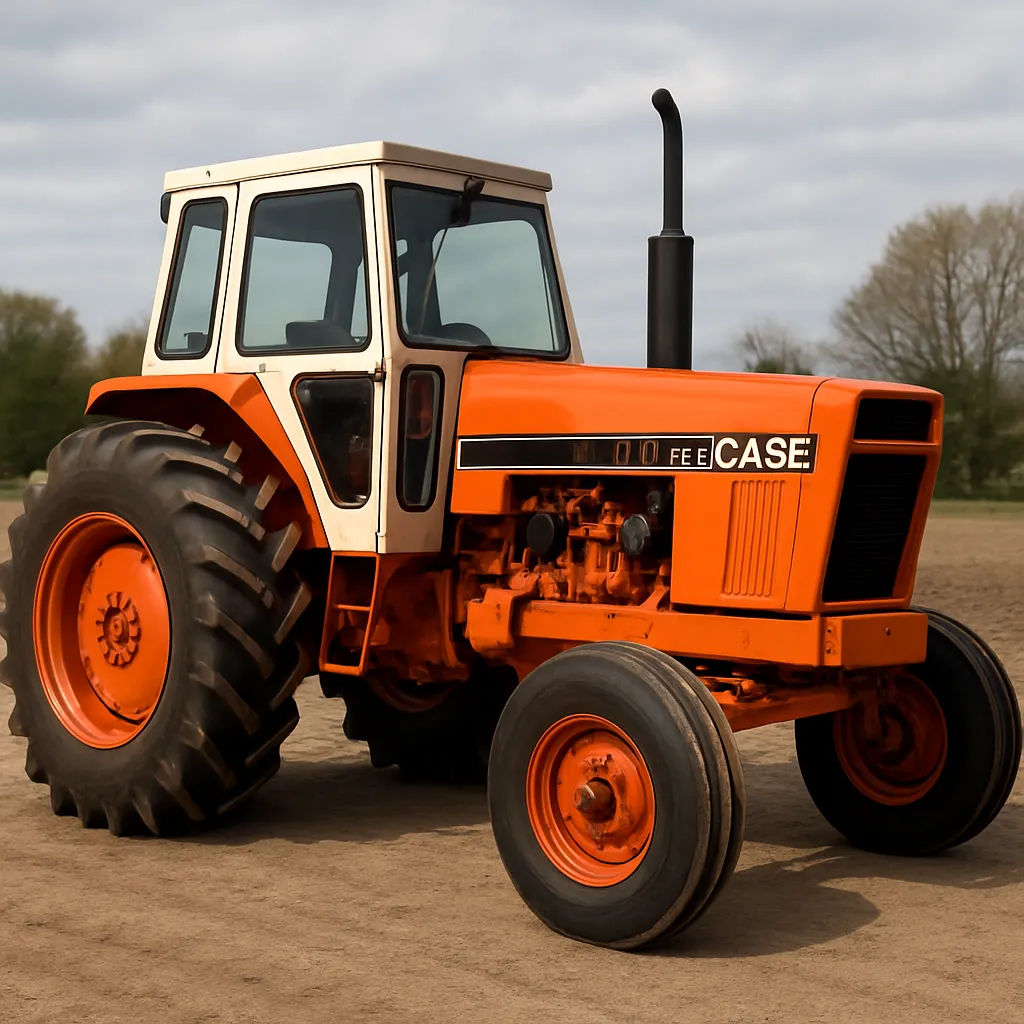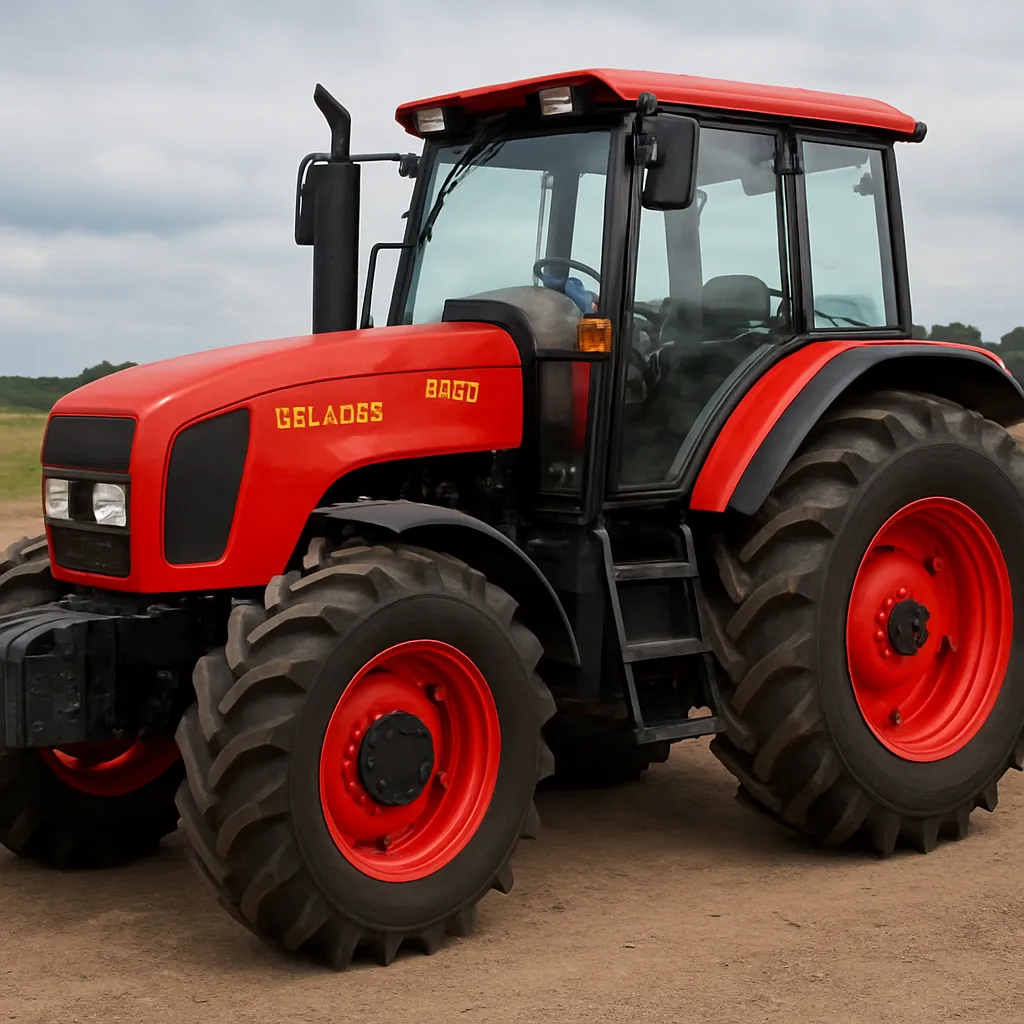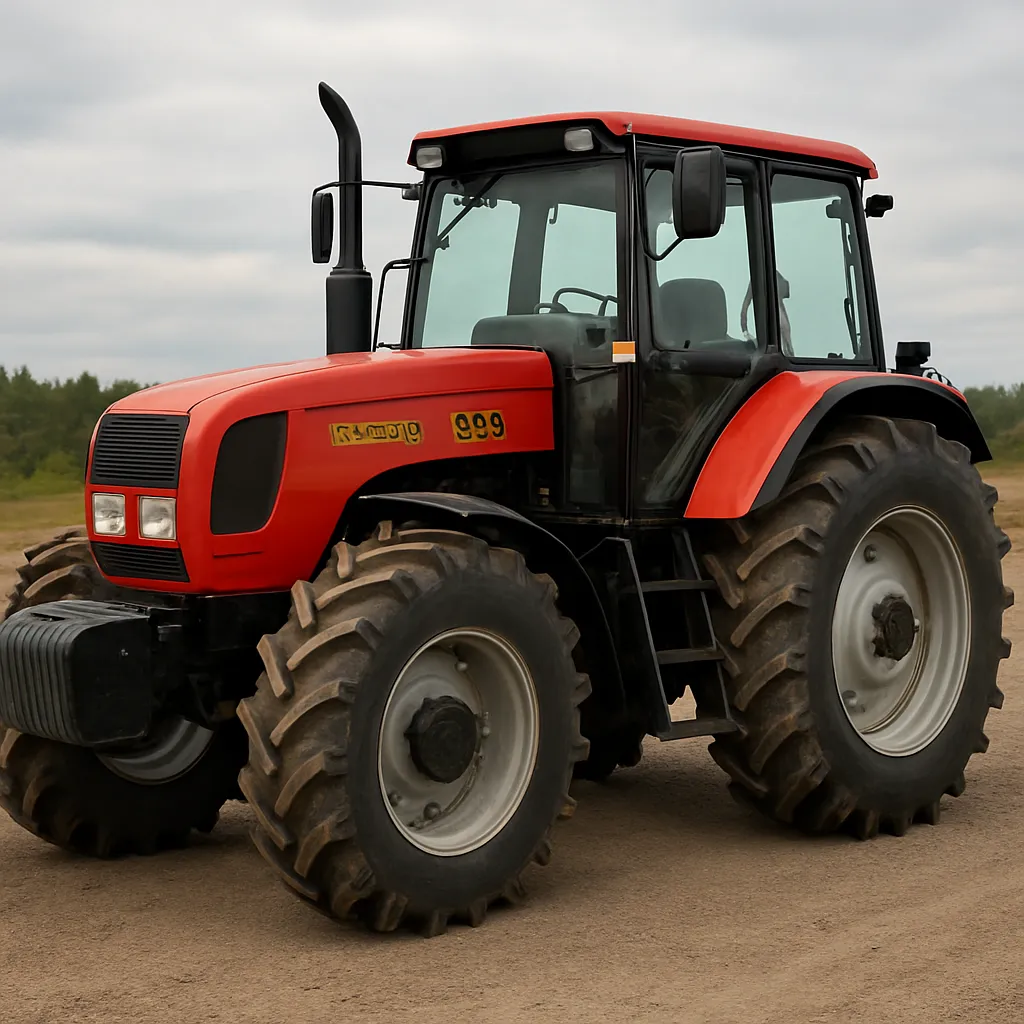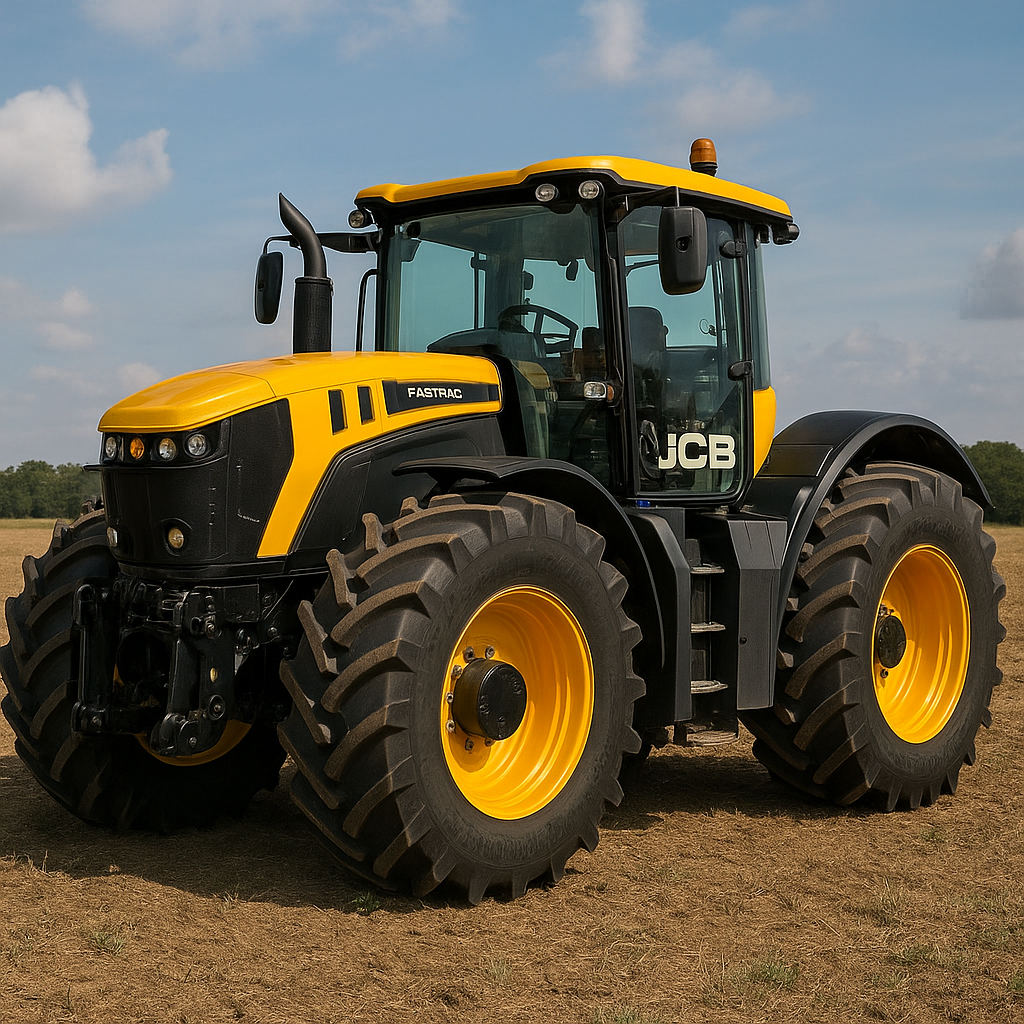
The JCB Fastrac 7000 Series represents a class of high-speed, heavy-duty agricultural tractors designed to bridge the gap between field performance and road transport efficiency. Built around the philosophy of combining agricultural capability with comfortable on-road driving, the 7000 Series is aimed at farms and contractors who require a machine that is equally at home pulling implements across arable land as it is ferrying loads between fields, yards and sites. In the following sections we examine the design, applications, technical characteristics and real-world advantages of the Fastrac 7000 Series, including practical figures and use cases where applicable.
Design and engineering philosophy
From the outset JCB engineered the Fastrac range to be different from conventional tractors. The 7000 Series continues that lineage by focusing on chassis dynamics, transmission flexibility and operator-centered systems. The idea is to deliver a tractor that is not only capable of serious fieldwork but also able to travel quickly and comfortably on public roads, reducing downtime between tasks and increasing daily productivity.
Chassis and suspension
- The 7000 Series features an advanced suspension system for both front and rear axles. This provides improved ride quality at high road speeds and reduces shock loads when towing heavy implements in transport.
- Because of the suspension, frame stress and implement wear are reduced, improving service life for both tractor and implement.
- Braking systems on the Fastrac 7000 are designed for high-speed deceleration with stability, typically featuring disc brakes on multiple wheels and often with ABS-style control for safe on-road stopping.
Drivetrain and transmission
One of the defining features of the Fastrac range is its focus on versatile transmission options to suit mixed-use operations. The 7000 Series is commonly offered with multi-ratio powershifts or continuously variable-type drivetrains, providing smooth, efficient power delivery in both field and road conditions. The transmission choices are optimized to allow high road speeds while retaining low-speed torque for heavy draft tasks.
Engine and emissions
JCB and its partners configure the 7000 Series with modern, turbocharged diesel engines that meet contemporary emissions standards (Stage IV / Tier 4 Final in many markets). Engines balance fuel economy with the torque characteristics required for heavy implements and transport loads.
Applications and operational roles
The Fastrac 7000 Series is inherently multi-role. Its combination of high road speed, robust pull capacity and comfortable cab make it particularly suitable for operations where machines must travel frequently between sites or carry out many different types of tasks.
Primary agricultural uses
- Arable farming: Tillage, seedbed preparation and large-planter operations benefit from the high power and long-distance transport capability.
- Spraying and spreading: When equipped with booms or applicators, the speed and stability in transport reduce turnaround times between fields.
- Transport and haulage: Trailers and grain carts can be moved quickly between fields and the farmyard, improving logistics during harvest and planting seasons.
Contracting and mixed farming
Contractors often need machines that can work for multiple clients with varying needs. The Fastrac 7000 Series is well suited to contract work (soil cultivation, fertilizer spreading, slurry transport) where on-road travel is frequent and efficiency gains from high-speed travel make projects more profitable.
Specialist and municipal roles
- Roadside mowing, snow clearing (when fitted with appropriate front equipment), and tow-based municipal tasks leverage the Fastrac’s speed and stability.
- Forestry and heavy estate work when equipped with suitable tyres, ballast and attachments.
Technical specifications and performance (typical/representative values)
Exact specifications can vary by market, model year and options. The figures below present representative values commonly associated with the Fastrac 7000 Series family; they are intended to illustrate the performance envelope rather than act as a replacement for a factory spec sheet.
- Engine power: Typical range approximately 150–260 hp (110–195 kW), depending on model and tuning.
- Maximum road speed: Up to approximately 60–65 km/h (37–40 mph) with appropriate transmission and gearing—one of the Fastrac hallmarks.
- PTO options: Rear PTO commonly available at 540/1000 rpm; selectable ratios and optional front PTOs are often offered for multi-role use.
- Hydraulic flow: High-flow load-sensing hydraulics providing typical flows in the order of 120–220 L/min, depending on pump configuration and auxiliary options.
- Fuel capacity: Tanks are sized to support long workdays and can be in the order of 300–600 liters depending on specification.
- Weight: Typical operating mass often between 7,000–11,000 kg depending on equipment and ballast.
- Lift capacity: Rear linkage lift capacities commonly in the range 6,000–10,000 kg, with optional front linkage and integrated loaders available.
- Steering: Four-wheel drive with selectable front-wheel engagement and optional four-wheel steering on certain configurations for improved maneuverability.
These representative numbers emphasize the Fastrac 7000’s dual emphasis on high-traction field work and efficient, high-speed transport—qualities that influence implement selection, tyre choice and ballast strategies during operation.
Operator environment and technology
Operator comfort and control are important aspects of the Fastrac 7000’s appeal. JCB’s cab design focuses on visibility, ergonomics and operator productivity, which becomes particularly valuable during long transport runs or when tackling extended field operations.
Cab features
- High-visibility glazing and well-shaped bonnet for improved forward sight lines with wide booms or front implements.
- Comfort features such as air-suspended seats, climate control and an insulated cab to reduce noise and fatigue.
- Ergonomic controls, joystick options and intuitive consoles to reduce operator workload when using hydraulic implements or loader equipment.
Electronics and connectivity
Modern Fastrac 7000 machines often include integrated electronics for implement control and fleet management:
- ISOBUS compatibility for plug-and-play implement control and easier data exchange between tractor and implement.
- Precision guidance and auto-steer options that reduce overlap in field operations and improve application accuracy.
- Telematics and remote monitoring systems (for example JCB LiveLink or similar platforms) allowing managers to view location, fuel usage and fault codes in real time.
Maintenance, lifecycle and total cost of ownership
While capital cost can be higher for a high-spec, multi-role machine like the Fastrac 7000, total cost of ownership often improves when measured over the lifecycle because of higher utilization, fewer hours spent traveling between jobs and lower operator fatigue. Key areas that affect lifecycle costs include fuel efficiency, service intervals, parts accessibility and resale value.
Serviceability
- Design considerations typically include easy-access service points, modular components for faster repairs, and standardised parts across model ranges to reduce the need for uncommon spares.
- Regular maintenance intervals for engine, transmission and hydraulics are critical, particularly for machines used intensively in both field and transport roles.
Resale and secondary market
High-spec multi-role tractors often retain competitive resale values because they appeal to contractors and larger farms that require flexibility. The real-world resale price will depend on hours, service history, fitted options and regional demand for high-speed tractors.
Comparisons, case studies and operator feedback
Farmers and contractors who choose the Fastrac 7000 Series commonly cite a handful of recurring benefits once they incorporate the tractor into daily operations:
- Significant time savings when moving between fields or jobs because high road speed reduces travel time compared to conventional tractors.
- Smoother ride quality during transport reduces wear on trailers and towed implements, lowering replacement costs over time.
- Operator comfort leads to longer, more productive shifts with reduced fatigue-related mistakes.
Representative case study example
A mid-size contracting business using a Fastrac 7000 for spring fieldwork and long field-to-farm transfers reported that average daily distance covered increased dramatically without additional operator fatigue. The contractor saw better asset utilization because one machine could perform both cultivation and haulage duties that previously required two separate machines. Fuel economy per task improved because of fewer deadhead kilometres (travel without work), and scheduling flexibility allowed quicker response to client requirements.
Practical considerations when choosing a Fastrac 7000
Prospective buyers should evaluate how the Fastrac 7000 fits into their operation by considering the following practical points:
- Do your typical daily operations require long road transfers or multiple short hops? The Fastrac excels at road-intensive work.
- Will you frequently switch between implements and tasks? Confirm linkage, PTO and hydraulic options match your implement set.
- Check local service and parts support—access to trained technicians and factory parts will reduce downtime.
- Consider tyre selection, ballast and axle load distribution carefully to balance traction, soil compaction and road stability.
- Evaluate telematics and guidance packages to maximize precision agriculture benefits and fleet oversight.
Final observations
The JCB Fastrac 7000 Series occupies a specialised niche where transport speed, operator comfort and heavy-duty field capability intersect. For farms and contractors that need a machine able to shuttle between tasks quickly while still delivering high traction and hydraulic performance in the field, the 7000 Series offers a compelling package. Its combination of speed, power, advanced suspension, high specification hydraulics and modern electronic integration provides a flexible platform that can reduce total operating hours, increase daily output and improve operator wellbeing—factors that, together, influence both productivity and profitability.
Key strengths: the ability to combine transport and field work efficiently; a comfortable, well-equipped cab for long shifts; and robust engineering designed for multi-purpose operations. For anyone comparing machinery for mixed-role agricultural enterprises or contract work, the Fastrac 7000 Series merits careful consideration.