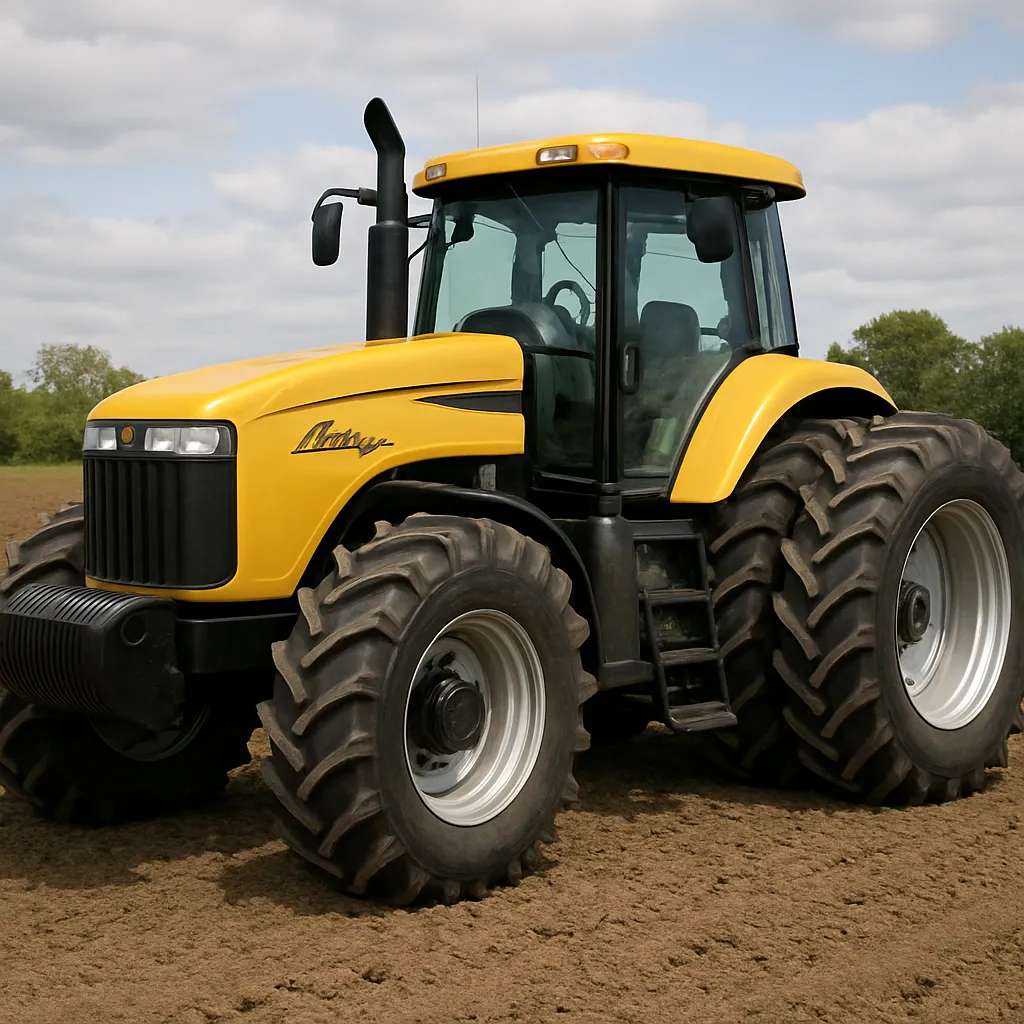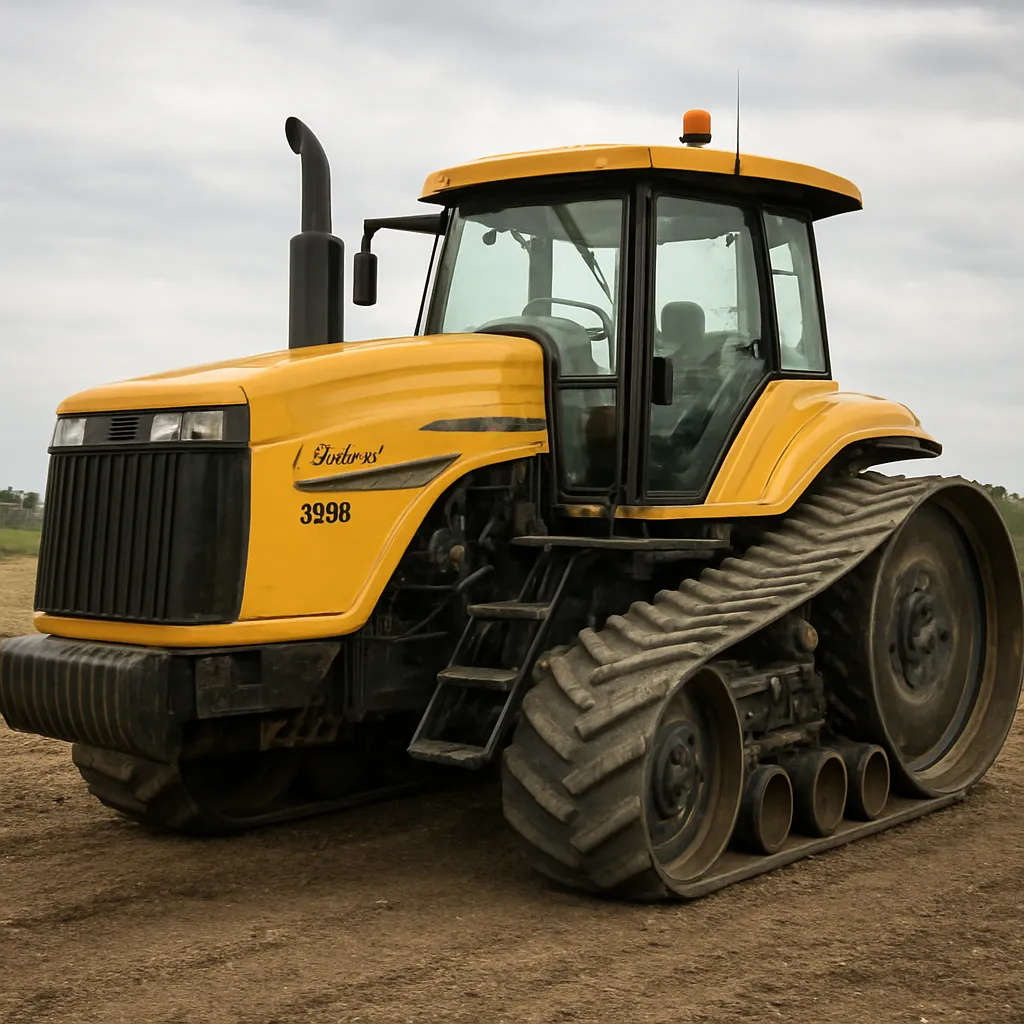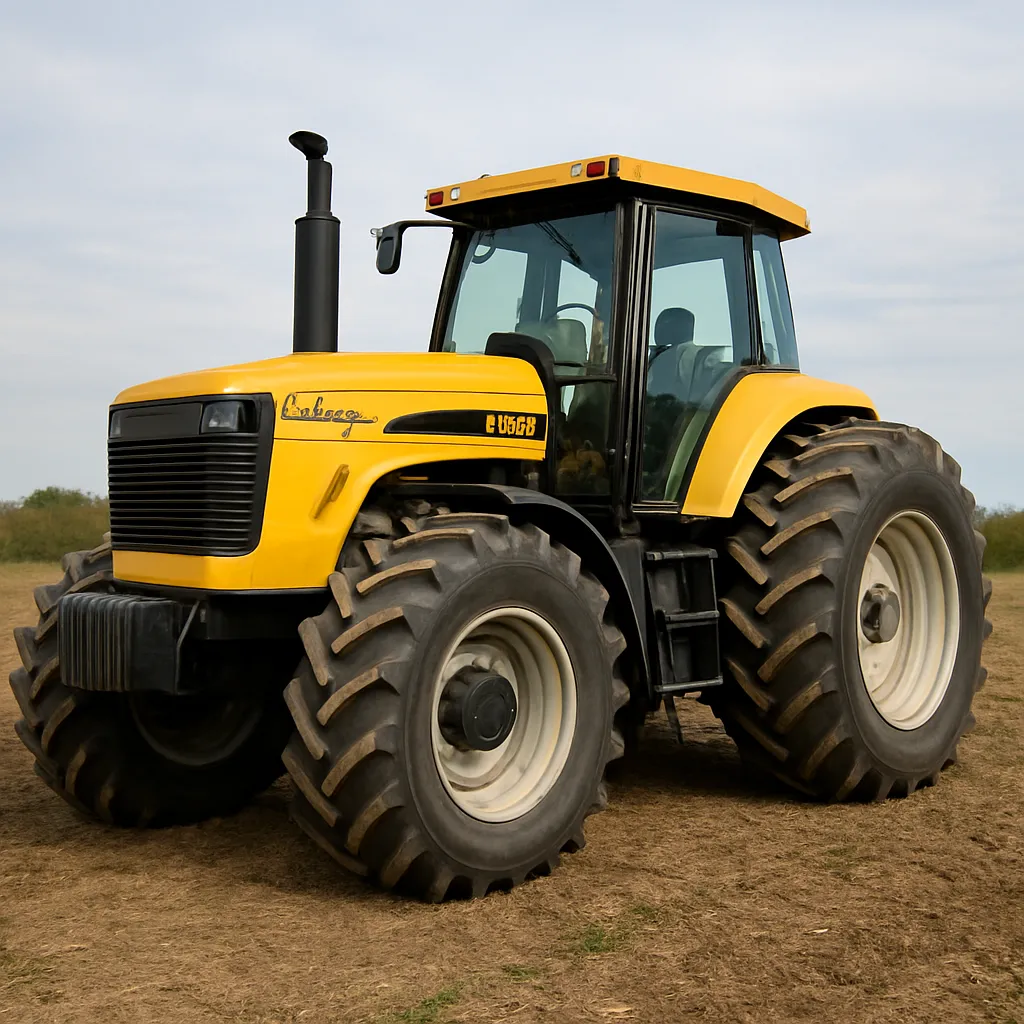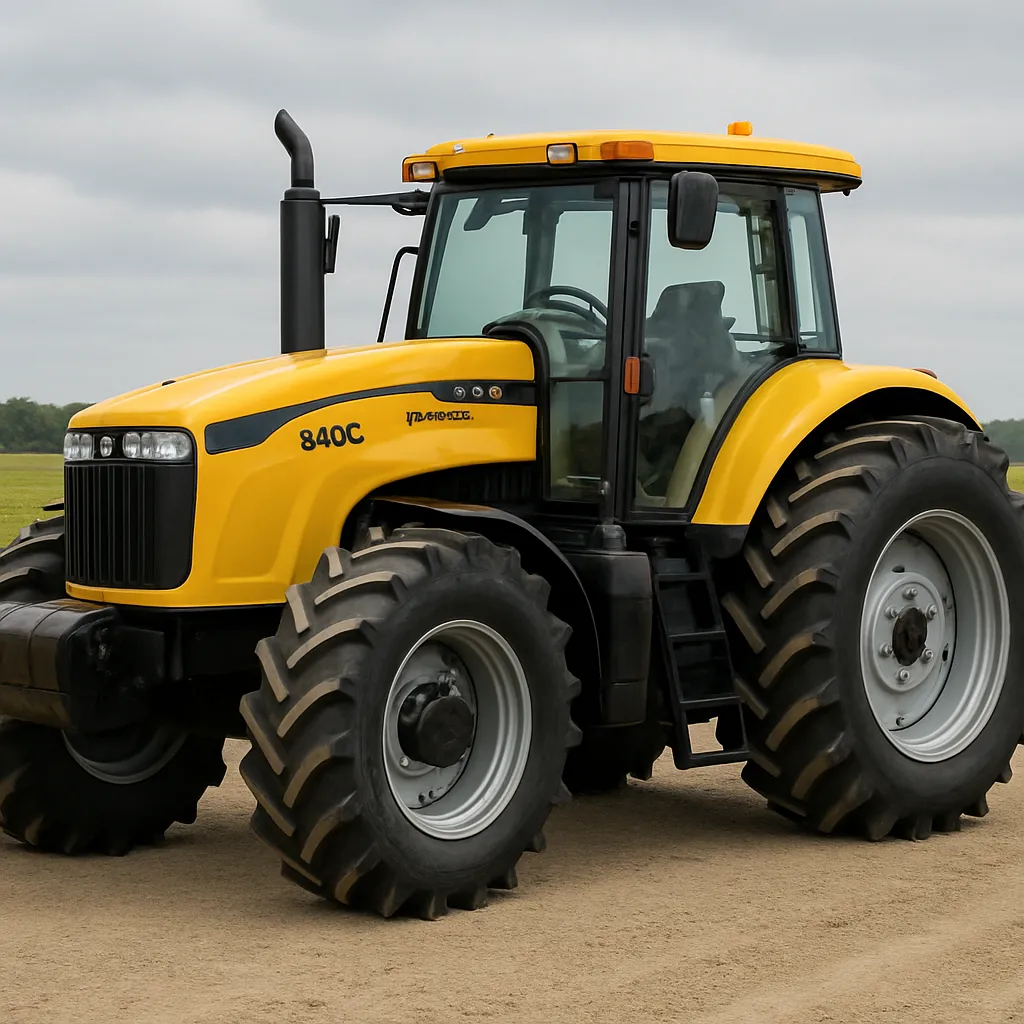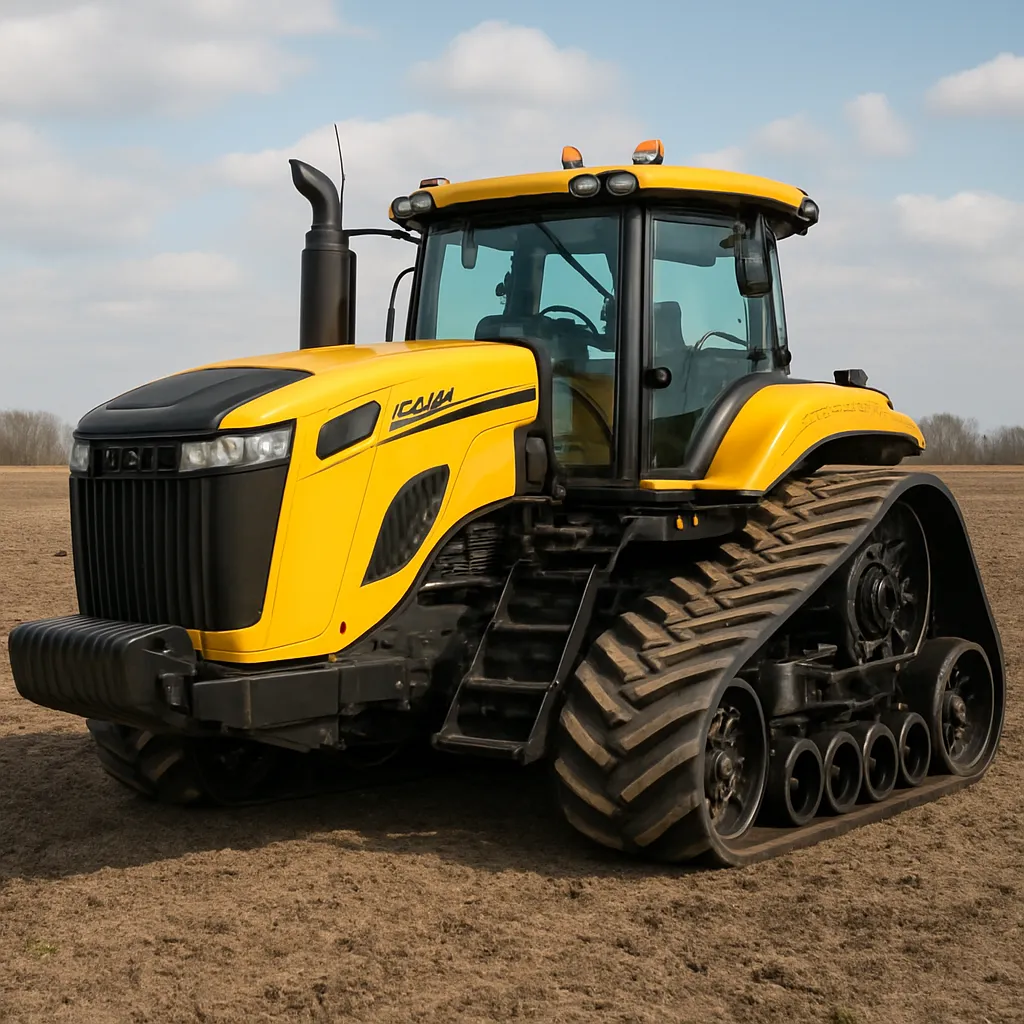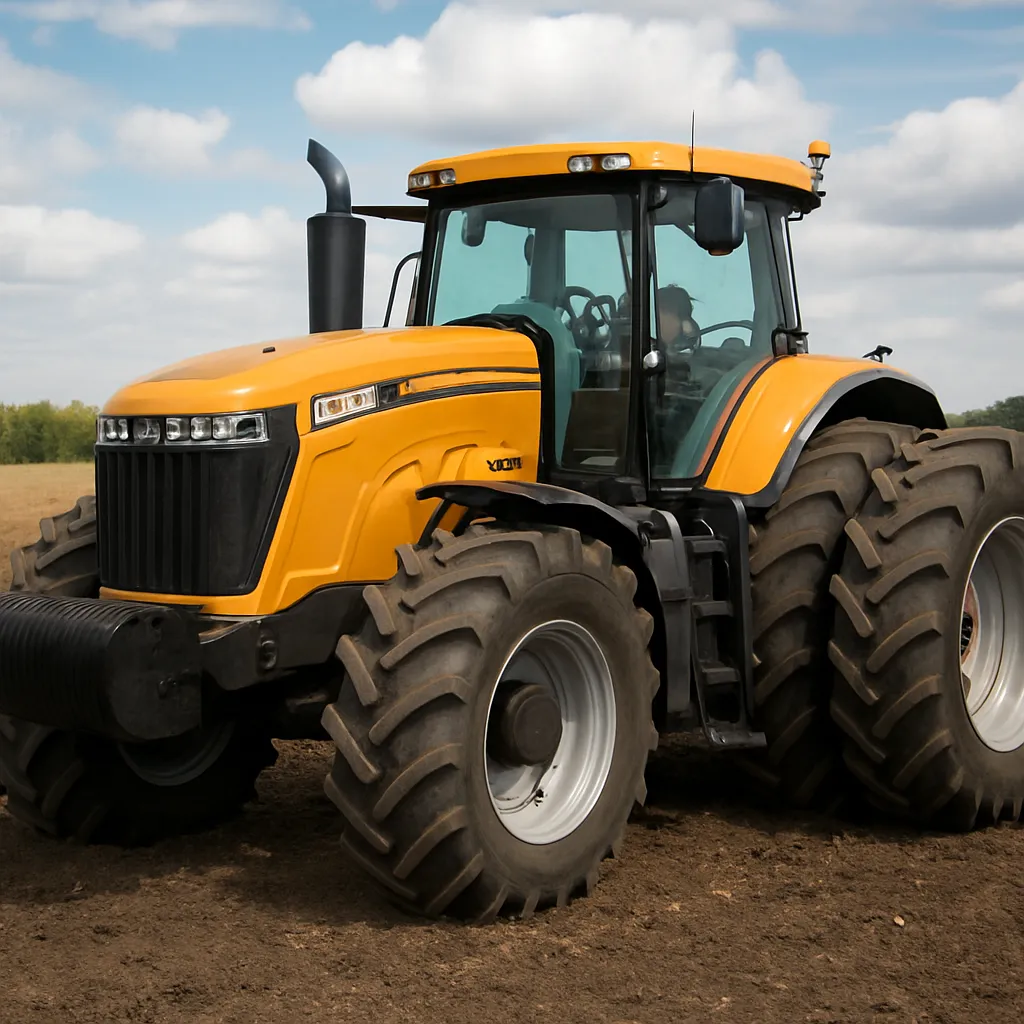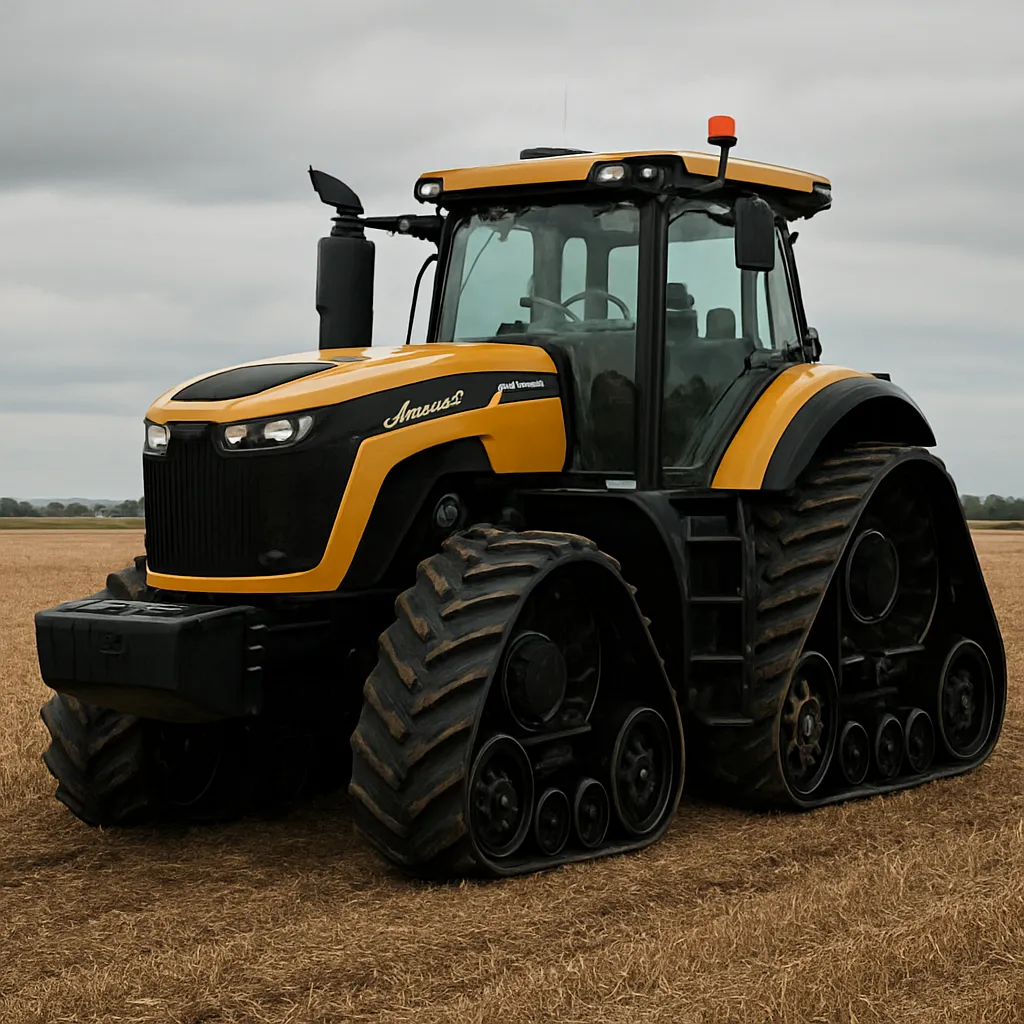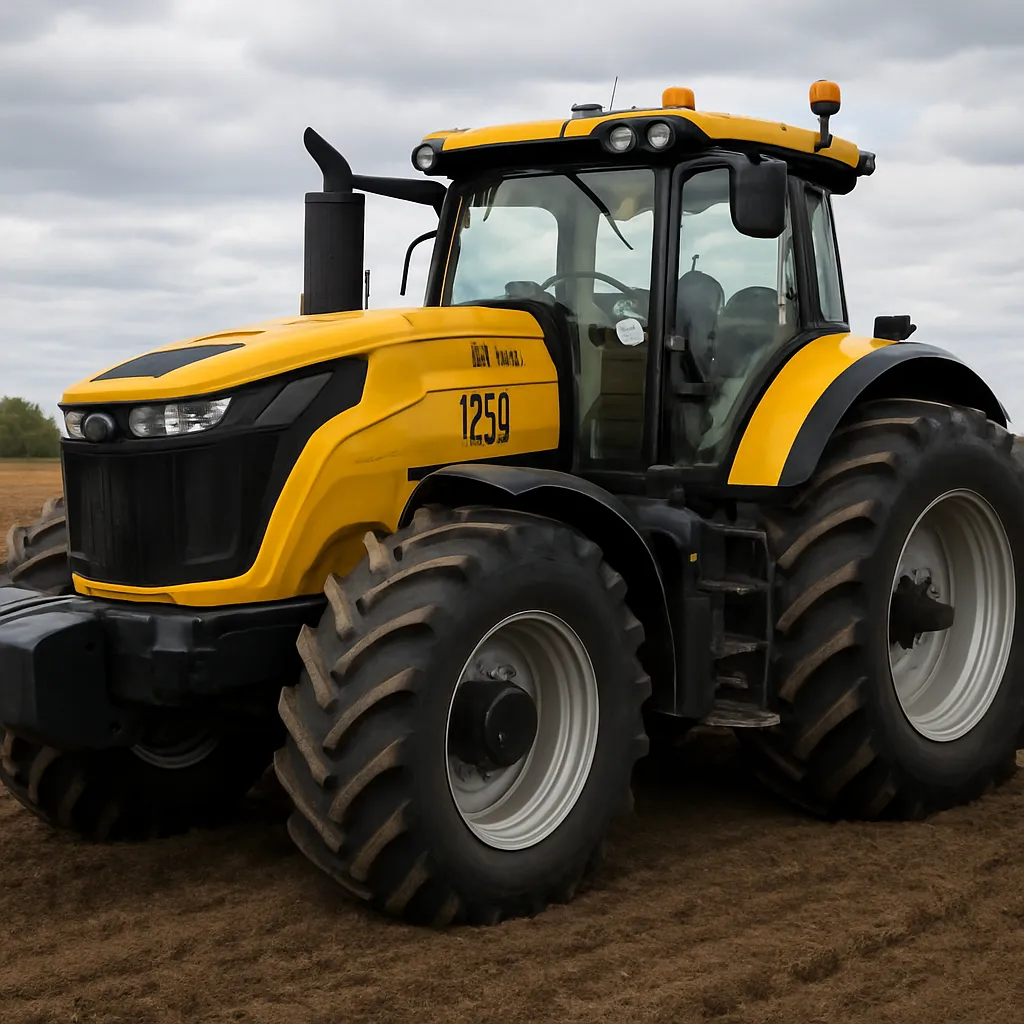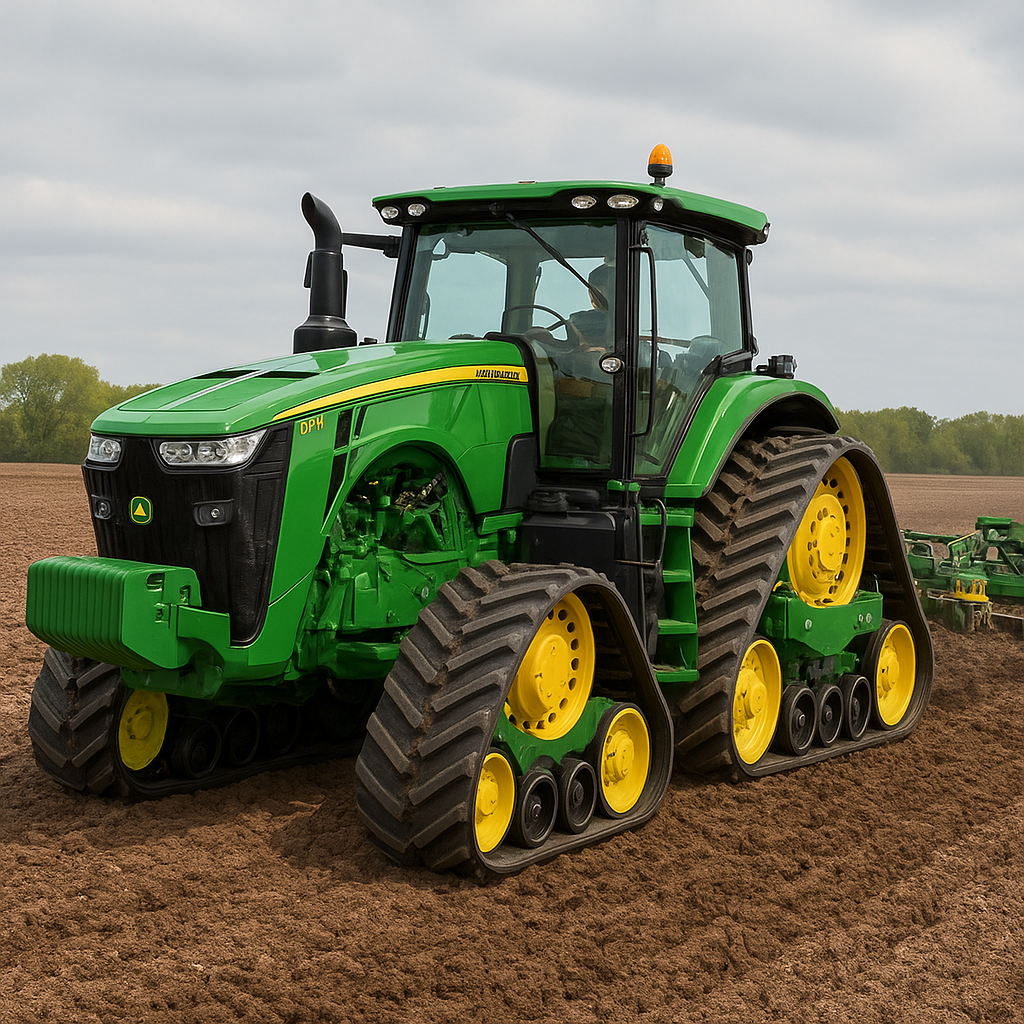
The John Deere 8RT 410 is a high-horsepower, four-track row-crop tractor designed for demanding fieldwork and heavy implements. Combining the proven engineering of the John Deere 8 Series with the traction and soil protection benefits of a four-track undercarriage, the 8RT 410 targets large-scale farming operations, contractors, and any operations that require sustained pull, flotation, and consistent field performance. This article explores the tractor’s technical characteristics, typical applications, operational advantages, maintenance considerations, and market context, with practical details and useful comparisons for prospective buyers and operators.
Overview and design philosophy
The John Deere 8RT family was created to bridge the gap between wheeled 8R tractors and tracked machines by delivering the power and versatility of a conventional tractor combined with the flotation, traction, and reduced ground compaction of a track undercarriage. The 8RT 410 sits in the middle-high end of the lineup and is intended for producers who require sustained drawbar performance and reliable power transfer in a variety of soil conditions.
- John Deere engineering emphasizes integration between the powertrain, hydraulics, and electronics to maximize efficiency and operator comfort.
- The four-track design distributes weight across a larger area than twin-track or wheeled tractors, reducing soil compaction and improving traction in wet or soft soils.
- Modular options for implement control, precision guidance, and telemetry make the 8RT 410 suitable for modern precision farming systems.
Key technical features and specifications (typical)
The following specifications represent the typical published values and common configurations for the 8RT 410. Exact numbers can vary depending on year, market region, optional equipment and official factory updates, so always consult the manufacturer’s specification sheet for the specific serial number.
- Model: John Deere 8RT 410
- Engine power: approximately 410 horsepower (about 306 kW) rated — manufacturer-rated engine power for PTO or drawbar may differ slightly depending on test standard.
- Torque: designed to provide high low-end torque for heavy implements and deep tillage; torque management systems preserve fuel economy and response under load.
- Transmission: high-capacity powershift or e18-like options with creep capability and multiple forward/reverse ranges optimized for field and transport speeds; often integrated with electronic controls for smooth power delivery.
- Undercarriage: four independent rubber tracks with multiple width options (typical track widths range from ~24 inches to ~36 inches), adjustable track tensions and suspensions for a balance between flotation and field responsiveness.
- Hydraulics: high-flow, closed-center hydraulic systems with multiple selective control valves (SCVs), offering the flow and pressure required for large planters, air seeders, and mounted or trailed implements.
- Weight: operating weight varies by configuration and options, commonly in the range of 18,000–25,000 kg (approximate), providing a stable platform for heavy implements.
- Fuel capacity: large tanks to support extended field operations; typical capacity often exceeds 1,000 liters depending on configuration and auxiliary tanks.
- Cab and controls: premium comfort cab with climate control, ergonomic controls, touchscreen displays for precision farming (AutoTrac, JDLink), and air-ride seating to reduce operator fatigue.
- Telematics and precision ag compatibility: John Deere precision systems like AutoTrac, Section Control, and variable-rate applications are usually fully supported, with factory integration for ISOBUS and JDLink connectivity.
Primary applications and field uses
The 8RT 410 is a multi-role machine that excels where sustained pulling power, traction and soil protection are critical. Typical applications include:
- Tillage: deep ripping, moldboard ploughing, and heavy disc operations where sustained drawbar power and torque are required to maintain consistent depth and throughput.
- Seeding and planting: large variable-rate planters and air seeders benefit from the stable, low-slip platform that four tracks provide, improving placement consistency and reducing uneven seed depth.
- Seeding in wet conditions: track flotation allows operations to continue earlier in the spring or later in the fall when fields are softer.
- Heavy transport between fields: while not as fast as wheeled tractors on pavement, modern transmissions and transport settings allow satisfactory road speeds for moving large implements across farms.
- Specialty implements: fertilizer applicators, sprayers mounted on trailers, or heavy planters where consistent ground contact and controlled compaction are important.
- Contracting and custom work: the machine’s high capacity suits contractors who need a reliable, versatile tractor for a variety of jobs in different fields each day.
Advantages of a four-track system
Compared to wheeled tractors or two-track designs, the four-track configuration of the 8RT 410 offers several operational advantages:
- Traction: four tracks distribute tractive effort across four contact patches, lowering slip and improving fuel efficiency when pulling heavy loads.
- Reduced ground compaction: surface pressure is spread over a larger area, which helps preserve soil structure and long-term productivity.
- Smoother ride and stability: four tracks increase lateral stability and reduce bouncing in uneven terrain, improving operator comfort and implement control.
- Early/late season operations: better flotation enables work in softer soils, extending the effective season for fieldwork.
- Improved traction management: on slopes or rolling terrain, the multiple contact points provide better directional control and safety compared with single wide tracks or wheels.
Performance, fuel efficiency and operating economics
Large tractors such as the 8RT 410 are capital-intensive, so operational efficiency and lifecycle costs are critical considerations. A few performance-related points to consider:
- Fuel efficiency: efficiency is improved by track traction that reduces wheel slip and by advanced engine fuel maps that optimize power delivery for load conditions. Implement matching and correct gearing are key to minimizing specific fuel consumption (liters per hectare or gallons per acre).
- Productivity per hour: because the 8RT 410 can operate with larger implements at consistent speeds and depths, productivity per hour can be high, often offsetting higher hourly operating costs compared to smaller tractors.
- Lifecycle cost: while the initial purchase price and undercarriage maintenance for rubber tracks tend to be higher than wheeled tractors, the improved throughput and reduced compaction can lead to better returns over time, especially on large hectares or high-value crops.
- Maintenance trade-offs: undercarriage components (rollers, sprockets, rubber tracks) require scheduled inspection and replacement cycles. Proper tension, alignment and contamination management extend component life and reduce long-term cost.
Operator environment and technology integration
John Deere places strong emphasis on operator ergonomics and electronic integration for the 8RT 410. Key aspects include:
- Comfortable cab with visibility optimized for both trailed and mounted implements.
- Integrated precision farming tools: AutoTrac guidance, machine data logging, remote diagnostics through JDLink, and compatibility with ISOBUS implements allow precise control and efficient field operations.
- Customizable performance settings and implement control run through the main display, reducing the need for add-on terminals and simplifying operator workflows.
- Advanced monitoring systems that provide real-time information about fuel use, engine load, hydraulic flows and soil slip — facilitating decisions that conserve fuel and reduce wear.
Maintenance, serviceability and uptime
Keeping an 8RT 410 productive depends on structured maintenance and proactive service strategies. Practical considerations include:
- Routine service: standardized service intervals for engine oil, coolant, filters, hydraulic fluid and track inspections help maintain peak performance and prevent costly downtime.
- Undercarriage care: track tension, wear checks on rollers, sprockets and idlers, and cleaning to avoid debris buildup are essential. Proper storage and minimal prolonged exposure to UV or chemicals extend track life.
- Diagnostic tools: factory telematics and onboard diagnostics allow technicians to identify issues quickly and perform remote troubleshooting or software updates to minimize downtime.
- Parts availability: national dealer networks for John Deere typically ensure access to replacement parts and authorized service technicians, which improves uptime for large operations.
Implement compatibility and customization
The 8RT 410 is designed to integrate with a wide variety of modern farm implements and precision systems. Compatibility highlights:
- Front and rear linkage options and PTOs suited for heavy duty implements.
- ISOBUS compatibility for planter and seeder control, offering plug-and-play-like operation with many modern implements.
- Multiple hydraulic flow options enabling high-flow systems for active tool control, such as seeders with active downforce or large air carts.
- Accessory packages for lighting, hitches, camera systems and work-area tooling tailored to long work days and complex implements.
Market positioning, competitors and buyer considerations
In the high-horsepower category, the 8RT 410 competes with other premium brands offering track or wheeled high-horsepower solutions. When evaluating the 8RT 410 against alternatives, consider:
- Scale of operation: four-track machines make the most sense on large farms or operations where reduced compaction and greater field productivity yield tangible returns.
- Soil types and climate: operations with heavy clay soils or fields that experience seasonal wetness will benefit disproportionately from track flotation.
- Resale and support: dealer networks, parts availability and brand familiarity affect total cost of ownership and resale value.
- Alternative technologies: high-horsepower wheeled tractors or twin-track systems can be cheaper to acquire and maintain but may not match the 8RT 410’s performance in terms of consistent traction or flotation under high loads.
Environmental impact and sustainability considerations
Large tractors inevitably influence farm environmental footprints, but the 8RT 410 offers features that can contribute to more sustainable practices:
- Reduced compaction: by minimizing compaction, crop root development and water infiltration can improve, potentially reducing the need for corrective tillage and increasing yields.
- Precision agriculture: integrated variable-rate control and section control reduce overapplication of inputs like seed and fertilizer, saving resources and cutting runoff risks.
- Engine efficiency: modern engine management reduces specific fuel use per hectare compared to older high-horsepower models, especially when combined with correct implement matching.
Statistical context and practical performance metrics
Exact performance metrics vary with crop, implement, soil, and operator technique. Typical performance indicators to measure when assessing an 8RT 410 in the field include:
- Fuel consumption per hectare (or acre): varies widely by implement and soil conditions; under heavy tillage it will be higher than during seedbed preparation operations.
- Operating hours between scheduled services: follows manufacturer recommendations, but many fleets track usage patterns and condition-based service to optimize uptime.
- Undercarriage component life: rubber track life is influenced by field debris, operating surface, alignment and operator technique — typical usable life can range from hundreds to thousands of operating hours depending on conditions.
- Productivity gains: measured in hectares covered per day, seed placement quality and throughput; in many large-scale operations, the 8RT 410 can provide measurable hourly gains compared to smaller tractors or suboptimal wheel configurations.
Buying and ownership tips
For prospective buyers or fleet managers considering a John Deere 8RT 410, practical recommendations include:
- Analyze implement matching: ensure the planned implements are matched to the tractor’s hydraulic and drawbar capacities to avoid underutilizing or overstressing the machine.
- Inspect undercarriage condition for used machines: look for even wear, correct track tension, and absence of structural damage to frames or rollers.
- Consider a factory warranty and extended service contracts for initial years to protect against unexpected failures in high-use operations.
- Plan for operator training: modern control and precision systems deliver the best returns when operators are familiar with guidance, implement control and efficient driving techniques.
- Evaluate total cost of ownership, including depreciation, fuel, tires/tracks, routine maintenance and expected resale values.
Conclusion
The John Deere 8RT 410 is a purpose-built, high-capacity track tractor that balances raw pulling power with the agronomic benefits of reduced compaction and improved traction. It is best suited to large acreage producers, contractors and operations that require reliable, high-throughput performance across demanding conditions. While the initial outlay and undercarriage maintenance can be substantial, the combination of advanced engine management, integrated precision agriculture systems and the flotation advantages of a four-track platform can produce meaningful gains in productivity and soil health when applied in the right context. For buyers, the key is to match the machine to the operation’s scale, implement needs and crew capabilities to realize the full value of the 8RT 410.