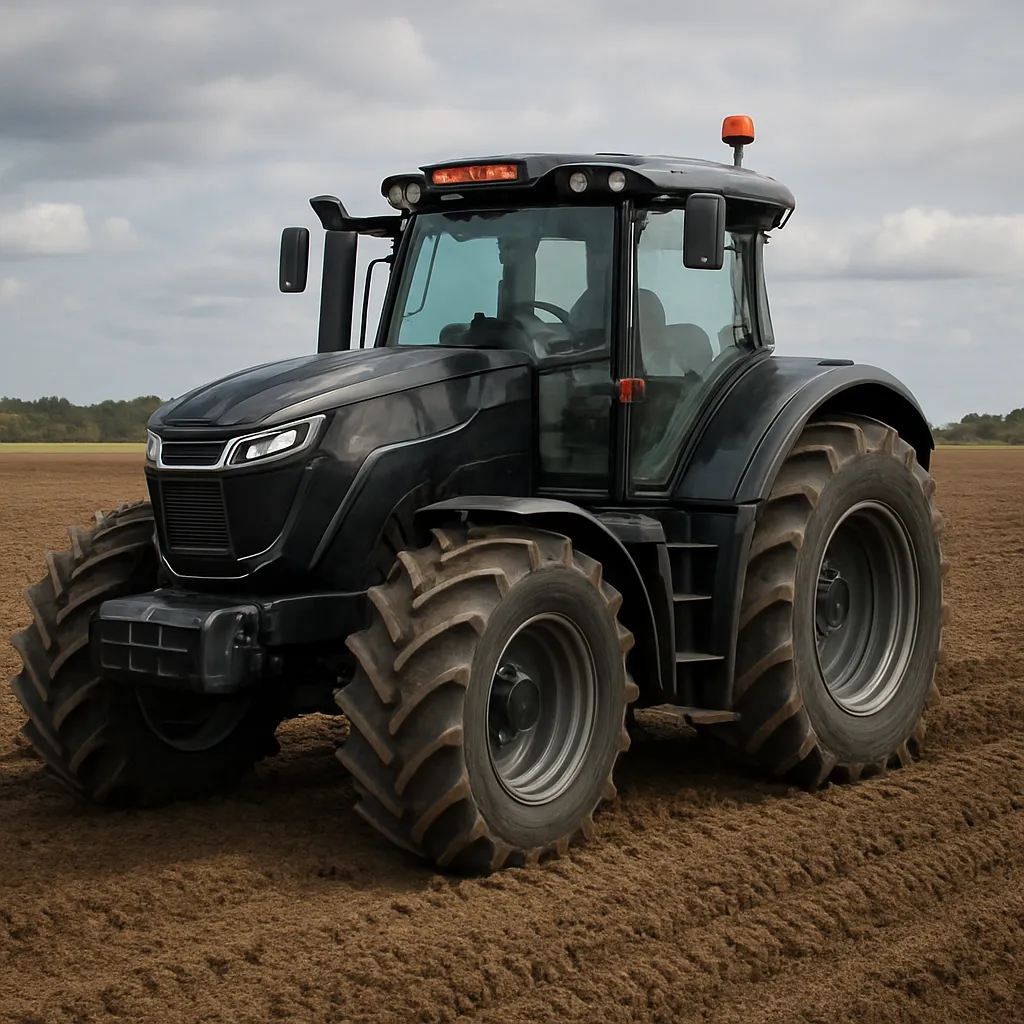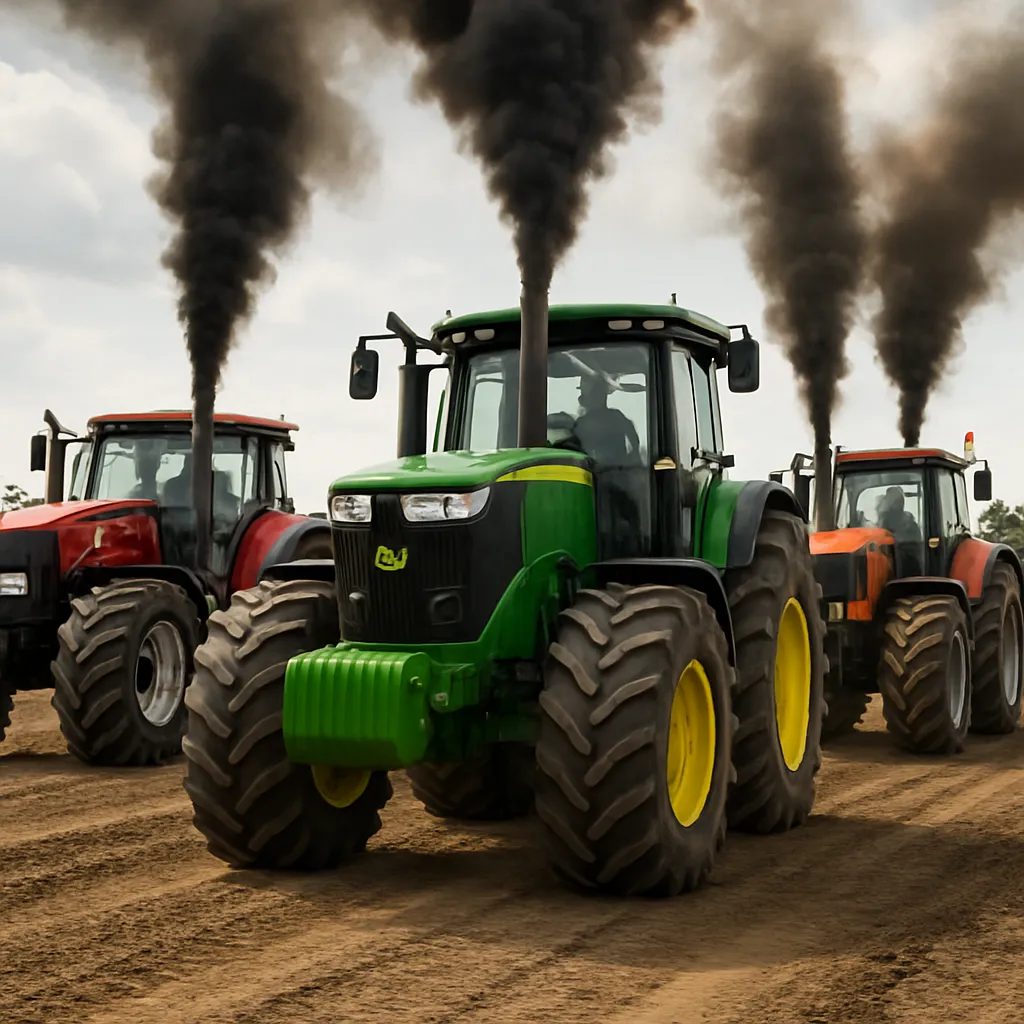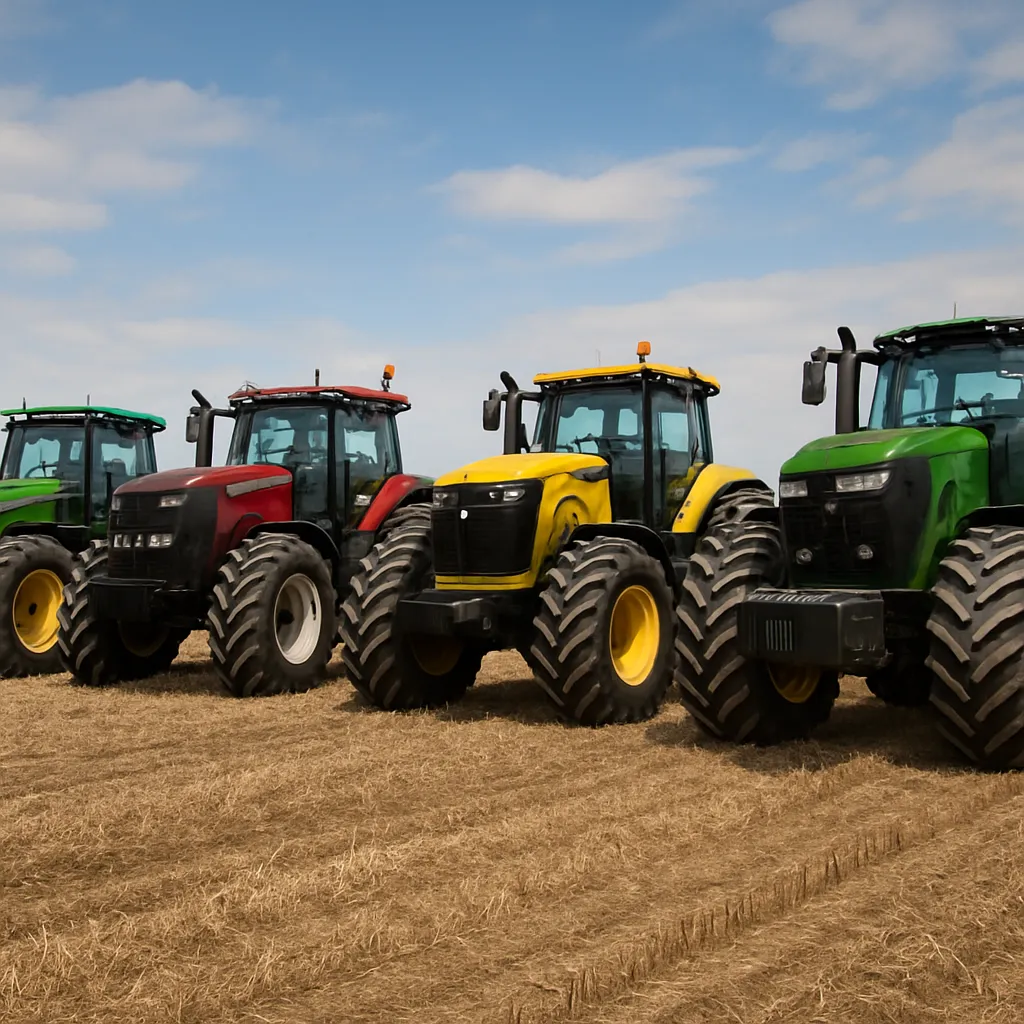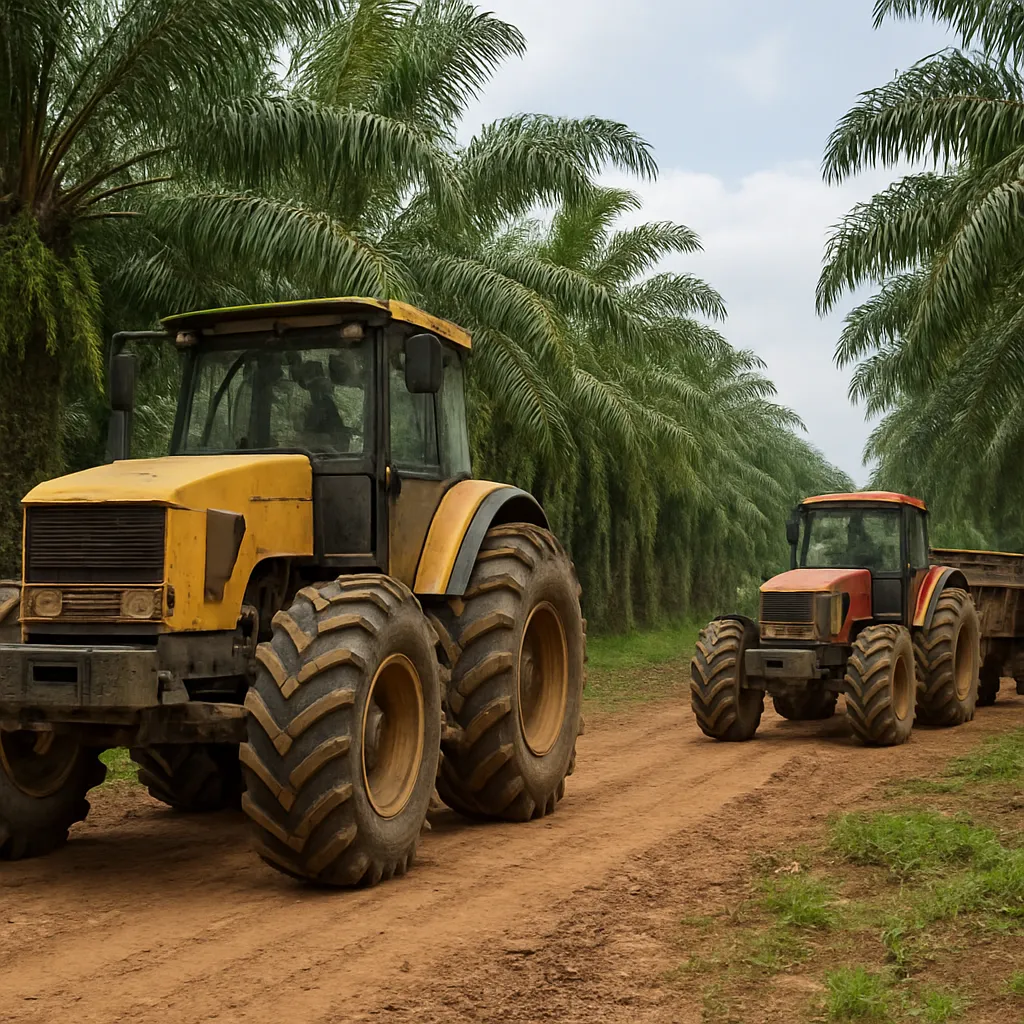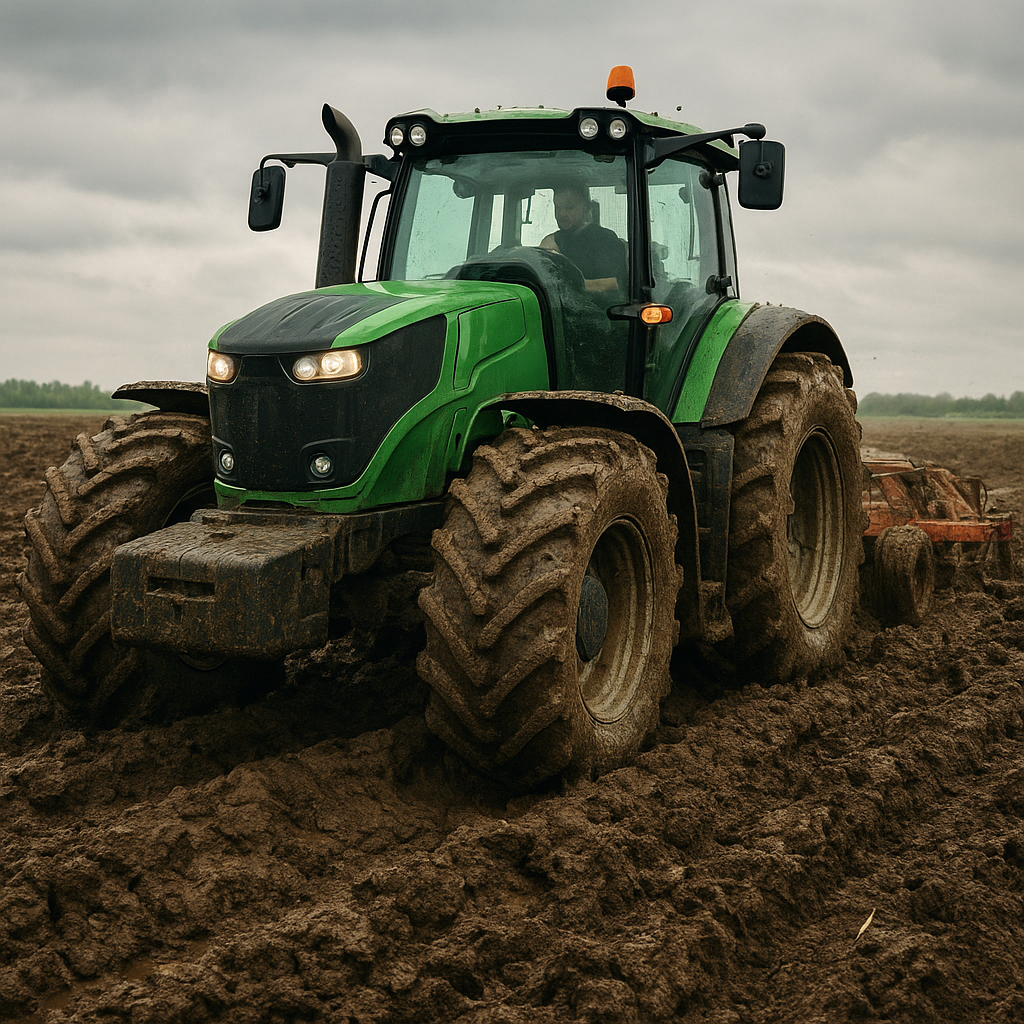
The realm of large-scale agriculture demands machines capable of conquering challenging terrains, where deep mud and heavy soil pose constant obstacles. Big tractors have evolved with specialized systems that allow them to maintain stability, maximize efficiency, and protect the integrity of fields. This article explores the essential features, techniques, and emerging trends that enable the largest tractors to thrive in the most demanding ground conditions.
Understanding the Challenge of Mud and Heavy Soil
Tackling saturated fields and dense clay requires more than raw horsepower. Tractors must overcome high suction forces, uneven load distribution, and the risk of becoming stuck. Understanding the unique properties of mud and heavy soil is the first step toward selecting or operating a machine that can perform reliably under these extremes.
- Cohesion and Adhesion: Clay-rich soils cling to tires or tracks, increasing resistance.
- Viscosity Variability: Water content changes soil behavior from firm to fluid-like, demanding dynamic traction management.
- Load-Bearing Capacity: Heavily saturated ground can compress, leading to ruts and uneven compaction.
- Drainage Patterns: Poorly drained fields exacerbate mud depth and slipperiness.
Key Features of Big Tractors for Mud and Soil
Powerful Engine and Advanced Powertrain
High-displacement diesel engines produce consistent torque at low speeds, crucial for pulling heavy implements through dense earth. Modern transmissions—ranging from multi-speed powershift to continuously variable (CVT)—optimize engine load, allowing operators to select the ideal gear ratio for traction versus ground speed. Integrated electronic controls monitor engine rpm and adjust hydraulic flow to maintain performance under heavy draft loads.
Traction Control and Innovative Tire Technology
Maximizing grip on slippery surfaces revolves around sophisticated traction systems and specialized tire designs. Large agricultural tires feature robust tread patterns and deep lugs that self-clean as they rotate. Key elements include:
- Adjustable Tire Pressure: Central tire inflation systems allow on-the-fly pressure reduction for improved flotation and increased contact area.
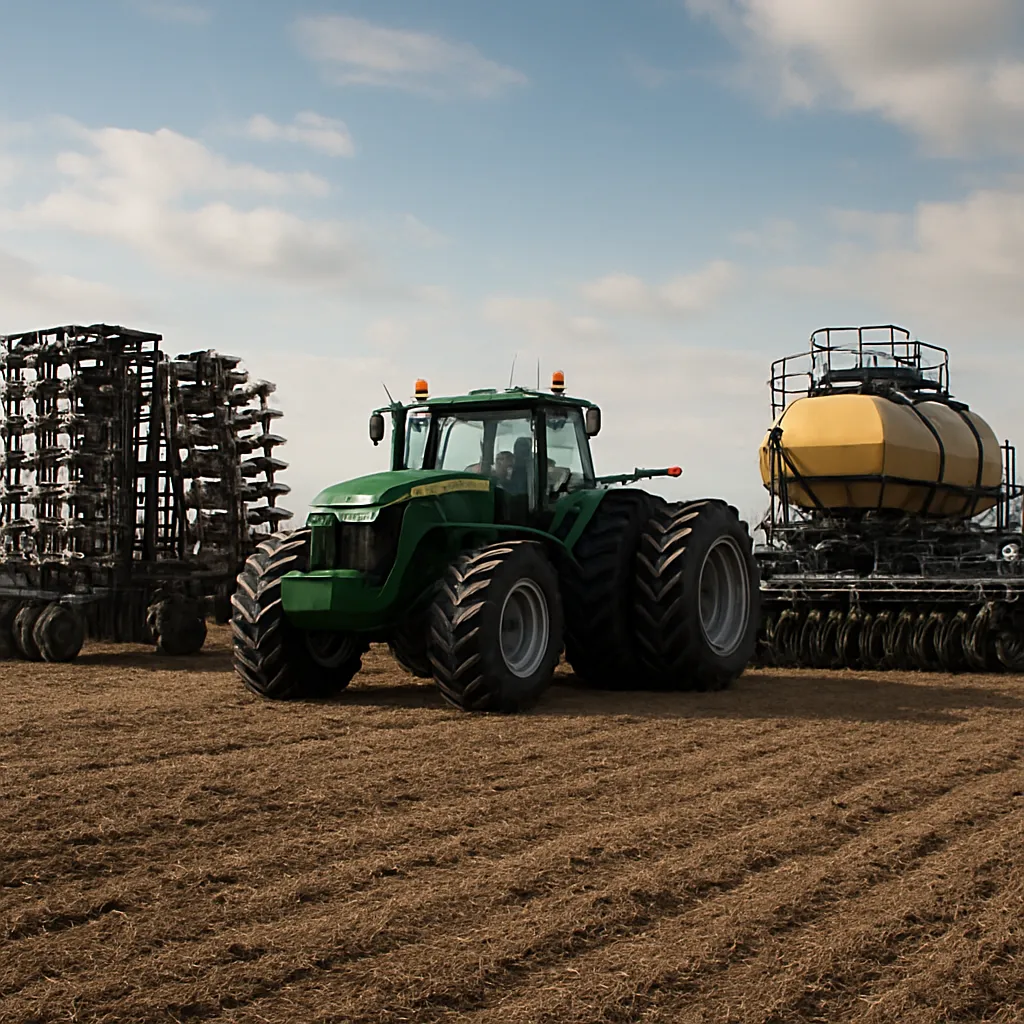
- Dual and Triple Configurations: Adding wheel extensions or dual tires spreads machine weight, reducing ground pressure.
- Directional Lugs: Angled tread blocks channel mud away from the tire to maintain continuous traction.
Ballast and Optimal Weight Distribution
Balancing a heavy tractor is an art. Correct ballast placement ensures front and rear axles share load proportionally, preventing wheel slip and pitch. Options include:
- Liquid ballast in rims or wheel weights for adjustable mass.
- Front-mounted cast-iron weights to counter heavy rear-mounted implements.
- Rear three-point hitch adjustments to distribute draft forces evenly.
Hydraulics and Versatile Implements
High-capacity hydraulics power everything from plows to subsoilers, demanding pumps capable of withstanding debris and pressure spikes. Flow rates upwards of 200 L/min allow smooth implement lifting and depth control. Quick-coupler systems enable rapid tool changes, while integrated sensors maintain consistent blade depth to avoid stalling in heavy soils.
Techniques and Best Practices in Muddy Conditions
Pre-Field Preparation and Path Planning
Before engaging a muddy section, operators should evaluate field contours and identify ridges for drainage. Establishing firm headlands and avoiding low-lying, waterlogged zones reduces risk. Pre-compaction with lighter machinery can create a stable track for big tractors.
Real-Time Equipment Adjustment
Modern tractors offer on-the-go modifications through touchscreen interfaces. Important adjustments include:
- Altering tire inflation pressure to respond to changing soil consistency.
- Switching on differential locks or limited-slip features to prevent wheel spin.
- Engaging advanced traction control that modulates engine torque to maintain steady progress.
- Modifying three-point hitch draft sensitivity for optimal implement draft.
Operator Skills and Safety Measures
An experienced driver reads ground feedback, adjusting throttle and steering to avoid high-slippage events. Maintaining steady momentum prevents sudden stalls in deep muddy patches. Use of rollover protection systems (ROPS) and cab-mounted cameras improves visibility and reduces risk when working near ditches or steep inclines.
Innovations in Tractor Design and Future Trends
The evolution of large tractors continues at a rapid pace, introducing technology that further mitigates the challenges of heavy soil. Emerging developments include:
- Autonomous Guidance: GPS-based systems enable precision path following, reducing unnecessary passes and compaction.
- Sensors and Telematics: Real-time data on machine load, ground pressure, and slippage allow predictive adjustments.
- Hybrid Powertrains: Combining electric motors with diesel engines can deliver instant torque control, improving response in sticky conditions.
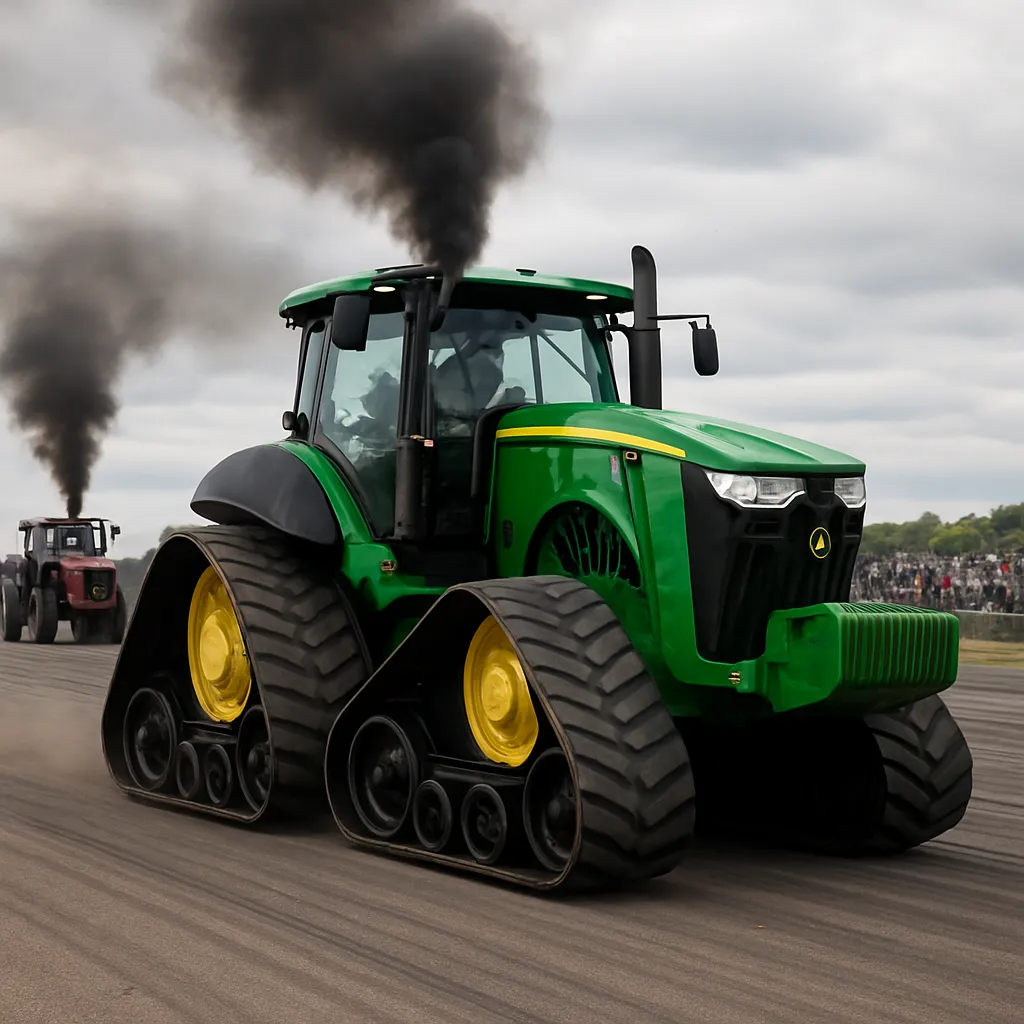
- Track Systems: Rubber tracks or convertible wheeled/track modules distribute mass evenly, lowering ground pressure and enhancing ground clearance.
These innovations, when paired with robust chassis designs and enhanced operator interfaces, ensure that the largest tractors remain indispensable tools for modern agriculture, ready to conquer the toughest fields with reliability and efficiency.