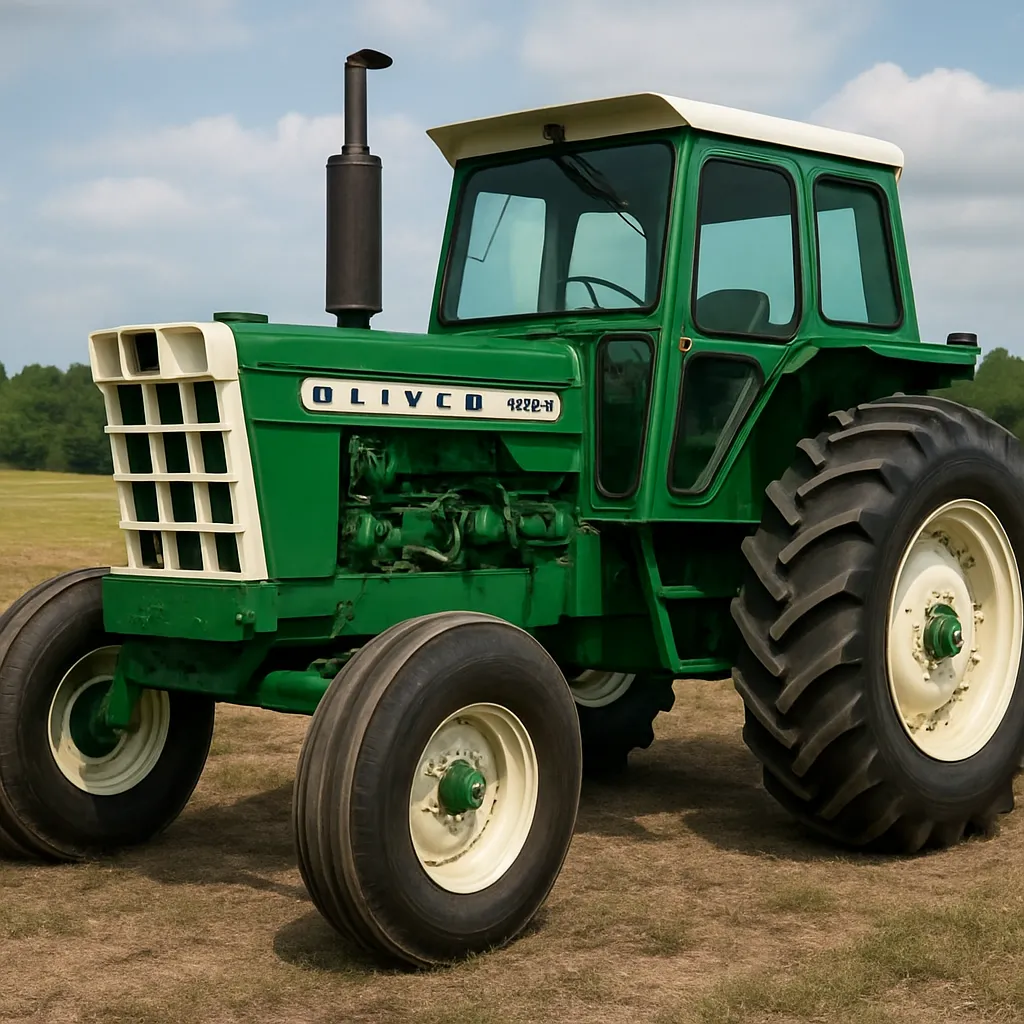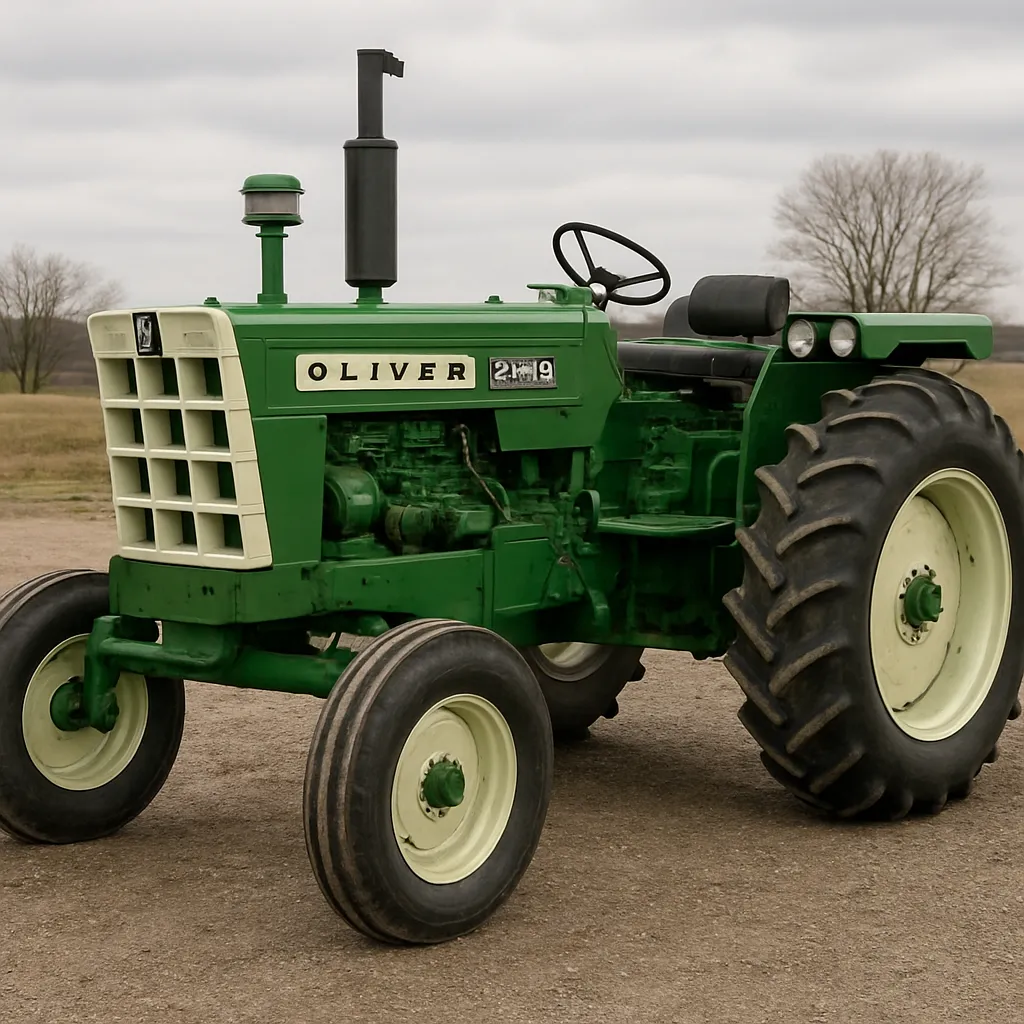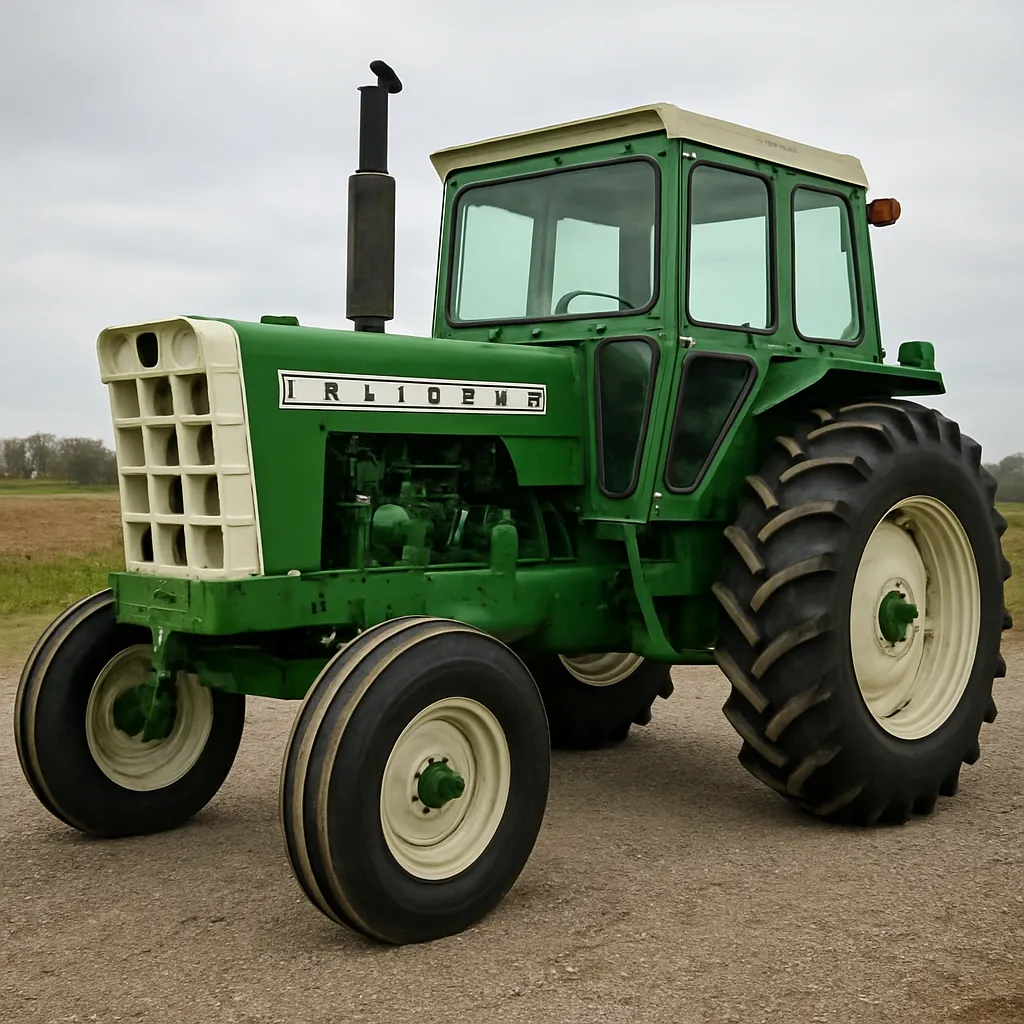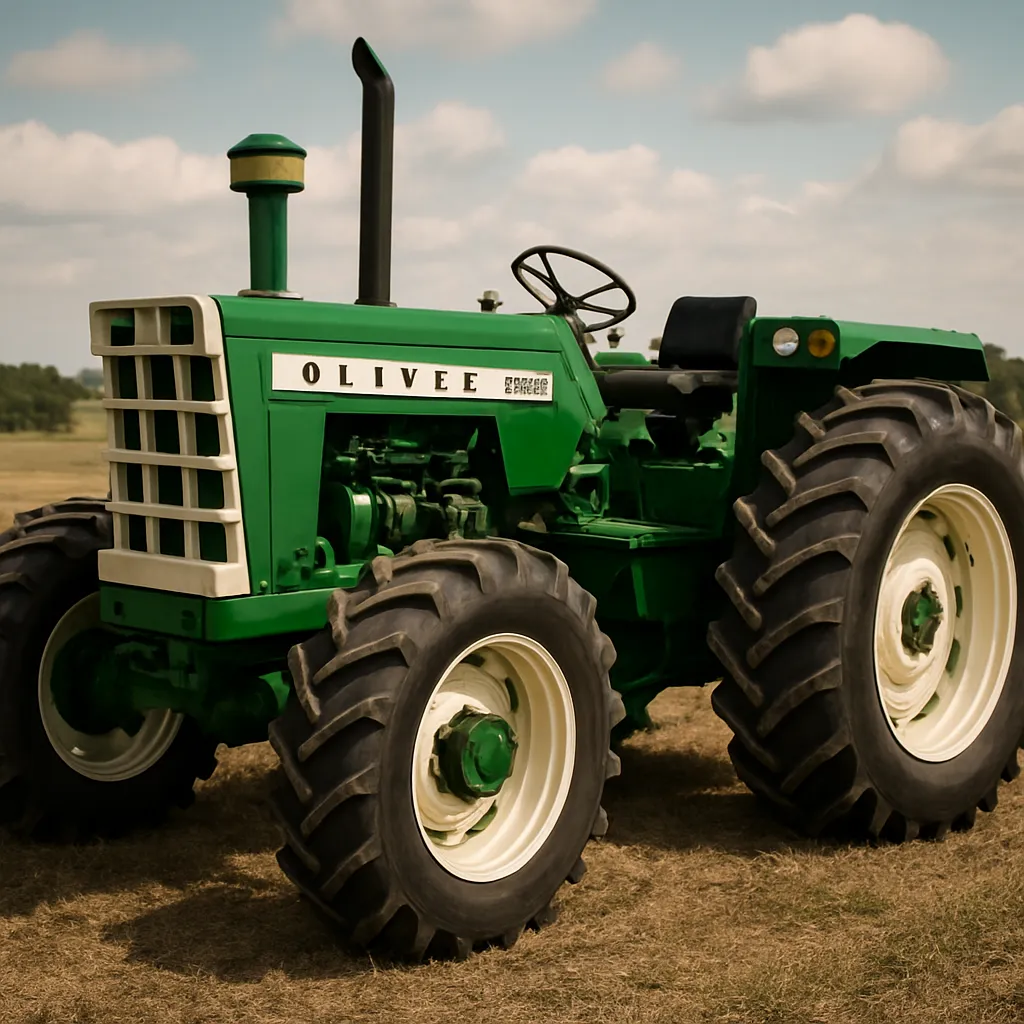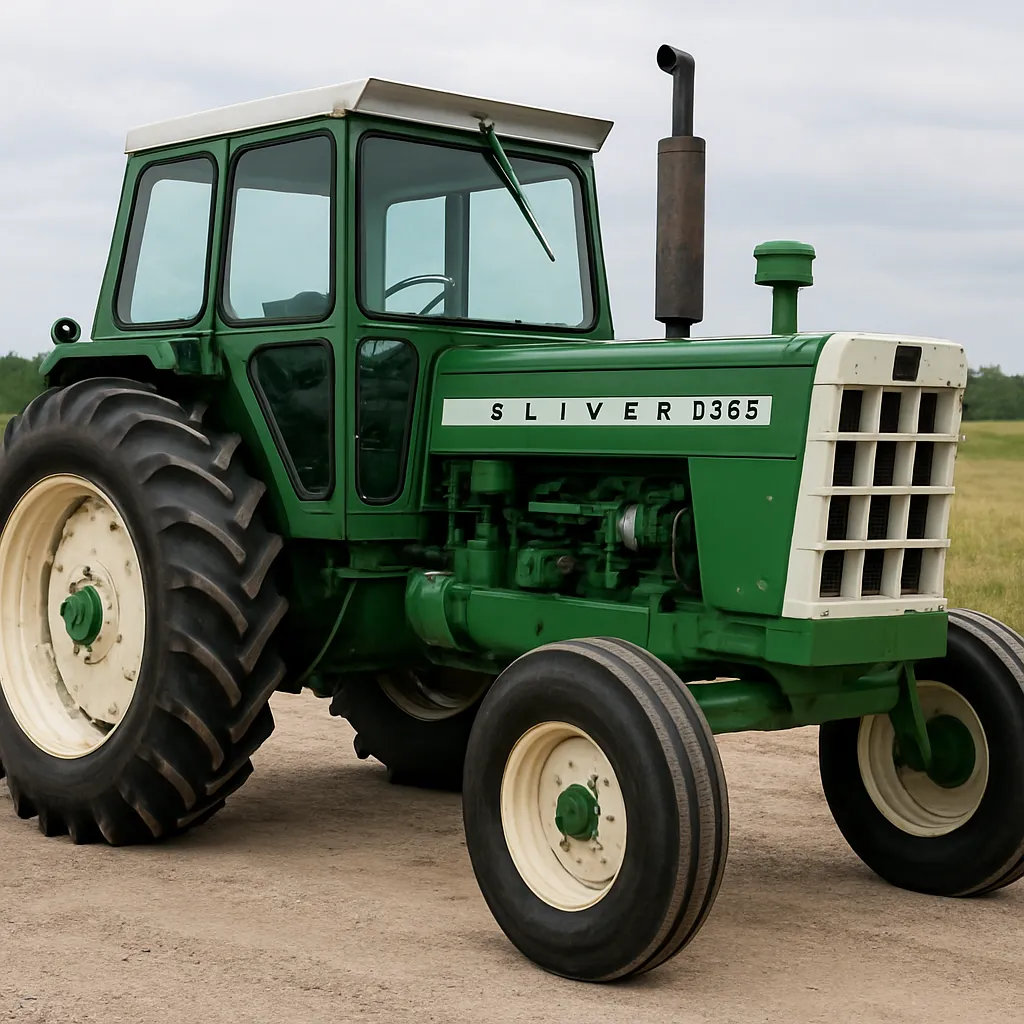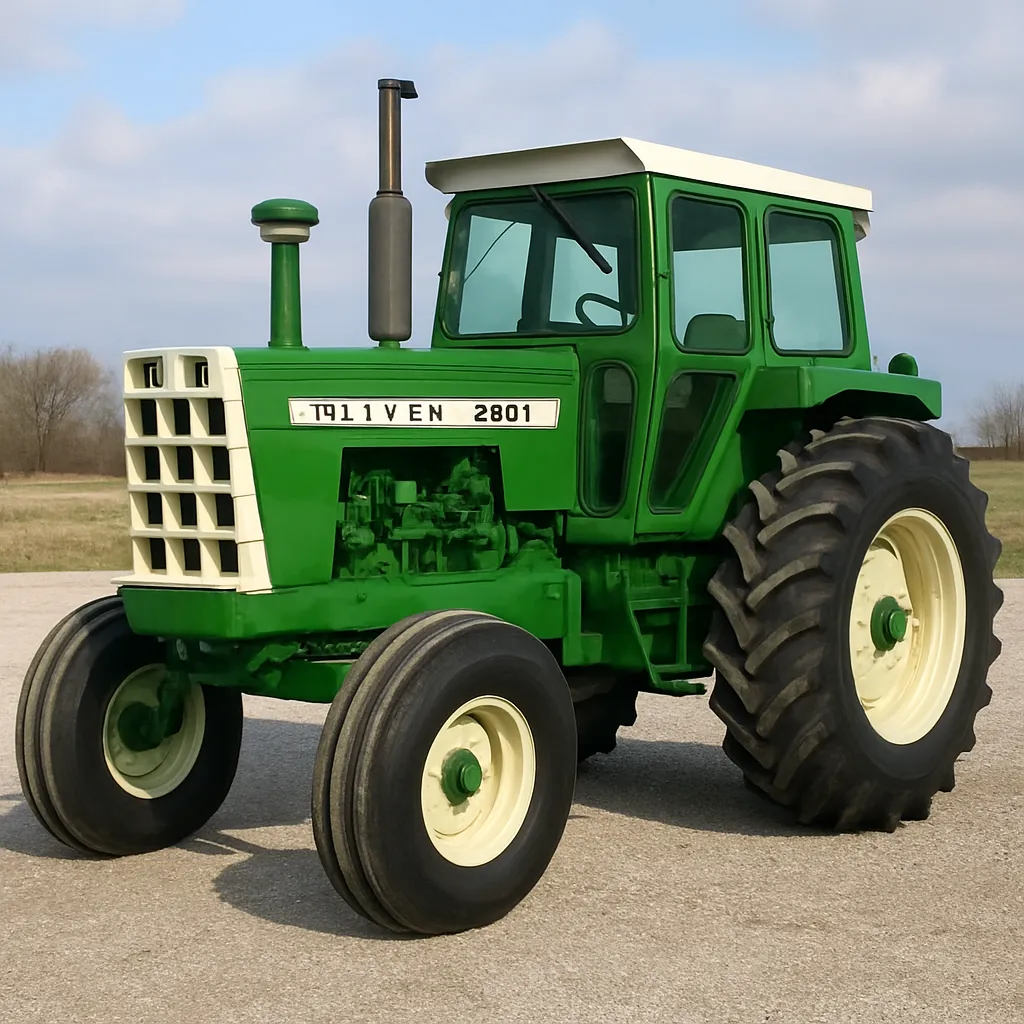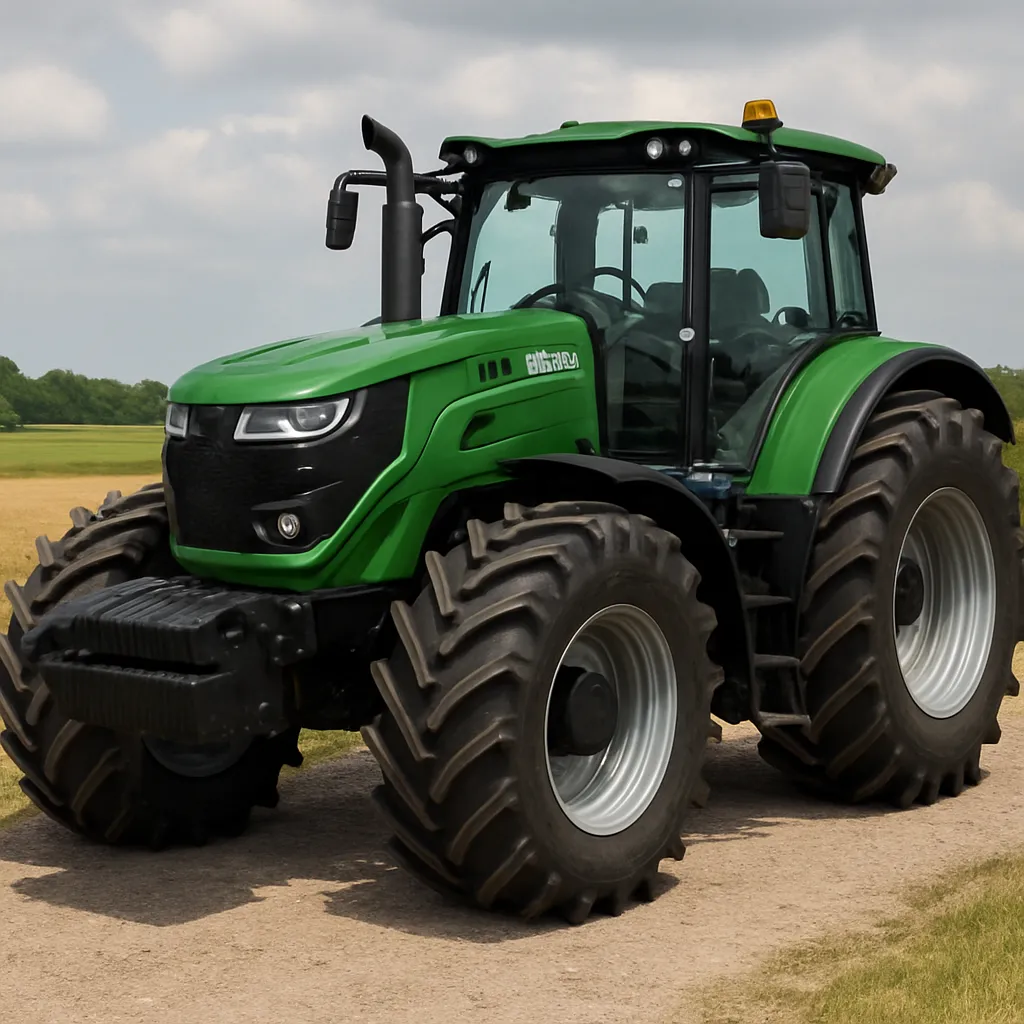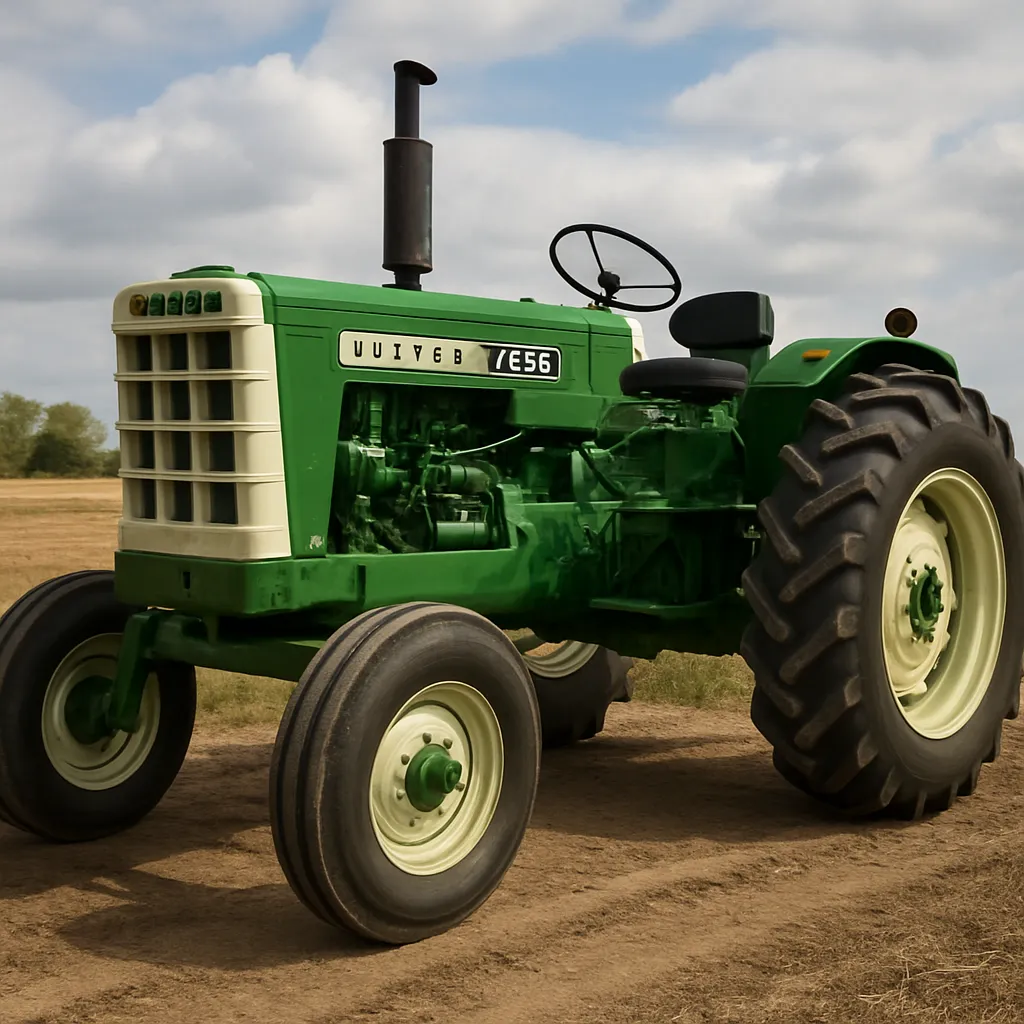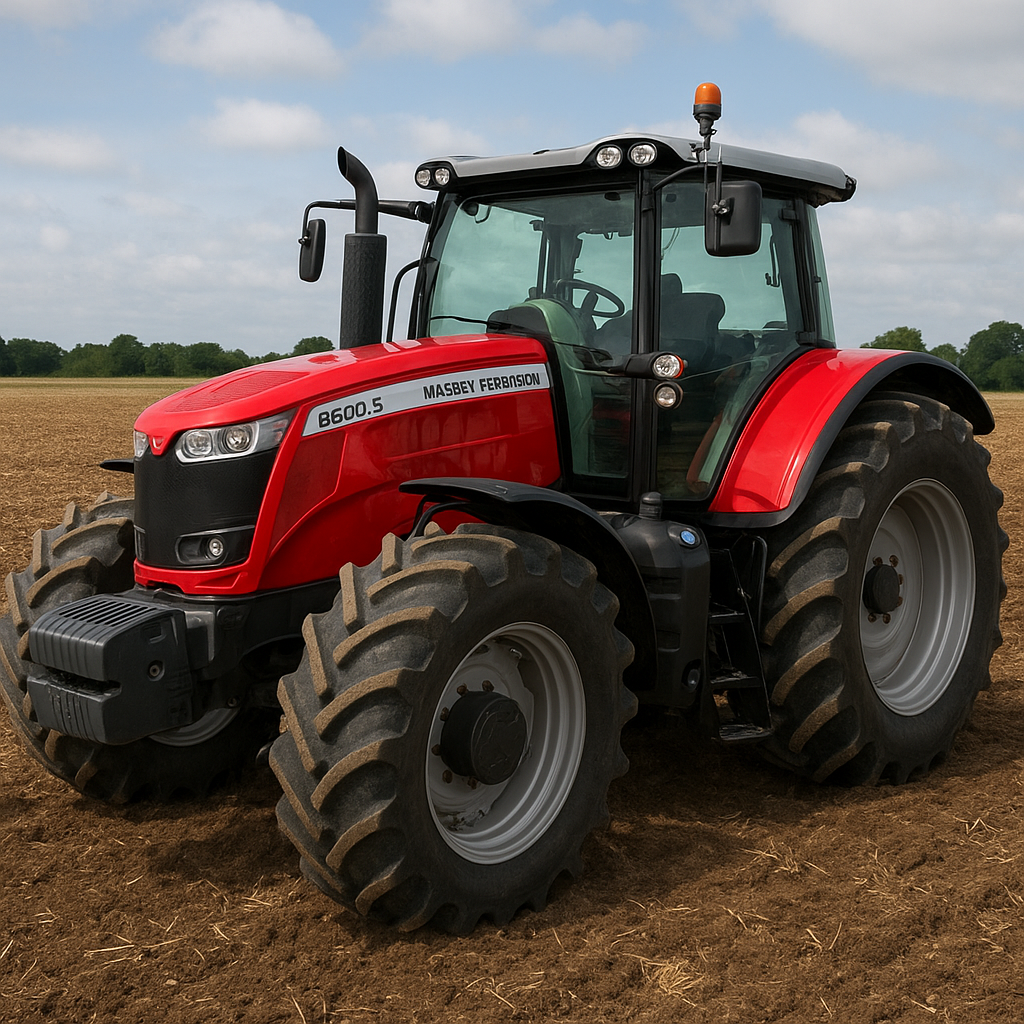
The Massey Ferguson 6690 S is a versatile agricultural machine that combines modern engineering with practical features for demanding farm tasks. Designed to perform reliably in a wide range of operations, it represents a balance of power, comfort and adaptability. In the following chapters we will explore the tractor’s core characteristics, typical applications, technical highlights and real-world considerations for owners and operators. The article includes approximate technical figures where available and focuses on what makes the 6690 S a compelling choice in contemporary farming.
Overview and design philosophy
The Massey Ferguson 6690 S is part of a series developed to meet the needs of medium-to-large farms that require a robust all-round tractor. Built with attention to durability, operator ergonomics and compatibility with modern implements, the 6690 S aims to deliver consistent performance across fieldwork, transport and loader duties. Key design priorities include reliable engine performance, flexible transmission options, efficient hydraulics and comfortable operator conditions.
Where many tractors are optimized for a single task, the 6690 S is positioned as a multi-role machine: strong enough for heavy draft work like ploughing and subsoiling, nimble enough for precision cultivation and planting, and comfortable for long transport runs. The overall concept emphasizes uptime, ease of maintenance and adaptability to implements from the simple to the advanced.
Typical applications and field roles
The 6690 S is used in a wide range of agricultural settings. Common applications include:
- Primary tillage — ploughing, disc harrowing and heavy cultivations where consistent power and traction are required.
- Secondary tillage and seedbed preparation — precision tasks that benefit from controllable traction and smooth transmission.
- Seeding and planting — reliable draft control and hydraulic accuracy help maintain seeding depth and spacing.
- Crop protection and spraying — stable platform for booms, steady road speed and hydraulic support for sprayer systems.
- Baling, forage harvesting and transport — PTO power and hydraulic lift capability for balers, mowers and trailers.
- Loader work and material handling — robust front linkage or loader interface makes it suitable for pallet, silage and farmyard duties.
Beyond conventional farming, the 6690 S also finds use in contracting, municipal maintenance and mixed operations on larger estates where a single, dependable tractor must cover many roles. Its balance of power and flexibility makes it attractive to contractors who require a machine that can switch quickly between implements and jobs.
Technical highlights and specifications
The precise technical specification of the 6690 S can vary by market and year of manufacture. Below are representative figures and features commonly associated with the model; always check the exact data for a specific machine or configuration.
- Engine: Typically a 6-cylinder AGCO Power turbodiesel providing a strong torque curve suited to heavy agricultural tasks. Displacement and tuning vary by specification.
- Horsepower: Rated power typically in the upper mid-range for the class — commonly reported around 180–210 hp at rated rpm, with boost available under load.
- Maximum torque: Strong low-end torque to maintain speed in heavy draft; typical peak torque figures often in the 700–900 Nm range depending on configuration.
- Transmission: Multiple options including advanced semi-powershift (e.g. Dyna-6 style) and continuously variable (CVT) transmissions in some markets, offering a choice between efficient stepped ratios and smooth, infinite variability.
- PTO: Rear PTO with selectable speeds (commonly 540/1000 rpm); optional 1000/1000E or economy PTO modes may be available.
- Hydraulics: Closed-centre or efficient open-centre systems providing substantial flow rates suitable for multi-function implements; typical hydraulic flow often ranges from 110 to 160 l/min depending on pump options.
- Lift capacity: Robust rear three-point linkage rated to lift several tonnes (frequently in the 6,000–9,000 kg range at the hitch point), enabling use of large implements and heavy loader attachments.
- Axles and 4WD: Strong front and rear axles with optional differential locks and integrated four-wheel drive for maximum traction in challenging soils.
- Top speed and transport: Road speeds up to 40 km/h as standard, with higher speed options in certain markets (e.g. 50–60 km/h) depending on transmission and gearing.
- Weight: Curb weight typically in the range of 6,000–8,500 kg depending on specification, ballast and fitted equipment.
These figures serve as general guidance for farmers evaluating the 6690 S. Exact data will depend on regional variants, optional packages, tyres and final build specification.
Transmission, driveline and fuel efficiency
One of the strengths of the 6690 S is the variety of driveline options offered to match operator preferences and tasks. Semi-powershift transmissions provide quick, predictable ratio changes for transport and fieldwork, while CVT-style options focus on smooth power delivery and fine speed control which is particularly useful for seeding, spraying and loader work.
Fuel efficiency is influenced by engine management systems, aftertreatment technology and the match between transmission and implement. Modern variants of the 6690 S incorporate electronic engine management, turbocharging and intercooling to provide improved fuel economy and reduced emissions compared with older-generation units. Features that improve efficiency include load-sensing hydraulics, smart transmission management and PTO speed optimization.
Operator comfort, controls and safety
Massey Ferguson places emphasis on operator comfort in the 6690 S cabin layout. Key features often include adjustable seating with air suspension, ergonomically placed controls, an intuitive dashboard display and good visibility for loader work and implement monitoring. Climate control and sound insulation reduce operator fatigue during long shifts.
Technologies that enhance safety and productivity are commonly available: electronic stability aids, advanced braking, cruise control, intelligent headland management and optional automated guidance compatibility. These systems reduce operator workload and can increase precision in tasks such as planting and spraying, contributing to better agronomic outcomes.
Cab ergonomics and visibility
Large glazing areas, well-placed mirrors and optional right-hand consoles improve the operator’s field of view. Lights and work lamps allow extended operating hours during peak seasons, while camera and monitor systems are often available for rear implement oversight when reversing or maneuvering in tight spaces.
Hydraulics and implement compatibility
Strong hydraulic capability is central to the 6690 S’s flexibility. High-flow pumps, multiple spool valves and precise control circuits let operators run high-demand implements such as modern seed drills, mounted sprayers and hydraulic loaders. Electronic linkage control systems provide automatic depth and draft regulation for stable seeding and tillage.
- Multiple remote spool configurations support complex implements requiring up to four or more auxiliary services.
- Front linkage options are available for dedicated front-mounted implements or loader integration.
- Electronic implement control and CAN-bus compatibility simplify integration with precision farming tools.
Maintenance, durability and lifecycle costs
Operators frequently cite simplicity of maintenance and ease of access as important factors in selecting a tractor. The 6690 S is engineered with service points that are reachable from ground level or with minimal disassembly, enabling quicker daily checks and periodic servicing. Components such as fuel filters, air filters and oil filters are arranged for accessibility.
Durability is supported by a heavy-duty chassis, reinforced linkage components and robust axle design. Lifecycle costs depend on use intensity, implement matching and maintenance regimes, but purchasers generally find that the upfront investment can be offset by high uptime and broad capability across farm tasks.
Technology and precision farming
Modern tractors, including the 6690 S, increasingly act as platforms for precision agriculture. Typical technology features include:
- GPS-compatible autoguidance systems for straight-line accuracy and reduced overlap.
- Telematics for remote diagnostics, uptime monitoring and fleet management.
- ISOBUS compatibility to allow one terminal to control many implements and simplify operator tasks.
- Variable rate control and section control for optimized input application, reducing costs and environmental impact.
These systems increase the tractor’s usefulness beyond raw mechanical performance, enabling data-driven decisions that improve yield, reduce input use and enhance traceability.
Market positioning and competitors
The 6690 S competes in the mid-to-high power segment against similar offerings from other major manufacturers. Its strengths — ease of use, multiple transmission choices and solid hydraulic capacity — make it attractive to mixed farms and contractors. When choosing between models, buyers typically weigh total cost of ownership, dealer support, parts availability and the availability of local service networks.
Financing options, warranty packages and availability of used units also affect resale values. Well-maintained examples tend to hold value when supported by comprehensive dealer networks and documented service histories.
Real-world performance and operator feedback
Farmers and contractors operating the 6690 S frequently comment on the tractor’s reliable traction, comfortable cab and the convenience of modern control layouts. In heavy draft conditions the combination of torque and transmission responsiveness allows effective work without excessive clutch wear or downshifting. For transport and loader work, the visibility and hydraulic responsiveness are appreciated.
Typical feedback highlights:
- Consistent power delivery across varying loads.
- Good operator comfort for extended shifts.
- Flexibility to handle a broad range of implements and tasks.
Choosing the right configuration
Selecting the appropriate 6690 S configuration depends on the farm size, the primary implements used and the operator’s preference for transmission and features. Considerations include:
- Transmission type — choose CVT for smooth, continuous speed control; choose a powershift for predictable stepped gears and possibly lower cost.
- Hydraulic flow — higher flow rates are necessary for implements with multiple hydraulic consumers.
- PTO options — confirm PTO speeds and modes to match balers, mowers and PTO-driven seeders.
- Tire and ballast packages — optimize for traction, soil compaction and transport speed.
- Precision agriculture packages — autoguidance and ISOBUS integration are essential for farms using variable-rate or section control technology.
Summary and final considerations
The Massey Ferguson 6690 S is a well-rounded tractor designed for farms and contractors who need a dependable, adaptable machine capable of handling a wide variety of agricultural tasks. With its emphasis on strong engine performance, flexible transmission options, substantial hydraulic capability and a comfortable operator environment, the 6690 S is suited to heavy draft work, precision tasks and transport duties.
When evaluating this tractor, prospective buyers should review exact specifications for the production year and market, assess local dealer support and consider how optional features align with their specific implements and operational patterns. The 6690 S remains a compelling choice for those who want a practical blend of power, comfort and modern functionality.