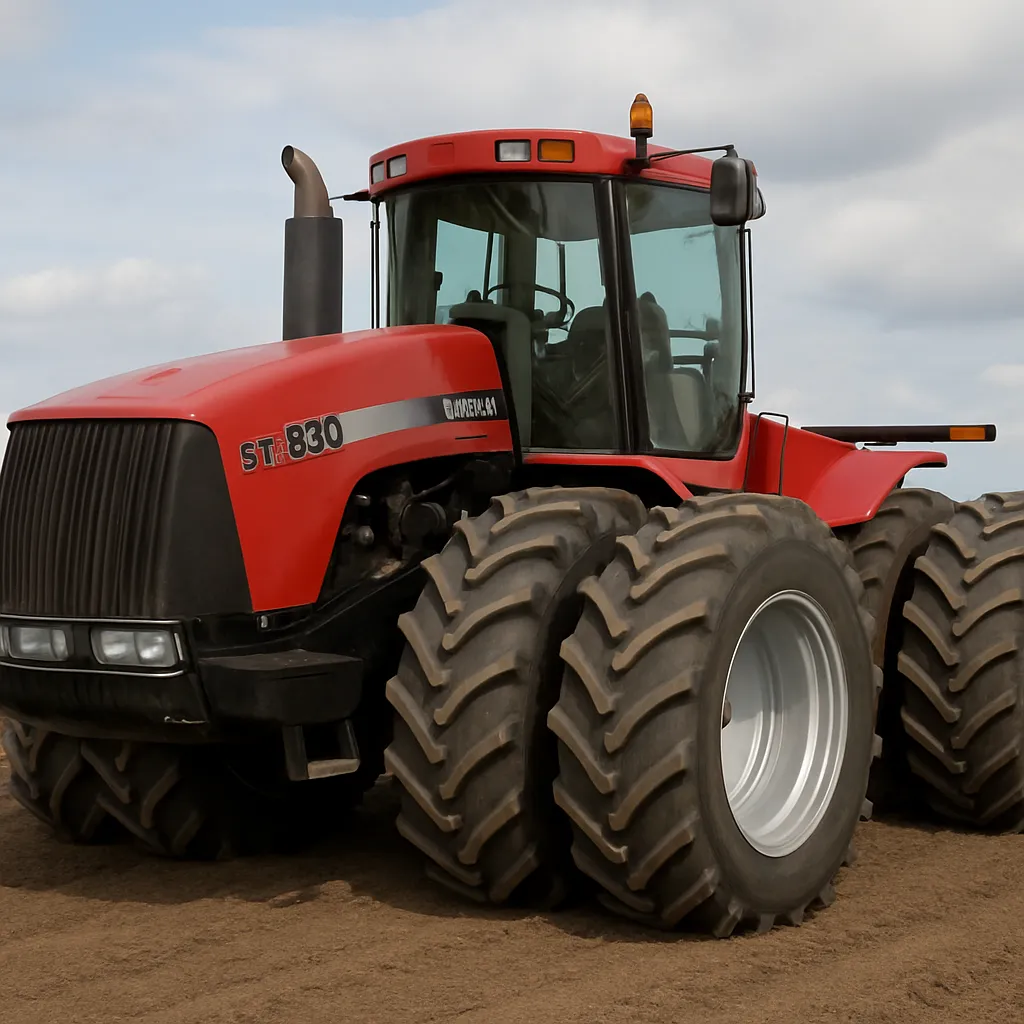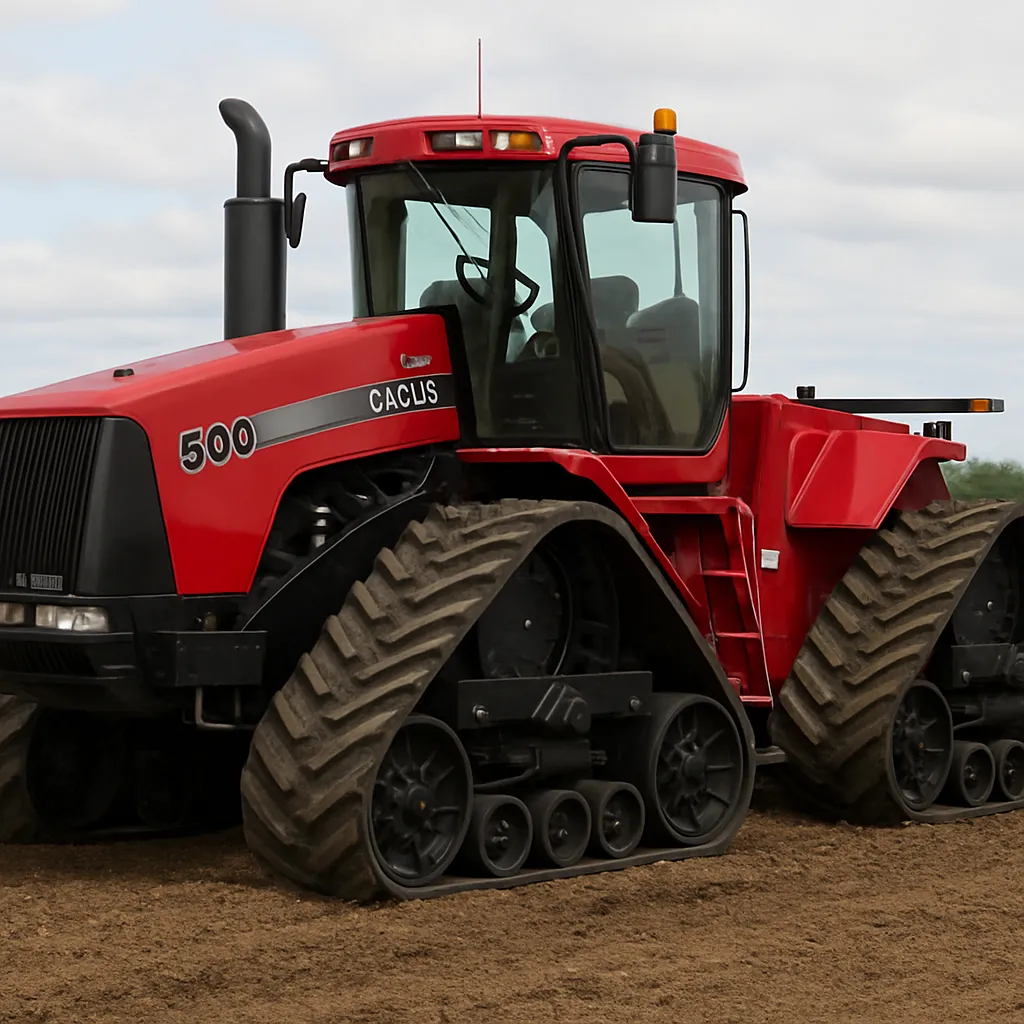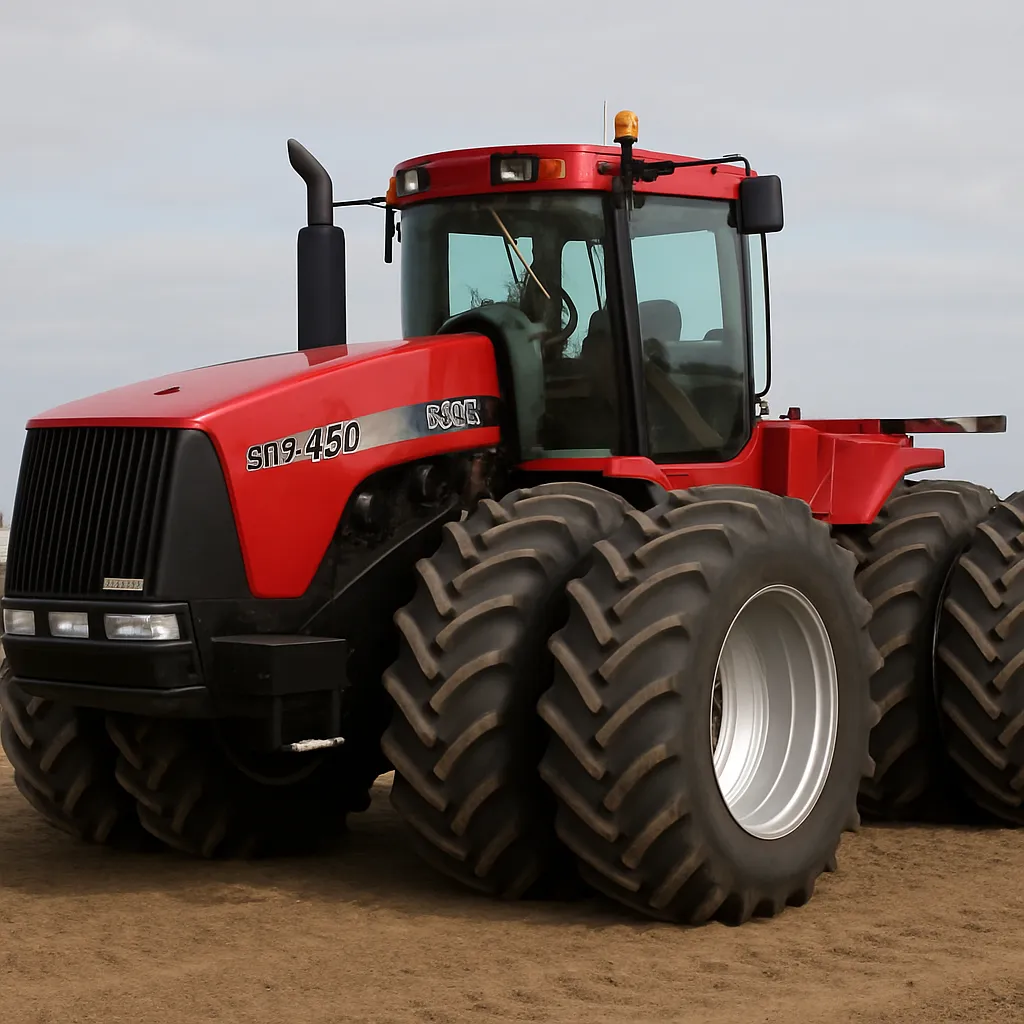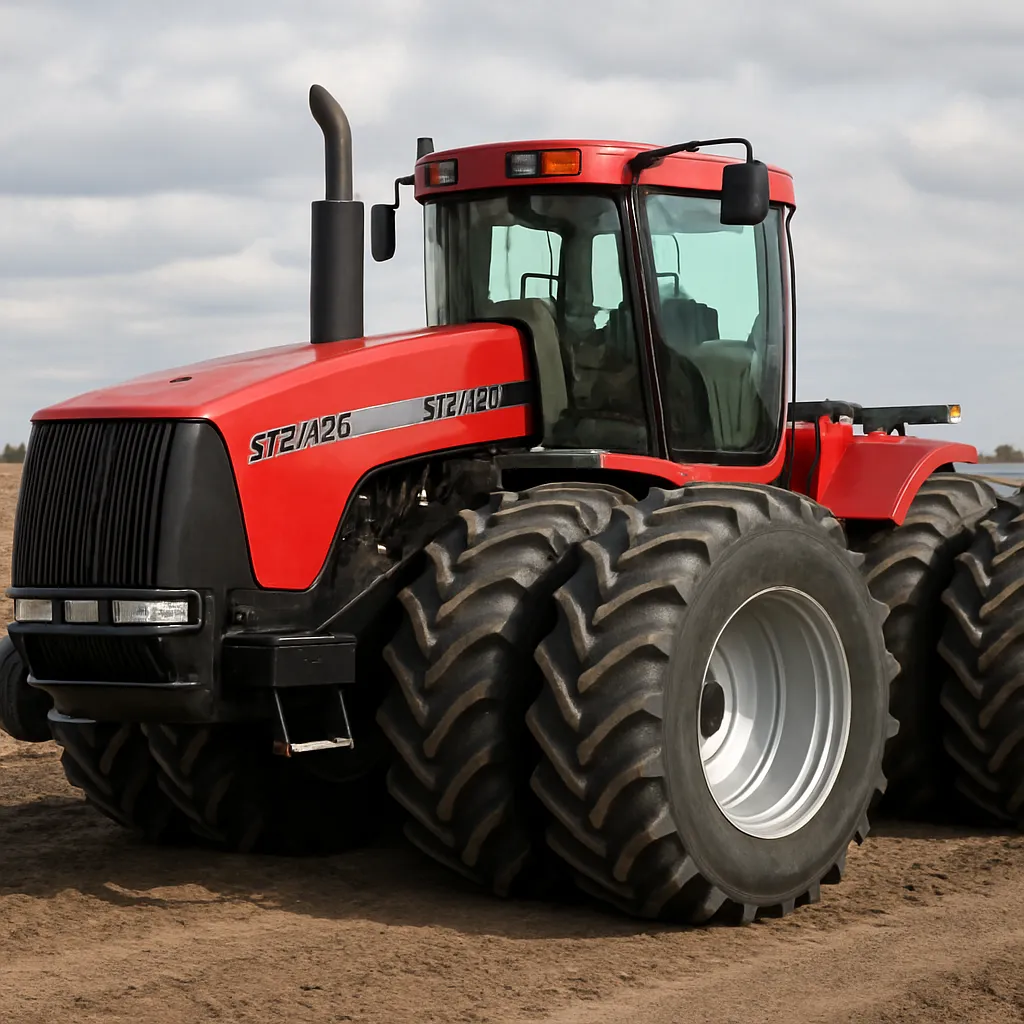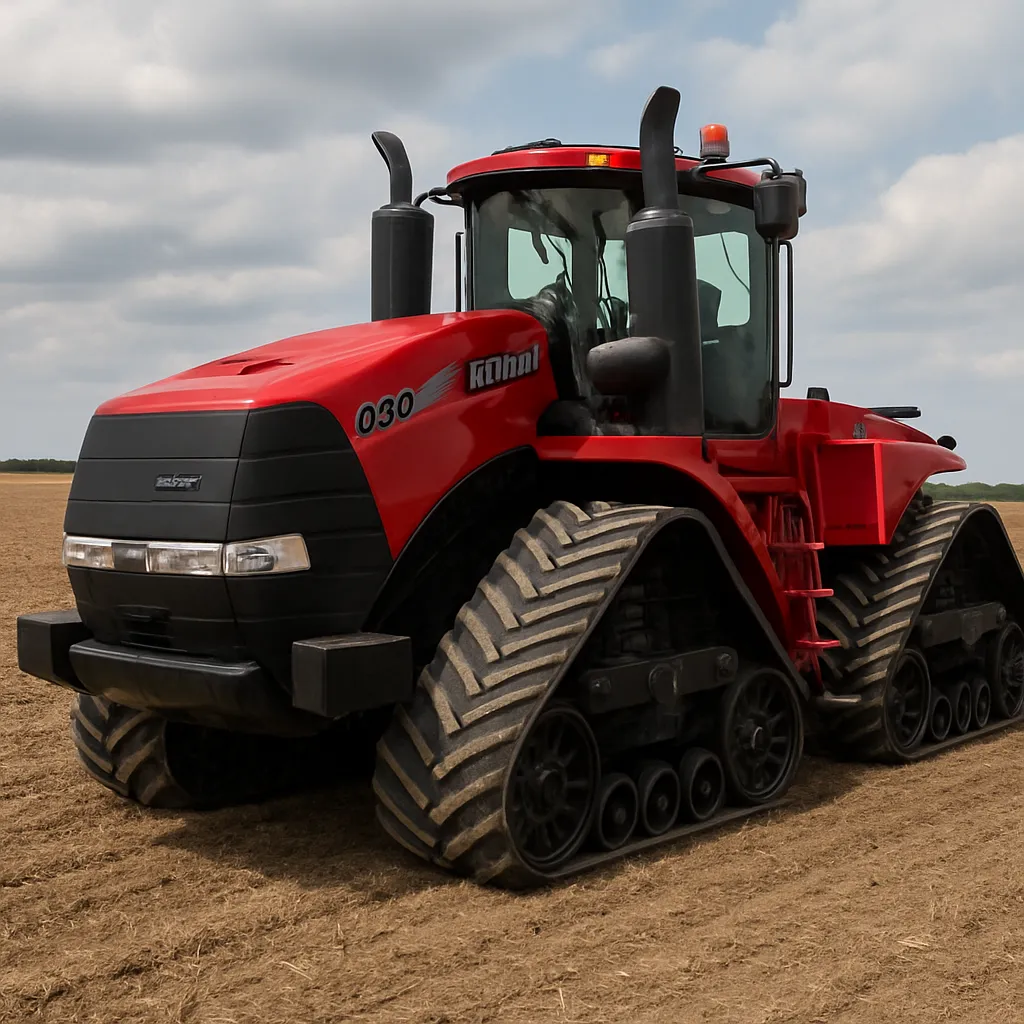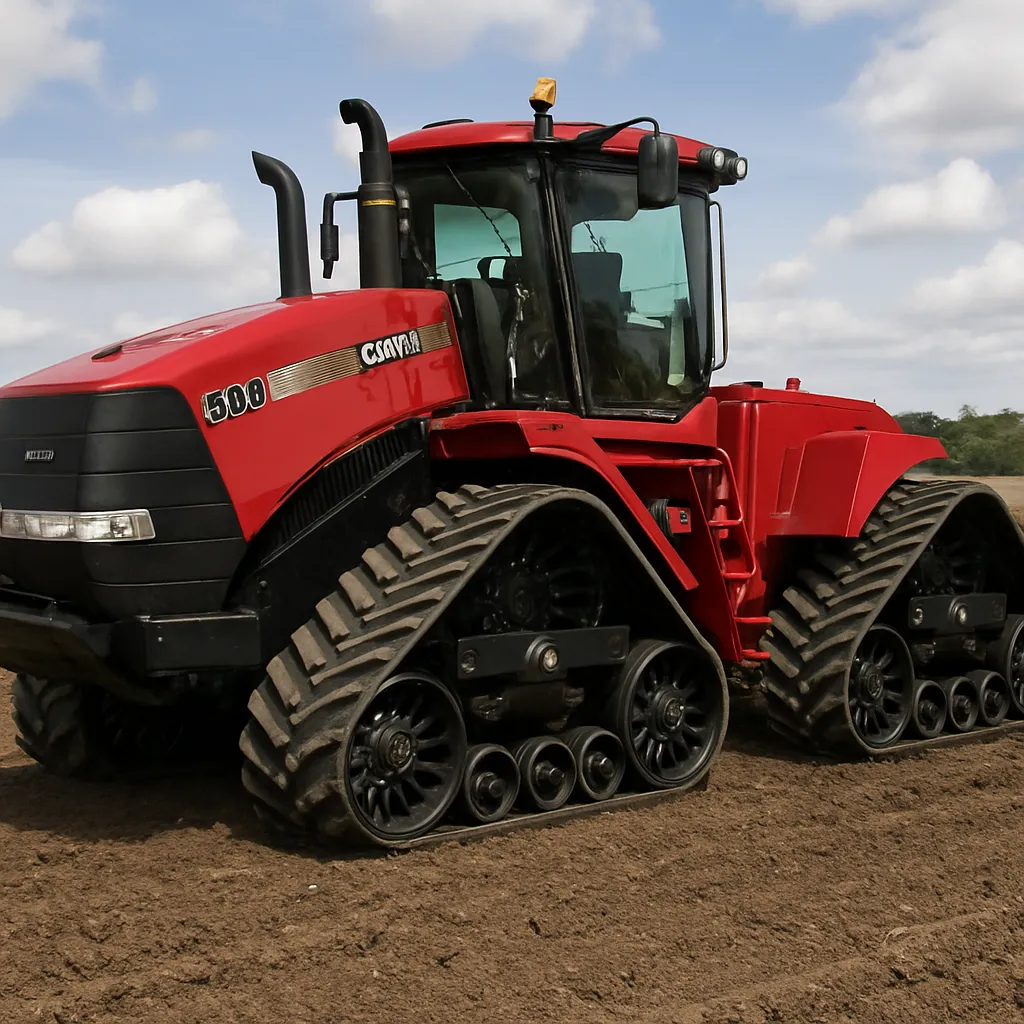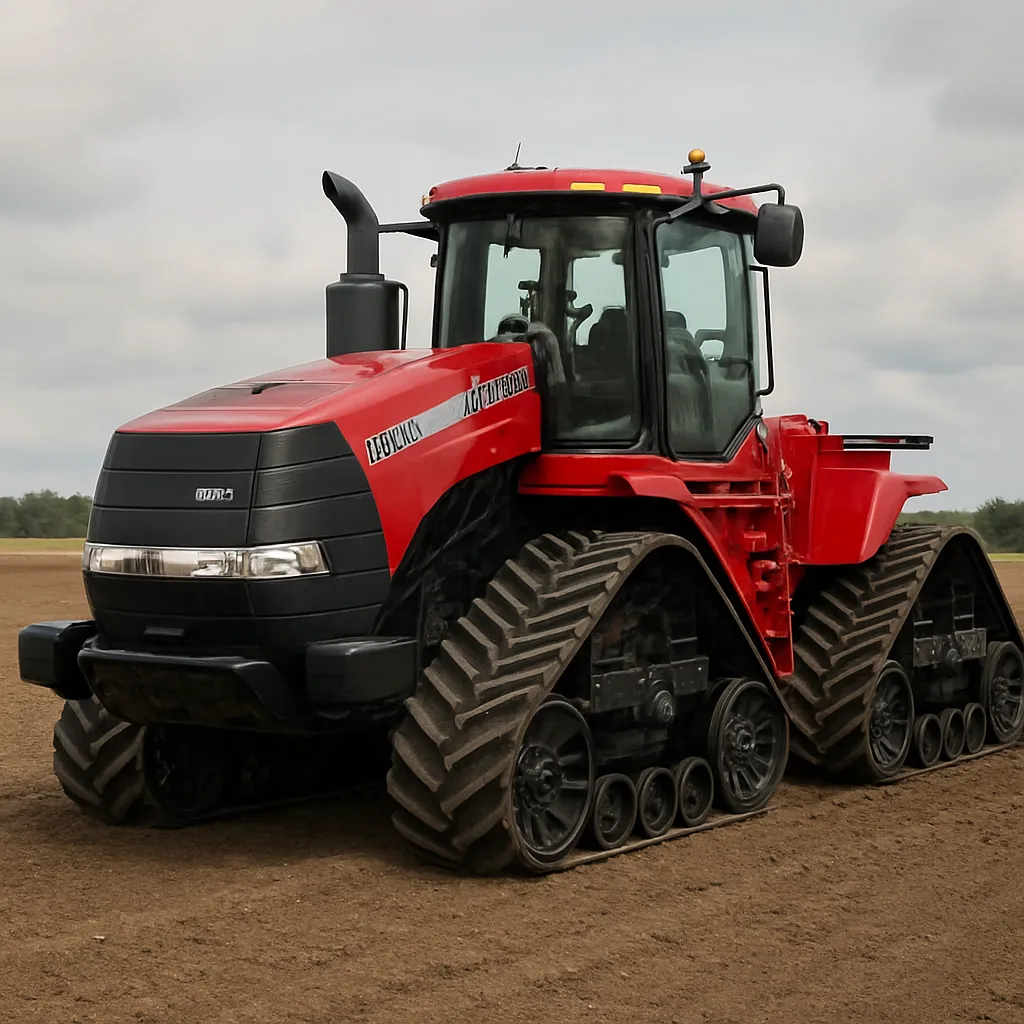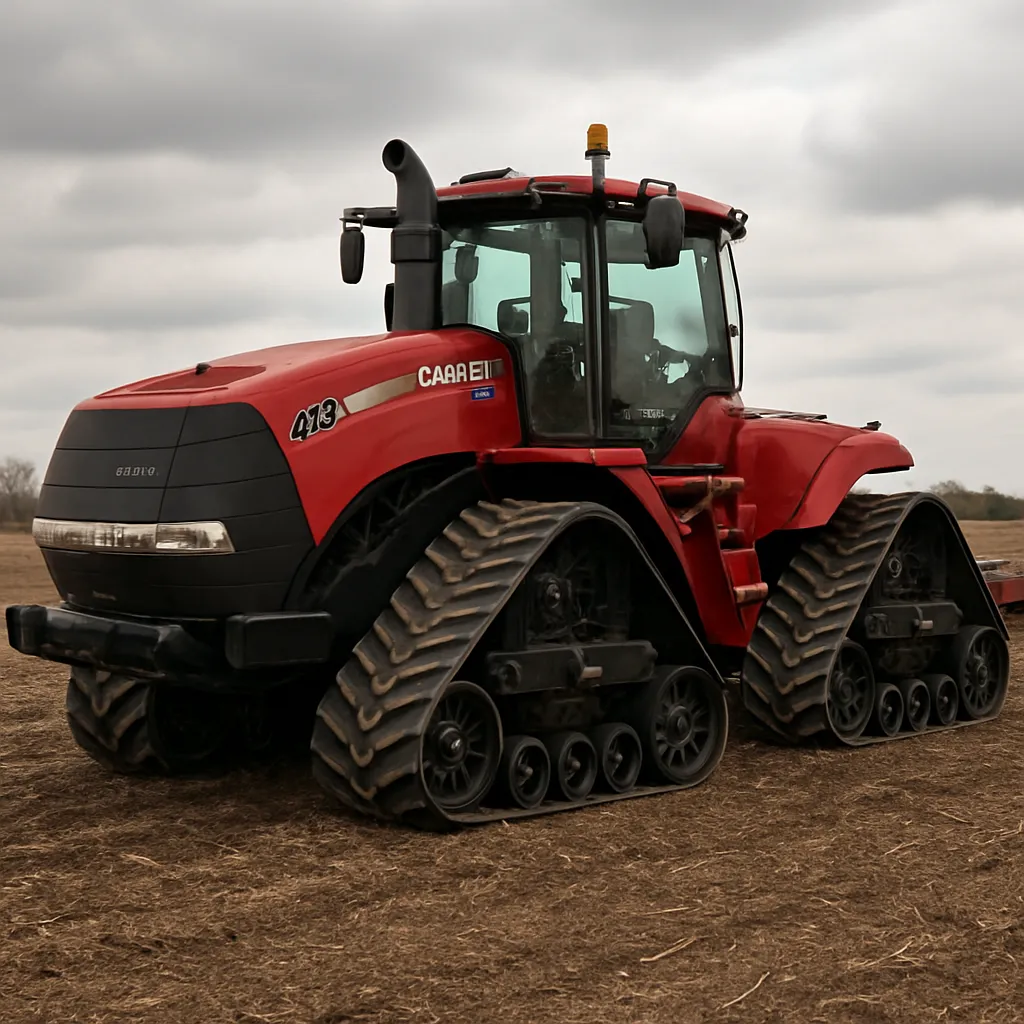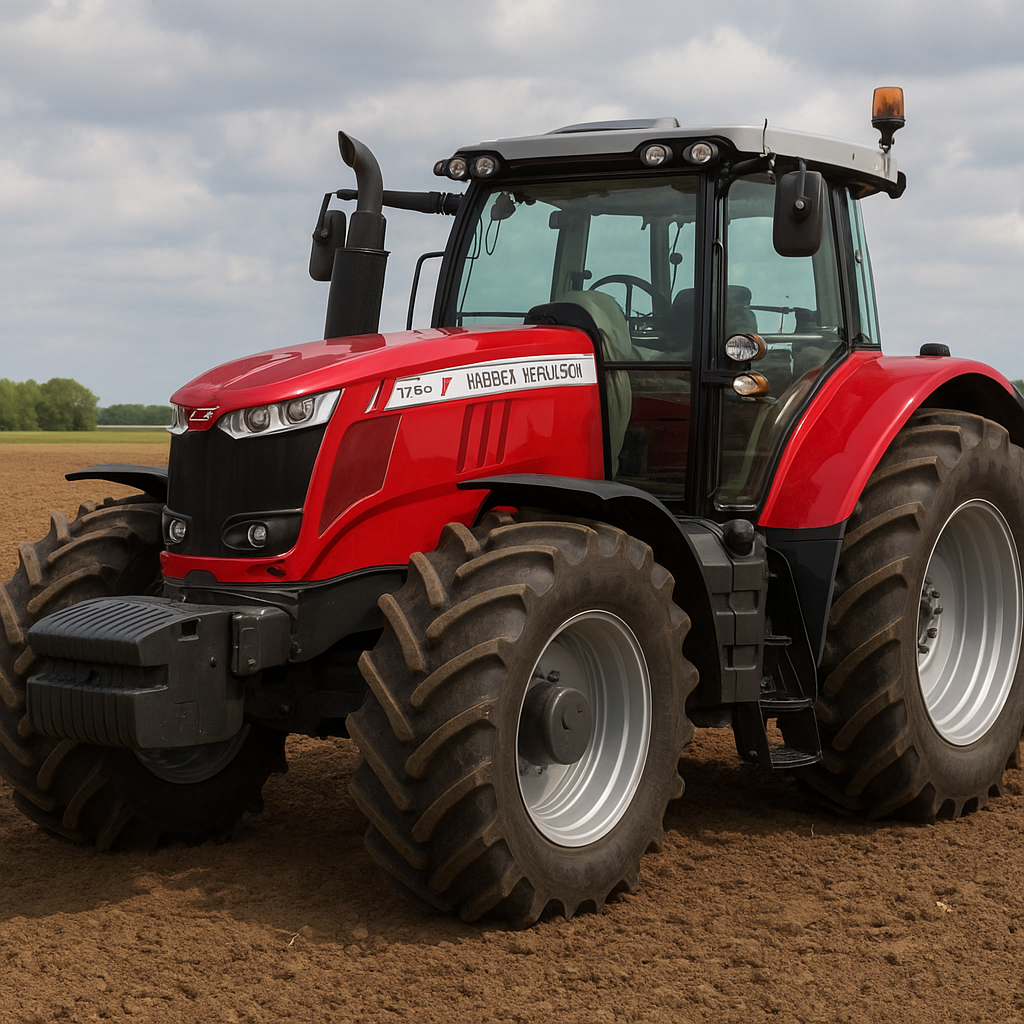
The Massey Ferguson 7721 S is a modern, full-size agricultural tractor designed to balance robust performance with operator comfort and advanced electronics. As part of the 7700 S series, this model is intended for demanding arable work, heavy lifting and modern precision-farming operations. In the following sections you will find an overview of its technical characteristics, common applications, notable features, and practical information on maintenance, economics and deployment in different farm and contracting roles.
Technical overview and core specifications
The 7721 S is engineered to deliver a combination of reliable mechanical design and contemporary electronic systems. Depending on market and year of manufacture, precise specifications may vary; the figures below reflect typical factory configurations and broadly reported values from manufacturer datasheets and industry sources.
Engine and performance
At the heart of the 7721 S is a turbocharged, intercooled diesel engine from the AGCO Power family. Typical characteristics include a 6-cylinder layout with a displacement in the mid 6-litre range. Rated engine power for the 7721 S generally falls around the 200–220 hp bracket (ISO power), with temporary boost available under load for short-term extra output. Peak torque and fuel-efficient engine mapping aim to give steady pulling power in field work and good response during transport tasks.
Transmission and drive
Massey Ferguson offers versatile drivetrain options across the 7700 S line. The 7721 S is commonly paired with either a smooth, stepless CVT (often branded Dyna-VT on MF models) for seamless speed control and high efficiency, or a multi-range semi-powershift system for users preferring conventional gear steps. These transmissions are optimized for heavy draft work, loader operations and road travel. Four-wheel drive with a durable front axle and robust differential locks is standard, giving the machine strong traction and stability on varied terrain.
Hydraulics, PTO and linkage
Hydraulic capacity is a key strength for a high-spec tractor: typical open-centre or load-sensing systems in this class deliver around 160–200 litres/min flow depending on pump configuration. Multiple remote valves and electronic couplers facilitate complex implement setups. The rear PTO supports standard speeds (540/1000 rpm) and often includes an economy mode for fuel-efficient operation at lower engine revs. The rear linkage lift capacity for implements is commonly quoted up to around 9,000–10,000 kg (depending on configuration), enabling heavy subsoilers, seed drills and large mowers to be handled with confidence.
Capacities and dimensions
Typical tank and weight figures vary by country and option specification. Fuel tank capacity usually sits in the 300–400 litre range for extended field autonomy. Gross vehicle weight and axle loads depend on tires and ballast; kerb or operating weight often ranges between 7,500 to 9,500 kg. The tractor’s compact footprint relative to its power is designed to balance field manoeuvrability with stability for heavy implements.
Electronics and emissions
Modern iterations of the 7721 S comply with applicable emissions standards for their markets (Stage IV / Tier 4 final in many regions) using selective catalytic reduction (SCR) and exhaust after-treatment systems. On-board electronics include engine management, transmission control, hydraulic modulation and ISOBUS compatibility for implements. Optional telematics packages enable remote monitoring of machine status, fuel consumption and service scheduling.
Applications and practical uses
The Massey Ferguson 7721 S is positioned to serve a broad set of tasks on medium-to-large farms as well as for agricultural contractors. Its combination of power, hydraulic capacity and linkage strength makes it suitable for the following roles:
- Tillage and primary cultivation: pulling large ploughs, heavy disk harrows and cultivators with consistent draft control.
- Seeding and drilling: providing steady, low-vibration traction for precision seed drills and air seeders, often in combination with auto-steer guidance and ISOBUS control.
- Baling and forage: powering large balers, mowers, rakes and forage harvesters, where hydraulic flow and linkage stability are essential.
- Loader and material handling: front-loader installations for bale stacking, feed handling and general farm logistics; sufficient front linkage and hydraulic flow allow rapid loader cycles.
- Transport: road travel with trailers, tankers and spreaders; transmission choices provide efficient cruising for long-distance field-to-yard runs.
- Contracting and municipal work: when fitted with appropriate implements, it can tackle heavy landscaping, roadside mowing and utility tasks.
Because of its adaptability, the 7721 S is frequently chosen by farms seeking a single tractor that can be reconfigured seasonally—from heavy tillage in spring and autumn, to seeding, then to transport and harvesting support.
Cab design, ergonomics and operator features
Operator comfort is a major selling point for modern tractors, and the 7721 S reflects that trend. Cab design emphasizes visibility, intuitive controls and reduced operator fatigue during long shifts.
- Visibility: panoramic glazing, low-profile sloping hood and optional Visio roof panels improve sightlines to implements and loaders.
- Controls: armrest-integrated multifunction levers, joystick controls for loader work, and touch-screen displays for machine and implement management.
- Ride comfort: pneumatic or mechanical seat suspension options, suspended front axle and cabin suspension reduce vibration and shock in rough conditions.
- Climate and noise: advanced HVAC systems for year-round comfort and soundproofing measures to keep cab noise low.
- Storage and convenience: ample storage, multiple power outlets and optional hands-free phone integration for practical on-farm use.
These features aim to improve productivity by enabling operators to work longer with less fatigue, accurately monitor implements, and quickly adjust machine settings from within the cab.
Precision agriculture, connectivity and smart features
Precision farming technologies are increasingly standard or available as options on tractors like the 7721 S. Integration of these systems improves input efficiency and crop outcomes.
- ISOBUS compatibility: allows direct control of compatible implements using the tractor’s display, simplifying setup and data exchange.
- Autosteering and guidance: GNSS-assisted steering options reduce overlap and increase field efficiency, often delivering savings in seed, fertiliser and fuel.
- Section and rate control: automatic on/off section control and variable rate application reduce waste and enable precise nutrient placement.
- Telematics: factory or dealer telematics (e.g., MF Connect) provide remote monitoring of location, operating hours, fuel use and diagnostic alerts.
- Data management: integration with farm management software allows operators to store and analyse field-level performance and machine utilization.
These systems are particularly valuable for contractors and progressive arable farms where marginal gains in efficiency and traceability translate into tangible economic benefits.
Maintenance, operating costs and reliability
Total cost of ownership depends on acquisition price, fuel consumption, maintenance intervals and resale value. The 7721 S is engineered to provide long service life with planned maintenance.
- Service intervals: many modern AGCO Power engines and associated systems have service intervals designed to reduce downtime—common oil and filter intervals tend to be between 500 and 600 hours for engine oil with longer intervals for other fluids when monitored appropriately.
- Consumables: diesel particulate filters and SCR/AdBlue systems require occasional servicing and AdBlue consumption must be budgeted.
- Durability: heavy-duty components such as axles, transmission and linkage aim to withstand continuous contracting use, provided recommended service schedules are followed.
- Operating costs: fuel efficiency depends on load, terrain and selected transmission—CVT types often deliver good fuel economy in mixed tasks by allowing optimal engine rev ranges.
Good operator training, routine pre-shift checks and timely maintenance are key to maximizing uptime and minimizing repair costs.
Comparisons, market positioning and resale
In its class the 7721 S competes with machines from other major manufacturers offering similar horsepower and capabilities. Key differentiators for buyers often include dealer support, financing, local parts availability, cabin ergonomics and after-sales service.
- Market niche: the 7721 S is aimed at farms and contractors who require a medium-to-high horsepower tractor that balances generality with the ability to perform specialist heavy tasks.
- Resale: tractors from reputable brands with strong dealer networks often retain good resale value—service history, hours and condition remain the primary determinants of used price.
- Options strategy: buyers can select packages emphasizing hydraulic flow, transmission type or precision farming features to tailor the machine to their business model, which affects initial cost and later market appeal.
Safety and regulatory considerations
Safety systems and operator protections on modern tractors include rollover protection (ROPS integrated into the cab), lighting packages for visibility, operator-presence interlocks and emergency cut-offs. When operating in public spaces, trailers and implements must meet road safety standards applicable in the operator’s country. Emissions equipment must be maintained to ensure compliance with regional environmental regulations.
Practical tips for potential buyers and operators
- Match the tractor to the implements: ensure hydraulic flow, linkage lift capacity and PTO speed compatibility with the heaviest or most power-intensive implement you plan to use.
- Consider the transmission preference: CVT is smooth and efficient for variable-speed tasks; powershift or stepped transmissions may be preferred by some for perceived simplicity and lower maintenance in certain conditions.
- Evaluate total cost of ownership: factor in fuel, AdBlue, servicing, insurance and expected resale, not just purchase price.
- Check local dealer support: availability of parts, warranty terms and on-farm service speed are vital for contractors and time-sensitive operations.
- Test before purchase: a trial day with implements representative of your usual workload will reveal ergonomics, visibility and real-world fuel use.
Representative technical data (typical values)
Below is a compact summary of commonly cited technical figures for a tractor of this class. These figures are indicative and will vary by production year, region and option pack.
- Engine: AGCO Power 6-cylinder turbocharged diesel, displacement ~6.6 litres (typical)
- Rated power: approximately 200–220 hp (ISO)
- Peak torque: dependent on tuning; typical maximum torque in the 800–900 Nm range is possible on similarly powered models
- Transmission: CVT (Dyna-VT style) or multi-range powershift options
- Hydraulic flow: ~160–200 L/min depending on pump options
- Rear linkage lift capacity: up to ~9,000–10,000 kg (model and option dependent)
- PTO: 540 / 540E / 1000 rpm selectable
- Fuel tank: ~300–400 litres (option dependent)
- Weight (operating): commonly 7,500–9,500 kg depending on configuration
Final remarks
The Massey Ferguson 7721 S is a contemporary, versatile workhorse that aims to blend power, efficiency and modern technology to meet the needs of progressive farmers and contractors. Its strengths lie in adaptable drivetrain options, comfortable operator environment and the capacity to integrate precision-agriculture systems. When considering such a machine, potential buyers should carefully review exact factory specifications for the model year and local market, evaluate how the tractor will be used across seasons, and factor in dealer support and service networks to ensure long-term productivity and value.