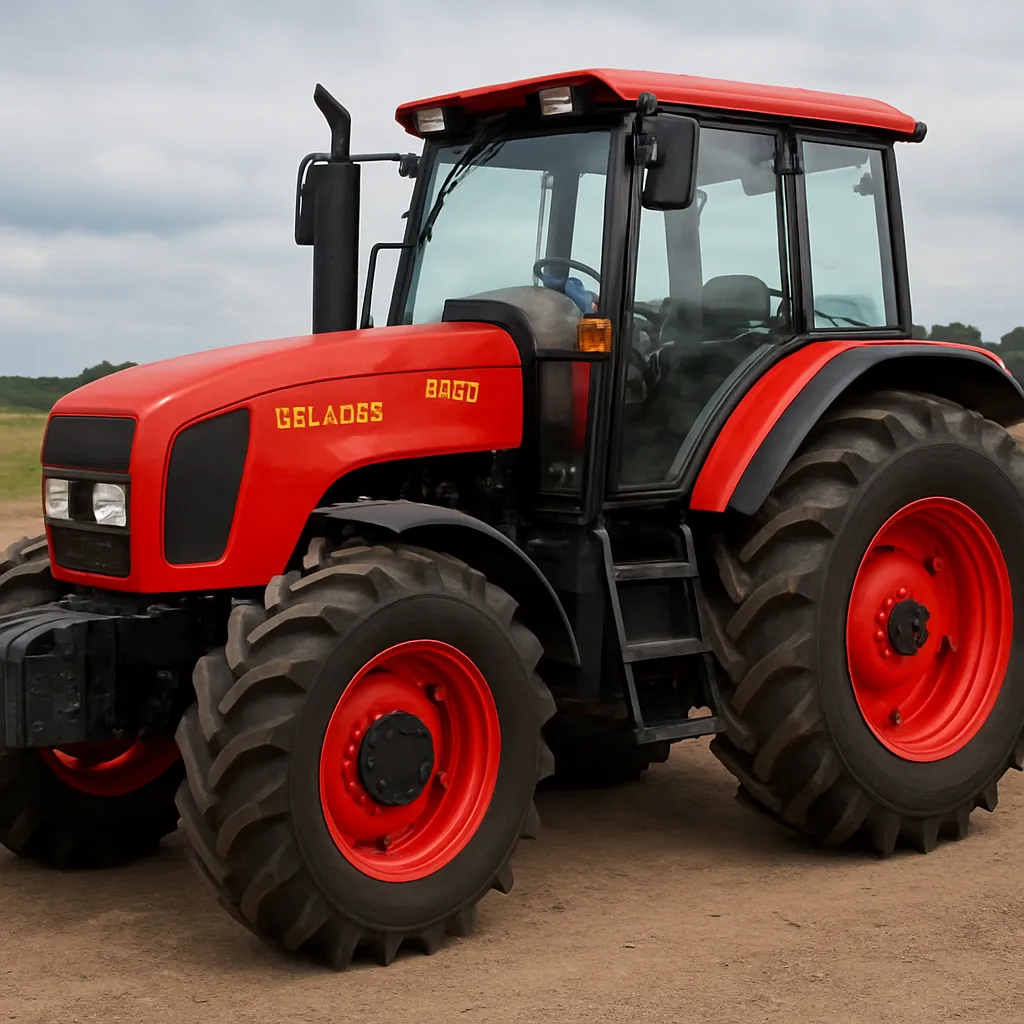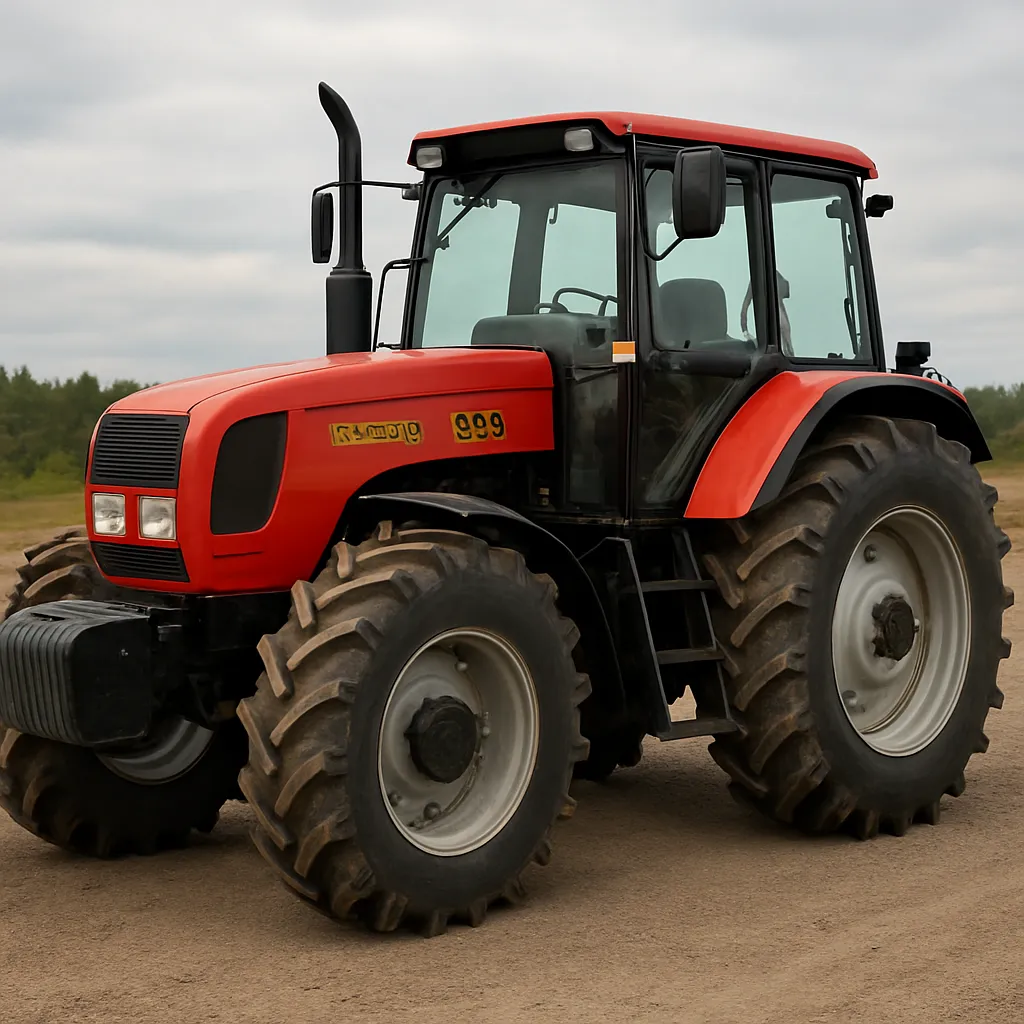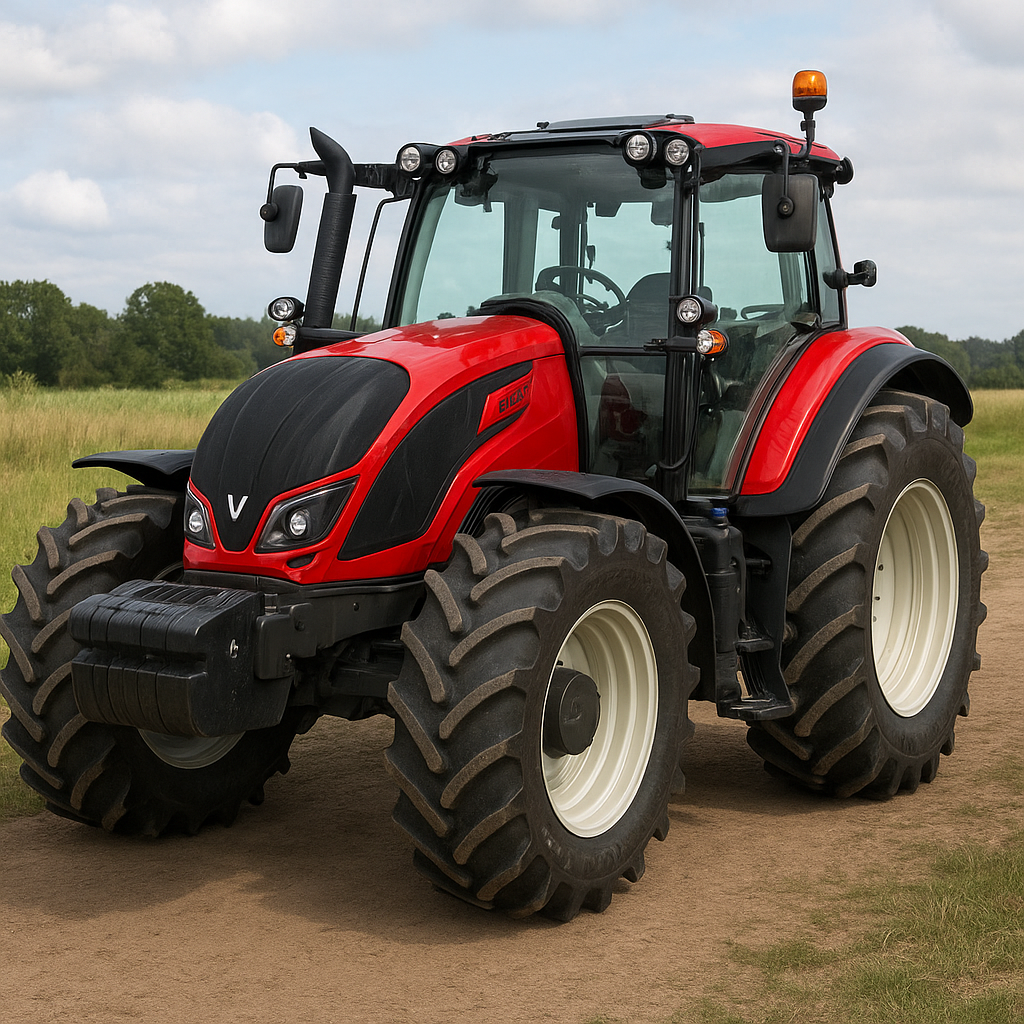
The Valtra N154 occupies a prominent place in the lineup of modern, mid‑to‑high power tractors designed for demanding farm work, municipal tasks and specialty operations. Combining robust mechanical architecture with thoughtful operator ergonomics and flexible configuration options, this model is aimed at users who need a blend of sustained power, adaptability and day‑to‑day reliability. Below you will find a comprehensive look at the N154’s design, technical characteristics, typical applications and practical considerations for operators and fleet managers.
Overview and design philosophy
The Valtra N154 is part of Valtra’s N series family, which emphasizes a balance between compact dimensions and strong performance suitable for larger mixed farms, contractors and multifunctional use. Valtra has traditionally focused on robust construction and ease of maintenance, and the N154 continues that tradition with a chassis, drivetrain and service layout intended for long hours in the field.
Key design priorities for the N154 include efficient power delivery, modularity for a wide range of implements, and operator comfort for long shifts. The tractor is engineered to be a dependable workhorse while allowing customers to select tailored features—from transmission options to hydraulic packages—so the final machine fits specific tasks.
Technical specifications and performance
Technical data for tractors like the Valtra N154 can vary by market, model year and chosen options. The figures below represent typical specifications and common configurations for this class of tractor. Exact numbers should be confirmed with a dealer or technical manual for a specific unit.
- Rated power: approximately 150–160 hp (ISO) at rated engine speed.
- Engine: turbocharged, intercooled diesel engine tuned for high torque at low rpm; displacement typically in the medium range for this class (varies by generation and emissions package).
- Maximum torque: commonly in the range of 600–700 Nm, available across a broad rpm band to assist heavy draft tasks and loader work.
- Transmission: multiple options typically offered including powershift, fully mechanical synchronized ranges and sometimes continuously variable or stepless options depending on market and model year; gear counts or stepless setups tailor fuel efficiency and drivability.
- PTO: standard 540/540E/1000 rpm choices with optional economy PTO settings for transport and implements.
- Hydraulics: open‑center or load‑sensing closed‑center systems with flow rates typically from ~110 to 160 L/min depending on pump and option packages; multiple remote valves available.
- Rear lift capacity: generally 4,500–6,500 kg at the hitch depending on linkage and configuration, allowing heavy implements such as ploughs, large seeders and mounted forage equipment.
- Fuel tank: mid to large capacity range (typically 200–300 liters) to maximize working time between refuels.
- Weight: operating mass usually 5,500–7,000 kg depending on axle, ballast and attachments.
- Top speed: road speeds up to 40 km/h (or higher where permitted) with some transmission options allowing a comfortable travel pace.
These specifications make the N154 well suited to tasks that require sustained tractive effort, hydraulic power and continuous PTO output. The engine’s torque curve and available powerband are designed to minimize gear changes and maximize implement performance under varying loads.
Applications and typical uses
The Valtra N154 is versatile by design; its configuration flexibility means it is used across many sectors. Below are the most common applications where this class of tractor excels:
- Arable farming: Primary tillage (ploughing, subsoiling), secondary tillage and seeding with wide implements. The combination of torque, hydraulic flow and lift capacity supports large implements and high working widths.
- Forage and haymaking: Mowing, raking, baling and silage operations. The PTO performance and hitch capacity allow operation of large balers, forage wagons and harvesters.
- Transport: Road hauling of trailers, tankers and flatbeds; tractors configured with a road‑geared transmission and suspension axles provide comfortable travel speeds for contractors.
- Loader work: Farmyard handling, material movement and stacking with front loaders. Hydraulic flow and option packages support high‑capacity loaders for heavy lifting and cycle times.
- Livestock operations: Feeding, manure handling and bedding tasks benefit from the tractor’s maneuverability and front loader/power unit capabilities.
- Municipal and civic tasks: Snow clearance, roadside mowing and street maintenance where robust hydraulics and PTO-driven implements are required.
- Specialty farming and forestry: With appropriate ballast and protection, the N154 can work with specialized equipment for orchard, vineyard or light forestry tasks.
Because the tractor is offered in many configurations, owners can prioritize either maximum field productivity or versatility for mixed workloads. Optional front suspensions, heavy‑duty axles and specific tire choices help adapt the machine for traction‑intensive jobs or softer‑soil work.
Cab and operator environment
Valtra places significant emphasis on the operator environment. The N154 typically offers a spacious cab with good visibility, ergonomic controls and climate control systems to reduce fatigue during long workdays. Typical highlights include:
- Comfortable seating and adjustable steering column to suit different operators.
- Intuitive control layout with remote valves, PTO and hitch controls within easy reach.
- Good all‑around visibility for precise implement placement and safe loader operation.
- Noise and vibration dampening to improve comfort and concentration during long shifts.
Advanced models or later production runs may include touchscreen displays, electronic joystick controls and ISOBUS compatibility for implement communication and precision farming functions. Such features improve efficiency in complex operations such as variable‑rate application and automated headland management.
Maintenance, durability and operating costs
Operators value the N154 for its practical serviceability. Several factors influence total cost of ownership and uptime:
- Service intervals: Modern diesel engines and aftertreatment systems allow extended service intervals for oil and filters compared with older models, but intervals depend on duty cycle and regional emissions rules.
- Parts availability: Valtra’s dealer network provides parts and technical support; proper preventive maintenance maintains resale value and reduces downtime.
- Fuel economy: Fuel consumption depends on load, transmission selection and operator technique. With efficient transmissions and engine management, specific fuel use can be optimized through correct gear selection and PTO management.
- Durability: Robust driveline and heavy‑duty components are intended to handle contractor workloads; routine greasing and inspection of linkage, axles and hydraulics preserves long‑term reliability.
The economics of an N154 in a fleet depend on configuration, intensity of use and local fuel/maintenance costs. For many commercial operators, the initial purchase is justified by high utilization rates and multi‑role capability that reduces the need for multiple specialized tractors.
Options, customization and attachments
One of Valtra’s strengths is the breadth of optional equipment and the ability to deliver highly customized machines. Typical options and attachments for the N154 include:
- Choice of transmissions (mechanical, powershift, stepless) to match fuel economy and operational style.
- Hydraulic packages ranging from basic single‑pump setups to high‑flow load‑sensing systems for hydraulically demanding implements.
- Front loaders and quick‑attach systems for rapid tool changes in yard or field.
- Front hitch and PTO combinations for flexible front implement use.
- Cab packages with enhanced climate control, soundproofing and electronics suites for precision farming.
- Special wheel/axle packages, ballast, and tire choices for soil protection, traction or travel speed.
Valtra also works with customers to fit factory‑installed implements or custom paint, ergonomic options and specialty protection (e.g., forestry guarding). This adaptability is valuable for buyers who need a machine tailored to particular crops, climates or contractor tasks.
Real‑world performance and user impressions
Field reports and operator feedback often highlight several practical strengths of the N154:
- Strong low‑end torque that keeps implements moving in heavy soils without constant gear hunting.
- Good hydraulic response for implement control and loader cycle times.
- Comfortable cab that reduces fatigue and improves productivity on long days.
- Reliability under heavy use when maintained properly—many contractors praise its uptime and simple service points.
Drawbacks mentioned by some operators can include the added weight of higher‑spec configurations, which may be a consideration on very soft soils, and the need to match specific options to intended tasks to avoid overpaying for features that remain unused.
Safety and regulatory considerations
Like all modern tractors, the N154 is supplied to meet regional safety and emissions standards which can affect its exact engine calibration, exhaust aftertreatment and available options. Customers should ensure the tractor they buy complies with local rules for emissions (e.g., Stage V, Tier 4 final where applicable) and consider safety options such as rollover protection, lighting packages and implement interlocks when purchasing a machine for public road work or contracting.
How to choose whether the N154 is right for you
Consider the following when deciding if an N154 fits your operation:
- Typical implements and working widths—do you need heavy hitch capacity or high hydraulic flow?
- Annual hours and utilization—high‑use fleets may favor contractor‑grade options and extended dealer support agreements.
- Terrain and soil conditions—choose final drive, ballast and tires to match traction needs without overloading the soil.
- Comfort and electronic features—if precision farming and automation are priorities, opt for electronic control packages and ISOBUS support.
- Resale and lifecycle cost—evaluate the configuration that provides the best balance of utility and residual value for your market.
For mixed farms or contractors needing a mid‑size yet powerful tractor with broad implement support, the Valtra N154 is frequently a strong candidate. Its combination of torque, lift capacity and adaptable hydraulics make it suitable for a wide range of tasks while offering comfort features that help sustain long operating days.
Summary
The Valtra N154 stands as a versatile, powerful option in the mid‑to‑upper horsepower range—engineered for demanding agricultural and utility tasks. With a focus on efficiency, modularity and operator ergonomics, it serves farms and contractors who require steady, dependable performance from a single tractor across multiple roles. Typical specifications like ~150–160 hp, robust hydraulics, multiple transmission choices and significant lift capacity underline its suitability for large implements and sustained work. When configured to your needs—with appropriate hydraulic flows, PTO arrangements and cab/exterior options—the N154 can minimize downtime and maximize productivity, making it a sound choice for professional users.