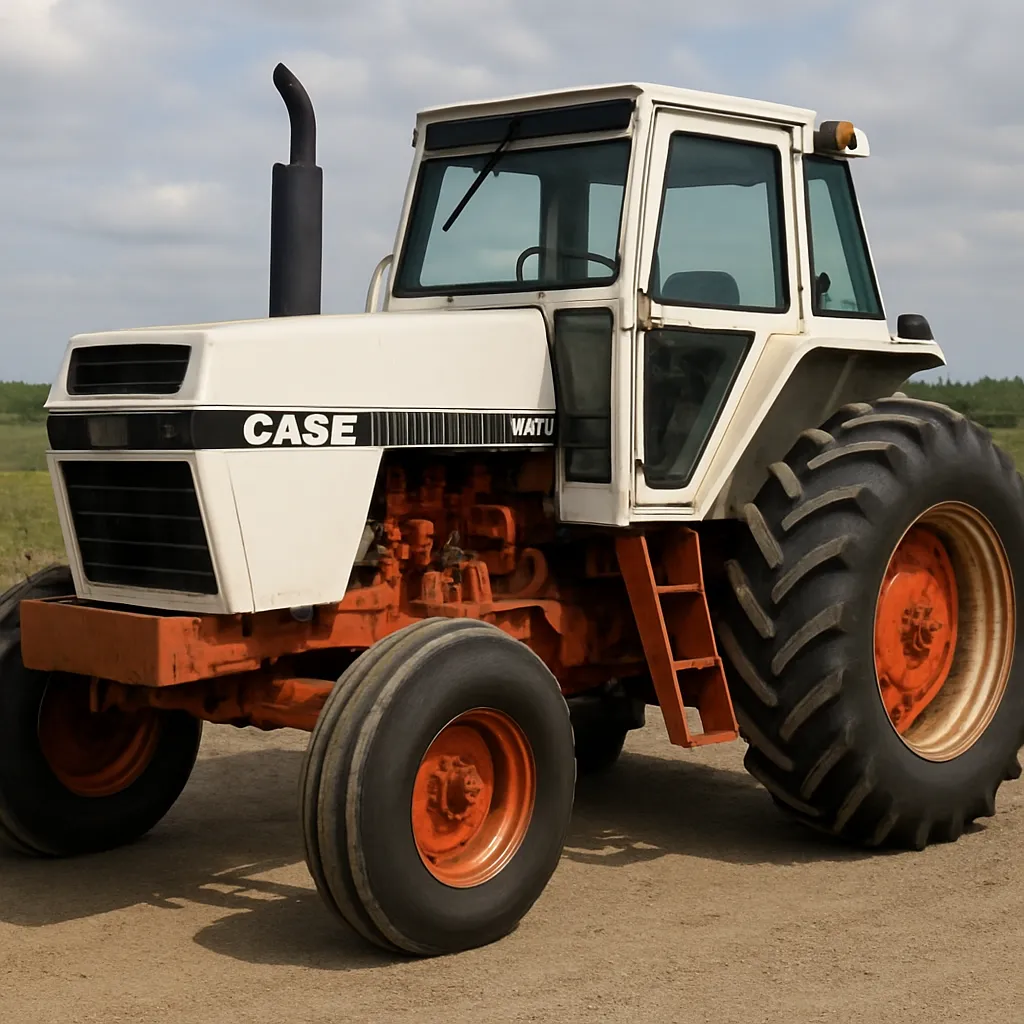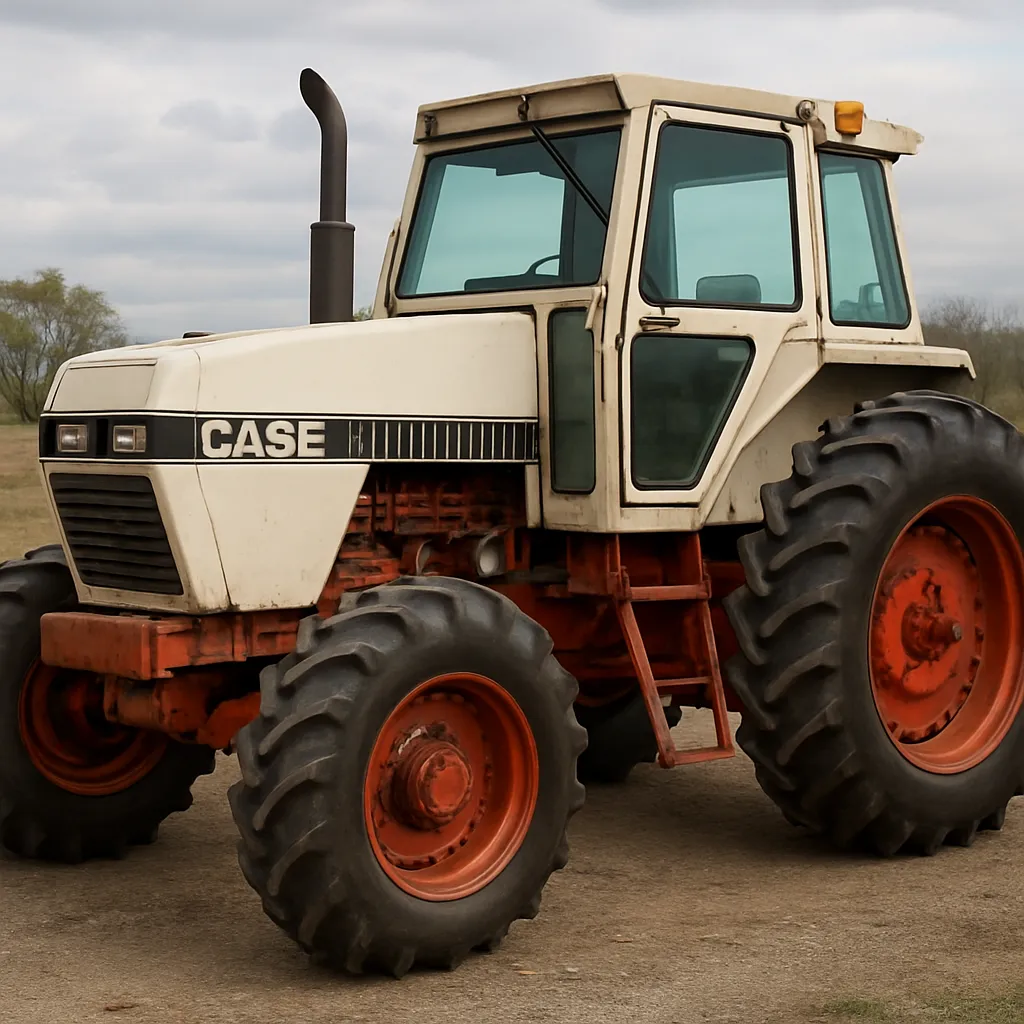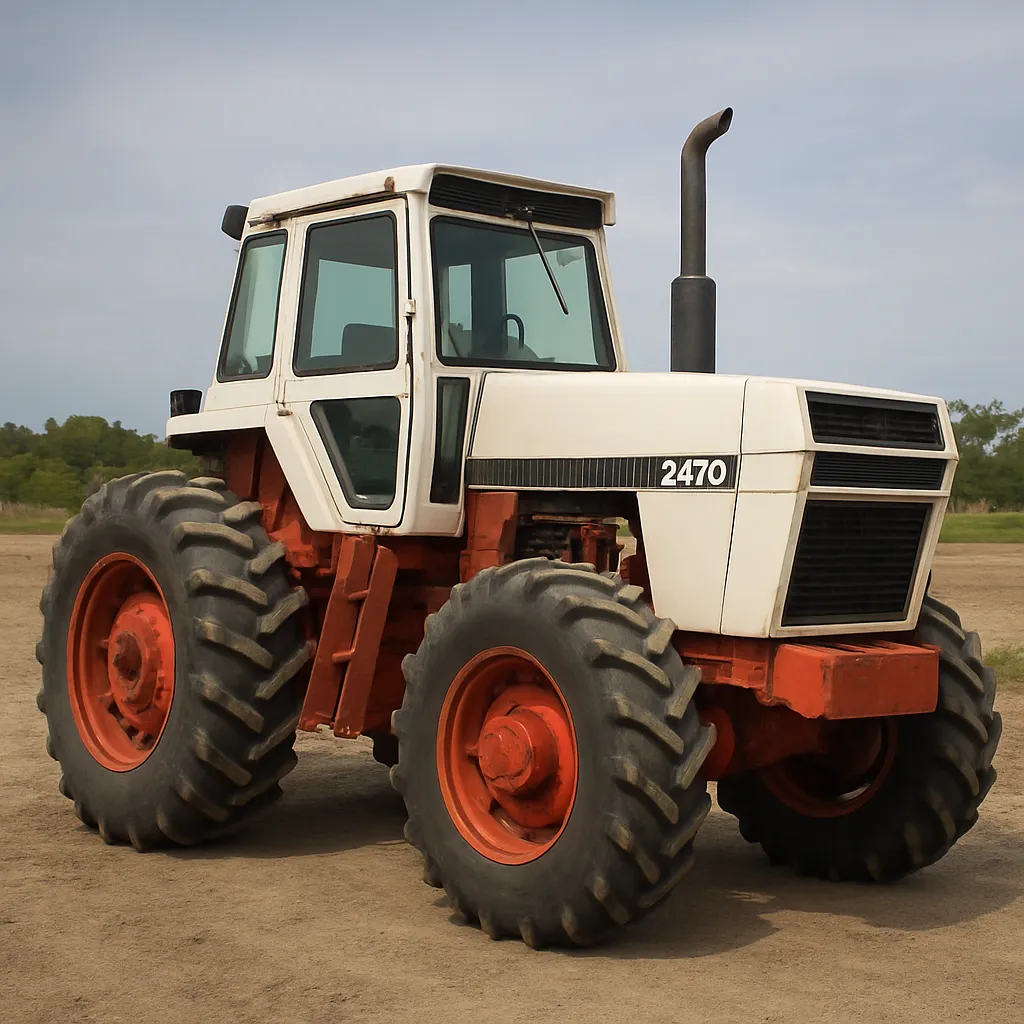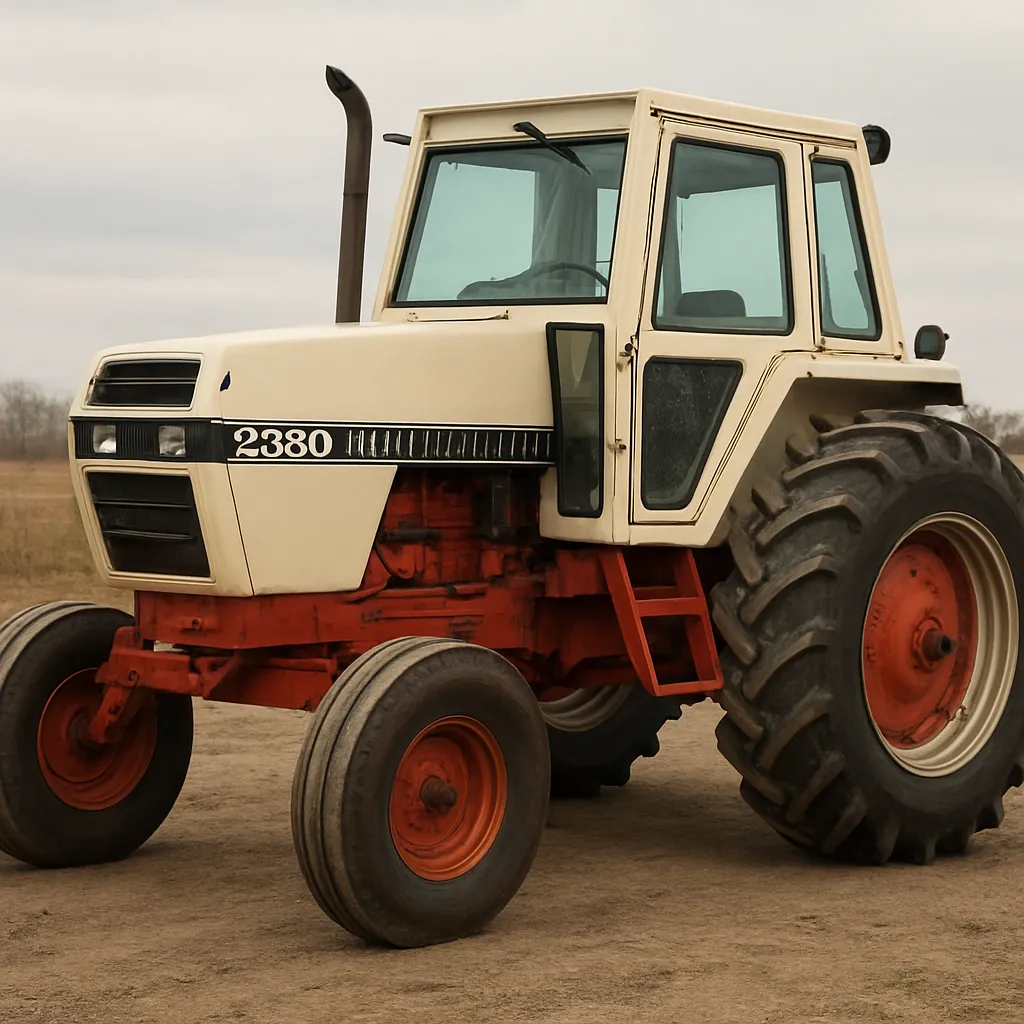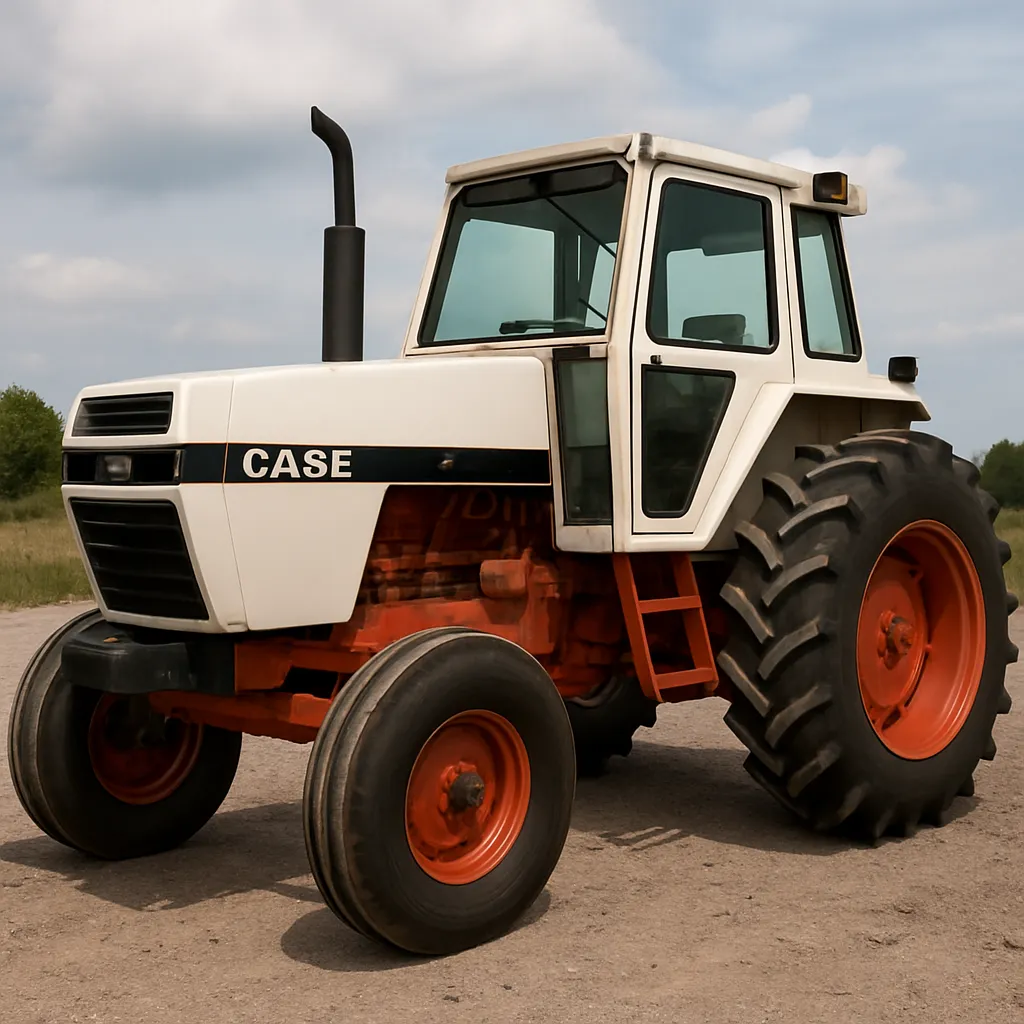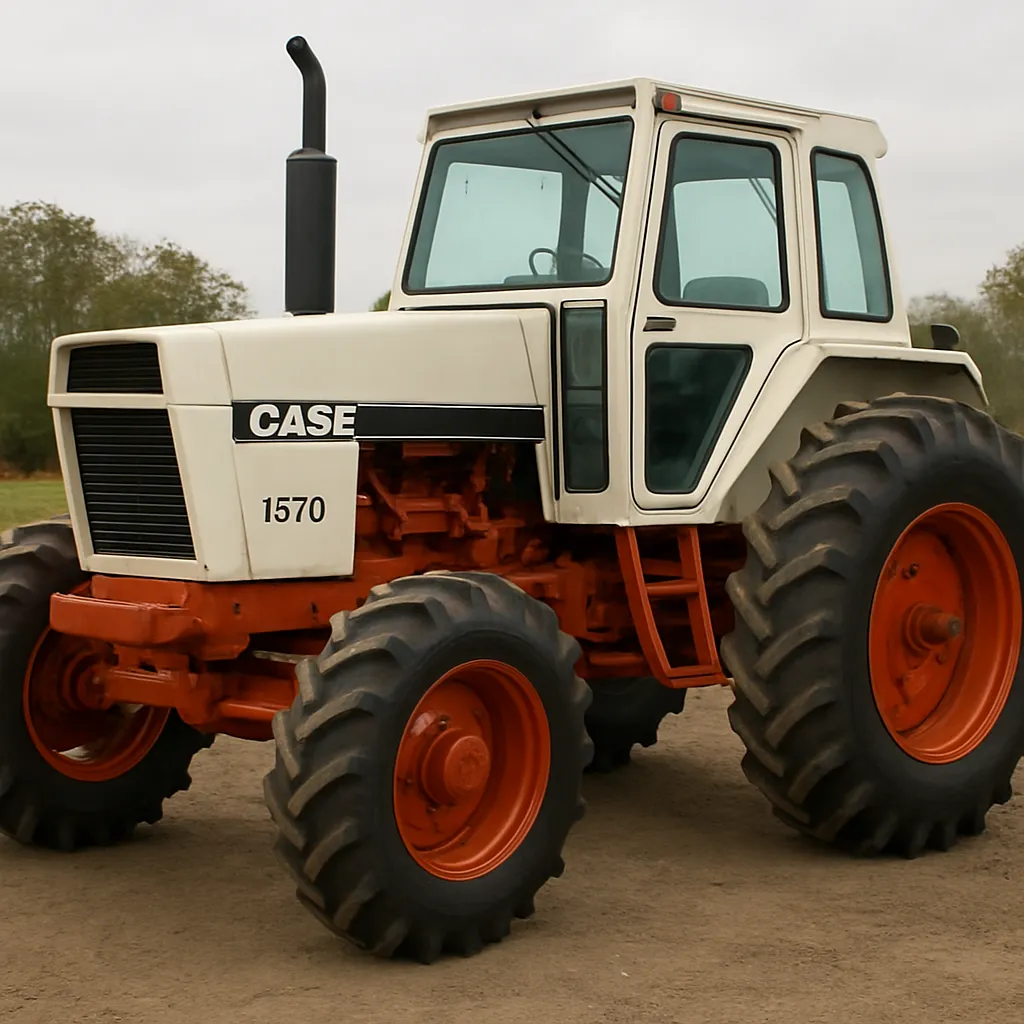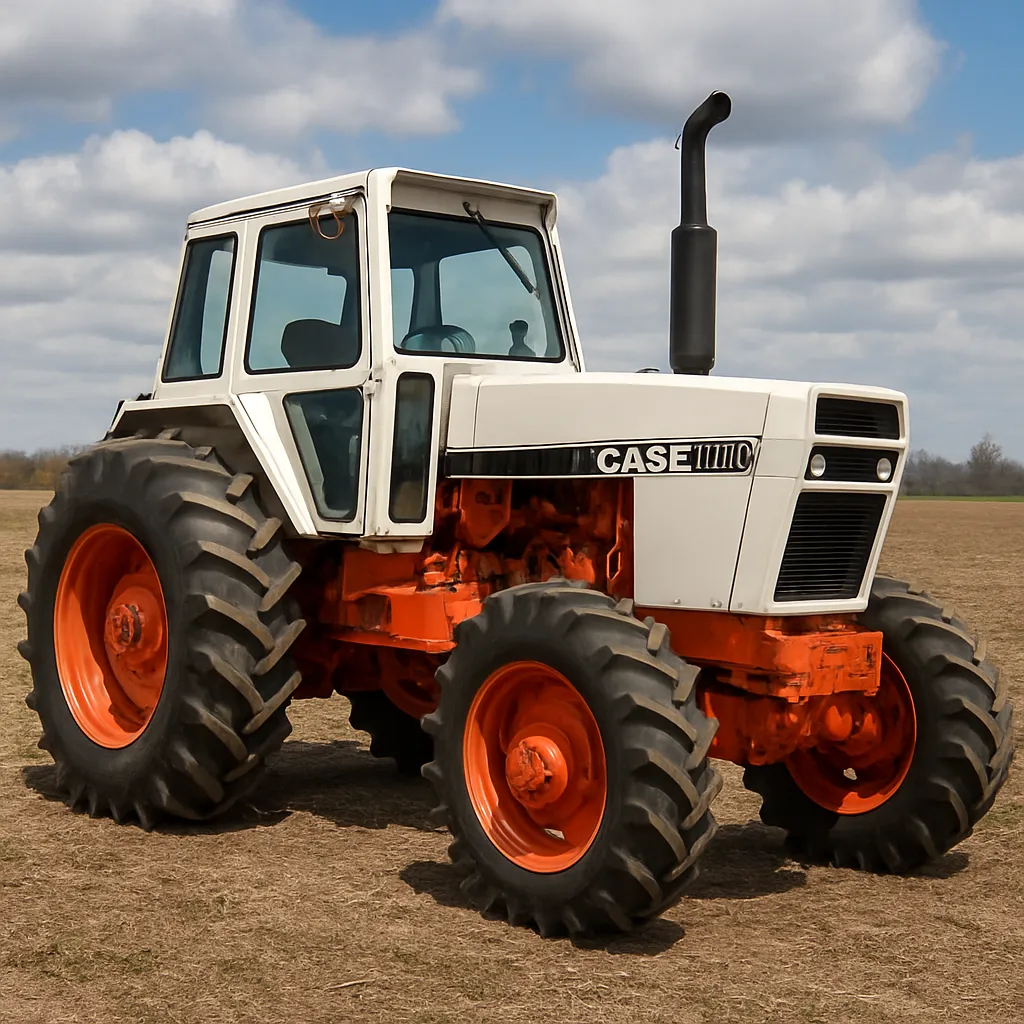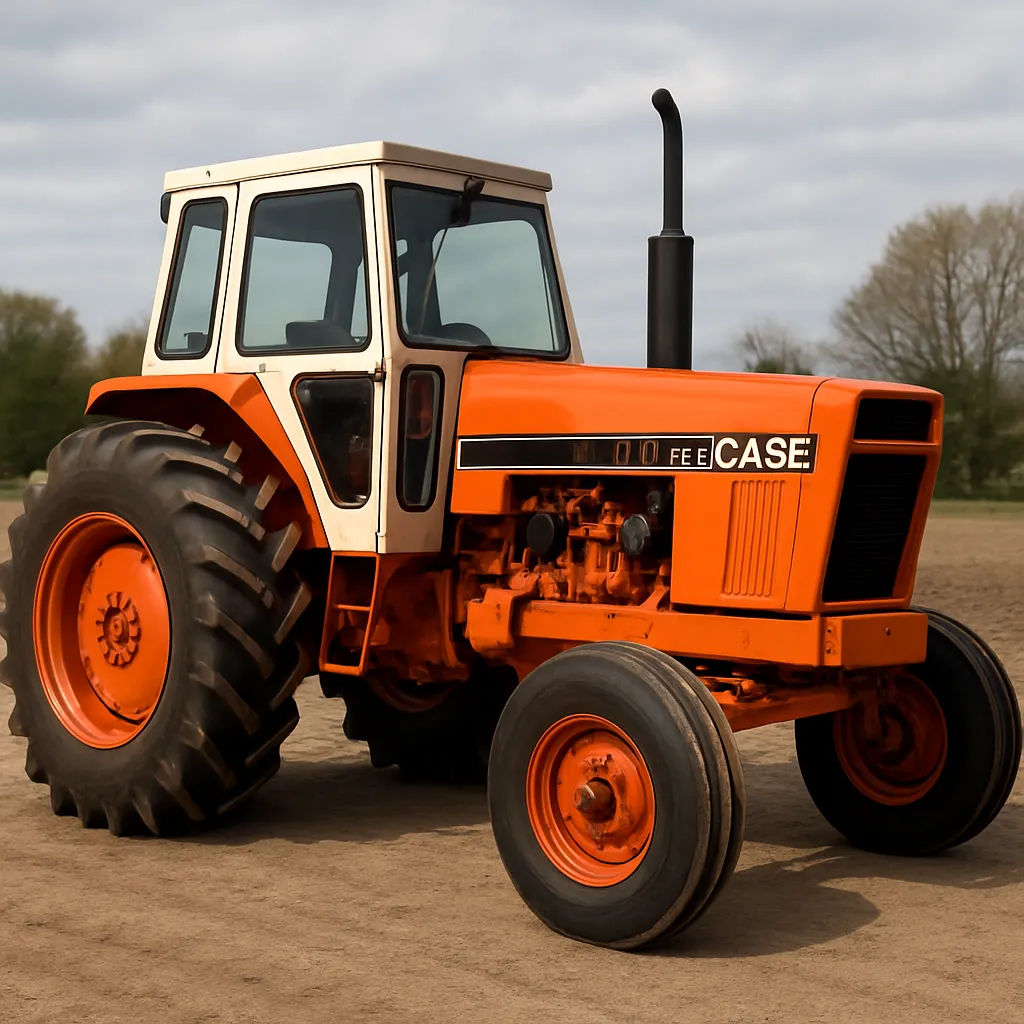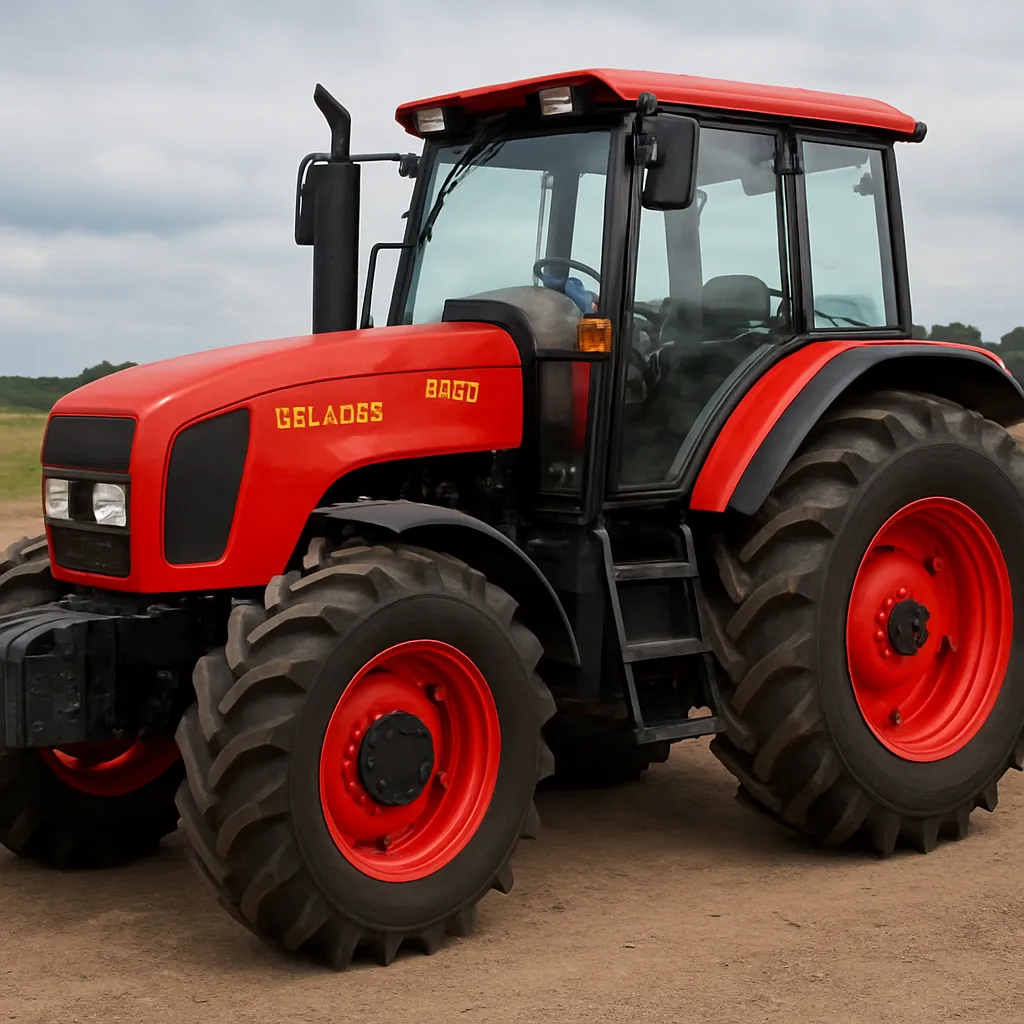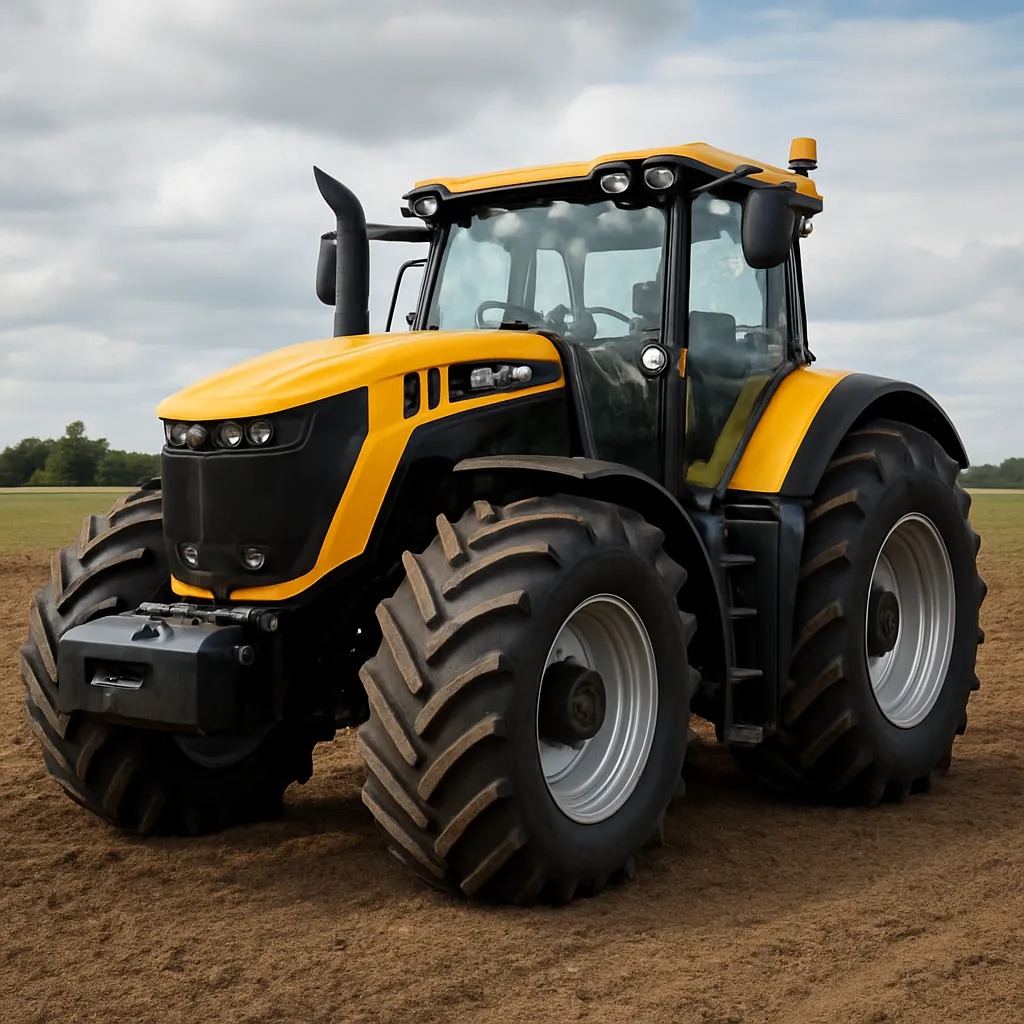
The JCB 8250 Special is a distinctive machine in JCB’s lineup that blends the traditional strengths of agricultural tractors with specialized features for demanding tasks. Designed to deliver a balance of power, comfort and versatility, the 8250 Special finds itself employed in a wide variety of environments — from large-scale arable farms to specialized contractor work. In the sections that follow, we explore its technical attributes, typical applications, operational considerations and market role. We will also highlight useful data and practical observations that can help potential buyers, operators and fleet managers evaluate whether this model is the right fit for their needs.
Design and technical characteristics
The JCB 8250 Special is built around a robust chassis and a powertrain that prioritize reliability and on-road speed. One of the most notable aspects of this model is its emphasis on mobility: while many agricultural tractors focus primarily on field performance, the 8250 Special was engineered to perform comfortably on both fields and highways, making it attractive for operations that require long transfers or mixed-use tasks.
Engine and powertrain
At the heart of the 8250 Special is a turbocharged diesel engine tuned to provide a solid mix of steady torque and reliable horsepower for pulling implements and powering hydraulic systems. Exact outputs vary by market and configuration, but typical figures for machines in this class fall into the mid-hundreds of horsepower or slightly below. The engine is mated to a transmission that offers a range of forward and reverse speeds suited to both fieldwork and road transport, with some variants emphasizing higher top speeds for efficient road transfer.
- Engine: turbocharged diesel, emphasis on torque delivery and fuel economy
- Transmission: multi-speed gearbox designed for field torque and higher-speed road travel
- Drivetrain: available in 2WD/4WD configurations depending on specification and region
Hydraulics, PTO and hitch
The 8250 Special typically offers a robust hydraulic system and a dependable PTO arrangement to support a broad range of implements. The hydraulics are engineered to deliver smooth control for modern, hydraulic-demanding implements, while linking and hitch systems are rugged enough for heavy cultivations and transport tasks.
- Hydraulic flow: designed to support multiple remote valves and power-hungry implements
- PTO: standard rear PTO configurations to drive mowers, balers, spreaders and pumps
- Three-point hitch: heavy-duty hitching for large agricultural implements
Chassis, cab and ergonomics
JCB has invested in operator comfort and visibility with the 8250 Special. The cab typically features a comfortable seat, clear sightlines to implements and controls laid out for intuitive operation. Suspension and ride quality are often improved in “Special” editions to reduce operator fatigue during long transport runs or extended hours in the field. Noise insulation, climate control and ergonomic controls make this tractor suitable for long days of operation.
- Cab comfort: ergonomic design, visibility, and climate control options
- Suspension: improved ride for high-speed transport and long-distance transfers
- Operator aids: straightforward controls and optional monitoring systems
Applications and typical uses
The JCB 8250 Special is a versatile platform that suits diverse agricultural and commercial roles. Its combination of on-road speed and field capability makes it particularly useful for operations that require moving implements between distant fields or farms and for contractors who need a machine that can travel quickly on roads without compromising field performance.
Arable farming and large-scale tillage
For arable farmers, the 8250 Special excels behind large tillage rigs, power harrows, large seed drills and multi-section cultivators. The tractor’s torque curve and hydraulic capacity allow it to maintain working speeds under heavy draft loads, while its steadiness at road speeds simplifies long transfers between fields.
- Primary tillage with large ploughs
- Secondary cultivation and seedbed preparation with heavy implements
- Transporting large trailers and grain carts between sites
Contracting,haulage and municipal work
Contractors benefit from the 8250 Special’s blend of comfort and transport capability. Jobs that include roadside mowing, slurry transport, contracted tillage and general haulage are well suited to a tractor that travels securely at road speeds and still offers robust hydraulic and PTO outputs for implements.
- Roadside maintenance paired with mounted implements
- Contracted fieldwork where long travel distances are common
- Seasonal intensive tasks requiring reliable uptime
Specialist applications and versatility
Beyond traditional farming, the 8250 Special can be adapted for specialist roles—snow clearance with front-mounted ploughs, forestry edge work with protective modifications, or as a power unit for mobile irrigation systems. The model’s adaptability is among its strengths, enabling fleets to repurpose units for off-season or niche roles.
- Winter service and snow clearance
- Light forestry and boundary maintenance
- Powering ancillary equipment for irrigation or pumping
Operational considerations: efficiency, maintenance and cost of ownership
Owning and operating a JCB 8250 Special means balancing its purchase cost against fuel consumption, maintenance needs and productivity gains. The model’s strengths—road speed and operator comfort—translate into time savings, especially where long transfers and mixed-use tasks are common. Below are practical points to consider when evaluating operational costs.
Fuel efficiency and performance
Modern diesel engines are tuned for a balance between outright power and fuel economy. The 8250 Special’s engine management typically optimizes fuel delivery for load conditions, which can improve specific fuel consumption when compared to older, less sophisticated tractors. Operating at the right PTO and engine speeds, and using appropriate gear ratios for transport, helps keep fuel consumption reasonable.
Maintenance schedule and serviceability
Routine maintenance—oil and filter changes, hydraulic fluid checks, air filter replacements and scheduled valve checks—keeps a complex machine like the 8250 Special in reliable service. JCB’s dealer network and parts distribution can affect downtime; in regions with strong dealer support, service intervals are easier to adhere to and repairs are faster. Because this model often sees mixed road and field use, attention to tires, drivetrain and brake systems is especially important.
- Regular engine and hydraulic servicing to maintain efficiency
- Inspection of drivetrain and braking systems due to frequent road use
- Proactive tyre and suspension checks for safety and comfort
Resale value and lifecycle
Tractors with documented maintenance histories and balanced usage patterns maintain higher resale values. The 8250 Special, when kept in good condition and supported by service records, typically holds value due to its usefulness in both farming and contracting roles. Lifecycle management—knowing when to rebuild, refurbish or replace major components—helps optimize total cost of ownership.
Safety, ergonomics and operator features
Safety and operator well-being are central to the 8250 Special’s design. JCB integrates standard safety features such as robust rollover protection, well-positioned lighting for night work and clear sightlines from the cab. Ergonomic controls and seating reduce fatigue during long shifts, while optional accessories can enhance visibility and convenience.
- Rollover protective structure and seat belts for operator safety
- High-output lighting packages for early morning or late evening work
- Optional comfort features: advanced seating, climate control and noise insulation
Market position and comparisons
The 8250 Special sits among mid-to-large tractors that emphasize both field performance and transport speed. When compared to dedicated heavy-field tractors, its advantage is mobility; compared to lighter, transport-focused tractors, it offers more robust hydraulic and PTO capacity. Its ideal competitors are other high-speed agricultural tractors and multi-purpose units from different manufacturers that target mixed-use farms and contracting firms.
Who should consider the 8250 Special?
Potential buyers who will get the most from the 8250 Special include:
- Large arable farms needing frequent transfers between distant fields
- Contractors who require a single machine for field work and highway travel
- Operations that prefer a robust, adaptable tractor platform for seasonal versatility
Notable specifications and practical numbers
Published specifications for tractors in this category vary depending on the year, regional configuration and optional equipment. Below are typical figures and ranges that are representative of machines in the 8250 Special’s class. These are intended as useful reference points rather than absolute guarantees for every unit.
- Engine output: often in the range of approximately 180–260 hp depending on tuning and market configuration
- Top road speed: many high-speed agricultural tractors are rated up to 40–60 km/h (25–37 mph) with some configurations optimized for the higher end of this range
- Hydraulic flow: depending on pump choices and optional equipment, usable flow rates commonly range from 100–160 L/min
- PTO speeds: typical rear PTO options include 540/1000 rpm and sometimes economy/ground-speed PTO functions for specialized tasks
- Operating weight: tractors of this size generally weigh in the several tons range (often 6–10+ tonnes), influenced by ballast, tyres and attachments
These numbers are illustrative of the class and should be confirmed against a specific machine’s data plate or factory literature when making purchase, leasing or operational decisions.
Practical tips for potential buyers
Before purchasing a JCB 8250 Special (or any large tractor), consider the following checklist to ensure the machine matches your operational needs:
- Assess the primary tasks and determine whether you need a tractor optimized for transport, field work, or a balance of both.
- Review service history and confirm availability of spare parts in your region; a well-supported machine lowers downtime.
- Test the machine under the types of loads you expect to use—both in the field and during road transfers—to evaluate comfort and fuel consumption.
- Consider optional packages that improve fuel efficiency, operator comfort or hydraulic performance if your tasks demand them.
- Evaluate tyre choices and ballast for the right compromise between flotation, traction and on-road stability.
Conclusion
The JCB 8250 Special represents a pragmatic choice for operations that require a reliable, versatile tractor capable of covering long distances on the road while still delivering strong performance in the field. Its design philosophy centers on mobility, operator comfort and adaptable powertrain and hydraulic systems—qualities that make it attractive to large farms and contractors alike. While exact specifications depend on the year and configuration, the 8250 Special is generally well-suited to demanding, mixed-use applications where downtime and transfer efficiency matter. When considering this model, verify the precise specifications of the unit in question and review service options in your area to ensure long-term productivity and value.