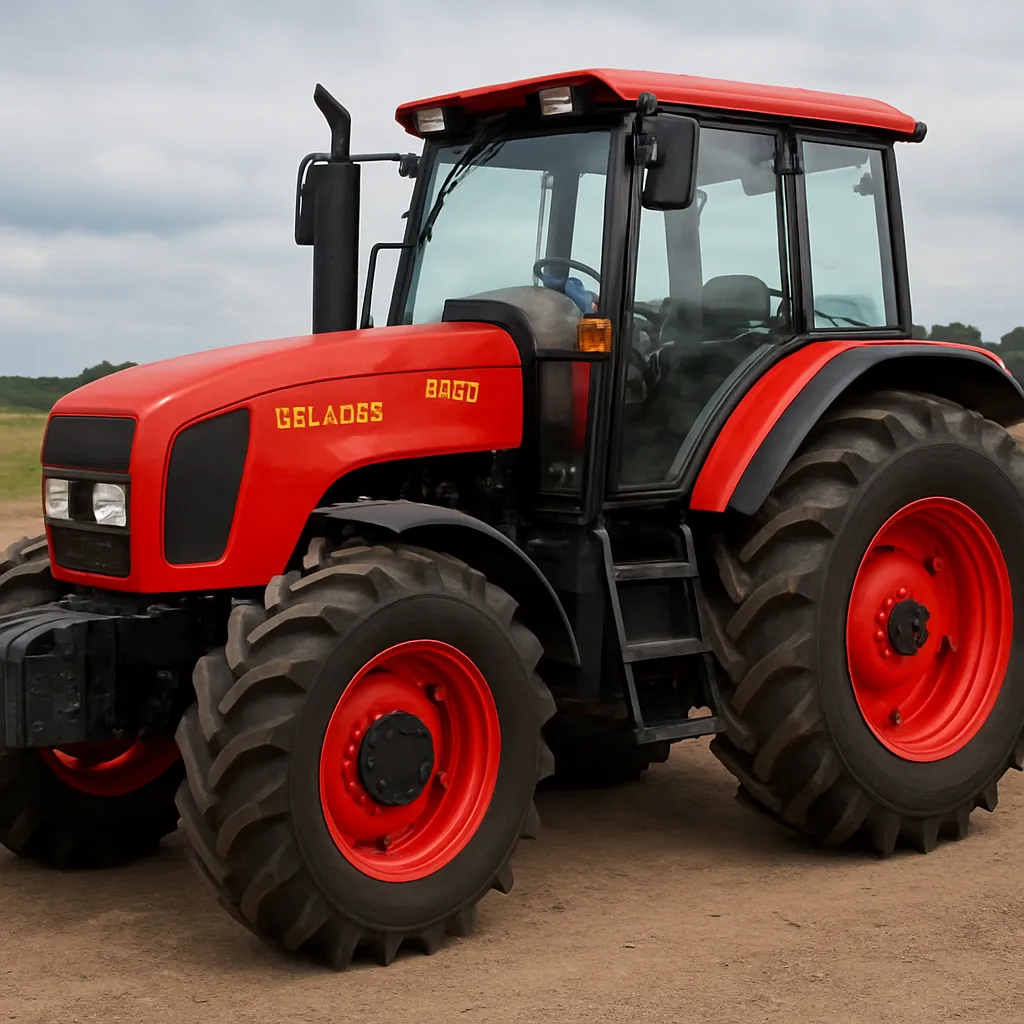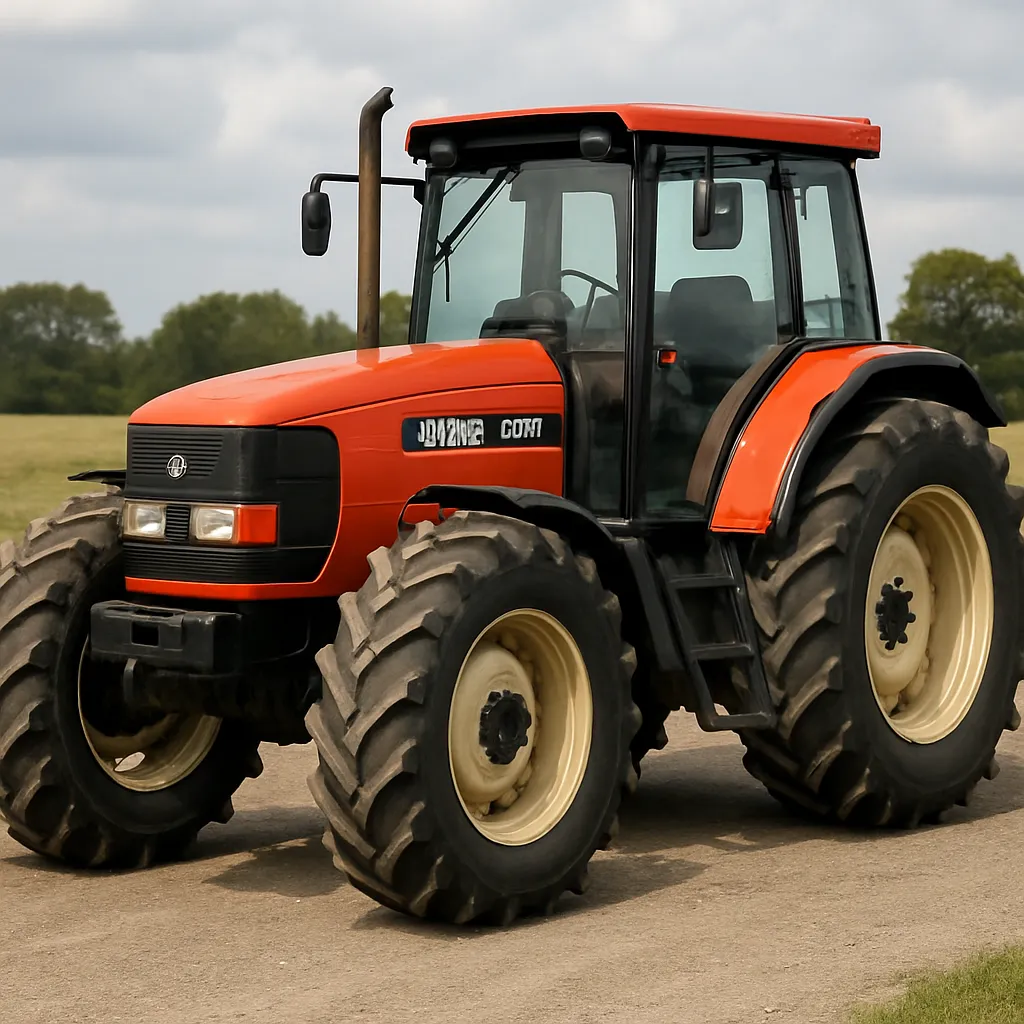
The SAME Silver 180 is a robust agricultural tractor that occupies the important niche of the high-power, versatile workhorse on modern farms. Built by the Italian manufacturer SAME — part of the SAME Deutz-Fahr (SDF) group — the Silver 180 is designed to balance strong mechanical performance with operator comfort, adaptability to a wide range of implements, and suitability for both field and transport tasks. In this article we will examine its design philosophy, typical technical characteristics, practical applications, maintenance considerations, and market position, providing a comprehensive picture for anyone considering this tractor class for agricultural or light industrial use. Key terms throughout the text are highlighted to draw attention to the most valuable concepts.
Design and engineering: core features and typical specifications
The Silver 180 is engineered around the needs of medium-to-large farms and contractors who require reliable power, durable drivetrains, and flexibility. Although specifications can vary by market, year of manufacture and optional packages, tractors in the 180-horsepower class commonly share a set of technical characteristics. Below are the central elements you can expect in a machine of this segment:
- Engine: Diesel, turbocharged with intercooling. For the 180 class, engines are typically inline 6-cylinder designs optimized for high torque at low rpm and long service intervals.
- Horsepower: Around the 170–190 hp bracket as rated at the flywheel; the Silver 180 name aligns it with a nominal output near 180 hp, though marketed power can differ slightly depending on emissions calibration and power boost options.
- Torque: Peak torque is a key performance indicator for draft and loader work; typical torque figures for similar tractors lie in the several-hundred to low-thousand Nm range, offering strong pulling capacity in heavy soil conditions.
- Transmission: Options often include modular mechanical transmissions (e.g., 16/16, 24/24) or more advanced powershift/stepless (CVT) solutions in some configurations, enabling smooth range selection and efficient transport speeds up to 40 km/h in many markets.
- PTO: Rear PTO with standard 540/1000 rpm choices; front PTO may be available for frontend implements. PTO torque capacity is engineered to run large mowers, balers, and other power-hungry implements.
- Hydraulics: High-flow hydraulic systems with multiple remote valves; typical systems deliver the flow and control precision needed for modern planters, sprayers and hydraulic-driven implements. Lift capacity at the rear linkage is designed to handle heavy mounted ploughs and seeding equipment.
- Axles and traction: Heavy-duty axles with optional four-wheel drive and differential lock systems for traction in difficult ground conditions; front axle suspension or pneumatic cab suspension may be offered for improved ride quality.
- Weight and dimensions: Gross vehicle weight and ballast options are specified to optimize traction without damaging soil structure; medium-to-large tyres and wheelbase options accommodate a variety of field tasks and transport stability.
- Emissions and after-treatment: Modern examples employ SCR (Selective Catalytic Reduction), DPF (Diesel Particulate Filter) and other after-treatment systems to meet regional emission standards (e.g., Stage V, Tier 4F), often using AdBlue/DEF for NOx control.
Note: Exact numeric values depend on production year and configuration. When comparing offers, always check the detailed datasheet for the specific unit, which will list rated horsepower, torque curve, PTO power, hydraulic flow (l/min), lifting capacity (kg), fuel tank volume (liters), and axle/tyre specifications.
Primary applications: where the Silver 180 excels
The versatility of a tractor like the SAME Silver 180 makes it suitable for a variety of agricultural and auxiliary tasks. Its power and hydraulic capacity allow it to perform demanding operations while remaining flexible for lighter chores.
- Primary tillage: Large ploughs and discs require sustained power and torque; a 180-class tractor can pull multi-furrow ploughs and heavy disc harrows efficiently.
- Seeding and planting: When paired with precision seeders, the hydraulic and draft control systems help maintain consistent depth and spacing, critical for modern high-yield cropping systems.
- Harvest support: Used with trailers, grain carts and forage wagons, the Silver 180 provides reliable transport capacity across fields and public roads.
- Hay and forage operations: PTO output and hydraulic control allow operation of large balers, mowers, rakes and forage harvesters; front loaders assist in handling bales and feed.
- Livestock farm tasks: Feeding mixers, manure spreaders and bedding equipment are compatible uses where sustained hydraulic output and PTO power are valuable.
- Contracting and municipal use: Contractors benefit from robust build and serviceability when performing repeated heavy tasks; municipal uses can include road verge mowing, snow clearing with front-mounted equipment, and loader work.
- Transport and logistics: With suitable gearing, these tractors can handle road transport of implements and trailers at legal speeds in many regions, reducing dependence on specialized transport units.
Implements and compatibility: maximizing versatility
One of the strengths of the Silver 180 class is the broad ecosystem of compatible implements. Choosing the right tools extends the tractor’s utility across seasons.
- Mounted and semi-mounted ploughs, discs, cultivators
- Planters and precision seed drills with ISOBUS compatibility for modern control integration
- Large balers (round and square), forage wagons and harvest trailers
- Front loaders for material handling — buckets, forks, bale spears
- Sprayers and spreaders using hydraulic or PTO-driven pumps
- Post drivers, subsoilers and specialty implements for orchards or vineyards when fitted with narrower tyres or adjustable axles
ISOBUS compatibility and electronic control kits allow the tractor to communicate directly with precision implements, enabling variable-rate applications and section control — important for efficiency and reduced input costs.
Operator comfort, cab design and safety
Long operating days demand ergonomic cab layouts, clear visibility and climate control. SAME and SDF brands emphasize operator environment to improve productivity and reduce fatigue.
- Cab insulation and climate control (heating and air conditioning) for year-round comfort.
- Ergonomic controls: Intuitive joystick(s) for loader and transmission control, logically grouped levers and a clear instrument cluster.
- Visibility: Large glazed surfaces and optional camera systems for rear/implement view improve safety and implement alignment.
- Seats with air suspension, adjustable steering column and easy access steps enhance operator posture and comfort.
- Noise and vibration damping via cab mounts and engine layout reduce operator fatigue over long shifts.
- Safety features such as rollover protection, lighting packages for night work, and advanced braking systems for transport are commonly supplied or available as options.
Maintenance, serviceability and running costs
Ownership cost is a major consideration. The Silver 180 and similar tractors are designed with service access in mind, but labor, parts and fuel remain primary cost drivers.
- Service access: Engine compartments designed for easy access to filters, belts and fluid points reduce downtime.
- Maintenance intervals: Modern diesel engines and after-treatment systems allow longer intervals between major services, but DPF and SCR systems require periodic attention and correct fuel/AdBlue management.
- Fuel consumption: Fuel use varies with duty cycle, but in the 160–200 hp class an average field consumption might range from 12–25 liters/hour depending on load and operating strategy. Actual numbers depend heavily on working depth, speed, and implement.
- Cost of parts and consumables (tyres, filters, AdBlue) should be factored into lifetime operating cost; local dealer networks and warranty packages can reduce unexpected expenses.
Reliable telematics and onboard diagnostics available on many modern SAME/SDF tractors help schedule preventive maintenance and monitor fuel burn, helping to optimize operating costs and reduce unscheduled downtime.
Market position, competition and resale
SAME (Società Accomandita Motori Endotermici) is a historic brand founded in Italy, now part of SDF Group, with decades of experience in tractor production. The Silver 180 competes in a field populated by models from New Holland, John Deere, Massey Ferguson, Case IH and Fendt.
- Strengths: European engineering, robust build quality, good dealer support in many regions, and integration with SDF’s broader product and parts ecosystem.
- Competition: Larger global brands may offer more extensive telematics ecosystems or a wider range of localized service networks; the choice often depends on dealer proximity, service contracts and operator preference.
- Resale value: Well-maintained tractors from established manufacturers tend to retain value, particularly when service histories and original equipment documentation are complete. Factors that influence resale include hours of use, maintenance records, and overall condition of hydraulics and PTO systems.
Environmental and efficiency considerations
Emission regulations have driven significant changes in tractor design. Modern engines achieve compliance while balancing fuel economy and performance.
- After-treatment systems (DPF, SCR) reduce particulate matter and NOx emissions, though they require attention to servicing and correct fuel/AdBlue usage.
- Fuel efficiency strategies — matching engine rpm to implement load, using cruise or economy modes, and proper tyre inflation — can reduce consumption and CO2 output.
- Precision agriculture tools (GPS guidance, section control, variable-rate application) lower chemical use and overlap, improving environmental footprint and lowering input costs.
- Increasing interest in hybridization and alternative fuels (HVO, biodiesel blends) may influence future iterations of tractors in this power class.
Practical tips for buyers and operators
Choosing and operating a Silver 180 (or equivalent 180 hp-class tractor) effectively requires attention to several practical points:
- Match tractor power and hydraulics to the heaviest implement you plan to use; overspec’ing increases cost and fuel use, underspec’ing reduces productivity.
- Inspect the maintenance history: regular oil changes, injector and turbo condition, and DPF regeneration logs are important when buying used equipment.
- Check tyre condition and correct inflation; tyre choice affects soil compaction, traction and fuel efficiency.
- Evaluate transmission and clutch condition, especially if the tractor has been used for heavy transport or loader cycles.
- Confirm the availability of service parts and skilled dealer technicians in your area; good after-sales support is critical for minimizing downtime.
- Consider telematics options for fleet monitoring, fuel tracking and preventive maintenance alerts — these pay back in better uptime and optimized operations.
Examples of operational scenarios
To illustrate capability, consider a few typical seasonal uses:
- Spring tillage: Working 2–3m multi-furrow ploughs across heavy soils, the tractor sustains moderate engine RPMs and uses draft-control features to maintain depth.
- Planting: When fitted with precision drills and autosteer, the Silver 180 maintains consistent speed and hydraulic control, allowing high-quality seed placement across large fields.
- Harvest transport: With a loaded trailer, the transmission and engine manage road speeds and gradients while maintaining low fuel burn compared to older designs.
- Baling and forage: PTO-driven balers and high-flow hydraulics ensure continuous operation with minimal stalls and fast cycle times.
Final remarks
The SAME Silver 180-type tractor represents a class of machines that are central to modern mixed and commercial farming: powerful, versatile, and engineered for both heavy fieldwork and transport duties. Prospective buyers should evaluate specific technical sheets for exact ratings and options, compare dealer support and service packages, and consider how features like ISOBUS, telematics and emissions systems fit their operational needs. When matched properly to tasks and maintained diligently, tractors in this category deliver strong productivity, long service life and a sound platform for precision agriculture upgrades and a wide range of implements.