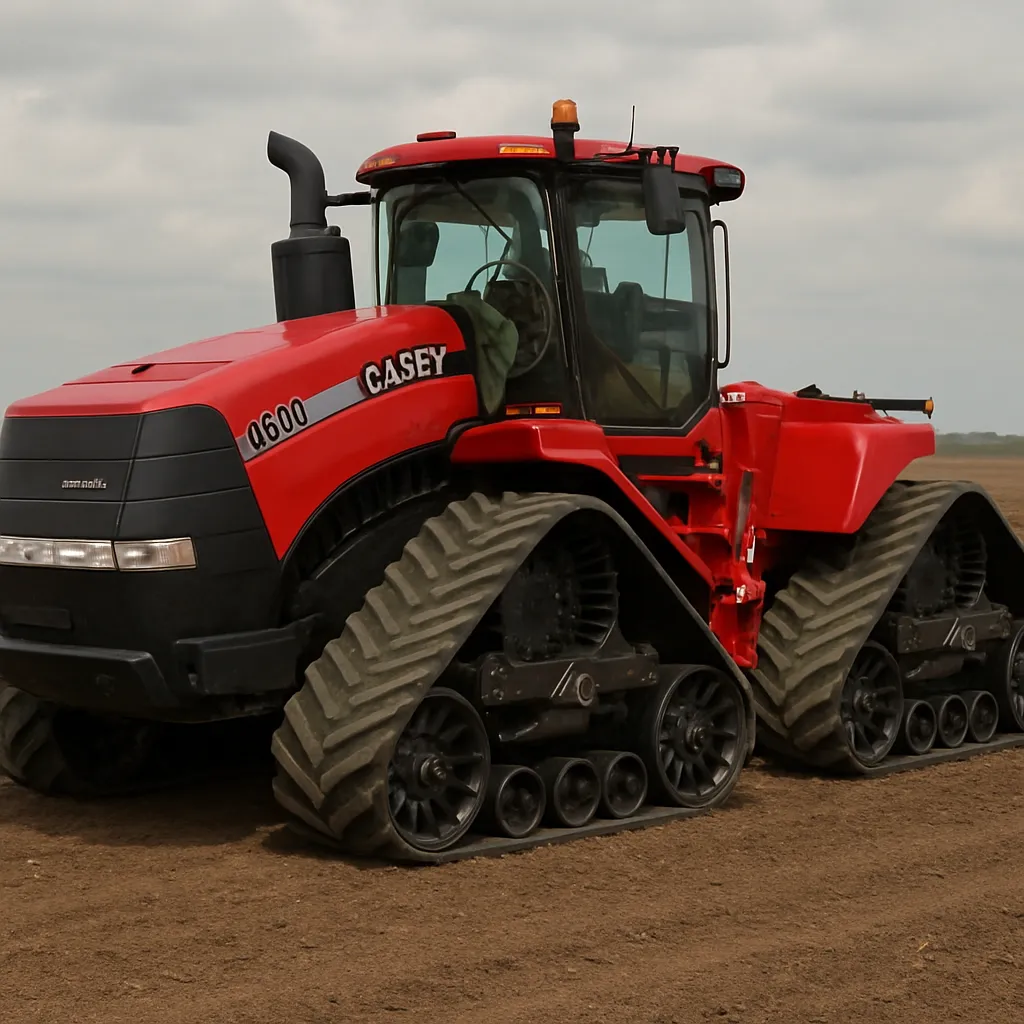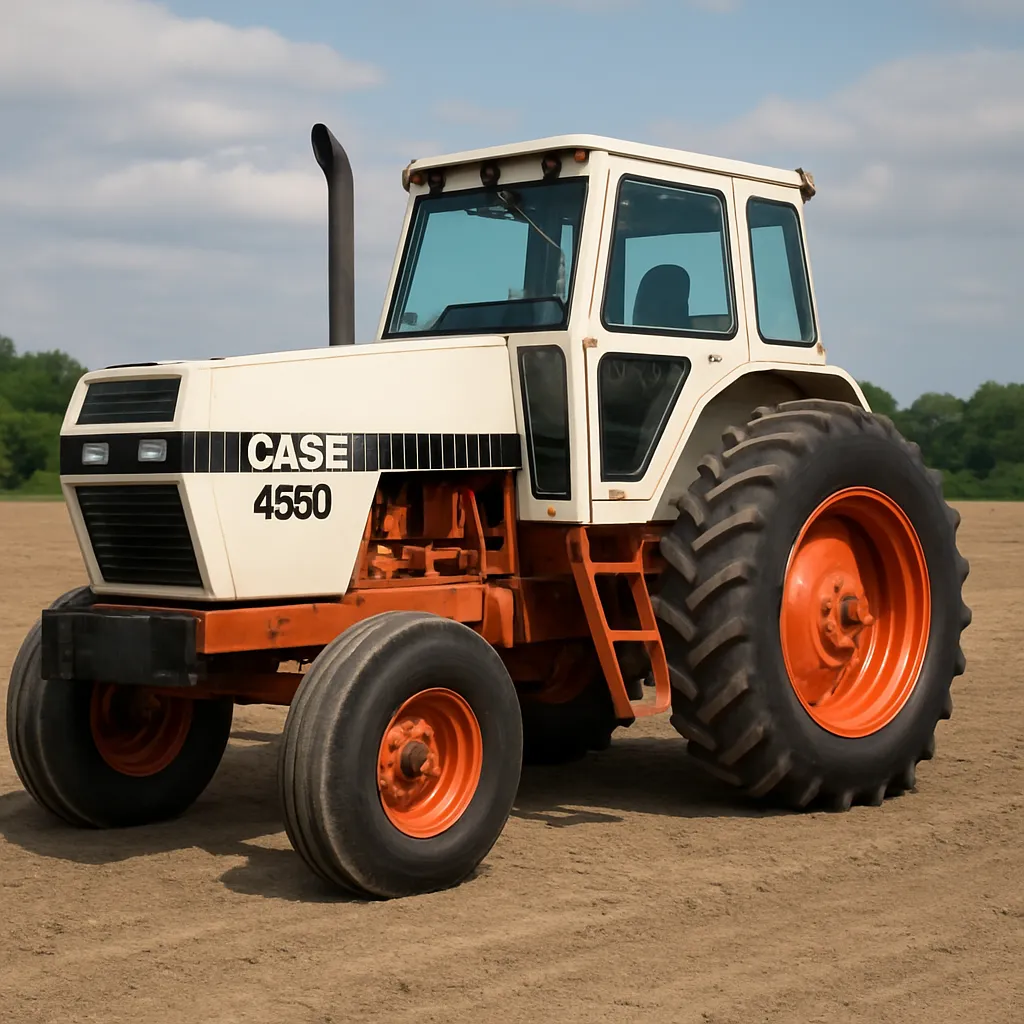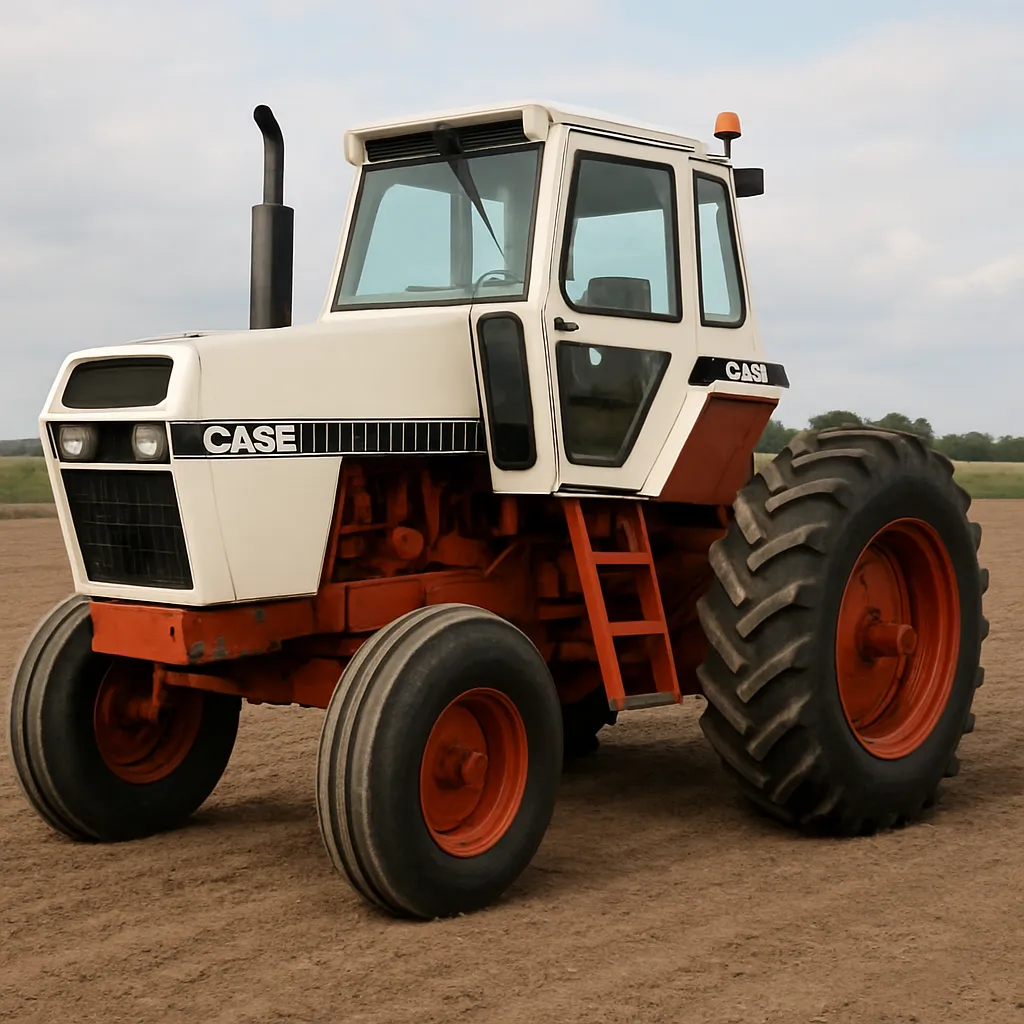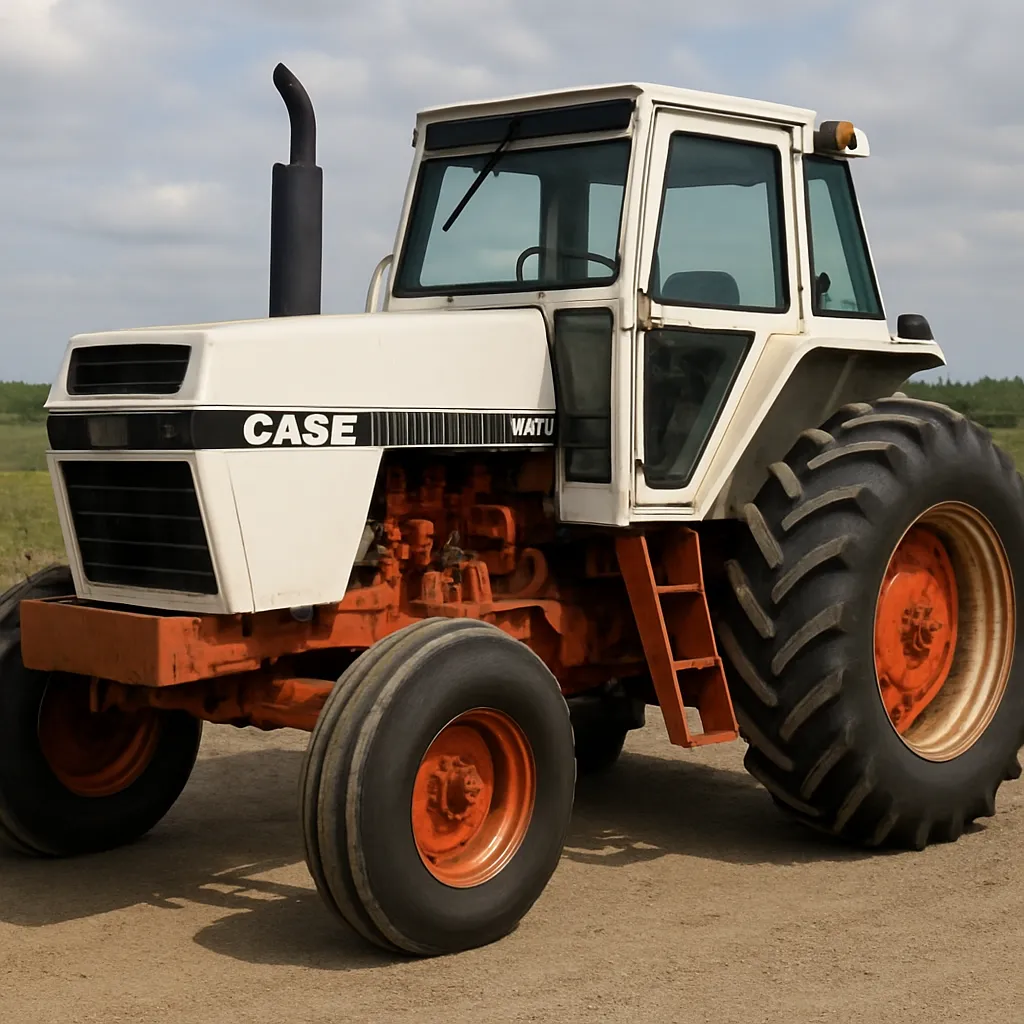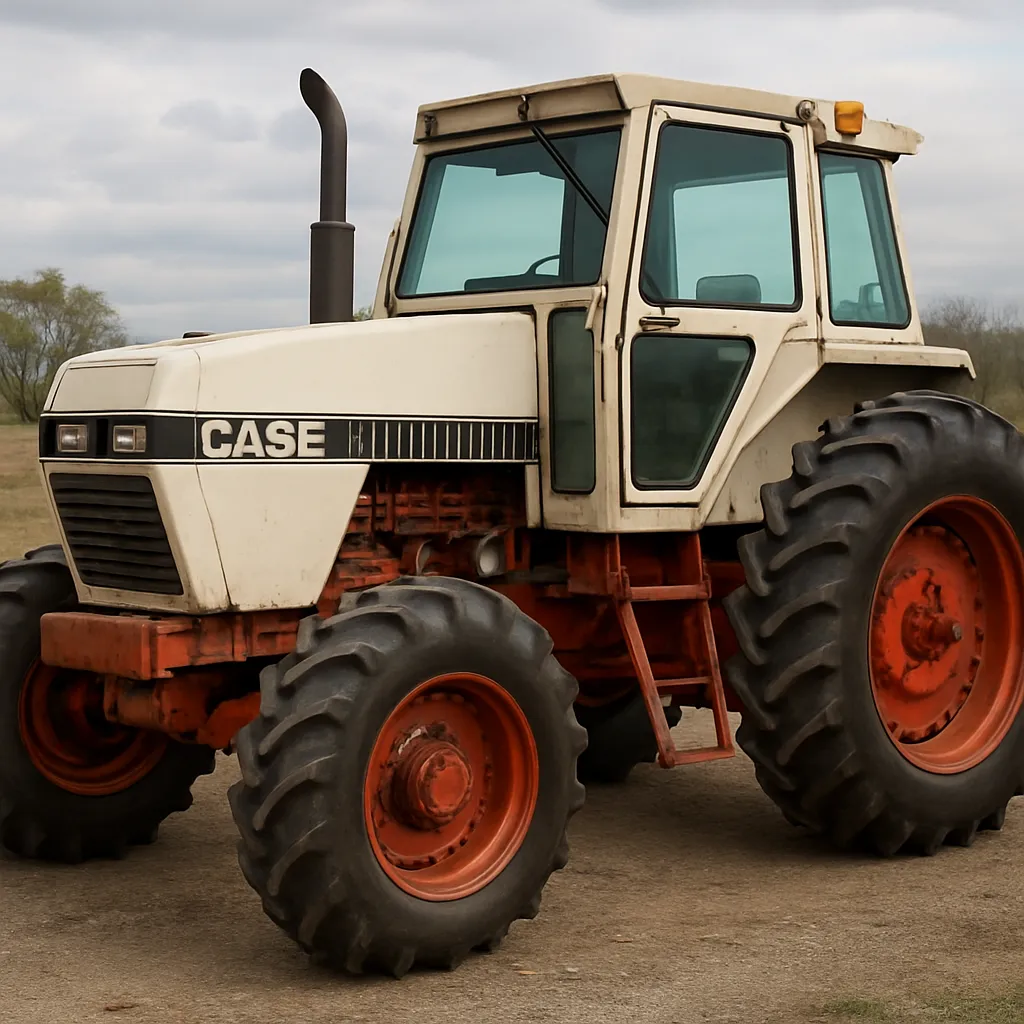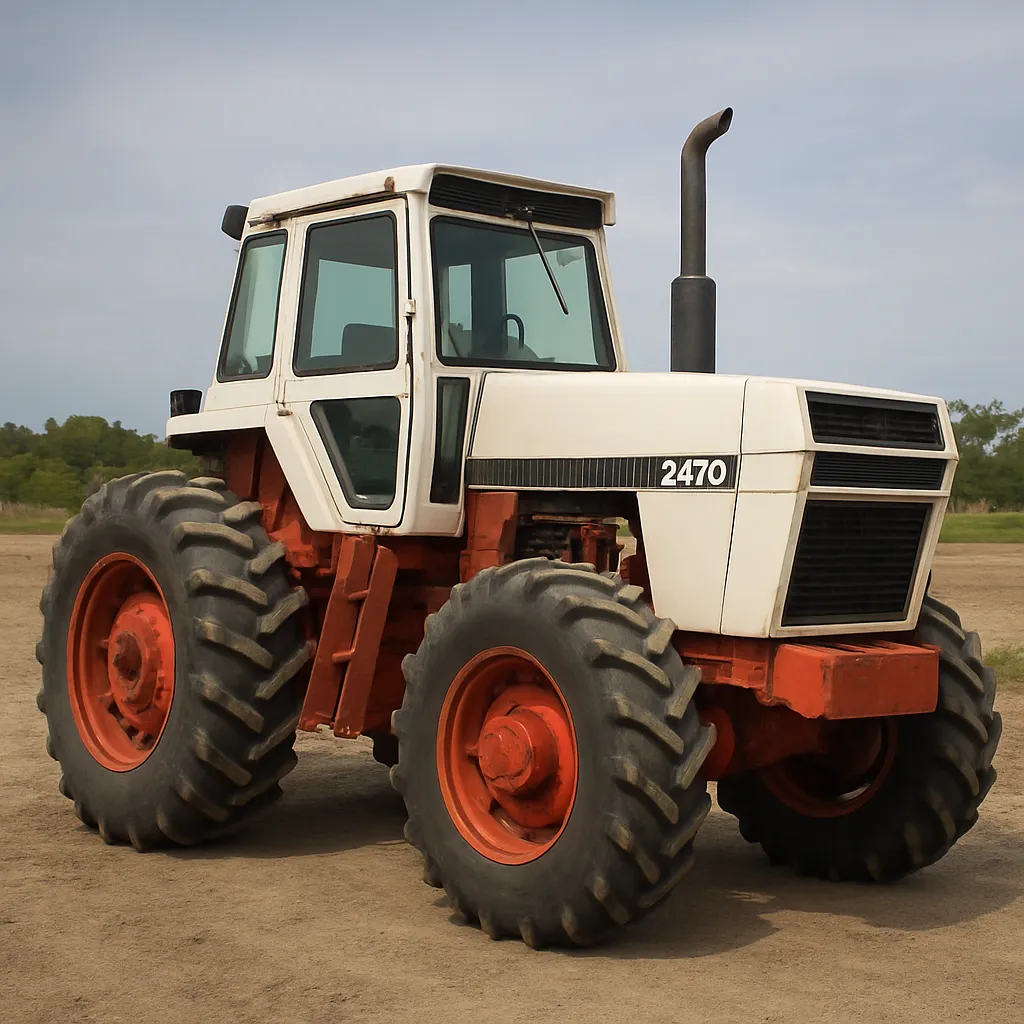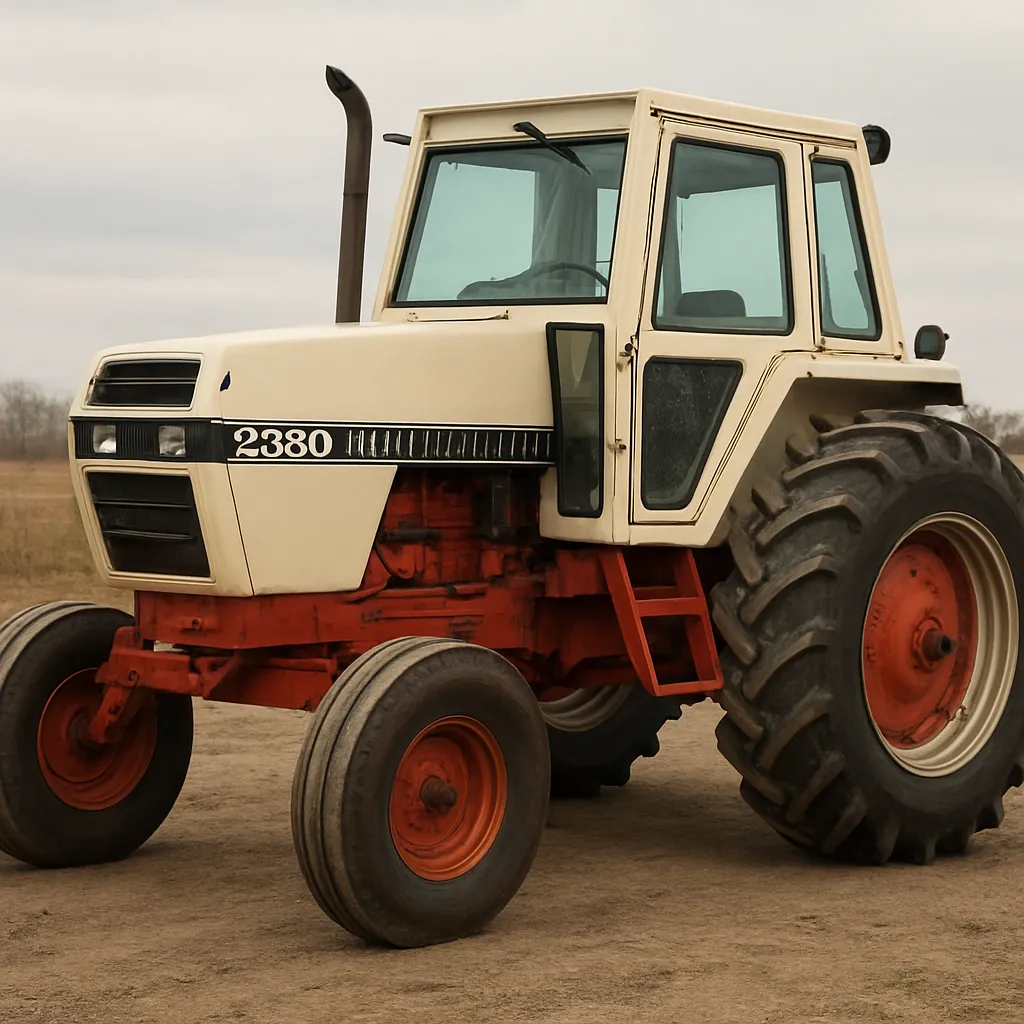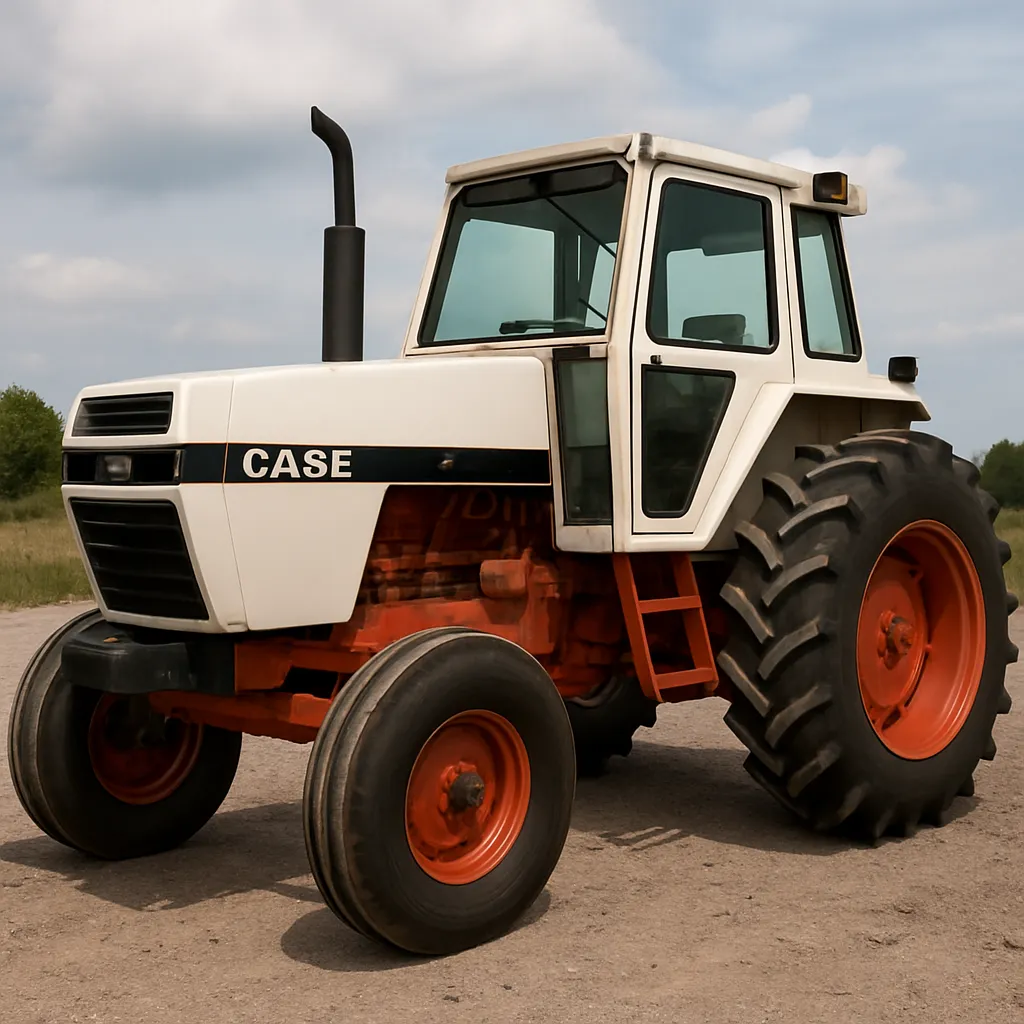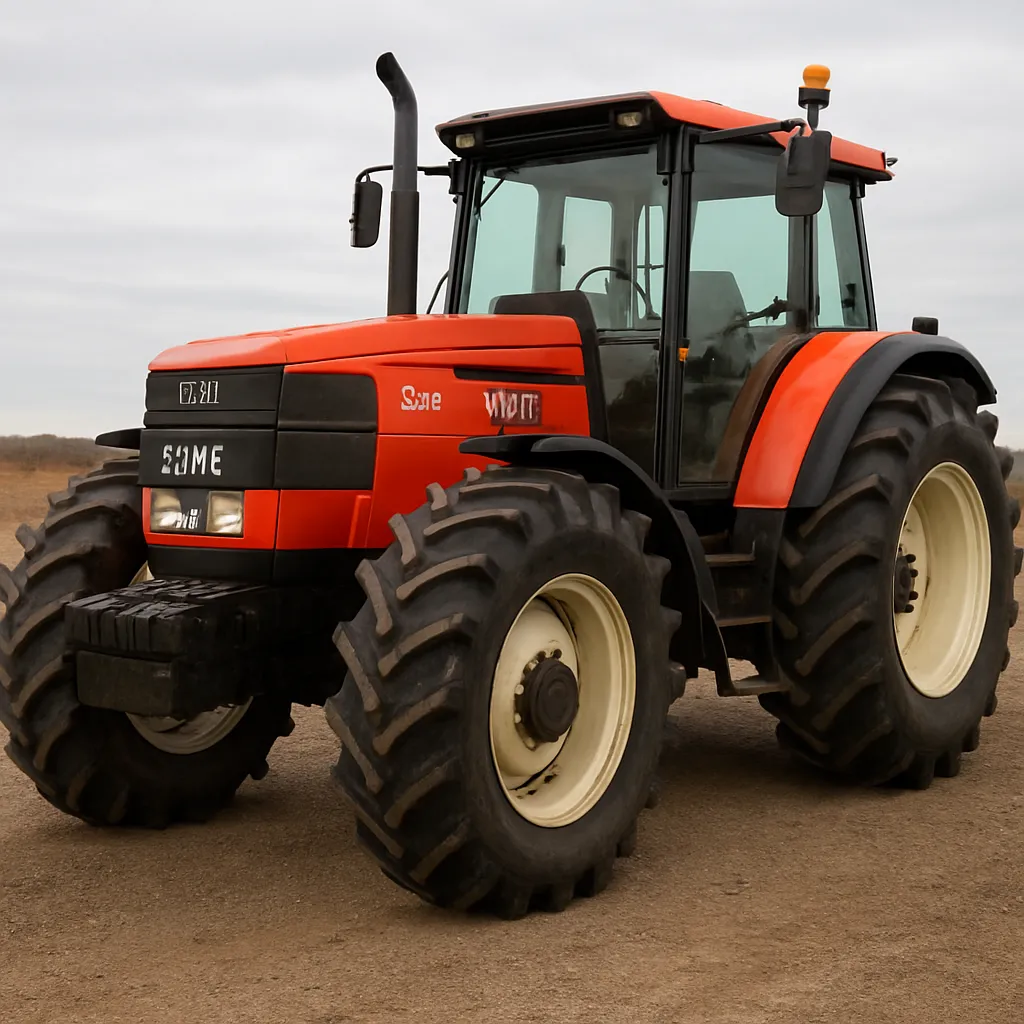
The SAME Titan 190 is a representative of the modern mid-to-high power agricultural tractor segment, combining robust mechanical design with versatility for a wide range of field and transport tasks. This article examines the Titan 190 from multiple angles: its historical and market context, typical technical characteristics and performance, practical applications on farms and in industry, operational considerations such as maintenance and fuel use, and how it compares to other tractors in the same class. Where precise manufacturer data varies by year and configuration, the text indicates typical or approximate values and points out what to verify when considering a purchase or deployment.
Overview and historical context
SAME, an Italian tractor manufacturer now part of the SDF Group (which also includes Deutz-Fahr and Lamborghini tractors), has produced a broad lineup of machines for diverse agricultural needs. The Titan designation has been used for tractors aimed at professional farmers, contractors and operators requiring substantial power combined with adaptability. The Titan 190 sits in the roughly 180–200 horsepower class, intended to bridge heavy fieldwork and transport duties while remaining manageable in size and cost compared with very high-power models.
Over the past two decades, the agricultural machinery market has shifted toward tractors that deliver not only raw power but also electronic controls, efficient drivetrains, comfortable operator environments and modularity for implements. The Titan 190 model line reflects these trends: engines designed to meet emission standards, transmissions with a variety of gear and range options, advanced rear linkage control, and cabs equipped for long operating days. Historically, SAME’s strategy with tractors like the Titan 190 has been to offer dependable mechanicals and value for professional users in mixed cropping, livestock support and contracting segments.
Design philosophy and main characteristics
General architecture
The Titan 190 is built around a heavy-duty frame and front axle intended to support front loaders, heavy-mounted implements or ballast packages. Weight distribution and chassis stiffness are optimized for traction and stability during both fieldwork and road transport. The cab is typically mounted on anti-vibration mounts to reduce operator fatigue and to protect sensitive electronics.
Engine and powertrain
At the heart of the Titan 190 is a diesel engine tuned to deliver continuous and peak output suitable for high-draw implements. Typical characteristics for tractors in the 190 hp class include high torque at low rpm for efficient ploughing, harrowing and forwarding operations. Modern variants emphasize fuel-efficient combustion, turbocharging and aftertreatment systems to meet emission regulations (e.g., Stage III / Tier 3 and higher depending on model year).
Transmission options commonly offered around this power range include synchronized mechanical gearboxes, power-shift units and in some markets advanced continuously variable transmissions (CVT). These permit a mix of high tractive force at low speeds and comfortable, fuel-efficient travel at road speeds. The Titan 190 line is designed to be compatible with different transmissions to suit farmer preferences and the balance between simplicity and automation.
Hydraulics, PTO and linkage
Hydraulic capacity and the rear linkage determine a tractor’s ability to operate modern implements. Machines in this class typically offer robust hydraulic flow rates (deliverable by one or more pumps) and multiple auxiliary spool valves with quick couplers to connect complex implement hydraulics. The rear PTO is usually available at standard speeds (540/1000 rpm) and sometimes with an economy mode; a front PTO option may be available for loader-mounted implements or front-mounted mowers.
Operator environment and controls
Cab design focuses on ergonomics, visibility and ease of control. Seating, joystick controls for hydraulics and loader, intuitive layout for linkage and PTO controls, and clear instrumentation are usual. Climate control, soundproofing and optional air-suspension seats make long shifts less tiring. Integration with basic precision agriculture systems (GPS-ready or with optional auto-steer) is commonly offered for operators who aim to increase efficiency and reduce overlap in the field.
Typical technical specifications (approximate and dependent on year/configuration)
Because exact figures vary by production year, market and optional equipment, the following values are offered as typical ranges and points to verify against manufacturer specifications for a specific tractor:
- Engine rated power: approximately 190 hp (ISO) — verify the exact rated and maximum outputs for the model year.
- Engine displacement: commonly in the 6–8 litre range for engines producing near 190 hp.
- Maximum torque: often in the range of 700–950 Nm, depending on turbocharging and engine tuning.
- Transmission: choices may include 16/16 synchronized, 24/24 or 32/32 power-shift, and sometimes CVT variants; top road speeds typically 40–50 km/h with appropriate gearing.
- PTO options: 540/540E/1000 rpm standard combinations; some models include electro-hydraulic engagement.
- Hydraulic flow: continuous flow rates typically 80–160 L/min depending on pump configuration; number of spool valves 2–5, often with flow-sharing and load-sensing options.
- Lift capacity at rear linkage: commonly 5,000–9,000 kg depending on equipment and specification.
- Weight: operational weight frequently between 5,500 and 8,500 kg depending on ballast and configuration.
- Fuel tank capacity: typically 200–450 litres.
- Tyre and ballast options: multiple choices to tune flotation vs traction for soil type and implements.
Anyone evaluating a Titan 190 for purchase should request the official spec sheet for the exact model year and trim level to confirm numbers such as rated horsepower, PTO power, hydraulic flow, axle ratings and total weight.
Practical applications and typical use cases
The strength of a 190 hp tractor lies in its adaptability: it can be the primary power unit for medium-to-large farms and a capable machine for contracting work. Some typical applications include:
- Primary tillage: powering large ploughs, discs and cultivators where both torque and sustained power are required to maintain ground speed and implement depth.
- Seedbed preparation and seeding: pulling seed drills, air seeders or planters across hectares of arable land.
- Transport and logistics: hauling trailers of grain, manure spreaders or silage wagons at road speeds between fields or to storage facilities.
- Hay and forage operations: powering mowers, rakes, balers and forage harvesters in combination with high flow hydraulics and PTO support.
- Loader and yard duties: front-loader installations can be used for feed handling, pallet work and other yard tasks; robust front axles and hydraulics are essential here.
- Specialized uses: with front and rear linkage combinations, the tractor can operate snow blowers, mowers, sprayers and other implements; optional cab protection and lighting make it a year-round workhorse.
For mixed farms that combine cropping and livestock, the Titan 190 offers the balance between a heavy-field tractor and the versatility needed for daily yard tasks. Contractors who move between farms appreciate the combination of traction, implement compatibility and transport speed.
Performance and fuel economy considerations
In practice, the performance of a tractor like the Titan 190 must be evaluated not only by peak horsepower but by how efficiently that power is converted into work. Several parameters influence operational efficiency:
- Torque curve and the ability to work at low engine rpm for heavy draft tasks reduce fuel consumption and implement wear.
- Transmission type affects driveline losses and operator ease: smooth power-shift or CVT transmissions often yield better fuel economy in variable loads compared with basic gearboxes.
- Hydraulic system efficiency: load-sensing hydraulics and flow-sharing valves can reduce unnecessary pump work and save fuel during intermittent hydraulic use.
- Proper tyre selection and ballast matching to soil conditions reduce slippage and increase effective traction, translating into lower fuel use per hectare.
Actual fuel consumption depends strongly on the task. For heavy ploughing at rated drawbar loads, tractors in this power class may consume in the range of 18–30 litres per hour; lighter tasks such as transport or light cultivation may reduce fuel burn significantly. These are illustrative figures — consult operational logs or field tests for accurate estimates on specific soils, implements and operator technique.
Maintenance, serviceability and durability
Long-term ownership costs are heavily influenced by maintenance intervals, parts availability and the ease of servicing. Key maintenance areas for the Titan 190 include:
- Engine service: regular oil and filter changes, air filters and fuel filters according to the maintenance schedule; proper servicing of turbocharger and aftertreatment components if equipped.
- Transmission and axle fluids: periodic checks and changes to ensure smooth shifting and to prevent premature wear.
- Hydraulics: monitoring hydraulic oil condition, seal integrity and coupling maintenance to prevent contamination and leaks.
- PTO and linkage: greasing points and linkage inspections to maintain safe implement attachment and operation.
- Cab and electronics: ensuring sensor cleanliness and software updates where manufacturers provide ECU updates and diagnostic improvements.
Many users value tractors that are straightforward to maintain in the field. SAME’s service network and the broader SDF parts distribution can impact downtime — in regions with an extensive dealer network, service intervals and spare parts turnaround are typically quicker, which is an important practical consideration for farms and contractors.
Operational safety and ergonomics
Modern Titan-class tractors emphasize safety through features such as rollover protection structures (ROPS integrated into the cab), effective lighting for night work, clear sightlines for loader operations and easy-to-reach emergency stops and parking brakes. Operator ergonomics — including seat adjustment, joystick positioning and intuitive instrument clusters — reduce fatigue and errors during long shifts.
Telematics options are increasingly common: remote diagnostics, usage logging and GPS-based monitoring allow fleet managers to optimize maintenance, reduce idle time and track fuel usage. These features can help minimize operating costs and improve overall farm productivity.
Economic and environmental aspects
Purchasing a Titan 190 involves considering acquisition cost, expected productivity gains, maintenance and depreciation. For many farms, a tractor in this power class reduces the need for a larger fleet by covering a wide range of tasks. When evaluating economic viability, consider:
- Cost per hectare: estimate based on fuel, maintenance, depreciation and labour savings when replacing multiple smaller tractors or reducing contractor hours.
- Residual value and depreciation: popular brands and well-maintained tractors tend to retain value better in the used market.
- Emission standards and regulatory compliance: newer engines with advanced aftertreatment systems reduce emissions and may be necessary to meet local regulations.
- Environmental footprint: efficiency improvements, precision farming technology and appropriate implement selection can reduce inputs, compaction and overlap, lowering overall environmental impact.
Comparisons within the market and competitive positioning
The Titan 190 competes with equivalent offerings from manufacturers such as John Deere, New Holland, Massey Ferguson, Case IH and Fendt (depending on regional availability). Competitive factors include:
- Initial purchase price and total cost of ownership.
- Dealer and service network strength in the operator’s region.
- Feature set such as transmission sophistication, hydraulic capacity and cab amenities.
- Compatibility with attachments and farm-specific customizations (e.g., front loaders, ballast packages, or sprayer hookups).
- Availability of precision agriculture systems and telematics packages.
Some operators choose SAME machines because of their balance of cost, reliability and the backing of the SDF Group’s engineering. Others select a different brand due to local dealer relationships or specific features. It is advisable to carry out field trials, consult local owners and compare total ownership estimates when choosing between models.
Buying tips and what to verify before purchase
Whether acquiring a new or used Titan 190, check these points:
- Confirm the exact engine rating and whether the quoted power is continuous or peak.
- Check the gearbox type and whether a recommended transmission option suits the intended tasks.
- Verify hydraulic flow rates and the number of spool valves for implement compatibility.
- Inspect service history for used tractors: engine, transmission, and hydraulic maintenance records are critical.
- Test the tractor under load if possible — road tests and field runs reveal more than static inspections.
- Check tire condition, axle seals and linkage wear points.
- Ask about software updates, warranty terms and the availability of spare parts in your area.
Examples of productive workflows with a Titan 190
Examples of how farms and contractors exploit the capabilities of a Titan 190 include:
- Large cereal farms: using a Titan 190 for both primary tillage with heavy ploughs and seeding operations, taking advantage of high torque and reliable PTO to pull large implements with fewer passes.
- Mixed livestock and arable holdings: operating transport wagons, feed mixers and silage handling with front loader attachments during the day, then switching to sprayers or spreaders for field work.
- Contractors: offering ploughing and seeding services across multiple farms, where the combination of traction, hydraulic flow and transport speed reduces job time and improves profitability.
Concluding notes (practical summary)
The SAME Titan 190 is a versatile choice in the roughly 190 hp tractor category, aimed at professional users who need a single machine to handle a broad set of operations — from heavy draft work to transport and loader tasks. Key strengths typically include robust hydraulics, a reliable powertrain offering good torque for draft work, and a cab designed for operator comfort over long shifts. Prospective buyers should obtain the detailed specification sheet for the exact model year, perform hands-on tests under load, and consider local dealer support and parts availability when making a purchasing decision.
Note on specifications
Manufacturer data for tractors can change with model updates, emission-related modifications and optional equipment. The ranges and figures presented here are indicative; always consult the official SAME documentation or an authorized dealer for precise and binding technical specifications and warranty conditions.