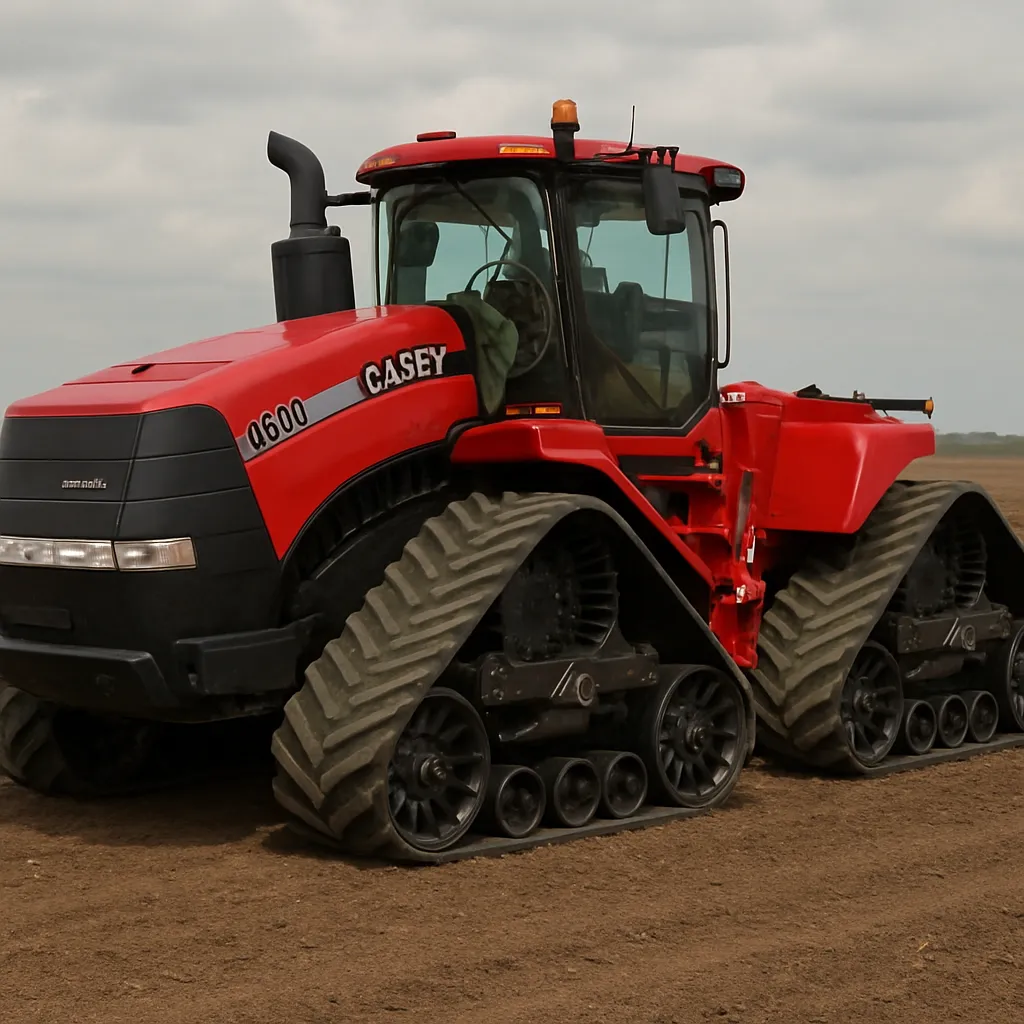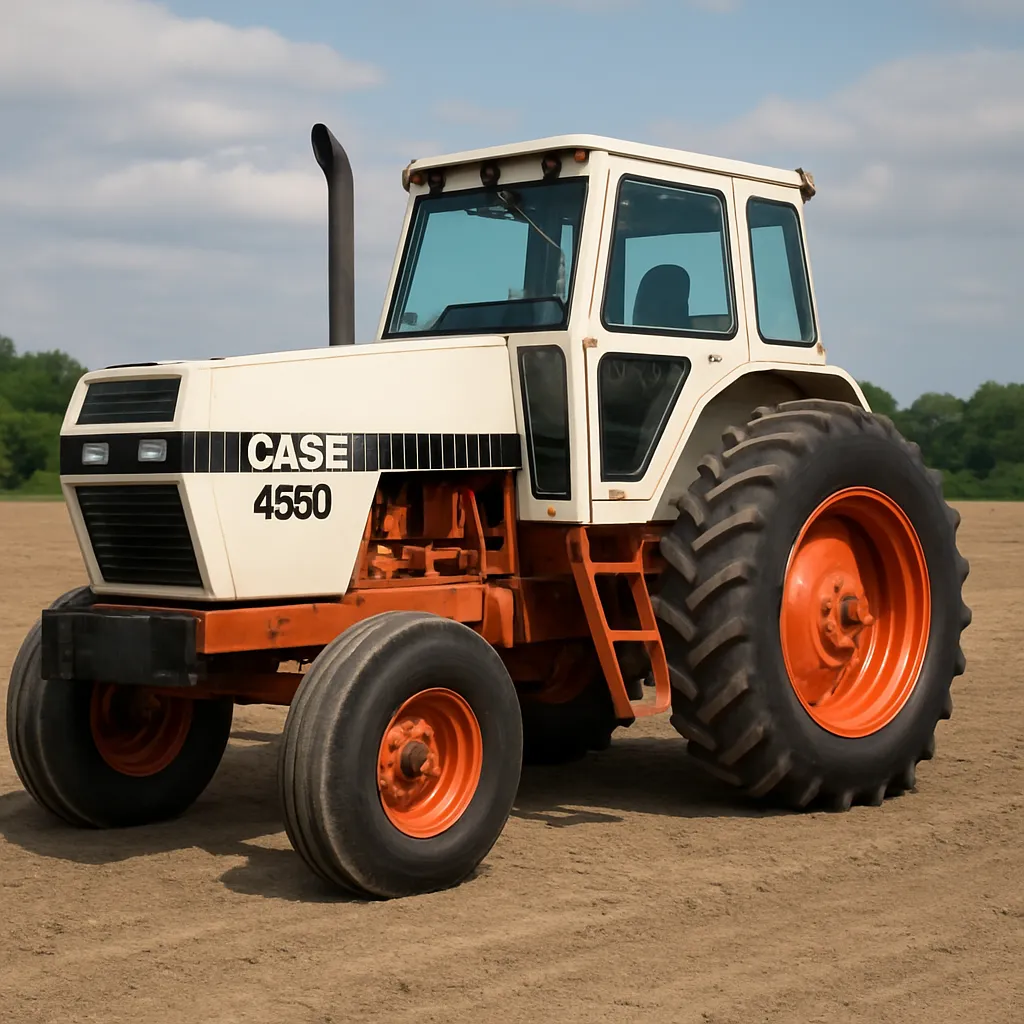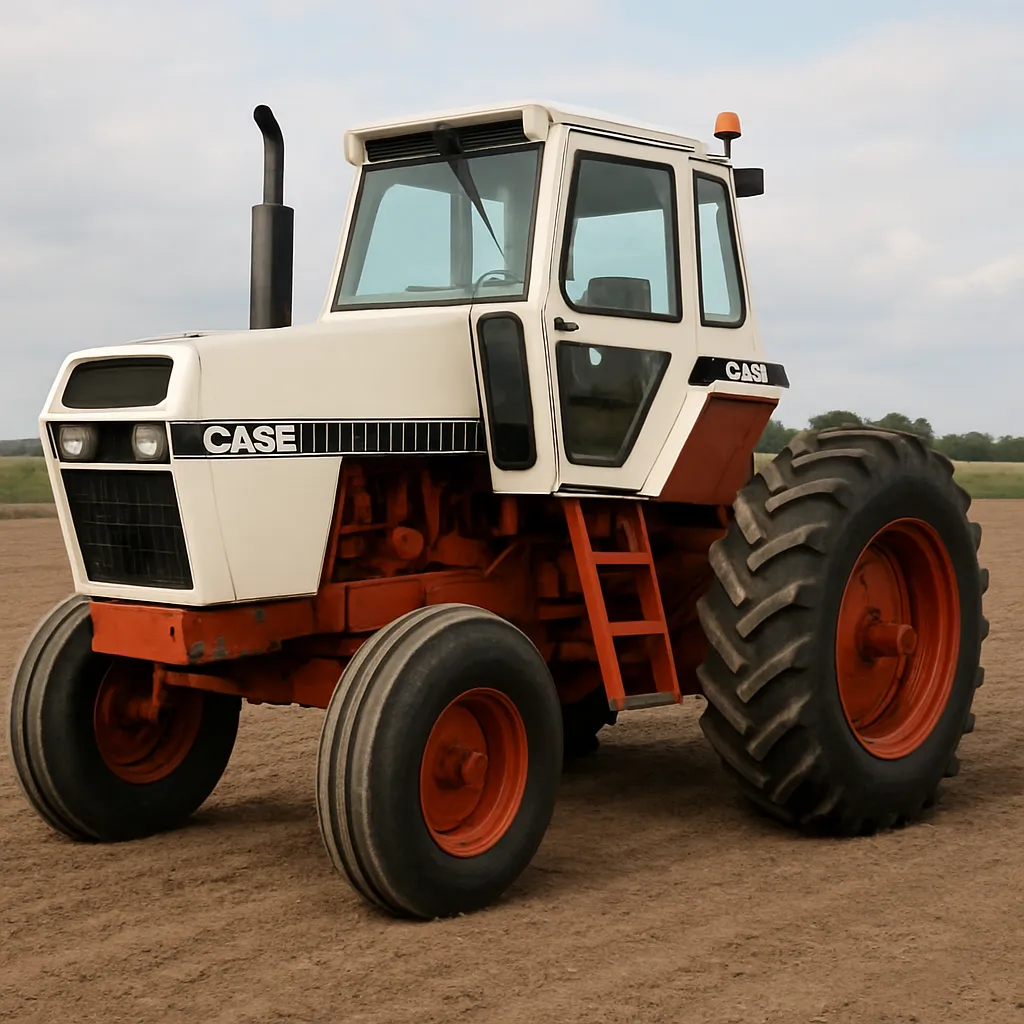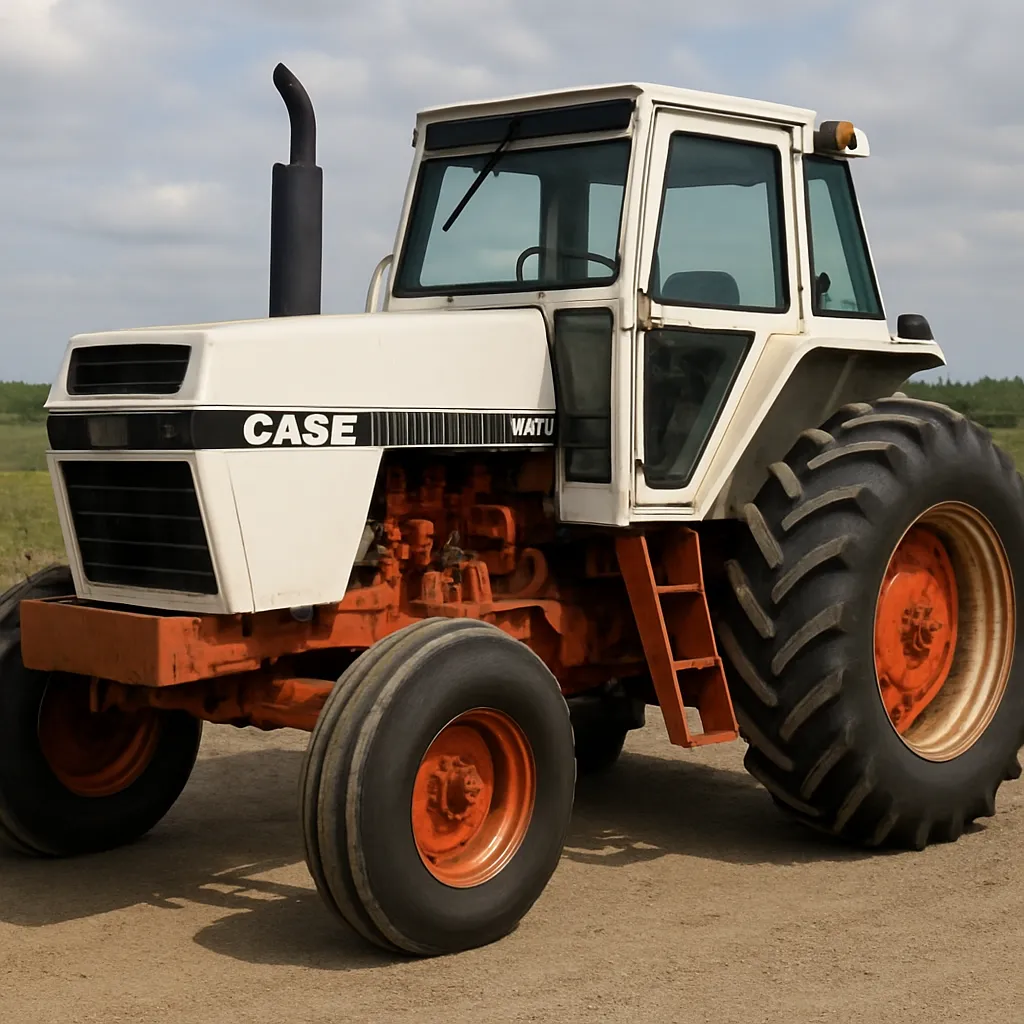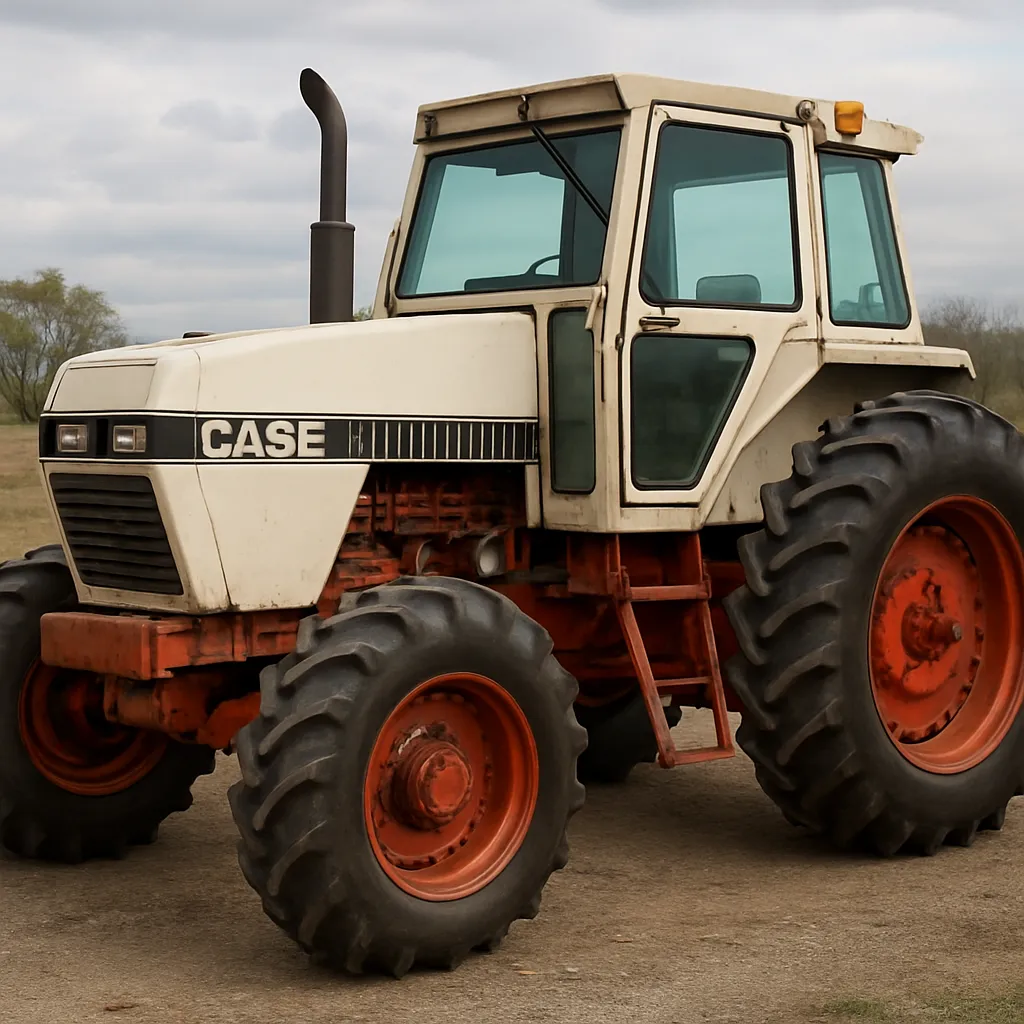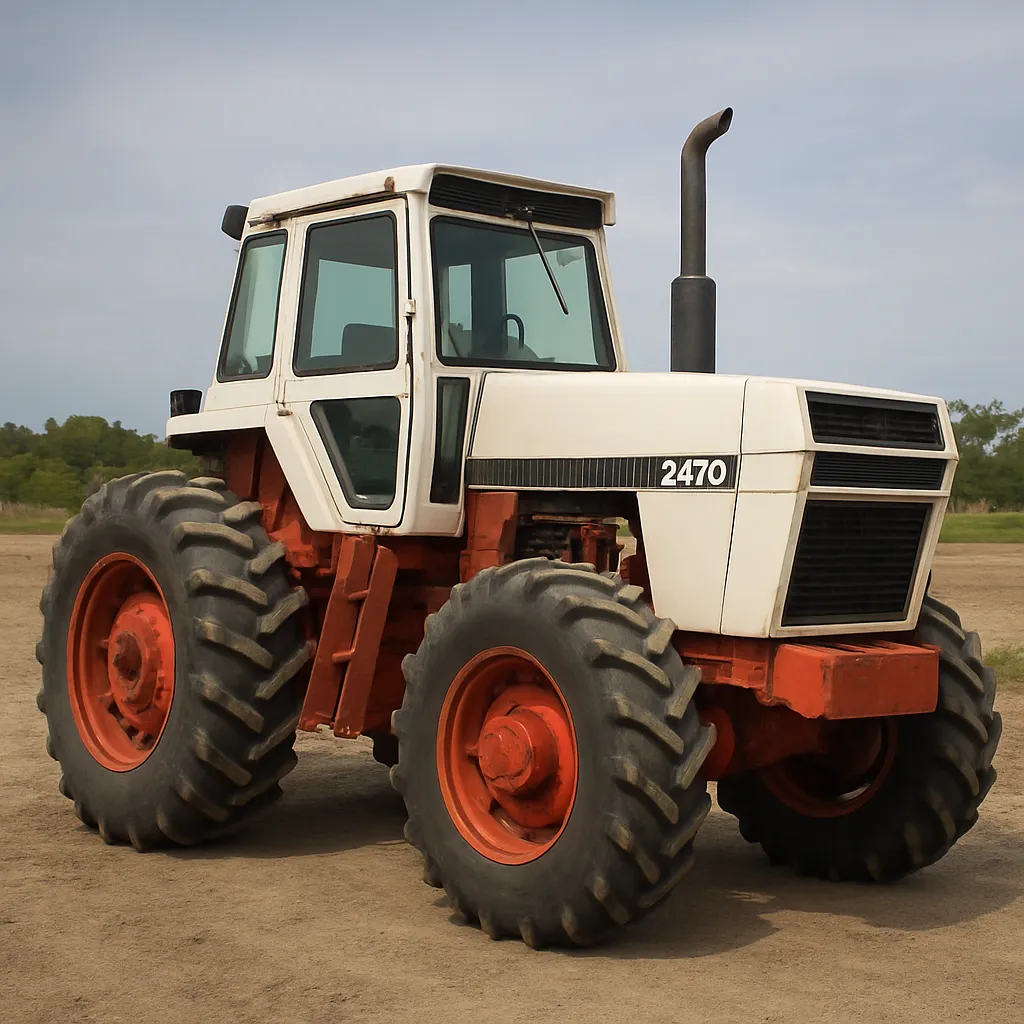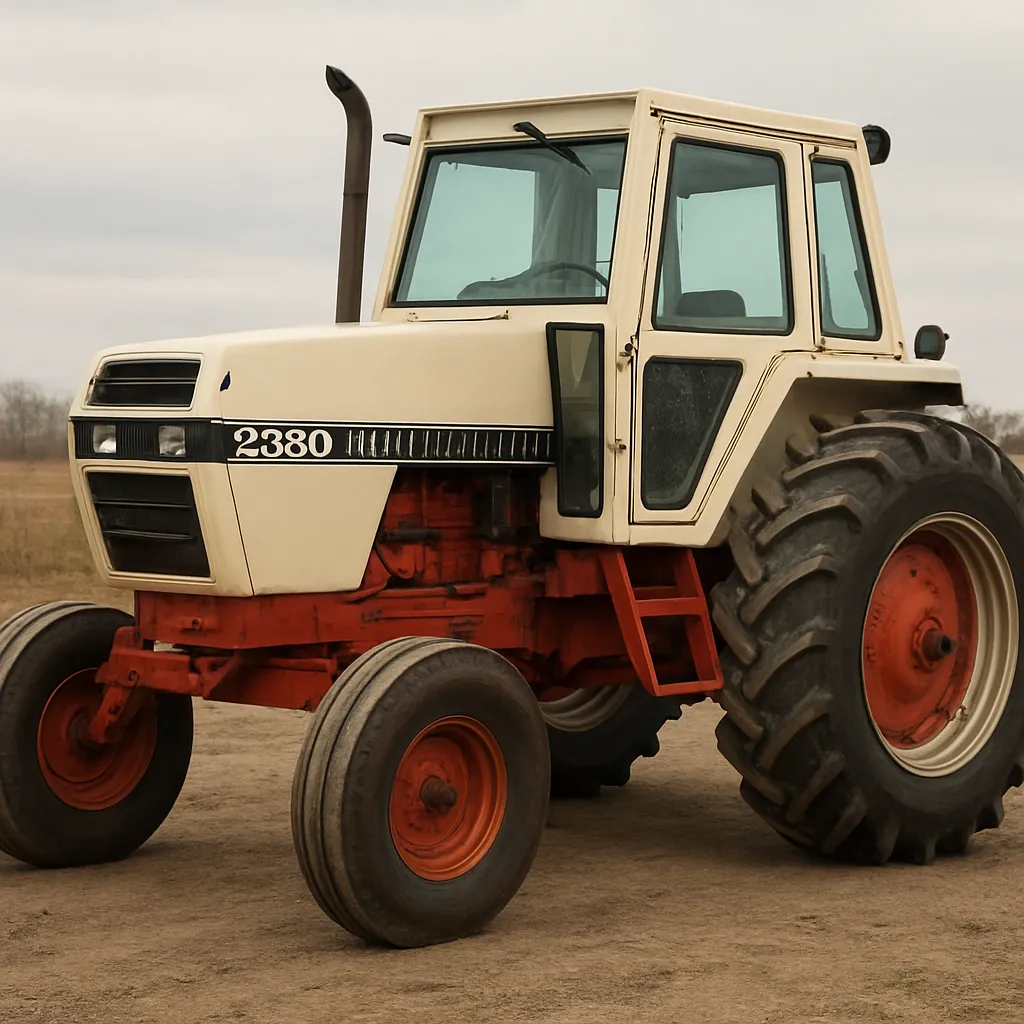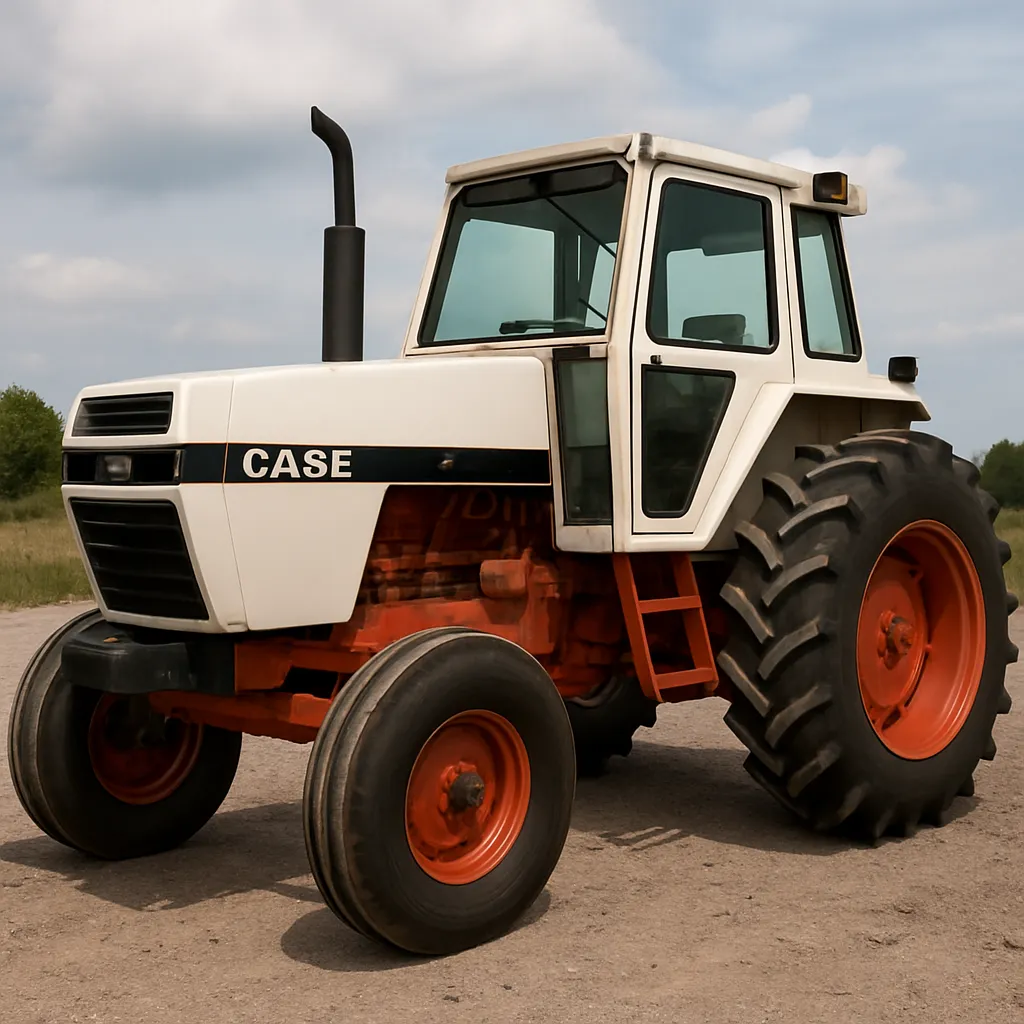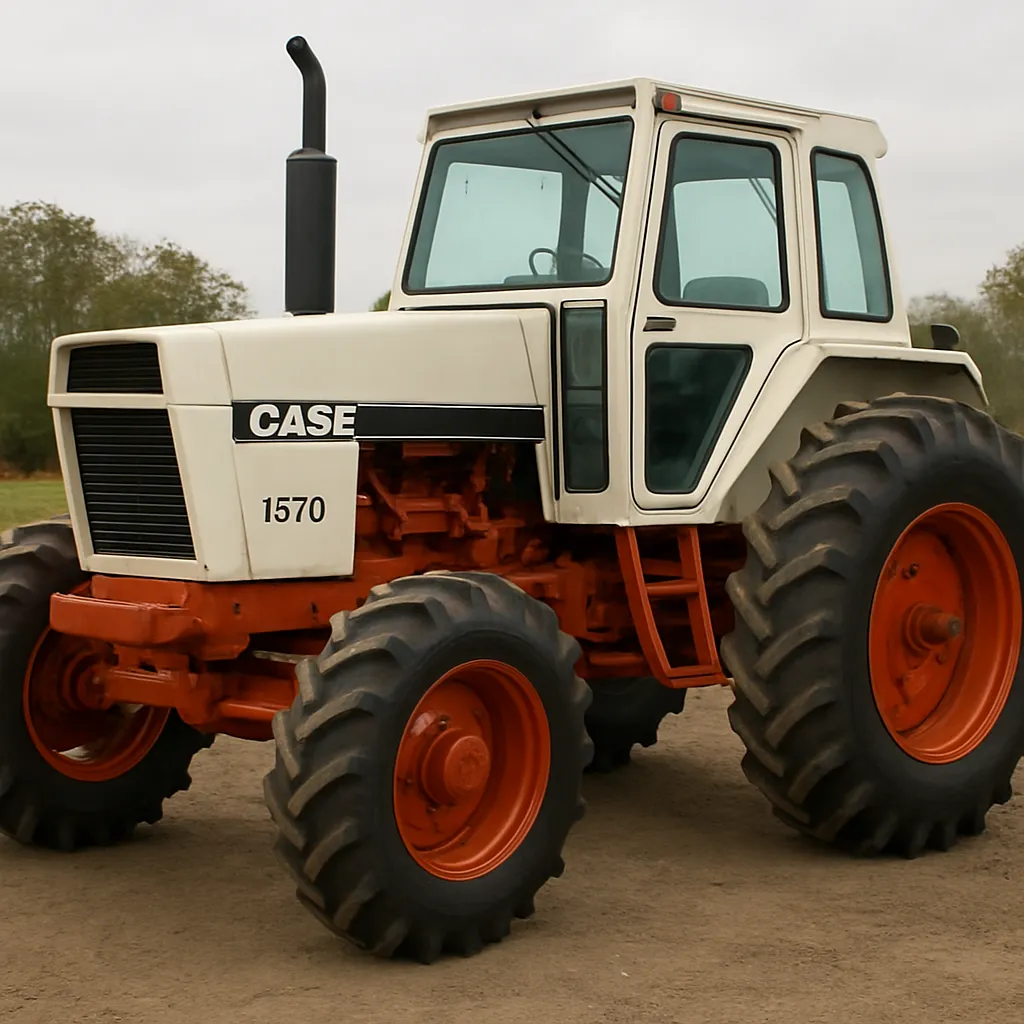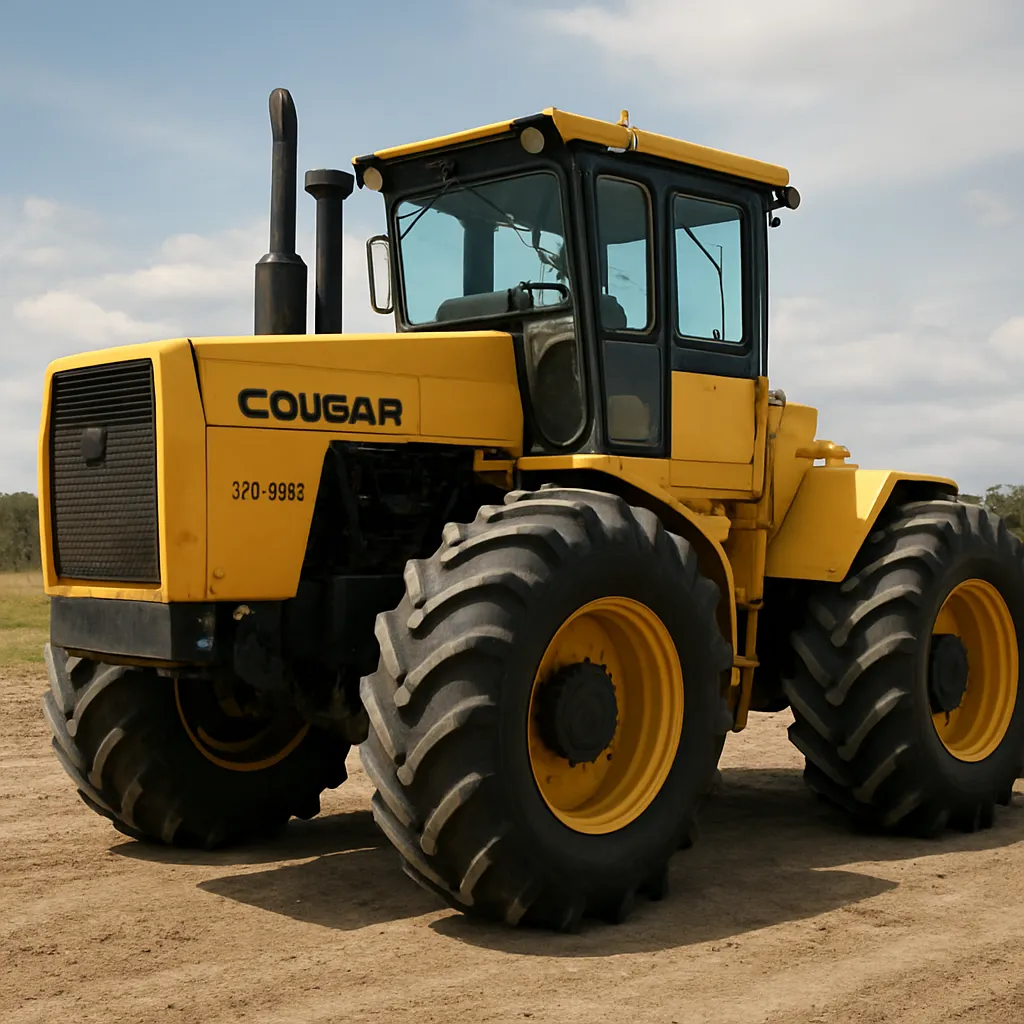
The Steiger Cougar CR-1225 is recognized among large-scale agricultural operators and contractors as a robust, high-capacity tractor solution designed for heavy draft work and demanding field tasks. Combining articulated four-wheel-drive architecture with a focus on operator comfort and serviceability, the Cougar CR-1225 aims to deliver consistent performance across a wide range of applications, from deep tillage and primary cultivation to heavy transport and specialized implements. In the sections below, we explore its background, typical specifications, practical uses, operational advantages, maintenance considerations and economic factors to help prospective buyers, fleet managers and operators better understand this model’s place in modern agriculture.
Overview and background
The Steiger line has a long history in high-horsepower, articulated tractors primarily intended for large farms and contractor fleets. The Cougar CR-1225 sits within this tradition as a machine engineered to provide exceptional drawbar pull, hydraulic capacity and sustained field productivity. Its design philosophy emphasizes a balance between mechanical strength and operator ergonomics: a reinforced chassis and drivetrain, combined with a cab designed to reduce fatigue and enhance visibility.
While exact lineage and production details vary by market and by model-year updates, tractors in this class were developed in response to a trend toward larger implements and wider working widths. As farms consolidated and implements grew in size, demand for tractors with higher torque, continuous power delivery and advanced traction control increased. The Cougar CR-1225 addresses those needs with an emphasis on heavy draft capability and stable performance on a variety of soil conditions.
Technical characteristics and typical specifications
Manufacturers sometimes offer different configurations for the same model depending on the region, optional packages and production year. Below are typical characteristics and a reasonable specification envelope for a tractor in the Steiger Cougar CR-1225 class. These figures should be considered indicative; confirm precise numbers with the seller or official documentation for a given machine.
- Power: Rated engine power commonly falls in the approximate range of 250–500 horsepower (hp) at the flywheel depending on configuration and market variant.
- Engine: Turbocharged diesel, typically an inline 6-cylinder with common-rail injection; displacement frequently between 8 and 13 liters on similar models.
- Torque: Peak torque figures often range from approximately 1,100–2,500 Nm, delivering the sustained drawbar pull required for heavy implements.
- Transmission: Options commonly include powershift or continuously variable transmission (CVT/IVT) variants, with multiple ranges and creeper options to match field speeds to engine load.
- Hydraulics: High-flow hydraulic systems with pump flows typically between 120–200 liters per minute (L/min) to operate large folding implements and multiple remote valves.
- 3-point linkage and PTO: Heavy-duty hitch with categories II/III compatibility and PTO options offering up to the available engine power for mounted implements.
- Traction & running gear: Articulated 4WD frame with oscillating front axle options and multiple tire/dual wheel arrangements to maximize traction and reduce compaction.
- Weight: Operating weight often in the range of 8,000–14,000 kilograms depending on ballast, tires and configuration.
- Fuel efficiency: Fuel consumption varies with load; typical working rates might be in the order of 10–40 liters per hour depending on task intensity, engine tuning and speed.
- Top road speed: Models in this class frequently offer road speeds up to 40 km/h (with appropriate gearing and legal allowances).
These specifications reflect the priorities of the class: strong torque at low engine speeds, abundant hydraulic flow, and a chassis designed to manage high drawbar loads. Optional features that often accompany such tractors include advanced engine management, telemetry packages, automated guidance compatibility, and heavy-duty cooling systems for extended high-load operations.
Applications and practical uses
The Cougar CR-1225 is primarily targeted at large-scale agricultural operations, contractors and any situation requiring substantial drawbar power and hydraulic capability. Typical applications include:
- Tillage and primary cultivation — pulling large plows, disc harrows and cultivators across extensive acreages with deep working depths.
- Seeding and planting — towing wide planters and air seeders that require consistent ground speed and hydraulic control for fertilizer and seed delivery systems.
- Heavy transport — hauling large trailers, tankers and field bins between sites where high tractive effort and braking stability are needed.
- Land management — tasks such as land reclamation, drainage work and preparation of field surfaces for specialty crops.
- Specialized implements — operations involving subsoilers, rock pickers, land rollers and other high-draw implements that exert large forces on the tractor’s drivetrain.
- Contracting — service providers who work across multiple farms benefit from the model’s ability to quickly adapt to different implements and heavier tasks.
Beyond fieldwork, these tractors are sometimes used for forestry haulage, road maintenance or municipal tasks when suitably equipped. The articulated design and high-horsepower engine make them especially useful where traction and a low center of gravity are necessary to operate safely on slopes or uneven terrain.
Design features that influence performance
Several design choices contribute to the CR-1225’s field effectiveness. Understanding these features helps explain why this class is favored for high-demand tasks.
Articulated chassis and 4WD
The articulated frame allows the tractor to pivot in the middle, improving maneuverability and ensuring that weight distribution remains favorable when towing or carrying heavy loads. Combined with a robust 4WD system, this design enhances traction on soft soils and reduces wheel slip, which preserves soil structure and reduces fuel waste.
Engine management and torque delivery
Advanced engine controls and turbocharging deliver consistent power at relatively low RPMs, which is ideal for tractive work. The emphasis is on maintaining high torque through the powerband rather than high engine speeds, which reduces stress on implements and improves fuel economy during heavy draft operations.
High-flow hydraulics and implement compatibility
Large implements and modern seed/fertilizer systems demand high hydraulic flow and multiple control circuits. The CR-1225-class machines typically provide generous hydraulic reserves and modular valve configurations, enabling simultaneous control of several implement functions without performance drop-off.
Operator environment
Long hours in the cab are common during planting and harvest seasons. Therefore, cab design focuses on visibility, seating comfort, noise reduction and intuitive control layout. Ergonomics and automated functions (like cruise control and headland management) reduce operator fatigue and enhance overall productivity.
Operational advantages and efficiency considerations
Owners choose tractors like the Cougar CR-1225 because they offer distinct operational benefits on large farms and in contracting work.
- High productivity — the ability to pull larger implements or work at faster effective widths increases area covered per hour, reducing the total number of passes required.
- Reduced implement constraints — ample hydraulic and PTO power allow the use of modern, demanding implements without the need to downrate tool performance.
- Durability and longevity — heavy-duty frames, reinforced drivetrains and overspecified components help these tractors withstand prolonged heavy use.
- Enhanced traction management — features like differential locks, advanced traction control and adjustable ballast improve soil engagement and reduce slippage.
- Serviceability — accessible service points, modular components and well-documented maintenance schedules reduce downtime in peak seasons.
- Integration with precision farming — many machines support GPS guidance, auto-steer and telemetry, which improves input efficiency and field accuracy.
However, the advantages come with trade-offs: higher initial acquisition cost, increased fuel consumption at maximum loads and the need for skilled maintenance. Evaluating total cost of ownership over several seasons is essential when comparing this class to smaller or multiple smaller tractors used in tandem.
Maintenance, common issues and lifecycle management
Proper maintenance directly influences reliability and resale value. The CR-1225-class tractors require routine attention to several areas:
- Engine and cooling system — regular oil and filter changes, inspection of turbocharger and intercooler circuits, and coolant system checks to prevent overheating during heavy work.
- Transmission and drivetrain — gear oil changes, filter replacements, and monitoring of clutches or powertrain electronics for signs of wear under high-load cycles.
- Hydraulic system — filter and fluid changes, leak checks, and attention to valve and cylinder seals to maintain consistent flow and pressure.
- Brakes and steering — inspection of brake components, articulation joints and steering actuators to ensure safe road travel and field responsiveness.
- Tire care and ballast management — correct tire selection, pressure monitoring and proper ballast distribution reduce soil compaction and improve traction.
Common issues encountered in heavy-use tractors of this class can include accelerated wear in gearbox components when overloaded, cooling challenges in hot climates or prolonged low-speed heavy draft, and increasingly complex electronics that require factory diagnostic tools for troubleshooting. Preventive maintenance schedules, using OEM or reputable replacement parts, and keeping precise service records extend machine life and enhance remarketing value.
Economic considerations and purchase guidance
When evaluating the acquisition of a Steiger Cougar CR-1225 (or an equivalent large articulated tractor), consider these economic aspects:
- Initial cost vs. capacity: A single high-capacity tractor can replace multiple smaller units for certain tasks, potentially lowering labor and coordination overhead, but raises the financial outlay and risk concentration.
- Fuel efficiency and operating costs: Estimate typical fuel burn for the tasks you perform and model the cost across seasons. High-horsepower tractors often have higher absolute fuel consumption but can be more fuel-efficient per hectare due to fewer passes.
- Residual value: Well-maintained tractors in this class often retain value, especially if equipped with updated electronics and guidance compatibility.
- Financing and leasing options: Many operators choose leasing or multi-year finance plans to match cash flow with seasonal income.
- Replacement cycles: Plan around 8–15 years depending on hours per season, maintenance history and intensity of use. Contractor machines may depreciate faster due to heavier duty cycles.
Fleet managers should run scenario analyses comparing costs for different equipment mixes (one large tractor vs. several smaller tractors) to determine the most economical path for their operation’s scale and cropping system.
Comparisons, upgrades and aftermarket options
Owners frequently consider upgrades and aftermarket options to tailor the CR-1225’s capabilities to their needs. Popular enhancements include:
- GPS and guidance upgrades for precision seeding and reduced overlap.
- Telemetry and fleet management systems for proactive maintenance and fuel monitoring.
- Enhanced lighting packages and camera systems for night work and increased safety.
- Heavy-duty hitch or drawbar kits for specialized implements.
- Improved cab suspension, seating and HVAC options to increase operator comfort during long shifts.
When comparing to other tractors, consider machines with similar horsepower and torque bands from rival manufacturers. Key differentiators often come down to dealer support, parts availability, warranty terms and the compatibility of the tractor with existing implements and precision systems in your fleet.
Operator tips for maximizing performance
To get the most from a Cougar CR-1225-class tractor, operators should adopt practices that optimize fuel use, reduce wear and protect soil structure:
- Match implement width and working depth to tractor capacity to avoid excessive drawbar loads and engine lugging.
- Use real-time monitoring and guidance systems to maintain consistent speeds and minimize pass overlap.
- Adjust ballast and tire pressure to balance traction and minimize compaction; consider duals or tracks where soil types and traffic patterns warrant.
- Plan service during off-season windows and maintain a stock of critical filters and belts to minimize downtime during peak periods.
- Train operators on efficient gear selection, engine management and headland routines to preserve the drivetrain under high-stress cycles.
Real-world performance and anecdotal observations
Farmers and contractors who operate machines in this class often praise their ability to reduce field time through larger implement compatibility and sustained pull. Reports commonly highlight the following:
- High single-pass productivity on large acreages.
- Dependable performance in varied soil conditions when properly ballasted and equipped.
- Notable comfort improvements in upgraded cabs, which translate into longer effective working days with less operator fatigue.
At the same time, frequent comments note the importance of robust service networks and availability of qualified technicians, especially when operating in remote regions where downtime can be costly.
Summary and final considerations
The Steiger Cougar CR-1225 represents the characteristics farmers and contractors expect in the high-horsepower, articulated tractor segment: a focus on sustained haul and draft capability, modular implement compatibility, and an operator-centric cab environment. Its advantages are most pronounced on large-scale operations and contracting services where high productivity per hour and the ability to operate large modern implements are critical.
Before committing to a purchase, prospective owners should verify exact manufacturer specifications for the specific model-year and configuration, evaluate total cost of ownership across realistic seasonal workloads, and ensure that dealer support and parts logistics meet operational needs. With proper maintenance and careful matching of implement to capacity, a machine in this class can be a cornerstone asset for efficient large-acreage farming or contracting enterprises.