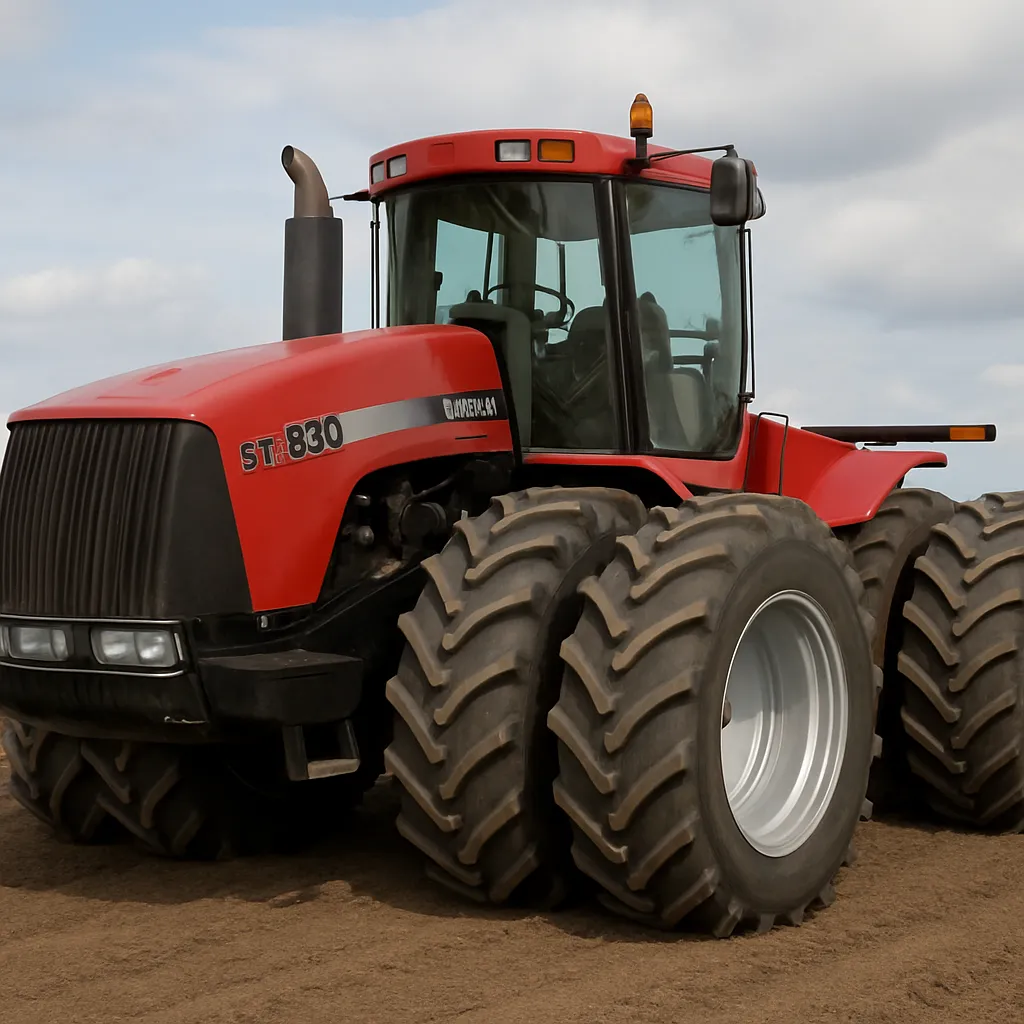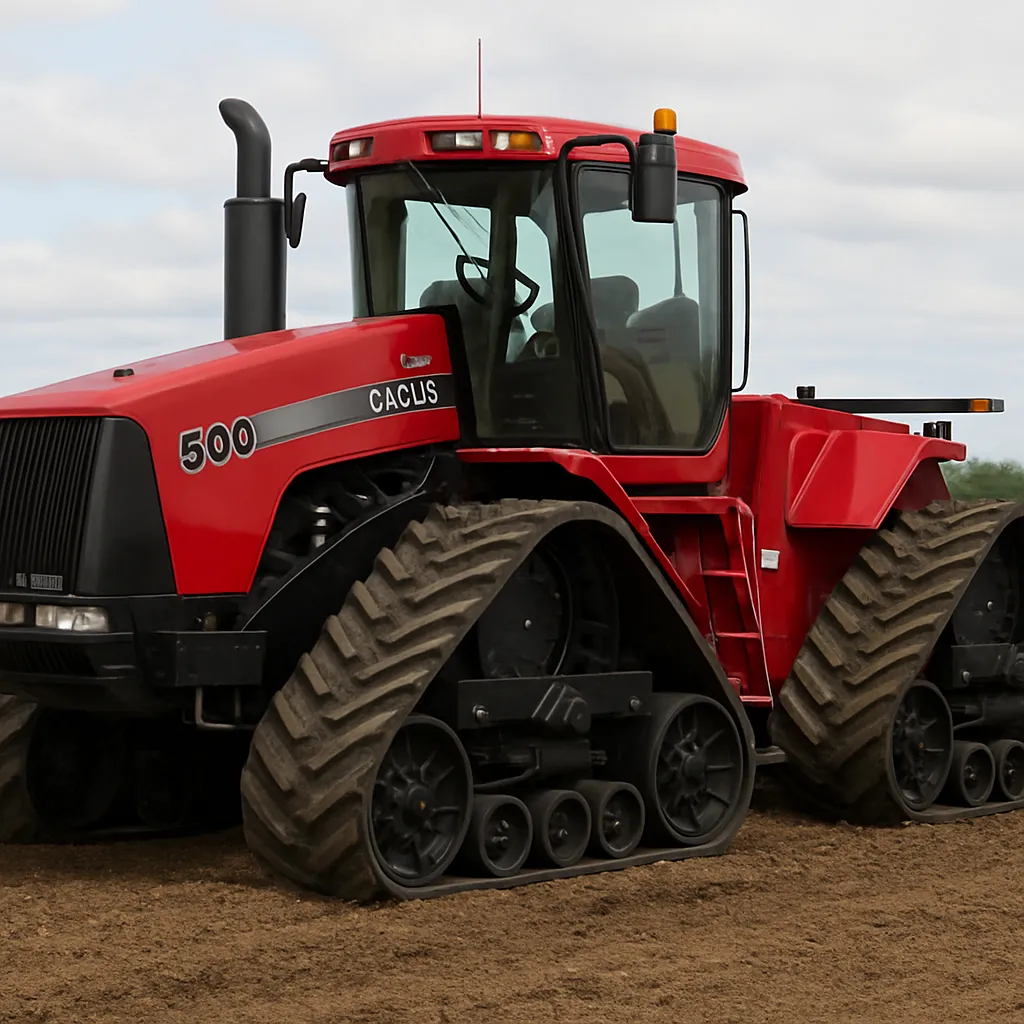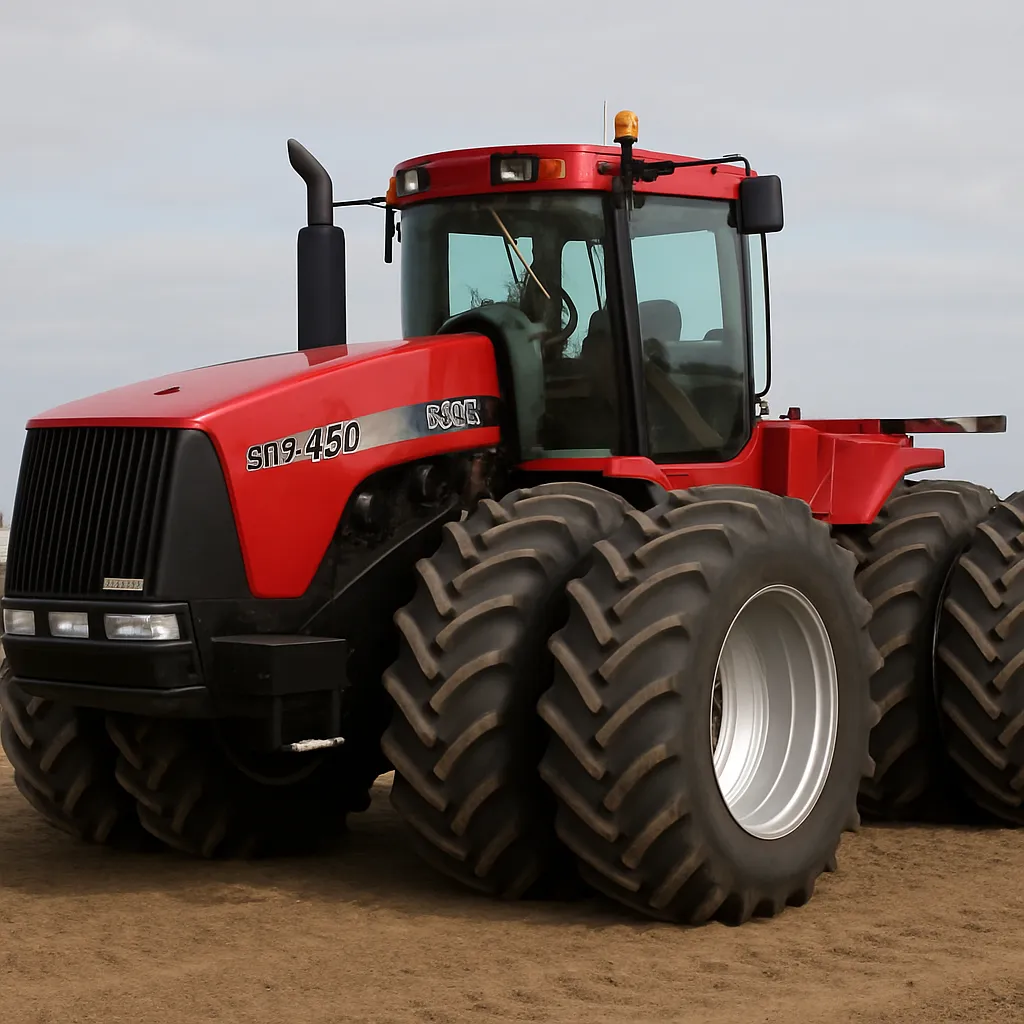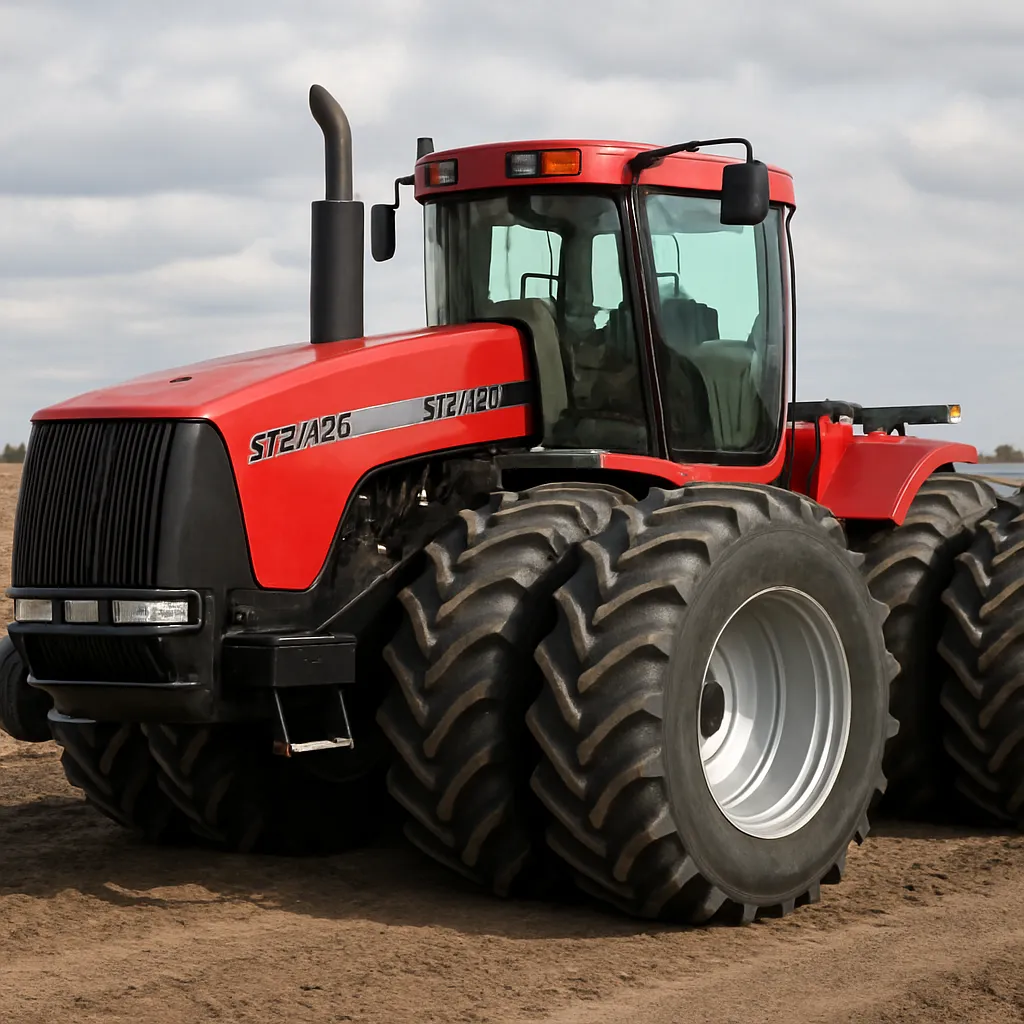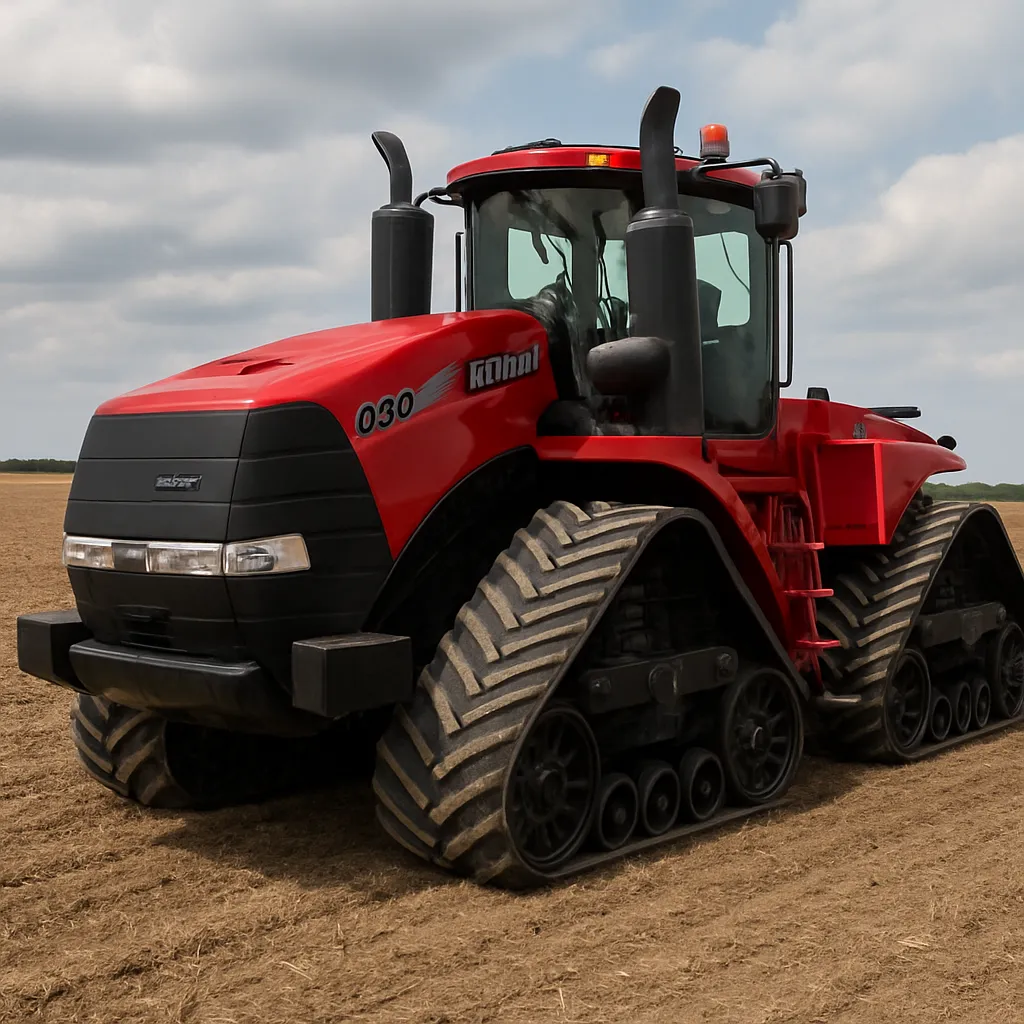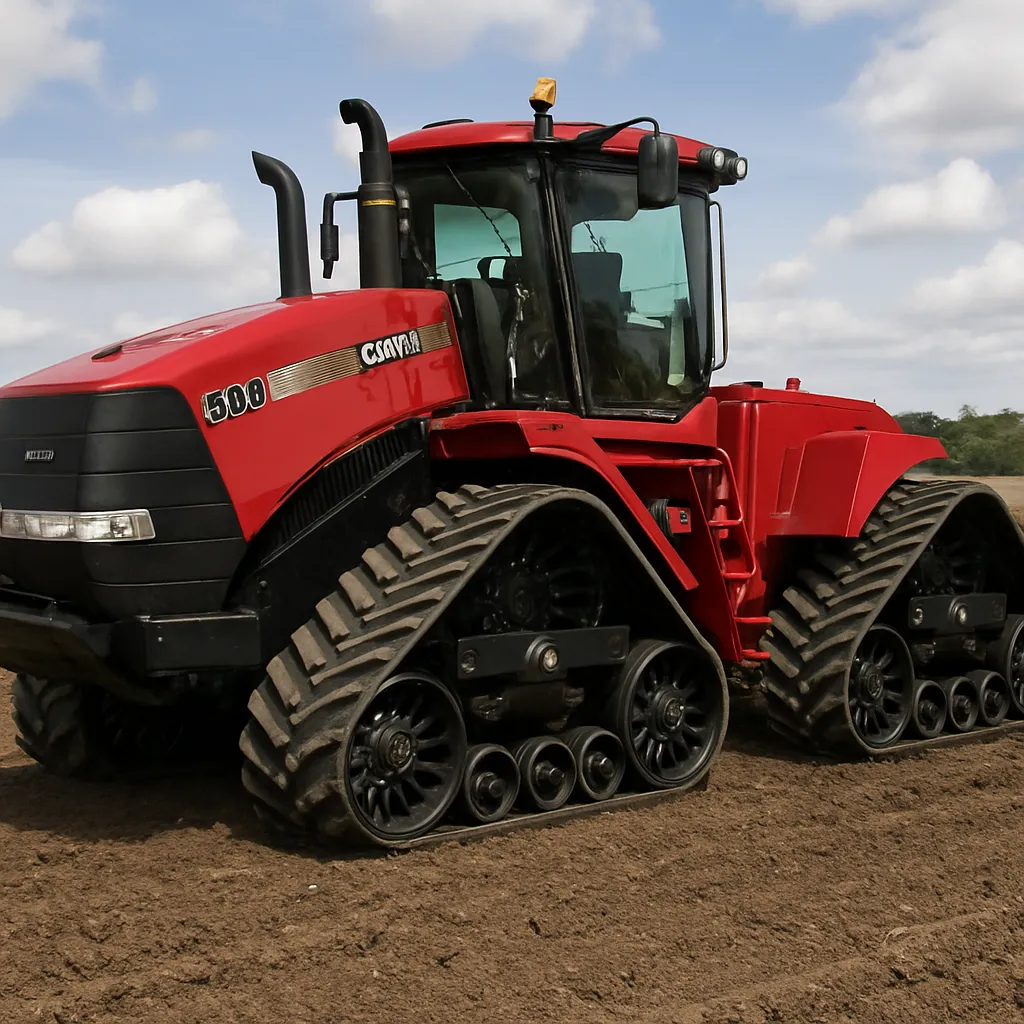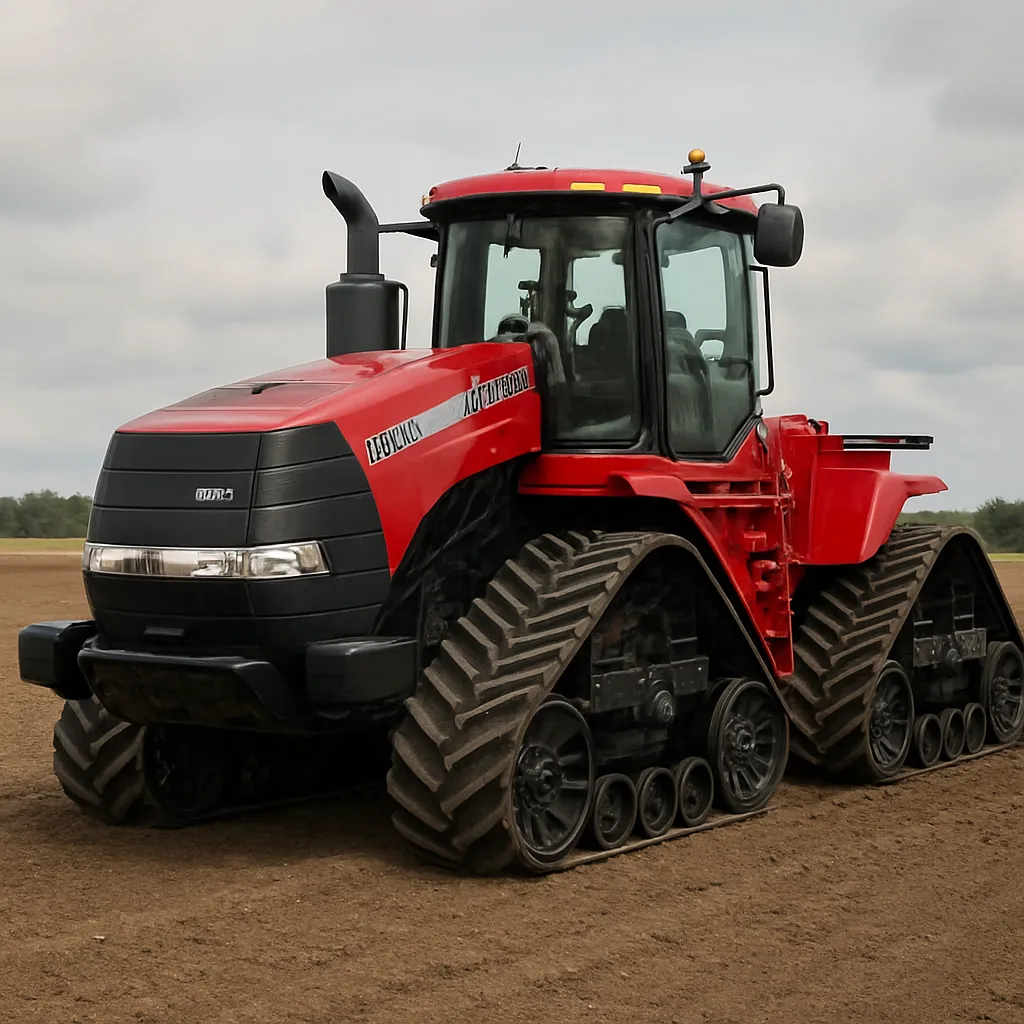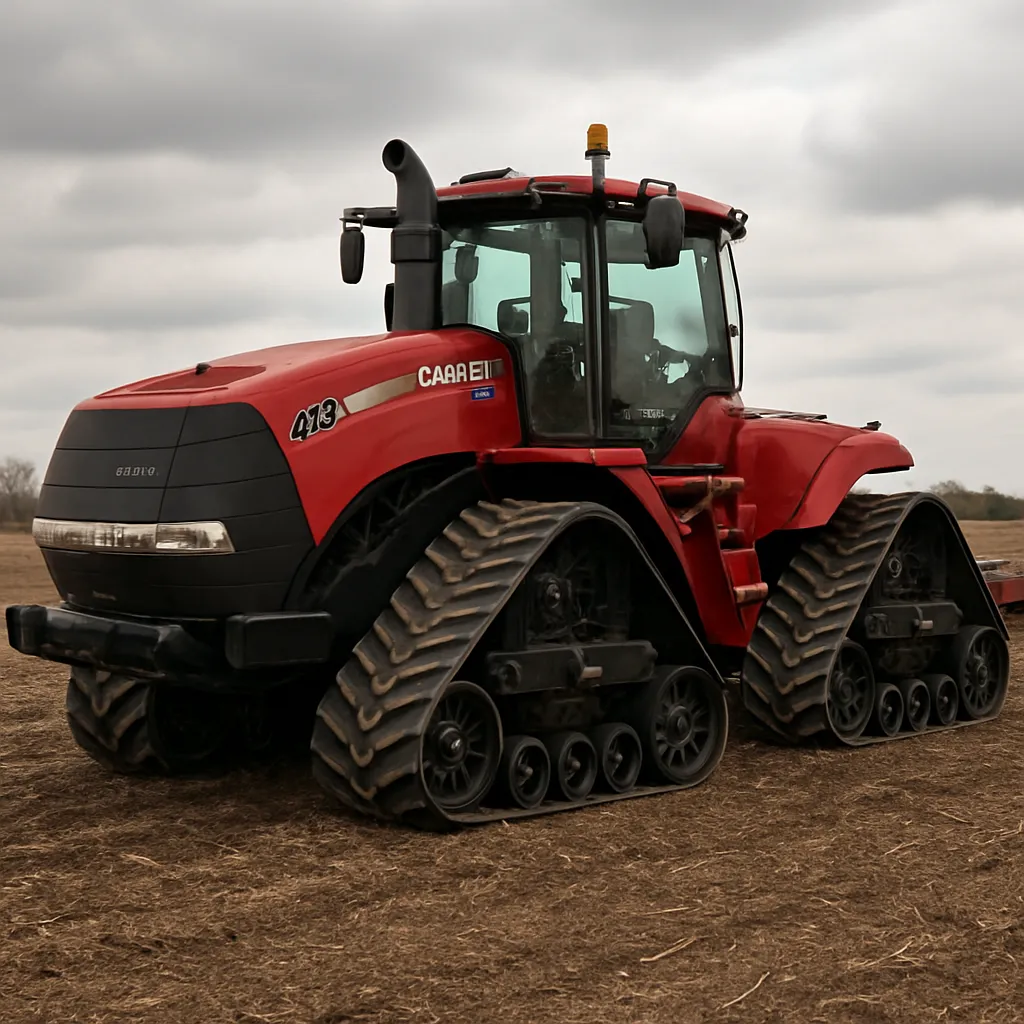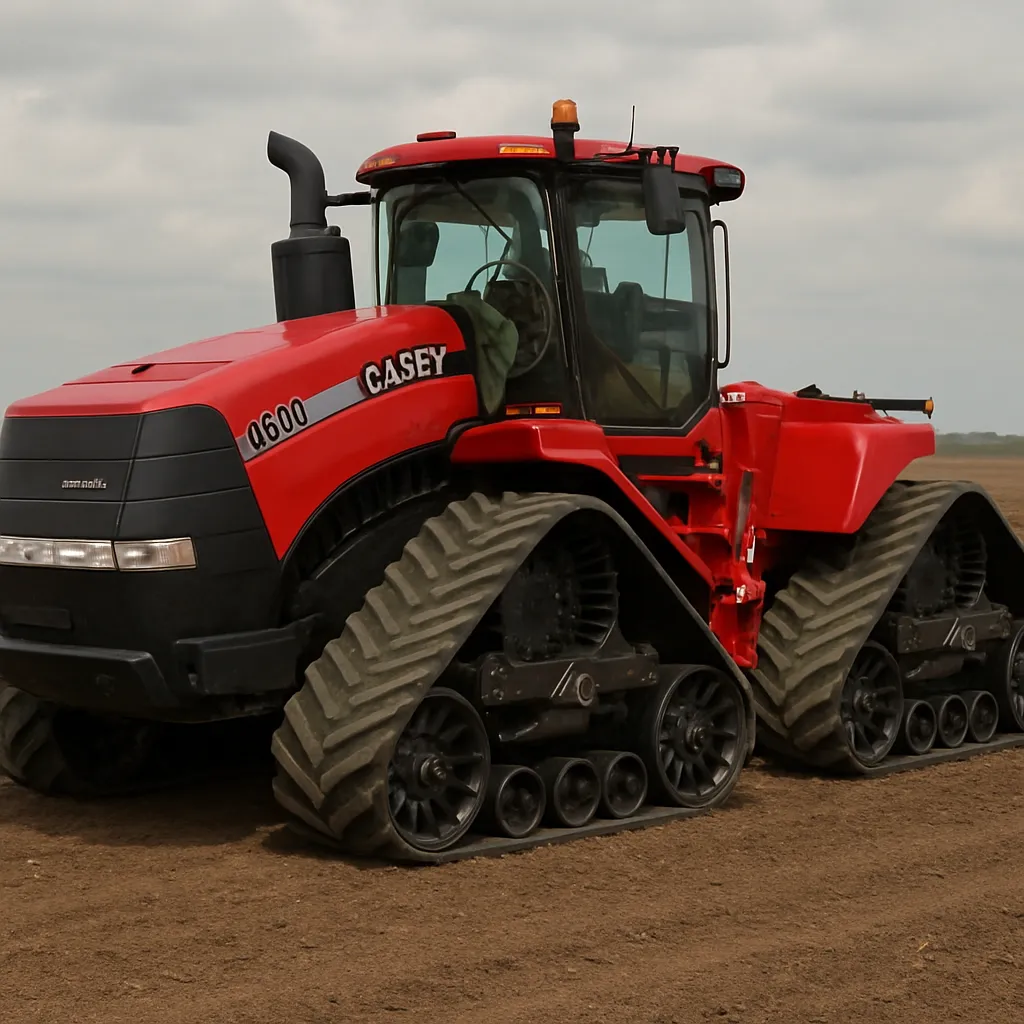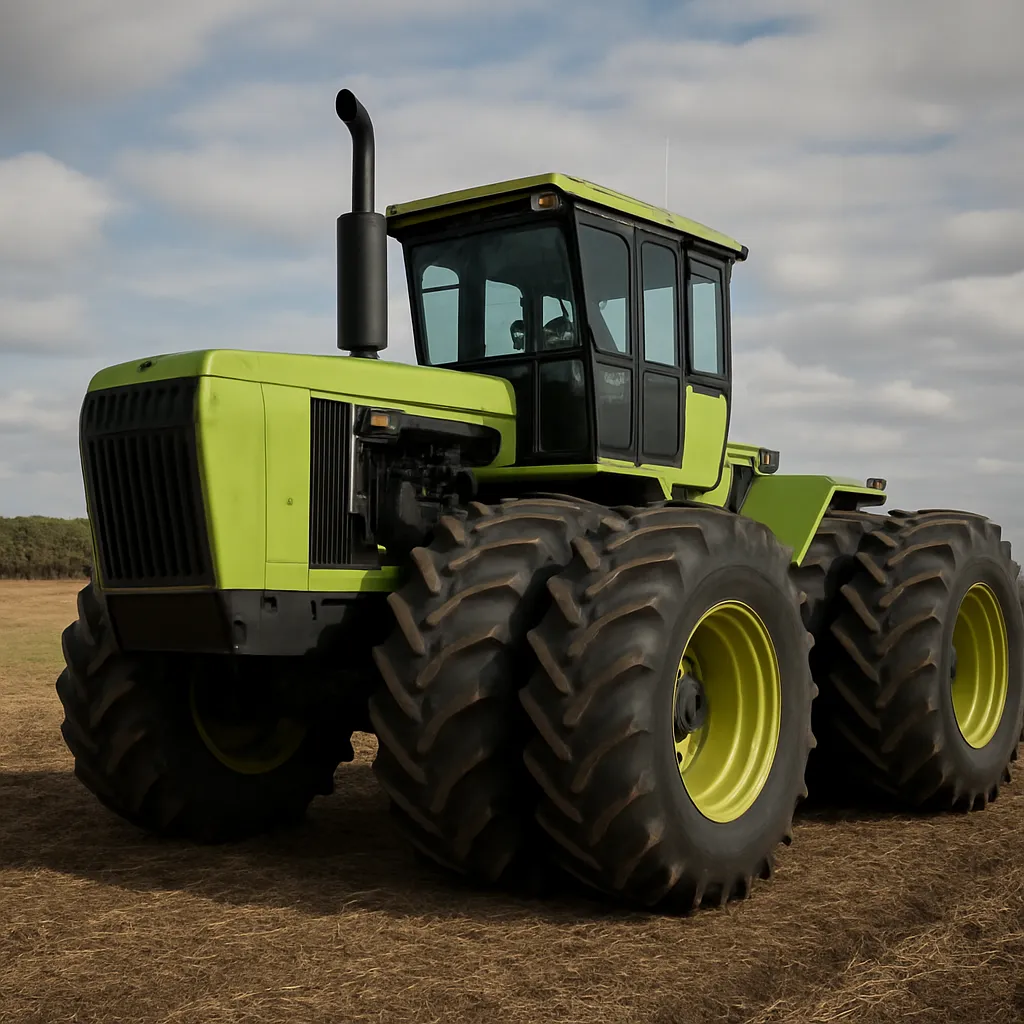
The Steiger Series IV Tiger represents a line of heavy-duty, four-wheel-drive tractors designed for large-scale agricultural operations and demanding field tasks. Combining robust construction with features aimed at operator comfort and implement compatibility, this tractor family has earned a place among machines used for deep tillage, heavy planting, and hauling in diverse conditions. The following article explores the history, technical and operational characteristics, typical applications, and practical considerations for owners and operators interested in the Steiger Series IV Tiger.
Origins and design philosophy
The roots of the Steiger brand go back to the mid-20th century, when the Steiger brothers pioneered high-horsepower, four-wheel-drive tractors in North America to meet the needs of large farms. Over time the product line evolved through multiple series as manufacturers refined engines, drivetrains, and operator environments. The Series IV Tiger continues that tradition by focusing on heavy-duty performance, durability, and versatility.
The design philosophy of the Series IV Tiger centers on three core goals: reliable heavy draft performance, durable mechanical systems for continuous operation, and a comfortable, ergonomically arranged cab for long days in the field. To deliver those goals the machine combines a long wheelbase and heavy frame for stability, a high-displacement diesel engine for torque, and drivetrain options suited to high-lift implements and transport tasks.
Key technical characteristics and approximate specifications
Exact specifications for individual tractors within the Series IV Tiger family vary by model year and configuration, but several technical characteristics are common across the line. Below are representative attributes and typical ranges seen in large four-wheel-drive tractors similar to the Tiger Series IV.
- Engine: turbocharged diesel, inline-six or V8 configurations are common in this power class, offering robust low-end torque for draft work.
- Horsepower: typical effective power for machines in this segment ranges from approximately 300 to 500 rated hp, depending on model and tuning; peak torque ratings are emphasized over maximum rpm power.
- Displacement: commonly in the high-liter range (for example, 9–16 liters), providing the torque necessary for deep tillage and heavy implements.
- Transmission: multiple options including powershift, stepped or continuously variable-type transmissions (IVT/infinitely variable) depending on model and year; many setups include multiple ranges and creep speeds for precision work.
- PTO and hydraulics: heavy-duty PTO options with sufficient power delivery for large rotary mowers, air seeders, and other PTO-driven implements; hydraulic flow and pressure designed to operate large planters and multi-function implements.
- Weight and ballast: operating weight typically substantial—often well above several tonnes with ballast installed—to ensure traction and stability in heavy draft operations.
- Tires and axles: available in duals or large flotation tires to distribute weight and preserve soil structure where required; rigid-frame 4WD design favored for stability and pulling power.
Because a range of variants and options exist within the Series IV Tiger family, buyers should consult specific model datasheets for exact numbers. The values above are representative and intended to convey the class and capabilities of these tractors rather than exact manufacturer specifications.
Primary applications and field roles
The Steiger Series IV Tiger is engineered for demanding applications where high torque, traction, and implement compatibility are essential. Typical uses include:
- Tillage and soil preparation: deep plowing, heavy cultivations, and primary tillage with large moldboard plows, chisel plows, or heavy discs. The tractor’s torque and traction are well-suited to pulling wide implements over challenging soil types.
- Seeding and planting: pulling large air seeders or planters across vast acreages. Constant-speed control and high hydraulic flow help maintain accurate seeding rates and implement control.
- Heavy transport: moving grain carts, slurry tanks, or other heavy loads between fields and storage points thanks to robust power delivery and stable handling.
- Specialty field tasks: operating front- and rear-mounted equipment such as deep rippers, large harrows, or mounted seeders for large-scale commercial agriculture.
- Land reclamation and contractor work: used by contractors for land leveling, reclamation, and other tasks where high horsepower and traction reduce operating time.
Operators often choose a Series IV Tiger for farms larger than a few hundred hectares, where productivity gains from wide implements and high horsepower outweigh higher operating costs compared with smaller tractors.
Operator comfort, cab features, and technology integration
Modern iterations of high-end four-wheel-drive tractors put significant emphasis on operator environment and electronics. The Series IV Tiger aligns with this trend by providing a workspace designed for long hours and precision work.
- Cab comfort: roomy cabs with adjustable seats, climate control, and low-noise design to reduce fatigue during long shifts. Visibility is optimized to monitor wide implements.
- Controls and ergonomics: joystick and console layouts allow for intuitive management of transmission, hydraulics, and PTO. Many units offer customizable control presets for repeatable operations.
- Precision agriculture: compatibility with GPS guidance systems and autosteer enables accurate pass-to-pass operations, reduced overlap, and improved input efficiency. Integration with farm management software allows implement control and telematics.
- Telematics and diagnostics: remote monitoring and diagnostics capabilities in newer tractors help fleet managers track fuel use, service intervals, and location to improve uptime and maintenance planning.
These features contribute to both operator productivity and machine uptime, making the Series IV Tiger attractive for operations where precision and reliability are required.
Maintenance, operating costs and lifecycle considerations
High-horsepower tractors like the Steiger Series IV Tiger offer productivity advantages but also come with specific maintenance and operating considerations. Understanding these helps owners maximize uptime and total cost of ownership.
- Service intervals: regular oil, filter and fuel system service is critical for diesel engines operating under high load. Scheduled inspections of drivetrain components, axles, and wheel assemblies prevent costly failures.
- Fuel consumption: fuel use is significant in this horsepower class. Efficient implement matching and proper engine tuning can improve fuel economy, but operators should plan for higher fuel costs relative to smaller tractors.
- Parts and repairs: availability of parts and trained technicians affects lifetime uptime. Purchasing from established dealers or ensuring access to certified service technicians reduces downtime.
- Depreciation and resale value: heavy-use tractors tend to depreciate more slowly when maintained correctly, but market demand for high-horsepower used tractors influences resale values. Tractors with documented service histories and factory options (e.g., advanced guidance systems) often command better prices.
- Attachments and compatibility: compatibility with existing implements and the ability to adapt to newer tools determine productivity. Proper hitching, hydraulic compatibility, and PTO match are essential.
Proactive maintenance, operator training, and investment in precision farming tools often provide the best return for owners of machines in this class.
Operational examples and case uses
To illustrate how Series IV Tiger tractors are used in real operations, consider the following examples:
- Large grain farms running wide air seeders can reduce passes across fields by 30–50% compared with smaller equipment, cutting overall time to seed and fuel use per hectare when using a high-horsepower tractor configured for the implement.
- Contractors performing land leveling and reclamation use these tractors to tow heavy scrapers and rippers. The combination of weight, traction, and hydraulic control allows for efficient earthmoving on large sites.
- Dairy and livestock operations utilizing slurry tankers or large manure spreaders appreciate the torque and capacity to move large volumes quickly during constrained application windows.
These practical scenarios demonstrate the value proposition: greater implement width and higher pulling capacity translate to lower labor and machine hours per hectare when operations and maintenance are optimized.
Safety, environmental and regulatory considerations
Operating a high-horsepower four-wheel-drive tractor requires attention to safety and environmental best practices. Key points include:
- Roll-over protection and stability: while Steiger-type tractors are designed for stability, safe ballasting, correct tire selection, and adherence to towing and hitch limits reduce rollover risk.
- Emissions standards: modern units comply with contemporary emissions regulations (Tier 4, Stage V, etc.) that affect engine design and after-treatment systems. Older tractors may require retrofit or careful management to meet local emission rules.
- Soil compaction: heavy tractors can increase soil compaction risk. Using flotation tires, duals, or controlled traffic farming (CTF) techniques can mitigate compaction and preserve long-term soil health.
- Noise and operator health: modern cabs reduce noise and vibration exposure, but hearing protection and ergonomic practices remain important for long-term operator health.
Market presence and geographic deployment
The Steiger lineage and similar high-horsepower tractors are most common in regions with large-scale mechanized agriculture: North America, Australia, parts of South America, and Europe where large fields justify significant horsepower investments. Contractors and large commercial farms in other regions also utilize these tractors where terrain and crop systems favor wide implements.
While exact sales statistics for the Series IV Tiger are not standardized in publicly aggregated databases, the class of tractors it belongs to represents a steady segment of the high-horsepower market. Demand correlates closely with commodity prices and farm consolidation trends: when farms grow larger and operators seek economies of scale, investment in high-capacity tractors rises.
Buying considerations and recommendations
Whether acquiring a new or used Series IV Tiger, prospective buyers should evaluate the following:
- Intended use: match horsepower, torque curve, and hydraulics to the implements and workloads the tractor will handle. Over- or under-powered setups reduce efficiency or increase costs.
- Service history and condition: for used machines, detailed maintenance logs, recent service, and inspection reports are invaluable. Check engine hours, hydraulic system condition, and any signs of frame or drivetrain stress.
- Technology package: weigh the value of precision farming, telematics, and autosteer options against the purchase price. These systems can deliver efficiency gains but require training and integration.
- Dealer support: a strong dealer network ensures parts, warranty work, and technical support—especially critical for newer emission-control-equipped engines.
- Finance and operating cost analysis: calculate expected fuel, maintenance, and depreciation to compare total cost of ownership with alternatives or contract services.
Summary and final observations
The Steiger Series IV Tiger embodies the attributes expected of a top-tier, high-horsepower four-wheel-drive tractor: substantial pulling power, durable construction, and a cab and control layout suited for extended operation. Its strengths are most visible on large farms and in contractor operations where wide implements and long operating hours are standard. Potential owners should balance the productivity benefits with higher operating costs and maintenance needs, and carefully consider technology options and service infrastructure when purchasing.
For operations that require consistent heavy draft performance, wide implement compatibility, and modern operator comforts—while also being prepared to manage fuel and service expenditures—the Series IV Tiger is well positioned as a capable and reliable workhorse.