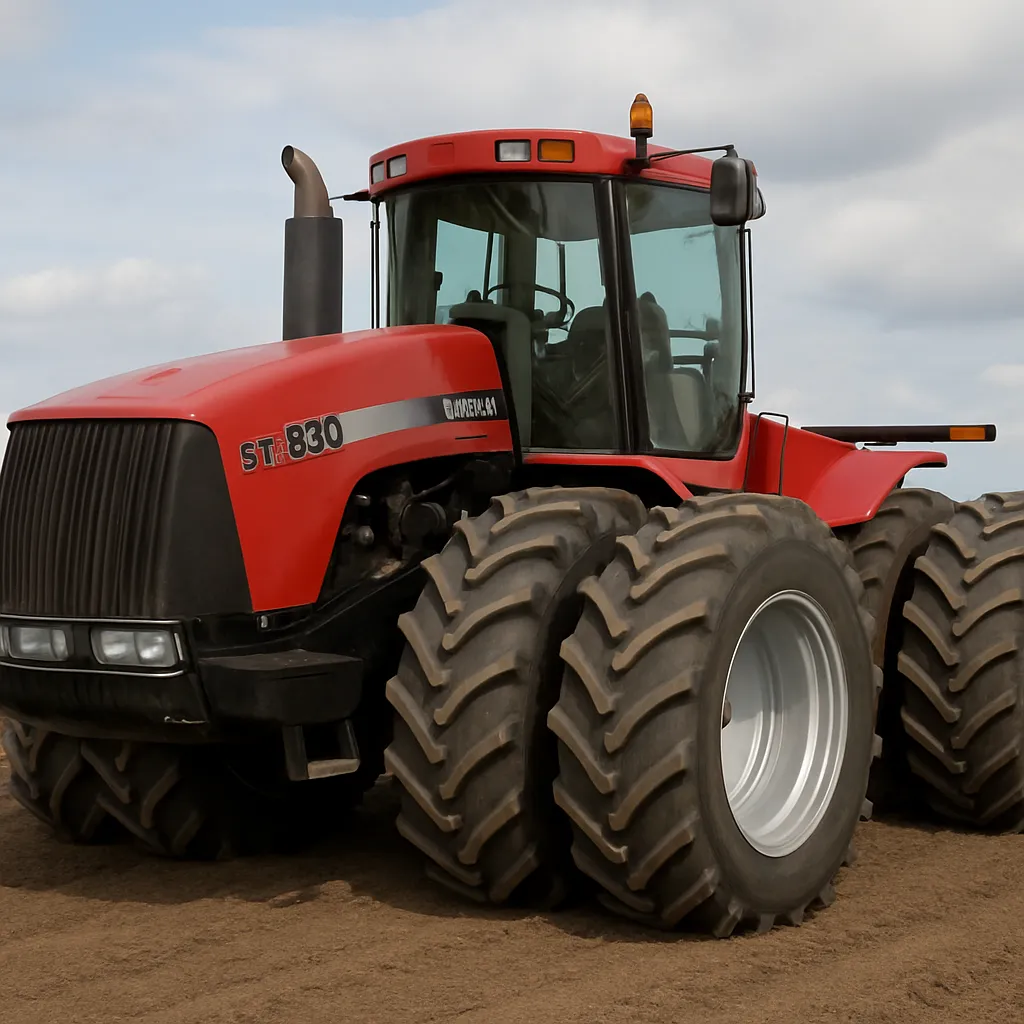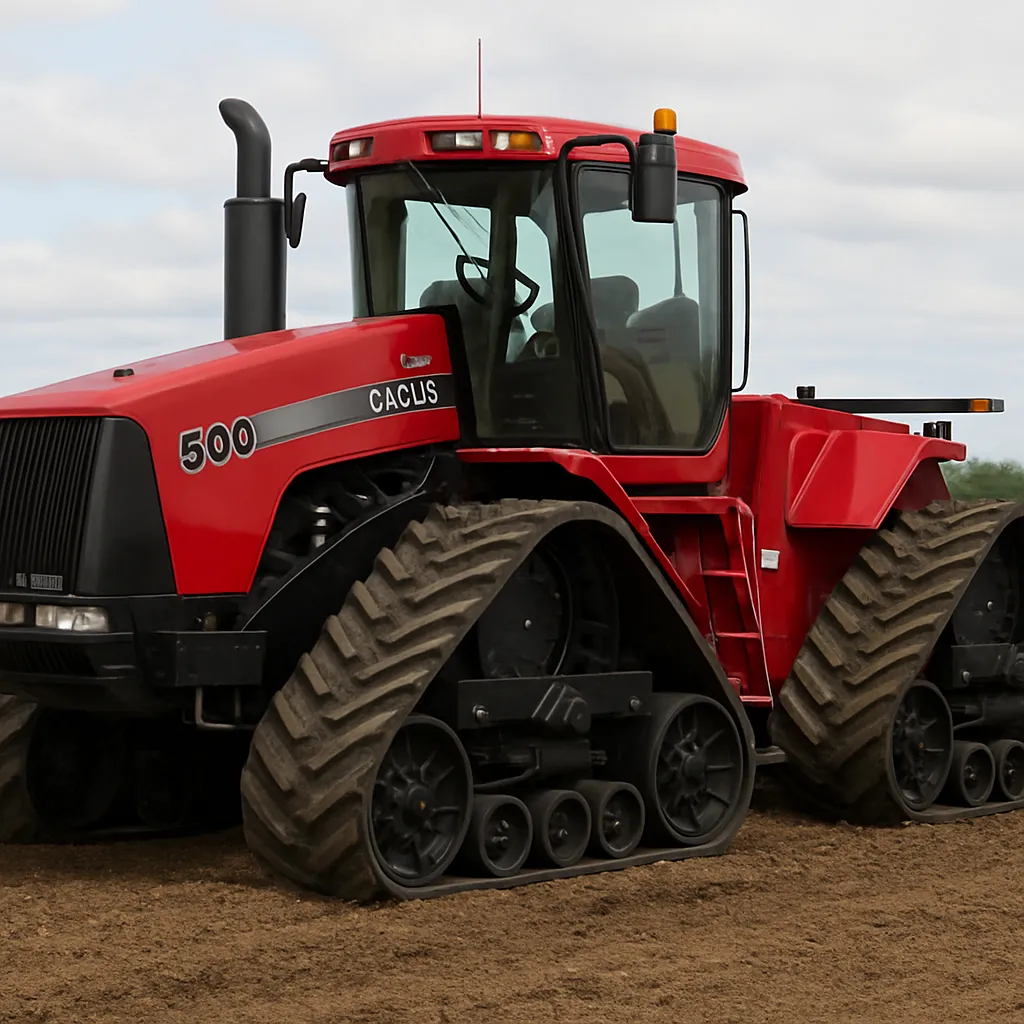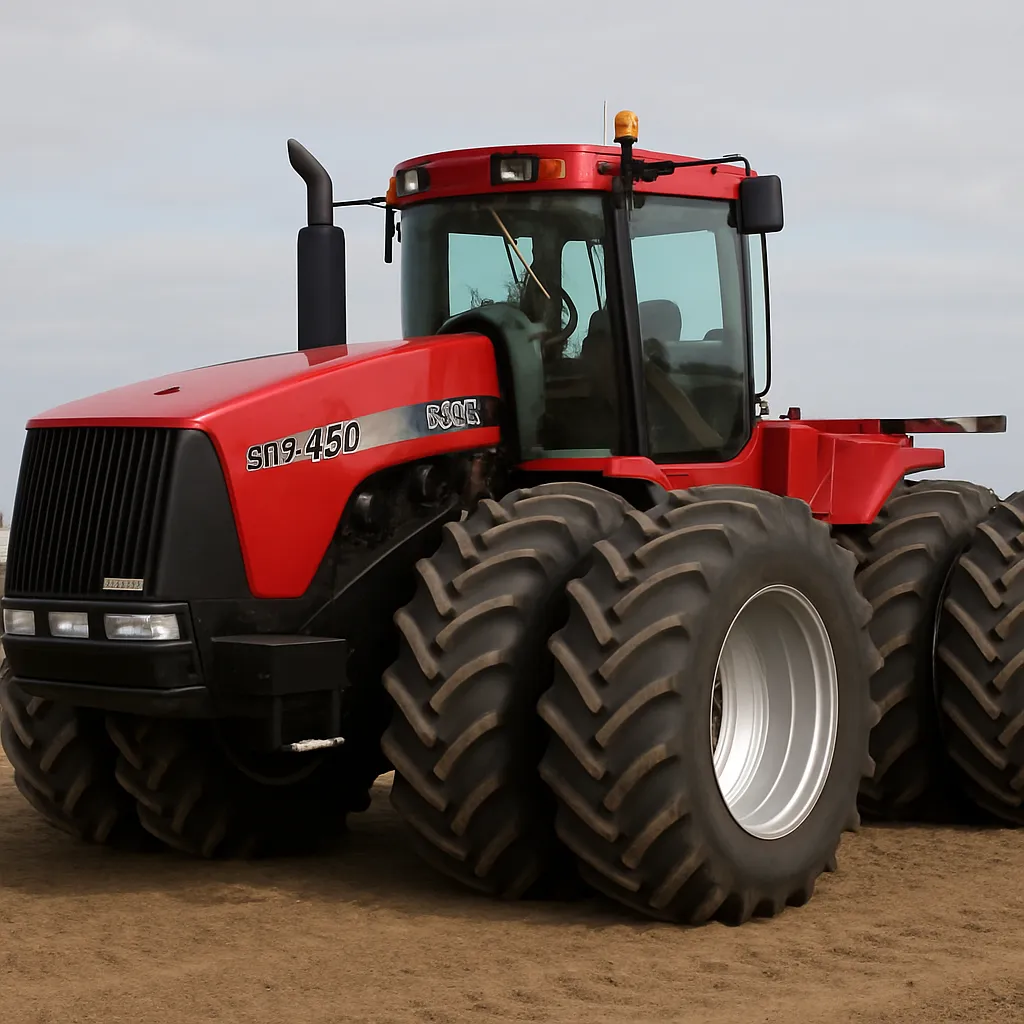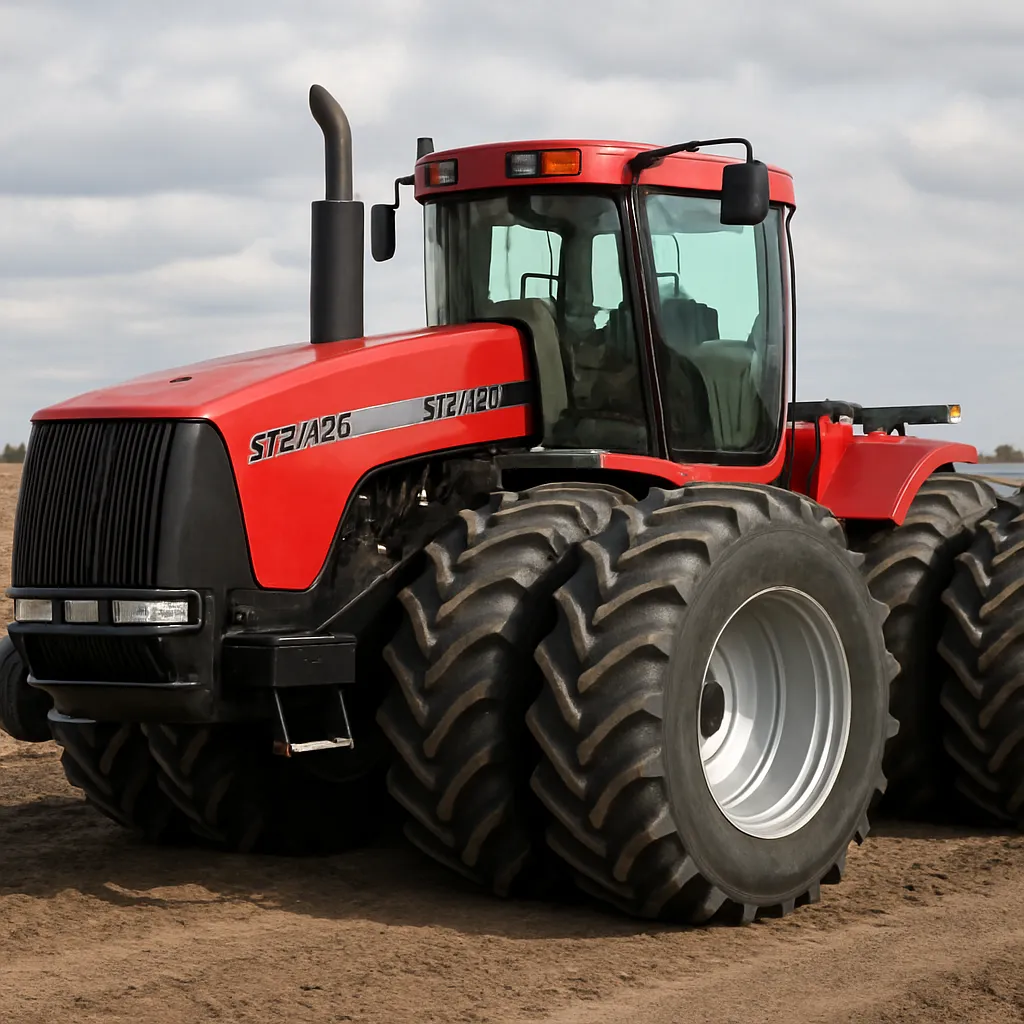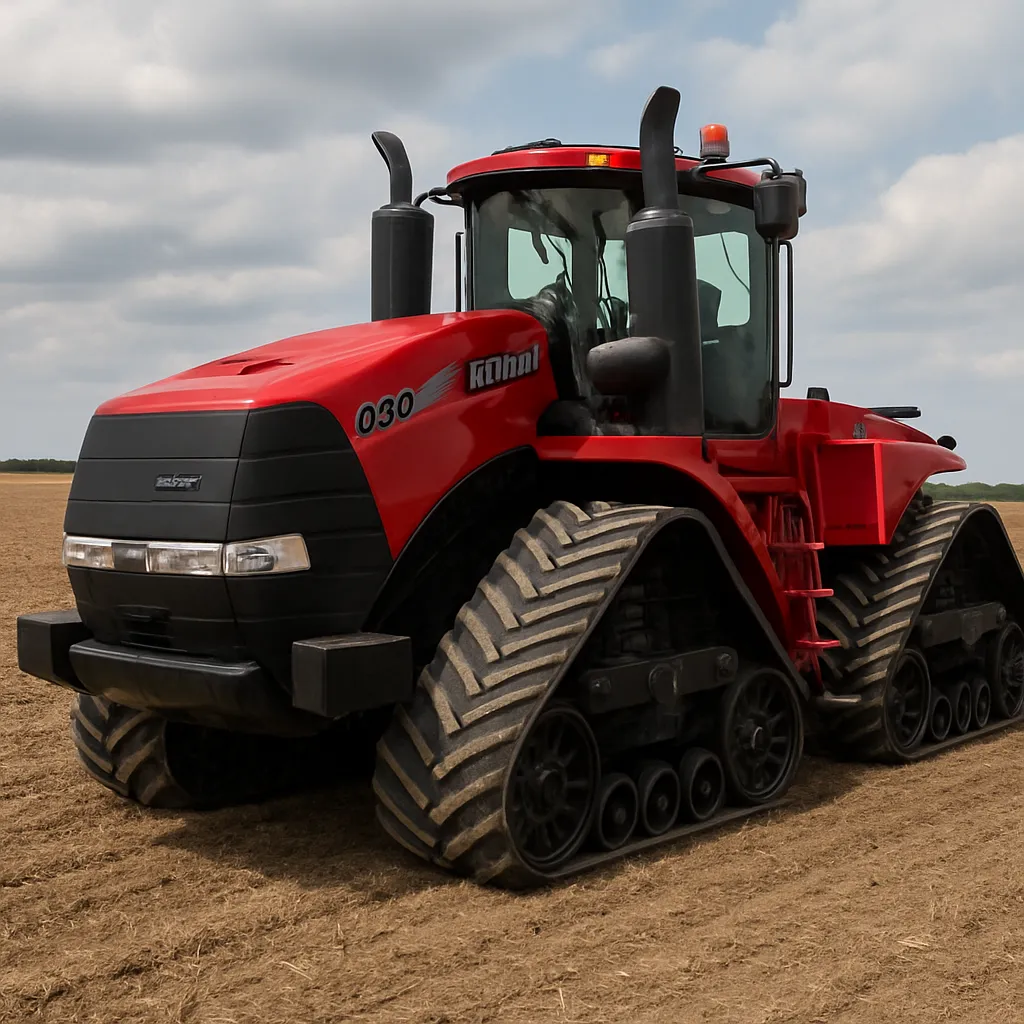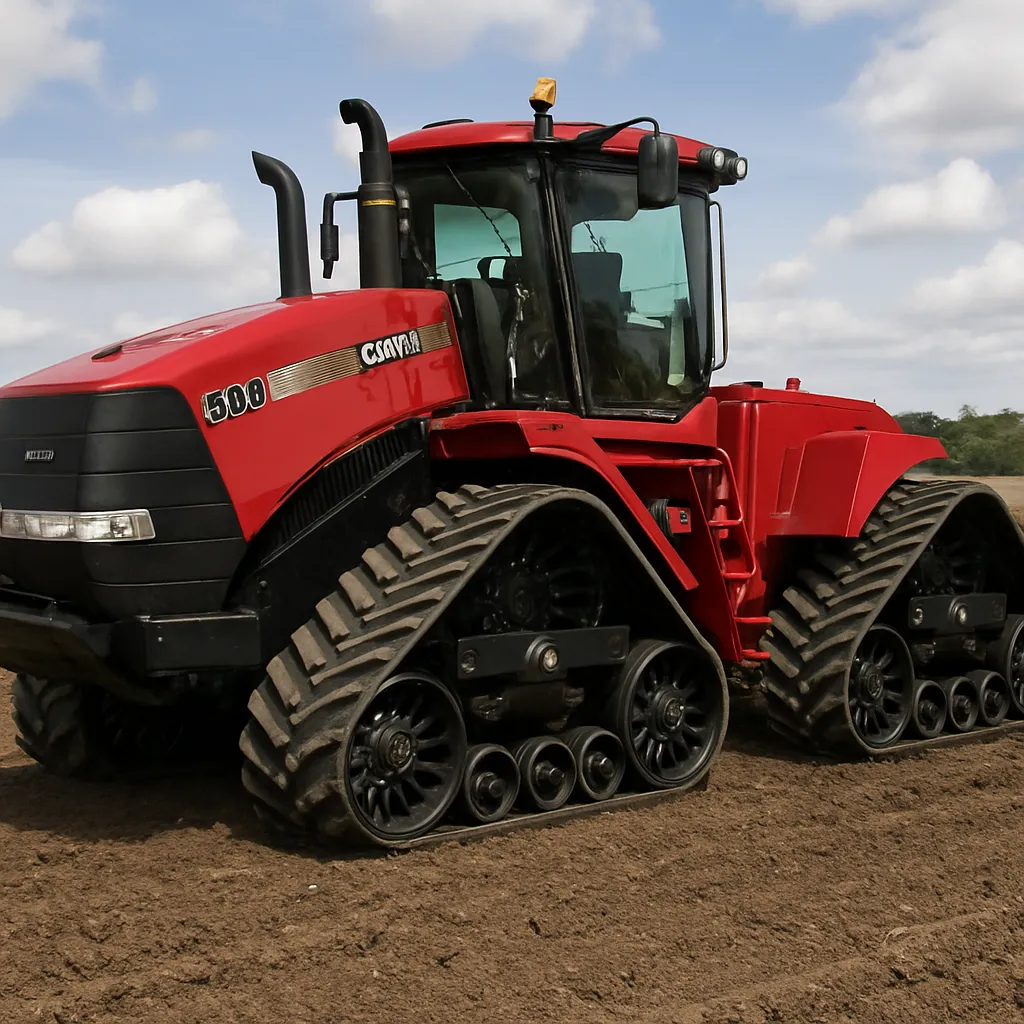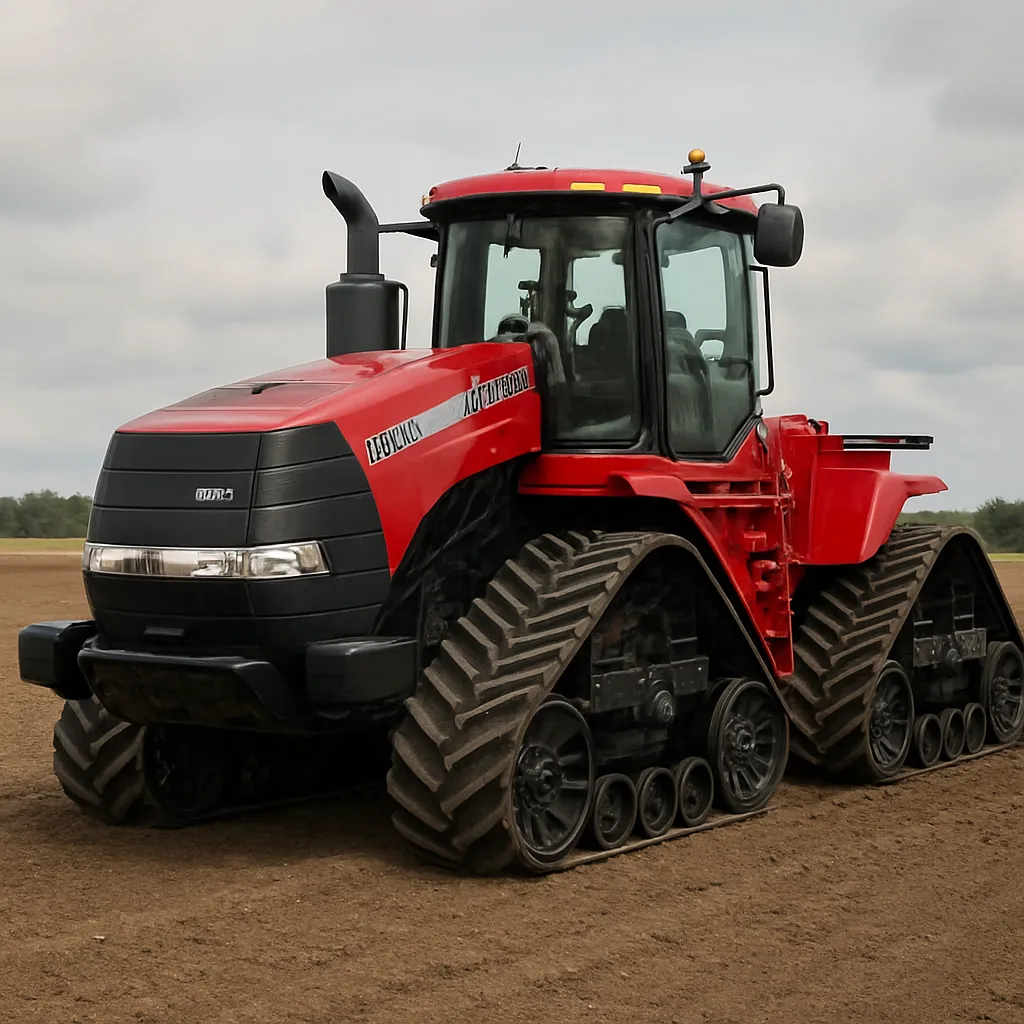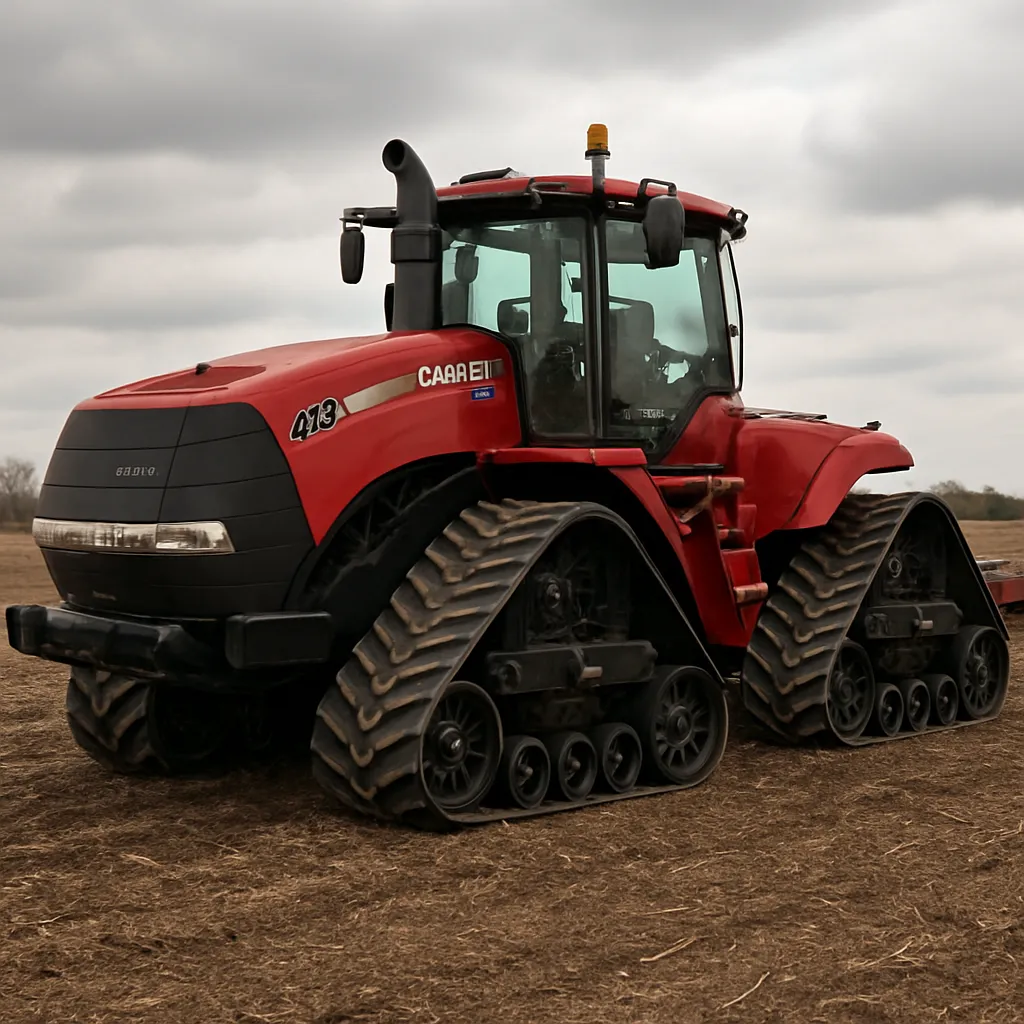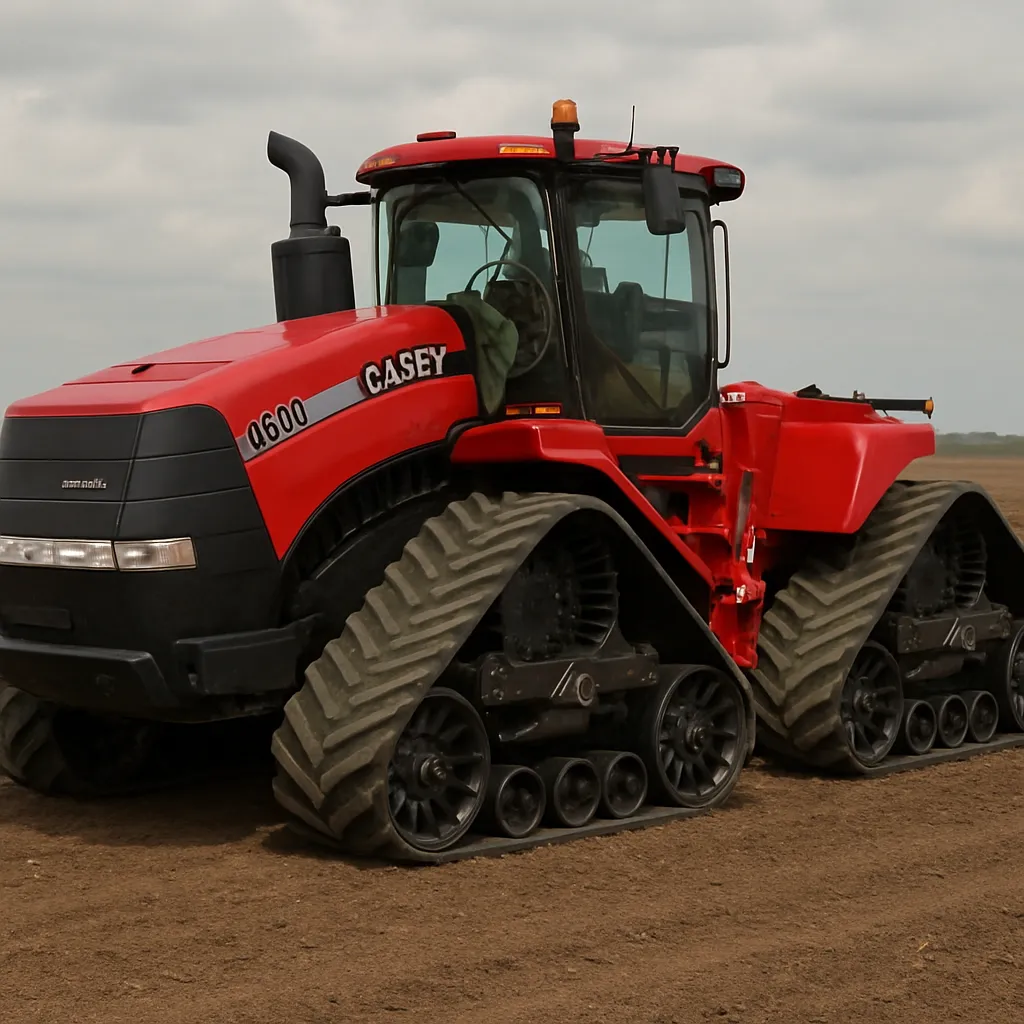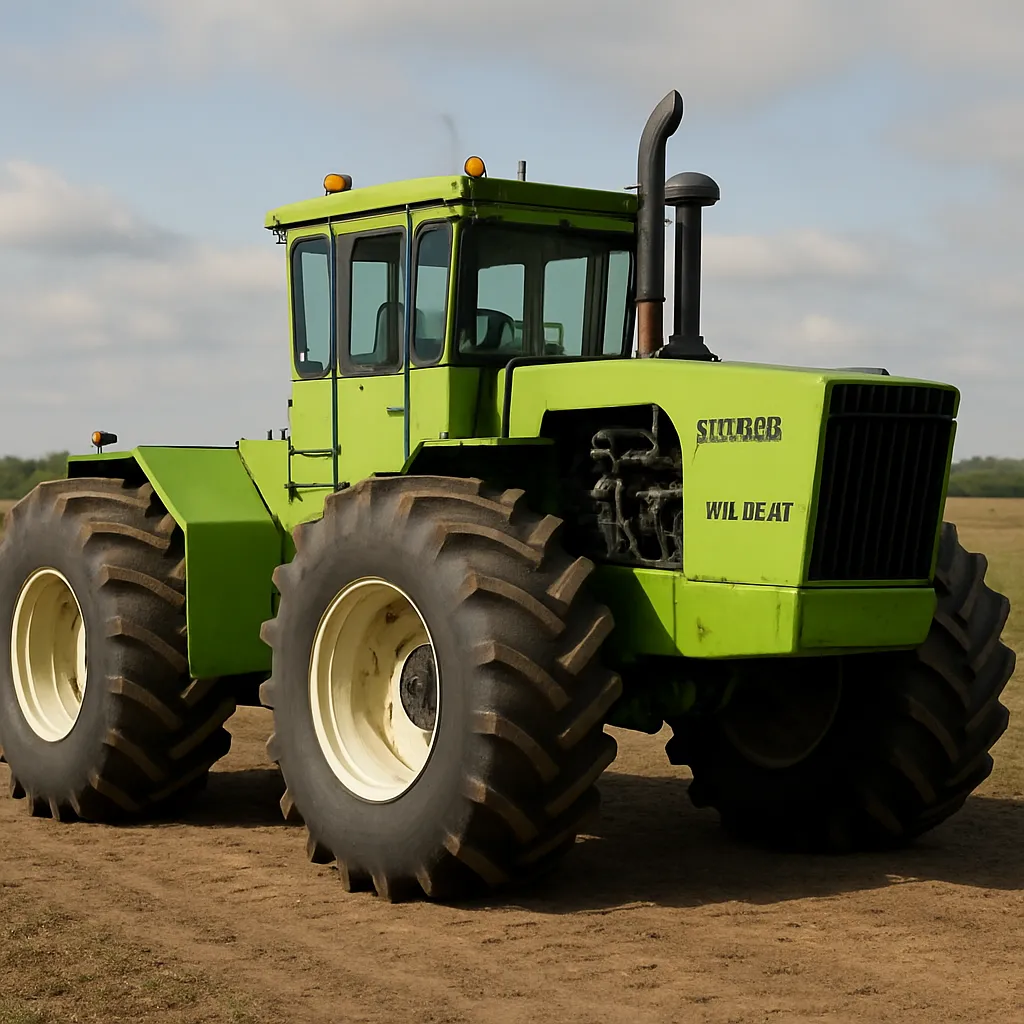
The Steiger Wildcat is a robust, high-horsepower agricultural tractor designed to meet the demands of large-scale farming, heavy tillage and specialized field operations. Combining the legacy of the Steiger name with modern engineering, the Wildcat represents a class of machines built for durability, traction and operator comfort. This article explores the Wildcat’s background, technical characteristics, practical uses, operational considerations and market role, offering detailed insight for farmers, contractors and anyone interested in large agricultural equipment.
Background and lineage
The Steiger brand has long been associated with large four-wheel-drive and articulated tractors. Originally developed in the United States and later integrated into global agricultural machinery portfolios, Steiger tractors earned a reputation for powerful drivetrains and heavy-duty frames. The model commonly referred to as the Wildcat sits within this tradition as a machine aimed at operators who require dependable performance across challenging conditions.
The name Wildcat evokes toughness and adaptability. Throughout its production life the Wildcat has been positioned for markets where high traction and consistent power delivery are essential. Over time, improvements in engine technology, electronic controls and operator ergonomics have influenced successive iterations, bringing modern comforts and precision features to what was traditionally a very utilitarian machine.
Design and technical characteristics
Engine and powertrain
The Wildcat is built around an engine and powertrain package designed to deliver sustained power for heavy implements and prolonged fieldwork. While exact specifications vary with year and market, Wildcat configurations typically emphasize high continuous horsepower suitable for deep tillage, seeding large implements and haulage tasks. Many buyers choose configurations that prioritize torque and fuel efficiency to reduce cost per hectare.
Manufacturers often couple these engines with advanced electronic engine management systems to optimize combustion, emissions and fuel economy. This reduces operating costs and helps meet contemporary emissions regulations. The combination of a powerful engine and robust cooling systems allows the Wildcat to maintain performance under high loads and during prolonged operations.
Transmission, drivetrain and traction
Traction and drivetrain architecture are central to the Wildcat’s capability. The tractor typically features a heavy-duty transmission (mechanical or power-shift/continuously variable options depending on the model) and a strong final-drive system to transmit power to the wheels without undue stress. Some variants focus on four-wheel-drive with an articulated chassis, while others may be configured with rigid frames and dual wheels for specific soil conditions.
High traction is achieved through large tires, optional duals, and weight distribution tailored to maximize contact and minimize slippage. This makes the Wildcat well-suited for operations that require both pulling force and stability across inconsistent terrain.
Hydraulics, hitch and implement compatibility
A cornerstone of the Wildcat’s versatility is its hydraulic system. Generous hydraulic flow and multiple spool valve options enable the operation of a wide range of implements, from wide cultivators and seeders to large planters and soil finisher units. Rear hitch capacity is engineered to accommodate heavy three-point implements, while optional front hitches and PTO (power take-off) systems expand implement compatibility.
Modern Wildcat tractors often provide electronic hitch control and implement automation features, streamlining tasks such as depth control, section control and lift/lower operations. These capabilities increase efficiency and reduce operator fatigue.
Cab design and operator environment
Contemporary variants of the Wildcat put a premium on operator comfort and ergonomics. Spacious cabs with climate control, noise insulation and adjustable seating improve operator endurance during long shifts. Visibility is optimized for implement monitoring, and control layouts are designed for intuitive access to transmission, hydraulic and implement controls.
Many models incorporate digital displays for engine metrics, GPS guidance compatibility and telemetry systems that allow fleet managers to monitor performance remotely. These features transform the Wildcat from a purely mechanical workhorse into an integrated component of precision farming systems.
Applications and field performance
The Wildcat is primarily aimed at high-acreage farms, contractors and operations where large implements and continuous heavy-duty use are the norm. Typical applications include:
- Deep primary tillage — plowing and subsoiling where high draft force is required
- Seedbed preparation — pulling heavy cultivators and finishing equipment across broad fronts
- Large-scale seeding and planting — towing wide planters that increase field coverage per pass
- Transport and haulage — moving heavy loads between fields and to storage sites
- Specialized tasks — tasks such as sugarcane planting, rice field work (with adapted configurations) and integrated soil management routines
In real-world performance, users value the Wildcat for its ability to maintain consistent ground speed under load, minimizing the need for multiple passes. Its high traction reduces wheel slip, thereby saving fuel and reducing soil compaction relative to less capable machines performing the same task.
Operational considerations and maintenance
Routine service and durability
Operators and fleet managers appreciate that the Wildcat’s design usually prioritizes accessibility for routine maintenance — filters, belts and service points are arranged to minimize downtime. Regular checks on oil, hydraulic fluid and cooling systems are essential to support long life and consistent performance. Given the heavy-duty nature of work, implementing a preventive maintenance schedule helps avoid costly breakdowns during peak seasons.
Durability features, such as reinforced axles and heavy-duty driveline components, are common in Wildcat designs. These components are engineered to withstand the cyclic stresses of high draft workloads, making them suitable for contractors who rely on machine availability.
Fuel economy and cost of ownership
Fuel consumption is a major operational cost for high-horsepower machines. The Wildcat typically balances raw power with engine management systems to improve specific fuel consumption under load. Operators can further optimize fuel use through proper implement selection, tire pressure management, and matching engine RPM to implement requirements.
Cost of ownership should be evaluated holistically: while purchase price and fuel are significant, maintenance, resale value and productivity per hour are equally important metrics. For many large operations, the Wildcat’s ability to cover more hectares per hour offsets higher initial acquisition costs.
Market positioning and comparative analysis
Within the marketplace the Wildcat competes with other high-horsepower tractors from global manufacturers. Its strengths are typically in raw pulling power, robustness and compatibility with wide implements. Buyers often compare the Wildcat against other articulated and four-wheel-drive tractors when deciding on fleet composition.
Comparative factors to consider include:
- Horsepower and torque curves — matching engine performance to task demands
- Transmission type and efficiency — influences fuel use and operator ease
- Hydraulic capacity and implement control — determines implement compatibility
- Cab features and operator ergonomics — affect operator productivity
- Resale value and dealer support — critical in regions with intensive seasonal demand
Statistical data for specific Wildcat configurations varies by market and production year. Generally, machines in this class span a broad horsepower band; a useful planning approach is to select a model that provides a conservative margin of power for peak demands rather than one sized strictly for average conditions.
Safety, technology and precision farming
Safety features such as rollover protection, robust lighting packages and advanced braking systems are standard considerations in the Wildcat class. Additionally, integration with precision agriculture systems is increasingly common. GPS-based guidance, auto-steer, headland management and section control reduce overlap, lower input usage (fuel, seed, agrochemicals) and enhance uniformity of field operations.
Telematics platforms allow owners to collect operational data: fuel use, engine hours, implement cycles and fault codes. This data supports predictive maintenance, route optimization and informed decisions about fleet utilization.
Buying considerations and resale
Potential buyers should assess:
- Exact model specifications and optional packages — ensure hydraulic flow, hitch capacity and power are adequate for intended implements
- Dealer support and parts availability — particularly important for intensive-season uptime
- Warranty terms and extended service contracts — which can shift the economics of ownership
- Used machine condition — when buying pre-owned, examine service records, wear on driveline components and signs of structural fatigue
Resale values for heavy-duty tractors like the Wildcat are influenced by brand reputation, service history and regional demand for large horsepower machines. Well-maintained examples with documented service records tend to retain value more effectively.
Interesting features and innovations
The Wildcat family, like other modern heavy tractors, has benefited from several industry innovations that increase productivity and reduce labor demands:
- Electronic implement management for precision control
- Advanced suspension options for improved ride and reduced operator fatigue
- High-capacity hydraulics to operate larger, more complex implements
- Integration with farm-management software and telematics for fleet optimization
These features transform the tractor from a simple power source into a hub for coordinated, data-driven farm work. The result is lower input costs per hectare and improved timing for field operations, which can directly enhance yields and profitability.
Environmental and regulatory aspects
As emissions standards have tightened globally, engines used in models like the Wildcat incorporate after-treatment systems and electronic controls to meet regulations. While these systems add complexity, they also help improve combustion efficiency and reduce particulate and NOx emissions.
Soil health considerations are also important. The Wildcat’s weight and tire configuration can increase the risk of soil compaction if not managed properly. Strategies to mitigate compaction include using duals or tracks where appropriate, adjusting tire pressures, and planning field traffic patterns to limit passes over the same areas.
Conclusion
The Steiger Wildcat is a purpose-built machine for demanding agricultural tasks where high traction, continuous power and durability are required. It suits large farms and contractors who need to move large implements efficiently and reliably. When evaluating the Wildcat, buyers should consider engine and hydraulic specifications, transmission options, implement compatibility and total cost of ownership. With modern cab comforts, precision farming integrations and heavy-duty components, the Wildcat remains a compelling choice for operations that prioritize productivity, reliability and high performance.