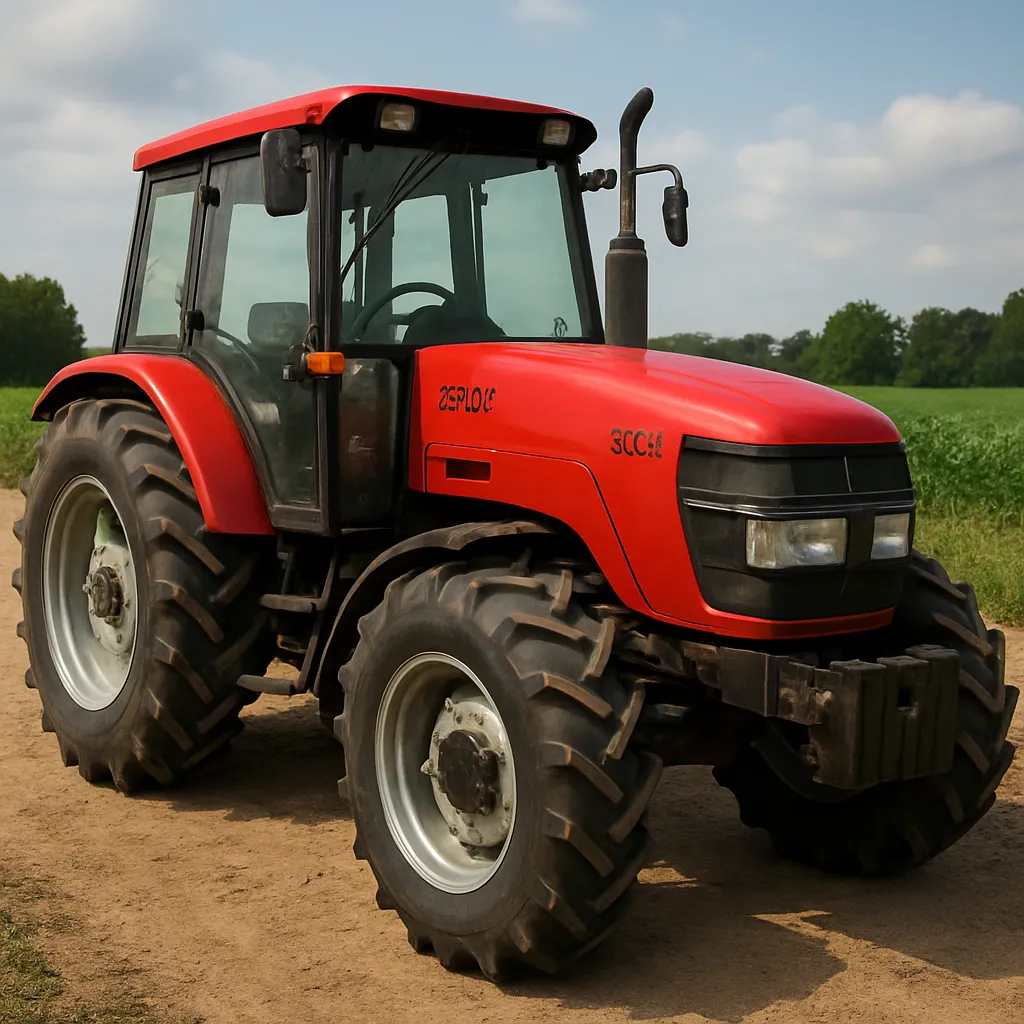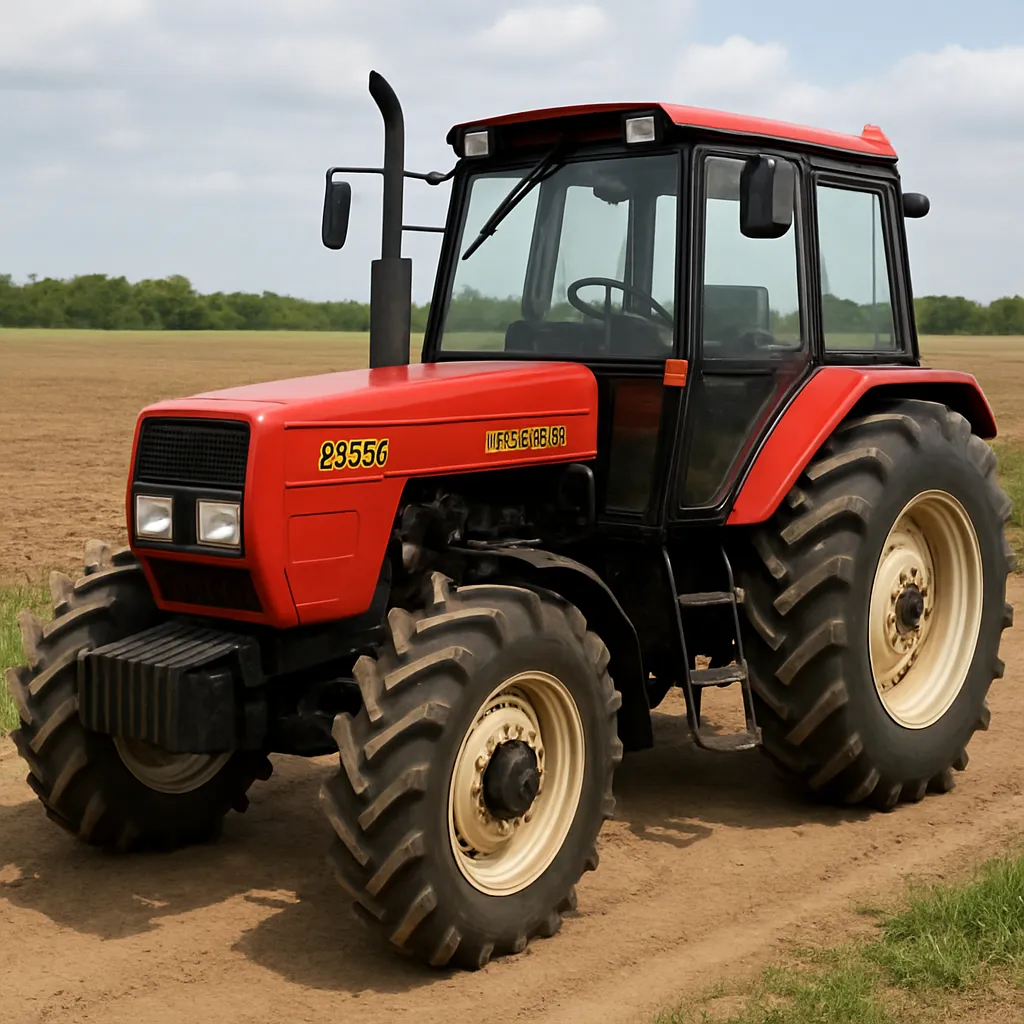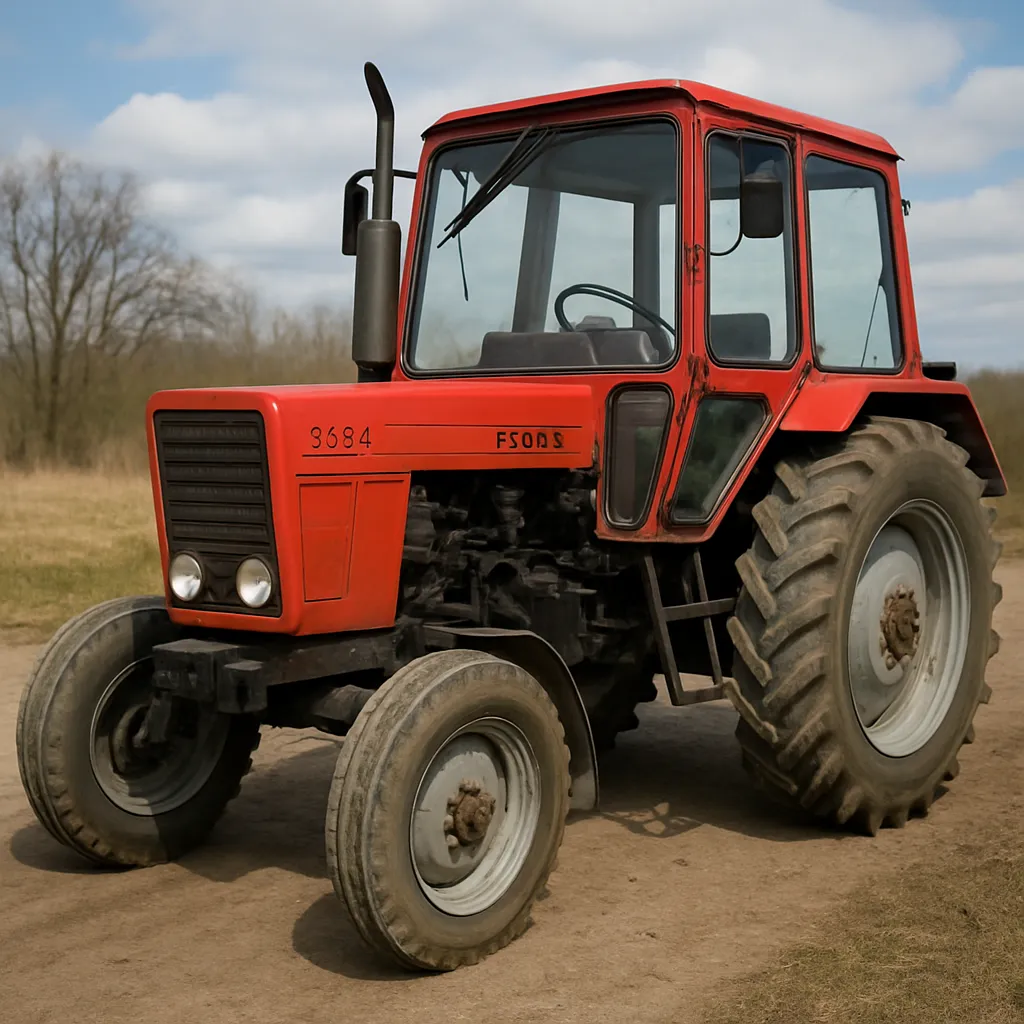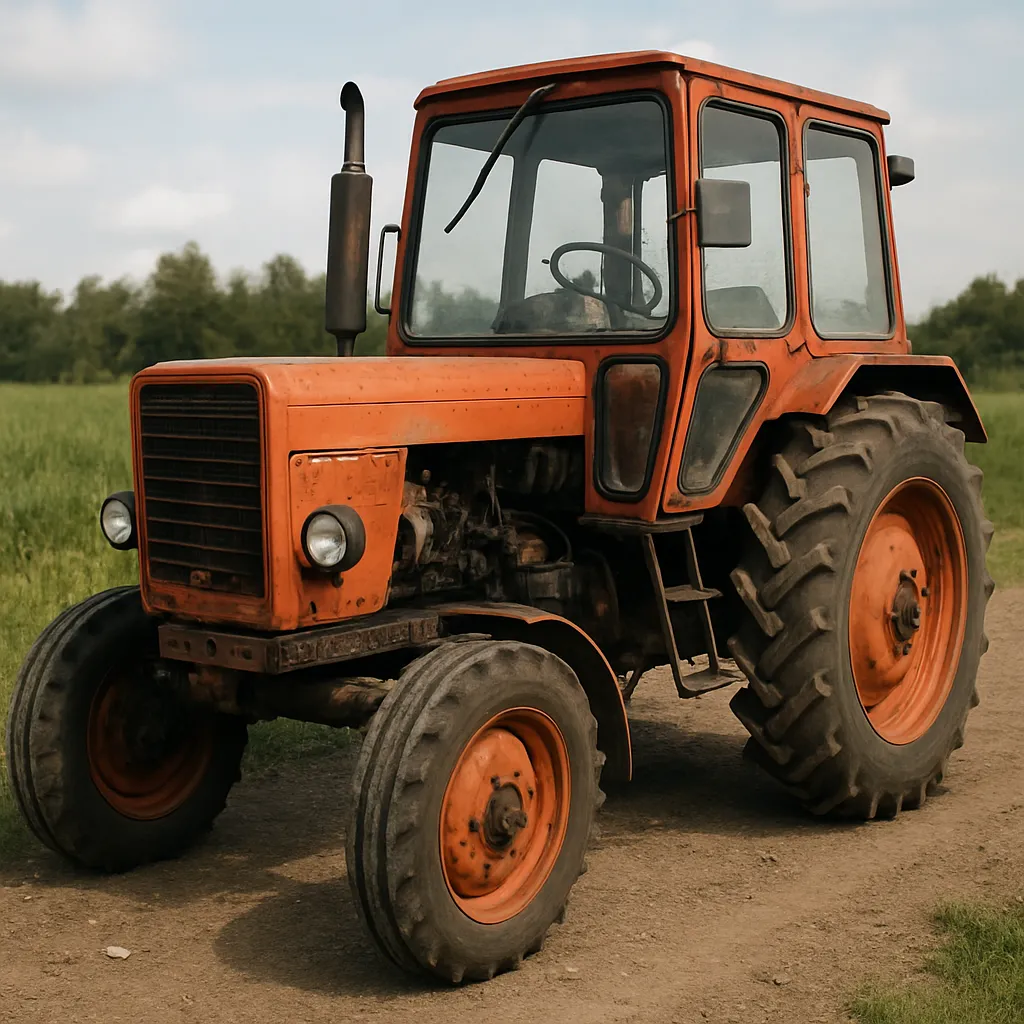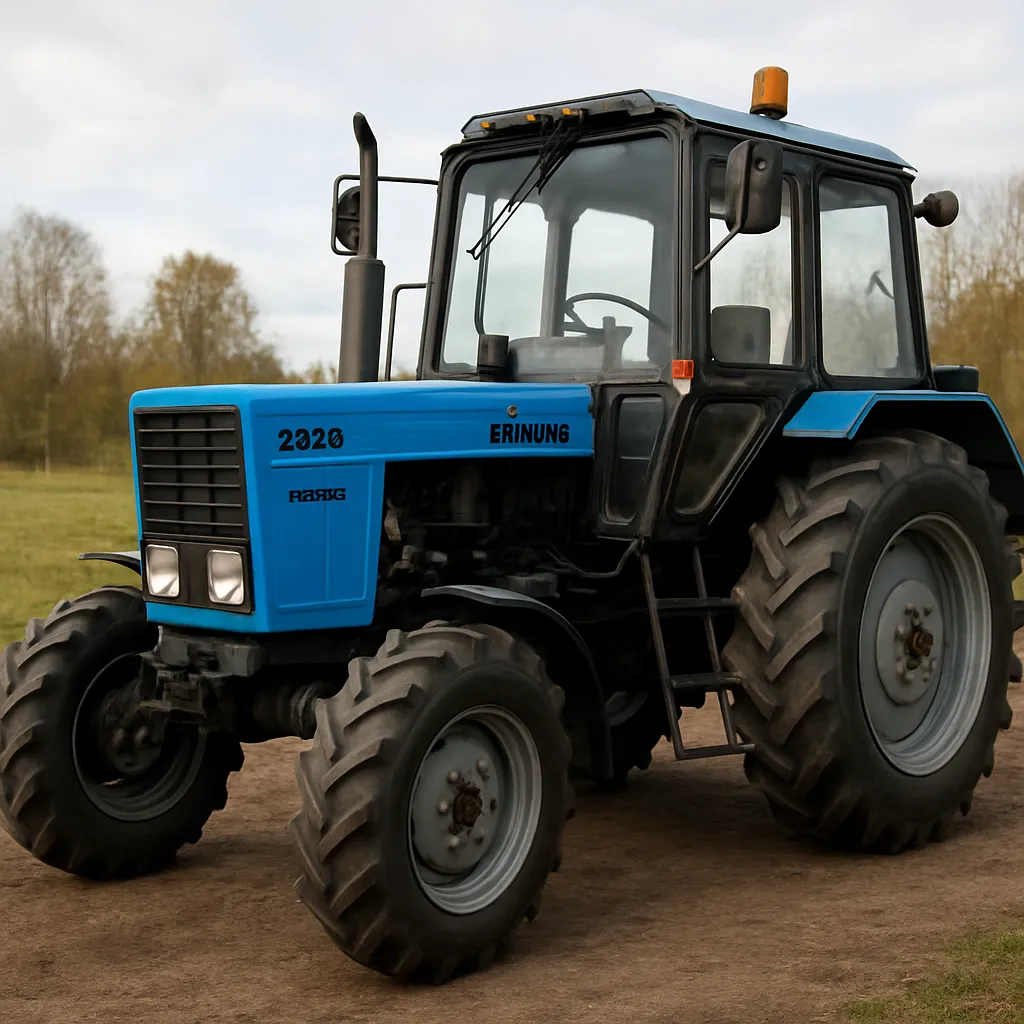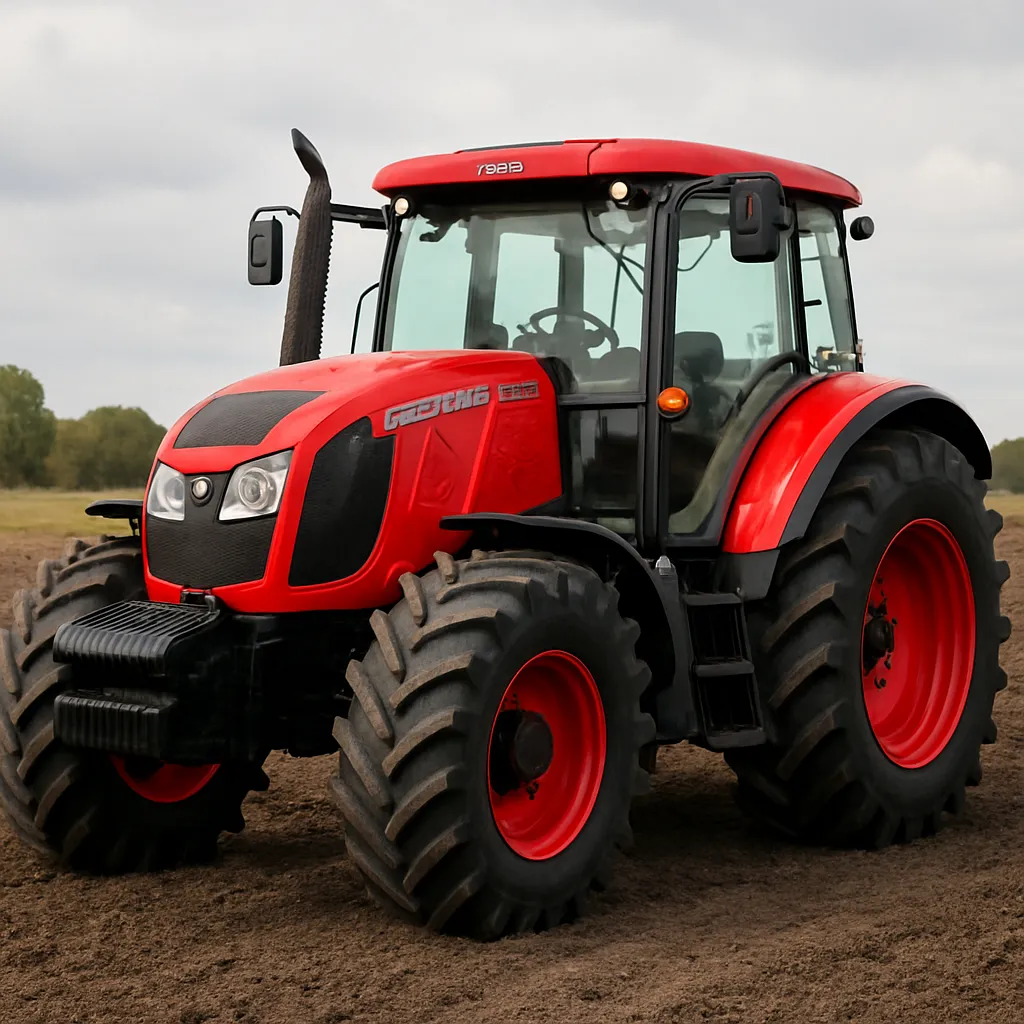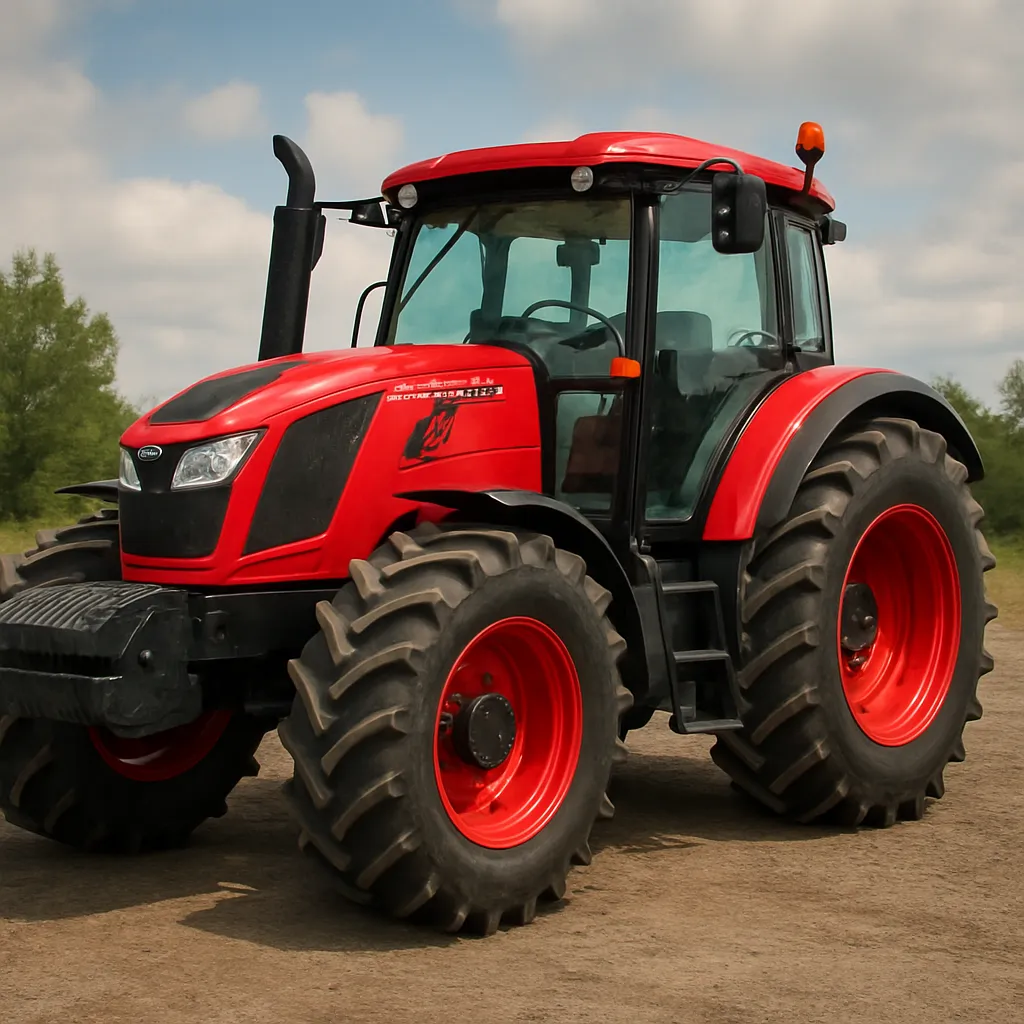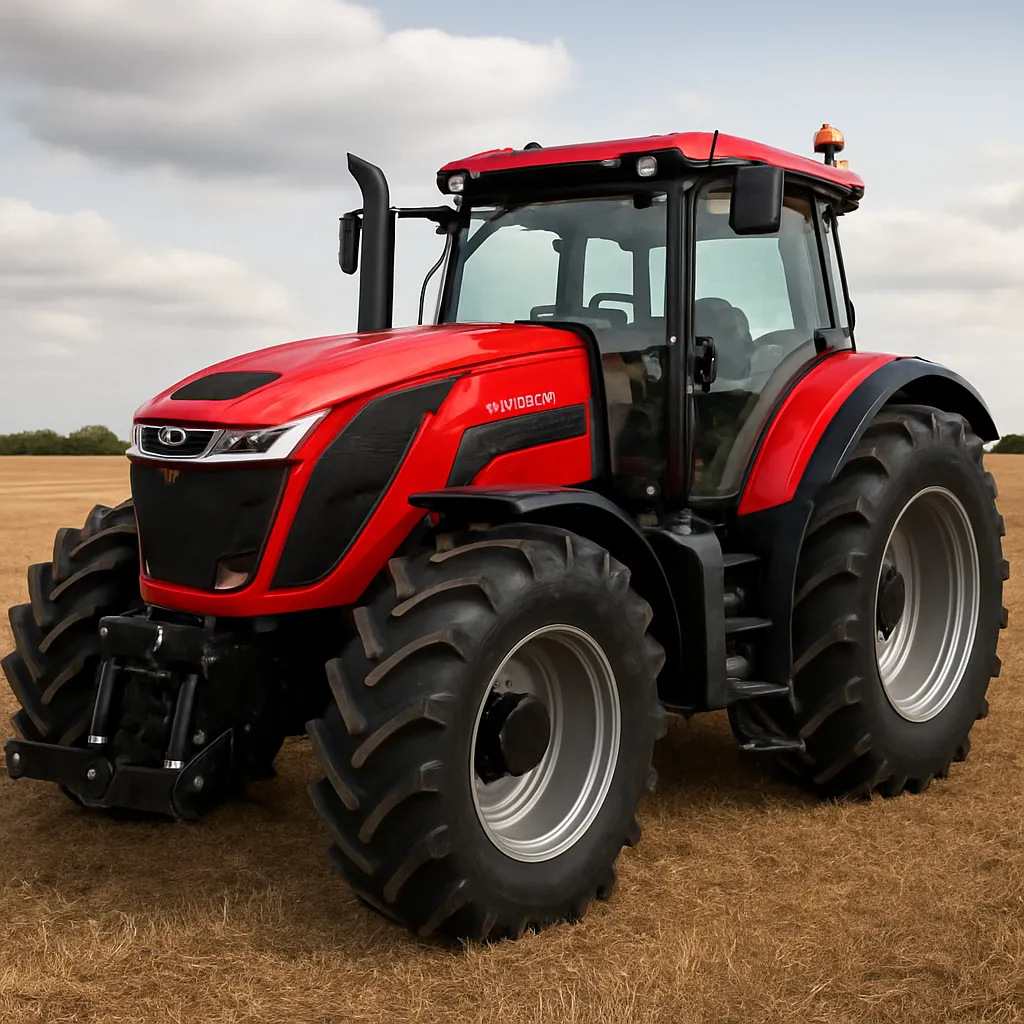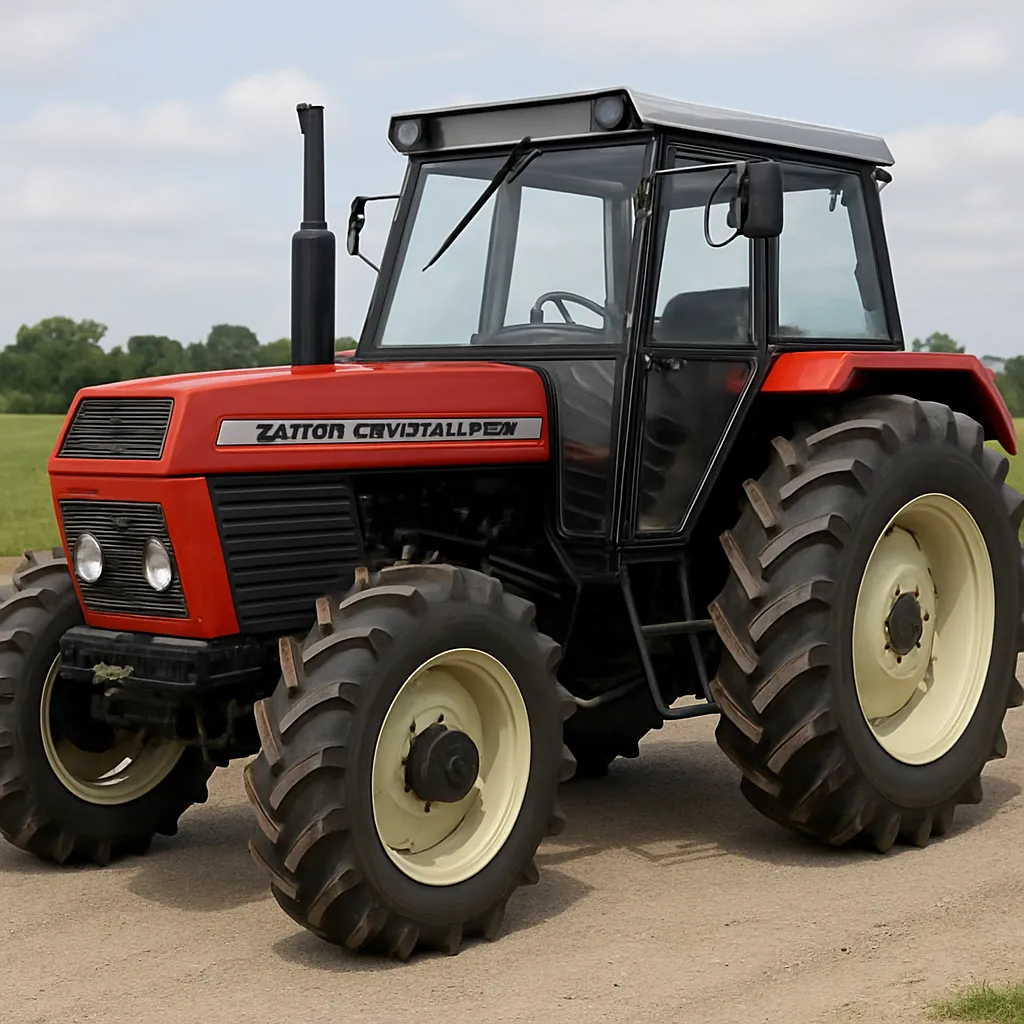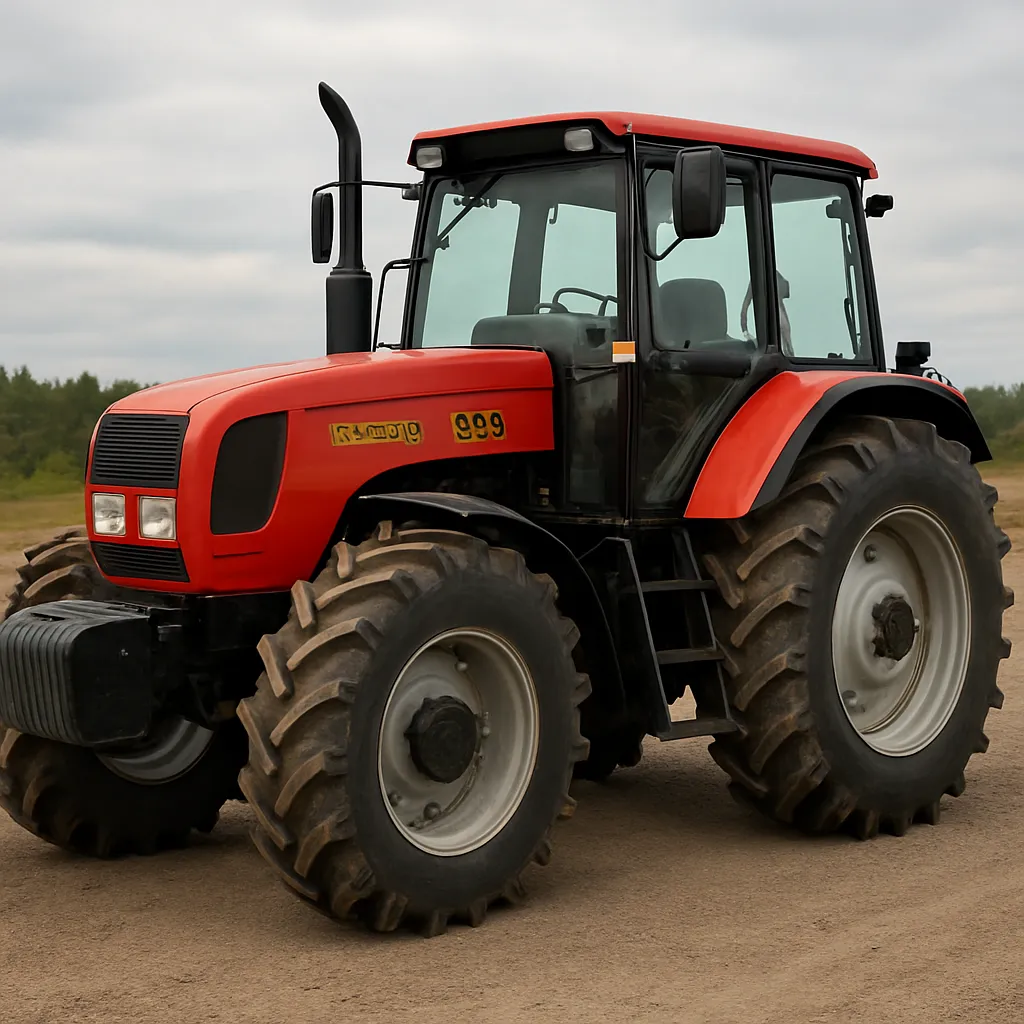
The Belarus 3525 is a robust agricultural tractor produced by the Minsk Tractor Works (MTZ), known internationally under the Belarus brand. This model blends practical engineering with adaptable performance to serve a wide range of farming and industrial tasks. Below you will find a comprehensive look at its origins, technical characteristics, typical applications, economic and operational considerations, maintenance recommendations, and how it compares in the modern tractor marketplace.
Overview and historical context
The Belarus series of tractors has a long-standing reputation for delivering simple, durable machines tailored to diverse climates and working conditions. The Belarus 3525 continues this tradition by offering a balance of power, reliability, and affordability. Manufactured by MTZ, the model is part of the brand’s lineup intended for medium-duty agricultural work, contractor jobs, and utility operations across farms, estates, and public works.
MTZ tractors have historically focused on mechanical simplicity and ease of repair, traits that make them popular in regions where access to complex parts or specialized diagnostic tools can be limited. The 3525 inherits this philosophy: many of its systems are straightforward, allowing local workshops to perform routine service and field repairs.
Key technical characteristics
The Belarus 3525 is engineered to deliver dependable performance across a spectrum of tasks. Exact specifications can vary by year, market, and aftermarket configuration, but typical characteristics include a sturdy drivetrain, multiple transmission options, and practical hydraulic and power take-off systems.
Engine and power
- Typical nominal engine power: approximately 100–140 horsepower (75–104 kW), depending on the variant and tuning.
- Engine type: four-cylinder turbocharged diesel engines are common in this power class, designed for torque and fuel economy.
- Torque and RPM range: emphasis on mid-range torque for draft work such as ploughing and heavy PTO-driven implements.
- Cooling and intake systems are built to handle extended operation at moderate ambient temperatures, contributing to reliability in the field.
Transmission and driveline
- Transmission: often offered in multi-speed synchronized gearboxes, frequently with ranges such as 16F/8R or similar configurations; some markets receive options with creep gears or additional ranges for precision work.
- Drive layout: many units are four-wheel drive (4WD), enhancing traction on wet or uneven soils.
- Top road speed: typical maximum around 30–40 km/h, subject to gearbox configuration and tire choice.
PTO, hydraulics and three-point hitch
- PTO options: rear PTO standard, with speeds usually at 540/1000 rpm or selectable 540/540E/1000 rpm depending on the specification.
- Hydraulic system: medium-capacity hydraulic pump providing adequate flow for front loaders, mounted implements, and multi-function attachments; selectable flow options are sometimes available.
- Lift capacity: rear three-point hitch lift capacity typically in the range of 2,500–3,500 kg, enabling use with a wide array of heavy implements.
Dimensions, weight and fuel
- Operating weight: generally between 3,500 and 4,500 kg, depending on configuration (cab, ballast, loader).
- Fuel tank capacity: usually around 120–200 liters, supporting long workdays without frequent refueling.
- Tire options and track width: multiple tire sizes available to tailor flotation and ground pressure for different soils.
Note: The above figures are representative ranges. Specific machine data should be verified with the manufacturer or local dealer for the exact model year and package.
Applications and typical uses
The Belarus 3525 is a versatile machine that finds use in several sectors beyond classic crop farming. Its combination of moderate horsepower, robust hydraulics, and optional 4WD makes it suitable for:
- Arable farming: ploughing, harrowing, seedbed preparation, and sowing when paired with appropriate implements.
- Transport and logistics: towing trailers and transporting bulk materials on-farm or between fields.
- Hay and forage operations: mowing, tedding, raking, baling and silage work, where reliable PTO performance is crucial.
- Livestock farm duties: feeding, manure spreading, bedding handling and other yard tasks.
- Municipal and utility work: snow removal, street sweeping, and maintenance when fitted with front loaders or snowblowers.
- Construction and contractors: light earthmoving and site preparation when equipped with loaders or backhoes.
Because of its adaptability, the 3525 is frequently purchased by mixed farms and small contractors who require a single machine capable of covering many tasks with minimal reconfiguration.
Attachments, compatibility and customization
One of the defining strengths of the Belarus 3525 is its compatibility with a wide range of implements and attachments. Standard attachment pathways include the rear three-point hitch, front linkage/loader mounts and PTO shafts.
- Common attachments: ploughs, cultivators, seed drills, mowers, balers, manure spreaders, front loaders, snow ploughs, and pallet forks.
- Loader compatibility: factory and aftermarket loaders provide the machine with bucket, fork and grapple capabilities, increasing daily utility.
- Specialty adaptations: in some markets units are fitted with compressed-air brakes for trailer work, front weights for improved stability, and cab options to meet local safety and operator comfort requirements.
Operational economics and fuel efficiency
Operational cost is a major consideration for tractor buyers. The Belarus 3525 aims to provide a low total cost of ownership through an emphasis on simple systems, accessible spare parts, and efficient diesel engines.
- Fuel consumption: typical consumption for tractors in this class during mixed fieldwork commonly ranges from about 8–16 liters per hour depending on load, engine tuning and implement resistance. Precise consumption varies with task intensity.
- Maintenance costs: lower than many high-tech competitors because of fewer electronic systems and the availability of inexpensive spare parts in many markets.
- Resale value: competitive in regions where the Belarus brand is established and where buyers prioritize ruggedness and ease of repair over cutting-edge features.
Operator comfort, safety and ergonomics
While MTZ historically prioritized mechanical simplicity, recent production runs incorporate improved ergonomics and safety features to meet customer expectations.
- Cab options: many units are available with an enclosed cab featuring heating, ventilation, and basic comfort seating; higher-spec cabs may include improved noise insulation and adjustable seats.
- Controls and visibility: uncomplicated instrument layout and direct mechanical linkages help operators manage work tasks with minimal training.
- Safety features: roll-over protection, cab structure, and basic lighting packages for road and night operation; optional mirrors and beacon lights for public works use.
Maintenance, serviceability and recommended practices
One of the Belarus 3525’s selling points is easy serviceability. Routine maintenance tasks can often be handled by local workshops or farm mechanics. Recommended practices include:
- Daily checks: engine oil, coolant level, fuel level, hydraulic fluid, tire pressure and visible leaks.
- Scheduled servicing: adhere to manufacturer intervals for oil and filter changes, hydraulic oil and filter changes, and gearbox service to ensure long-term reliability.
- Hydraulic checks: keep hydraulic hoses and connections clean and inspect for wear to prevent failures during operations.
- Cooling system maintenance: clean radiators and check fan belts to prevent overheating during extended heavy-duty use.
- Spare parts inventory: maintain common spare parts such as filters, belts, hoses and lights to minimize downtime during critical seasons.
Market presence and global distribution
The Belarus brand enjoys a broad market presence, particularly in Eastern Europe, Central Asia, Africa, and parts of Latin America. The Belarus 3525 is typically marketed where customers value cost-effectiveness and ease of service. Distribution patterns often reflect historic trade ties and the presence of MTZ dealers or local assemblers capable of adapting machines to local regulations and customer preferences.
- Export markets: substantial shipments historically to CIS countries, some EU markets via independent dealers, and developing countries where price-sensitive buyers prefer rugged, easy-to-maintain machines.
- Dealer network: varies by country; prospective buyers should confirm availability of authorized service and parts to protect long-term ownership value.
Comparisons with peer tractors
When compared with Western and Japanese tractors of similar horsepower, the Belarus 3525 often scores well on initial purchase price and simplicity, but may lag in advanced electronics, comfort amenities, and some emissions control technologies. Buyers often weigh the trade-off between lower acquisition and maintenance costs versus the benefits of modern features such as precision agriculture systems, advanced transmissions or Tier 4 emissions compliance.
- Strengths: affordability, ease of repair, straightforward mechanical systems, robustness in harsh conditions and good compatibility with common implements.
- Limitations: fewer advanced electronics and comfort features, potential challenges meeting the newest emissions standards in certain jurisdictions, and varying dealer support depending on region.
Environmental and regulatory considerations
Emission standards and environmental regulations have tightened globally. Depending on the market and model year, the Belarus 3525 may comply with different stages of emissions regulation. Users in regions with strict emissions requirements should verify the specific engine family and any aftertreatment systems fitted to the machine when purchasing.
- Aftertreatment: some later models or specific market versions may include particulate filters or exhaust gas recirculation to meet local standards.
- Fuel quality: diesel quality can impact engine longevity; in regions with lower fuel standards, additional filtration and more frequent maintenance can extend engine life.
Buying considerations and tips
Prospective buyers should evaluate the following factors before purchasing a Belarus 3525:
- Workload: ensure the tractor’s horsepower and hydraulic capacity match the implements and tasks planned.
- Dealer and service network: confirm local access to genuine parts and qualified mechanics.
- Configuration: choose cab, transmission and PTO options that best suit seasonal needs and operator comfort.
- Used market checks: for second-hand purchases, review maintenance history, hours of operation, and any evidence of heavy repairs or structural damage.
Conclusion and outlook
The Belarus 3525 is a practical, no-nonsense tractor that fits well for operators who need a durable, easily serviceable machine for a variety of agricultural and utility tasks. Its strengths lie in its reliability, adaptability and relatively low operating costs. While it may lack some of the high-tech features of premium brands, it remains a competitive option in markets where serviceability and affordability are paramount.
For precise technical specifications, options and price, always consult an authorized MTZ/Belarus dealer or official product documentation relevant to the machine’s production year and market configuration.