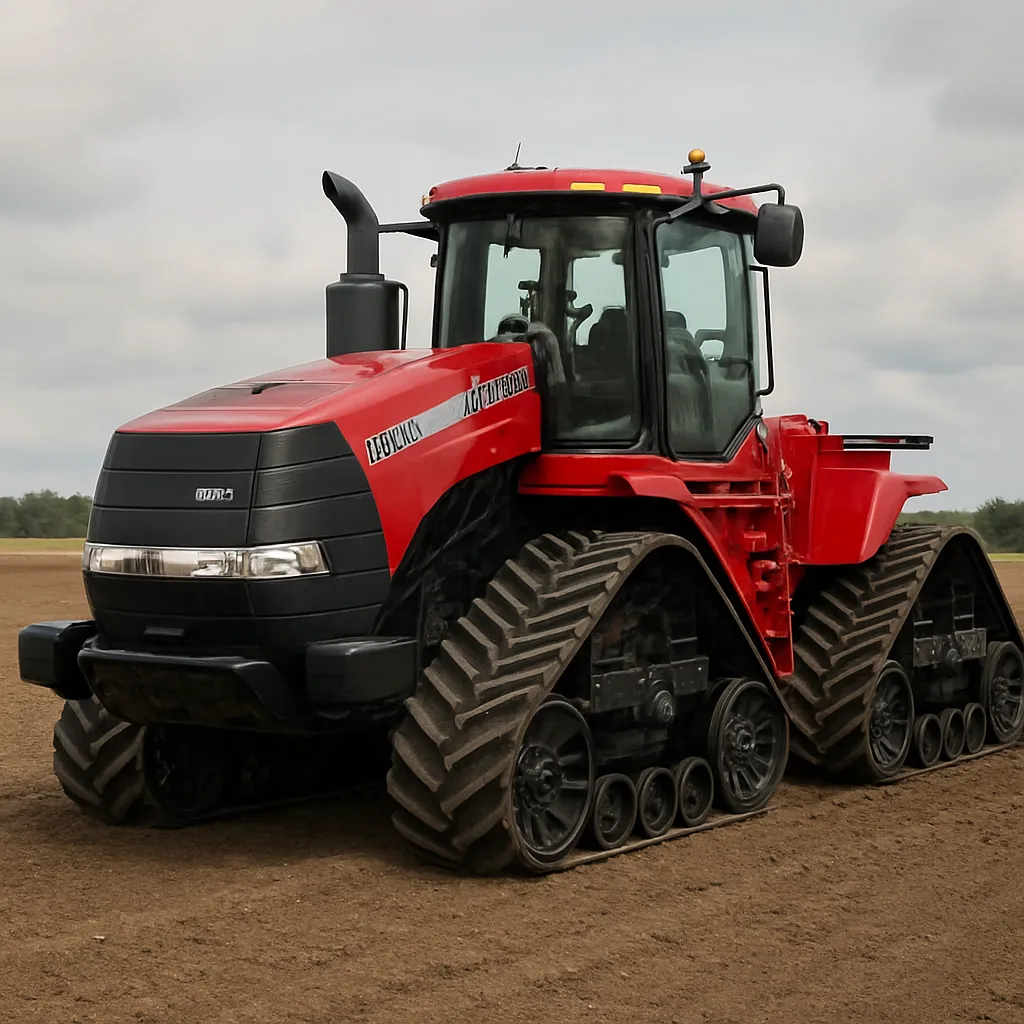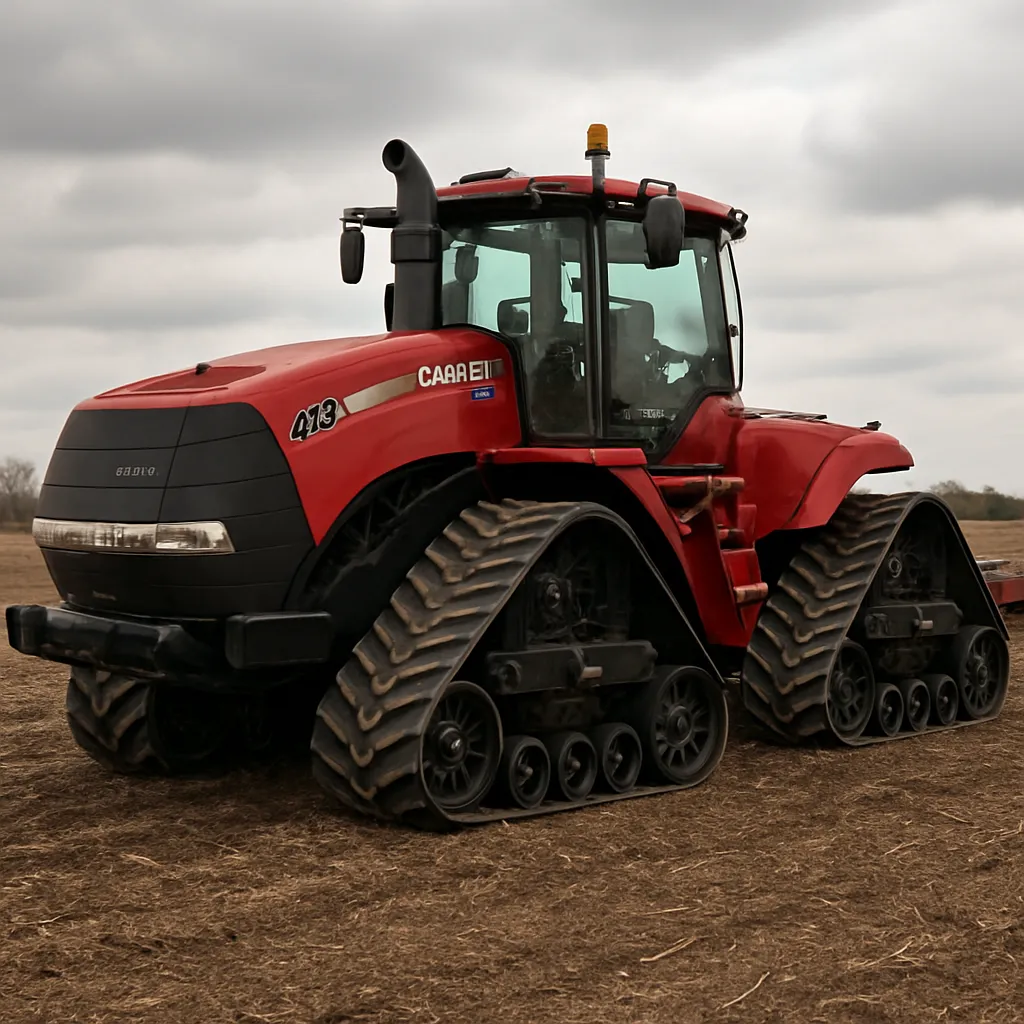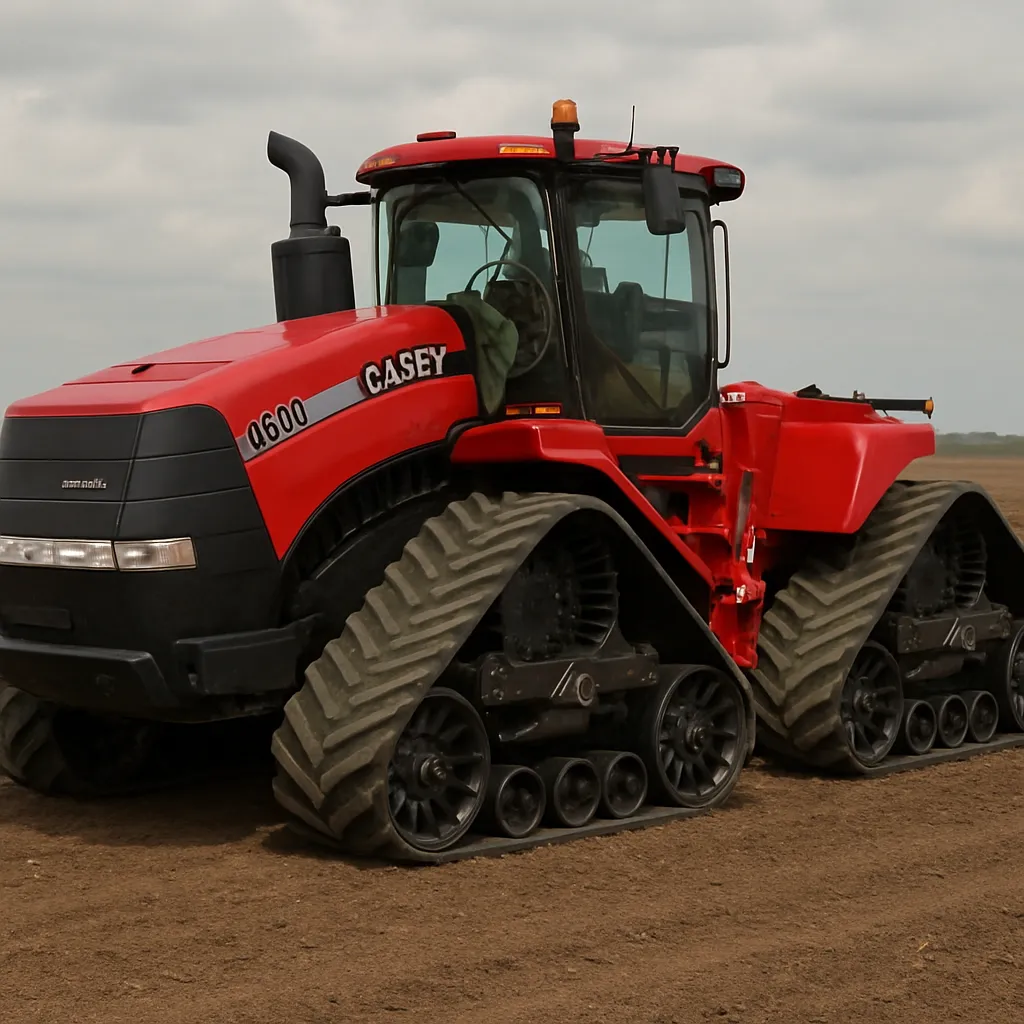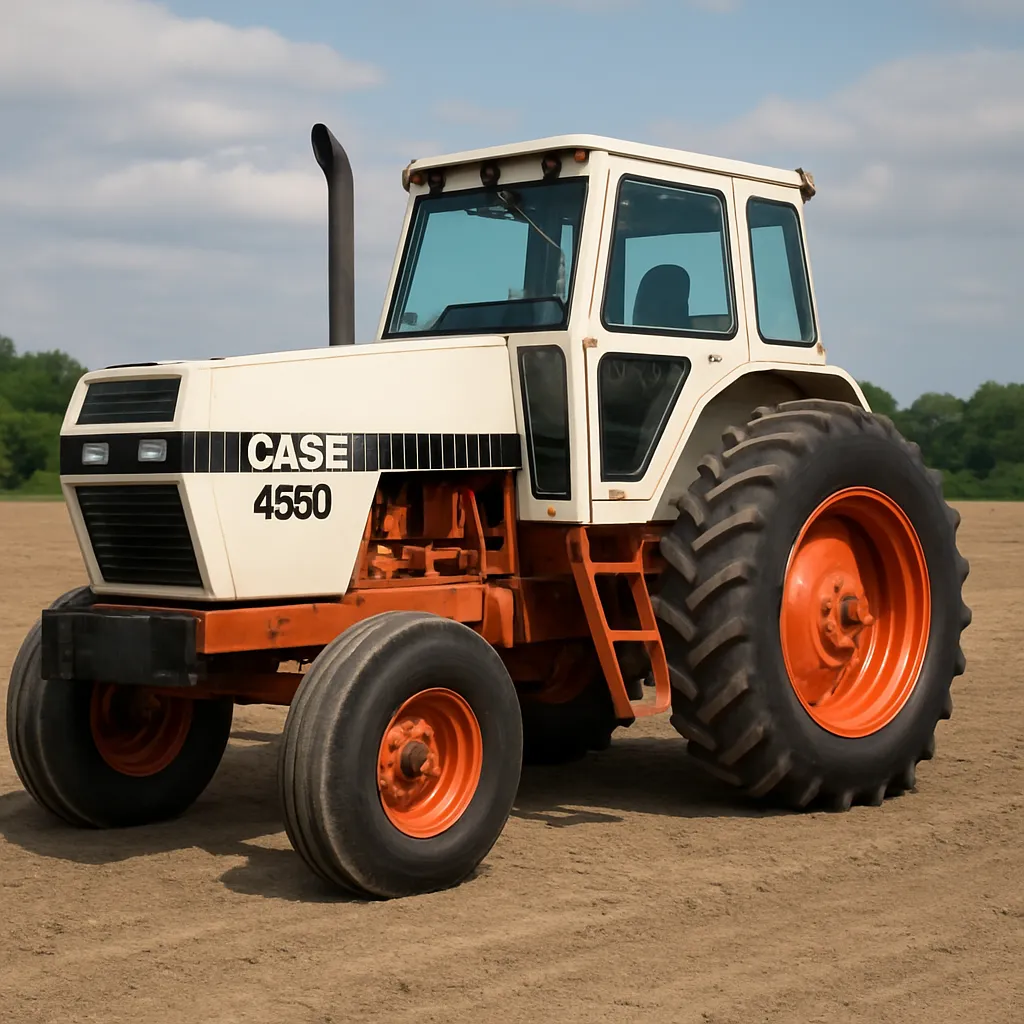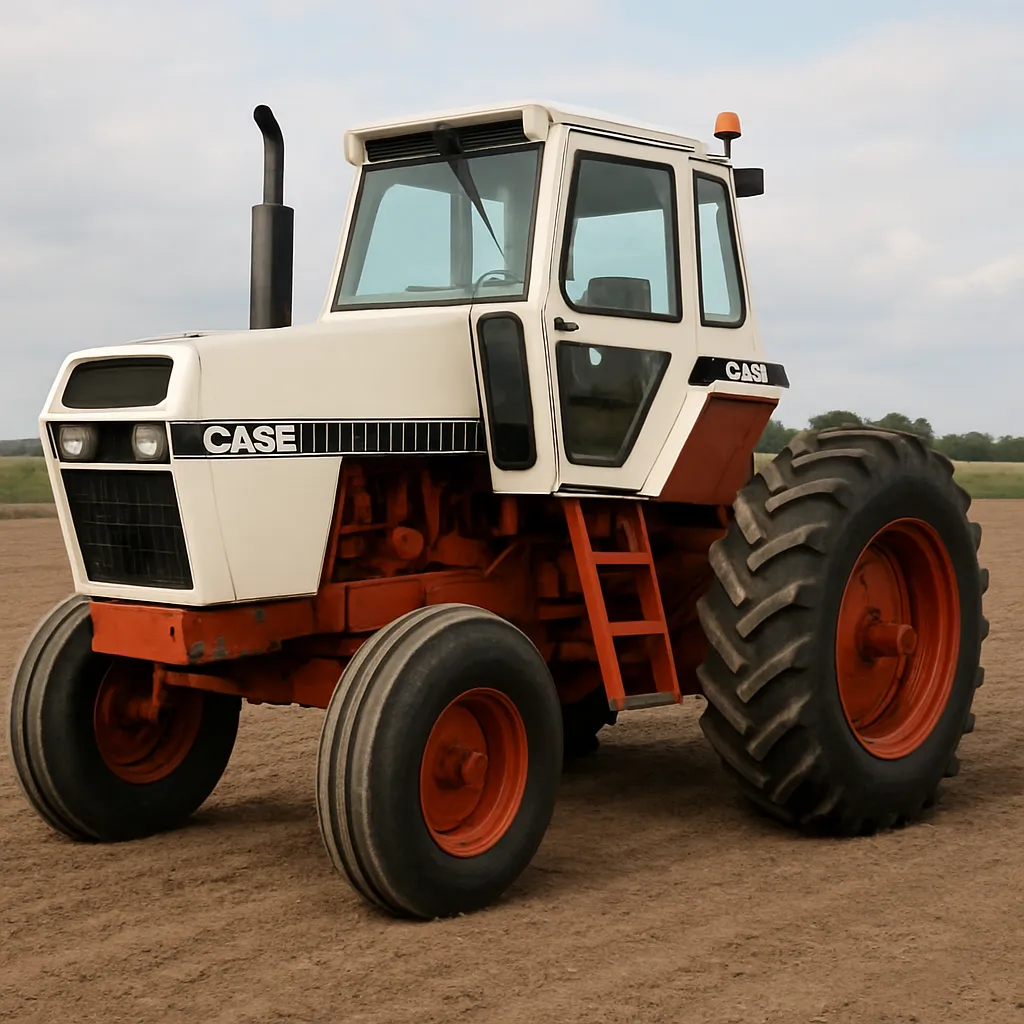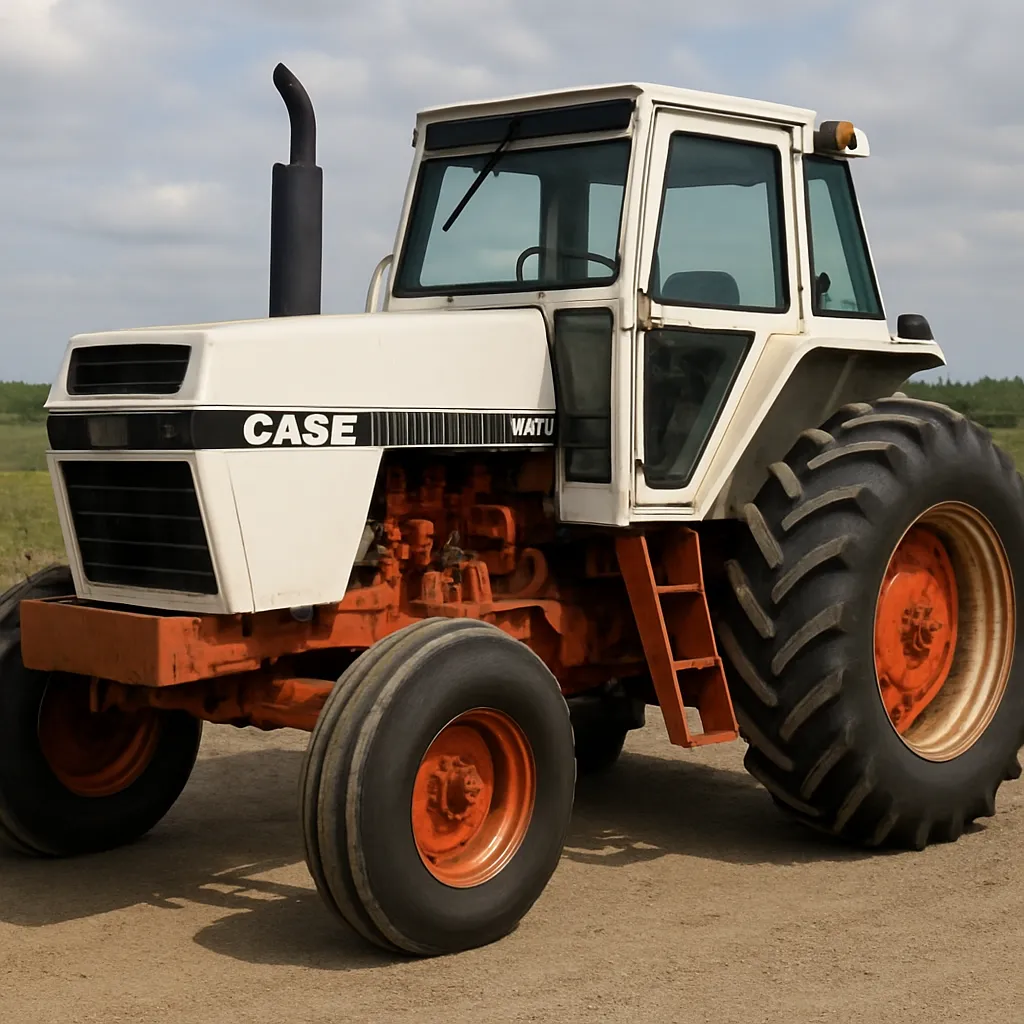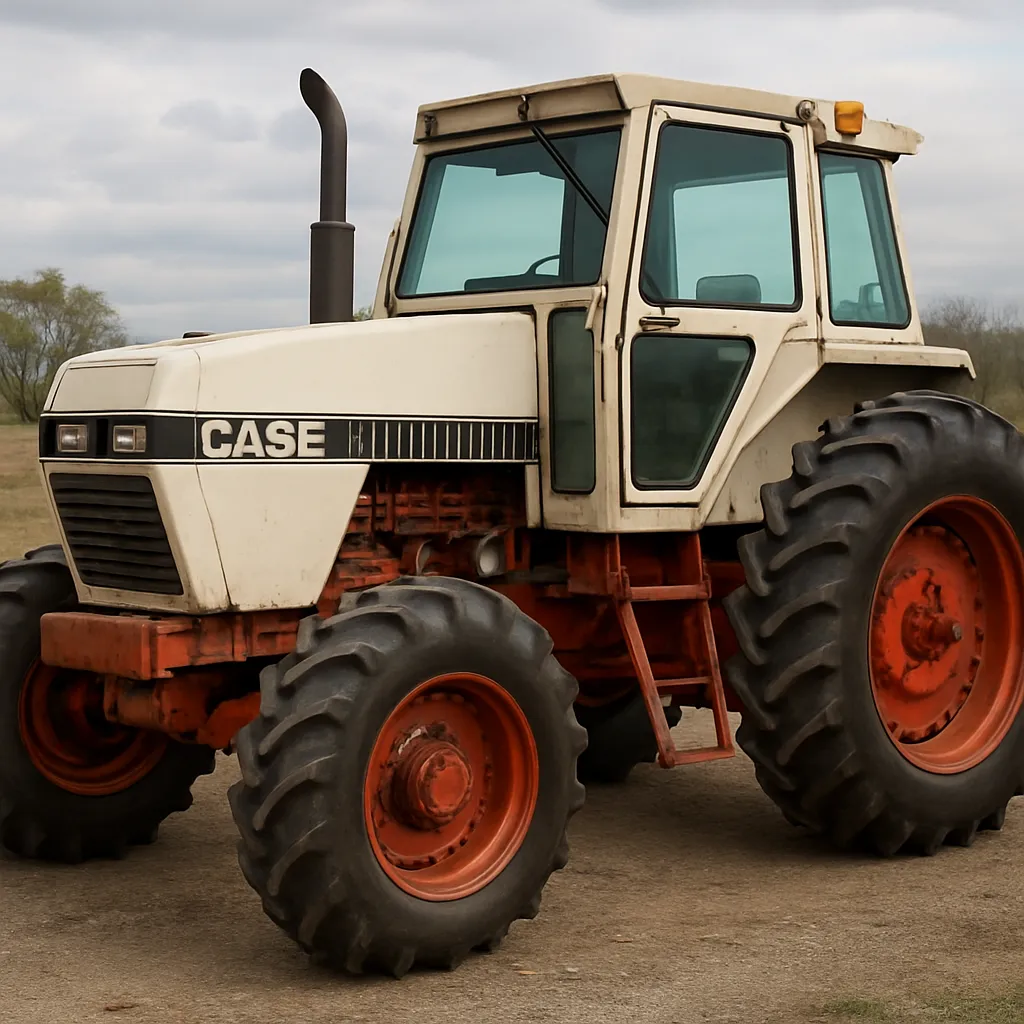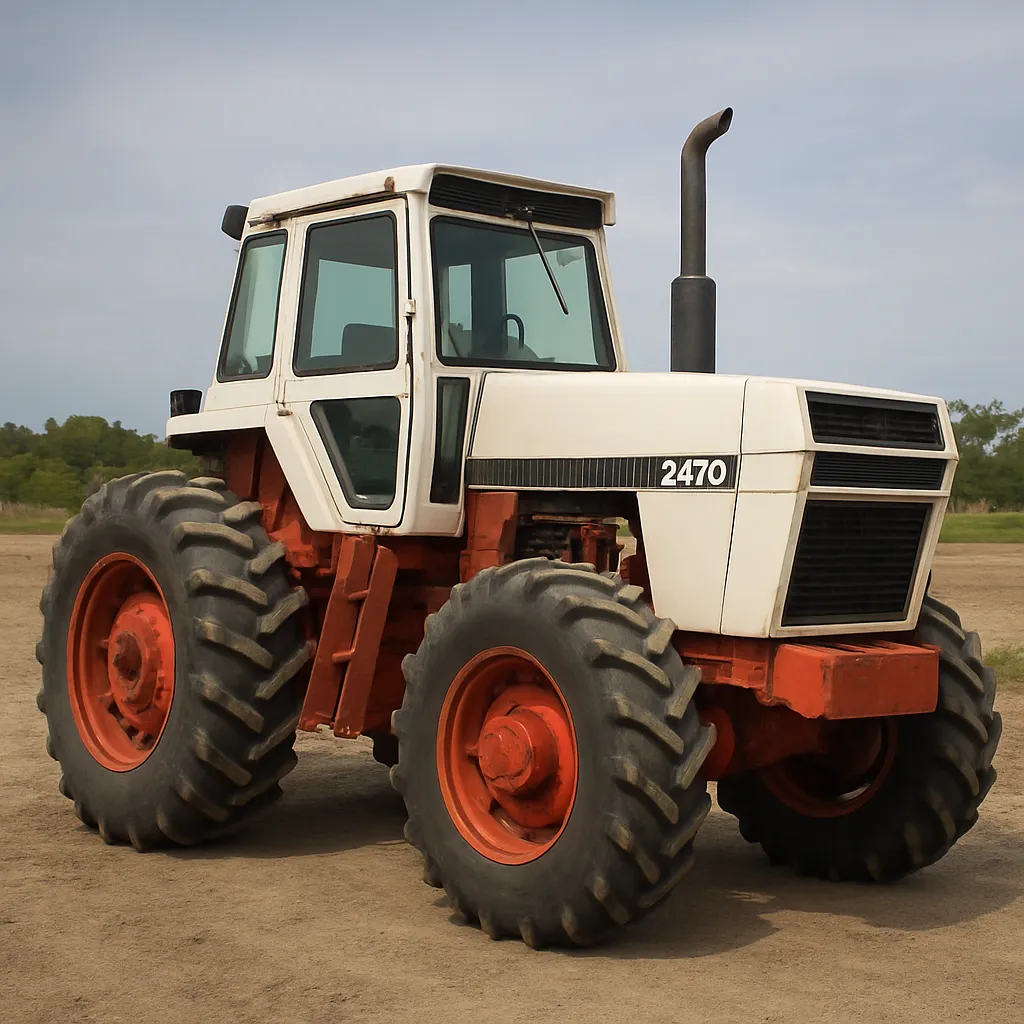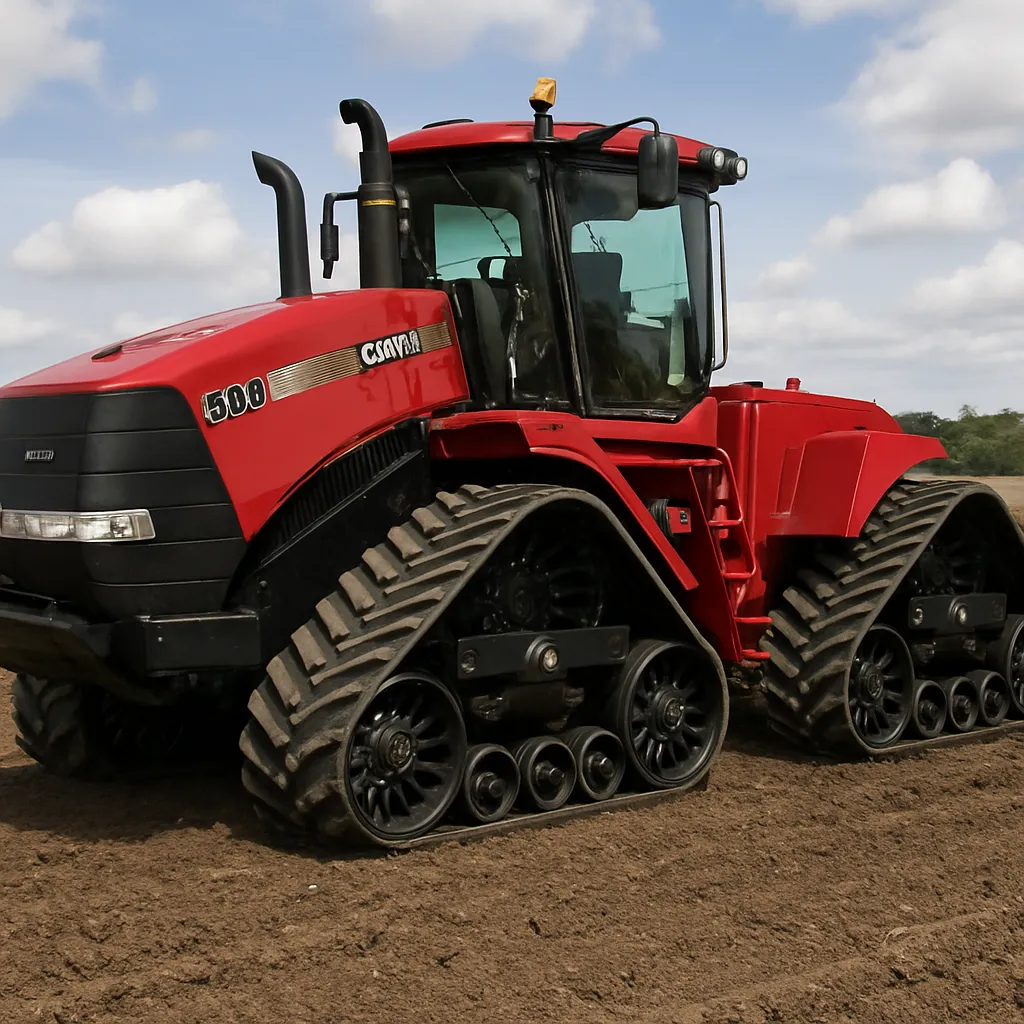
The Case IH Quadtrac 580 is a flagship, high-horsepower tracked tractor designed for demanding, large-scale agricultural operations. Combining advanced engineering, comfortable operator environment, and technologies intended to maximize field efficiency and minimize soil compaction, this model is targeted at broad-acre farmers and contractors who require dependable power and traction in all soil conditions. The following article explores the Quadtrac 580 in detail: its design philosophy, typical applications, technical highlights, operational advantages and considerations, plus practical and statistical context where available.
Overview and design philosophy
The Case IH Quadtrac family represents a distinctive approach to high-horsepower tractors: four independent, synchronized tracks instead of conventional wheels or a rigid two-track layout. The Quadtrac 580 embodies this approach at the upper end of the power spectrum, delivering roughly 580 engine horsepower in configurations tailored for long duty cycles and heavy implements.
The principal design objectives behind the Quadtrac concept are improved traction, reduced soil compaction, enhanced maneuverability for very large implements, and consistent performance across variable field conditions. Each track assembly is mounted on an independent suspension system that allows the track to maintain ground contact even on undulating terrain, which provides higher tractive efficiency and smoother ride quality compared to traditional single-track or wheeled tractors.
Key design features include:
- Four independent, rubber track units placed at the four corners of the chassis, designed to reduce ground pressure and improve flotation.
- High-displacement agricultural diesel engines conforming to modern emissions regulations (Stage IV / Tier 4 Final for many recent production years).
- Advanced cab ergonomics and operator controls, often inclusive of integrated precision farming technologies.
- Robust driveline components and hydraulics built to handle large tillage tools, planters, and seeders used on broad-acre farms.
Typical applications and operational roles
The Quadtrac 580 is primarily used where horsepower and traction must be translated into productive field work across large hectareages. Typical applications include:
- Primary tillage: moldboard plows, chisel plows, heavy disk harrows and other implements requiring sustained draft power.
- Deep ripping and subsoiling on large fields, where high draft forces and consistent traction prevent slippage and improve implement depth control.
- Large-scale seeding and planting: towing and powering multi-row planters and air seeders over broad acreages where stable drawbar power optimizes seeding accuracy.
- Specialty transport and heavy trailer work on farms and for contractors—ability to tow heavy loads in soft or wet fields where wheeled tractors would bog down.
- Cover crop and conservation-tillage systems where minimizing soil compaction is desirable to preserve soil structure and water infiltration.
Contractors and professional operators also favor the Quadtrac 580 for long-season reliability and the capacity to handle a variety of tasks without sacrificing traction or inducing excessive soil compaction. In many regions, a single Quadtrac 580 can replace multiple wheeled machines by offering broader implement compatibility and higher per-hour productivity.
Technical highlights and specifications (typical)
Below are the broad technical areas where the Quadtrac 580 stands out. Precise values can vary based on model year, optional packages and regional specifications, but the following provides a representative snapshot.
Engine and powertrain
- Engine output: nominally around 580 horsepower (manufacturer-rated maximum engine power). This places the tractor in the high-power segment suitable for heavy draft applications.
- Engine technology: modern fuel-injected diesel engines designed to meet contemporary emissions standards, often using after-treatment systems to comply with Stage IV / Tier 4 Final regulations.
- Drivetrain: heavy-duty transmission and final drives optimized for track use, with gear ranges and torque converters selected to deliver consistent ground speed and tractive effort. Transmission options and control systems are designed to match field speed requirements of large tillage and seeding implements.
Tracks and undercarriage
- The Quadtrac system uses four wide rubber tracks that distribute machine weight over a large surface area, significantly reducing ground pressure compared to equivalently powered wheeled tractors.
- Independent bogie suspensions for each track allow continuous ground contact across uneven terrain, enhancing traction and operator comfort.
- Track widths and belt treads are offered in various configurations to match soil types and reduce wear; many operators select wider tracks for soft or wet soils to maximize flotation.
Hydraulics, PTO and hitch
- High-capacity hydraulic systems are standard to support modern planters, airseeders, and hydraulic manifold-based implements.
- PTO and rear hitch ratings are built to handle heavy-duty implements; hydraulic and electronic controls often allow for precise depth and draft control when paired with compatible implements.
- ISOBUS compatibility is common, enabling the tractor to communicate with a wide range of implements for real-time control and data exchange.
Cab, electronics and precision agriculture
- Comfort-oriented cab with air conditioning, suspension seat options, and sound insulation to support long operating days.
- Integrated precision-farming packages including auto-steering (such as AFS AccuGuide in Case IH terminology), telematics and data logging systems (Case IH AFS Connect or similar), and advanced displays for implement control.
- Operator aids such as cruise control, automated traction management, and on-the-go implement adjustments are commonly available to increase consistency and reduce operator fatigue.
Performance characteristics and advantages
The Quadtrac 580 brings several measurable advantages to operations where large-scale fieldwork is routine:
- Superior traction and reduced slippage — The four-track layout converts more engine torque into forward motion, particularly on uneven or soft ground, which improves fuel efficiency per hectare under heavy draft conditions.
- Lower ground pressure and improved flotation — The distributed weight reduces compaction risk relative to large wheeled tractors. This can have agronomic benefits, including better root development and improved water infiltration over time.
- Stability with large implements — The Quadtrac’s footprint stabilizes long toolbar setups and large planters, improving depth control and seed placement consistency.
- High productivity per hour — Operators often report higher effective hectares per hour for comparable tasks versus wheeled equivalents, especially when traction-limited conditions would otherwise reduce speed.
Maintenance, operating costs and practical considerations
While the operational benefits are significant, there are also practical considerations that affect total cost of ownership and day-to-day logistics:
- Initial capital cost — High-horsepower tracked tractors like the Quadtrac 580 command a premium purchase price relative to smaller wheeled tractors. They are often justified on large farms or by contractors through higher productivity and versatility.
- Track wear and replacement — Rubber tracks and undercarriage components can be a major maintenance cost. Track life depends heavily on operating conditions, field surface abrasiveness, and transport distance on hard surfaces.
- Transport and road travel — Tracked machines generally have lower maximum road speeds and may require special permits or transport equipment for long-distance moves. Operators may use transporters to move between distant fields or job sites.
- Service network and parts — Access to dealer support, parts availability and trained technicians is important for maximizing uptime on expensive machines.
- Fuel consumption — Fuel use varies with the task: high-draft tillage and seeding at depth will consume significantly more fuel than light transport or light cultivation. Efficiency per hectare, however, is often better when comparing completed work due to reduced slippage and higher operational speeds in traction-limited conditions.
Practical tips for operators
Maximizing value from a Quadtrac 580 requires attention to both operating best practices and preventive maintenance:
- Match track width and tread pattern to dominant soil types to balance flotation and traction with track longevity.
- Minimize transport on hard surfaces to prolong track life; consider dedicated transport trailers for long moves.
- Use precision guidance and implement control systems to reduce overlaps and optimize field pass planning, thereby increasing effective productivity and saving inputs.
- Monitor hydraulic and engine fluid conditions closely; heavy-duty operation generates high thermal loads that must be managed.
- Engage dealer-supported service programs for scheduled maintenance intervals and software updates to the control systems.
Economic and environmental context
From an economic standpoint, the Quadtrac 580 is a strategic investment: it is most cost-effective on farms or contracting operations with large annual hectareage where its capacity reduces the number of passes, shortens the field season, and can be used across multiple tasks. While the acquisition cost is high, the cost-per-hectare can be attractive once utilization reaches a level where the tractor’s capabilities are fully exploited.
On the environmental side, benefits come mainly from reduced soil compaction and the ability to perform field operations under conditions that would stress wheeled machinery and potentially require repeat passes. Reduced compaction can increase long-term soil health and productivity, improving water infiltration and root growth. This makes tracked machines a popular choice in regions where soil structure preservation is a priority.
Comparisons and market position
The Quadtrac 580 competes in the market segment of high-horsepower tracked tractors against offerings from other major agricultural manufacturers. Its differentiators include the four independent track configuration, Case IH’s integrated precision-farming ecosystem, and the reputation for high-draft capacity. Buyers typically compare total lifecycle costs, implement compatibility, dealer support and the available precision agriculture toolsets when deciding between manufacturers.
Statistics and usage indicators (indicative figures)
Exact figures vary by configuration and region, but the following are representative ranges and indicators commonly cited for tractors in this class:
- Engine power: approximately 580 horsepower (manufacturer rating).
- Operating weight: often in the range of 16,000–20,000 kg depending on ballast, track configuration, and options—this is a broad range reflecting different setups.
- Typical fuel consumption: highly task-dependent; operators often report ranges from roughly 15–45 liters per hour depending on load, with peak draft operations at the higher end. Per-hectare fuel efficiency can be favorable when greater field speed and lower slip are realized.
- Ground pressure: significantly reduced versus comparable wheeled tractors; actual ground contact pressure can be a fraction of wheeled equivalents, with measured values depending on track width and ballast (operators often quote major reductions in compaction risk rather than a single metric).
- Adoption: popular among large-scale arable producers and contractors in North America, Australia and parts of Europe where broad-acre cropping dominates; exact market share varies by region and year.
Notable accessory and technology integrations
The Quadtrac 580 is often equipped with advanced accessories and technology that enhance its utility and productivity:
- Precision guidance systems (auto-steer) for reduced overlap and fatigue-free long-hour operations.
- Telematics and remote diagnostics allowing fleet managers to monitor machine health, location and field performance in near real-time.
- ISOBUS and implement control enabling seamless communication between tractor and modern implements, improving operational coherence and data logging for agronomy records.
- Optional heavy-duty drawbar and hydraulics to support specialized contractor implements such as deep ripper bars and large disk cultivators.
Operator experience and ergonomics
Case IH emphasizes operator comfort and intuitive controls in the Quadtrac cab. Long shifts in large-scale operations require seating comfort, noise reduction and clear, integrated displays for implement and guidance systems. Typical cab features include climate control, adjustable seating with armrests and control consoles, and a central display integrating GPS guidance, engine and implement data. These features contribute to precision of operations while reducing operator fatigue and enhancing consistent field performance.
Concluding perspective
The Case IH Quadtrac 580 represents a high-capacity, specialized solution for operators who need sustained draft power, superior traction and reduced soil compaction on large fields. Its four-track configuration and modern electronics make it a compelling choice for broad-acre farming and contracting where productivity per hour and long-term soil health matter. While acquisition and maintenance costs are higher than smaller wheeled machines, the Quadtrac 580’s capacity to increase effective field throughput, maintain stable implement control, and reduce traction-related losses often justify the investment for high-utilization operations.
Key strengths: high tractive efficiency, reduced ground pressure, integrated precision tools, and suitability for heavy draft and large-implement work.
Key considerations: capital cost, track wear and replacement, transport logistics, and the need for robust dealer/service support to maintain uptime.
For large-scale operators and contractors seeking a reliable, powerful platform capable of handling the most demanding field tasks, the Quadtrac 580 is a technology-forward option that balances raw power with measures designed to protect soil health and improve operational efficiency.