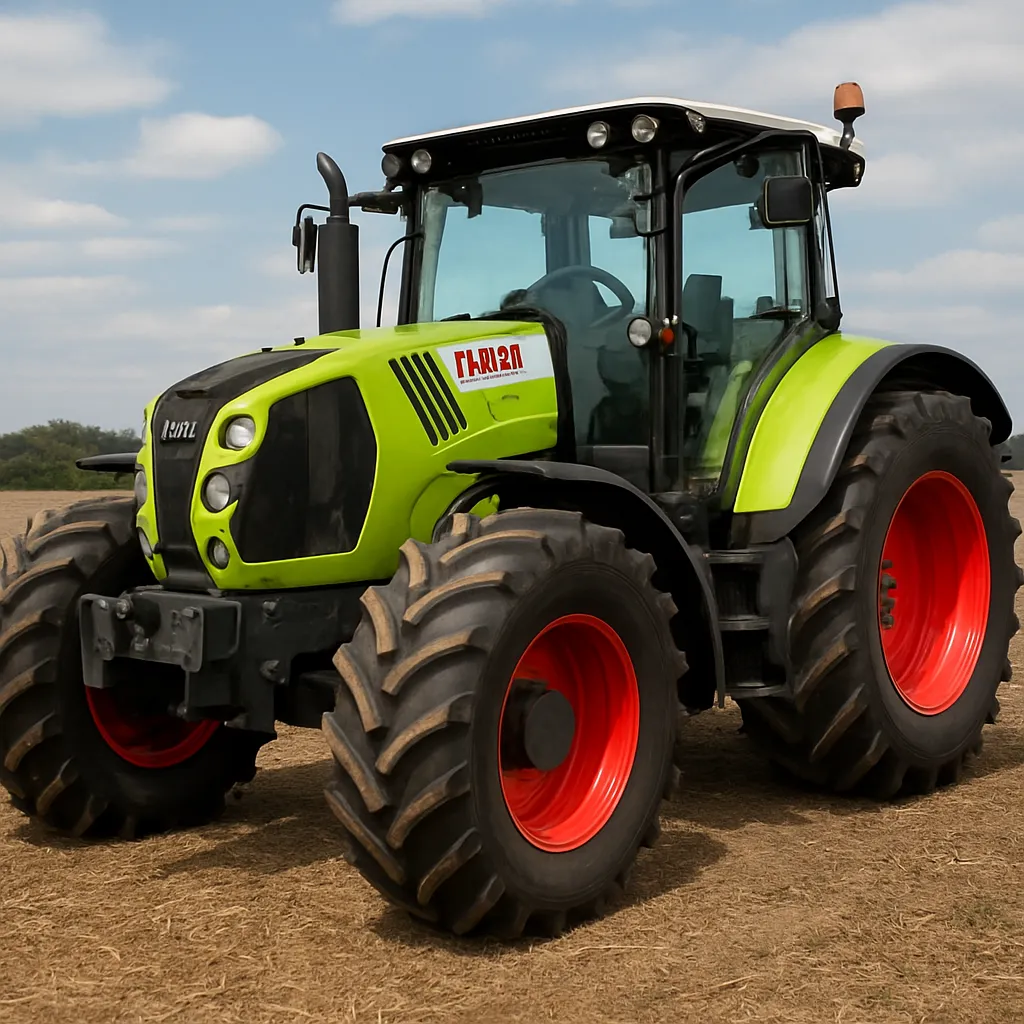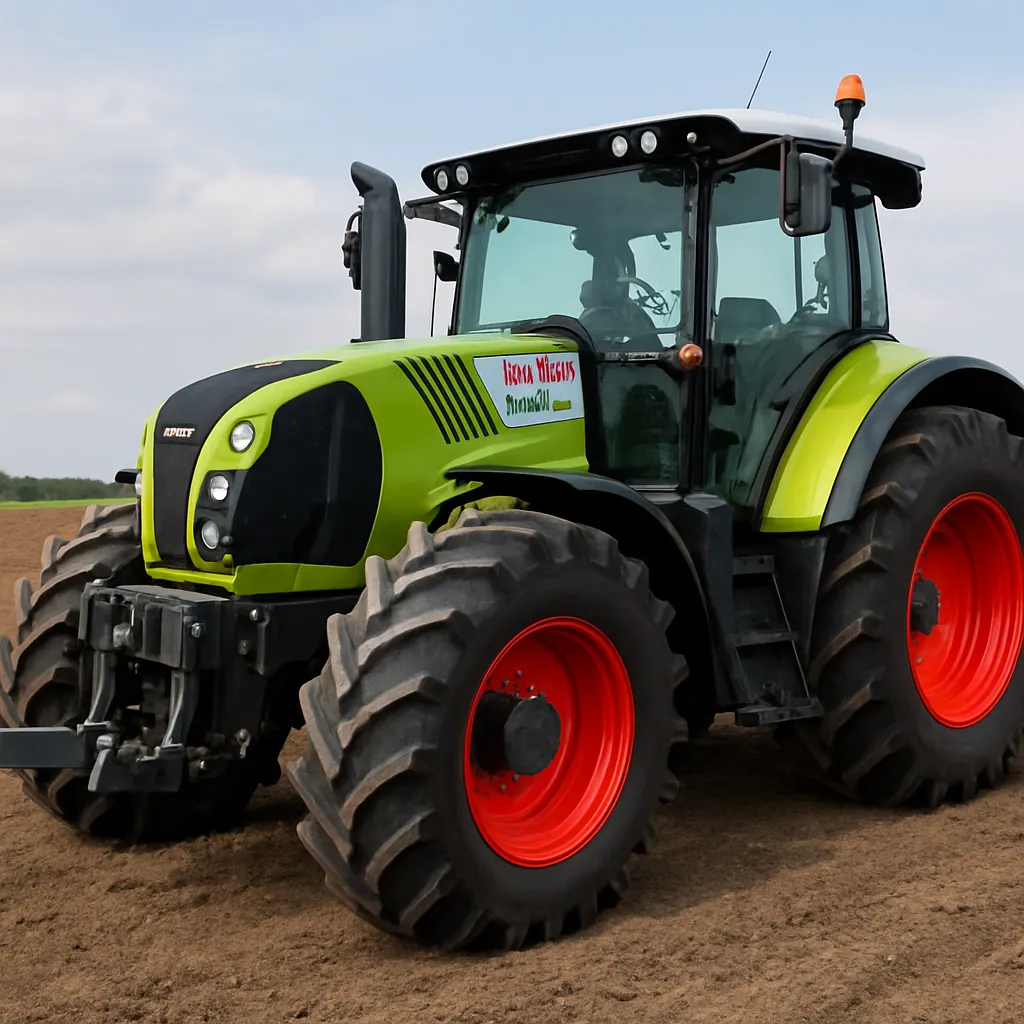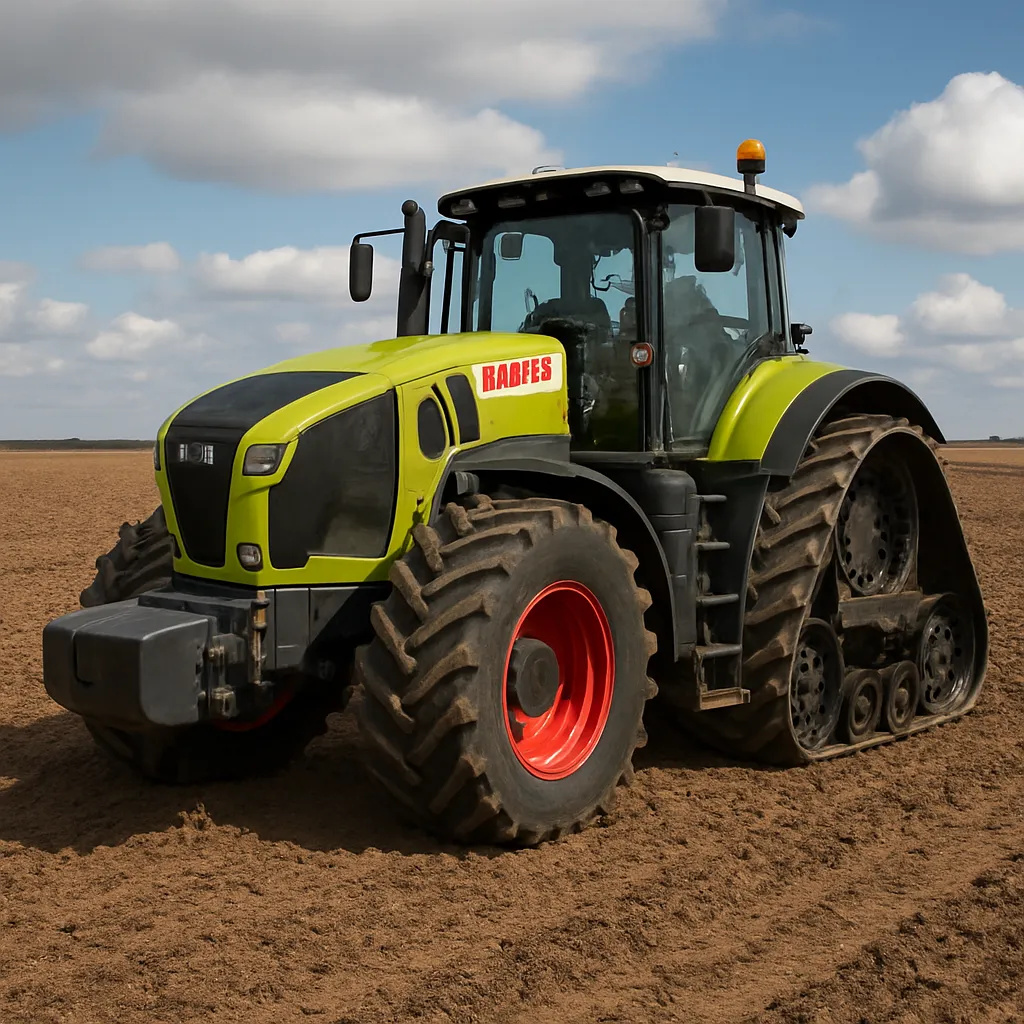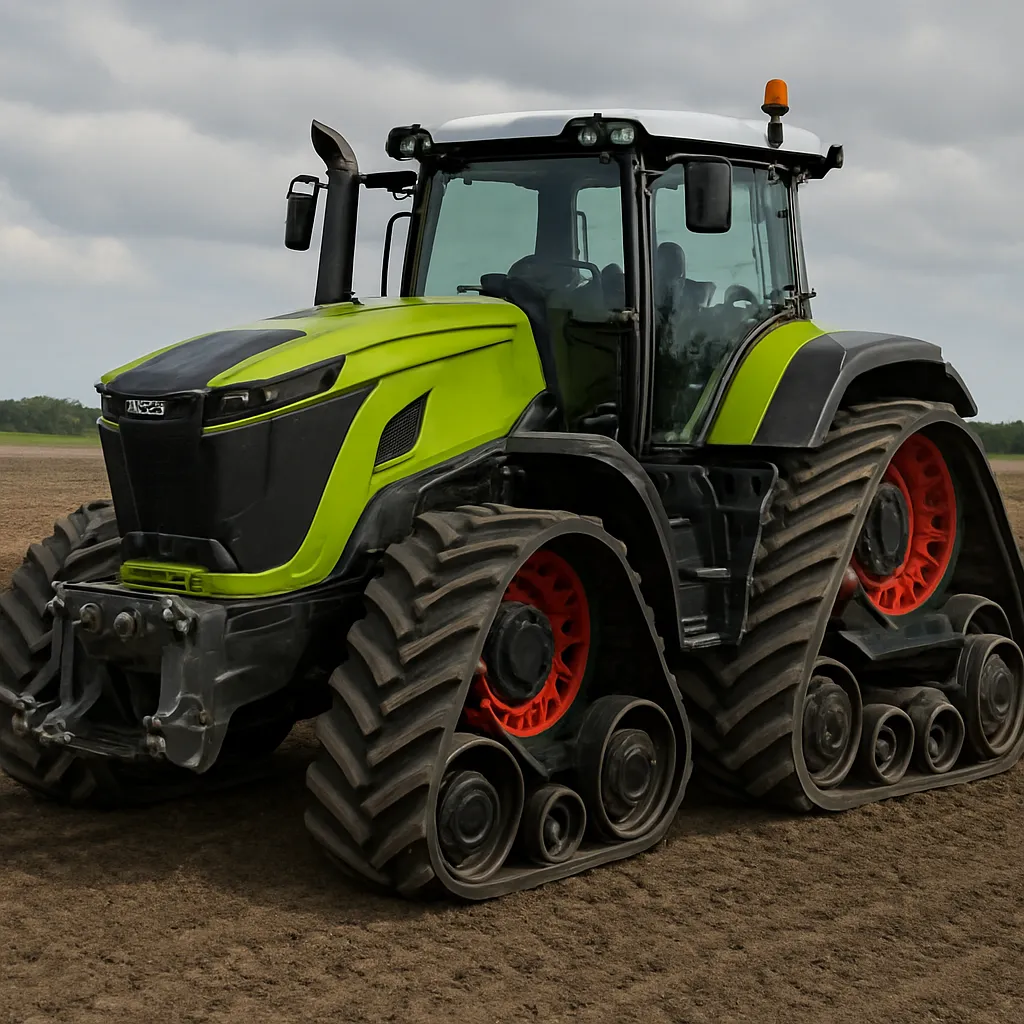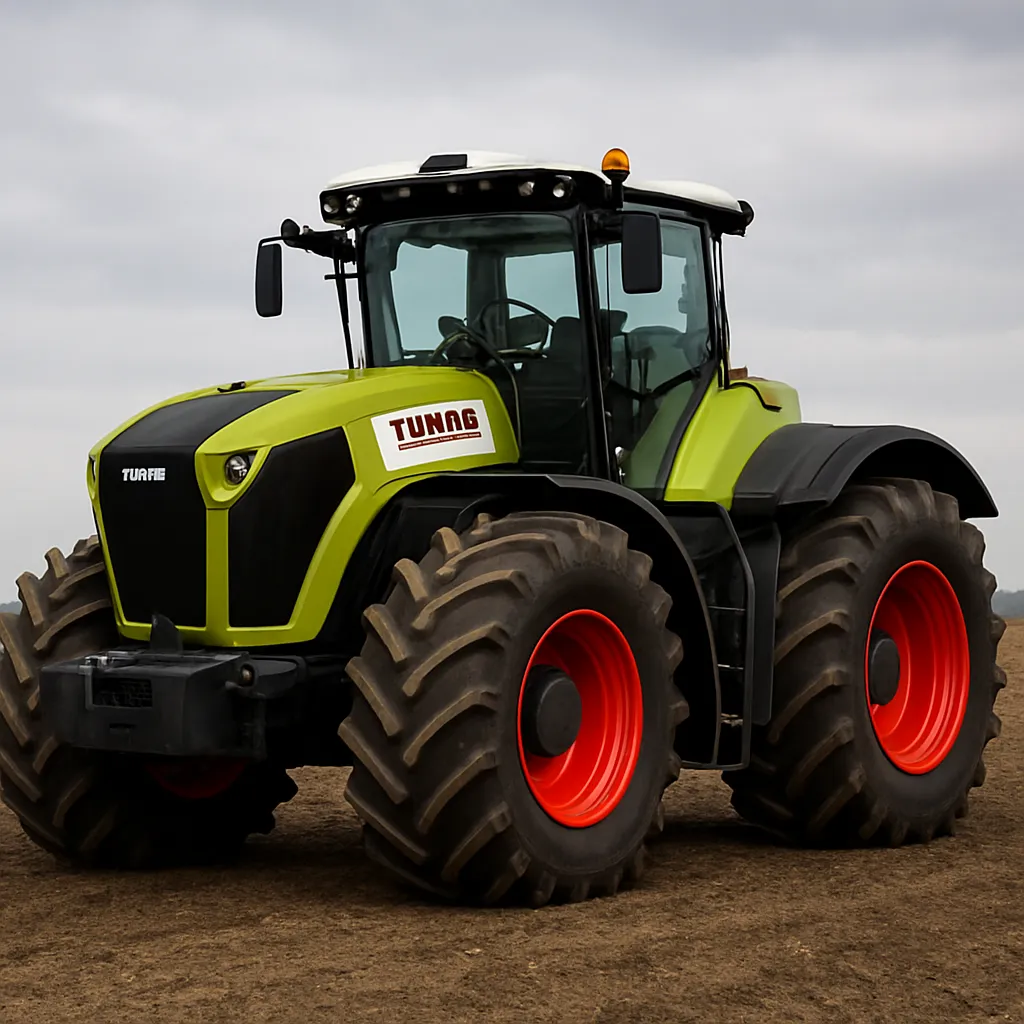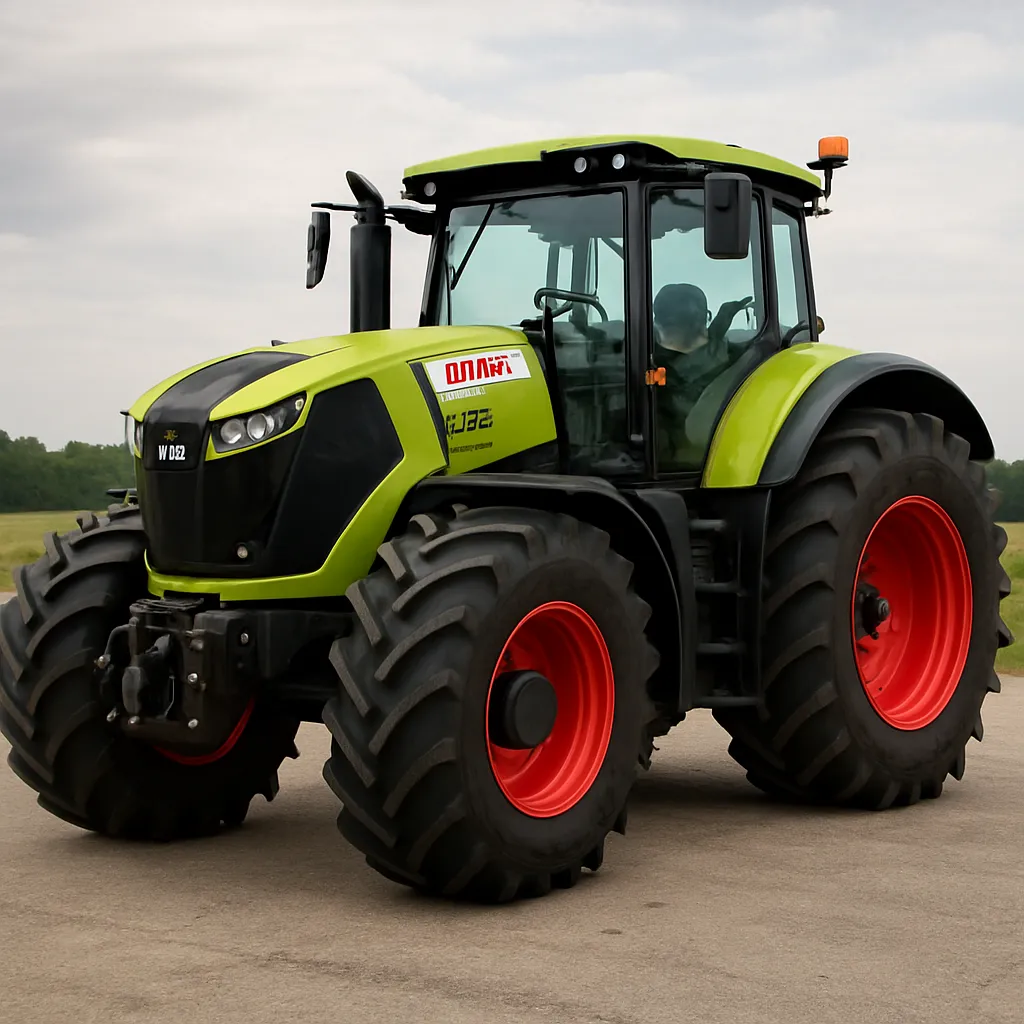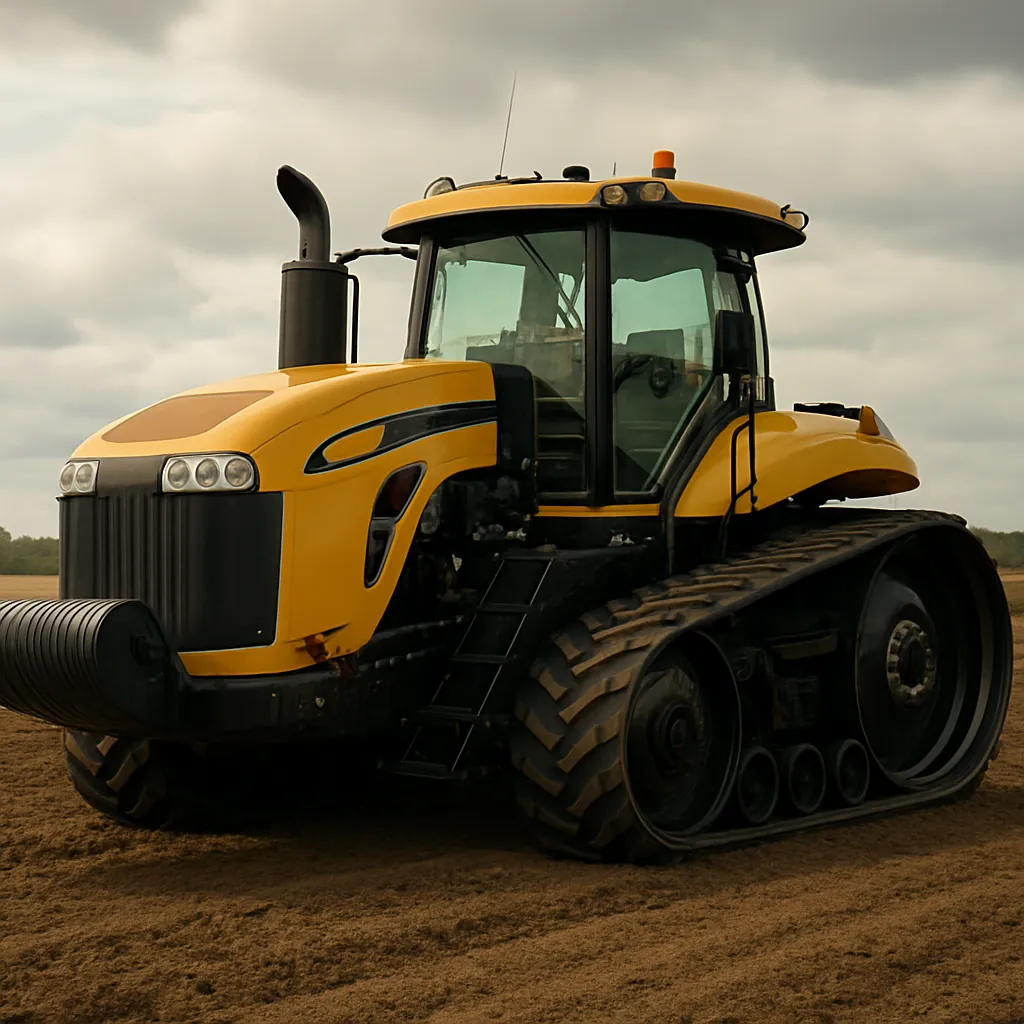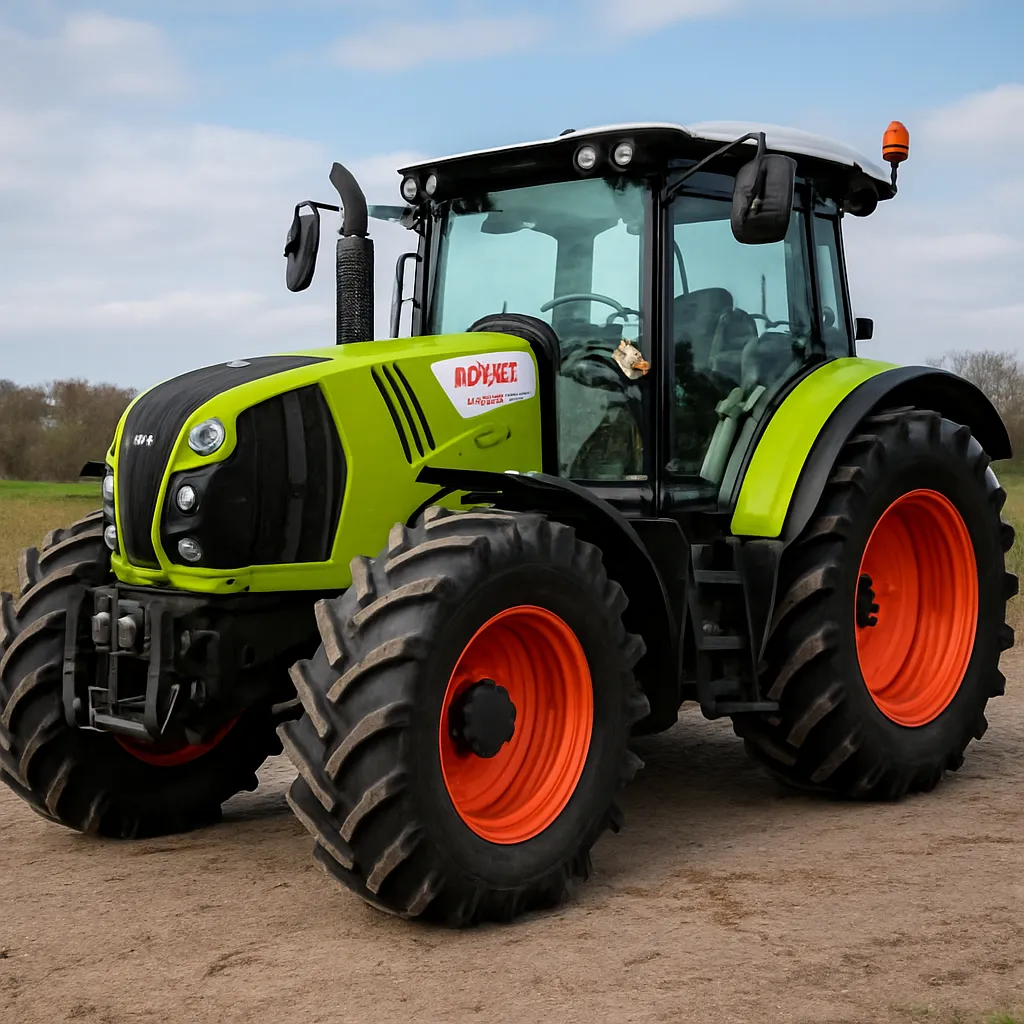
The Claas Arion 650 Cebis is a mid-size agricultural tractor that combines user-focused ergonomics with modern electronics and reliable mechanical design. Designed for mixed farms and contractors who need a machine that can perform a wide range of tasks—from soil cultivation and seeding to loader work and transport—the Arion 650 balances power, comfort and connectivity. This article reviews the tractor’s key features, typical applications, technological highlights, and practical considerations for owners and operators, providing an in-depth look at why this model remains a popular choice in many agricultural markets.
Design, Powertrain and Mechanical Features
The overall architecture of the Arion 650 follows a modular approach intended to offer robust, serviceable mechanics while integrating contemporary electronics. Claas engineered this model to fit the needs of farmers who require dependable performance without the complexity of larger, more specialized tractors.
Engine and emissions
The Arion 650 is equipped with a diesel engine tuned for a balance of torque and fuel efficiency. Exact figures vary by production year and regional configuration, but the model typically falls into the mid-100s to mid-160s horsepower class. Modern variants are certified to meet current emission standards using exhaust after-treatment systems common in agricultural machinery, such as selective catalytic reduction (SCR) and particulate filtration. These systems reduce NOx and particulate emissions while helping maintain fuel efficiency under load.
Transmission and driveline
Claas offers the Arion range with transmission choices aimed at tailoring drivability to the task: options include multi-speed synchronized gears and more advanced powershift or continuously variable-style transmissions in certain trims. The driveline layout emphasizes low RPM torque delivery for fieldwork, with road speeds suitable for transport tasks. Standard features often include four-wheel drive, differential locks, and options for creeper ranges for specialist operations.
Hydraulics, PTO and lifting
Hydraulic capacity on the Arion 650 is sized for heavy implement control and efficient loader operation. Typical setups provide enough flow and control valves to manage front loaders, seed drills, hydraulic motors and modern implements. The rear linkage and hitching system are designed for high lift capacities within the class, enabling operations with large seeders, cultivators and bale handling equipment. PTO arrangements commonly include 540 / economy 540E and 1000 rpm options to match a wide variety of implements.
Cab, Controls and Electronics
Operator comfort and intuitive machine control are defining aspects of the Arion 650 Cebis specification. The Cebis system, the tractor’s on-board information and control suite, places emphasis on simplified workflows and integration with precision farming tools.
Cebis terminal and user interface
The Cebis terminal provides centralized control of major tractor functions through a graphical display. Designed for ease of use, it allows the operator to monitor engine parameters, hydraulic settings, implement controls, and working speeds. In many configurations the system supports programmable sequences for repetitive tasks, reducing operator fatigue and improving daily productivity.
Comfort and ergonomics
Claas focused on an ergonomic cab with excellent sightlines and low interior noise. Adjustable seating, climate control, and an intuitive right-hand control cluster are standard on many versions. Visibility to the loader and three-dimensional awareness of rear-mounted implements help when performing complex manoeuvres. These features are intended to maximize productivity across long working days.
Connectivity and precision agriculture
The Arion 650 Cebis is compatible with modern precision farming tools, often including ISOBUS implement control, optional factory-fitted guidance systems and compatibility with telematics for fleet monitoring. Many owners equip the tractor with automated steering and section control, which can significantly reduce overlap in field operations and save on inputs. Remote diagnostics and data logging via Claas’ telematics services enable fleet managers and service technicians to optimize uptime and maintenance scheduling.
Applications and Field Performance
The Arion 650 is positioned for a broad set of agricultural applications. Its combination of power, hydraulic capacity and cab comfort makes it a strong all-round performer for farms that need one machine to cover several roles.
- Arable farming: Soil preparation, cultivations and seeding are core uses. The tractor’s torque characteristics and lifting capacity allow efficient work with medium to large tillage implements.
- Forage and livestock operations: Loader work, bale handling and mowing or tedding can be handled effectively. The responsive hydraulics and optional front linkage make tasks around the yard quicker.
- Contracting and mixed farms: When flexibility between transport, field work and loader duties is required, the Arion 650 provides a balance of speed and tractive ability.
- Municipal and seasonal tasks: Road transport, snow clearing (with appropriate equipment), and other municipal tasks are feasible thanks to decent road speed, steering, and visibility.
Field tests and operator reports commonly highlight the tractor’s stable traction, measured fuel use under typical loads, and low-vibration cab environment. For many users, the ability to switch quickly from field tasks to loader work adds significant value.
Economics, Maintenance and Ownership Considerations
Owning and operating a mid-size tractor like the Arion 650 comes with predictable costs and benefits. Claas designed the model to be serviceable with widely available parts and to offer respectable resale value where Claas brand presence is strong.
Fuel efficiency and operating costs
Real-world fuel consumption depends on task intensity, terrain and operator technique. Under moderate field loads, many operators report fuel consumption rates that are competitive within the class. As with all diesel tractors, optimizing PTO and gear selection, maintaining proper tyre pressures and using correct hydraulics settings are key levers to manage fuel use.
Maintenance and service intervals
Routine maintenance items include oil and filter changes, air filter servicing, hydraulic system checks and fuel system maintenance. Claas provides service schedules and offers extended maintenance packages in some markets. The modular design aims to reduce downtime through accessible service points and clear diagnostics via the Cebis or telematics systems.
Resale value and depreciation
Claas tractors typically retain value reasonably well in regions where the brand is established. Depreciation depends on hours of use, maintenance history and local demand for mid-size tractors. Well-maintained Arion 650 machines with documented service records and telematic histories often command higher resale prices.
Variants, Options and Market Reception
The Arion 650 has been offered with several option packages and equipment choices to meet differing customer needs. Tractor configuration can include diverse transmission types, cab packages, hydraulic flow upgrades and front-end loader options. Dealers commonly offer tailored packages for crop-specific operations or contractor-level usage.
Typical options
- Advanced transmission choices for smoother road transport or precision field control.
- Higher-spec hydraulic systems and additional remote valves for complex implements.
- ISOBUS and guidance systems for precision seeding, spraying and nutrient management.
- Cab comfort upgrades and LED work lighting packages for extended work hours.
Market reception for the Arion 650 has generally praised the tractor for its operator-focused design and the versatility it provides. Farmers and contractors value the combination of mechanical robustness and modern control systems, particularly the integration enabled by the Cebis terminal and compatibility with precision-farming accessories.
Performance Data and Practical Numbers
Exact performance numbers vary by year and specification, but practical working figures that owners report include:
- Rated engine power typically in the mid-range suitable for 120–170 horsepower-class tasks, depending on market spec and tuning.
- Rear linkage lift capacities commonly sized to lift medium and large implements safely; typical values for similar machines in class are several tonnes, enabling wide seeders and cultivators.
- Hydraulic flow rates configured to support front loaders and multiple remote functions—standard setups for machines in this class often range around 80–120 liters per minute with optional high-flow systems available.
- Transport speed options up to legal limits in many regions (often around 40 km/h) which helps contracting work and transport between fields.
- Fuel consumption under typical loads varies widely; users report figures that are competitive for the class when the tractor is used in its most efficient engine management band and with correct gear selection.
Because factory specifications and optional equipment strongly influence these numbers, interested buyers should consult the local Claas dealer for precise data for any particular Arion 650 unit.
Practical Tips for Owners and Operators
To get the most from an Arion 650 Cebis, consider the following operational tips:
- Use the transmission and engine management features to keep the engine in its most efficient RPM band during field work.
- Calibrate implement hydraulics and use the Cebis presets for repeatable, efficient implement control.
- Adopt precision guidance and implement section control where feasible to reduce overlaps and input waste—this enhances both environmental and economic performance.
- Maintain regular service intervals and keep records—good documentation supports resale value and helps diagnose issues via telematics.
- Train operators on the Cebis interface and programmable sequences to minimize human error and improve daily output.
Summary and Outlook
The Claas Arion 650 Cebis fulfills the role of a flexible, efficient mid-size tractor suitable for a wide swath of agricultural tasks. With a focus on operator comfort, modular mechanical design and electronic integration via the Cebis system, it is well suited to mixed farms and contractors who need a reliable all-rounder. The machine’s strengths include its adaptability, comfortable cab environment and the ability to integrate with modern precision agriculture tools. For potential purchasers, the exact specification and optional equipment packages will determine the tractor’s ultimate performance envelope, so careful selection and consultation with a local dealer are recommended to match machine features to farm needs.