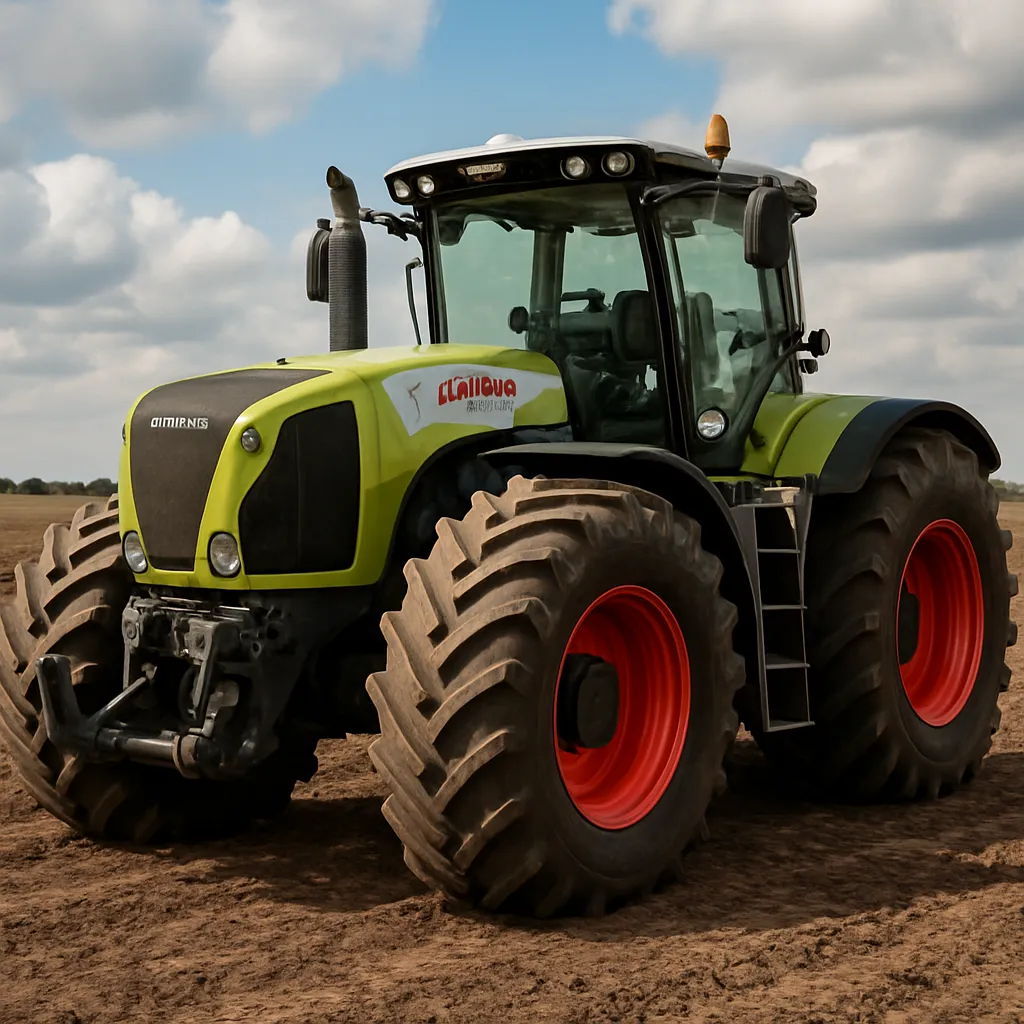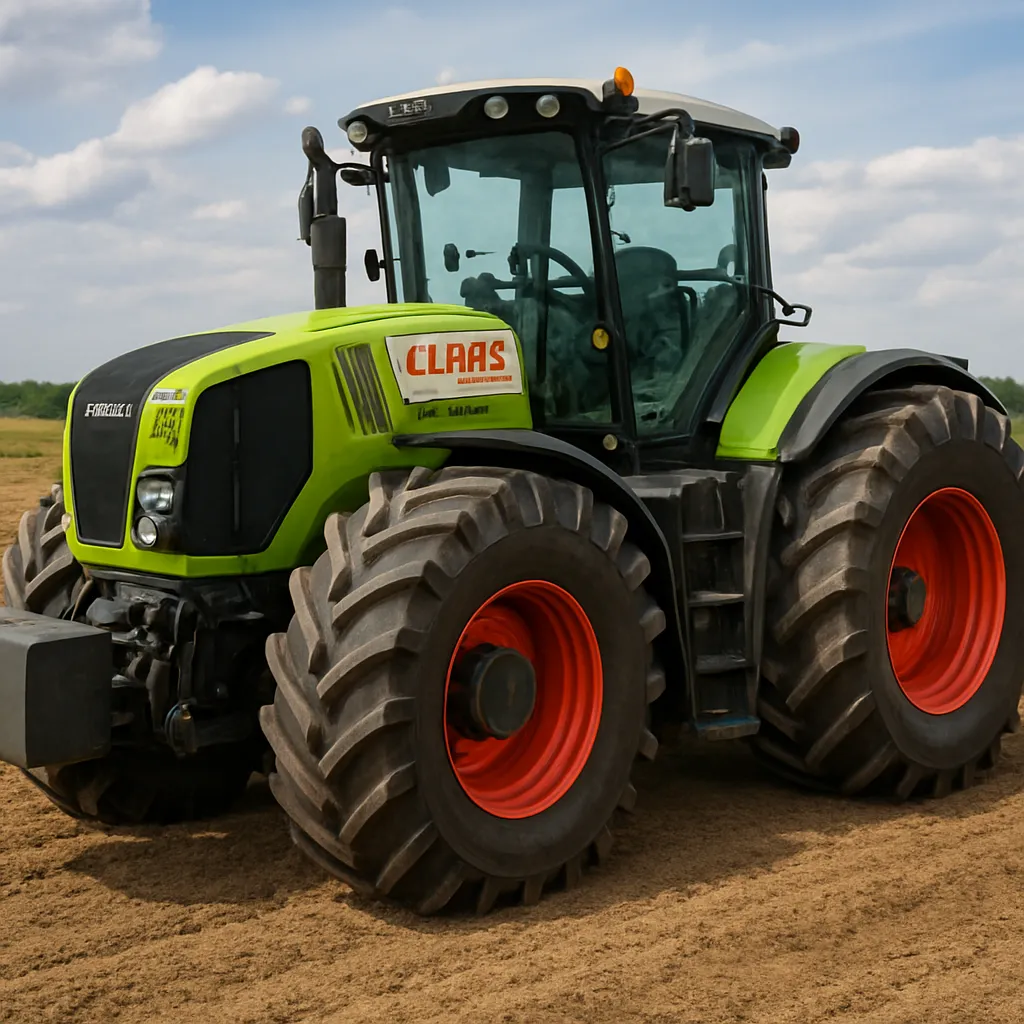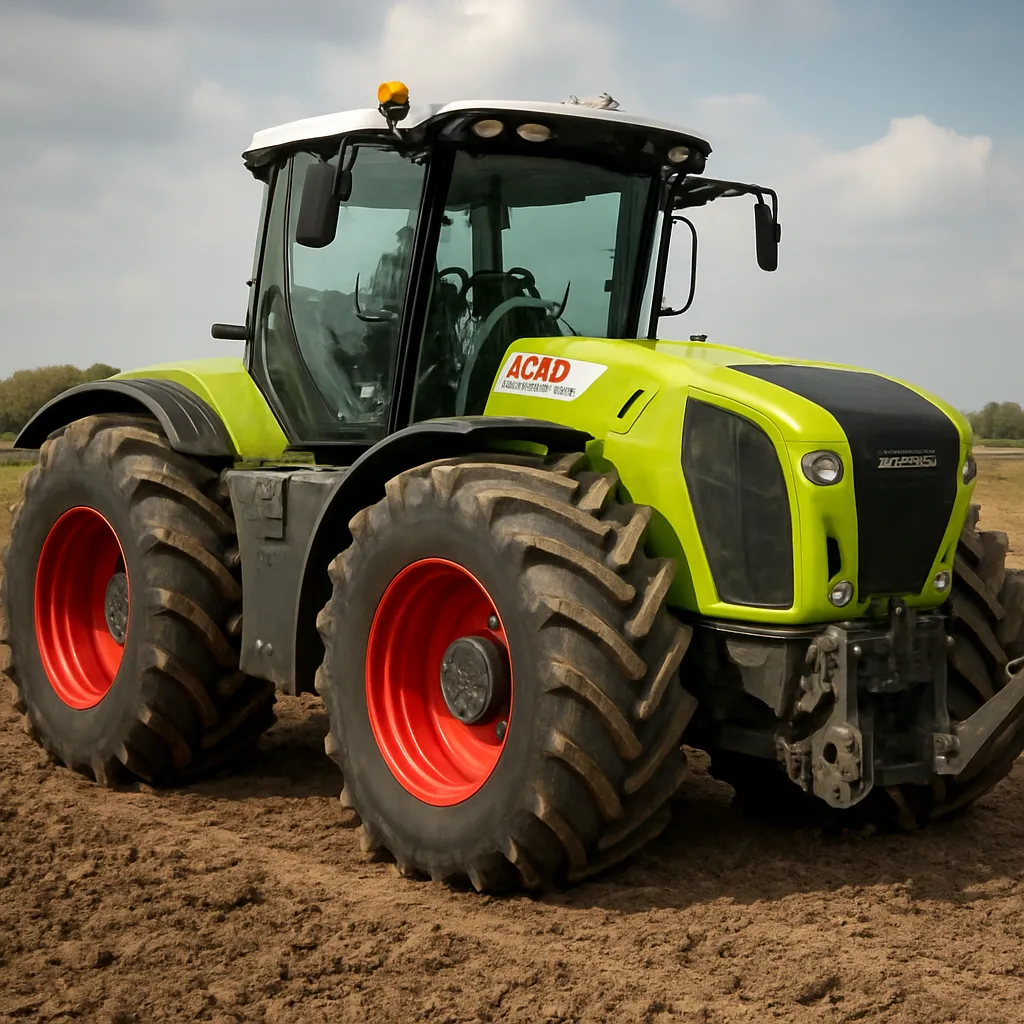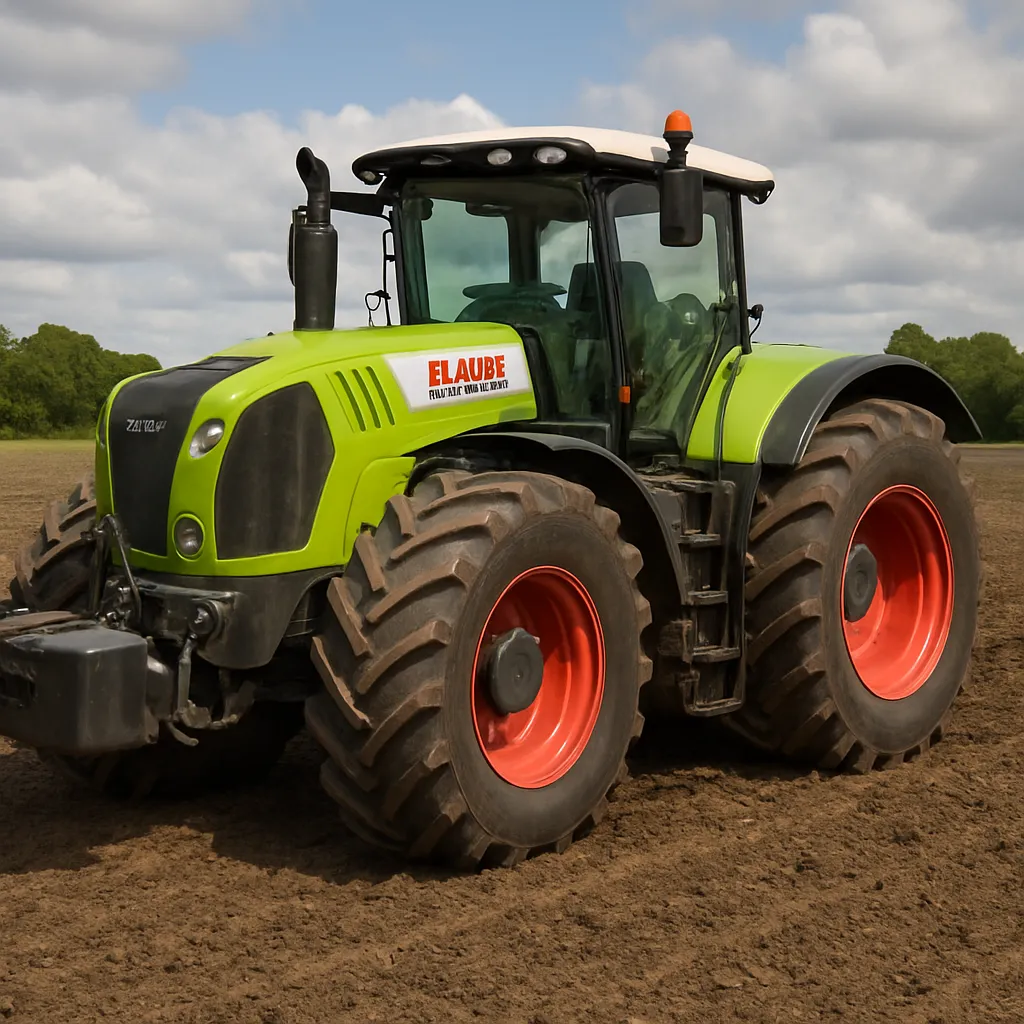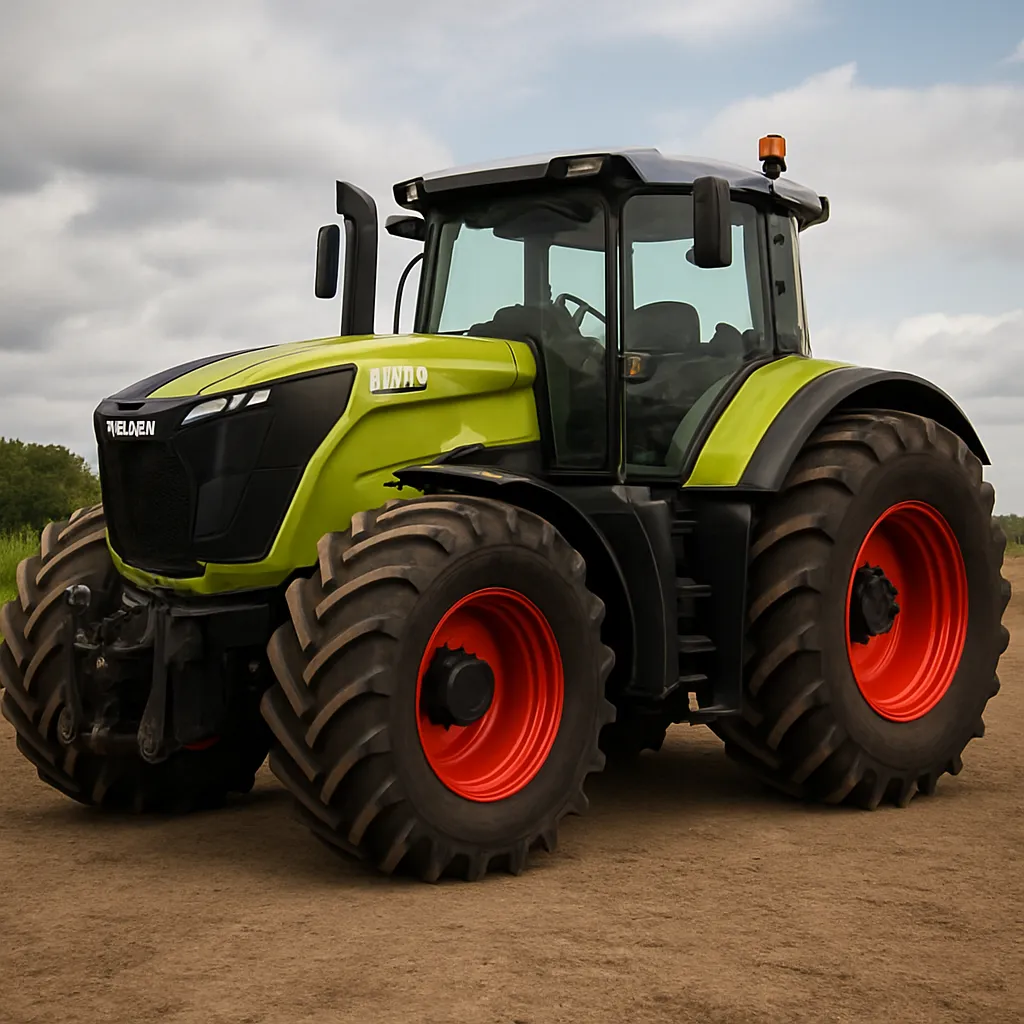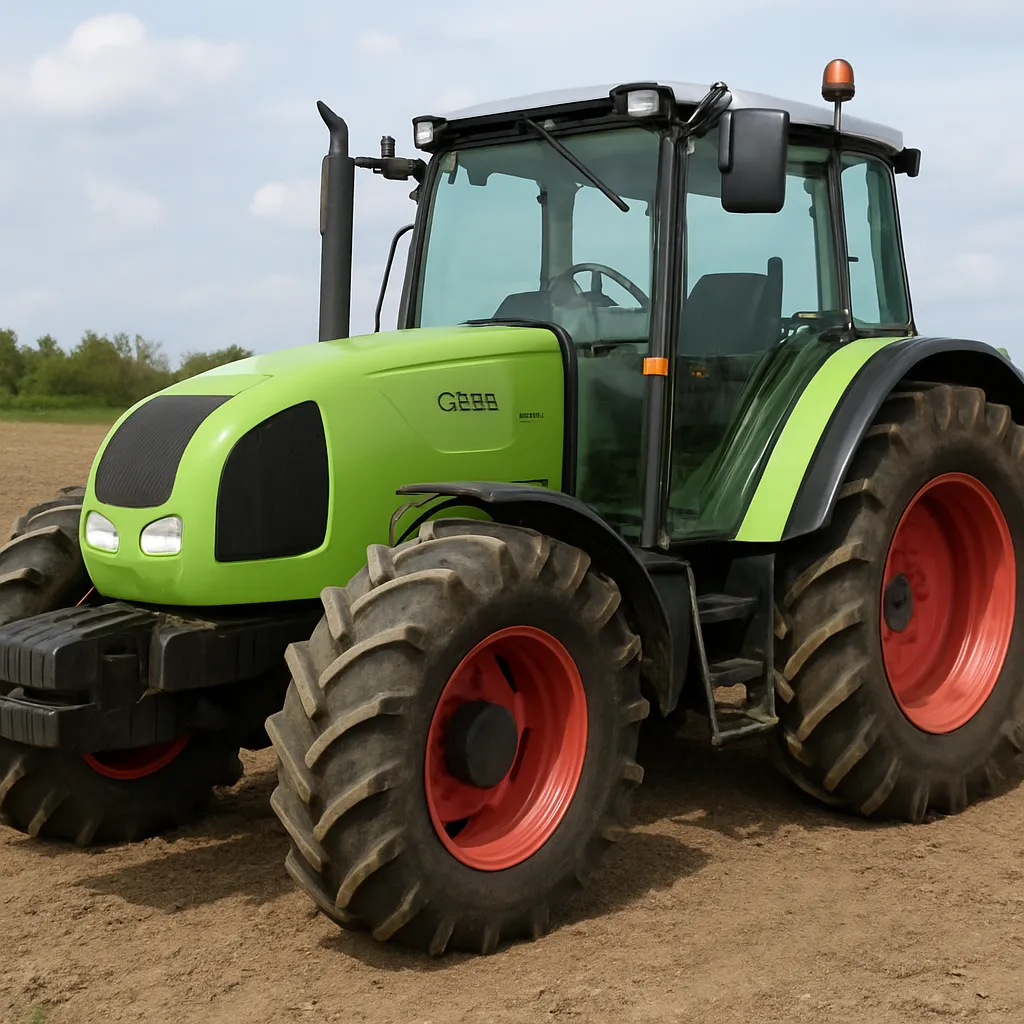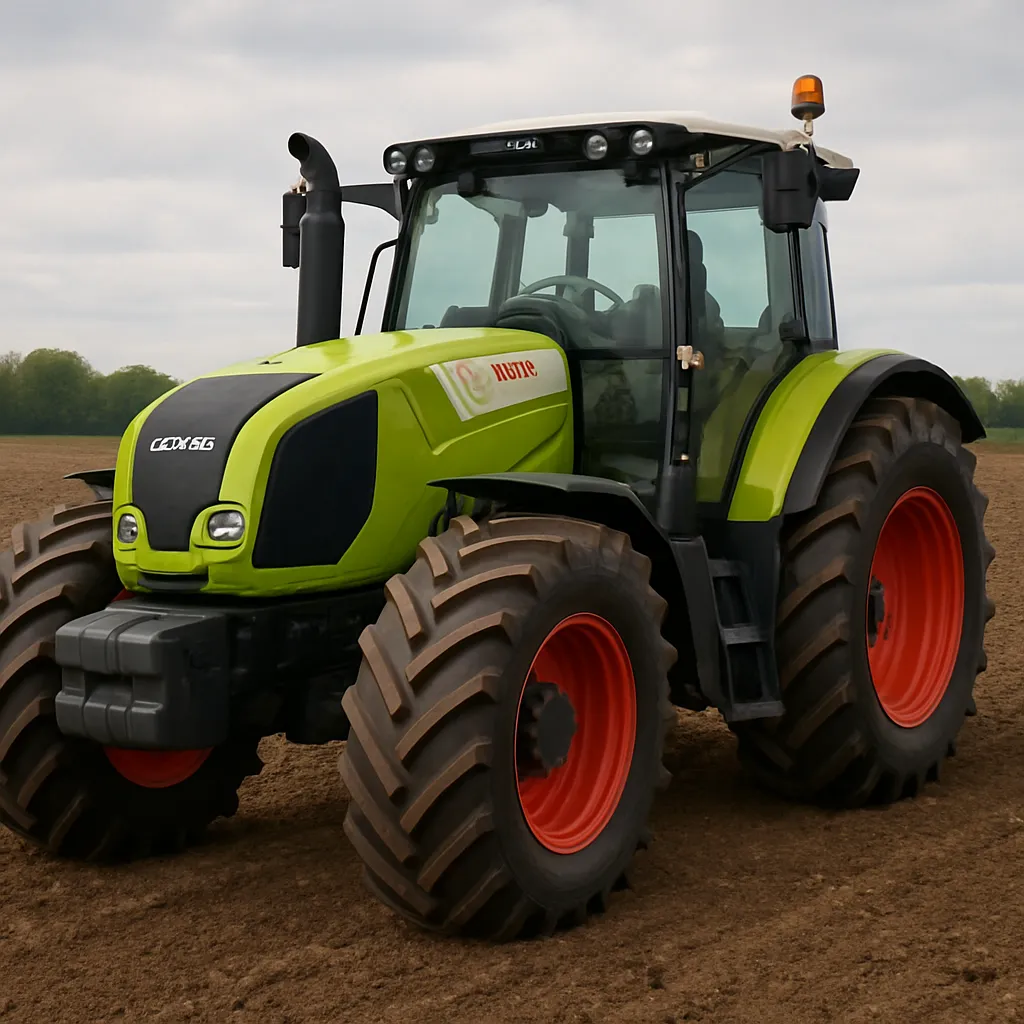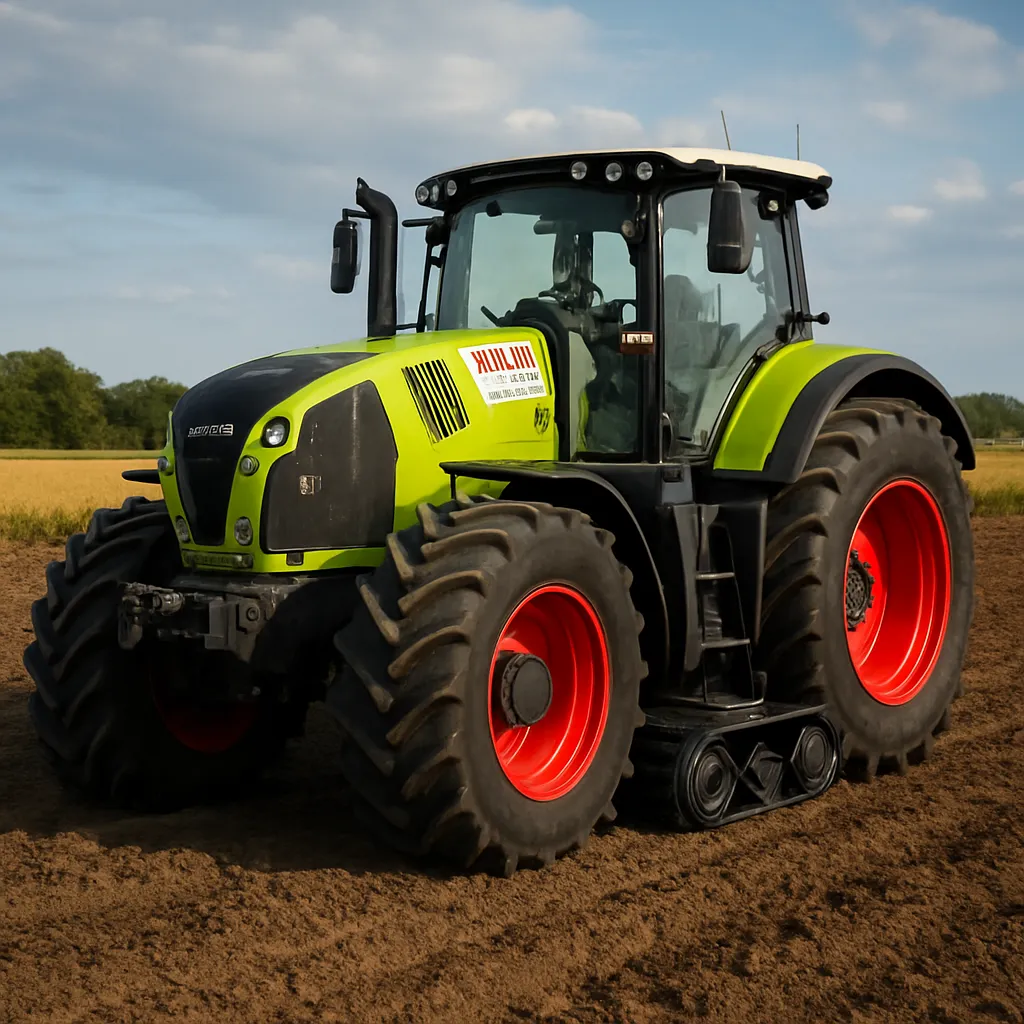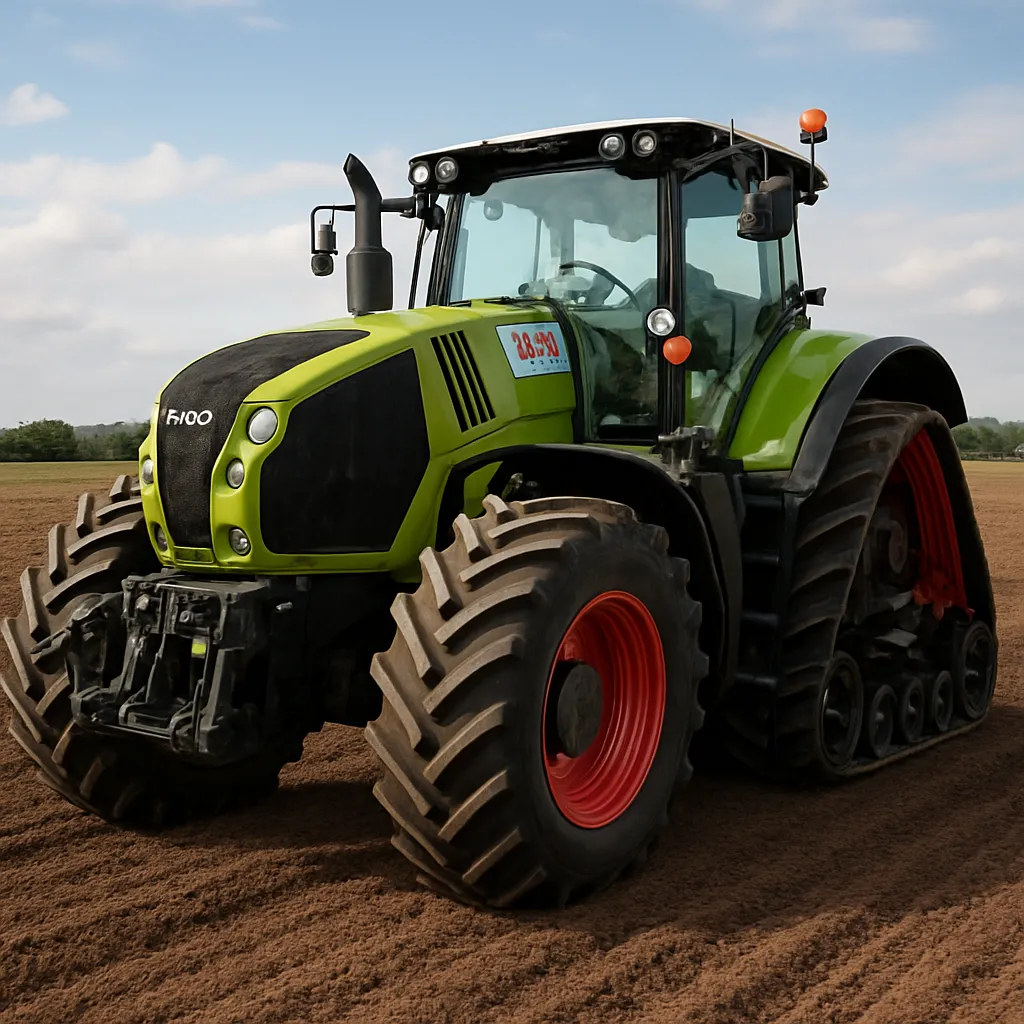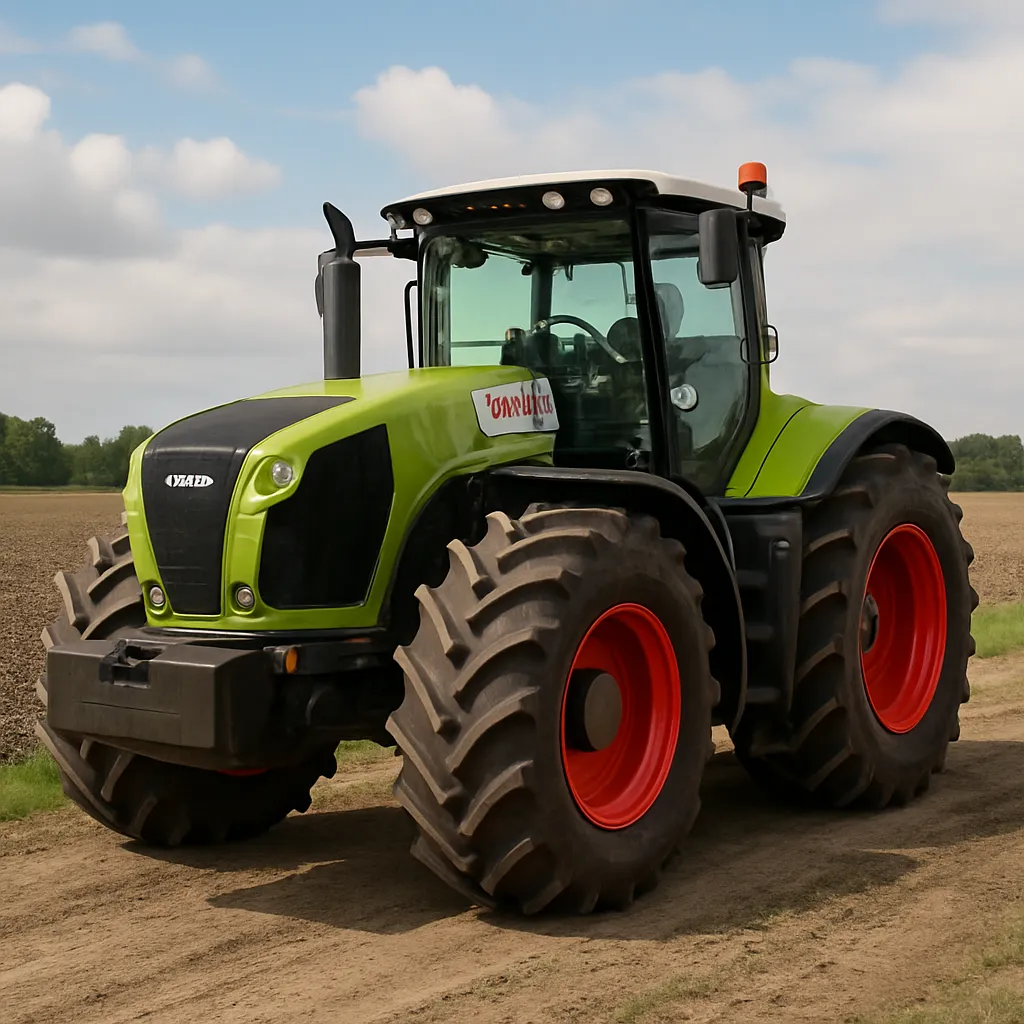
The Claas Xerion 4200 is a high‑performance, large‑frame agricultural tractor built for demanding tasks on modern farms and by contractors. Designed to bridge the gap between heavy fieldwork and powerful transport duties, the Xerion 4200 emphasizes stability, operator comfort and modularity so that it can handle a wide range of implements and conditions. This article examines the tractor’s design philosophy, typical applications, technical highlights and practical considerations for ownership and operation.
Design and engineering overview
The Xerion family from Claas is known for its unique approach to heavy tractors, and the Xerion 4200 continues that tradition. At its core this machine is engineered for sustained heavy pull and high implement power rather than compact maneuverability. The overall architecture favors a rigid, robust chassis with proven drivetrain components, enabling long hours of operation with large mounted or trailed equipment.
Powertrain and performance
The Claas Xerion 4200 is powered by a high‑displacement diesel engine that produces approximately 420 hp (about 310 kW), placing it firmly in the upper mid‑to‑high power class for agricultural tractors. This power output delivers the necessary pull for deep tillage, heavy seeding rigs and multi‑pass cultivations. The drivetrain is designed to transfer the engine’s force to the ground efficiently, with an emphasis on continuous tractive effort rather than short bursts of peak power.
While technical configurations can vary by market and model year, the Xerion’s transmission and drive system are tuned for a balance of field speed range and road transport capability, with a top speed commonly limited to around 40 km/h for safe on‑road use. The machine’s cooling systems, rated components and clutched drives are sized to sustain heavy loads for extended periods without overheating or premature wear.
Chassis, steering and cab
The Xerion 4200 features a heavy duty frame and axles capable of supporting large implements and substantial ballast. One of Claas’s signature features in several Xerion variants is the rotatable driver’s cab, which can be oriented to allow the operator to face either direction when working with rear‑mounted or front‑mounted implements; this increases visibility and ergonomics during specialized tasks. The cab design focuses on operator comfort, with good visibility, adjustable seating, climate control and user‑friendly controls to reduce fatigue during long shifts.
Steering systems in Xerion tractors are engineered for stability and precise guidance when pulling wide implements. Multiple steering modes (e.g., conventional, crab or coordinated four‑wheel steering) are typical in this class of machine and help improve maneuverability in the headland as well as reduce soil compaction by optimizing wheel paths.
Primary applications and use cases
The Xerion 4200 is a versatile powerhouse. Its intended applications are those requiring sustained high power and robust implement capabilities rather than the higher top speeds or agility of smaller tractors. Typical uses include:
- Tillage and primary cultivations — Heavy plowing, deep ripping and large multi‑share discs where continuous torque and weight are prerequisites.
- Seeding and planting — Pulling large seed drills and air seeders across wide swaths on large arable farms or contract seeding operations.
- Transport and logistics — Hauling heavy trailers, slurry tankers and grain carts between fields and on rural roads.
- Soil preparation and compaction-sensitive work — When fitted with track options or wide tires the Xerion can be used to manage traction and reduce compaction on heavy soils.
- Specialist operations — Snow clearing, forestry mulching, or any task requiring a high‑horsepower platform and robust hydraulics.
Contractors and large commercial farms often choose tractors like the Xerion 4200 for their ability to move large implements and cover many hectares quickly, reducing the number of passes and overall field operation time.
Hydraulics, three‑point and PTO capabilities
Hydraulic capacity and lift performance are important for the Xerion’s success with heavy implements. The machine typically offers high‑flow hydraulic systems with multiple remote valves to run seeders, sprayers and other powered implements. The rear three‑point hitch and front mounting options are engineered to handle large mounted equipment and maintain stability while lifting heavy loads. PTO ratings and control logic are set to match the engine output and implement requirements so that powered applications like large rotary harrows or mowers operate efficiently.
Operator environment and technology
Claas places significant emphasis on operator experience in the Xerion series. The cab environment and control systems are optimized to reduce fatigue and improve precision work.
Comfort and ergonomics
The cab typically includes comfortable seating with multiple adjustments, a clear and informative instrument cluster, and a layout that places primary controls within easy reach. Good insulation and climate control contribute to comfort in extreme conditions, and sound damping helps reduce operator stress during long shifts. Visibility toward both front and rear implements is improved through cab positioning and large glazing areas.
Guidance, telematics and assistance systems
Modern versions of the Xerion 4200 are often offered with advanced guidance and farm management options. GPS guidance and auto‑steer help reduce overlap and operator fatigue during long field passes. Telematics systems allow fleet managers to monitor machine location, operating hours, fuel usage and basic fault codes remotely, facilitating preventative maintenance and more efficient scheduling. Integration with farm management software can support variable rate applications and documentation for compliance or yield optimization projects.
Operational economics and fuel efficiency
Large tractors incur significant operating costs, but for many large‑scale operations the productivity benefits outweigh these expenses. Key economic considerations include initial purchase price, fuel consumption, maintenance intervals and resale value.
- Fuel efficiency — Fuel consumption for a 400+ hp tractor varies by load, implement, terrain and operator habits. Under heavy draft conditions the hourly fuel use can be substantial; however, the goal is to maximize hectares covered per hour and minimize the number of passes. Efficient engine management and modern injection systems help optimize fuel use across operating ranges.
- Maintenance — Large tractors feature long service intervals for many components, but scheduled checks for cooling systems, driveline wear, hydraulics and tires/tracks are essential. Good servicing reduces downtime and extends life, preserving resale value.
- Resale and lifecycle — Well‑maintained Xerion machines retain value in markets with high demand for large tractors. Fleets that rotate machinery regularly can keep operating costs predictable while benefiting from updated technology in newer models.
Comparative advantages and limitations
The Claas Xerion 4200 offers several advantages for the right operator profile, as well as some trade‑offs to consider when selecting machinery for a farm or contractor fleet.
Advantages
- High continuous tractive effort — Ideal for heavy tillage and large-mounted equipment.
- Operator comfort — Designed for long hours with attention to ergonomics and visibility.
- Versatility — Adaptable to a wide range of implements and roles, from fieldwork to transport.
- Stability — Robust chassis and heavy axles that support large implements without undue flex.
Limitations
- Higher fuel and operating costs compared with mid‑size tractors when operating below capacity.
- Large physical size may be less suited to small or fragmented fields with narrow gates and tight turning areas.
- Initial acquisition costs are significant; economic benefits are most pronounced on large‑scale operations or contractor fleets.
Maintenance, servicing and lifecycle management
Effective maintenance practices are central to maximizing uptime for a Claas Xerion 4200. Key recommendations for owners and fleet managers include:
- Adhere to the manufacturer’s service schedule for oil, filters, cooling system checks and transmission/hydraulic inspections.
- Monitor telematics and onboard diagnostics to catch early warning signs of component wear or sensor issues.
- Keep a log of implement pairings and typical loads to optimize preventative maintenance intervals and part stocking.
- Invest in operator training focused on fuel‑efficient driving, correct hitching and implement usage to reduce unnecessary strain on the drivetrain.
Claas dealer networks typically provide parts, warranty and service programs that can be tailored to commercial users, which helps reduce unscheduled downtime and simplify total cost‑of‑ownership calculations.
Market positioning and typical owners
The Xerion 4200 is targeted at large commercial farms, agricultural contractors and enterprises that require a high‑power, robust platform. In regions where fields are large and machinery must cover many hectares quickly, the Xerion’s advantages are most apparent. It is also attractive to contractors who must tow very large implements or perform heavy draft work repeatedly across multiple clients.
For smaller mixed farms or operations focused on confined livestock yards, a smaller, more maneuverable tractor is often a better fit. Conversely, for large arable farms growing cereals, oilseed and other broadacre crops, the Xerion 4200 helps reduce operation time through wider implements and higher continuous power.
Safety and regulatory considerations
Operating heavy tractors demands stringent safety practices. Standard safety features include rollover protection, robust braking systems suitable for heavy loads, and lighting/markings for road transport. Compliance with local emissions regulations, such as EU Stage V or comparable standards in other markets, is an important aspect of modern tractor design — newer Xerion models are typically equipped with emissions control technology to meet applicable regulations.
Conclusion: who should consider the Xerion 4200?
The Claas Xerion 4200 is a compelling choice for operations that need a large, durable tractor capable of sustained heavy work. Its combination of power, traction, operator comfort and hydraulic capacity makes it well suited to large‑scale arable cropping, professional contracting and specialist heavy‑duty roles. Prospective buyers should carefully evaluate their typical implements, field sizes and operating hours to ensure the economic case makes sense—when matched to the right tasks, a Xerion 4200 can deliver substantial productivity gains.
Key takeaways:
- The Xerion 4200 offers approximately 420 hp (≈310 kW) and is designed for sustained heavy applications.
- It excels in large‑scale tillage, seeding and transport tasks where continuous power and stability are needed.
- Operator comfort, hydraulic capability and modular implement compatibility are strong points.
- High acquisition and operating costs mean the best fit is large farms or contracting businesses that can fully utilize the tractor’s capabilities.