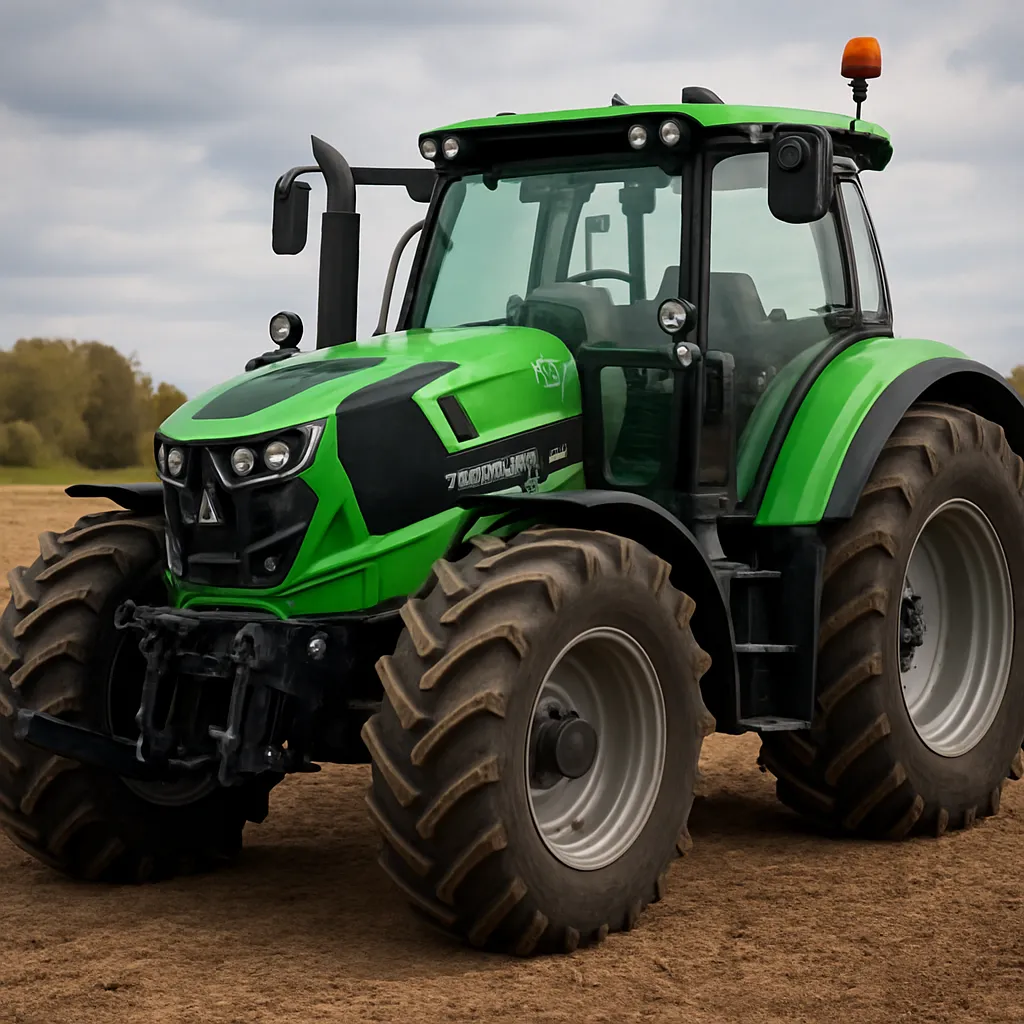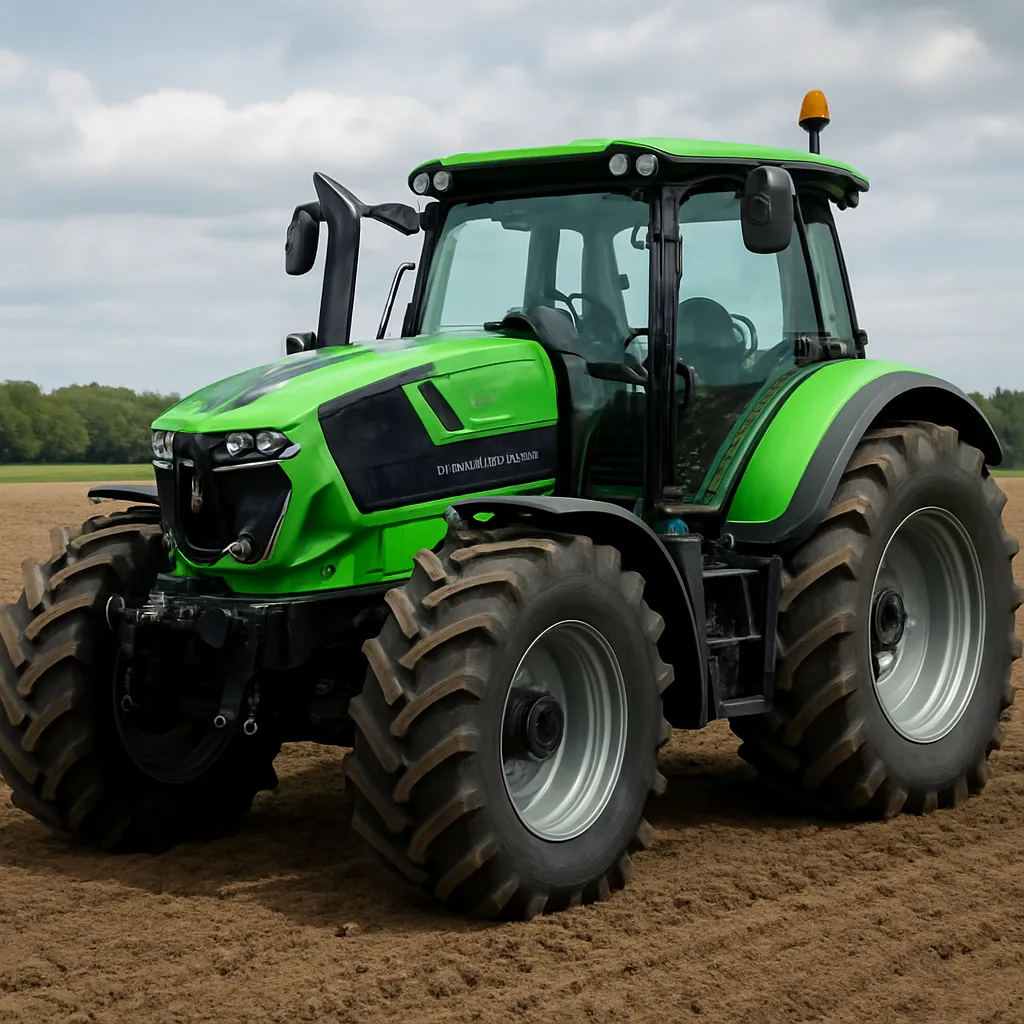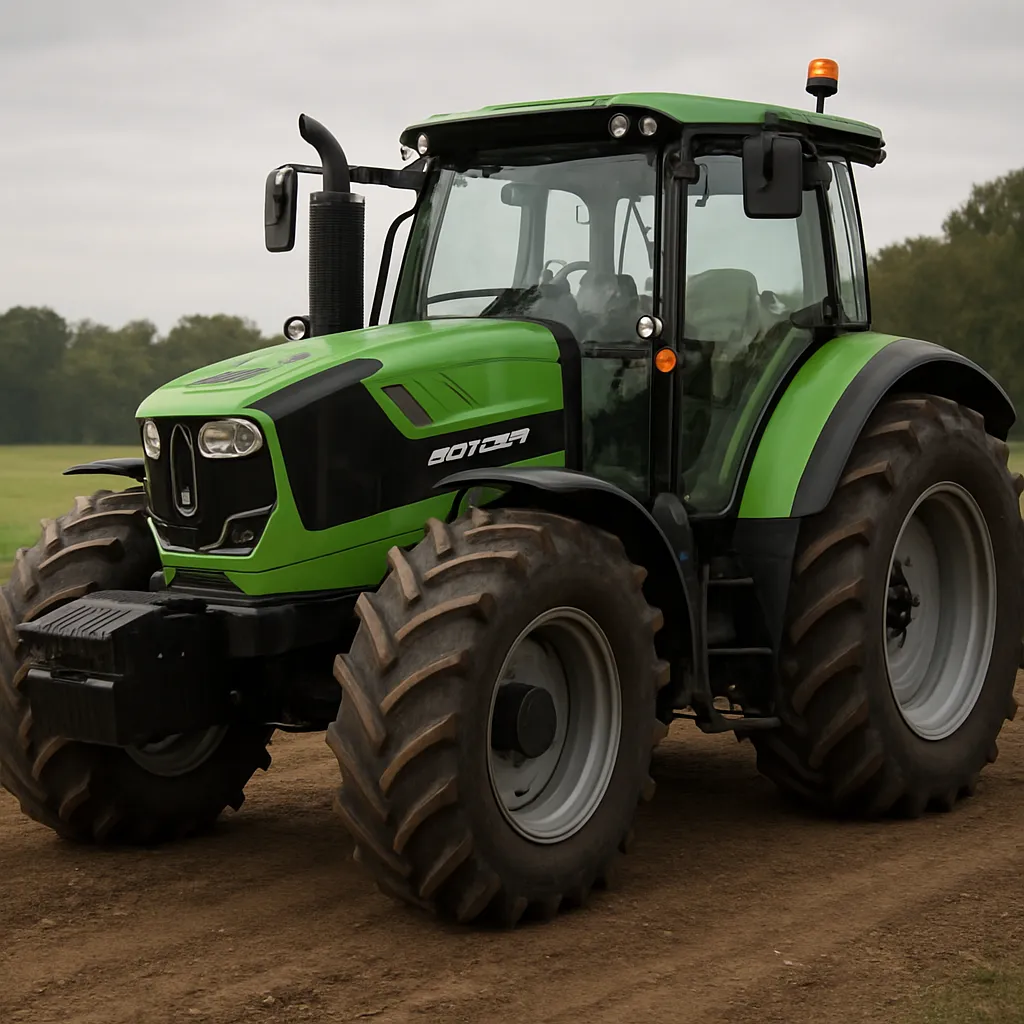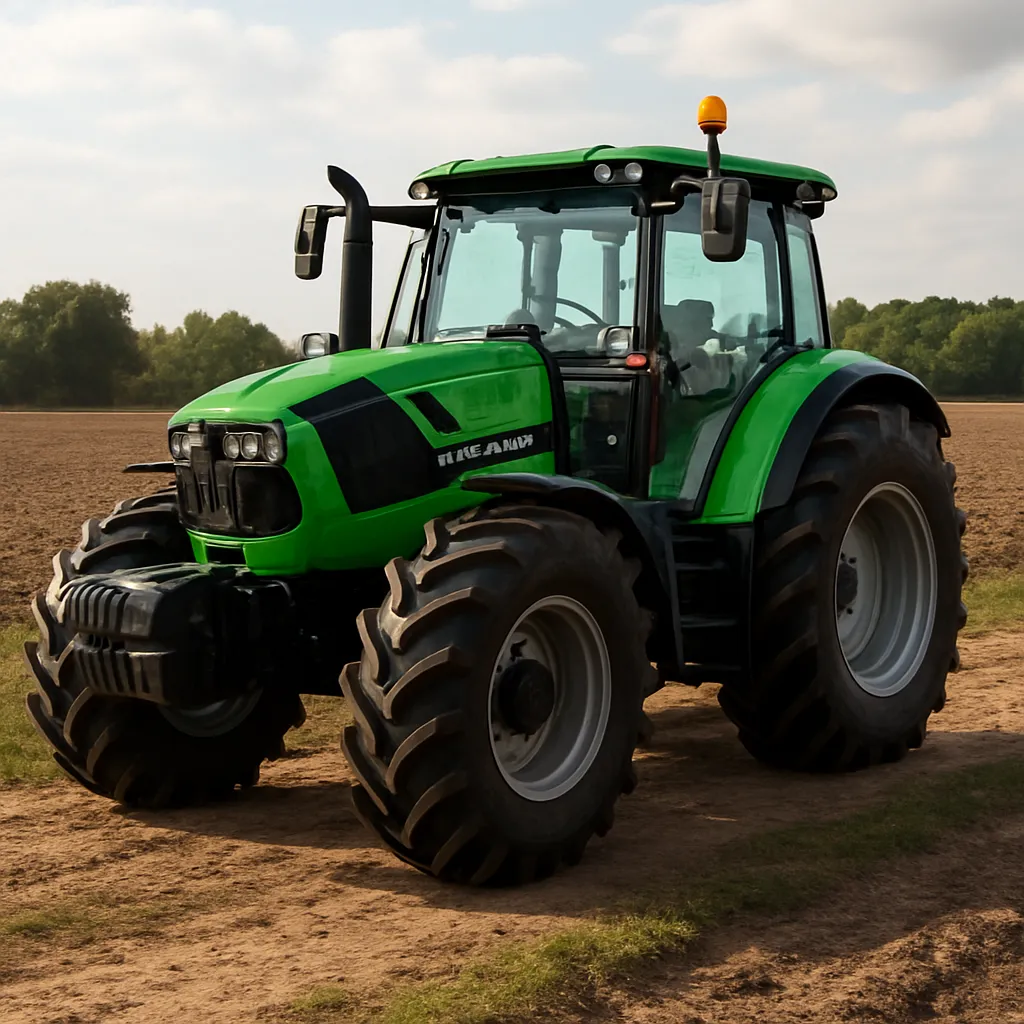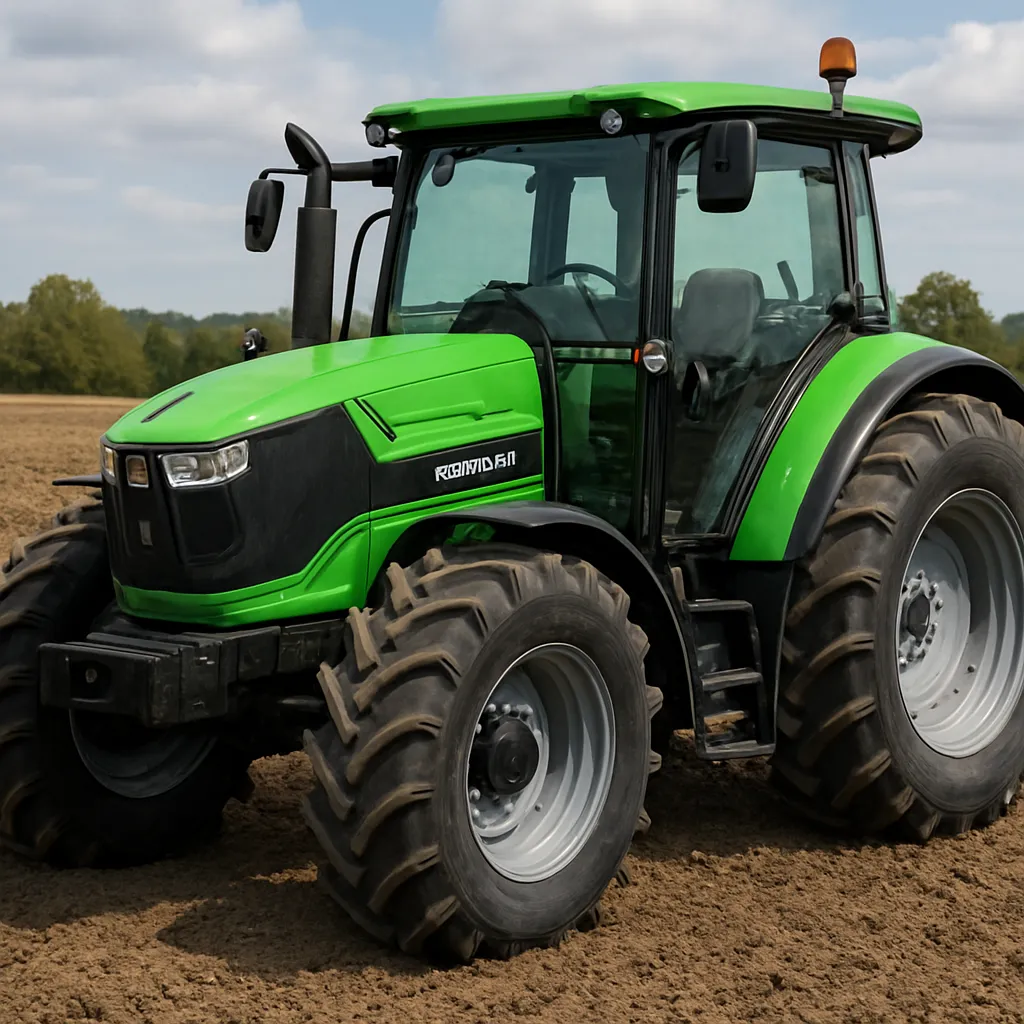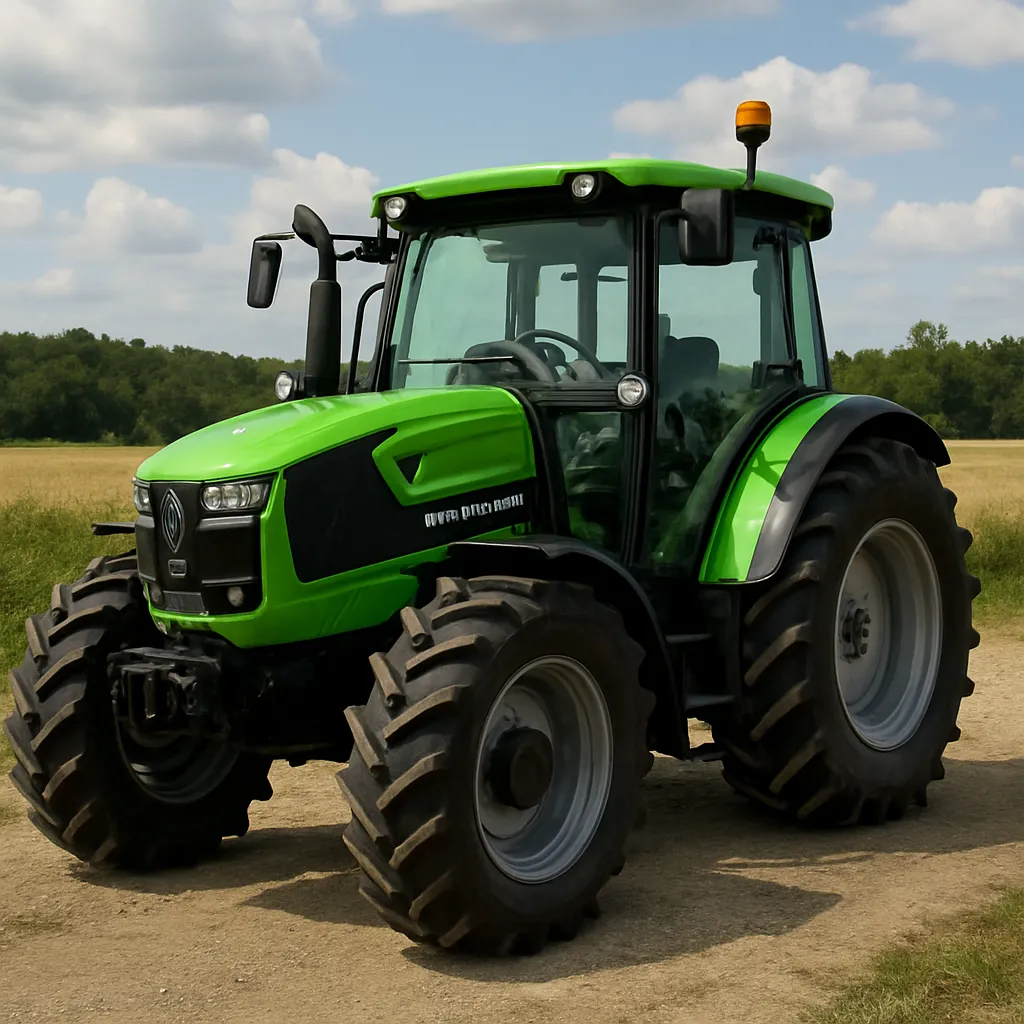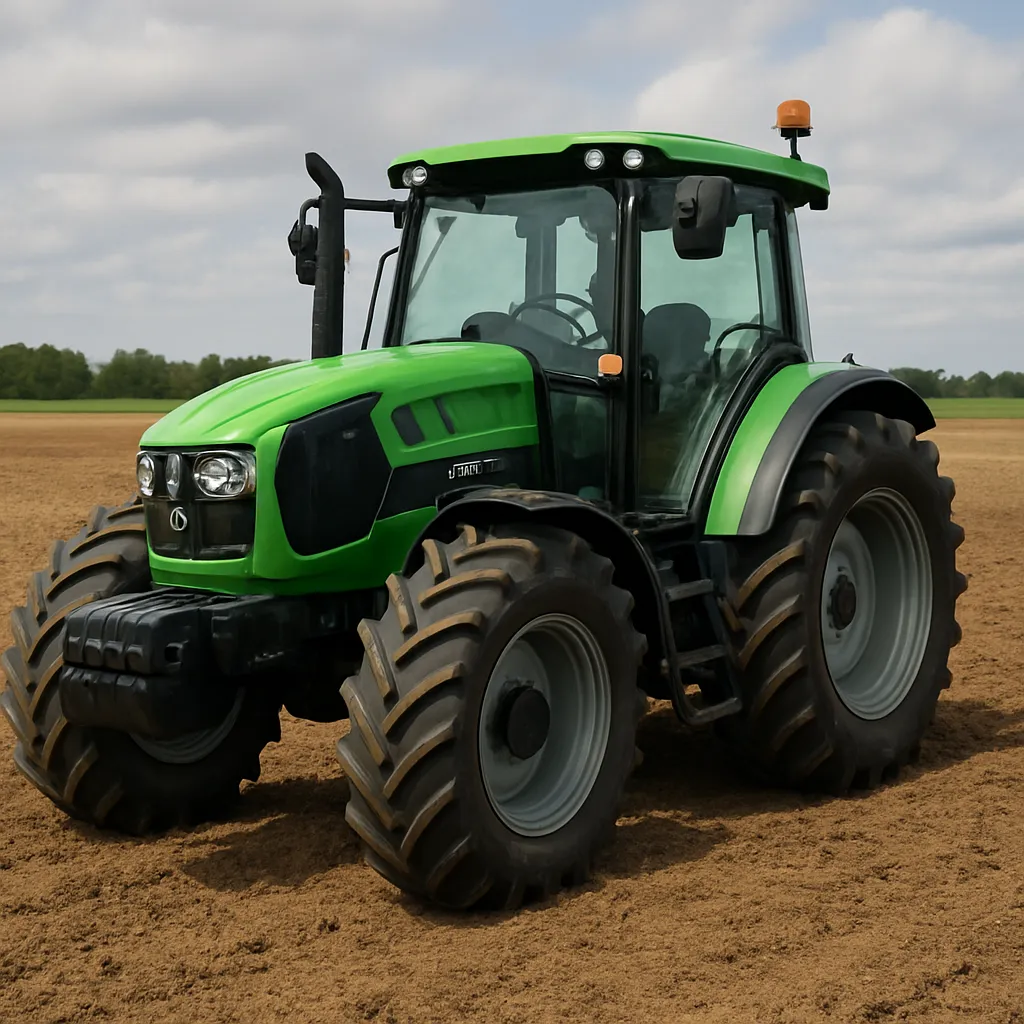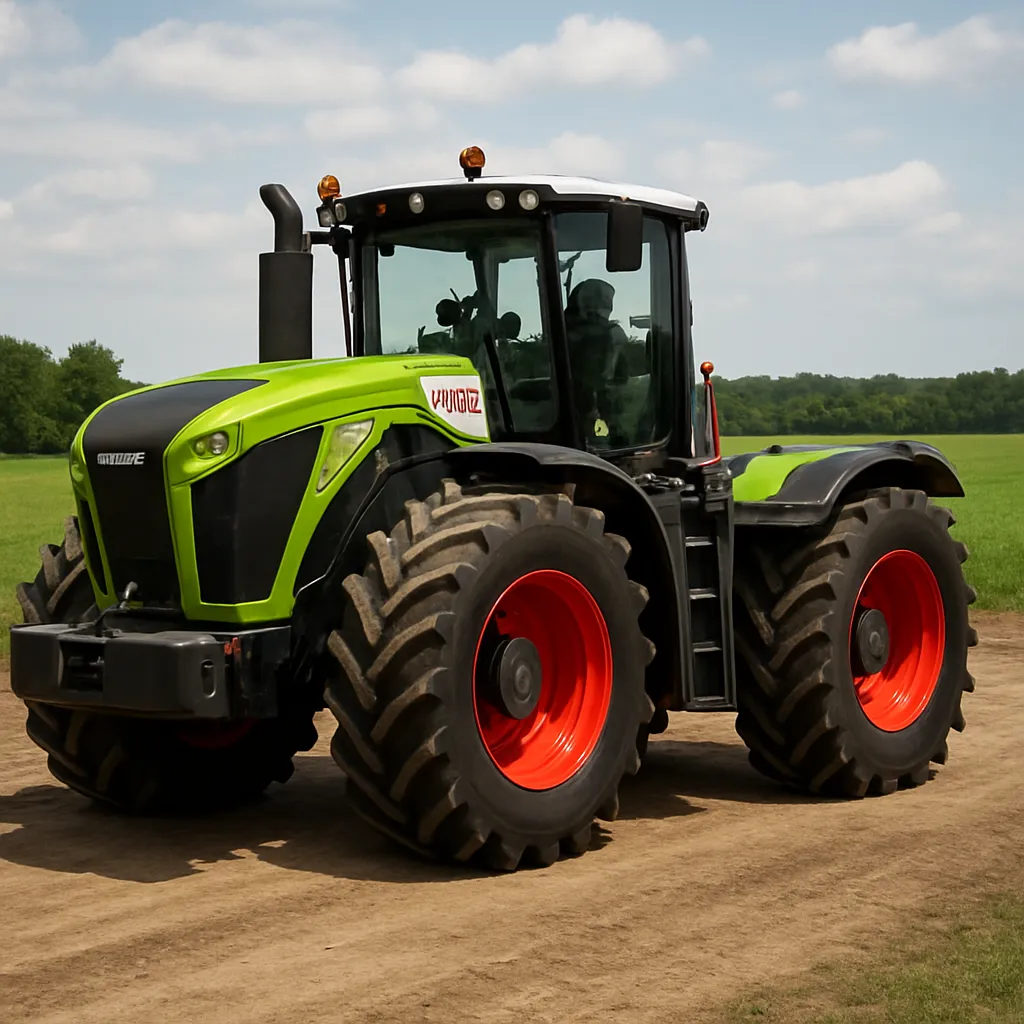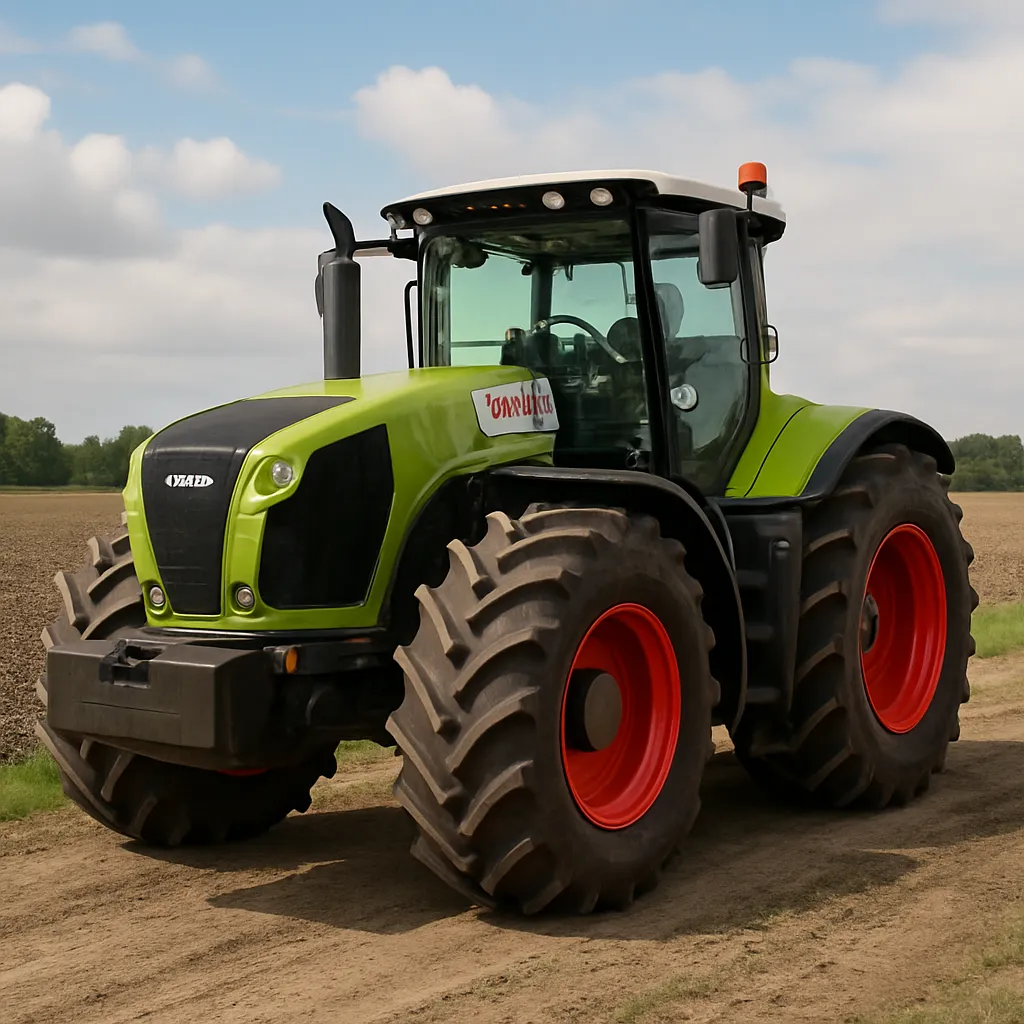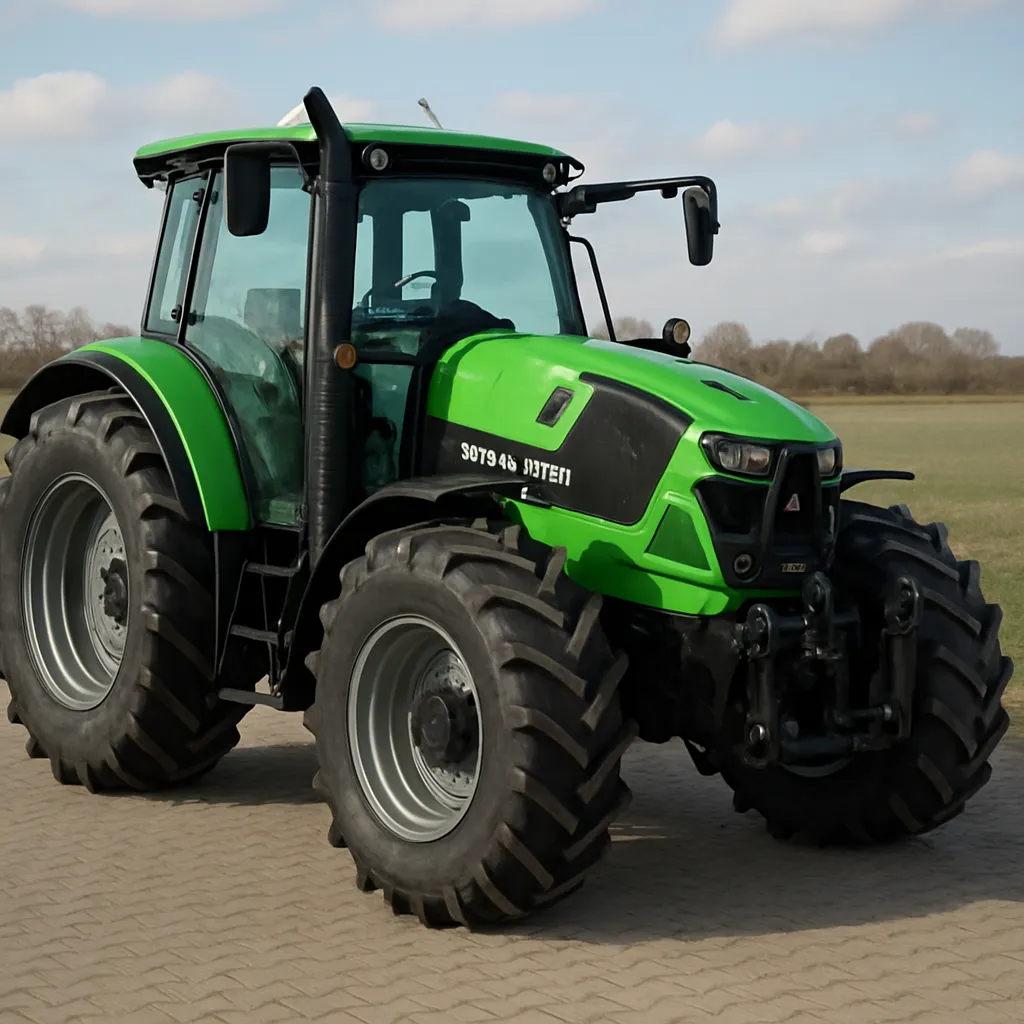
The Deutz-Fahr 6160 TTV stands out as a versatile, mid-to-high-power agricultural tractor designed to meet the demands of modern arable, livestock and mixed farming. Combining a smooth continuously variable transmission with contemporary engine and emissions technology, this model aims to deliver a balance of power, fuel efficiency and operator comfort. The following article explores the 6160 TTV’s technical characteristics, typical applications, operational statistics where available, and other noteworthy features that make it a competitive choice for farms seeking reliable performance and advanced functionality.
Overview and position in the market
The Deutz-Fahr 6160 TTV belongs to the 6 Series family, positioned for operations that require robust performance without stepping up to the largest flagship tractors. It is marketed toward medium- to large-sized farms, contracting operations and enterprises needing a tractor that can handle both heavy field work and demanding transport tasks. The 6160 TTV typically competes with equivalent models from other European manufacturers in the 150–180 horsepower class, offering a mixture of strong drawbar capability, modern emissions systems and an emphasis on operator ergonomics.
Engine, emissions and drive concept
The heart of the 6160 TTV is a modern diesel engine developed to meet recent emissions regulations while maintaining responsiveness and efficiency. The tractor uses advanced after-treatment (SCR and particulate control) and injection technologies to achieve Stage IV / Tier 4 final compliance in many markets, which typically requires the use of AdBlue (DEF) for selective catalytic reduction.
Key characteristics of the drive concept include a torque-rich engine mapped to exploit the capabilities of a continuously variable TTV transmission. The TTV system provides smooth speed transitions without stepped gear changes, enabling the operator to maintain optimal engine rpm for fuel economy or power delivery depending on the task. This combination is particularly useful for implements that demand constant ground speed or steady PTO rpm.
Transmission, chassis and mobility
The continuously variable transmission (TTV) in the 6160 provides a wide, stepless range of speeds, efficient torque transfer and responsive load-sensing behavior. The system allows for fine speed control in the field and comfortable, efficient transport on roads up to typical maximum speeds of 40 km/h (depending on regional configuration). The tractor is typically equipped with:
- TTV/CVT transmission with multiple operating modes (creeper, field, transport).
- Selectable four-wheel drive with differential locks for traction management.
- Front axle suspension options and cab suspension to improve ride quality and stability during transport and high-speed field operations.
These features make the 6160 TTV suitable for operations that switch frequently between tasks where speed control, traction and operator comfort are essential.
Hydraulics, hitch and PTO
Hydraulic capability and linkage strength are central to the 6160’s versatility. Typical configurations include a powerful rear lift with electronic control and optional front linkage for mounting mowers, loaders or front-mounted implements. Important attributes are:
- High-capacity hydraulic pumps (single or dual pump options) to support multiple remote valves and hydraulic consumers simultaneously.
- Electronic draft control and management systems for precise regulation of implement depth and working height.
- Multiple PTO speeds (commonly 540 / 1000 rpm) and a ground-speed PTO option on some variants, allowing compatibility with a wide range of implements.
- Rear lift capacities that are competitive in the class, enabling heavy-mounted equipment to be handled confidently.
Hydraulic flow and lift capacity specifications can vary by equipment package, but the platform is built to support intensive applications such as plowing, subsoiling, seeding, slurry spreading and heavy mowing.
Cab, ergonomics and operator technology
Deutz-Fahr emphasizes operator comfort and control ergonomics in the 6160 TTV. The cab layout typically features a modern console, ergonomic joystick controls for transmission and hydraulics, and a comfortable seat with air suspension. Key amenities and technologies include:
- High-visibility cab glazing for safe implement interaction and roadwork.
- Intuitive multi-function armrest with integrated machine controls.
- Advanced digital displays for monitoring engine parameters, fuel consumption and transmission state.
- Integrated telematics and optional ISOBUS compatibility for precision farming, implement control and data management.
These features support long working days by reducing operator fatigue and enhancing control precision during complex tasks.
Applications and practical uses
The Deutz-Fahr 6160 TTV is designed to be a true multi-purpose machine. Typical applications include:
- Primary tillage: plowing, heavy cultivation and subsoiling thanks to strong drawbar performance and lift capacity.
- Seeding and planting: paired with precision seeders using ISOBUS and controlled flows for consistent results.
- Spraying and spreading: stable transport speeds and hydraulic services support boom sprayers and nutrient spreaders.
- Hay and forage: baling, mowing and raking operations benefit from PTO versatility and hydraulic flow for balers and mowers.
- Loader and transport work: front loader options and a robust chassis allow effective material handling around the farm and for road transport.
- Contracting: reliability, power and comfort make the tractor suitable for contractor fleets that need a flexible machine for diverse tasks.
The tractor’s adaptability extends to specialized operations when equipped with relevant packages, such as forestry attachments, municipal implements or vineyard/orchard adaptations where narrower trims and protective packages are used.
Performance data and statistics (typical figures)
Specifications can differ by year, regional market and optional equipment. The values below represent typical ranges and commonly quoted figures for the 6160 TTV class; confirm final numbers with specific model-year documentation or dealer information for exact values.
- Engine power (rated): approximately 150–170 hp (ISO), often marketed as 160 hp for the 6160 model designation.
- Maximum power with boost: peak values can be several percent higher under load management systems (e.g., up to roughly 170–180 hp in certain conditions).
- Displacement: commonly around 6.0–6.1 liters for engines used in this class.
- Top road speed: typically 40 km/h, with some markets offering 50 km/h variants.
- Rear lift capacity: frequently in the 6,000–8,000 kg range at the ball ends, depending on equipment and mounting.
- Hydraulic flow: main pump flows generally vary from ~100 to 150 liters per minute with optional high-flow packages up to or slightly above that range.
- Fuel tank capacity: commonly around 250–350 liters depending on configuration and whether an auxiliary tank is fitted.
- Unladen weight: typically between 5,500 and 7,500 kg depending on options such as front weights, front linkage and cab features.
- PTO options: rear PTO usually 540/1000 rpm, with optional ground-driven PTO and front PTO depending on configuration.
Beyond these numeric values, operators often report that the tractor provides a strong torque curve for pulling heavy implements at low engine rpm and a pleasantly smooth power delivery through the TTV transmission for transport tasks.
Technology and precision farming integration
Modern versions of the 6160 TTV support a range of precision farming tools that increase productivity and decrease input costs. Typical technology options include:
- ISOBUS compatibility for standardized communication between tractor and implements, simplifying the control of modern seeders, sprayers and spreaders.
- Auto-guidance and GPS steering readiness for headland management and straight-line accuracy, reducing overlap and saving fuel and inputs.
- Telematics and remote diagnostics for fleet monitoring, maintenance scheduling and efficient machine utilization.
- Section control and variable rate application support to optimize fertilizer and chemical inputs.
Integration of these features enables the 6160 TTV to be used effectively within data-driven farm management systems and larger precision agriculture workflows.
Maintenance, serviceability and lifecycle costs
Deutz-Fahr designs its tractors with service intervals and accessibility in mind to reduce downtime. Key considerations for operators include:
- Regular maintenance intervals for oil, filter and fluid changes are necessary to sustain performance and emissions compliance.
- SCR systems require periodic AdBlue replenishment and occasional maintenance of the after-treatment components.
- Telematics and diagnostic systems can help detect issues early and optimize service scheduling, lowering unexpected repair costs.
- Availability of dealer support, spare parts and local service infrastructure can significantly influence total cost of ownership and uptime.
Economically, tractors like the 6160 TTV are often evaluated on fuel consumption per hectare, reliability across peak seasons and residual values. Many users report that the TTV driveline and efficient engine mapping contribute to competitive fuel figures in mixed operations, especially where consistent ground speed and engine load control are valuable.
Safety, regulations and environmental considerations
Because the 6160 TTV adheres to modern emissions standards, it aligns with regulatory requirements in many regions, reducing local environmental impact and potential restrictions related to older diesel equipment. Safety features typically include rollover protection within the cab structure, effective braking systems, lighting packages compliant with road use, and operator protection options for specialized tasks such as forestry or municipal applications.
Strengths, limitations and operational tips
Strengths of the Deutz-Fahr 6160 TTV include:
- Strong and flexible power delivery for a variety of farm tasks.
- Comfortable cab and intuitive controls that help reduce operator fatigue.
- Versatility through hydraulic, PTO and linkage options, enabling a wide implement portfolio.
- Integration potential with precision farming systems and telematics.
Potential limitations to consider:
- Initial acquisition cost can be relatively high for the class if outfitted with advanced technology packages.
- Complex emission systems and electronics require trained service personnel and familiarity with diagnostic tools.
- For some high-power specialists, the 6160’s class limits (in horsepower and lift capacity) may require stepping up to larger models for the most demanding heavy tillage operations.
Operational tips to get the most from the machine include keeping engine and transmission software up to date, using recommended lubricants and fluids, incorporating telematics data to adjust maintenance schedules, and selecting hydraulic and PTO configurations that match the most commonly used implements to avoid under- or over-sizing.
Variants, optional equipment and customization
Deutz-Fahr offers multiple configurations and optional equipment packages to tailor the 6160 TTV to specific farm needs. Common options include:
- Different tire and rim options for field traction, soil protection or transport efficiency.
- Front linkage and PTO for full-mount implement capability.
- High-flow hydraulic packages for implements with elevated flow demand.
- Advanced cab packages with enhanced multimedia, climate control and suspension options.
- Guidance and telemetry packages for integrated precision farming.
Because the 6160 family has been offered across multiple years and markets, equipment levels and option availability vary; buyers should consult local dealers to design a tractor that meets their precise work profiles.
Summary
The Deutz-Fahr 6160 TTV is a capable, versatile tractor that blends a modern engine and emissions architecture with a stepless transmission and a feature set aimed at medium-to-large agricultural operations. With strengths in operator comfort, adaptability and precision-farming readiness, the model is well-suited to a broad range of tasks from tillage and seeding to transport and loader work. Its balance of efficiency, power and technological integration makes it a practical choice where consistent productivity and reduced operating costs are priorities. Exact performance numbers and available options depend on specification and market year, so prospective buyers should verify technical data with official factory documentation or an authorized dealer before purchase.