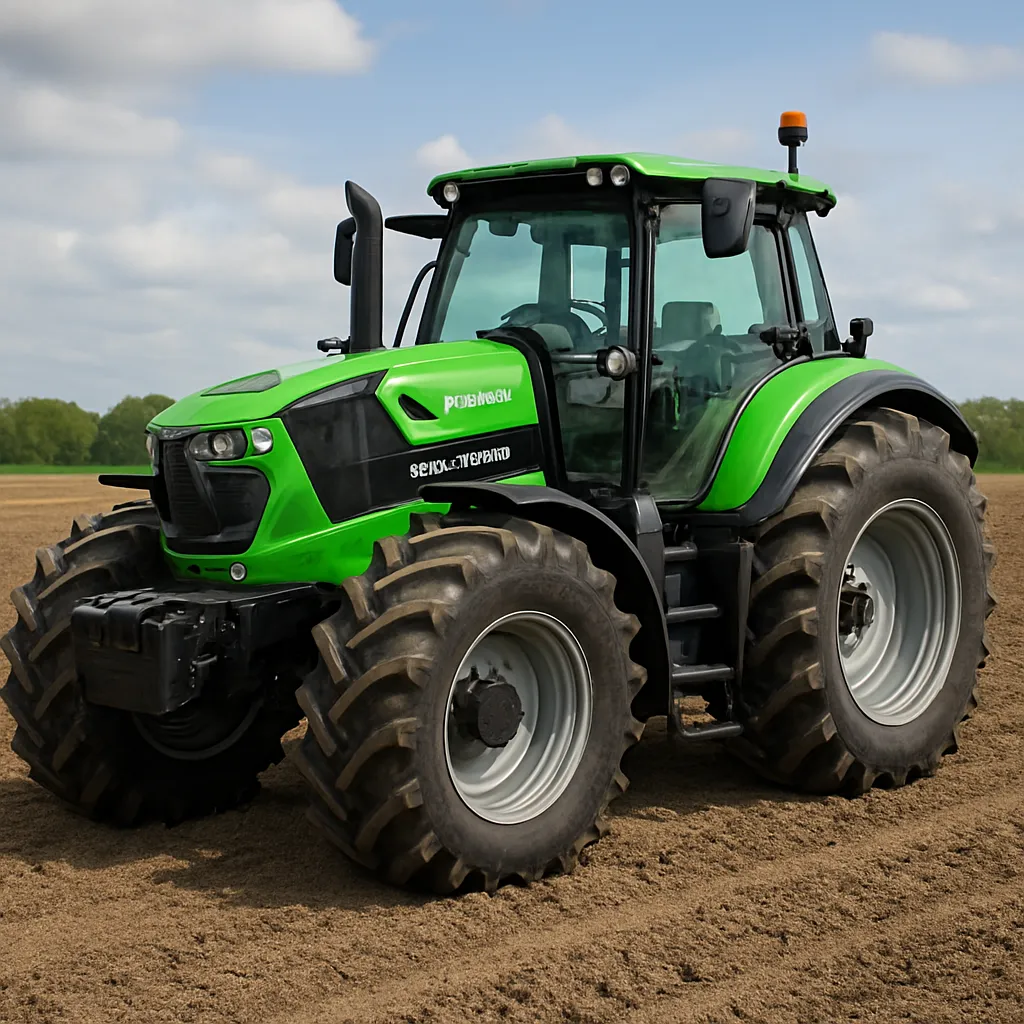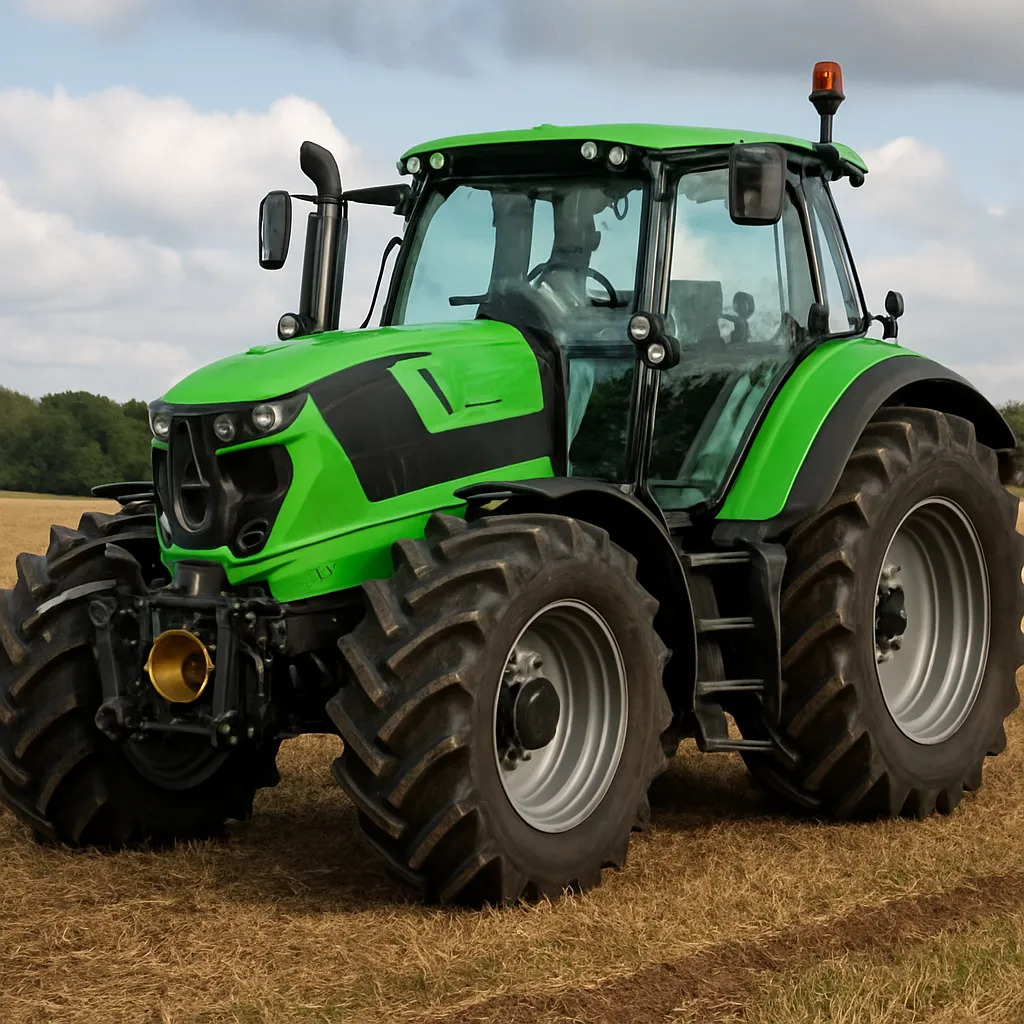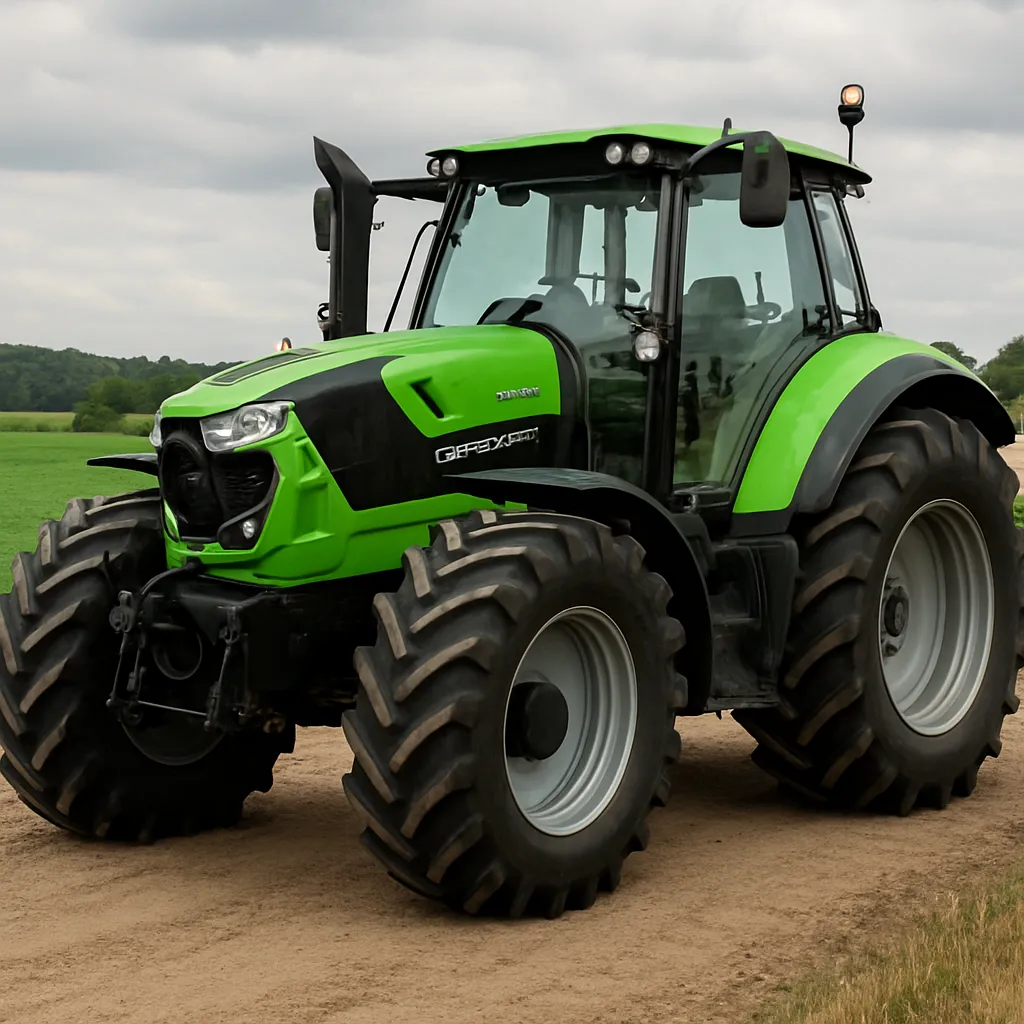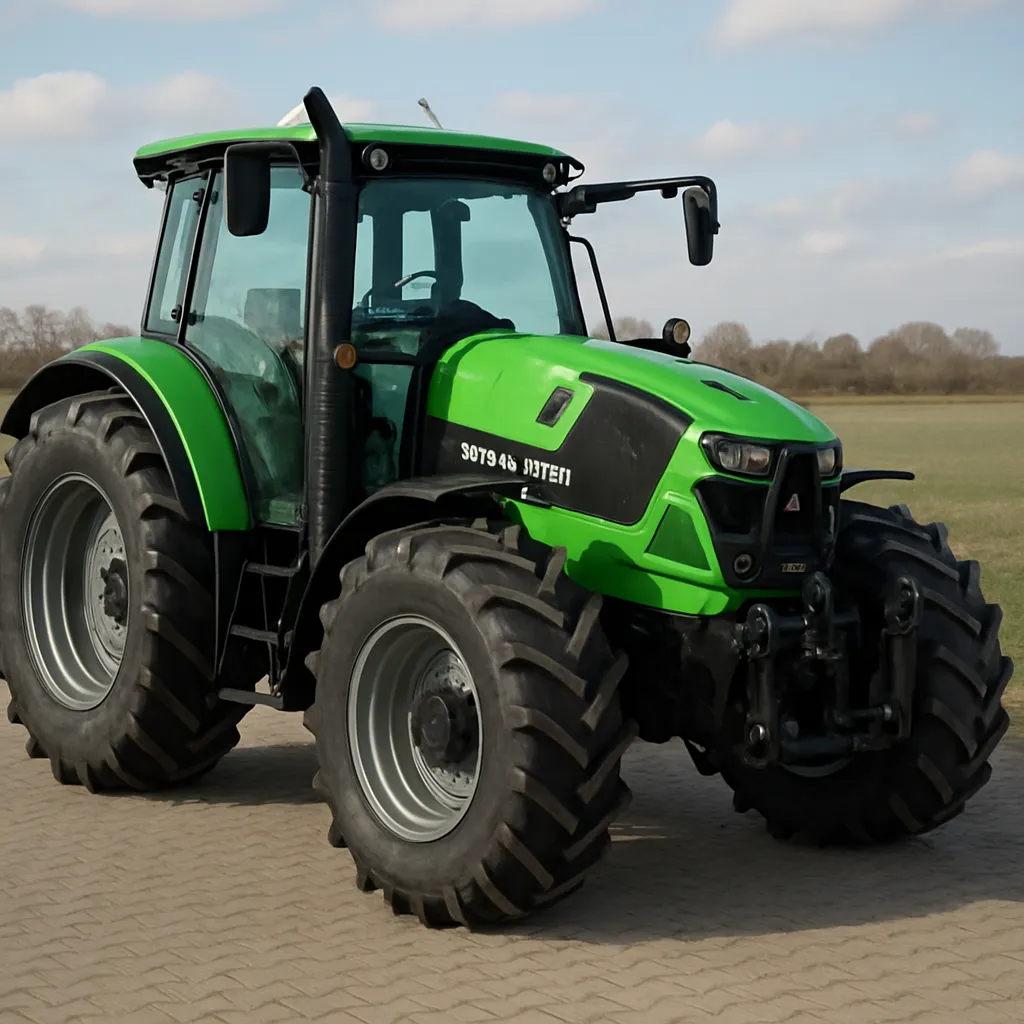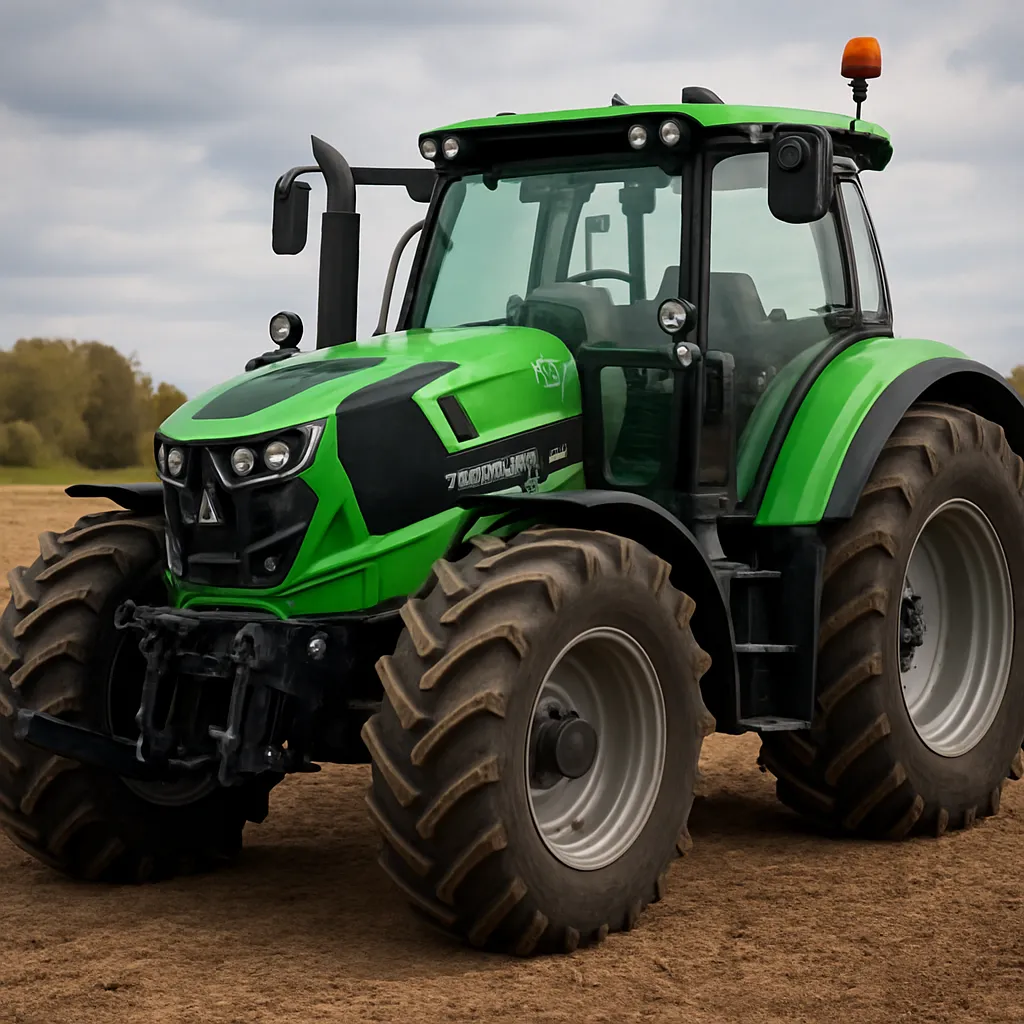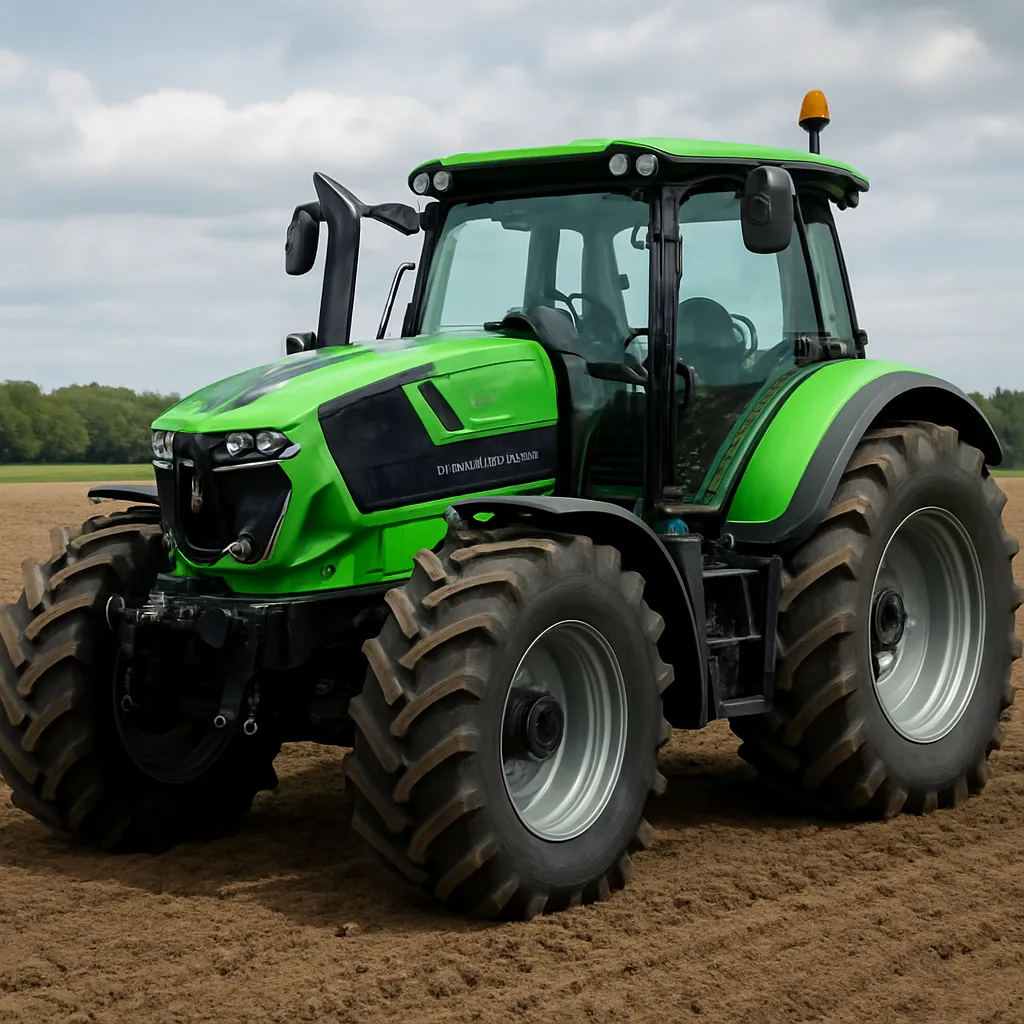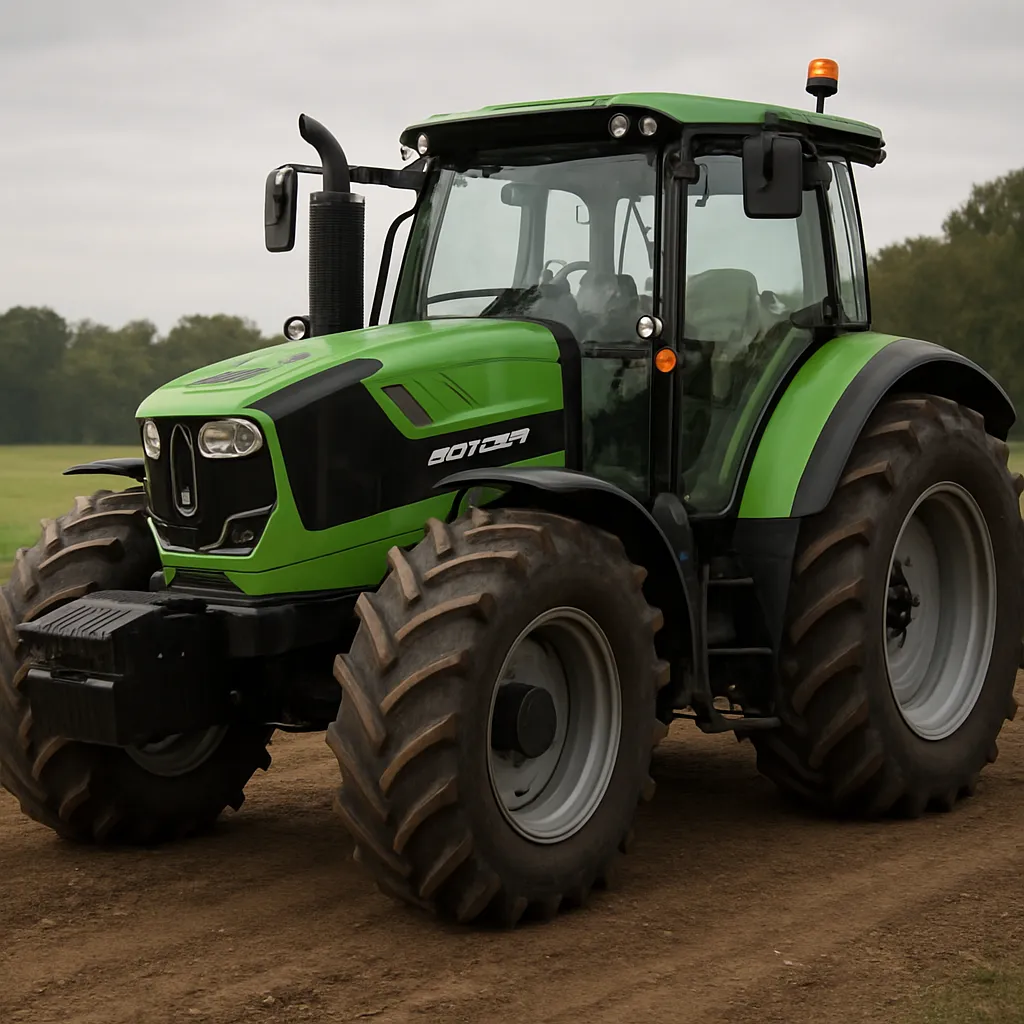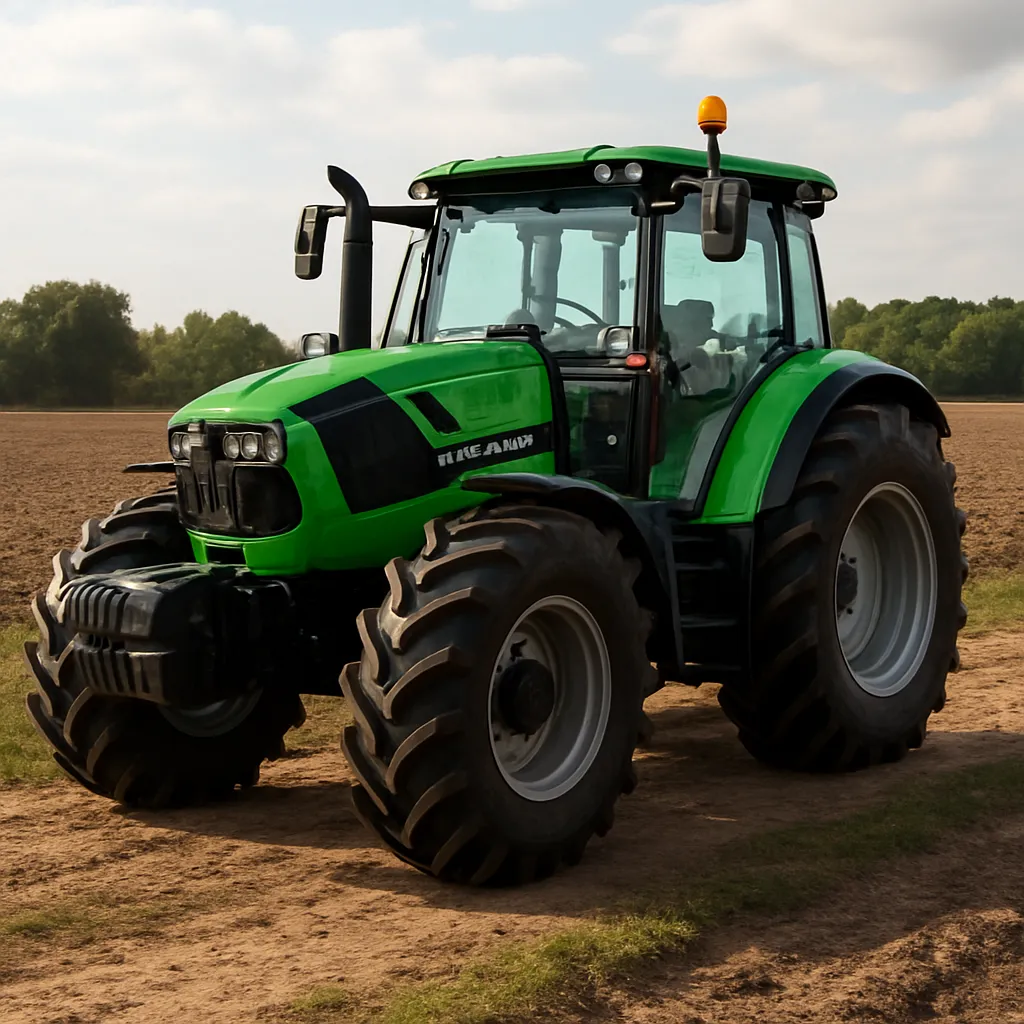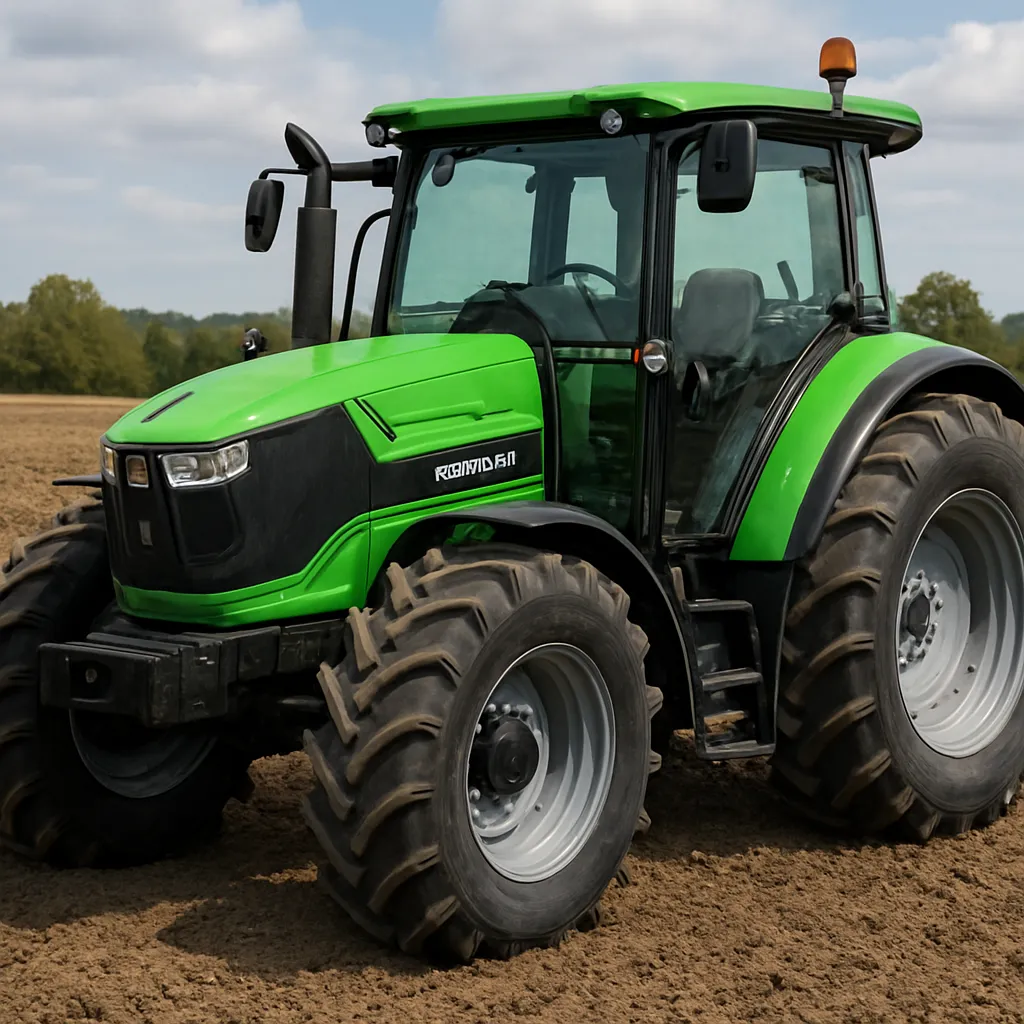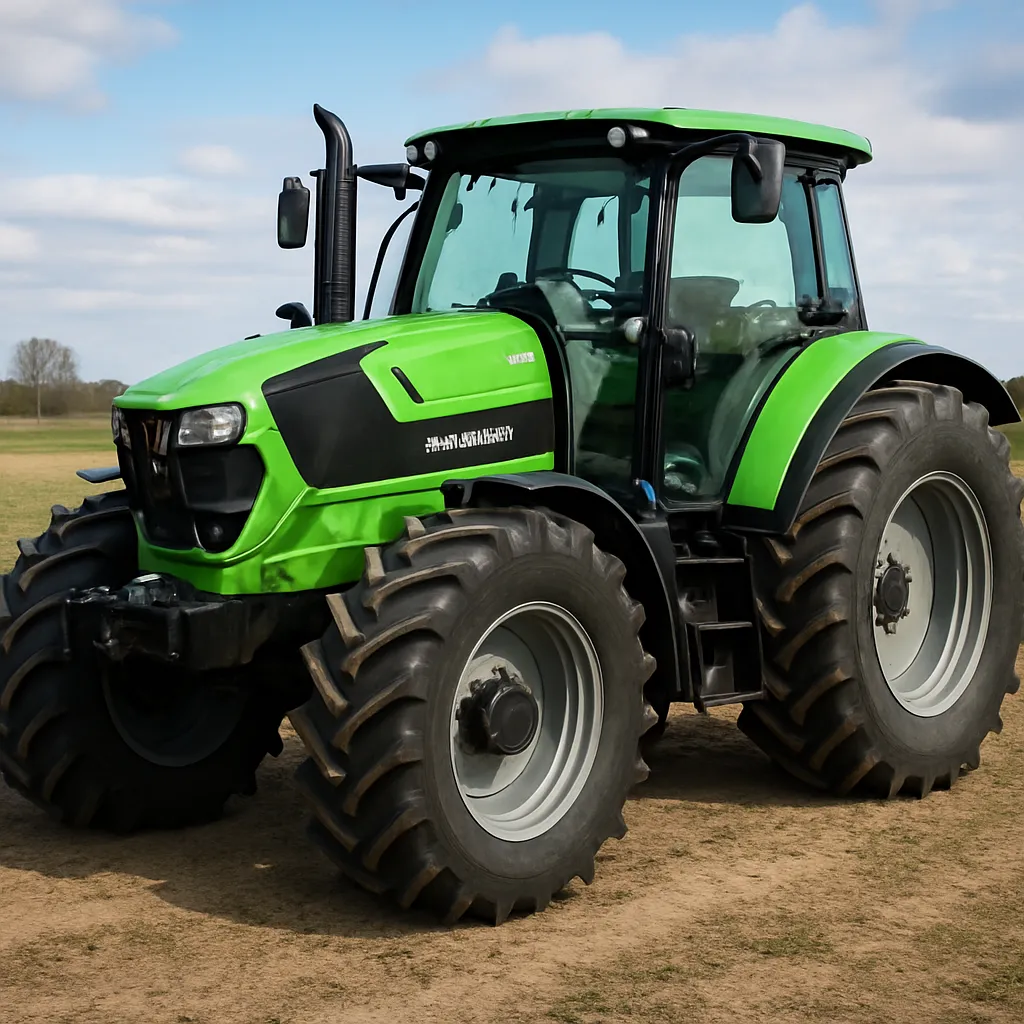
The Deutz-Fahr 6205 Agrotron is a mid-size agricultural tractor from the Deutz-Fahr Agrotron range, designed to combine comfortable operator ergonomics with robust farm-capable performance. Commonly seen on European farms and increasingly on operations worldwide, this model has been valued for its blend of modern cabin design, adaptable drivetrain options, and dependable mechanical components. The following article explores the 6205 Agrotron’s design, technical characteristics, typical applications, and practical considerations for owners and operators.
Overview and design philosophy
The Deutz-Fahr brand has a long heritage in agricultural machinery, and the Agrotron line represents a phase when the company focused on integrating advanced ergonomics and emissions-aware diesel engines into mainstream tractors. The 6205 Agrotron is positioned as a versatile workhorse for medium-scale operations. Its design emphasizes a comfortable operator environment, easy service access, and a configuration range that allows customization for specific farm tasks.
The exterior styling of the Agrotron series—characterized by a sloped, aerodynamic bonnet and a spacious, glazed cab—was created to improve visibility and operator comfort during long working days. The cab layout typically features a clear instrument panel, adjustable seating, and good all-around visibility, which makes the tractor suitable for both field and transport work.
Key design priorities included reliability, operator comfort, and modular configuration. These priorities manifest in features such as efficient engine packaging, accessible service points, and multiple transmission and hydraulic options so that the same basic chassis can be used for a broad range of tasks.
Technical specifications and variants
Engine and emissions
The 6205 Agrotron is fitted with a turbocharged diesel engine from the Deutz family. Depending on the production year and market, typical rated power falls in the range of approximately 110–130 hp (about 82–96 kW). Engines for this class were usually four- or six-cylinder units, tuned to balance power delivery and fuel economy. Emissions controls varied by model year and market: earlier versions complied with the contemporaneous European Stage/Tier standards (Stage II/IIIA in many mid-2000s variants), while later upgrades introduced further emission-reduction measures in line with regulatory requirements.
The engine configuration typically delivers a wide torque band useful for PTO and draft work, and the turbocharged design provides good response under load. Typical peak torque values for tractors in this class often lie in a region that supports heavy draft implements and front-loader cycling without excessive lugging.
Transmission and driveline
A strength of the 6205 Agrotron is the availability of multiple transmission options to suit distinct working profiles. Common offerings include synchromesh transmissions with multiple gears (for example, 12×12 or 24×24 ranges), and in some markets more advanced power-shift or semi-powershift variants were available. These allow operators to select smooth shifting and efficient speed ranges for transport, field work, or specialist applications.
Typical features across the driveline options are a robust clutch, mechanical/electro-hydraulic shuttle for forward/reverse direction changes, and selectable four-wheel drive. Maximum road speeds often reach around 40 km/h in transport-optimized gearing.
PTO, hydraulics and linkage
Power take-off (PTO) configurations for the 6205 usually include the standard 540 rpm setting, with optional 540E or 1000 rpm flanges depending on the year and options. This flexibility makes the tractor suitable for a wide range of PTO-driven implements such as mowers, balers, and slurry pumps.
The hydraulic system is designed for moderate to heavy implement handling. Typical specifications include a multi-valve rear spool arrangement and a three-point hitch with a lift capacity in the range of approximately 3,000–4,500 kg, depending on linkage selection and mounting. Auxiliary hydraulics and remote couplers enable the use of front loaders, large sprayers, and hydraulic motors.
Chassis, axles and cab features
The 6205’s chassis is engineered for field stability and load-carrying. Front axle options often include rigid or suspended variants; suspension improves ride quality during transport and loader work. Braking systems and steering are tuned for responsive control even when carrying heavy implements.
Inside the cab, expect features intended for extended comfort and productive operation: adjustable seat and steering column, ergonomic controls, good noise insulation, heating and ventilation—and in many configurations, air conditioning. Visibility enhancements such as panoramic glazing and optional lighting packages increase effective working hours during low-light conditions.
Applications and typical use cases
The Deutz-Fahr 6205 Agrotron is used effectively in a number of agricultural and auxiliary roles. Its design makes it particularly well-suited to mixed farms and contractors who require a single machine to perform many tasks.
- Arable farming: Tillage, seedbed preparation, and mid-size cultivations where traction and steady PTO power are required.
- Crop care and harvesting support: Traction for sprayers and fertilizer spreaders, towing trailers or hoppers during harvest.
- Dairy and livestock farms: Feeding, manure handling, and bedding work using front loaders and stable-use implements.
- Loader work: When equipped with a front loader, the model handles material movement, pallet handling, and feed tasks efficiently.
- Municipal and estate management: Mowing, snow clearing (with plough or blower), and transport duties on mixed-use estates.
The tractor’s modularity also makes it popular with small contractors who need a machine that can transition quickly between haulage, field operations, and loader tasks.
Performance, efficiency and operator experience
Performance metrics for the 6205 Agrotron reflect its positioning as a versatile mid-range tractor. Fuel consumption values depend heavily on duty cycle, load, and attachment types. In general, operators report reasonable fuel efficiency for applications that keep the engine within its optimum rpm band. Use of appropriate gearing and PTO speed selection is important to maximize efficiency.
Comfort and ergonomics are central to the operator experience. The cab is designed for reduced vibration and noise, allowing long hours without excessive fatigue. Visibility forward and to the sides is often cited as a strong point for field work and loader operations, while onboard controls aim to be intuitive for experienced tractor drivers.
Field productivity
A well-configured 6205 can deliver consistent field productivity when matched to the right implements. The combination of available torque, robust hydraulics, and decent lift capacity makes it efficient for medium-width implements. For repeated heavy draft work (e.g., deep ploughing on heavy soils), larger tractors may be preferred, but the 6205 performs well for the majority of mixed-farm tasks.
Maintenance, durability and common issues
Routine maintenance is straightforward on this model family due to accessible service points and relatively conventional mechanical systems. Regular tasks typically include oil and filter changes, hydraulic fluid checks, air filter maintenance, cooling system inspection, and PTO drive checks. Following the manufacturer’s scheduled service intervals is important for long-term durability.
Common ownership considerations include:
- Clutch and transmission wear on tractors used heavily for loader work with frequent direction changes—aggressive use may accelerate wear.
- Hydraulic leaks from spool valves or hoses if seals age or if couplers are abused; periodic inspection and timely seal replacement prevent larger failures.
- Electrical and sensor faults in later models with more electronics; keeping connectors clean and dry helps avoid intermittent issues.
With attentive care, many owners report multi-thousand-hour service lives for major components. Availability of parts is generally good in regions with Deutz-Fahr dealer networks, and the global presence of the SAME/Deutz-Fahr group supports aftermarket supply chains.
Market considerations, resale and ownership costs
On the used market, the Deutz-Fahr 6205 Agrotron typically attracts buyers seeking a durable mid-range tractor with a modern cab and flexible configuration options. Resale values are influenced by hours, condition, maintenance history, and fitted options (such as front loader, suspended axle, or deluxe cab packages).
Ownership costs include fuel, routine servicing, tires, and periodic replacement of wear items like clutches or brake components. Insurance, registration, and taxation depend on local regulations. For many operators, the 6205 represents a balance between acquisition cost and operational versatility—especially where a single tractor must cover a wide range of tasks rather than specializing in heavy tillage or extremely high-power demands.
Comparisons and alternatives
In its class, the 6205 is compared with similarly powered tractors from other mainstream manufacturers. Buyers often weigh factors such as dealer support, available options (transmission, PTO, hydraulics), cabin comfort, and lifecycle costs. Where higher continuous draft or larger implements are required, operators may step up to larger tractors. For very small holdings, more compact models may be more economical.
Decisions often hinge on intended usage: contractors or farms needing frequent loader and transport work may prioritize transmissions with shuttle and powershift options, while pure field operators may prefer simple, robust transmissions with fewer electronic systems to maintain.
Interesting facts and practical tips
- Versatility: The 6205 was designed to be adaptable—many owners equip it with front loaders, bale handlers, and a variety of PTO implements to maximize utilization.
- Cab design: The Agrotron cab styling was part of a broader industry shift toward operator-centric ergonomics in the 2000s, improving long-term productivity.
- Aftermarket: Plenty of aftermarket accessories exist, from specialized hitching systems to upgraded lighting and telematics modules for fleet management.
- Economic use: Matching implement width and ground speed to the tractor’s torque curve typically yields the best fuel economy and reduces wear.
Typical technical figures (indicative)
Below are typical figures for the Deutz-Fahr 6205 Agrotron family; values vary by market, year, and configuration and should be confirmed for a specific unit.
- Rated power: approximately 110–130 hp (82–96 kW)
- Engine type: turbocharged diesel (4- or 6-cylinder variants depending on market)
- Maximum road speed: commonly up to 40 km/h (varies by transmission and gearing)
- Fuel tank: commonly around 150–250 liters (model-dependent)
- Hydraulic flow: varies—typical service flows support medium-to-large implements (external pumps or higher-flow options may be fitted)
- Rear lift capacity: approximately 3,000–4,500 kg at the lift arms (depending on linkage and mounting)
- PTO options: 540 rpm standard, optional 540E/1000 rpm
- Weight: curb weight typically in the range of 4,000–6,000 kg, depending on fittings and ballast
Purchase and evaluation checklist
When evaluating a used or new 6205 Agrotron, consider the following points:
- Service history and evidence of regular maintenance.
- Hours recorded on the engine and whether major service milestones (clutch, hydraulic pumps) have been addressed.
- Condition of the cab, seals, and glazing (water ingress is a common issue on older tractors if seals fail).
- Tire condition, rim integrity, and wheel alignment.
- Functionality of PTO, hydraulic remotes, and linkage under load.
- Inspection for leaks (engine, transmission, hydraulics) and for unusual noises during a test drive.
- Availability of spare parts and local dealer support for your region.
Conclusion
The Deutz-Fahr 6205 Agrotron occupies a practical niche as a capable, mid-range tractor offering a combination of reliability, operator comfort, and adaptable performance. It suits mixed farms, contractors, and estate operations where one machine must cover a broad array of tasks. While exact specifications depend on model year and selected options, the 6205’s strengths are its balanced power band, useful lift capacity, and ergonomic cab—attributes that continue to make it a valuable asset on many farms. Prospective buyers should evaluate individual units carefully for maintenance history and suitability for their specific workflows, matching hydraulic, PTO and transmission choices to the intended applications to achieve optimal efficiency and longevity.