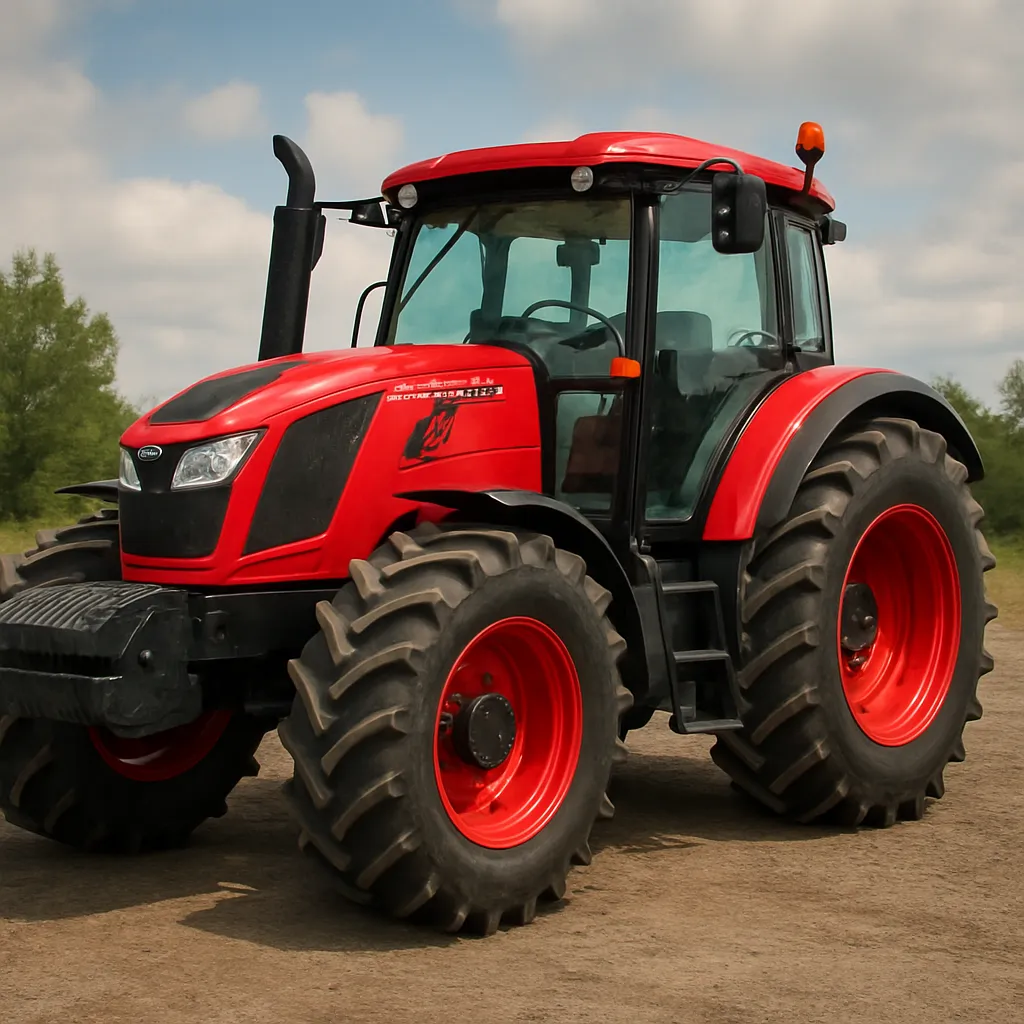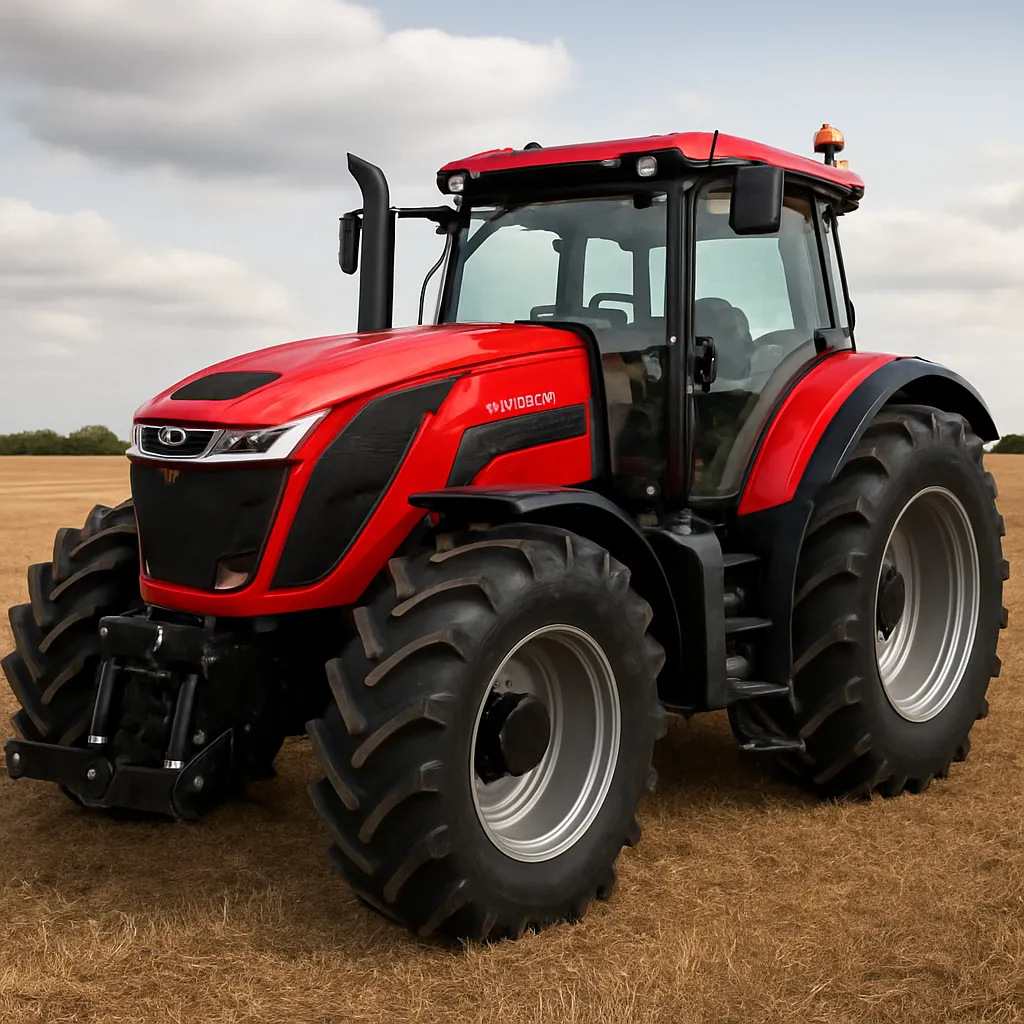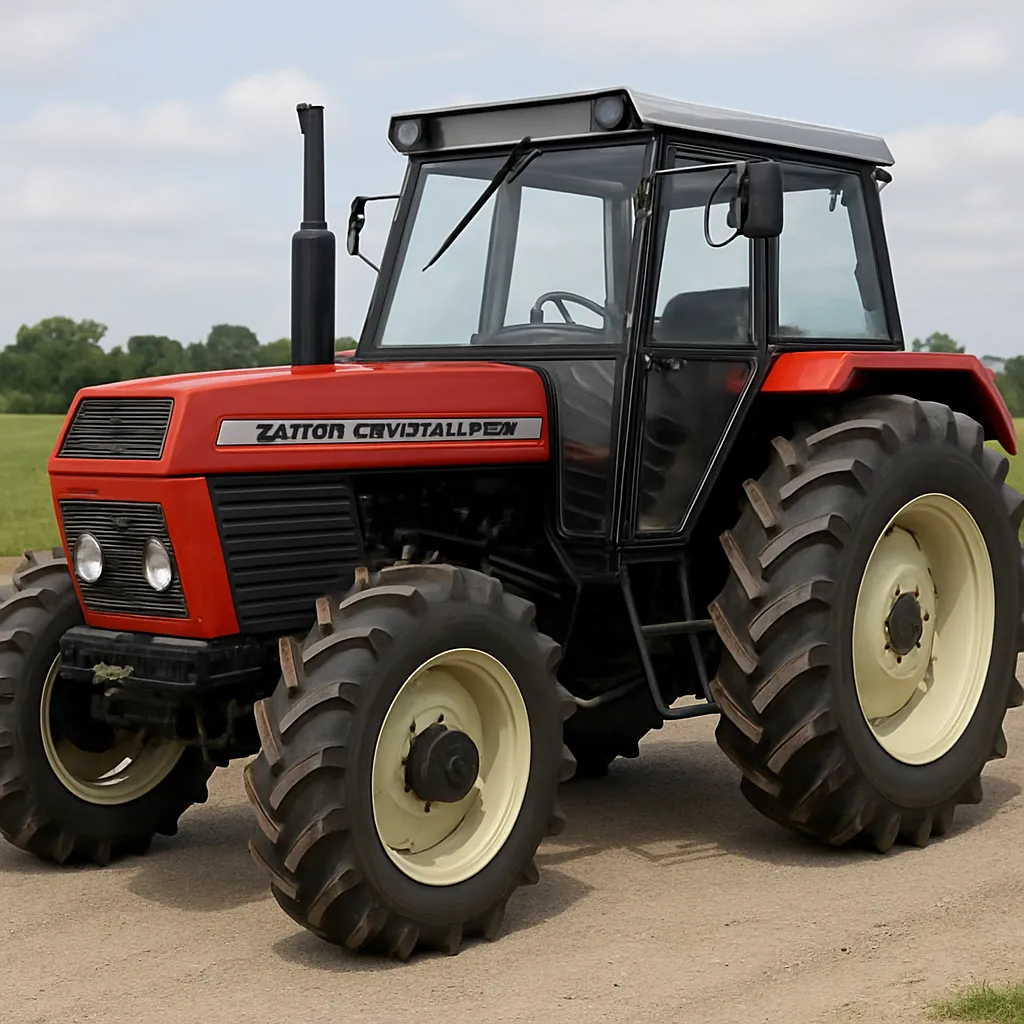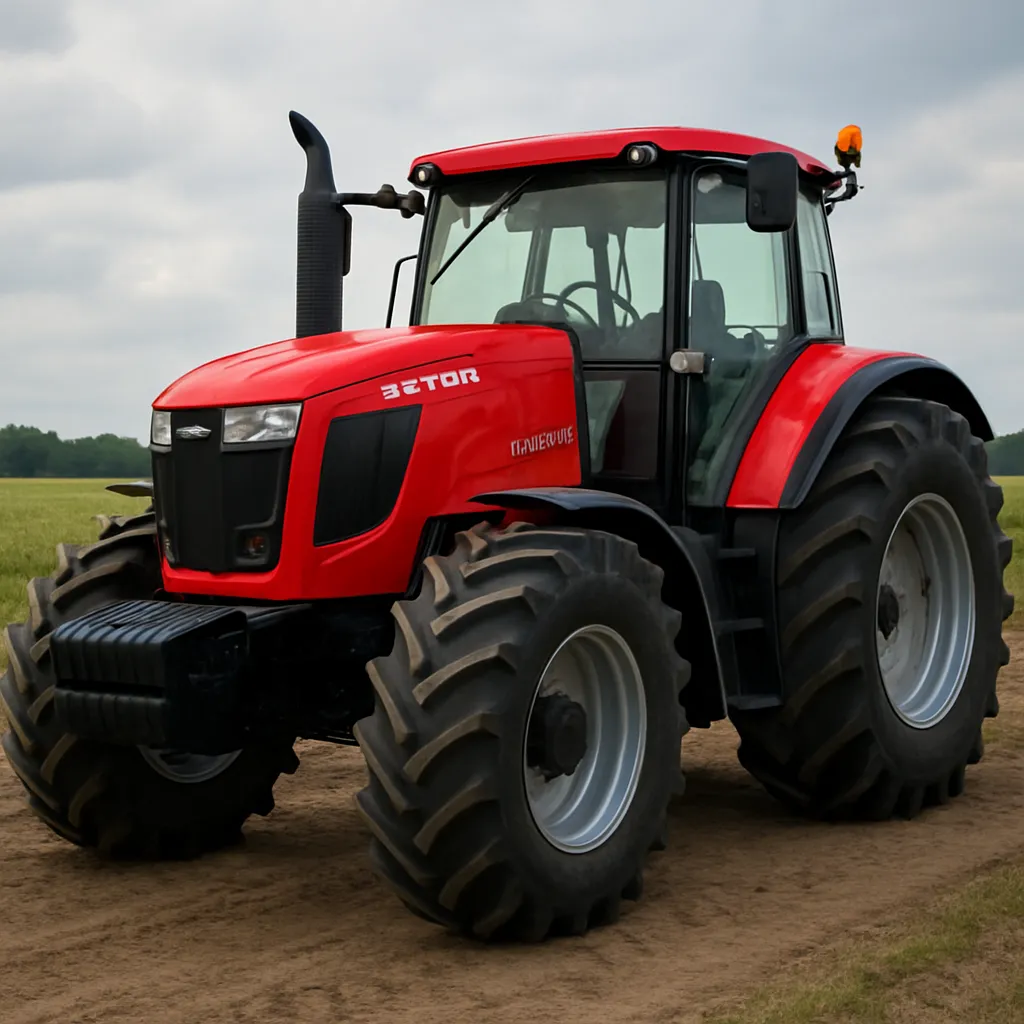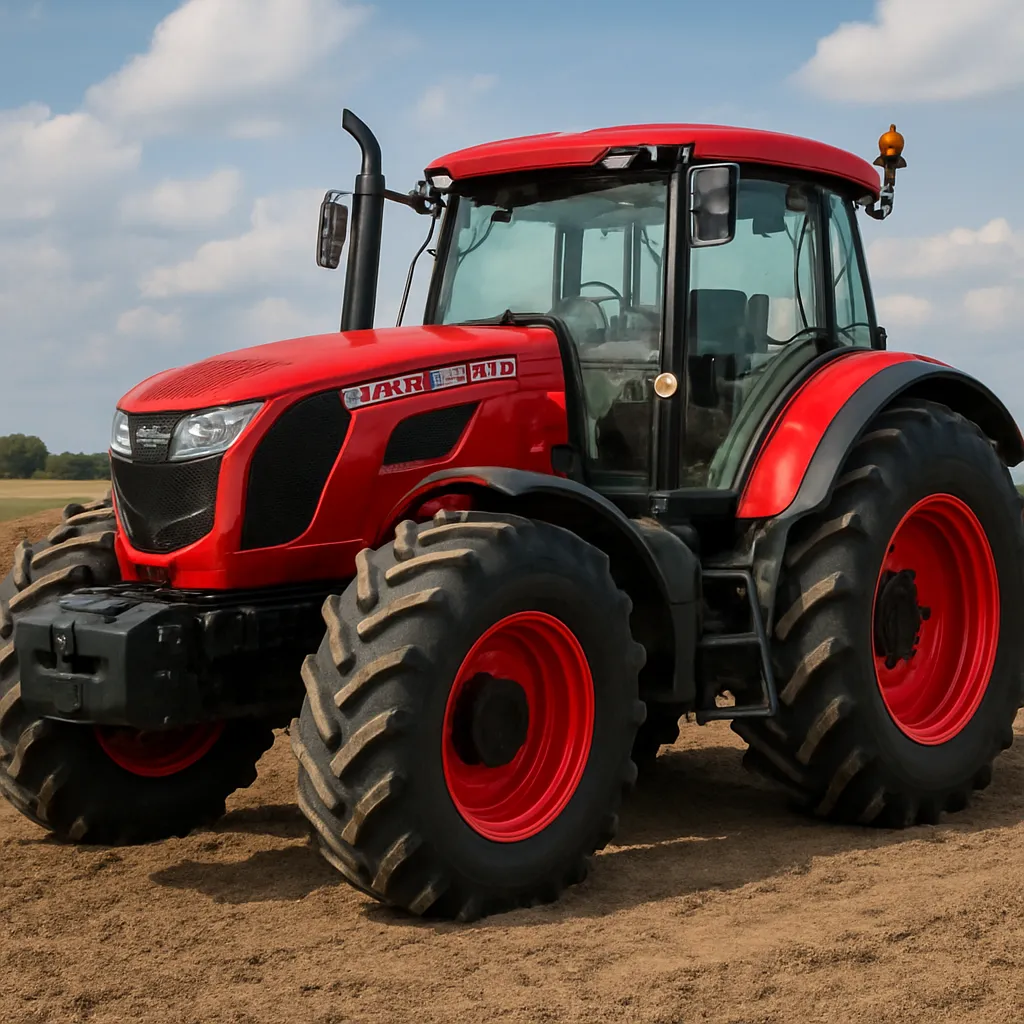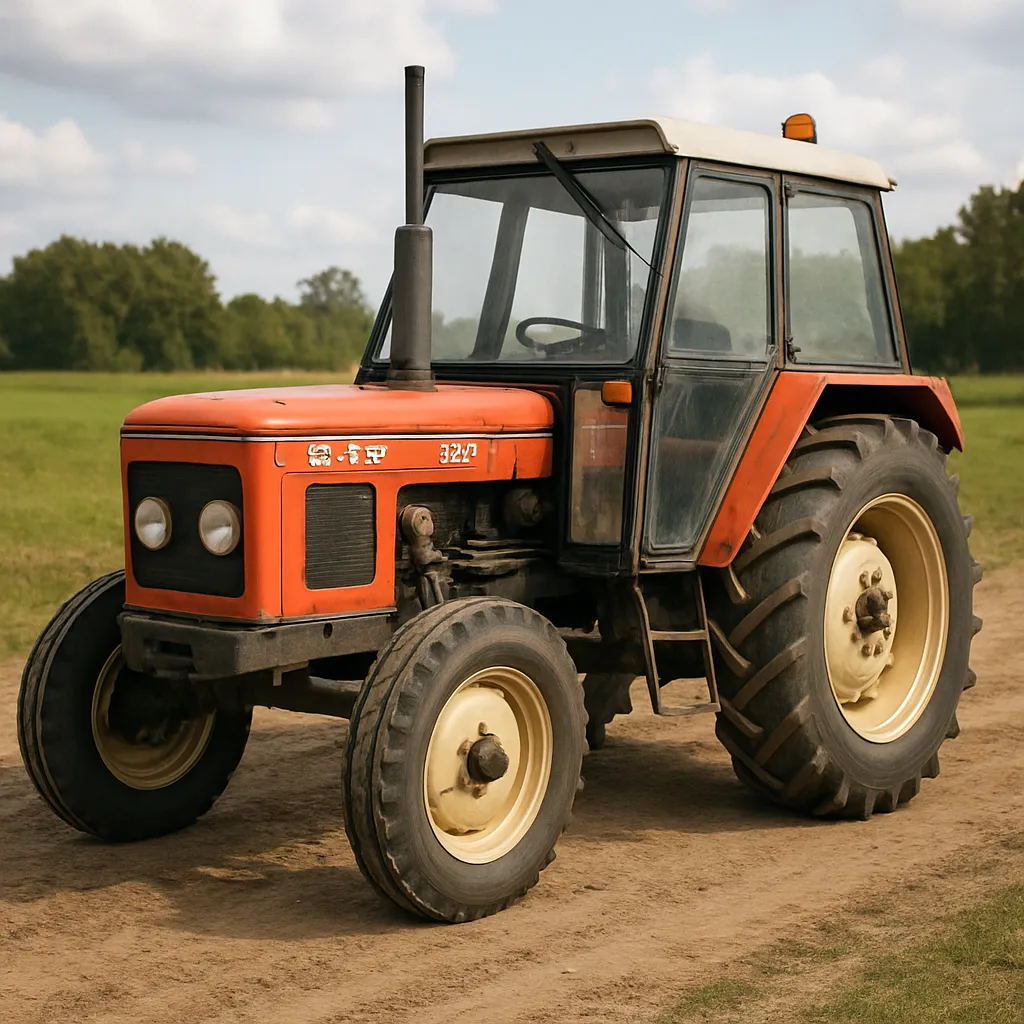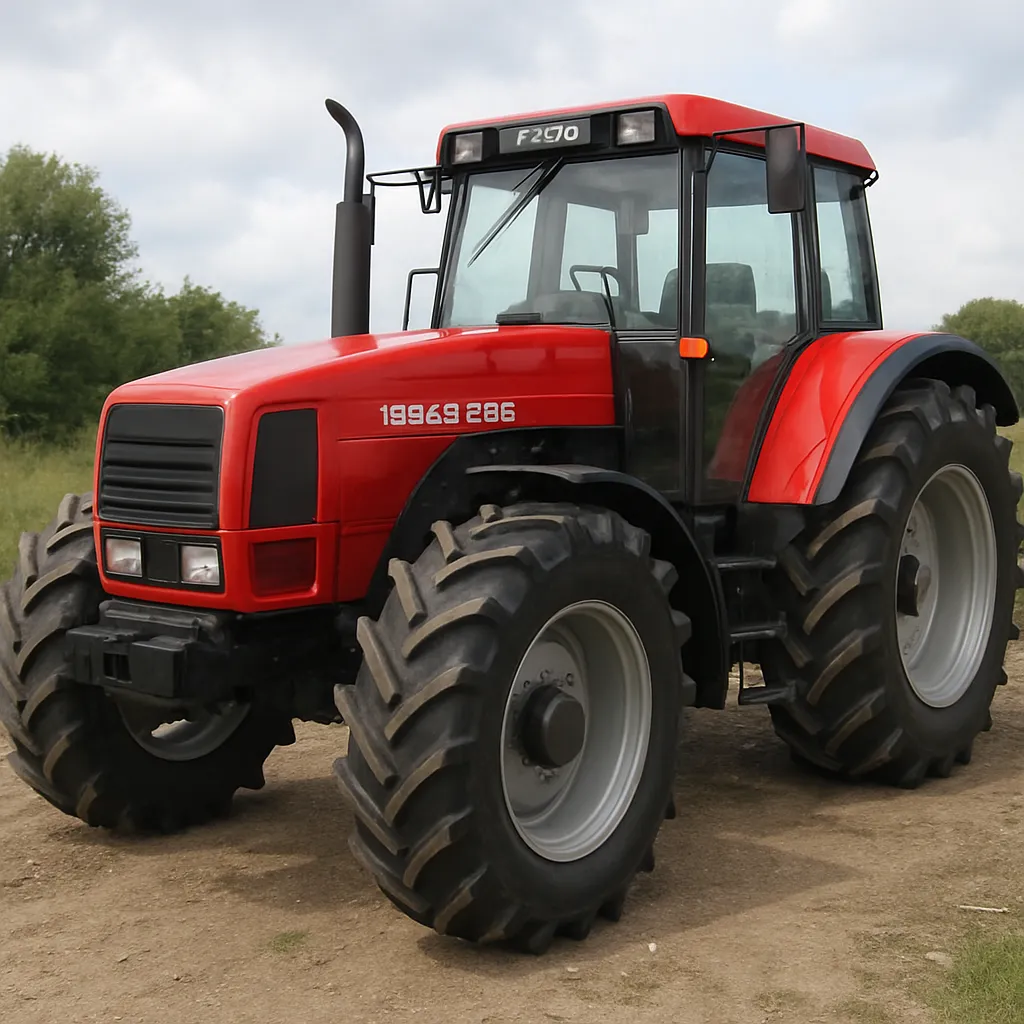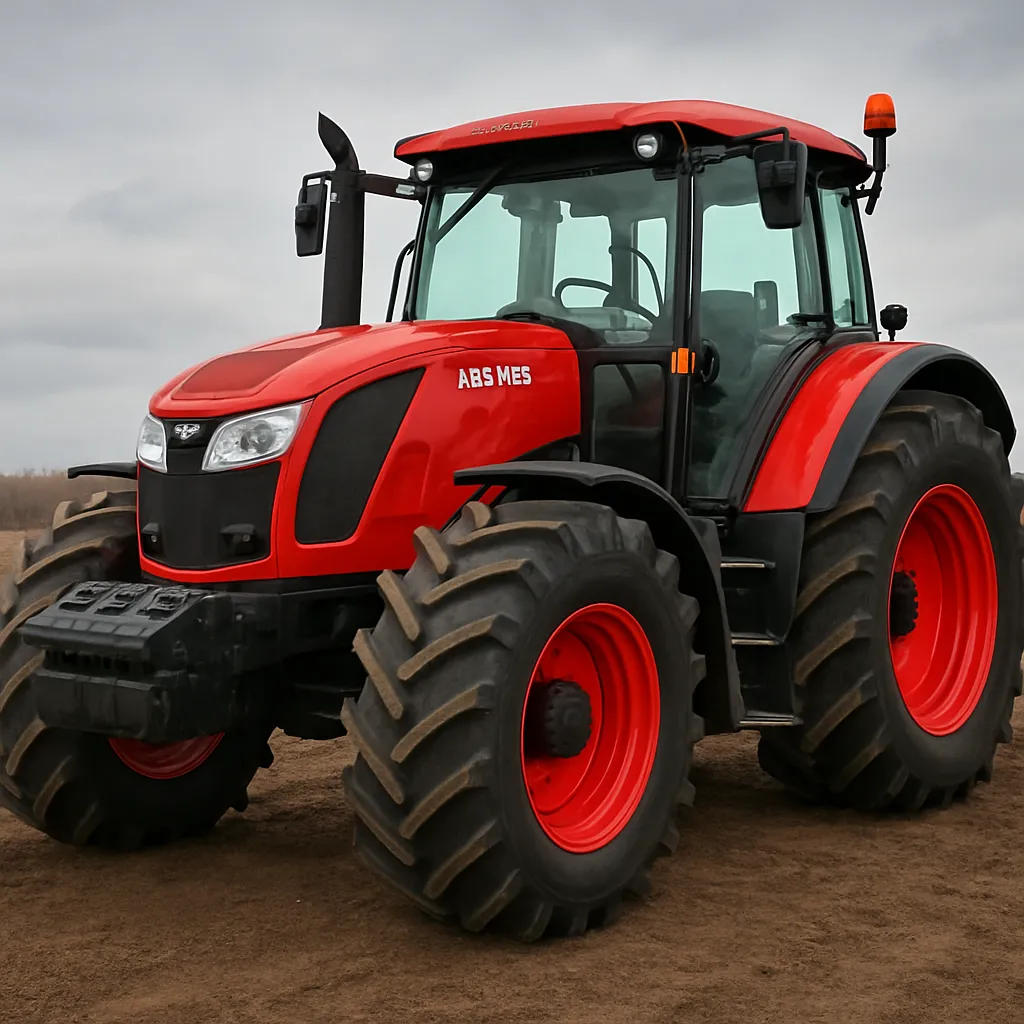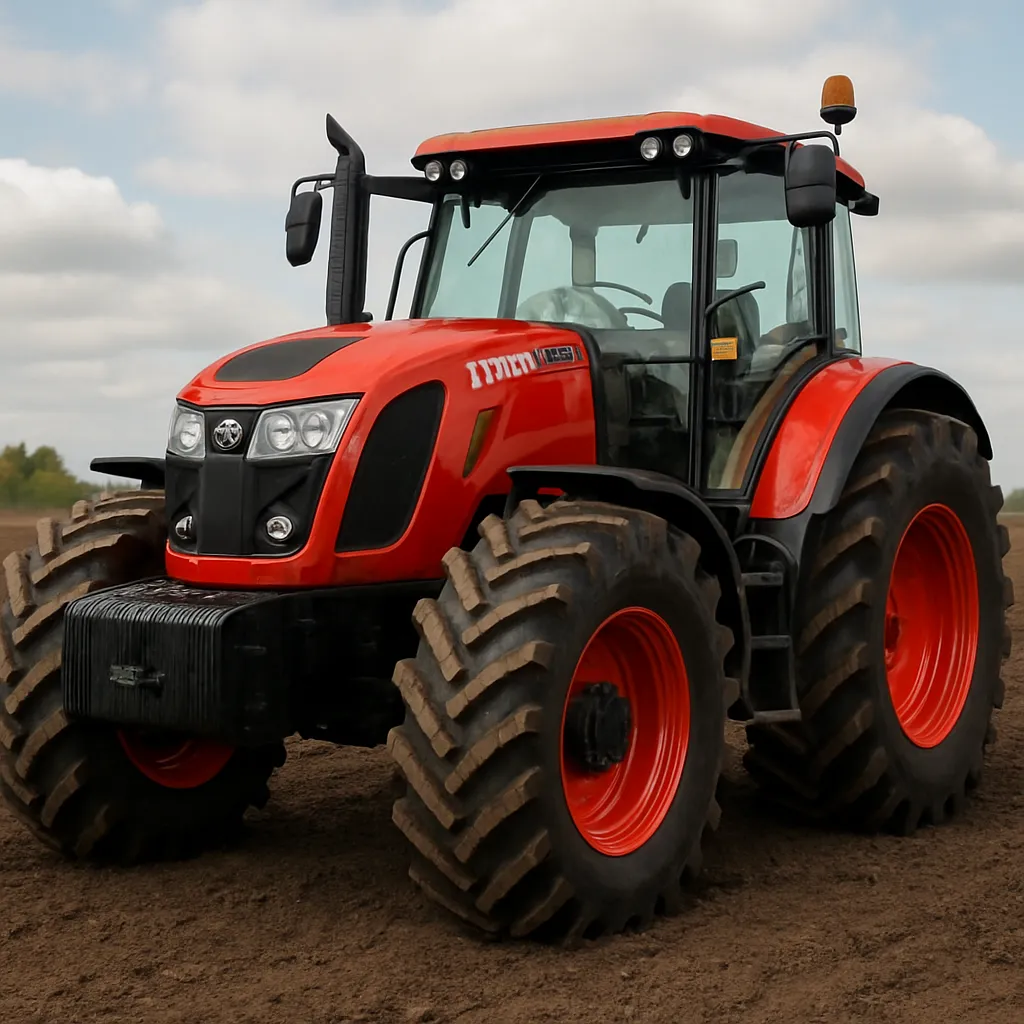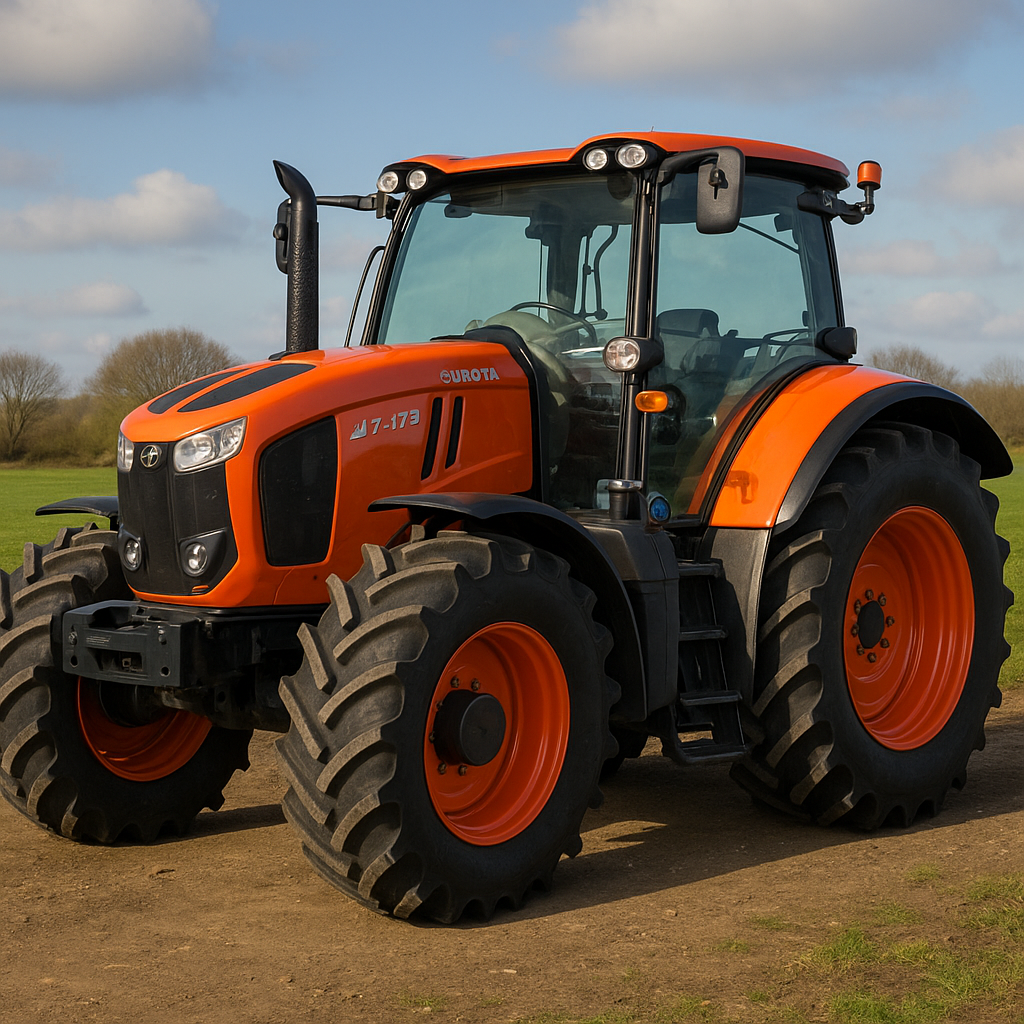
The Kubota M7-173 is a modern agricultural machine designed to bridge the gap between medium and large farm operations, offering a balance of power, versatility and operator comfort. In this article we explore the design, technical attributes, typical applications and real-world advantages of the M7-173. We will also examine practical statistics and performance figures where available, maintenance considerations, and why this model has gained attention among contractors, mixed farmers and estate managers. Throughout the text, key concepts are emphasized to help readers quickly identify the most important characteristics of this tractor.
Overview and design philosophy
The Kubota M7-173 follows Kubota’s strategy of producing tractors that combine robust mechanical foundations with modern electronics and ergonomic design. The M7 series aims to deliver reliable field performance while providing a comfortable working environment for long hours. The M7-173 in particular targets operators who need a machine capable of handling heavy implements, performing transport tasks, and supporting loader or front linkage operations without sacrificing fuel economy or operator comfort.
- Kubota engineering emphasizes modularity — allowing different transmissions, hydraulics and cab packages to be fitted according to task requirements.
- The overall layout favors good visibility forward and to the sides, important when coupling implements or working with loaders.
- Safety and emissions compliance are integrated into the powertrain and after-treatment systems to meet contemporary regulations.
Powertrain and technical characteristics
At the heart of the M7-173 is a diesel engine tuned to provide dependable torque across a broad rpm range. Kubota equips its M7 models to offer steady power delivery suitable for heavy draft work and PTO-driven implements. The M7-173 is typically offered with engine outputs around the model number suggests — in the high 160s to mid-170s horsepower class — though exact values depend on market and configuration choices.
Engine and performance
- Engine type: Kubota 4- or 6-cylinder turbocharged diesel (model and displacement vary by market).
- Rated power: approximately 165–175 hp (depending on rating method and regional tuning).
- Max torque and torque rise: tuned to provide strong low-end pull for fieldwork and PTO tasks.
- Fuel system: advanced common-rail injection for efficient combustion and emissions control.
- AdBlue / SCR: many configurations use selective catalytic reduction or other after-treatment to meet emissions standards.
The exact numerical specifications can vary; manufacturers commonly offer choices in transmission and PTO arrangements that influence effective performance in specific tasks. The M7-173 is often paired with transmissions offering smooth gear changes, a creep option and an optional continuously variable transmission (CVT) in some markets or a semi-powershift arrangement to maximize efficiency and ease of use.
Transmission and driveline
- Transmission options: ranges from synchronized shuttle transmissions to more advanced powershift/step-less options depending on customer choice.
- 4WD and differential lock: full-time or on-demand four-wheel drive combined with front and rear differential locks for traction in challenging conditions.
- PTO options: multiple PTO speeds commonly available (540/540E/1000) to match a variety of implements.
- Hydraulics: high-flow pumps with multiple remotes and proportional control for heavy implements, loaders and third-party tools.
Hydraulic system, linkage and implement compatibility
An efficient hydraulic and linkage system is essential in a machine aimed at professional use. The M7-173 typically includes a strong rear linkage with high lift capacity, optional front linkage, and hydraulic flow rates sufficient for complex implements such as seed drills, large sprayers, mounted mowers and soil cultivation tools.
- Rear linkage capacity: designed for heavy mounted equipment and large implements — lift capacities are generally in the high range for this class of tractor.
- Hydraulic flow: options for both standard and high-flow circuits to operate hydraulic motors and variable-rate systems on modern implements.
- Electro-hydraulics: proportional spool valves and electronic hitch control for precise implement positioning and headland management functions.
This flexibility makes the M7-173 suitable for a broad range of applications from arable farming and livestock bedding management to municipal tasks and road maintenance when fitted with appropriate attachments.
Applications and typical use cases
The M7-173 is a versatile tractor whose capabilities fit several distinct operational profiles. Below are the principal sectors and tasks where this model is commonly deployed.
Arable farming and cultivation
- Primary tillage with heavy ploughs and large cultivators where consistent drawbar pull and PTO stability are required.
- Secondary cultivation, seedbed preparation and seeding operations using mounted and trailed planters.
- Large-scale crop protection — pulling sprayers and operating boom systems while maintaining steady ground speed.
Dairy and livestock farms
- Feeding, bedding and slurry handling — strong linkage and hydraulic capacity support mixers, bale handlers and slurry pumps.
- Transport tasks — moving heavy loads between fields and buildings with trailer combinations.
Contracting and municipal use
- Contractors value the M7-173 for its ability to switch quickly between tasks: seeding, hauling, mowing and snow clearing.
- Municipalities and estate managers use versions of the tractor for verge cutting, gritting, street clearing and grounds maintenance.
Operator environment and ergonomics
Long working days demand a comfortable and intuitive operator environment. The M7-173 focuses on reducing operator fatigue through ergonomically arranged controls, excellent visibility and a cab designed for comfort and low noise levels.
- Cab design: spacious with good all-round windows, air conditioning and heating systems to maintain comfort in all weather.
- Seat and controls: adjustable suspension seats and logically grouped controls reduce strain and speed up repetitive tasks.
- Visibility and lighting: LED or high-output work lights are available to extend working hours into low-light conditions.
- Telematics and displays: many tractors in this class come with touchscreen displays for monitoring engine parameters, hydraulic flow, GPS-ready guidance and implement control.
Fuel efficiency, emissions and operating economy
One of the strengths of the M7-173 is a balance between power and fuel consumption. Modern injection systems, turbocharging and engine management improve thermal efficiency, while choices in transmissions and implementing smart PTO control contribute to lower fuel use per hectare.
- Fuel economy: optimized through engine management and transmission options that keep engines operating in efficient rpm ranges.
- Emissions: after-treatment systems such as DOC and SCR are typically used to meet Stage V or Tier 4 final requirements depending on market.
- Lifecycle costs: while acquisition costs for a well-equipped M7-173 are notable, the design aims to lower total cost of ownership through reduced fuel use, long service intervals and durable components.
Maintenance, serviceability and reliability
For professional users, uptime is critical. Kubota designs service intervals and accessibility to reduce downtime and simplify routine maintenance. The M7-173 offers accessible filters, grouped service points and diagnostics systems to speed up troubleshooting.
- Service access: panels and hoods that open widely allow easy access to engine components and fluid points.
- Filters and consumables: extended-life filters and recommended service intervals aim to reduce frequency of workshop visits.
- Diagnostics: onboard diagnostics and dealer-level support simplify fault finding and maintain peak performance.
Market position, resale and comparative advantages
Within the competitive landscape of 150–200 hp tractors, the M7-173 positions itself as a user-friendly, durable and versatile option. Kubota’s global footprint supports parts availability and dealer service, which are important factors for resale values and operational continuity.
- Resale: tractors from established brands with robust dealer networks often retain better resale values over time.
- Competition: competitors in this class include models from brands focusing on similar horsepower ranges — each offers slightly different feature mixes (transmission types, hydraulic flow, cab comfort).
- Value proposition: the mix of reliability, operator comfort and versatile implementation options is central to the M7-173’s appeal.
Statistical and performance figures (typical ranges)
Below are representative figures and statistics that reflect typical configurations and expected performance for a tractor of this class. Exact numbers depend on specific options and regional specifications, but these provide a useful benchmark.
- Rated engine power: approximately 165–175 hp (ISO) — the model number 173 commonly corresponds to near 173 hp.
- PTO power: usually slightly lower than engine rated power; expect PTO outputs in the 150–165 hp range depending on configuration.
- Hydraulic flow: standard pump flows commonly between 100–160 L/min; optional high-flow circuits can exceed 160 L/min for hydraulic motors and complex implements.
- Rear linkage lift capacity: typical values for this class often range from 6,000–9,000 kg at the lift arms, depending on linkage specification.
- Top road speed: tractors of this class commonly achieve 40 km/h (25 mph) or more with appropriate gearing for transport tasks.
- Fuel tank capacity: larger tractors typically have tanks ranging from 200 to 350 liters to minimize refueling interruptions during long runs.
- Weight: operating weights usually vary from about 6,000 to more than 8,500 kg depending on cab configuration, tires and attachments.
Strengths and limitations
Every machine has trade-offs. The M7-173’s strengths are clear: dependable power, multiple configuration choices, good hydraulic performance and a comfortable cab. However, potential buyers should weigh several considerations before purchase.
- Strengths: versatility across tasks, strong dealer network in many areas, solid ergonomics and a range of transmission and hydraulic options.
- Limitations: a higher initial investment compared with smaller tractors; complexity of modern electronics may require trained technicians; larger dimensions can limit maneuverability in very tight yard spaces.
Buying considerations and options
When evaluating an M7-173, operators should consider the following to ensure the tractor matches their work profile:
- Choose the transmission option that best fits primary tasks: a creeper or CVT lends itself to planting and precise work, while a powershift can be preferable for general field and transport duties.
- Match hydraulic flow and remote valve count to the implements you intend to use—high-capacity loaders, auger drives or hydraulic motors may need optional high-flow circuits.
- Decide on PTO speeds and front linkage if front-mounted tools are planned.
- Consider telematics and guidance packages if long-term fuel savings, precision work and data logging are priorities.
Real-world feedback and typical owner experiences
Owners and operators of similarly classed Kubota tractors often praise reliability, comfortable cabs and the quality of dealer support. Contractors appreciate flexibility and the ability to switch between tasks quickly. Farm managers frequently note that long-term operating costs are competitive due to fuel-efficient engines and relatively long intervals between major services.
- Positive reports often mention user-friendly controls, solid build quality and good resale values.
- Constructive feedback commonly focuses on ensuring local dealer capacity for advanced diagnostics and parts stocking for specialized options.
Concluding remarks
The Kubota M7-173 serves as a capable and adaptable tool for modern agriculture and related sectors. With a balance of power, hydraulic capacity, operator comfort and modular options, it is suited to a wide range of operations — from heavy arable tasks to livestock and contracting work. Prospective buyers should evaluate specific configurations and match them to operational needs to maximize return on investment. When configured appropriately and supported by competent maintenance, the M7-173 can be a productive and cost-effective member of a contemporary farm fleet.