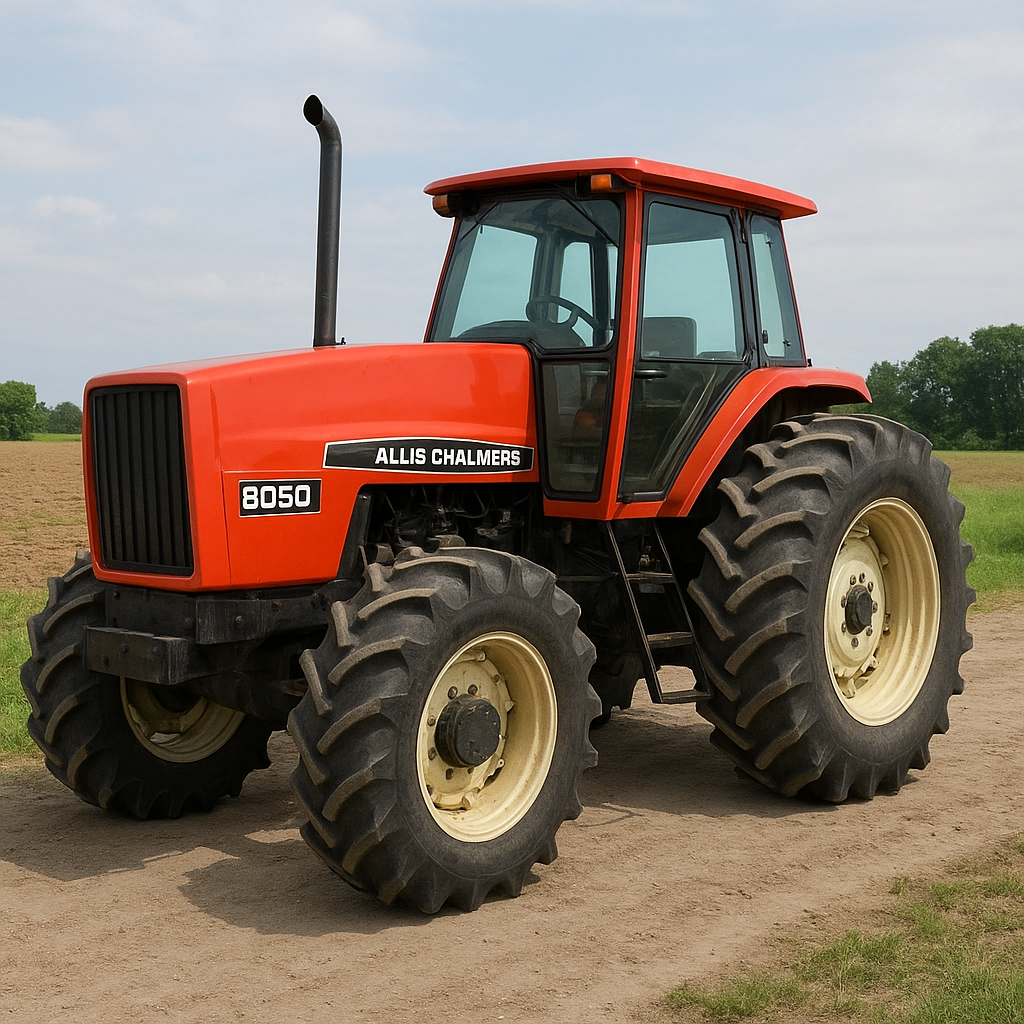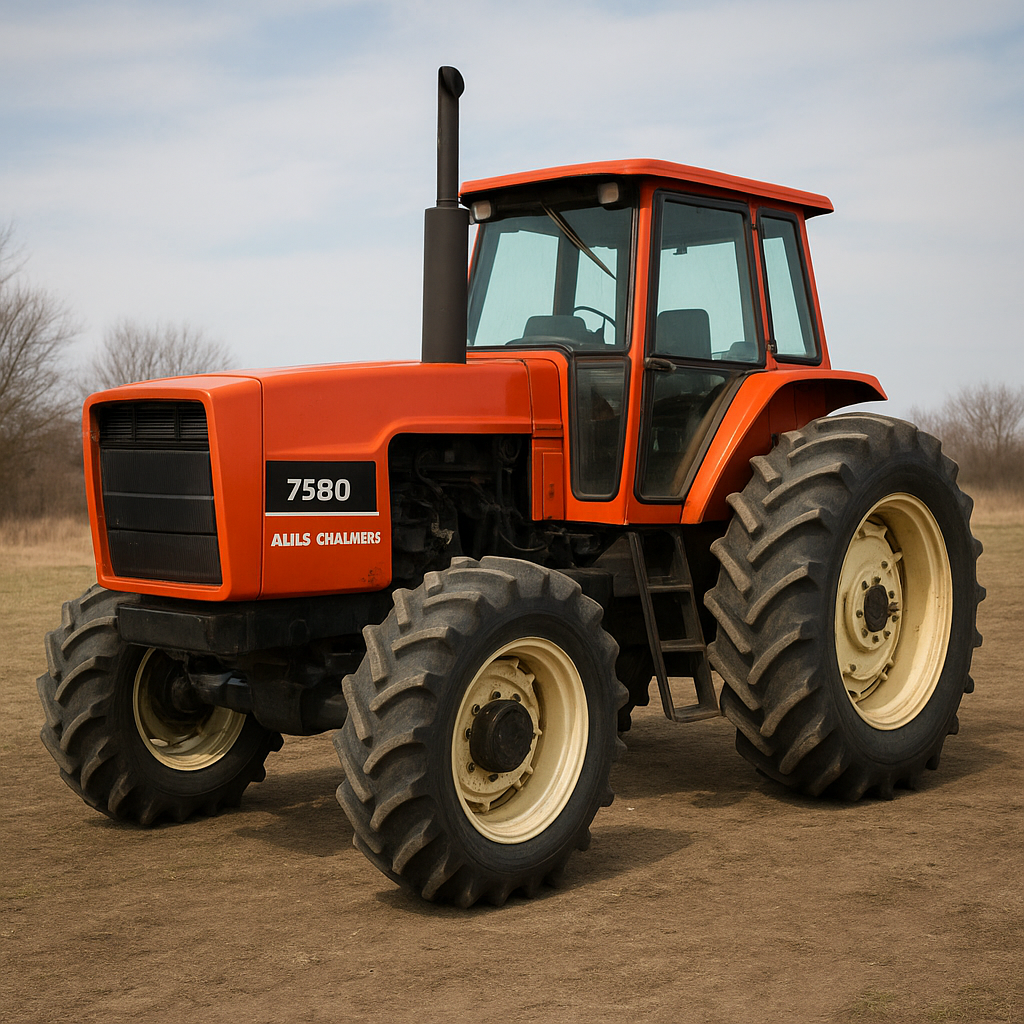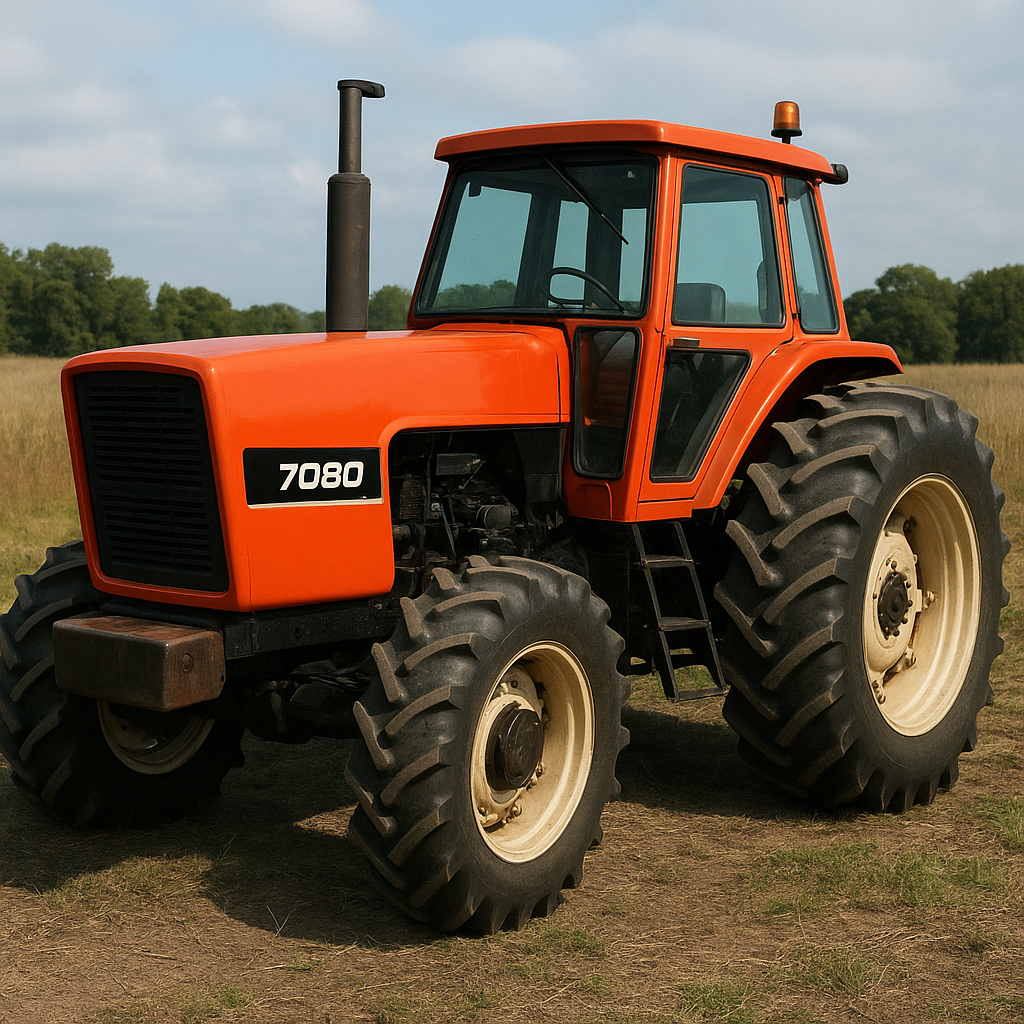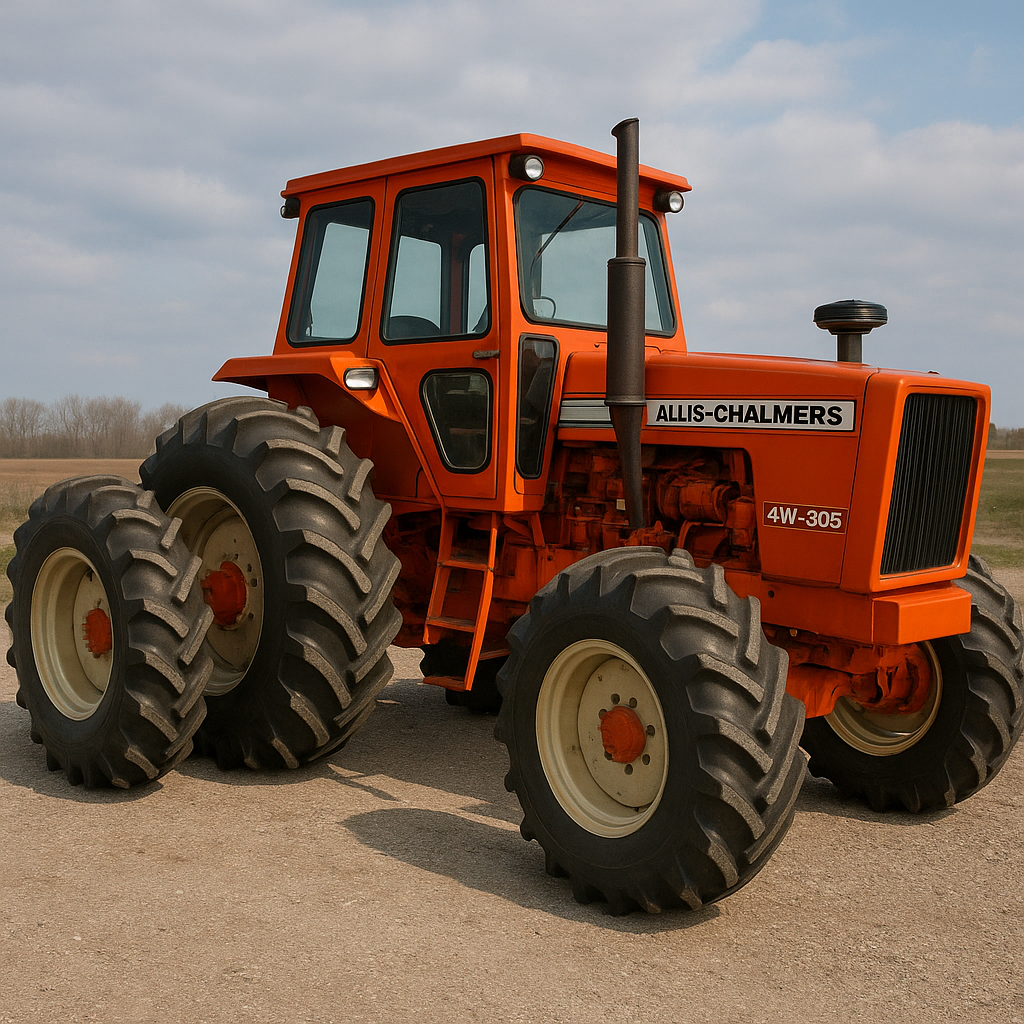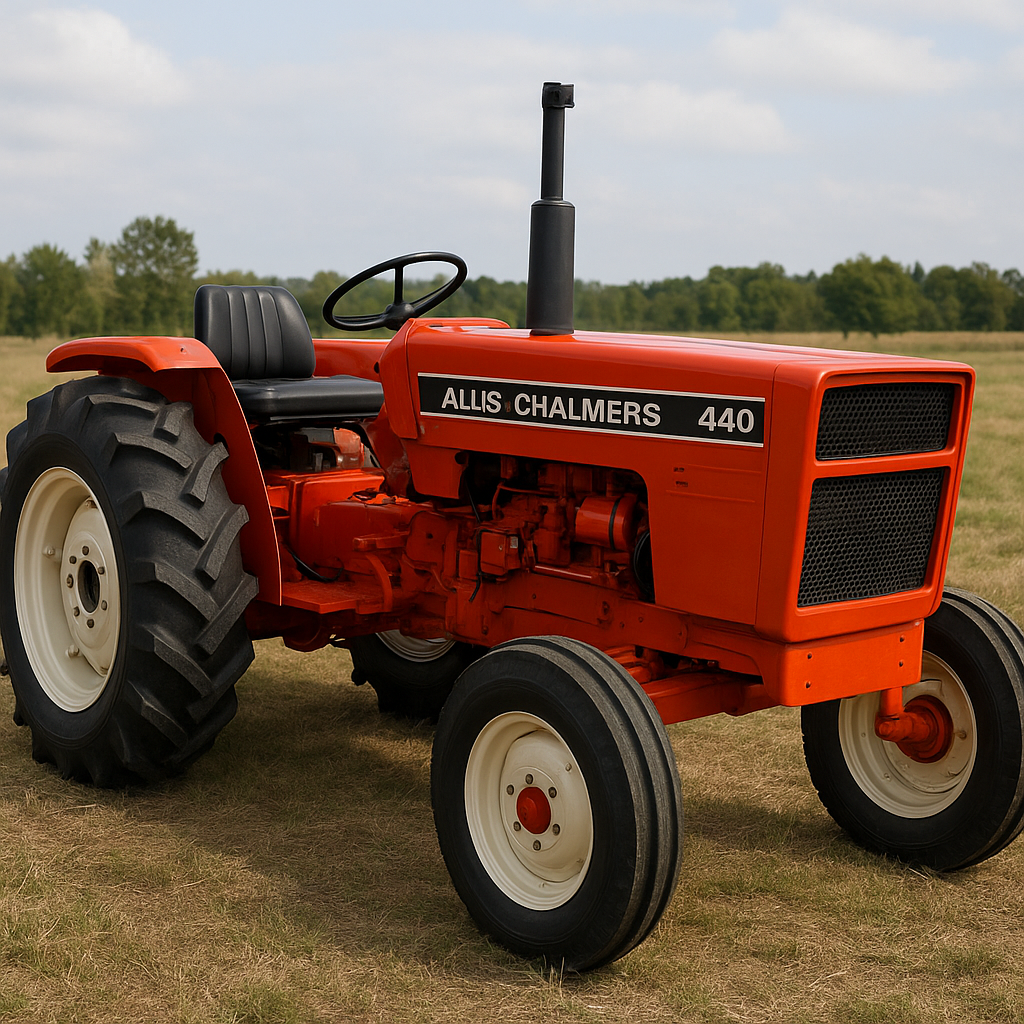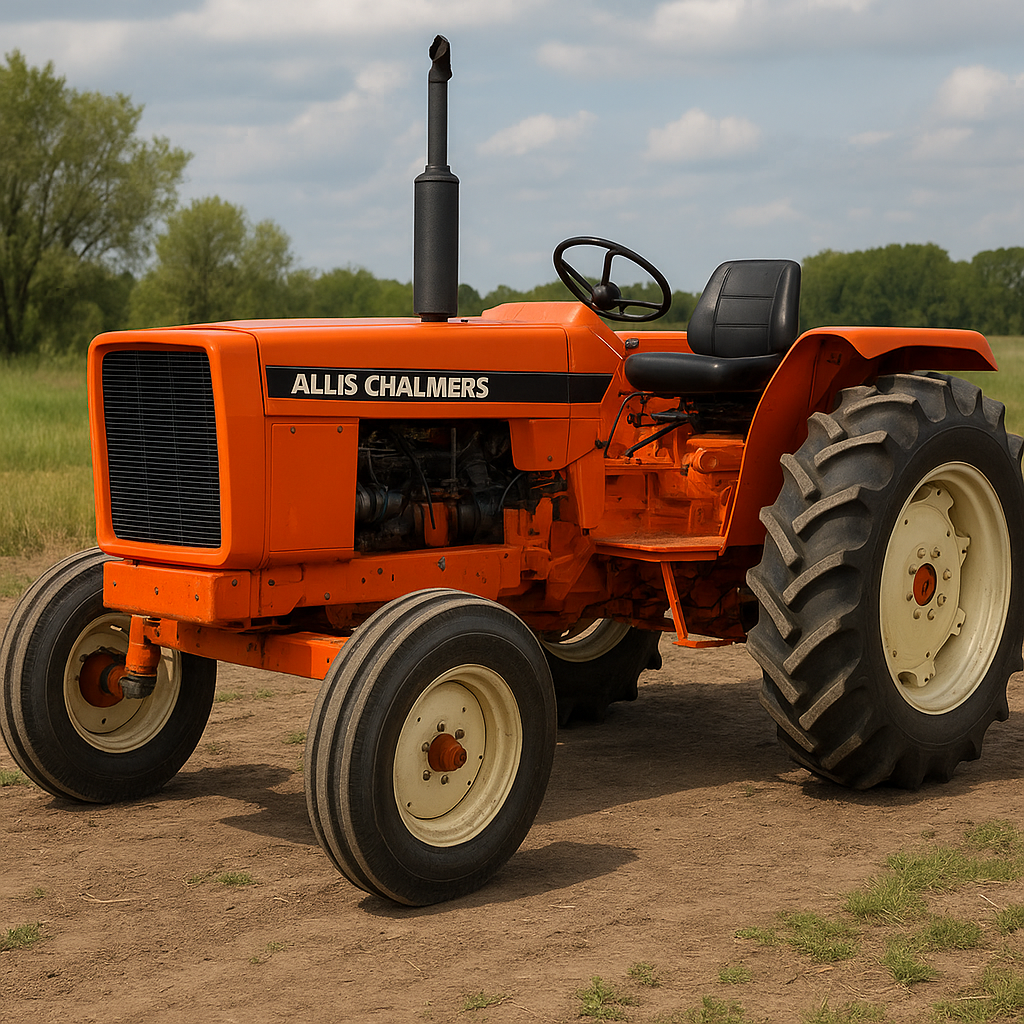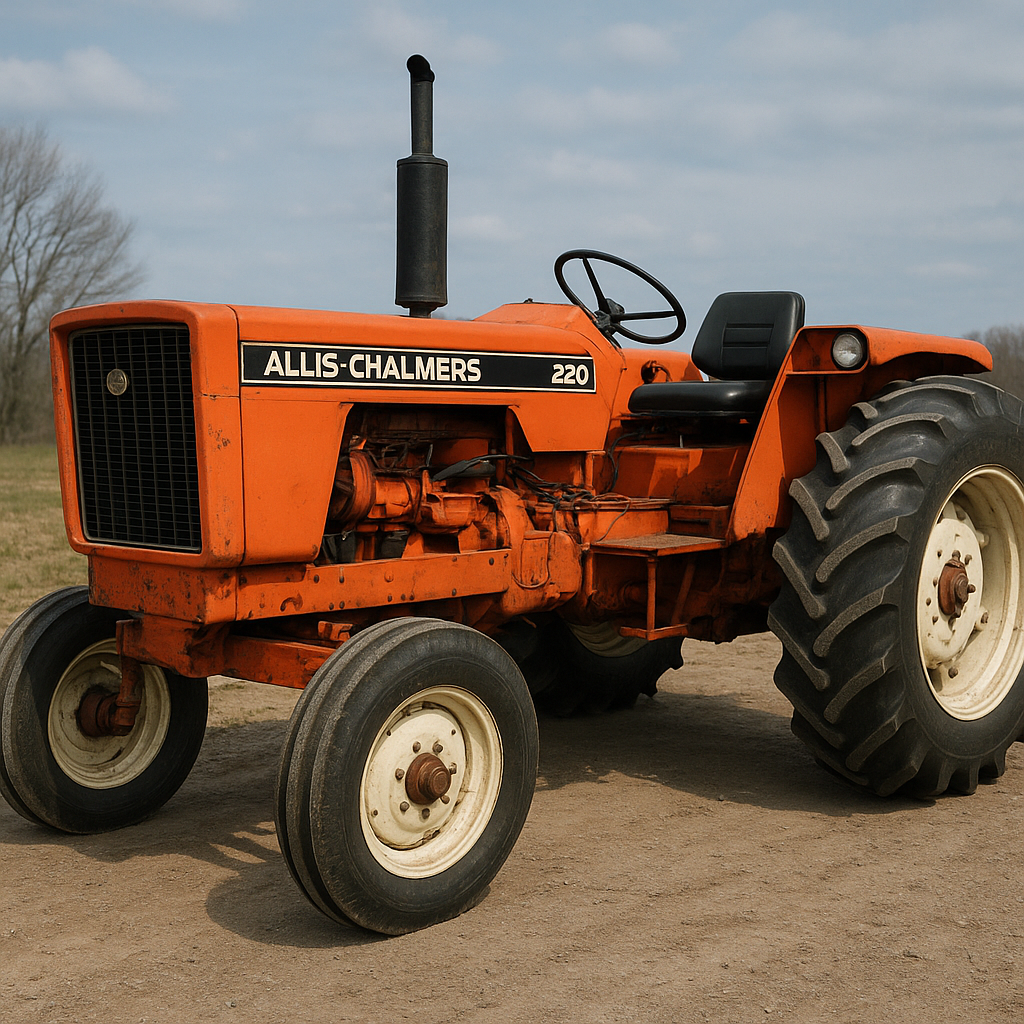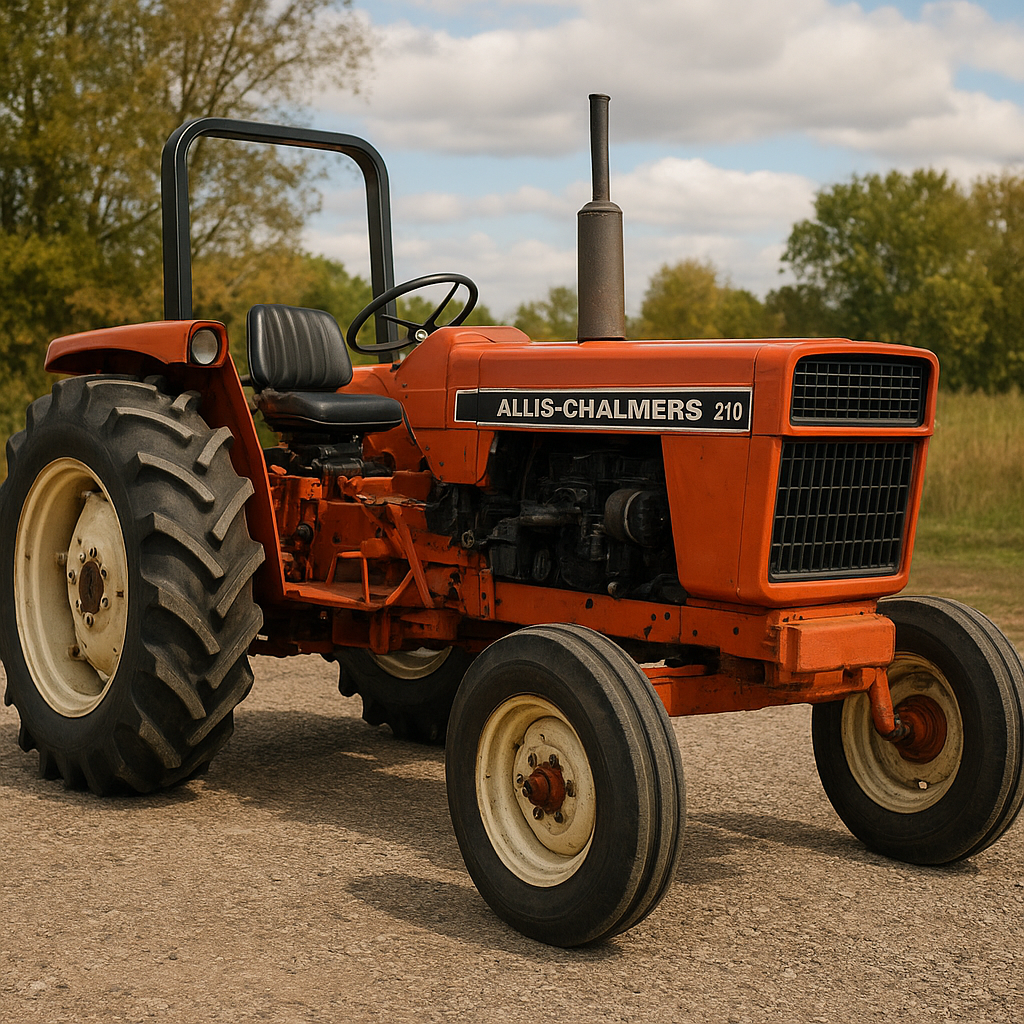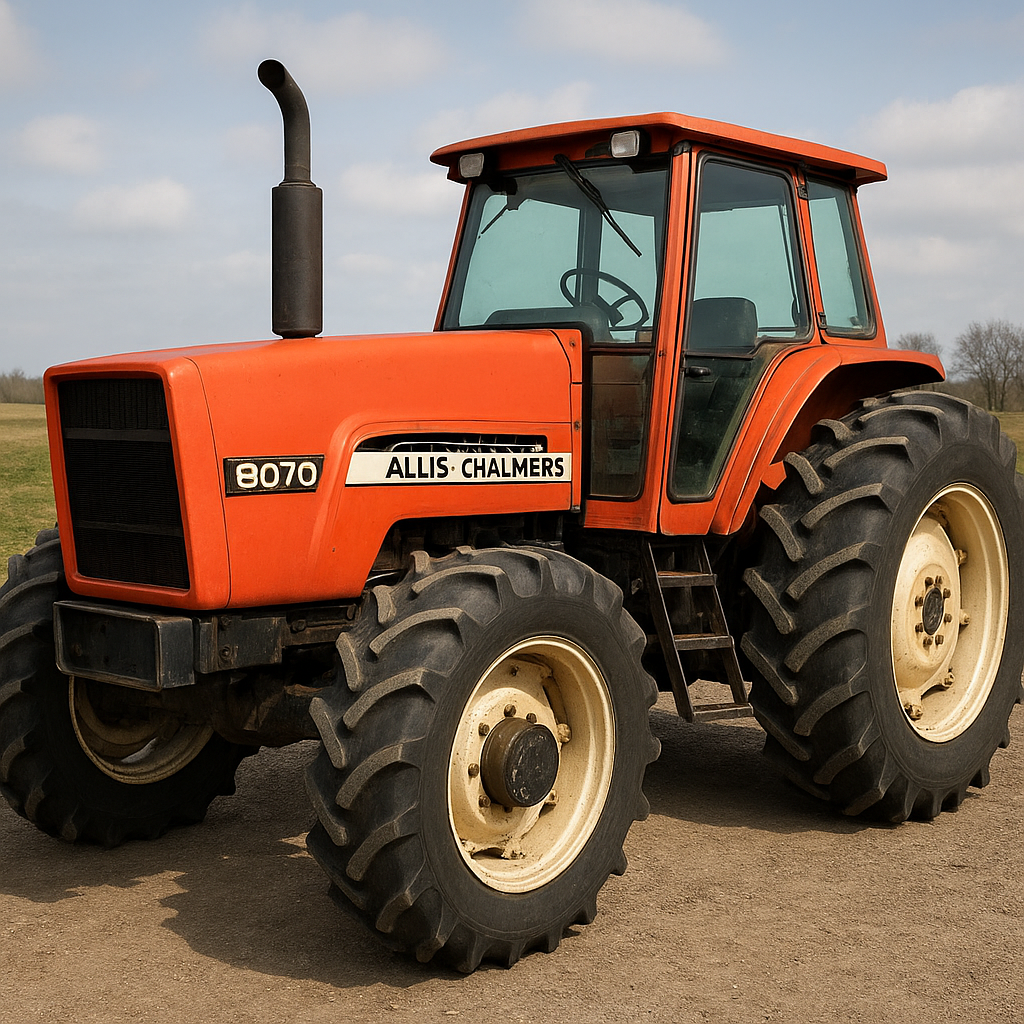
The Allis-Chalmers 8070 is a noteworthy example of agricultural machinery that combines rugged engineering with practical versatility. In this article we explore the tractor’s origins, design features, typical uses, and what makes it valued by farmers, contractors, and collectors. We will also cover technical highlights, typical performance figures, maintenance needs, and tips for restoration and modification. The aim is to provide a thorough, balanced portrait of an agricultural workhorse and its place in modern and historic farming operations.
History and development
The Allis-Chalmers name evokes a long lineage of agricultural and industrial machinery. The 8070 sits within the broader story of mid- to late-20th-century tractor evolution, when manufacturers sought to offer greater power, comfort, and versatility for expanding farm operations. While specific production dates and total production numbers for individual units can vary by market and configuration, the 8070 family represents a response to demand for higher-horsepower, durable tractors suitable for both heavy tillage and specialty applications.
During the era when tractors like the 8070 were developed, manufacturers were incorporating more advanced features such as improved diesel engines, multi-range transmissions, and enhanced hydraulic systems. These changes were driven by farm consolidation, increased use of large implements, and the need for tractors that could perform reliably for long hours under heavy loads. The 8070 reflects those priorities: a robust design intended to deliver consistent power, adaptable controls, and a chassis capable of supporting a variety of implements.
Design and construction
At the core of the Allis-Chalmers 8070’s appeal is its solid, purpose-built construction. The tractor typically features a heavy-duty frame, reinforced three-point hitch, and chassis points engineered to support high drawbar and hitch loads. These design choices make it well suited for tasks such as primary tillage, field cultivation, and pull-type operations.
Engine and powertrain
Most versions of the 8070 are powered by an inline diesel engine tuned to deliver steady torque across a broad RPM range. Diesel choice is deliberate: durability, fuel efficiency at load, and longevity under repeated heavy use. The engine is usually paired with a multi-speed transmission—options historically included manual and power-shift styles—giving operators flexibility over ground speed and load handling.
Key attributes of the powertrain include a robust clutch or torque converter setup for smooth engagement, and options for both two-wheel and four-wheel drive arrangements. Four-wheel drive variants enhance traction for deep tillage, wet conditions, or steep terrain. The combination of engine torque and transmission gearing defines the tractor’s ability to pull large implements without undue strain.
Hydraulics and PTO
The hydraulic system on the 8070 is designed to support heavy implements and responsive hitch control. Flow rates and pressure are sized to operate large hydraulic cylinders and multi-function implements. The three-point hitch usually conforms to category II or III standards for compatibility with contemporary implements. A standard take-off mechanism offers multiple PTO speed options (commonly 540/1000 rpm or equivalent variants), enabling the operation of a wide variety of PTO-driven equipment.
Cab and operator ergonomics
Depending on the configuration and production year, the 8070 could be fitted with an enclosed cab or an open-station operator platform. Cabs tended to emphasize improved visibility and basic climate control (heating, and sometimes air conditioning as dealer or aftermarket options). Controls are arranged for straightforward access to transmission levers, hydraulic controls, and PTO engagement. Durability and serviceability were prioritized in the layout, with emphasis on easy access to service points such as filters, dipsticks, and drain plugs.
Technical specifications and performance figures
Exact technical specifications for the Allis-Chalmers 8070 can vary by model year, engine option, and market configuration. Below are representative figures and ranges that characterize this class of tractor. Where precise factory numbers are not universally standardized across all 8070 variants, ranges are used to reflect typical capabilities.
- Engine type: turbocharged or naturally aspirated inline diesel (6-cylinder variants common in this horsepower class)
- Rated engine power: commonly in the mid-to-high horsepower range—examples for tractors in this class are often between approximately 120 and 180 HP at the flywheel depending on specification
- PTO horsepower: typically slightly lower than engine horsepower; real-world PTO output may range around 100–160 HP depending on drivetrain losses
- Transmission: multi-range gearbox with 8–24 speeds typical, optional power shift or dual-range transmissions available
- Hydraulic flow: designed to support moderate-to-high flow needs—typical flow rates could be in the range of 20–50 L/min for standard hydraulics; higher-flow options exist for specialized implements
- Rear hitch capacity: rated lifting capacities often in the several-thousand-pound range (examplary capacities might be 3,000–6,000 lb or higher depending on hitch and frame options)
- Weight: operating weight varies with configuration and ballast—typical operating weights for tractors of this size might be from 6,000 to over 10,000 kg including ballast and dual wheels
- Fuel capacity: tanks commonly sized for long field days—typical capacities might range from 150 to over 300 liters
Performance in the field depends on a combination of engine torque curve, transmission gearing, traction (tire selection, duals, or tracks), and implement load. Fuel consumption under heavy load commonly ranges from 20 to 45 liters per hour depending on the task, speed, and engine efficiency; lighter tasks will see substantially lower consumption.
Applications and field use
The Allis-Chalmers 8070 finds its place across a wide spectrum of farm and non-farm uses because of its balanced power, durability, and adaptability. Common applications include:
- Primary tillage: pulling large plows and disc harrows where sustained tractive effort is required
- Secondary tillage and seedbed preparation: powering cultivators, field cultivators, and tandem discs
- Planting and seeding: pulling large planters and air seeders that demand consistent ground speed and hydraulic support
- Hay and forage: cutting, raking, and powering large balers or forage harvesters via PTO or hydraulic-driven systems
- Transport and hauling: moving trailers, wagons, and other equipment around the farm, often with added ballast for traction
- Loader and material handling: when fitted with a front-end loader, the 8070 can serve for manure handling, feed bunk work, and material loading tasks
- Contracting and specialty tasks: road maintenance, municipal work, and light construction tasks when fitted with appropriate attachments
The tractor’s value is elevated by its ability to function across these tasks without requiring extensive modifications—operators can switch between implements and tasks with relatively little downtime, a vital attribute during seasonal peaks.
Operation, ergonomics, and user experience
Operators of the 8070 report that functionality and reliability are central to the experience. Control layouts favor simplicity and direct mechanical linkages where possible, reducing the likelihood of complex electronic failures in the field. Enclosed cabs provide protection and reduce fatigue on long working days. Key operational considerations include:
- Visibility: Sloped hoods and cab placement are designed to improve forward and rearward visibility for implement management and hitching.
- Control feedback: Mechanical levers and hydraulic control valves provide direct tactile feedback appreciated by operators who want precise implement control.
- Comfort: Cab or platform ergonomics are built with long hours in mind—seating and control placement aim to minimize operator strain.
- Adaptability: Operators can fit a range of tire sizes, dual wheels, and ballast to optimize traction and soil compaction characteristics for specific tasks.
Maintenance, common issues, and parts availability
Maintenance is a key component of keeping an 8070 running reliably for decades. Routine service points include oil and filter changes, coolant system checks, hydraulic fluid and filter replacement, periodic transmission service, and regular inspection of driveline components. Frequent maintenance tasks and tips:
- Engine oil and filter: follow manufacturer-recommended intervals (or typical intervals of 200–300 operating hours for heavy duty conditions), using quality oils suited to diesel engines and local climate.
- Fuel system: keep fuel filters clean; monitor injectors for wear that can cause inefficient combustion or hard starting.
- Hydraulics: keep fluid clean and at the correct level; contamination is a common cause of hydraulic valve and pump wear.
- Cooling: maintain cooling system and radiator cleanliness to prevent overheating during long heavy pulls.
- Transmission and clutch: inspect for wear and maintain fluid levels. Power-shift units require careful attention to hydraulic and control systems to maintain shift quality.
- Electrical: older machines can face corrosion or wiring degradation; keep battery and connections clean and secure.
Parts availability will vary depending on the local market and the precise model and year. For tractors with a dedicated enthusiast base, aftermarket suppliers and salvage yards often provide common wear components, while some specialized rebuilders and parts houses can supply engine and transmission components. When sourcing parts, engine serials and transmission codes help identify correct components.
Common upgrades and modifications
Owners frequently modify 8070 tractors to better suit modern operations or to extend service life. Popular upgrades include:
- GPS and precision farming electronics: retrofitting guidance and section control systems for improved planting and input efficiency
- Hydraulic flow upgrades: installing higher-capacity pumps or auxiliary circuits for big planters or hydraulic-driven implements
- Comfort upgrades: modern seats, air conditioning retrofits, and soundproofing to improve operator comfort
- PTO and driveline updates: ensuring universal joints and driveline components are beefed up when running high-demand implements
- Traction and flotation: fitting dual wheels, wide tires, or even track conversions to reduce compaction and improve traction
These modifications can significantly extend the utility of an older tractor, making it relevant to modern farm management practices while preserving the mechanical simplicity that many operators value.
Collectibility and resale value
Tractors like the Allis-Chalmers 8070 often occupy a middle ground between everyday work equipment and collectible machinery. For working farms, the tractor’s value is measured by reliability, parts availability, and fuel efficiency. For collectors and restoration enthusiasts, originality, condition, and historical significance play important roles.
Resale values depend on condition, hours, service history, and regional demand. Well-maintained units with documented history generally command premium prices compared to similar-condition machines with unknown backgrounds. Fully restored cabs, original paint and decals, and preserved mechanical systems add to collectible appeal.
Restoration tips
Restoring an 8070 is a manageable project for someone with mechanical skill and access to parts. Best practices include:
- Start with a mechanical assessment: ensure engine, transmission, and hydraulics are fundamentally repairable before committing to cosmetic work.
- Document and label components during disassembly to simplify reassembly.
- Use OEM or high-quality aftermarket replacement parts for wear components.
- Address rust and structural issues early—frame and hitch integrity is critical for safe operation.
- Preserve service records and parts receipts to support future resale or collector interest.
Environmental and safety considerations
As with any diesel-powered farm equipment, emissions, noise, and soil compaction are important considerations. Operators can mitigate environmental impacts by maintaining engines in tune to limit excessive smoke and fuel consumption, using recommended tire pressures and flotation to reduce compaction, and adopting best practices to avoid unnecessary idling.
Safety is paramount: installing rollover protection if not present, ensuring lights and reflectors are functional for road transport, maintaining brakes, and training operators to use implements within rated capacities will reduce the risk of accidents.
Summary and final thoughts
The Allis-Chalmers 8070 stands as an example of a tractor designed to balance power, durability, and adaptability. Its strengths include a sturdy chassis, capable hydraulics, and a powertrain configured to support a wide range of implements and tasks. While specific numbers and configurations vary across production runs and regional offerings, the general character of the 8070 is that of a dependable, versatile workhorse suitable for medium-to-large farming operations and for enthusiasts who appreciate rugged mechanical design.
For anyone considering purchasing, restoring, or operating an 8070, focus on the mechanical condition, service history, and suitability for your intended implements. With attentive maintenance and thoughtful upgrades—such as improved hydraulics, modern guidance systems, or comfort features—the 8070 can remain a productive and satisfying machine for years. The enduring appeal lies in its combination of practical engineering and the potential for long service life when treated with proper care.