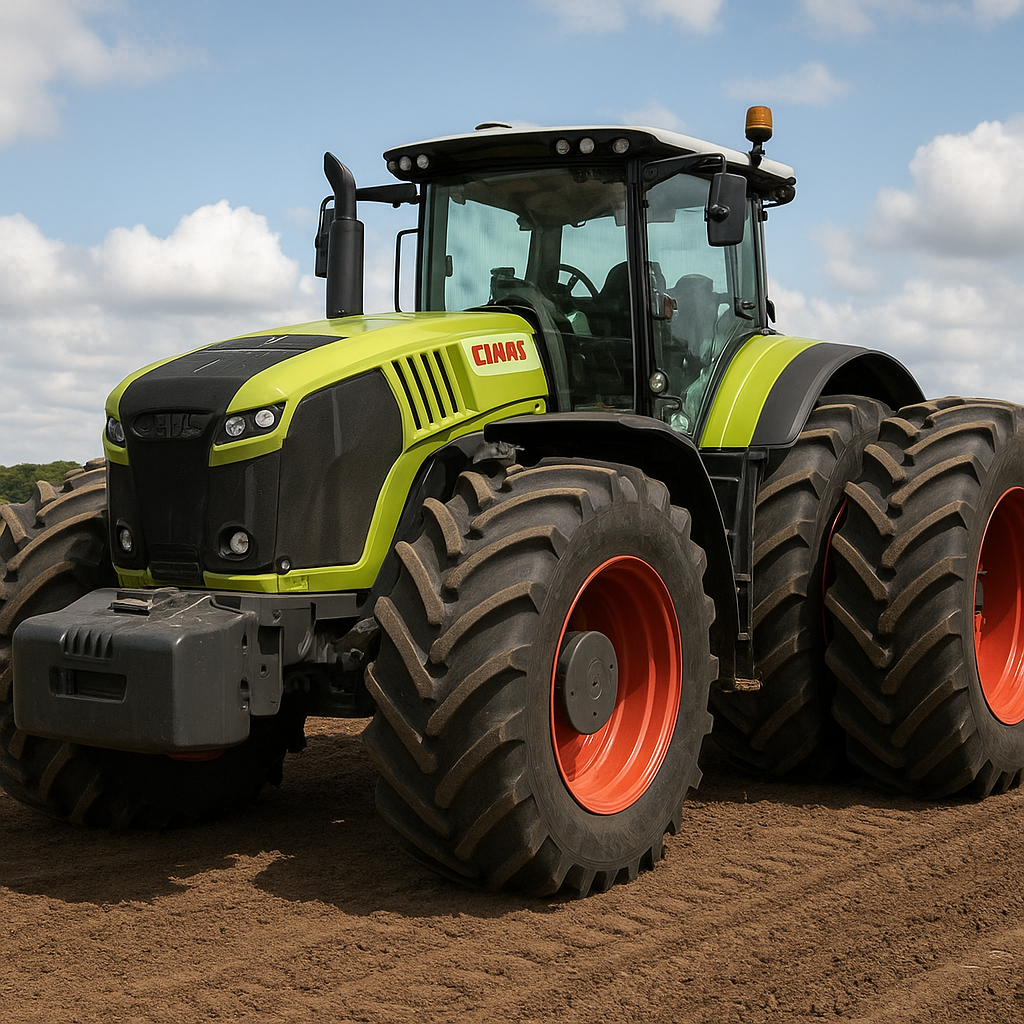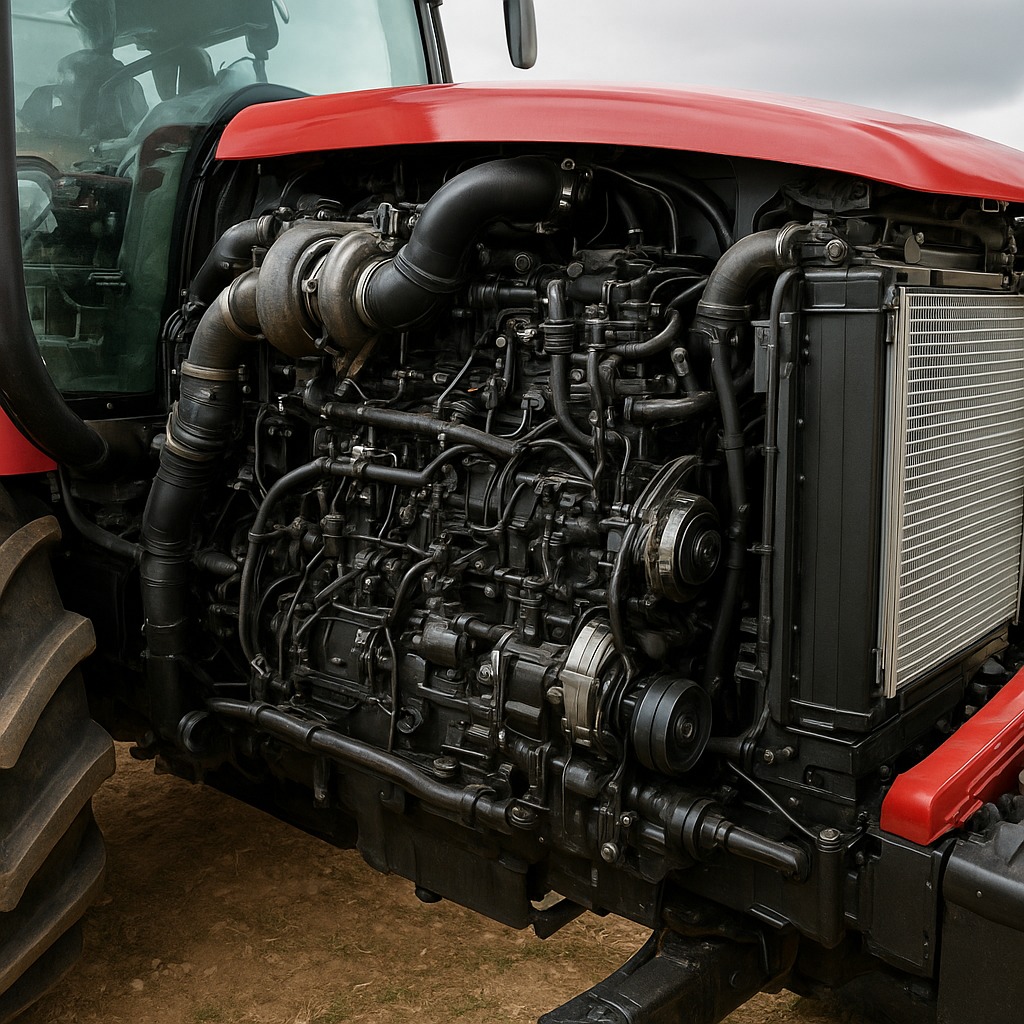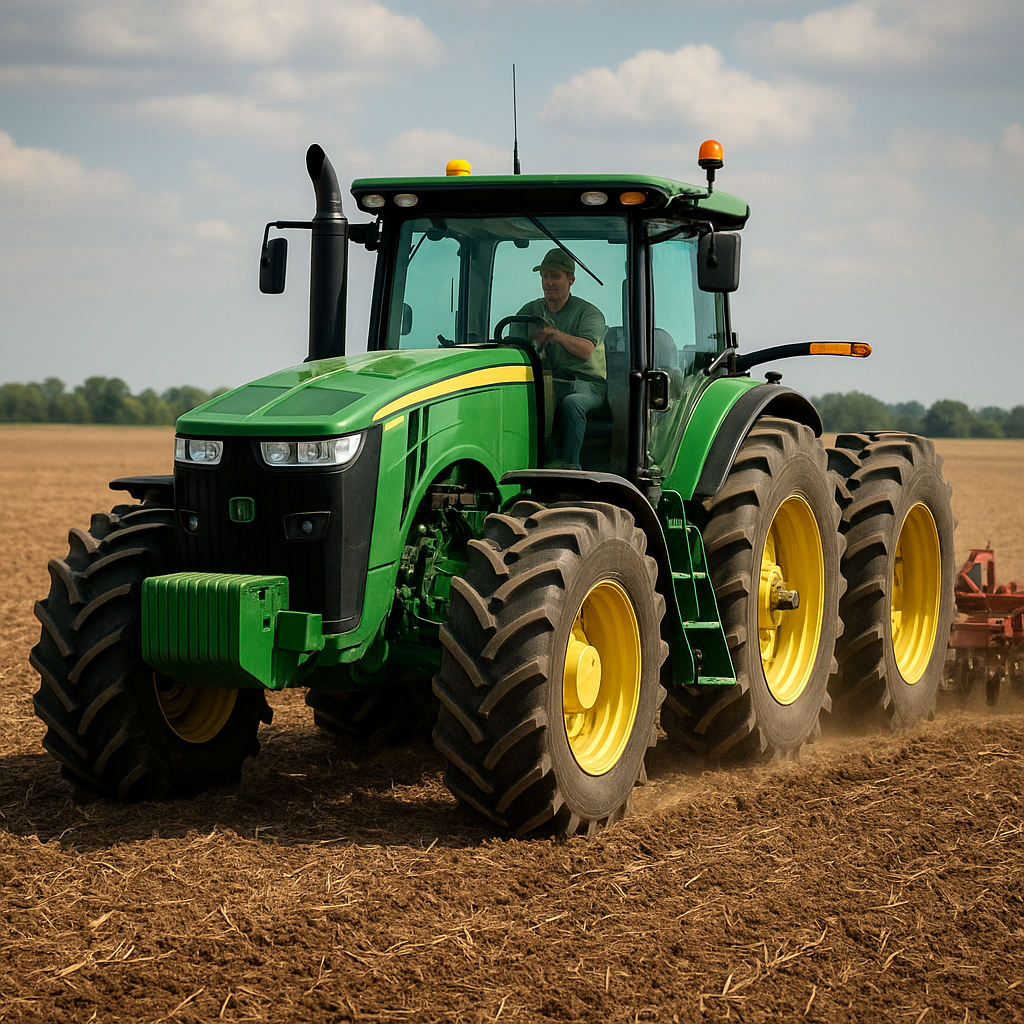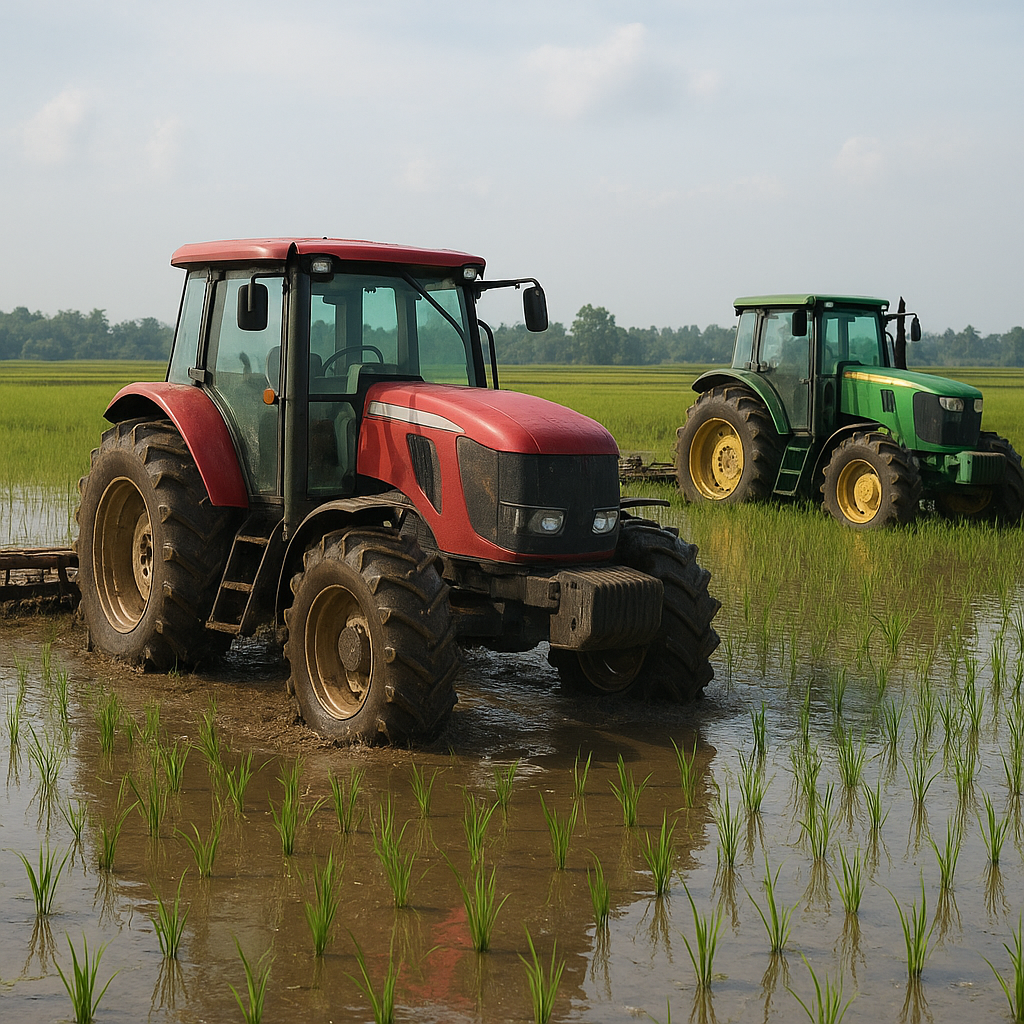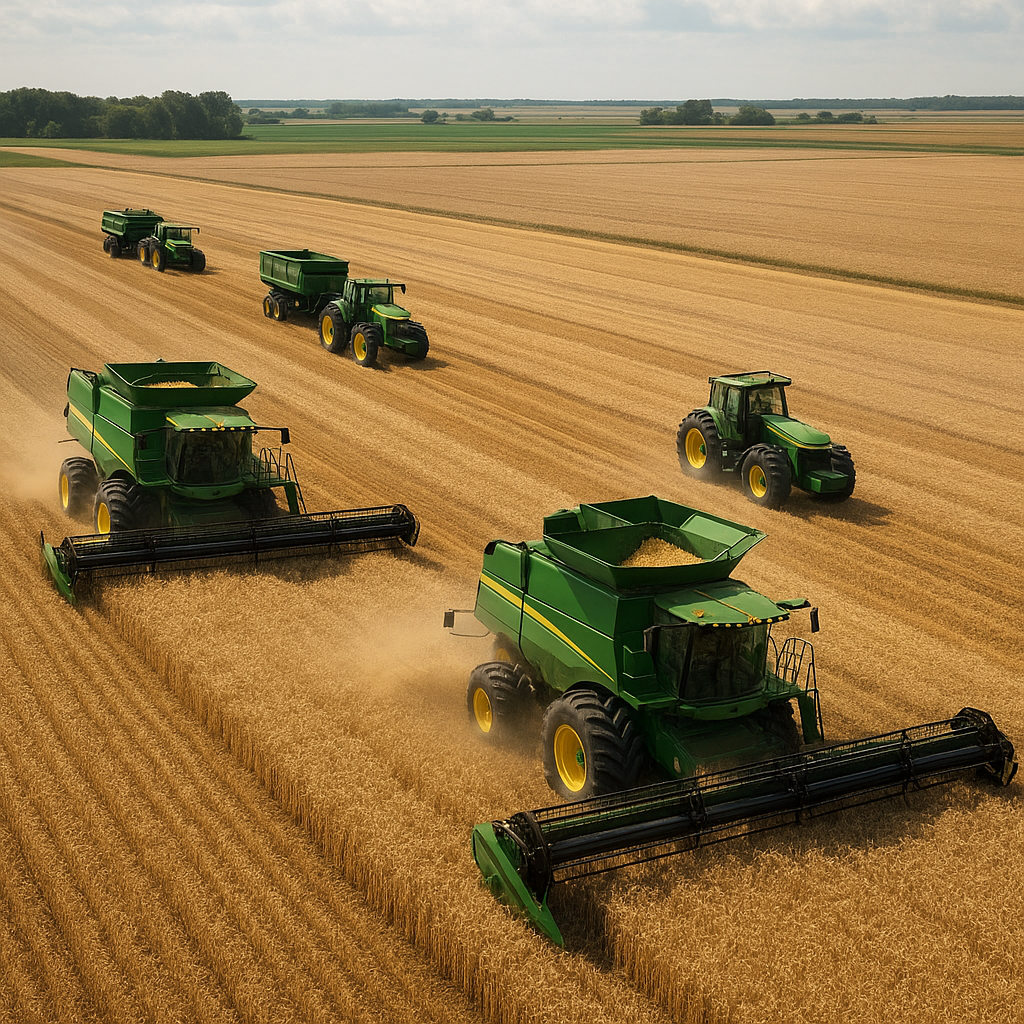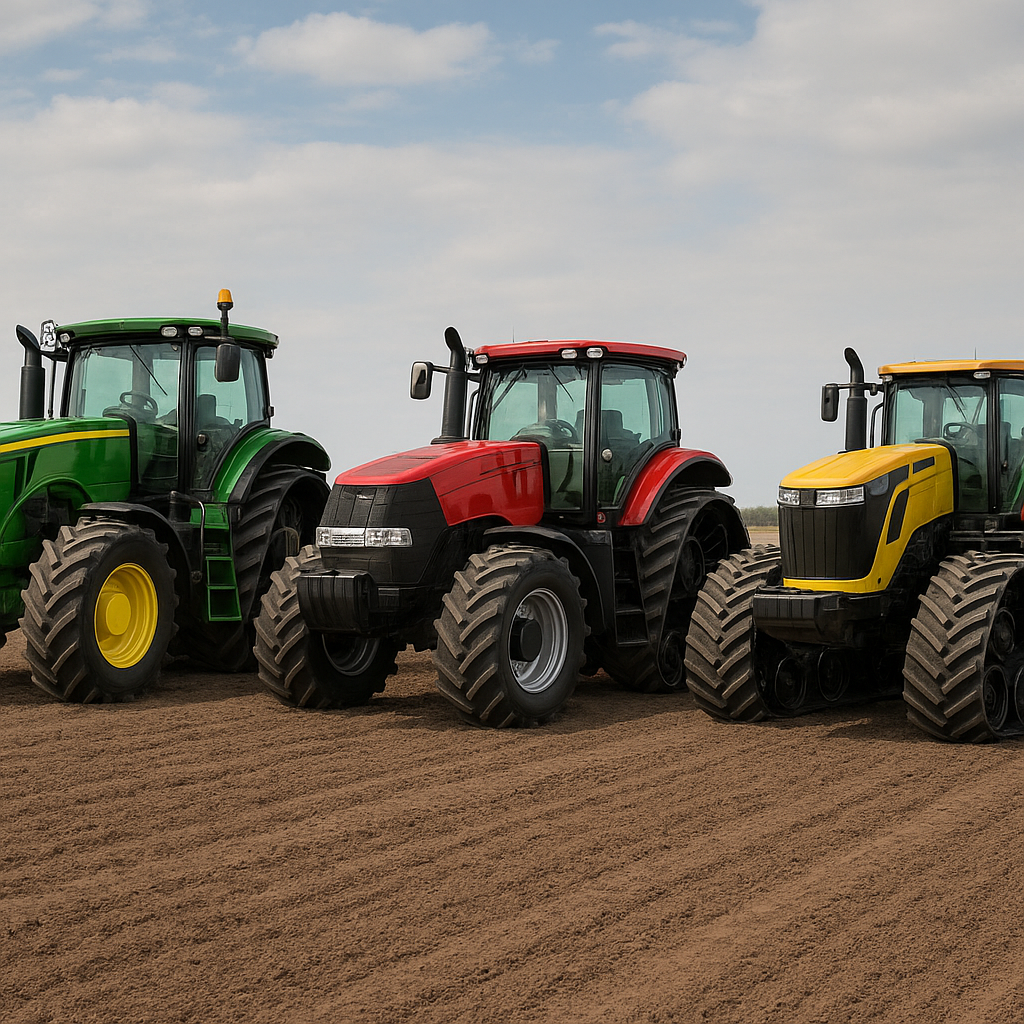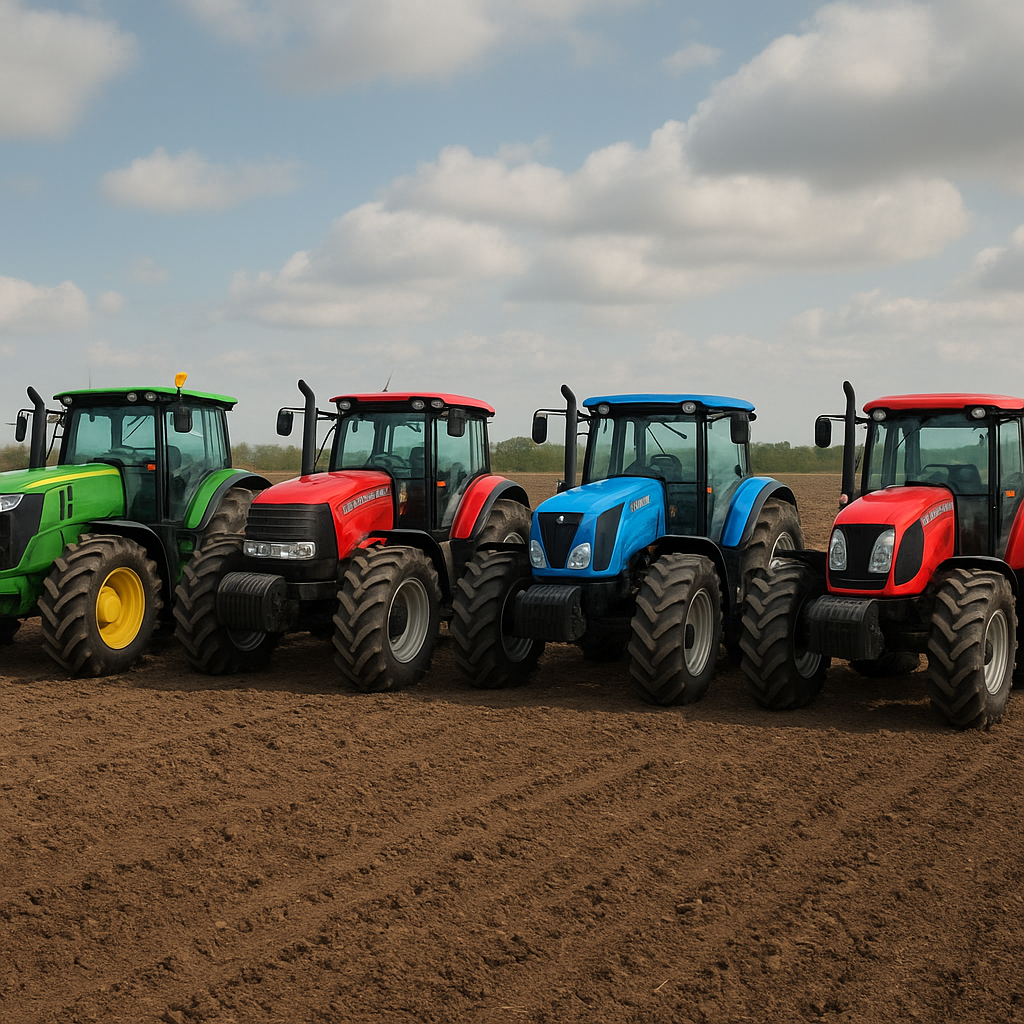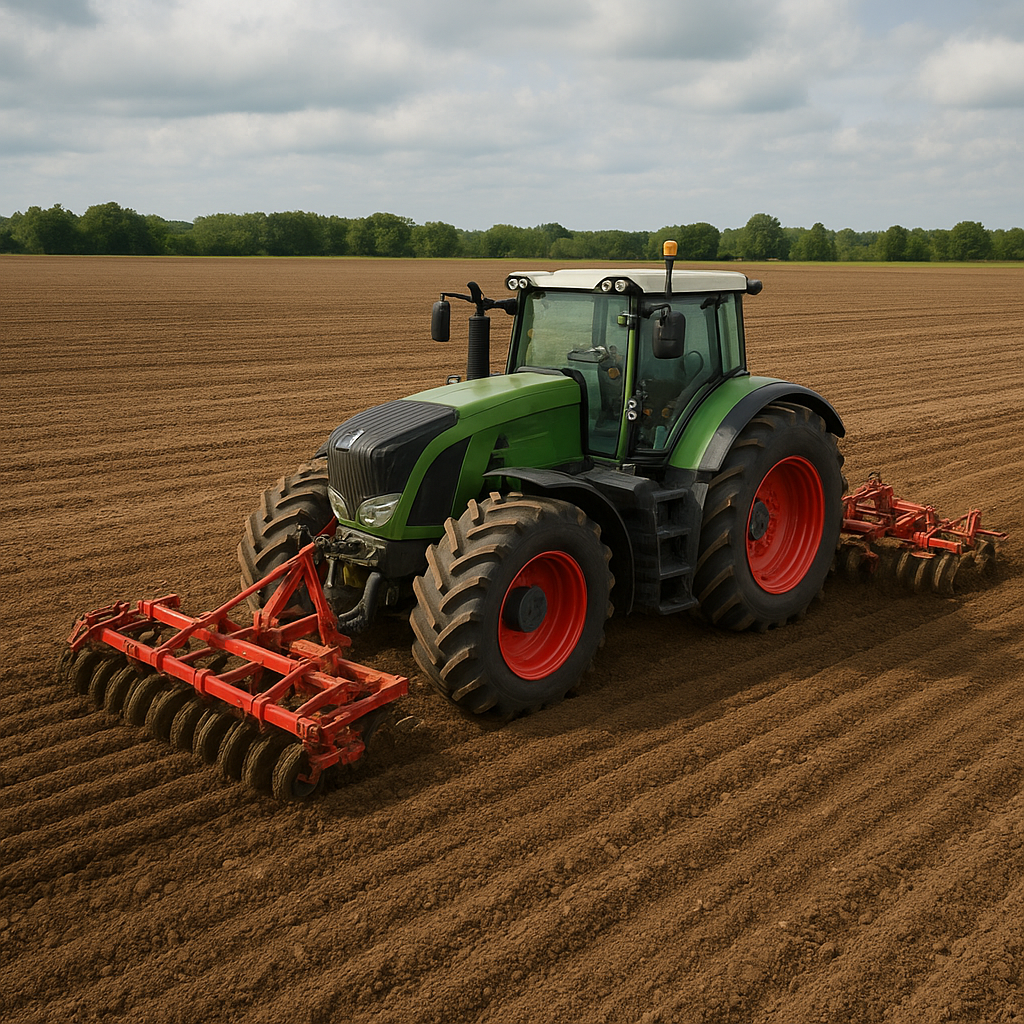
Australia’s vast landscapes demand robust machinery to support large-scale farming. From the red soils of the Outback to the fertile plains of the Riverina, the quest for greater efficiency has driven the development of some of the world’s most powerful farm tractors. This article explores the rise of Australia’s biggest tractors, their defining features, and the profound effects they have on productivity, economics, and environmental stewardship.
Evolution of Tractor Sizes in Australian Agriculture
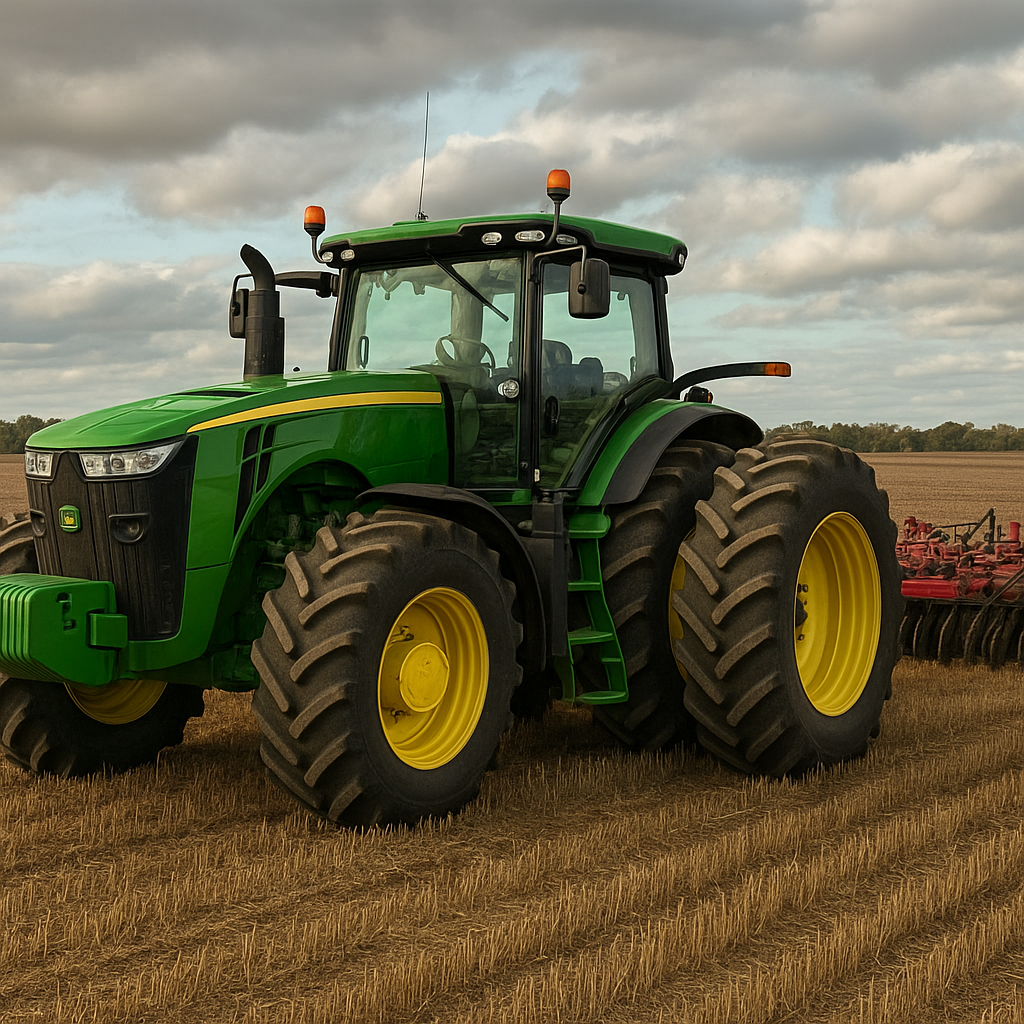
Mechanization began in the early 20th century with compact machines barely tipping the scales at a few tons. Over decades, manufacturers responded to growing farm sizes and labor shortages by increasing engine power, traction, and implement capacity. Today’s giants often exceed 600 horsepower and weigh over 20 metric tons, marking an evolution driven by the need for efficiency and scale. Whereas traditional tractors towed small ploughs or seeders, modern behemoths pull implements spanning more than 12 meters, covering vast hectares in a single pass.
Early adopters in Australia saw incremental gains in yield per hectare as they replaced horse-drawn equipment. The introduction of four-wheel drive in the 1970s set the stage for today’s super-sized models. Enhanced hydraulic systems, dual or quad tracks, and advanced transmission technologies pushed boundaries further. This transformation was not merely about size; it reflected the integration of technology into every aspect of fieldwork, fundamentally altering how farmers plan, execute, and monitor operations.
Key Models of Australia’s Largest Tractors
Case IH Steiger Series
- The Steiger 620 boasts over 600 horsepower, enabling deep ripping and heavy tillage without sacrificing speed.
- Integrated autoguidance and telematics platforms offer real-time performance data and remote diagnostics.
- Four tracks provide low ground pressure and enhanced traction on challenging soils.
John Deere 9RX
- Four-track configuration minimizes compaction, supporting soil conservation.
- On-the-go adjustable hitch and power take-off (PTO) for seamless implement changes.
- JDLink connectivity ensures precise field mapping and variable-rate application.
New Holland T9
- Electronic draft control and heavy-duty axles optimize pull force.
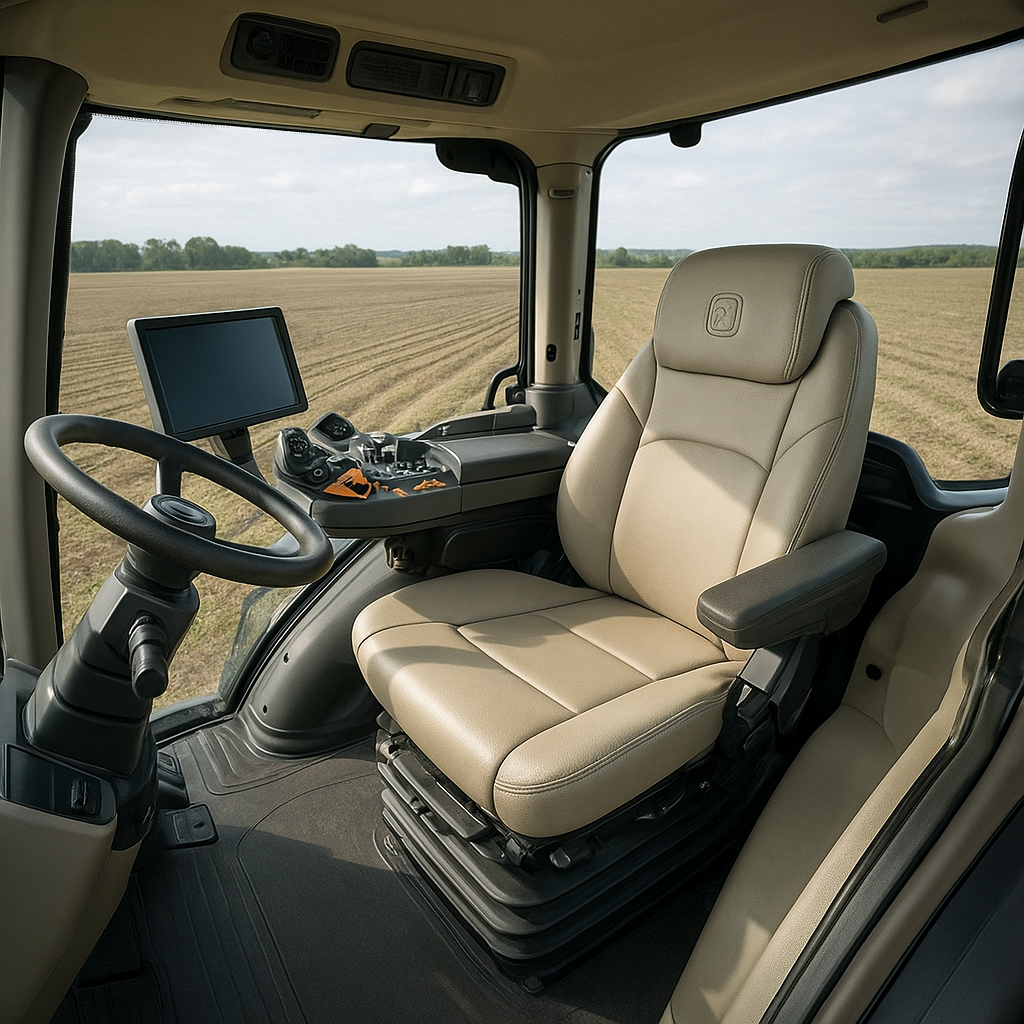
- A cab designed for operator comfort reduces fatigue during long hours.
- Advanced cooling systems maintain peak performance in high ambient temperatures.
Fendt 1150 Vario
- Continuously variable transmission (CVT) for smooth power delivery and maximum efficiency.
- VarioGuide precision steering cuts overlap, saving fuel and inputs.
- Hydraulics deliver consistent flow rates for large attachments.
Economic Benefits of High-Capacity Tractors
Investing in large tractors entails significant upfront costs, but the return on investment often justifies the expense. High-capacity machines reduce the number of hours needed to cultivate, sow, and harvest crops, directly boosting productivity and lowering labor expenses. Large implements match the tractors’ power, enabling wider passes and fewer field entries. This also translates into lower fuel consumption per hectare, as engines operate nearer to optimal load levels, illustrating the principle of cost-effectiveness.
Farmers managing thousands of hectares can leverage these tractors to tighten sowing windows, ensuring crops are planted under ideal moisture conditions. Harvest timing improves grain quality, enhancing market value. The ability to finish spring tillage quickly also reduces soil erosion risks from late rains. Ultimately, high-capacity tractors become central assets in maximizing operational scale and profit margins.
Environmental and Sustainability Impacts
While these machines are powerful, their environmental footprint must be managed carefully. Modern tractors incorporate emission-reduction technologies like selective catalytic reduction (SCR) and diesel particulate filters (DPF), meeting stringent Tier 4 standards. Furthermore, wide implements minimize repeated soil passes, cutting fuel consumption and greenhouse gas emissions. Integrated precision systems apply fertilizers and pesticides only where needed, supporting sustainability and reducing chemical runoff.
Track-based tractors spread weight over a larger surface, cutting soil compaction and maintaining better moisture infiltration. This preserves soil structure and improves root development, leading to healthier crops. Real-time onboard sensors measure moisture, organic matter, and nutrient levels, guiding farmers toward practices that sustain fertility and biodiversity while maintaining high yields.
Future Trends and Technological Innovations
The next generation of super-tractors promises even greater integration of digital solutions. Artificial intelligence and machine learning are set to optimize field operations, analyzing historical data to predict ideal planting dates and adjust engine parameters for maximum resilience. Remote operation and semi-autonomous capabilities will allow single operators to manage multiple machines simultaneously, enhancing labor flexibility.
Electrification is also on the horizon, with prototypes exploring hybrid diesel-electric drivetrains to cut carbon footprints. Advanced battery systems could power onboard implements directly, eliminating mechanical PTOs. Moreover, modular designs will enable rapid configuration changes, increasing machine versatility across various tasks.
In parallel, developments in precision swarm robotics may see smaller autonomous units complementing large tractors, performing targeted weed control or spot fertilization. This synergy of big and small machines represents a holistic approach to resource optimization and crop management.
Conclusion of Technological Impact
Australia’s biggest farm tractors exemplify the intersection of raw power and cutting-edge innovation. As agricultural enterprises grow larger and more complex, these machines will play an ever-greater role in driving capacity, maintaining environmental stewardship, and shaping the future of food production. By staying attuned to evolving technologies and best practices, farmers can harness the full potential of these behemoths to meet global food demands responsibly.