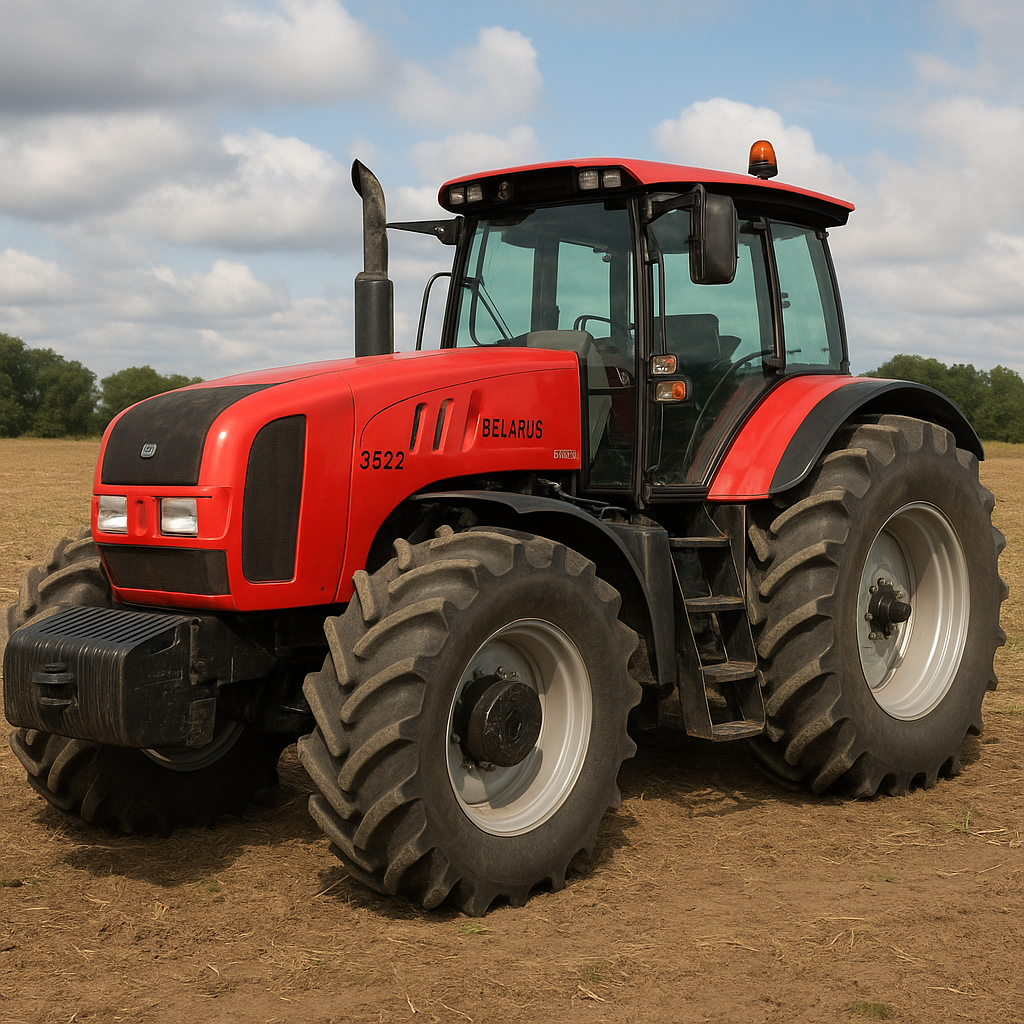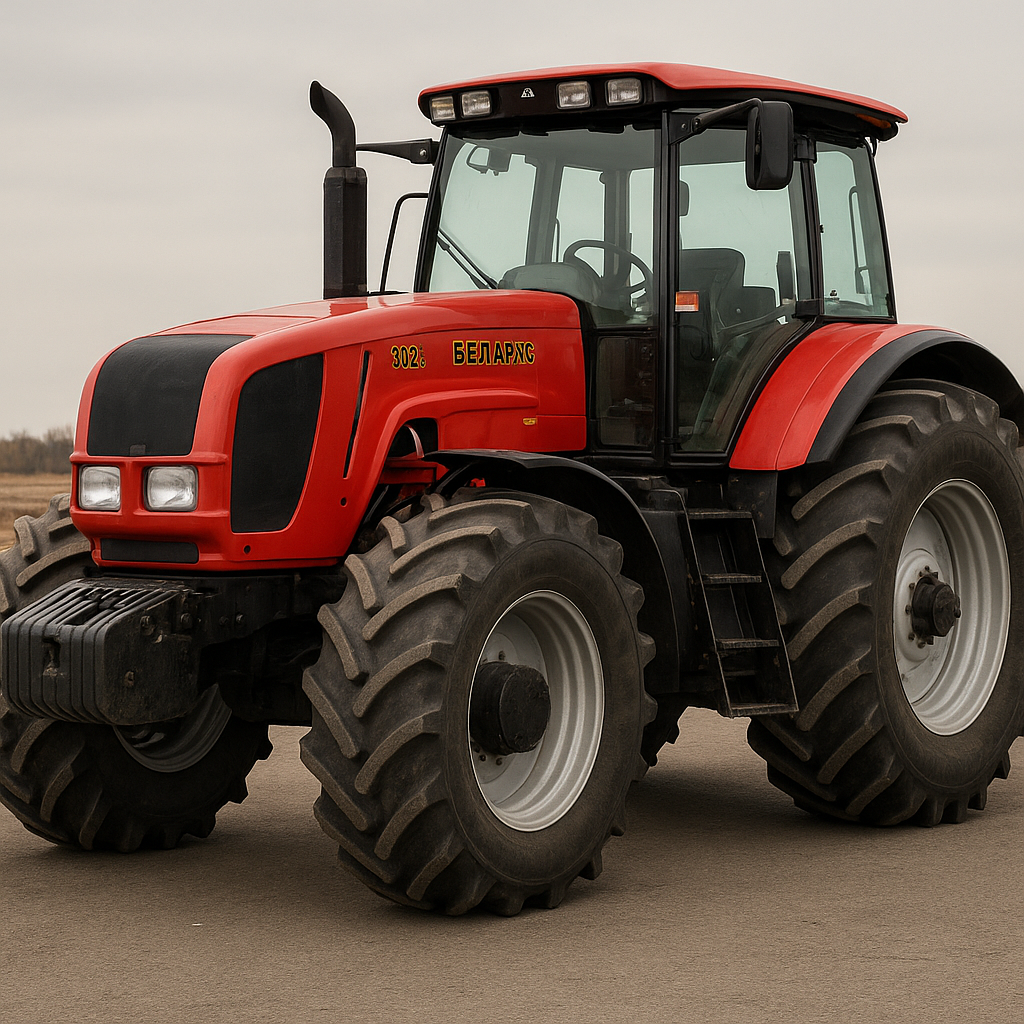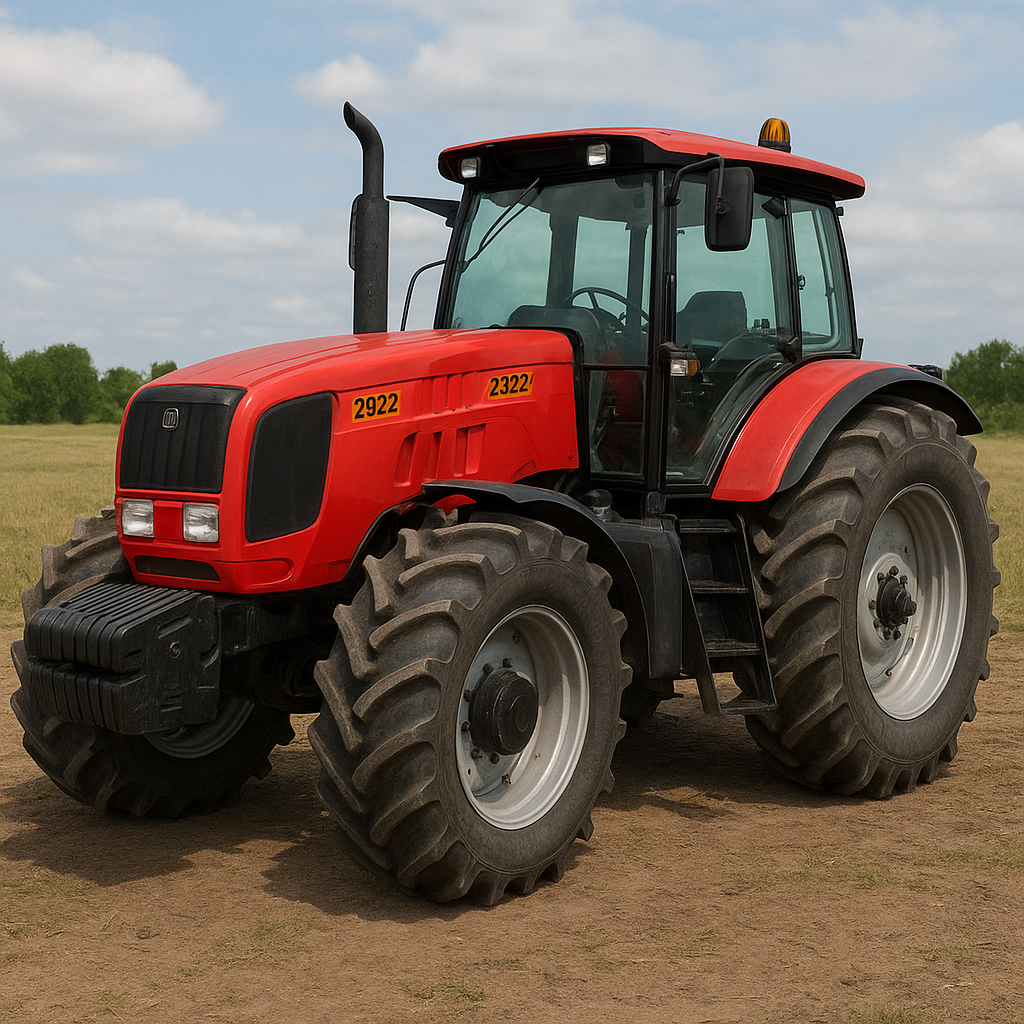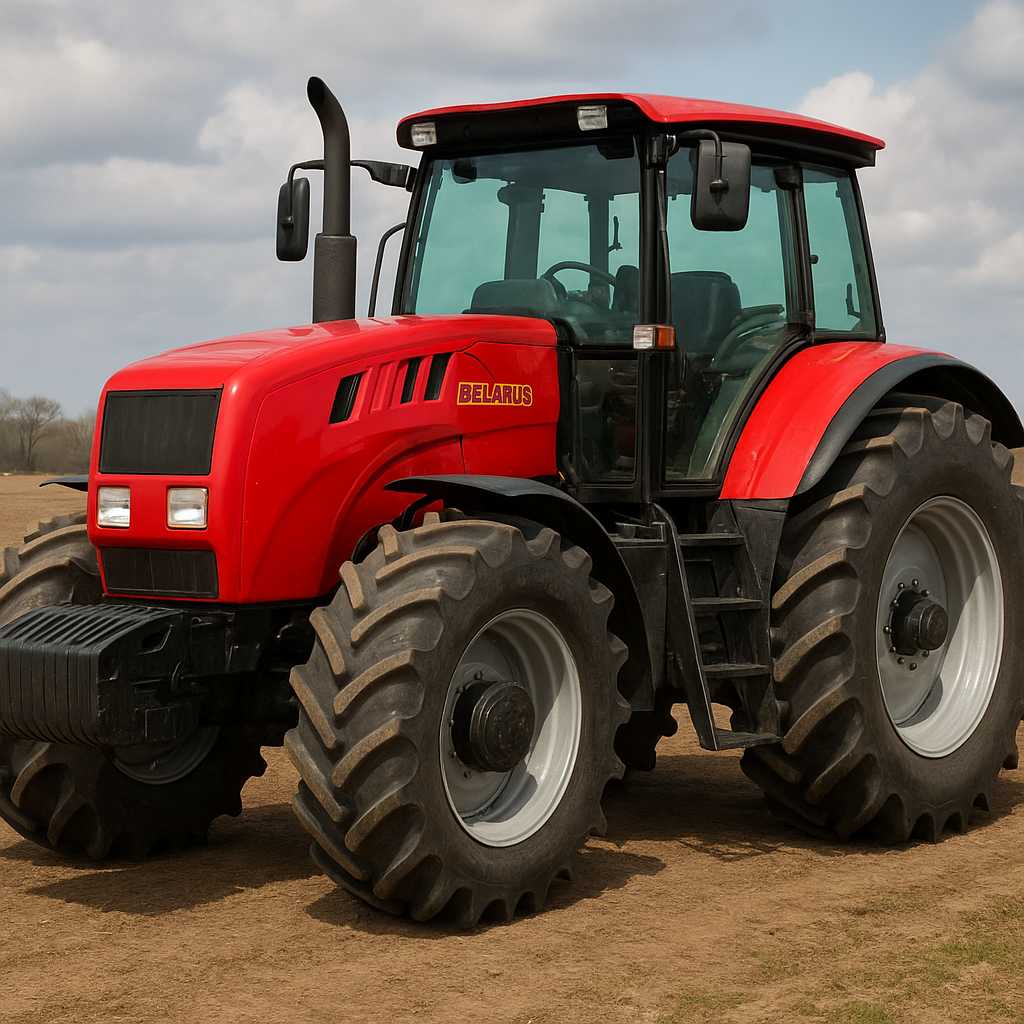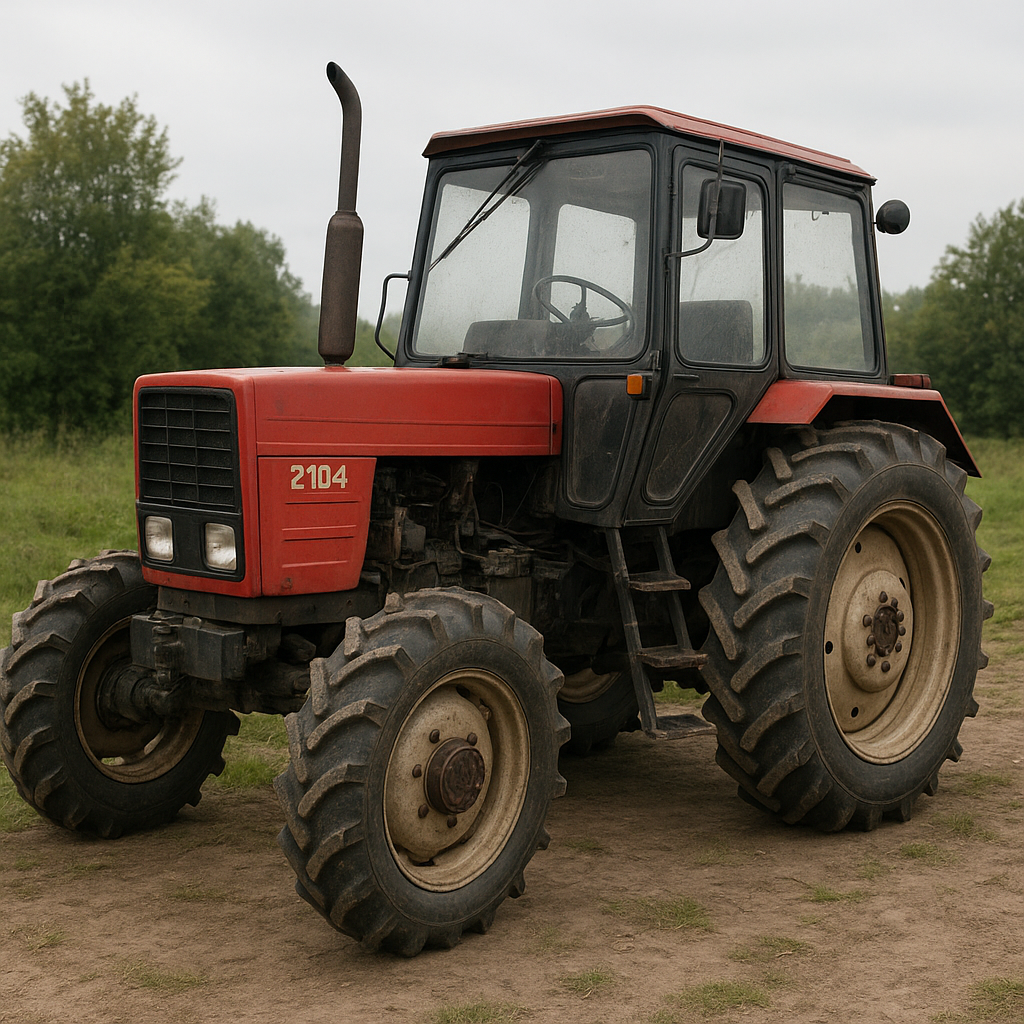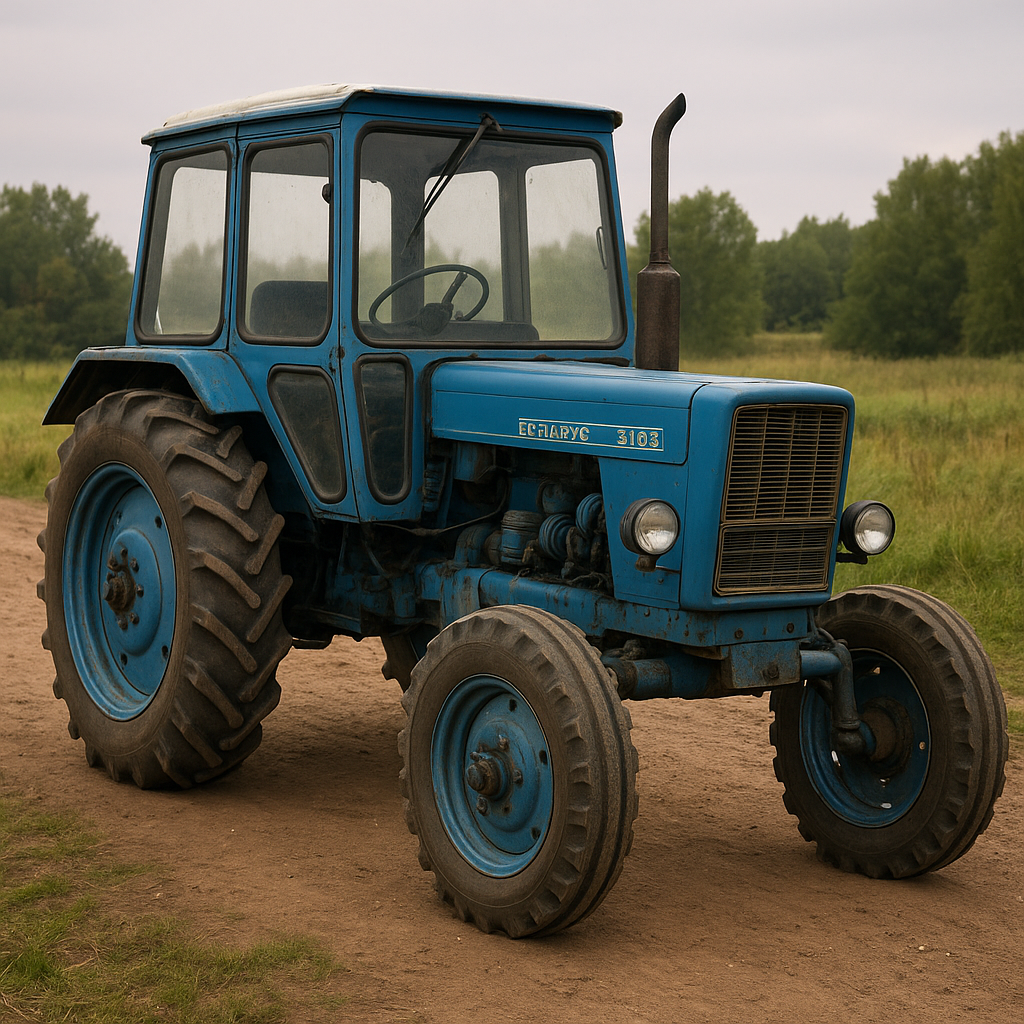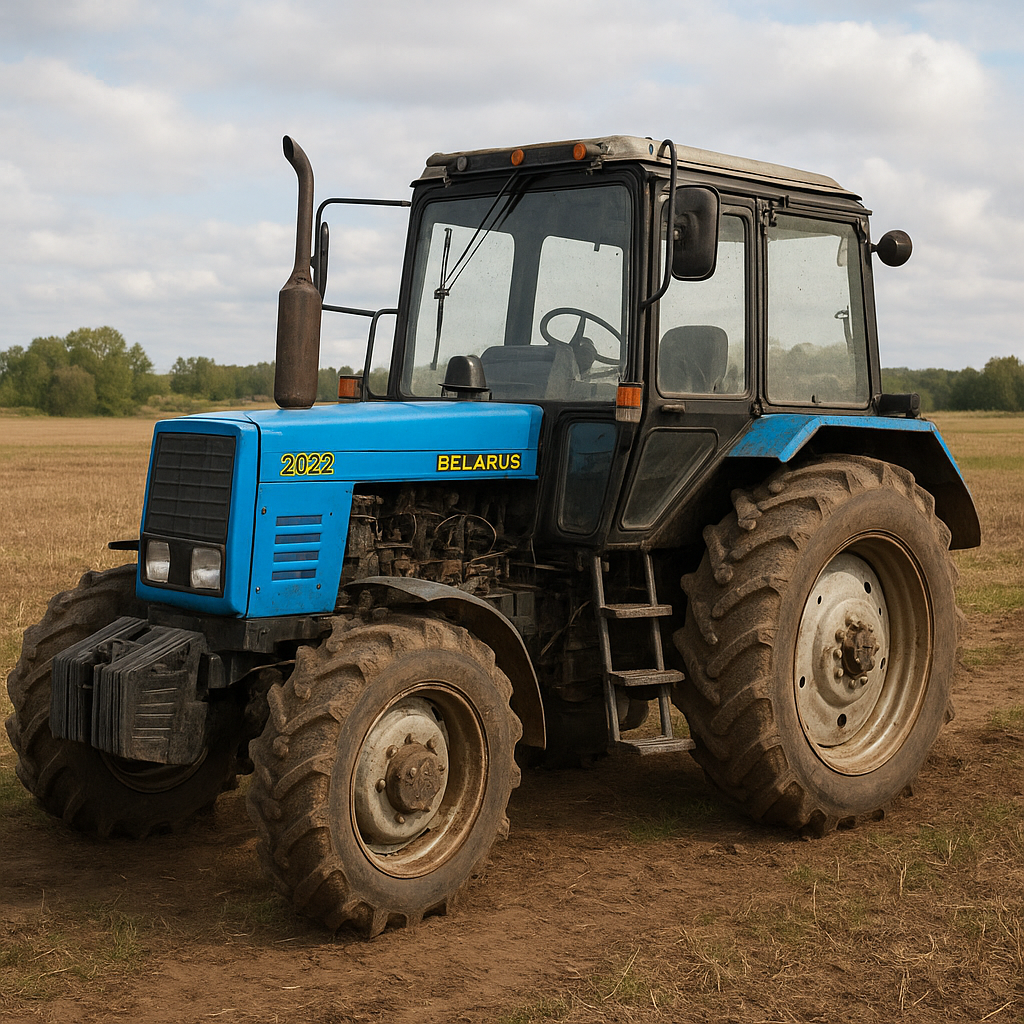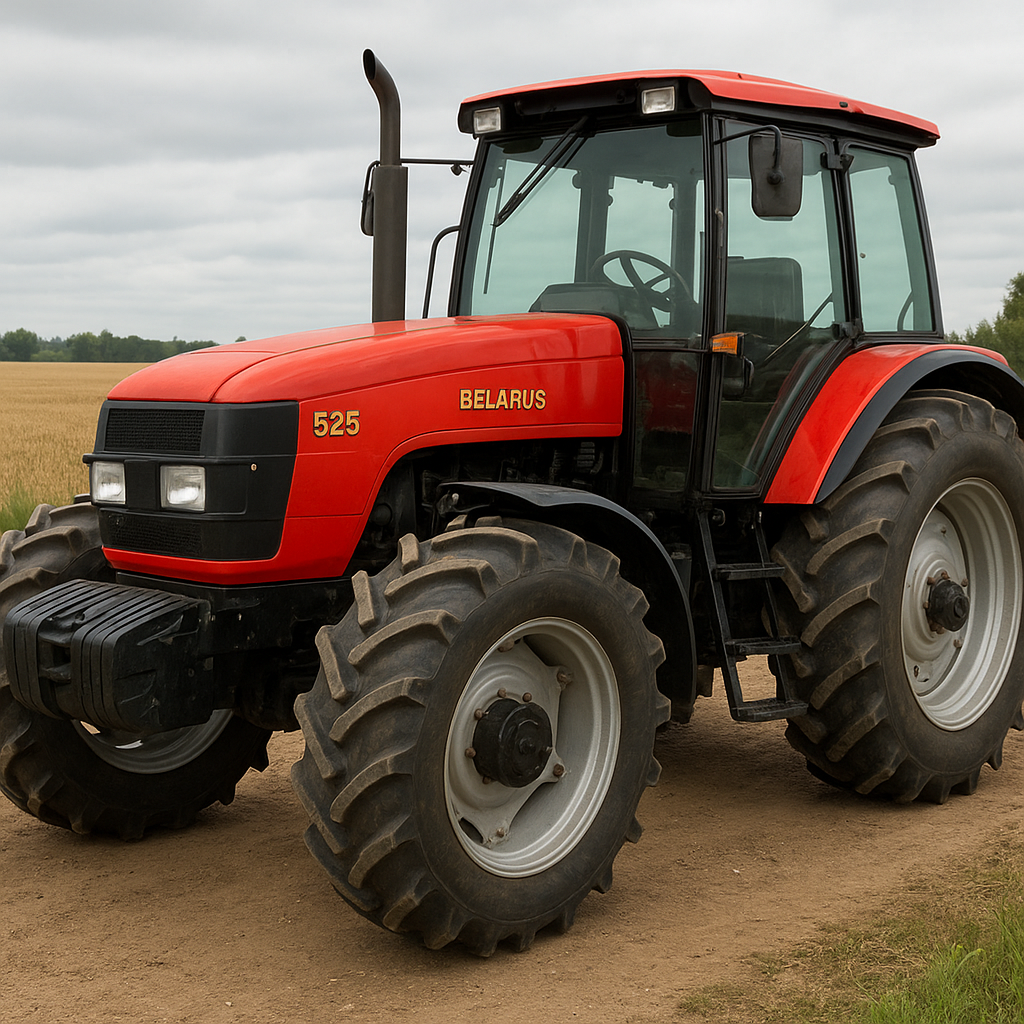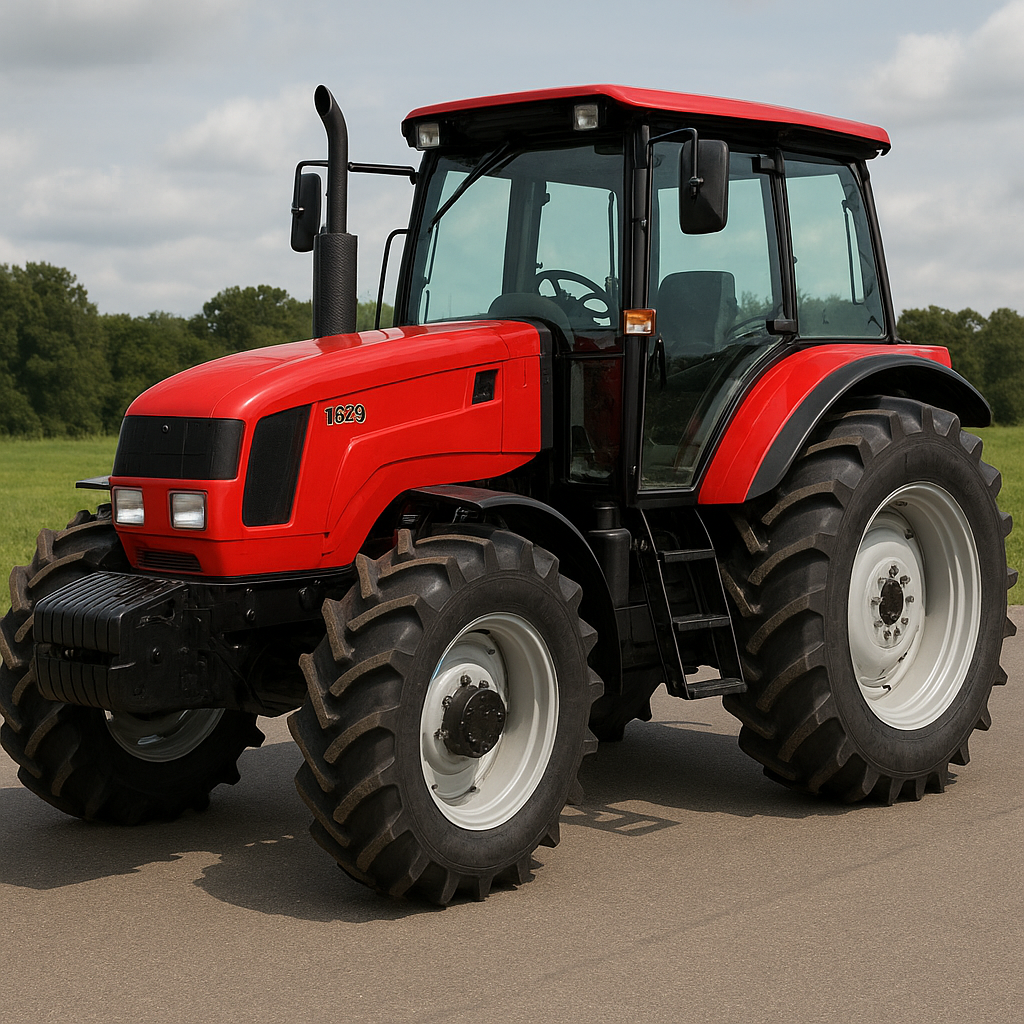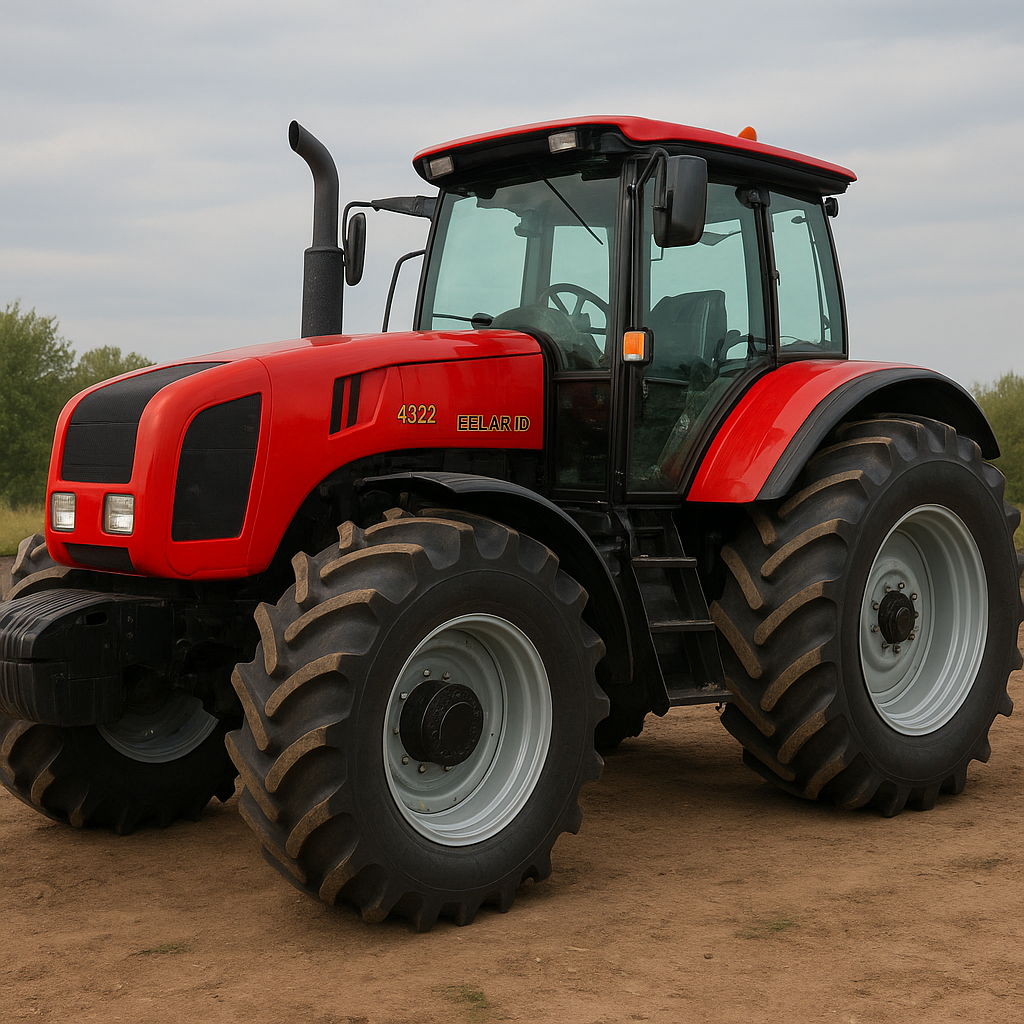
The Belarus 4522 is a versatile agricultural tractor produced under the Belarus (MTZ) brand that has become known for its straightforward design, serviceability and ability to work in a wide range of agricultural, municipal and industrial tasks. In this article, we examine the tractor’s technical characteristics, typical applications, strengths and weaknesses, maintenance needs and market role. Wherever possible, figures and performance ranges are given; where precise, model-specific statistics are not publicly documented, ranges and qualifiers are used to reflect variations by configuration and market.
Manufacturer background and model context
The Belarus tractors are manufactured by the Minsk Tractor Works (MTZ), a long-established producer based in Belarus. MTZ has produced a broad family of tractors for several decades, focusing on robust mechanical architecture and wide adaptability. The Belarus 4522 is positioned as a mid-range model that balances power and maneuverability for medium-scale farming operations and municipal work.
MTZ-built tractors are notable for being exported widely and for their reputation of being reliable and easy to repair in the field. The 4522 continues that tradition by offering a configuration that suits both classic agricultural implements and modern attachments.
Technical overview and typical specifications
The 4522 is built around a compact, yet capable design. Exact specifications can vary by market and optional equipment; below is a representative overview of typical features and performance ranges associated with this model category:
- Engine: 4-cylinder diesel, turbocharged or naturally aspirated options depending on market. Modern variants often feature mechanical or electronically controlled fuel systems. Typical power output is in the mid-range for utility tractors, which makes it suitable for implements from plows to balers. (Power output and emissions equipment vary by jurisdiction and model year.)
- Drive: Standard 4WD (four-wheel drive) configuration for improved traction on soft or uneven ground. Differential locks and front axle suspension options may be offered.
- Transmission: Mechanical transmissions with multiple forward and reverse gears are common; options include synchronized shuttle or powershift variants on some builds. Gear counts commonly range from basic sets (e.g., 8 forward / 4 reverse) to more advanced multi-range transmissions (12–24 speeds or higher with creeper gears).
- PTO (Power Take-Off): Standard rear PTO with selectable speeds such as 540 and sometimes 1000 rpm to match diverse implements. Front PTO or independent PTO may be available as options for specialty work.
- Hydraulics: Three-point hitch with lift capacity in the range typical for medium utility tractors (often in the realm of several thousand kilograms depending on configuration). Hydraulic flow rate and number of remote valves vary; mid-range flow rates (e.g., 40–60 L/min, depending on pump) are typical on similarly classed machines.
- Dimensions & weight: Compact footprint relative to heavy farm tractors. Operating weight commonly falls into the low-tonnage range (a few tonnes), which supports transportability and versatility.
- Cabin and ergonomics: Enclosed cabs with heating as a baseline; air conditioning, suspension seats and sound insulation may be offered in higher trims or as factory/aftermarket options.
- Fuel capacity and consumption: Fuel tank sizes and consumption vary with engine size and duty cycle; many operators report economical consumption in field tasks when compared with larger tractors in higher horsepower classes.
Because MTZ (Belarus) supplies machines for diverse markets, the 4522 is frequently adapted to local regulatory and operational requirements. That means exact numbers for horsepower, lift capacity and dimensions can differ by region and by whether the unit is an agricultural or municipal configuration.
Primary applications and common attachments
The Belarus 4522 is designed to be a multipurpose machine capable of performing many tasks across seasons. Its relatively compact dimensions combined with robust mechanical systems make it attractive for farms, contractors and municipalities.
Typical agricultural uses
- Primary tillage with ploughs and disc harrows
- Secondary tillage, seedbed preparation and seeding with cultivators, seed drills and planters
- Crop protection: sprayers and spreaders powered via the PTO and hydraulics
- Hay and forage work: mowing, raking, baling and forage wagons
- Transport duties: trailers, manure spreaders, and feed transport around the farm
- Harvest support: towing trailers and operating PTO-driven harvest auxiliaries
Municipal, industrial and other uses
- Loader work: front loaders for material handling, snow clearing and small-scale earthmoving
- Roadside and municipal maintenance: mowers, sweepers, snowblowers and gritters
- Forestry tasks: light skidding, winches, and stump grinders when equipped for rougher terrain
- Construction site tasks: site grading, leveling and hauling within job sites
The array of attachments that the 4522 can mount makes it practical for mixed-use operations. Common additions include front loaders, post drivers, backhoe attachments, pallet forks, hydraulic breakers, and specialized kit for fruit, vineyard or orchard tasks where reduced width and agility are valued.
Performance, fuel economy and operating characteristics
Performance for the Belarus 4522 is best described as pragmatic and application-focused. The tractor’s design emphasizes a balance between power and economy rather than maximizing raw speed or horsepower. Some key operating characteristics:
- Traction and stability: 4WD, differential locks and robust axles provide consistent traction for medium-duty tillage and loader tasks. Ballasting and tire choices significantly affect traction and soil compaction.
- Fuel efficiency: Many operators consider MTZ tractors to be fuel-competitive in their class. Real-world fuel use depends on implement load, soil conditions and operator technique; typical consumption during heavy field work can vary but often remains lower than that of larger, high-horsepower tractors performing similar tasks.
- Work rate: The 4522 is suitable for fields, pastures and municipal corridors where agility is important. For heavy continuous deep tillage on large acreages, larger tractors may be more efficient, but the 4522 often delivers good cycle times on medium-scale farms.
- PTO and hydraulic responsiveness: Adequate for most PTO-driven implements; lift capacity and hydraulic flow make it compatible with bale handlers, mowers and mid-size planters.
When assessing performance, it’s important to match implement sizing and expected workloads to the tractor’s power band. Oversizing implements relative to the tractor’s capacity increases fuel consumption, wear and downtime.
Maintenance, serviceability and lifecycle costs
A defining advantage of Belarus tractors like the 4522 is the emphasis on ease of maintenance and long service life under proper care. Key points for owners and fleet managers:
- Serviceability: Straightforward mechanical layouts and wide availability of spare parts in many markets simplify routine maintenance and repairs. Filters, belts and common wear parts are generally accessible without specialized diagnostic tools.
- Maintenance schedule: Regular oil and filter changes, fuel system checks, cooling system maintenance and periodic transmission/hydraulic fluid inspections are essential. Adhering to recommended intervals preserves resale value and reduces unplanned downtime.
- Operator-level checks: Daily checks of engine oil, coolant, hydraulic fluid and tire inflation go a long way toward avoiding costly breakdowns.
- Lifecycle costs: The initial purchase price of MTZ tractors historically undercuts many Western brands, and the total cost of ownership can be favorable for operations that can perform routine maintenance in-house.
Where higher-spec electronic or emissions systems are present, access to diagnostic tools and trained technicians becomes more important. Nonetheless, the 4522’s reputation rests on durability and the ability to work in remote environments.
Ergonomics and operator experience
Modern iterations of the 4522 often include improvements in operator comfort compared with older models, reflecting trends across the industry:
- Cabin comfort: Insulated cabs, heating and optional air conditioning improve operator endurance during long shifts. Visibility from the cab is generally good for loader and PTO tasks.
- Controls: Mechanical levers and a functional dash are designed for simplicity and robustness. While not as plush as premium-brand tractors, control layouts focus on logical placement and durability.
- Noise and vibration: Noise levels and vibration can be higher compared to high-end brands, but upgrades in seats and cab insulation on newer builds reduce operator fatigue.
Market role, resale and geographic distribution
The Belarus 4522 is commonly found where buyers seek dependable performance without the premium cost of top-tier Western tractors. Geographic patterns are driven by trade relationships, parts availability and the historical presence of MTZ networks:
- Export reach: MTZ tractors, including models like the 4522, have historically been exported to many countries across Eastern Europe, Africa, Asia and Latin America. Availability in specific markets depends on local importers and dealer networks.
- Resale value: Depreciation profiles vary by region; in markets where parts and service are readily available, resale values remain competitive. In areas with limited support, resale can be hampered by serviceability concerns.
- Competition: The 4522 competes with other utility-class tractors from brands that prioritize cost-effectiveness. Decision factors for buyers include total cost of ownership, local dealer support and familiarity with the brand’s parts and service procedures.
Strengths, limitations and suitability
Understanding where the Belarus 4522 excels and where it isn’t ideal helps prospective buyers decide if it suits their operation.
- Strengths:
- Cost-effective acquisition and repair costs;
- Durable and simple mechanical design that can be maintained in resource-limited environments;
- Versatility across agricultural and municipal tasks;
- Wide compatibility with a variety of attachments and implements.
- Limitations:
- Cab comfort and refinement may lag behind premium brands;
- Advanced electronic features and emissions systems may be less sophisticated or absent in some builds;
- Availability of specific parts and factory support varies by market and can impact downtime.
- Best fit: Mixed farms, small to medium cropping operations, municipal fleets and contractors needing a robust, maintainable tractor with multi-role capability.
Operational tips and best practices
Maximizing the 4522’s efficiency and lifespan depends on operator practices and preventive maintenance. Practical recommendations:
- Match implements to the tractor’s power rating to avoid overloading the engine and drivetrain.
- Maintain proper ballasting and tire selection to optimize traction and reduce soil compaction.
- Keep a scheduled inventory of common wear parts (filters, belts, hydraulic hoses) to minimize downtime during peak seasons.
- Train operators on smooth gear changes, optimum PTO engagement practices and daily inspection routines.
- Use manufacturer-recommended fluids and lubricants, particularly for transmissions and hydraulic systems, to preserve component life.
Case studies and practical examples
Across various climates and farm sizes, the Belarus 4522 has been put to work in several common scenarios:
- In mixed-crop farms, the 4522 often performs plowing and seeding in spring, mowing and baling in summer and transport/loader work during harvest—delivering a cost-effective multi-season solution.
- Municipalities use the tractor for snow removal with a front-mounted snowblower in winter and roadside mowing and street sweeping in warmer months, benefiting from its compact footprint and attachments versatility.
- In developing agricultural regions where service networks favor simpler machines, the 4522 is chosen for its ease of repair and parts interchangeability with other MTZ models.
Environmental considerations and modern updates
As emissions regulations tighten globally, tractor manufacturers adapt engines and aftertreatment systems. For the 4522 and comparable models, this means:
- Variants marketed in stricter-emission regions may include upgraded fuel systems and exhaust treatment to comply with local standards.
- Operators should be mindful of fuel quality and maintenance of emission-related components to preserve performance.
- Retrofitting and upgrades are sometimes available through dealers for improving cab comfort, hydraulics and auxiliary systems.
Conclusion
The Belarus 4522 represents a pragmatic choice for operators seeking a balance of versatility, straightforward maintenance and solid performance for medium-duty agricultural, municipal and industrial work. While it may not match the refinement of premium brands in operator comfort or advanced electronics, its strengths lie in cost-effectiveness, durability and adaptability to many implements and tasks.
For anyone evaluating the 4522, the most important steps are to verify the exact configuration offered in their market, confirm dealer support and spare parts availability, and match implement size and workload to the tractor’s capabilities. When properly matched to an operation’s needs, the 4522 can be a dependable and economical workhorse.