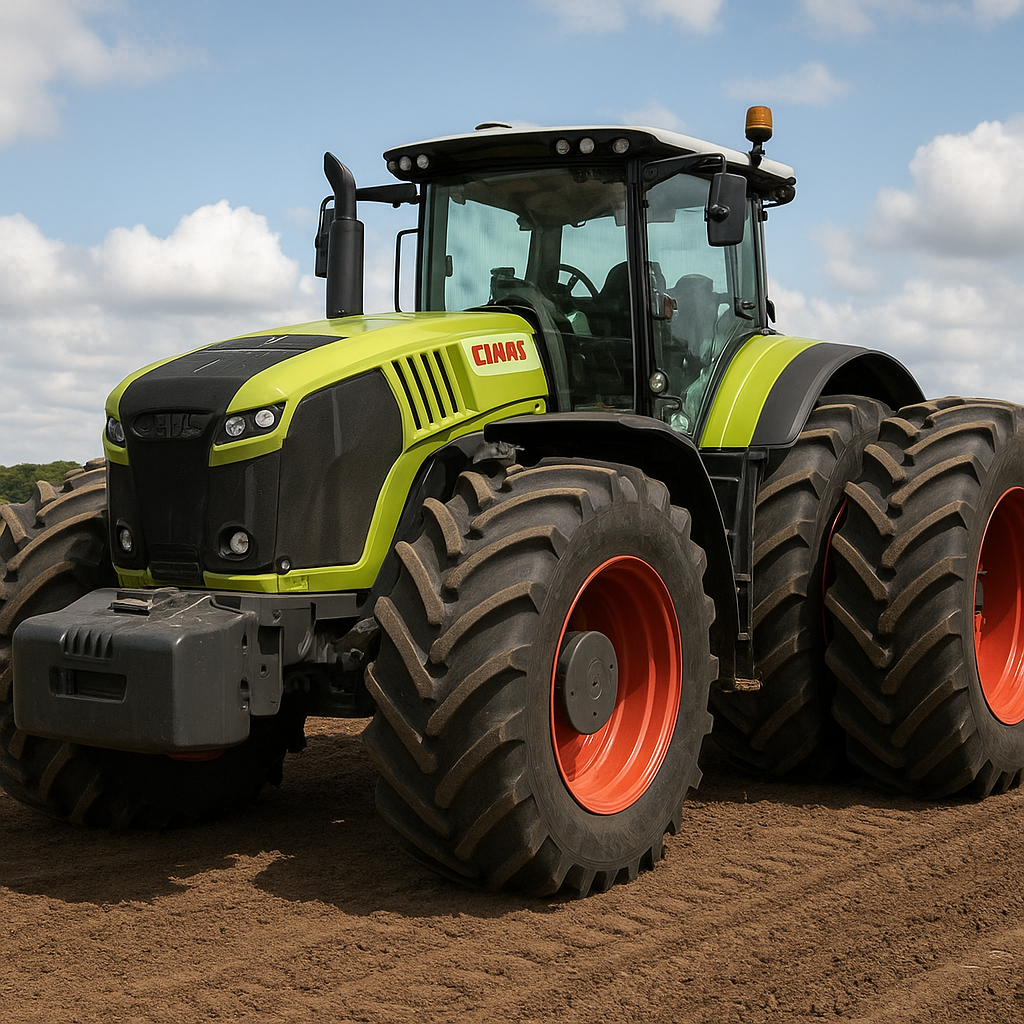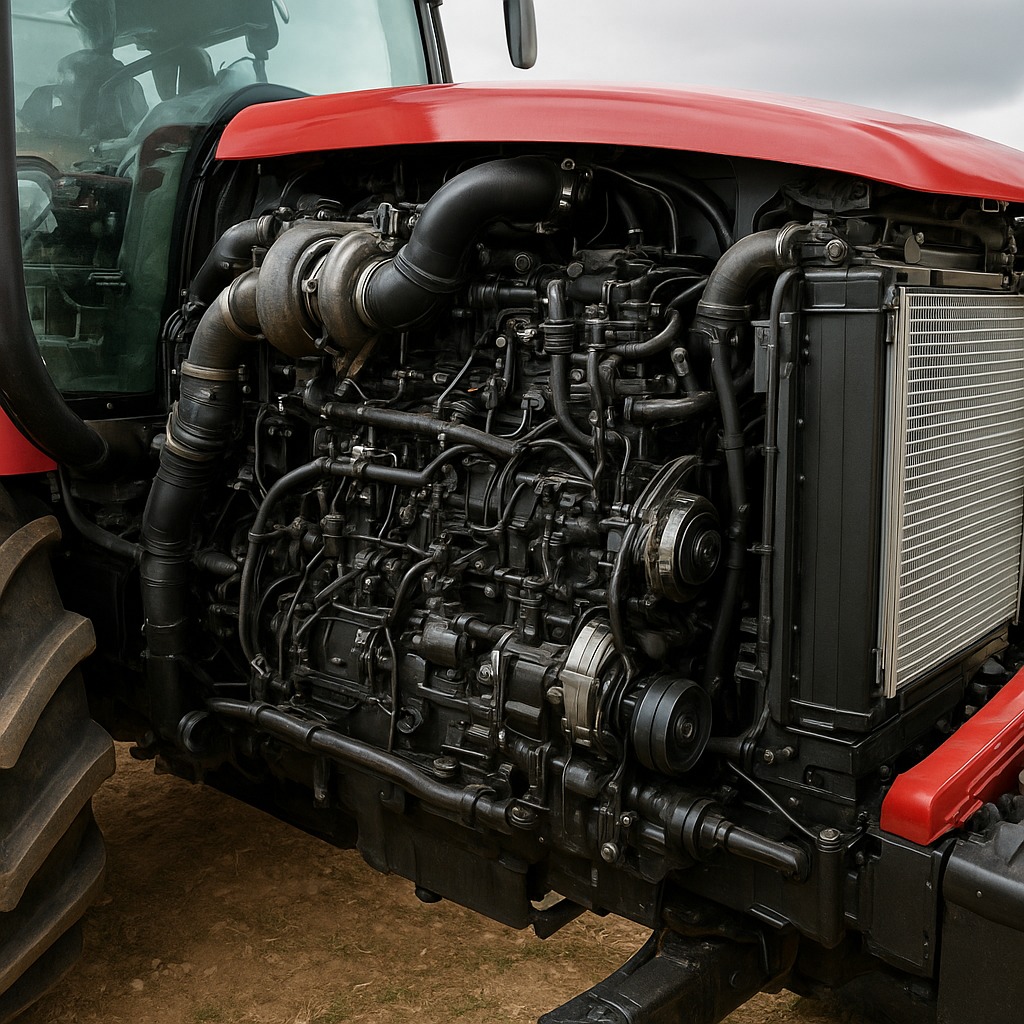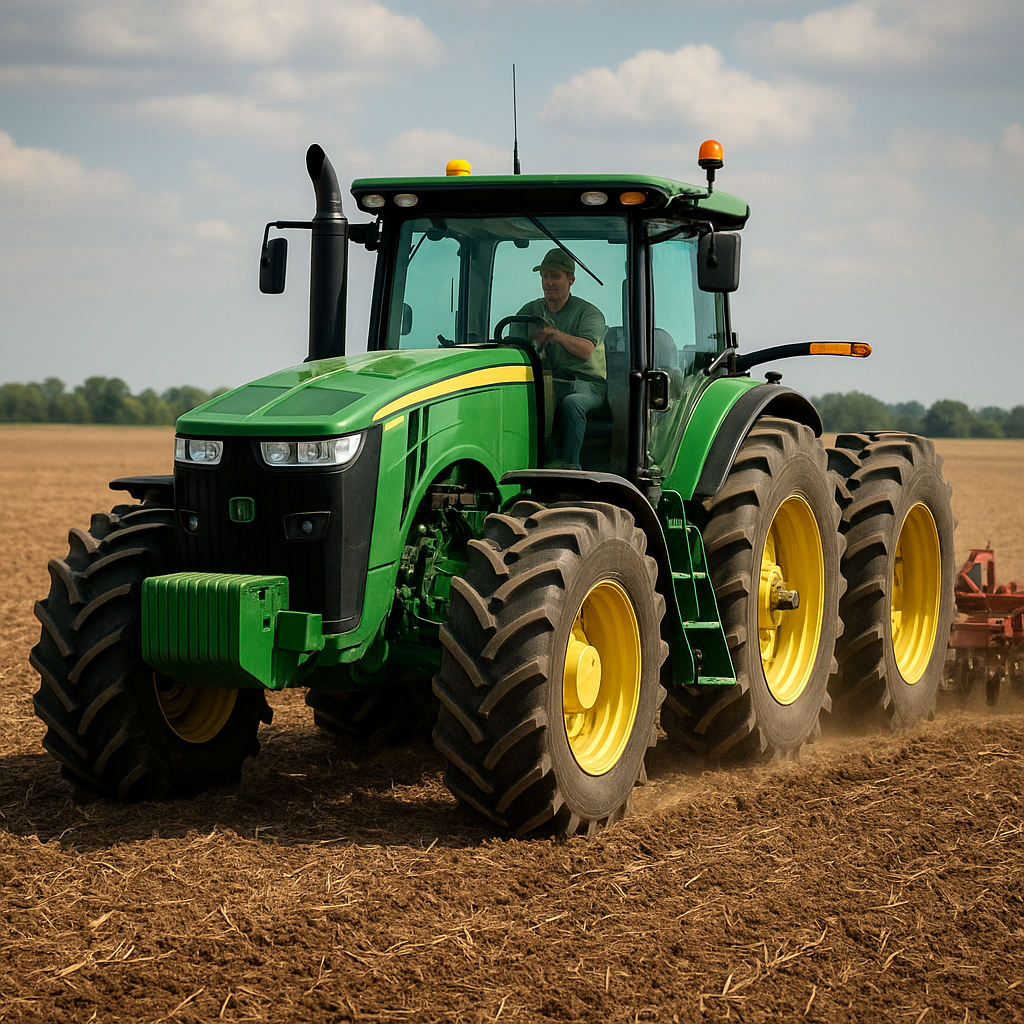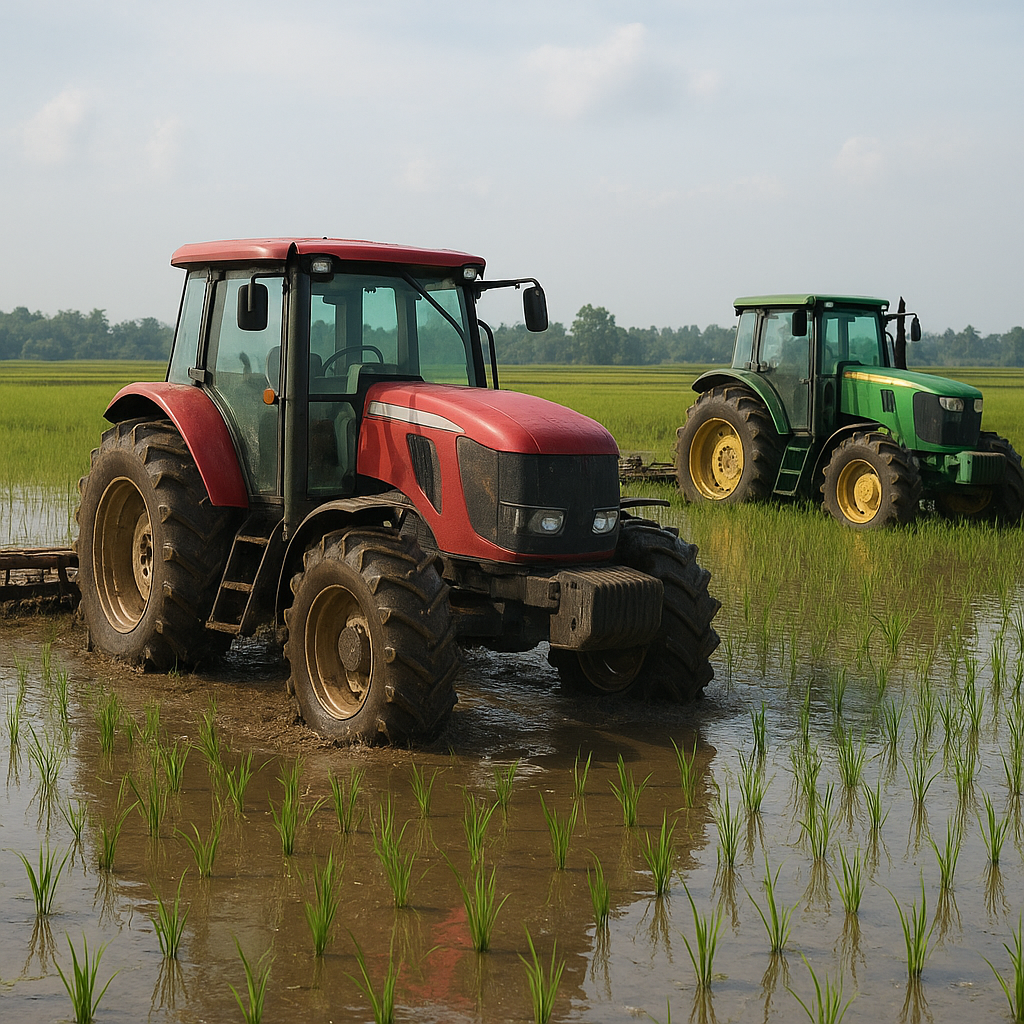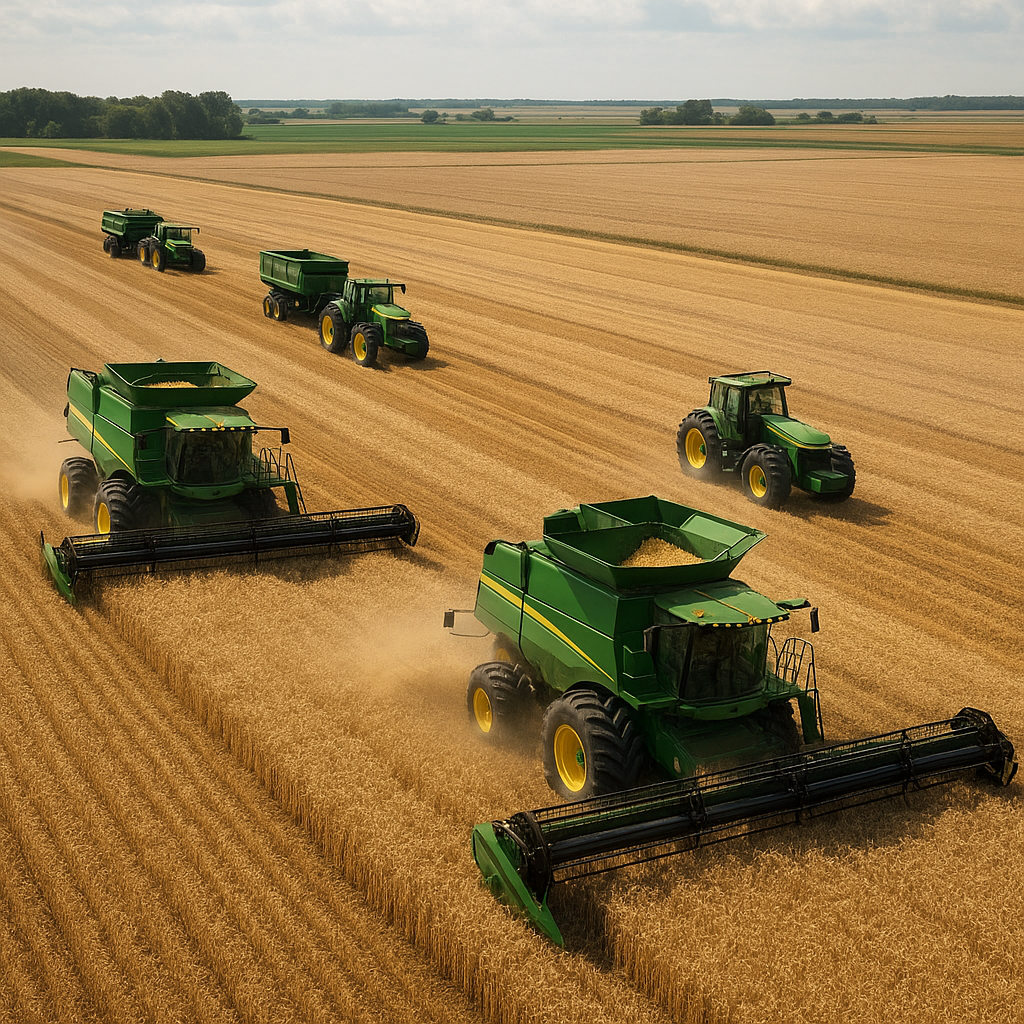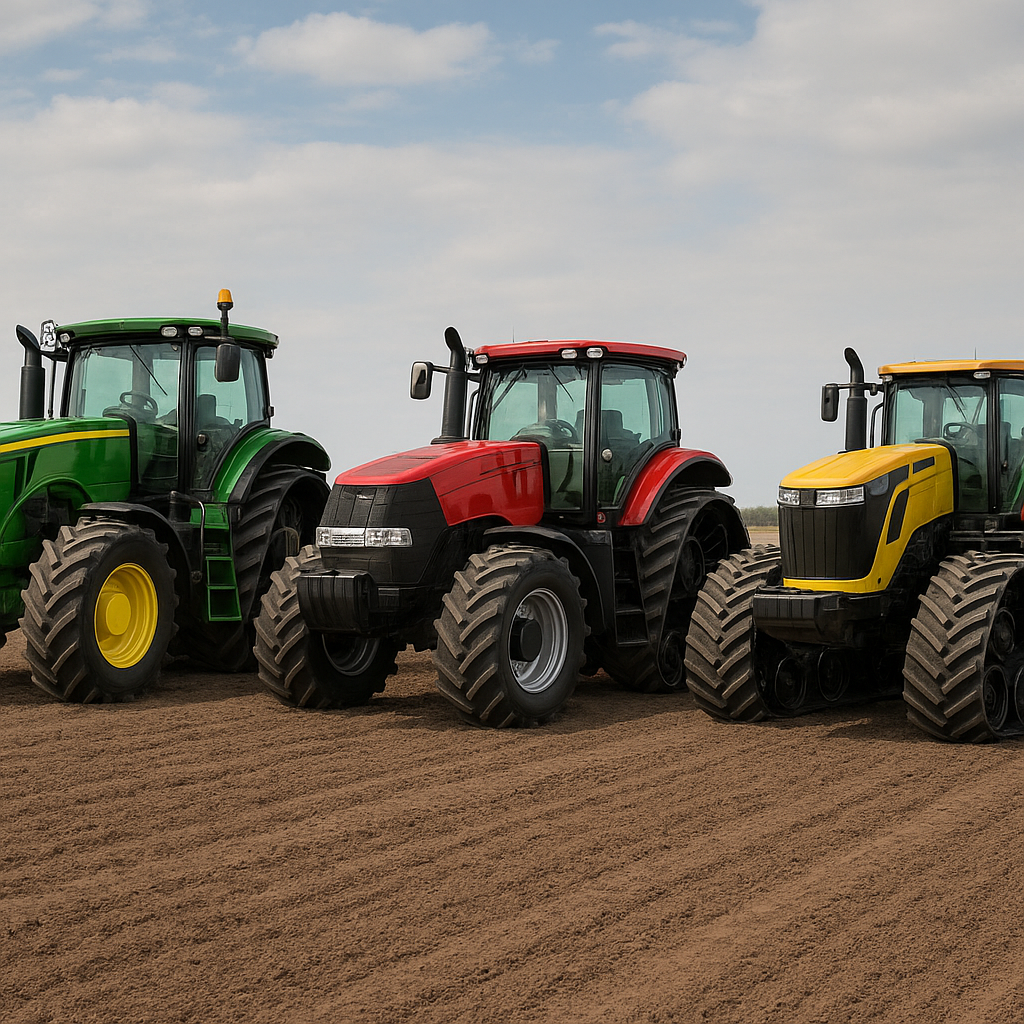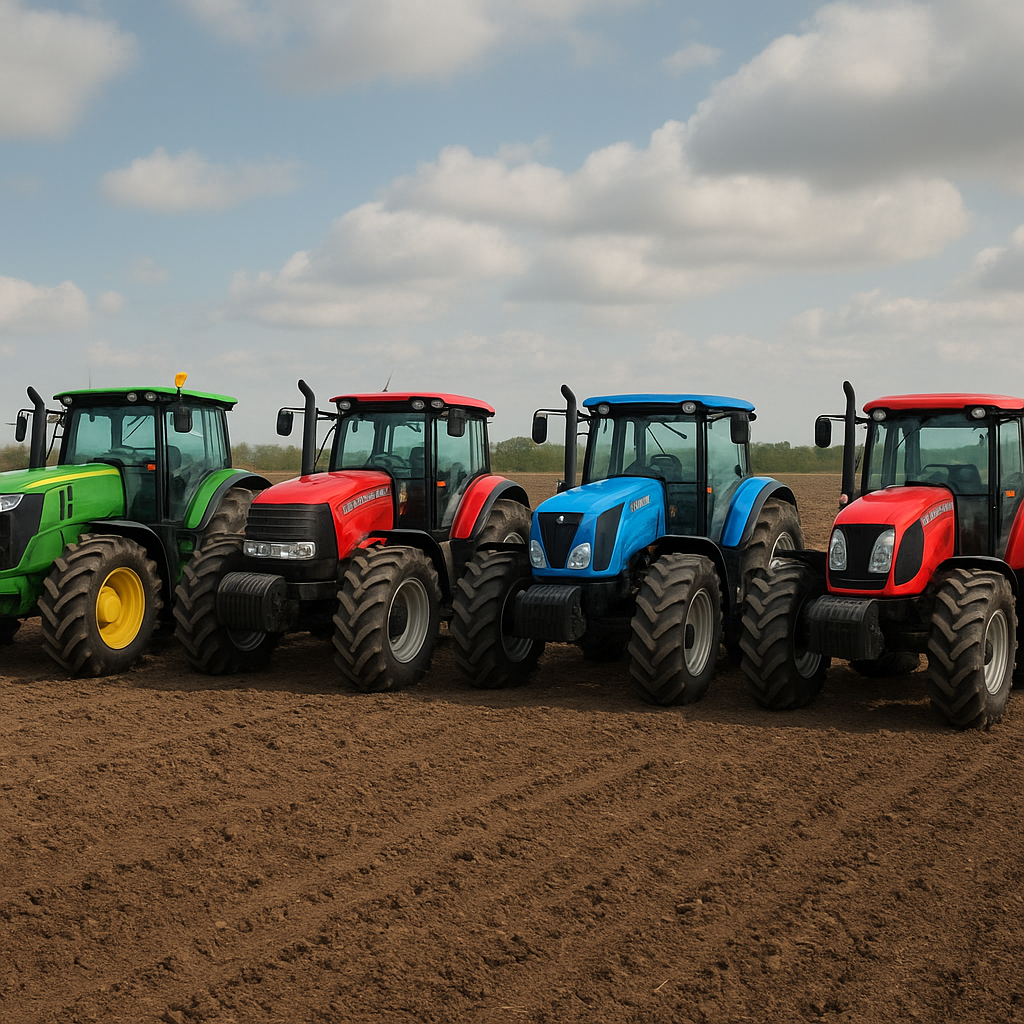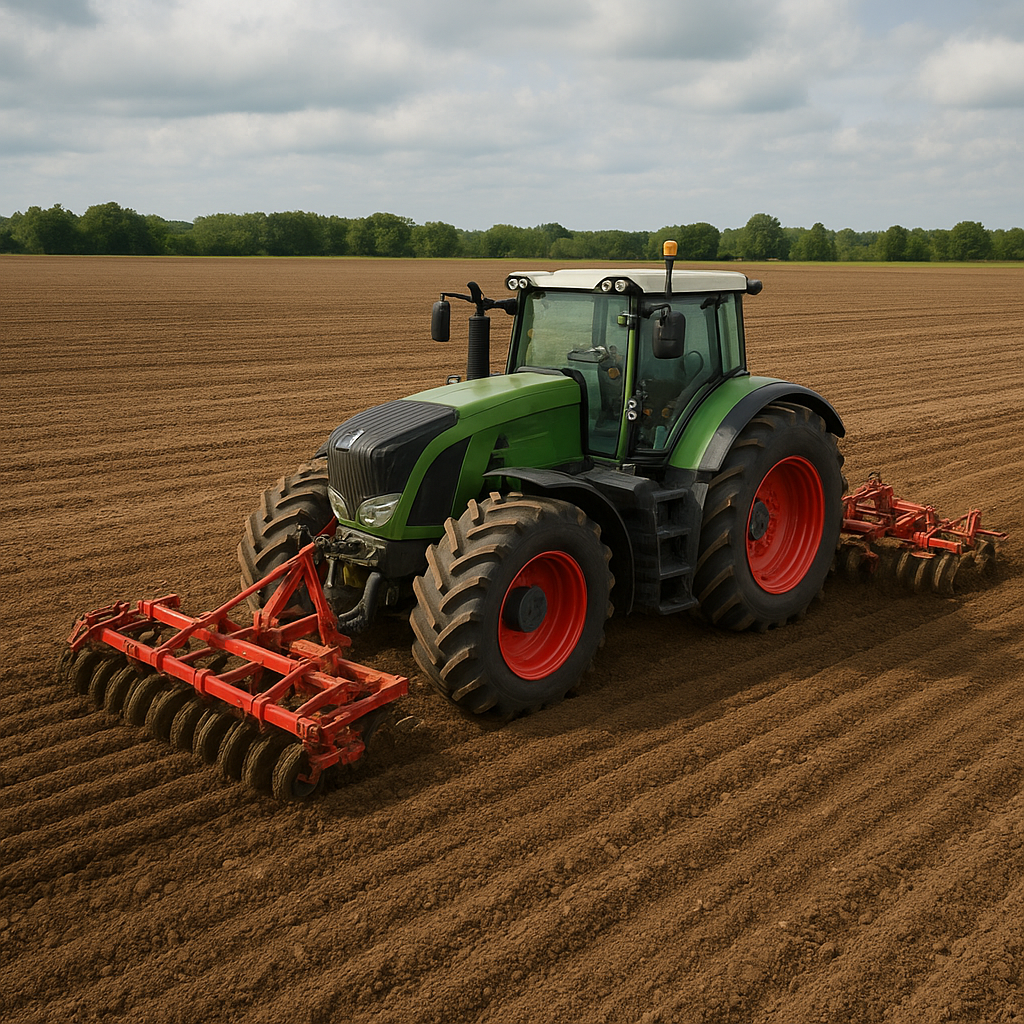
The world of agriculture has witnessed a remarkable transformation as massive tractors redefine the boundaries of what is possible on today’s farms. From the moment engineers first mounted engines onto steel frames, the drive to create ever-larger and more powerful machines has shaped the modern landscape. This article explores the evolution, breakthrough technology, real-life farm chronicles, and the challenges that lie ahead for these mechanical giants.
Evolution of Giant Tractors
Origins and Growth
In the early 20th century, tractors were primarily small, two-wheel units designed to replace animal labor. Farmers embraced these compact machines for their improved efficiency and ability to work longer hours. However, as farms expanded and yields became a top priority, manufacturers embarked on a quest to enlarge engine displacement, boost horsepower, and reinforce chassis strength. By the 1960s and 1970s, four-wheel drive designs emerged, marking a critical leap toward the durability and heft that characterize today’s giants.
Horsepower and Size
The relentless arms race in tractor design led to machines boasting over 600 horsepower by the late 1980s. Advances in turbocharging, fuel injection, and steel metallurgy gave birth to the first “thousand-horsepower” demonstrators. At the same time, tire makers responded with colossal rubber tracks and flotation tires, enabling unprecedented traction and reduced soil compaction. Modern flagship models routinely exceed 500 metric tons in weight when equipped with dual rear tracks and a fully loaded grain cart.
Cutting-Edge Technology
Precision Agriculture and GPS Guidance
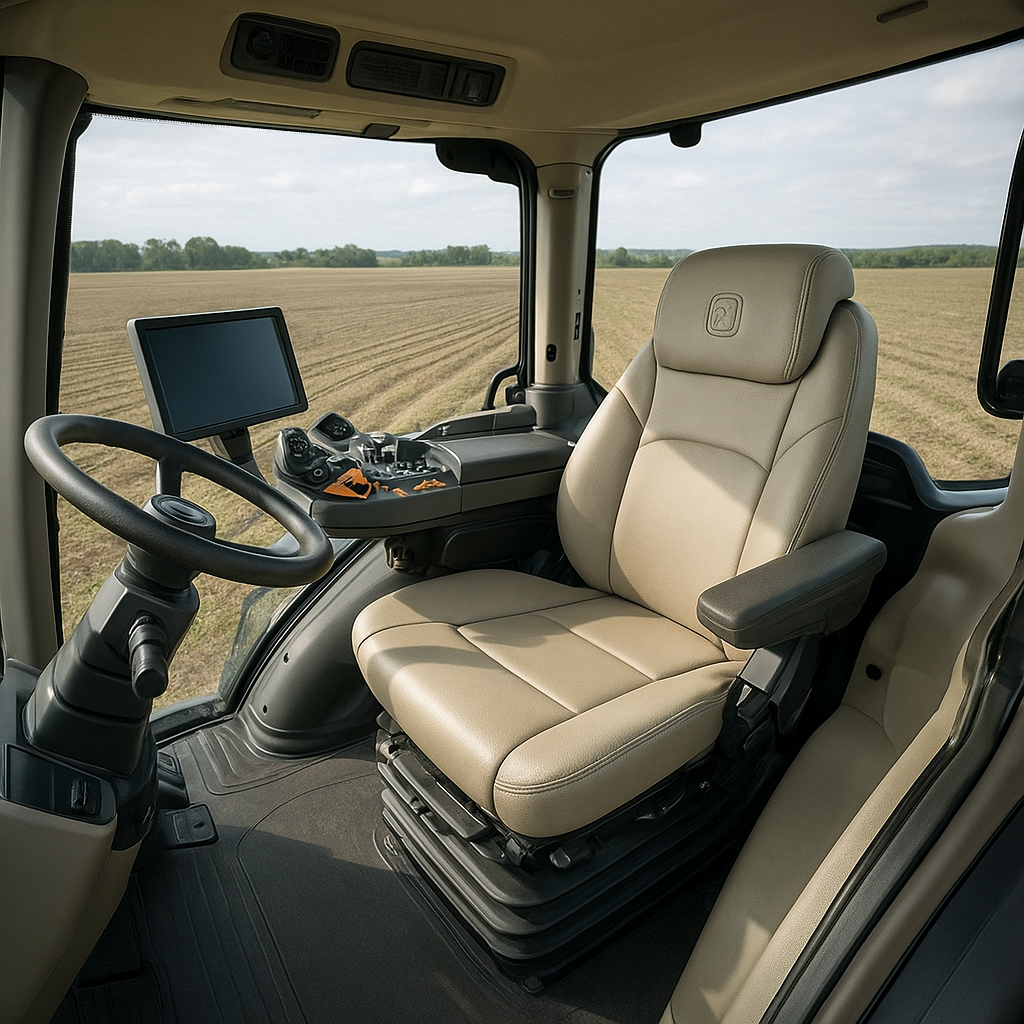
One of the most revolutionary developments for big tractors is the integration of satellite navigation and geofencing systems. Farmers now can program field patterns, ensuring perfect swaths on each pass. These systems minimize overlap, saving fuel and seed, while guaranteeing uniform crop emergence. Key features include:
- Real-time field mapping
- Auto-steer precision down to inches
- Section control to prevent wastage
- Data connectivity for yield monitoring
Such innovative solutions have transformed tractors from mere mechanical haulers into data-driven platforms that optimize every aspect of planting and harvesting.
Electrification and Hybrid Systems
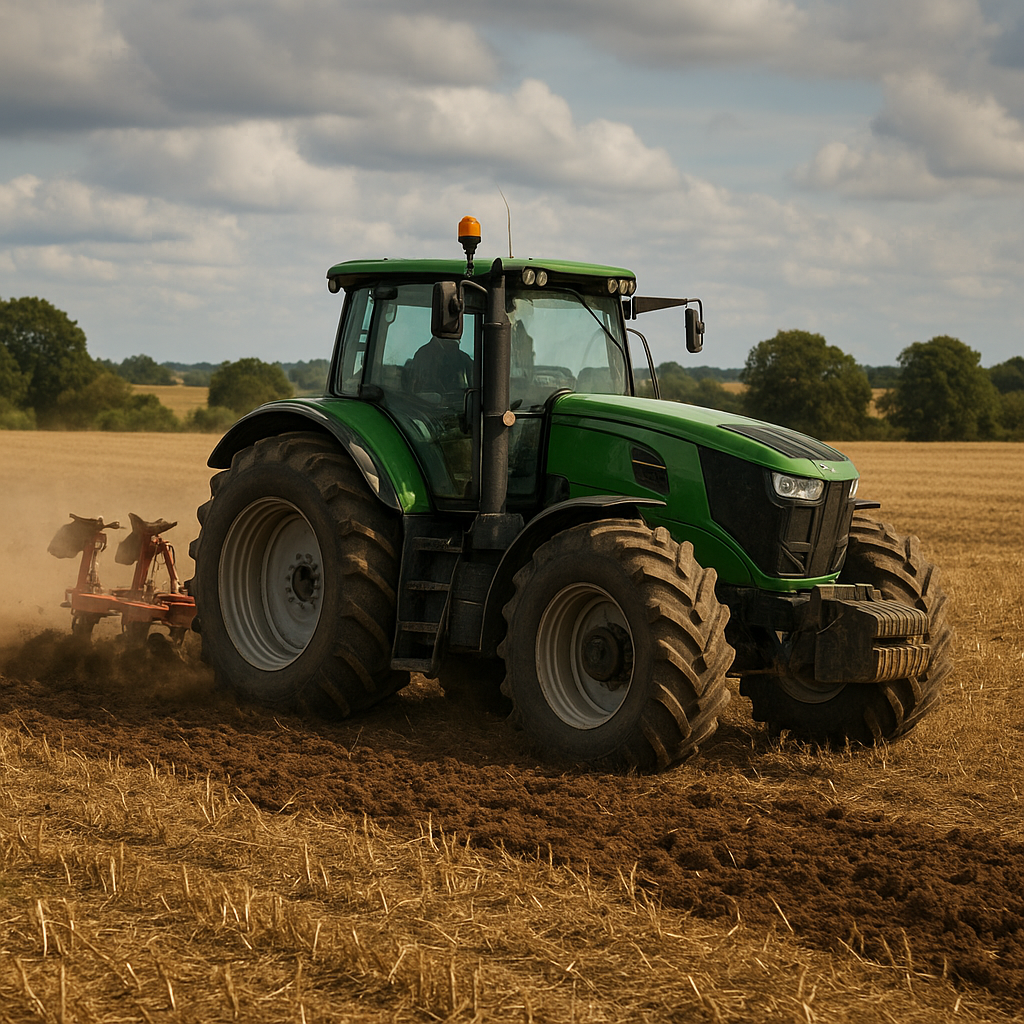
With sustainability in the spotlight, tractor designers pursue electric and hybrid drivetrains. Electric motors offer instant torque, while battery management systems regulate power output for peak performance. Hybrid prototypes combine diesel engines with electric generators, allowing tractors to run silently during precision tasks and switch to high-output diesel mode for heavy tillage. These dual-power machines promise a new era of reduced emissions and enhanced versatility.
Real Farm Stories from the Field
The Midwest Corn Colossus
On a sprawling Iowa corn farm, the Johnson family relies on a 620-horsepower, 4-track behemoth each fall. This tractor can pull a 60-row planter, covering over 100 acres per day under ideal conditions. Track systems ensure that even after prolonged rains, the machine maintains forward motion without leaving deep ruts. According to the family’s patriarch, “This rig isn’t just big—it’s a game-changer. Our planting window is limited, and every hour saved translates to thousands of dollars.”
Australian Cotton Conquest
Outback cotton farms in New South Wales face scorching heat and variable soil types. Local growers adopted 700-horsepower crawler tractors to navigate sandy loams and clay pans. These machines boast reinforced cooling systems, heavy-duty air filtration, and high-capacity fuel tanks for marathon operations. One season, a custom-pulled front-fold planter attached to a mega-tractor covered more than 300 hectares before refueling—an achievement made possible by efficiency and stout engineering.
Canadian Grain Giants
In Saskatchewan, where winters can exceed –30°C, robust engine cold-start features and insulated cabs are essential. A cooperative of farmers acquired twin 650-horsepower track tractors, which operate in tandem to haul 90-foot cultivators. During spring thaw, these monsters slice through heavy clay, kicking up the black soil that will nurture next year’s wheat. Their crew cabins, equipped with climate control and advanced telematics, allow operators to log fuel data and engine performance remotely.
Challenges and Future Directions
Sustainability and Environmental Impact
While giant tractors offer undeniable gains, they also bring ecological concerns related to soil compaction, fuel consumption, and chemical application. Researchers now study:
- Multi-segment track systems to distribute weight
- Biofuel compatibility for legacy engines
- Variable-rate applicators to reduce fertilizer runoff
Balancing field productivity with environmental stewardship represents a key frontier in tractor design and farm management practices.
Autonomous Operation and Remote Monitoring
Looking ahead, the integration of AI, machine vision, and robotics will redefine operator roles. Autonomous tractors, guided by sophisticated sensors and neural networks, can work through night and day, responding to changing conditions on the fly. Coupled with cloud-based dashboards, growers will monitor:
- Engine health diagnostics
- Implement status
- Real-time fuel efficiency metrics
- Predictive maintenance schedules
These developments promise a future where human operators serve as supervisors, while a fleet of unmanned giants tackles the most demanding tasks with durability and precision. Innovation in this realm continues to push boundaries, ensuring that tomorrow’s tractors will be even more innovative and sustainable than those we see today.