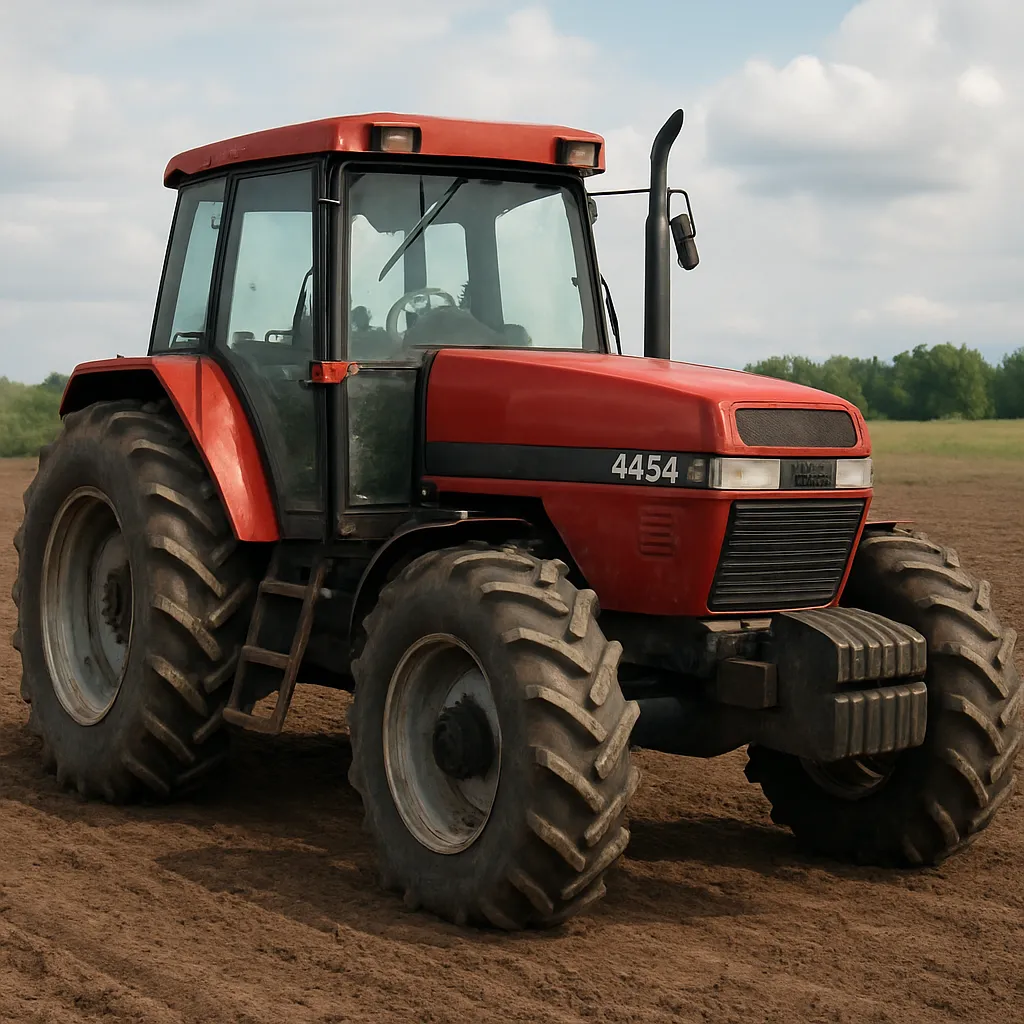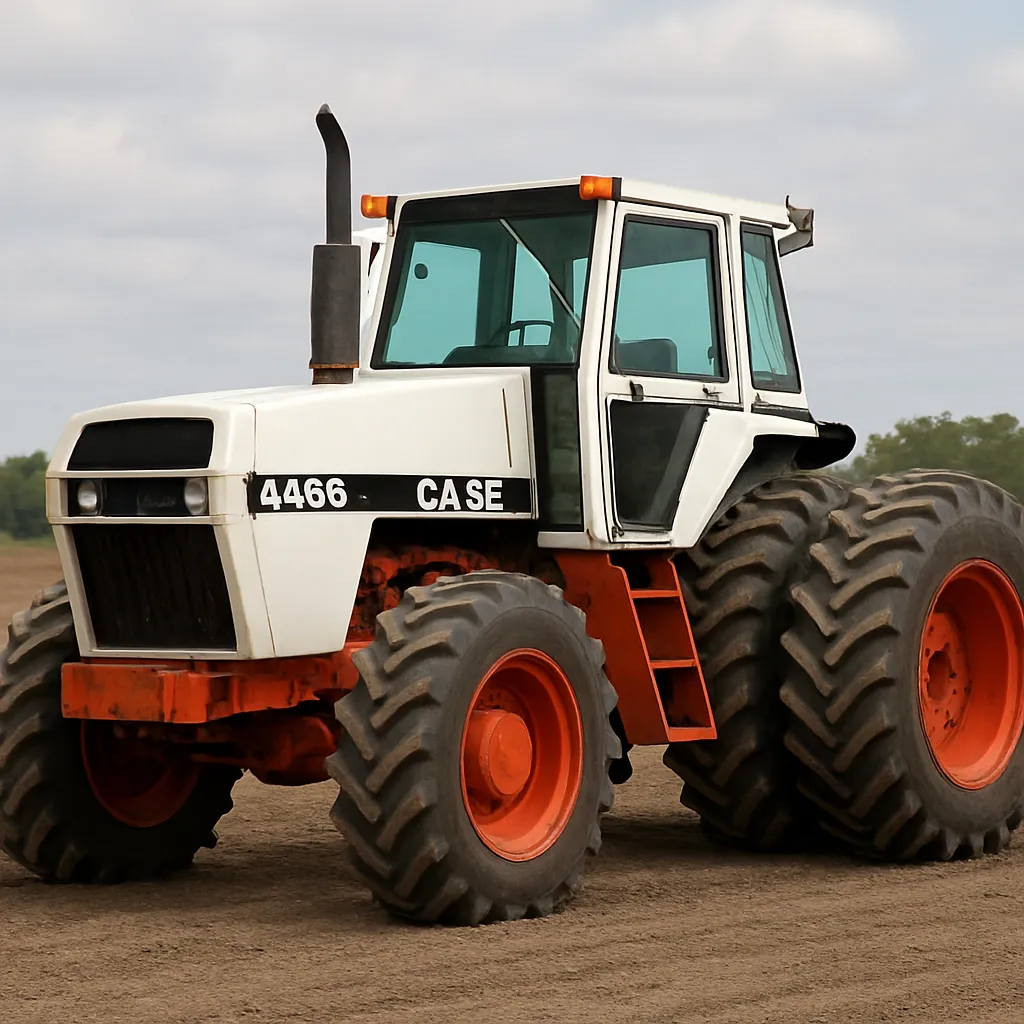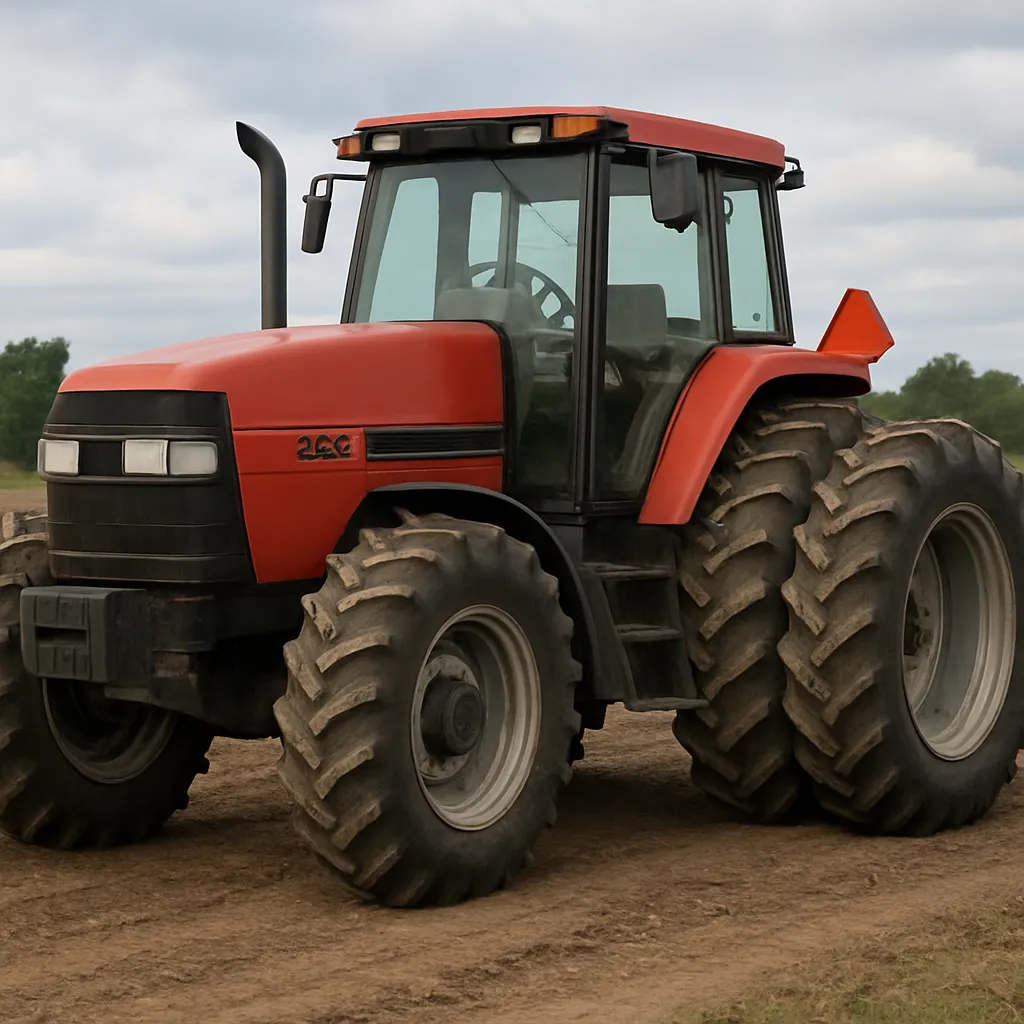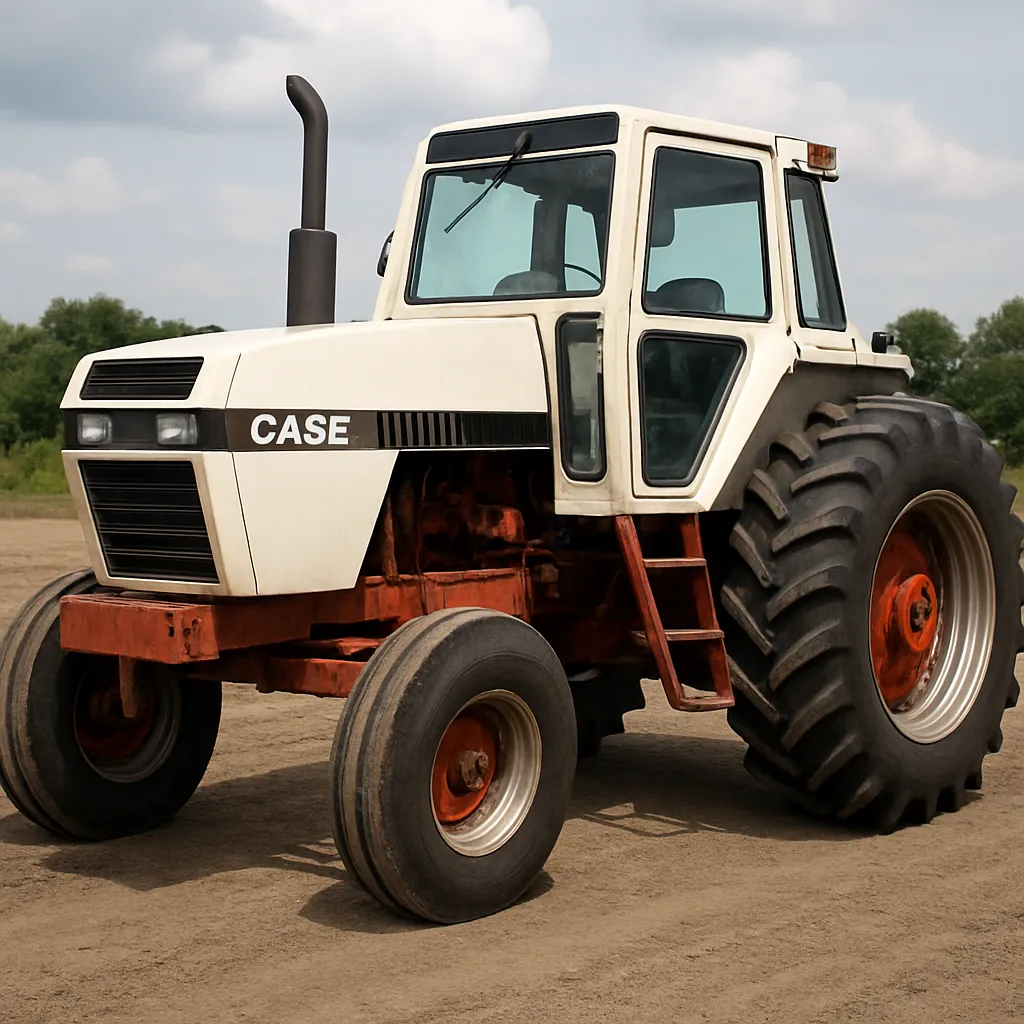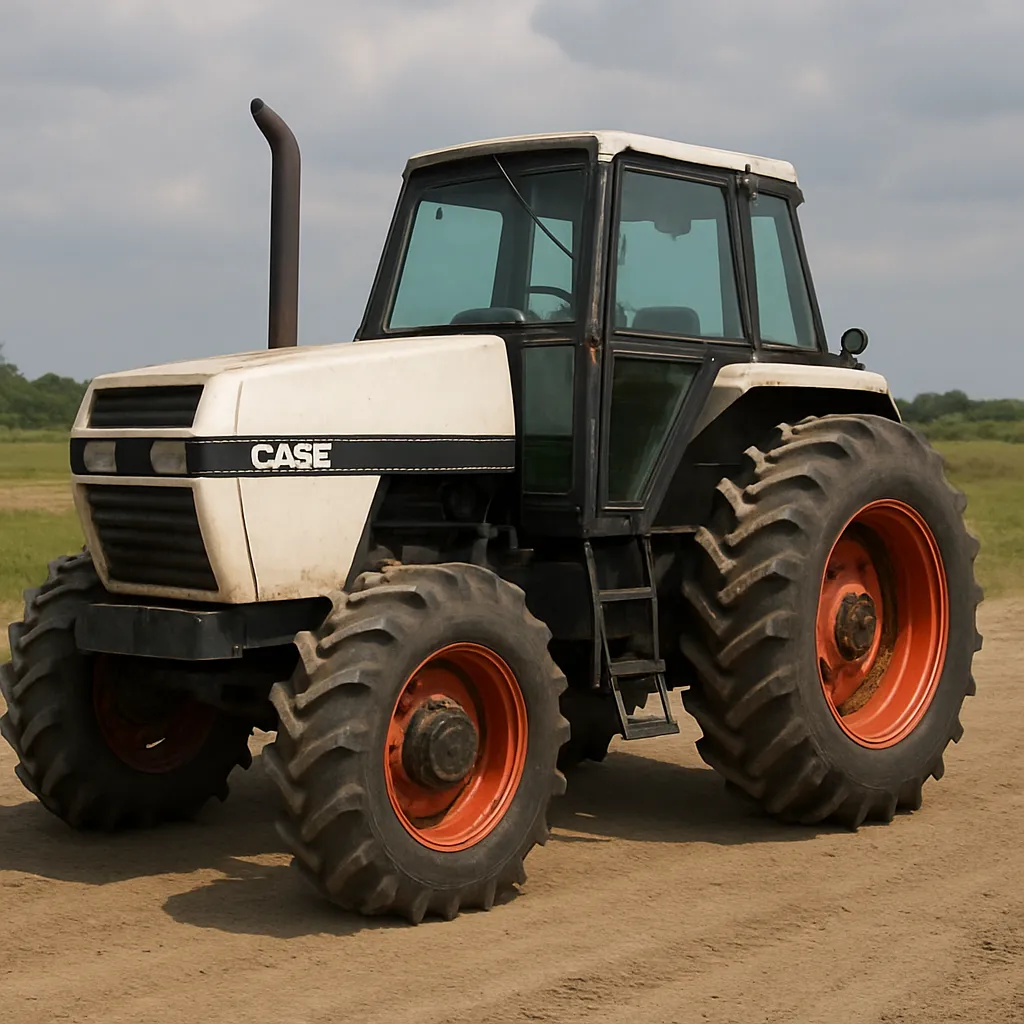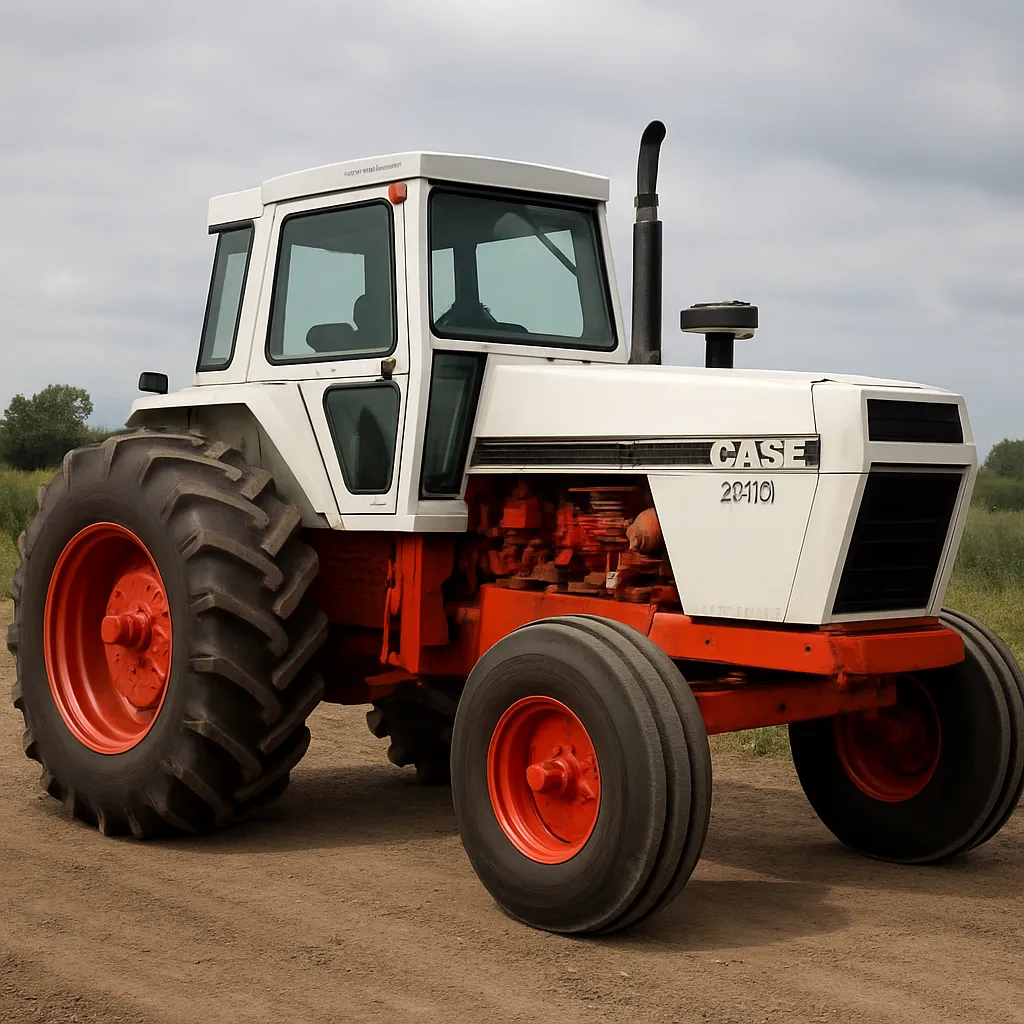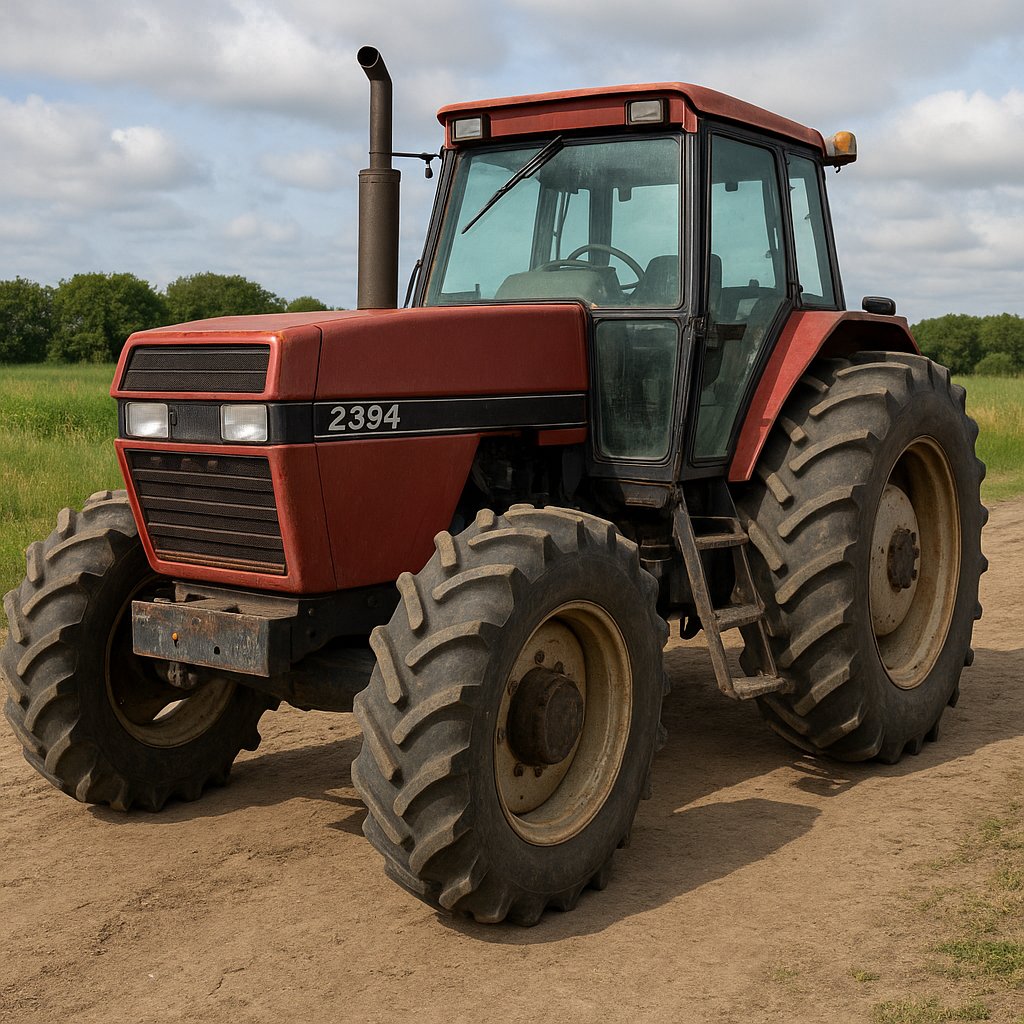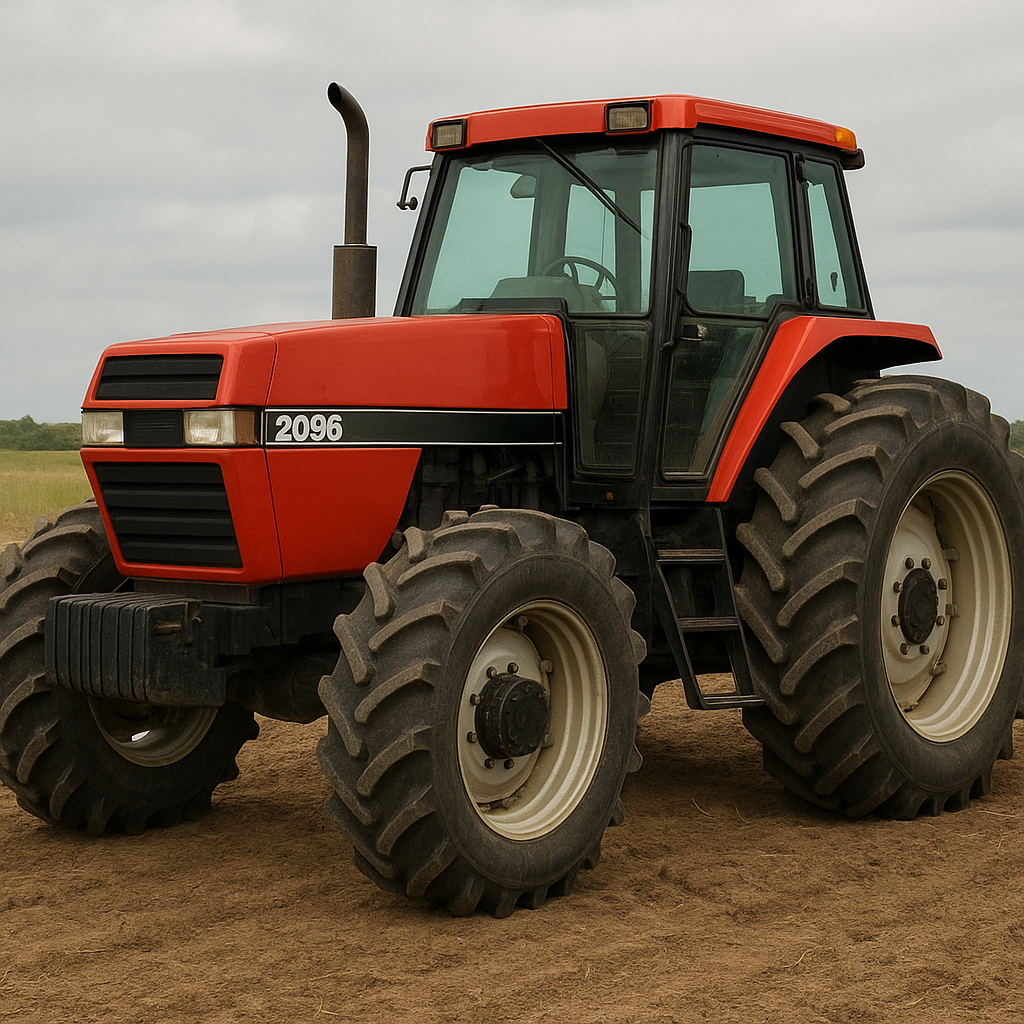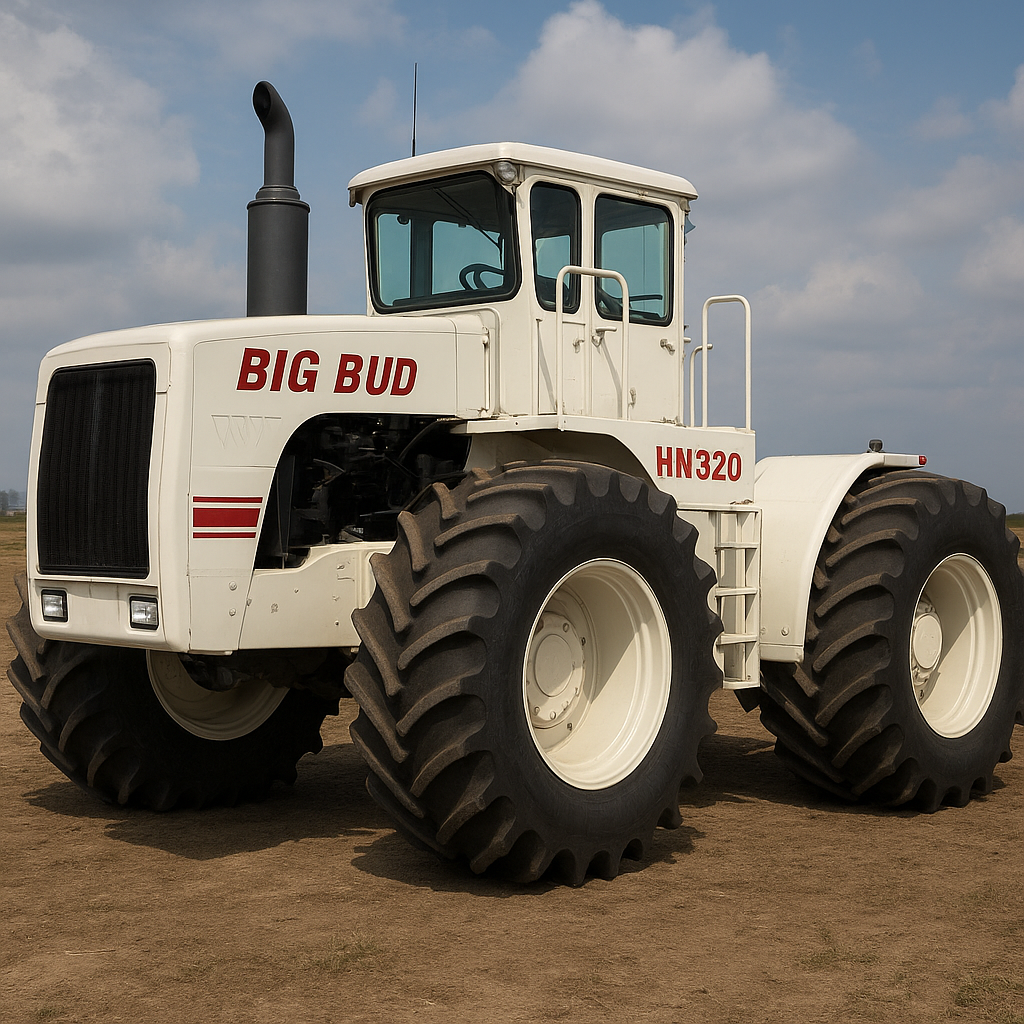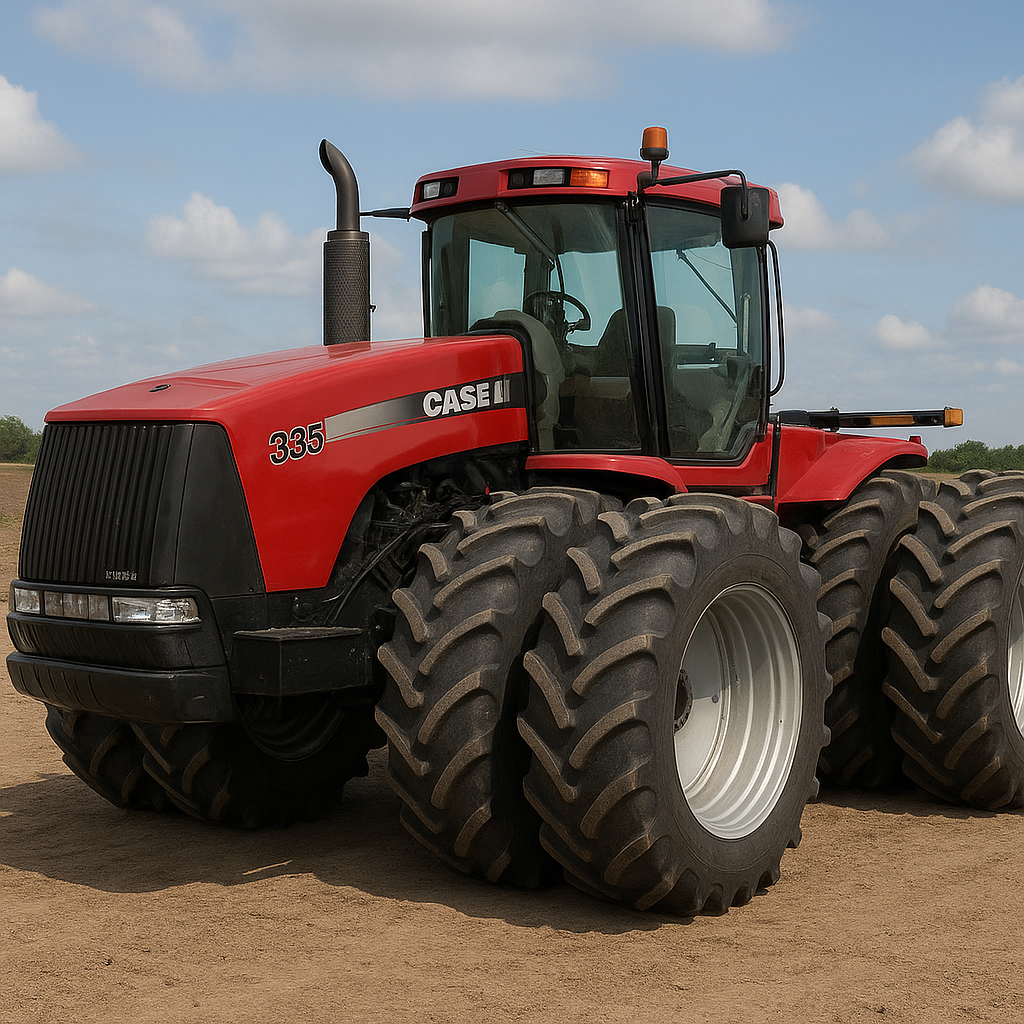
The Case IH Steiger 335 is a member of the heavy, articulated 4WD tractor family designed to meet the needs of large-scale farming operations and contractors. Built for demanding soil preparation, seeding, and heavy tillage tasks, this machine combines substantial pulling capacity with operator comfort and modern implement control. In the following sections, we explore the tractor’s design, typical applications, technical characteristics, and operational considerations for farmers, contractors, and fleet managers.
Design and engineering highlights
The Steiger family has long been recognized for its robust, articulated chassis and high-traction design. The Case IH Steiger 335 continues that tradition: it is engineered to deliver consistent field performance under heavy loads while providing stability and flotation through large tires and ballasting options. The articulated frame allows excellent maneuverability for a tractor of this size and improves ground contact in uneven terrain.
Powertrain and drivetrain
At its core, the Steiger 335 is built around a high-output diesel engine tuned to supply continuous power for large implements. The model designation typically reflects its approximate rated output — in this case, around 335 horsepower (approximately 250 kW) — making it well-suited for primary tillage, deep ripping, and large planters. Depending on the production year and market, the tractor can be paired with different transmission options, including stepped powershift or electronically controlled transmissions that optimize ground speed and efficiency.
Typical drivetrain attributes include:
- Articulated 4-wheel drive layout for traction and steering agility;
- Heavy-duty final drives and axles designed for long service life under high loads;
- Multiple speed ranges and creeper options to match a broad set of implements and field speeds.
Hydraulics and implement control
Modern Steiger tractors are equipped with powerful hydraulic systems to operate multi-section planters, large plows, and hydraulic motors. Hydraulics provide flow and pressure suitable for running multiple remote valves, hydraulic depth control, and supplemental steering or suspension systems on implements.
- High-capacity hydraulic pumps to support simultaneous implement functions;
- Electro-hydraulic remote valves with proportional control for precision implement management;
- Compatibility with ISOBUS implement control standards on many configurations, allowing simplified connections and control of modern implements.
Where the Steiger 335 is used
The targeting of the Steiger 335 is clear: large farms, custom applicators, and contractors who need a powerful, reliable platform for pulling heavy implements over wide acreages. Below are typical use cases and why the design suits each application.
Primary tillage and deep ripping
Operators often deploy the Steiger 335 for heavy primary tillage such as moldboard plowing, chisel plowing, and deep ripping. The combination of sustained power, torque delivery, and traction enables the tractor to maintain consistent forward momentum with wide, multi-shank implements, improving productivity on big fields.
Seeding and planting with large planters
Large planters demand stable drawbar or 3-point pull and the ability to maintain constant ground speed and hydraulic pressure. The Steiger 335’s stable platform and responsive hydraulics allow operators to run wide planters at optimal speeds while preserving seed placement accuracy.
Large transport and heavy-duty equipment work
Because of its strong driveline and weight-carrying capacity, the Steiger 335 is also appropriate for hauling large loads, whether moving grain carts, trailers, or heavy equipment. In some regions, operators use it for work beyond farming, such as road maintenance, snow removal when fitted with appropriate attachments, and forestry tasks with winches and specialized implements.
Specialized roles
- Strip-till and conservation tillage when configured with the right toolbar and control systems;
- Land reclamation and heavy earthmoving on agricultural and light civil projects;
- Custom spraying and nutrient application when matched with large booms and pumps — benefiting from high hydraulic capacity and power take-off options.
Performance and statistics (typical figures and context)
Exact specifications for the Steiger 335 can vary by year, market, and factory options, but several typical characteristics help quantify its capability. Model numbers in the Steiger line are commonly associated with the tractor’s rated engine horsepower, so the Steiger 335 is generally specified around 335 engine hp (≈250 kW).
- Rated engine power: approximately 335 horsepower (250 kW). This rating represents continuous field power under normal operating conditions and will vary with engine tuning and emissions packages.
- Engine type: inline 6-cylinder turbocharged diesel is common in many Steiger models, tuned for torque at lower engine speeds to support draft work.
- PTO options: many configurations support standard PTO speeds (540/1000 rpm or equivalent depending on local market practices) for implements requiring power take-off.
- Hydraulic capacity: high-flow hydraulic pumps capable of handling multiple implements and remote functions — exact flow rates depend on pump configuration and options.
- Operating weight: large four-wheel-drive tractors like the Steiger 335 typically have a substantial ballasted operating weight to improve traction; this can range widely depending on tires, duals, and ballast, but these tractors often weigh several tons (ballasted weights commonly exceed 10,000–12,000 kg in many setups).
- Tire and ballast options: available to optimize flotation or traction, including single large tires, duals, and triple configurations for specific soil conditions and transport constraints.
Because specifications depend heavily on the production year and optional packages (emissions controls, transmission type, cab features), it’s recommended to consult the factory documentation or the seller’s spec sheet for a specific VIN to obtain exact numbers for fuel capacity, hydraulic flow, maximum ballast, and PTO horsepower.
Operator comfort, controls, and precision farming features
Long hours in the field demand a comfortable and ergonomic operator environment. The Steiger 335 typically offers a spacious cab with climate control, sound insulation, and an adjustable seat to keep the operator productive throughout long operations. Many units are fitted with modern electronics and automation that convert raw grunt into precise, repeatable operations.
Visibility and ergonomics
High-mounted cabs and wide windows deliver excellent visibility to both the front implement and rear attachments. Controls are grouped for convenience and to reduce operator fatigue during multi-hour passes across large fields.
Precision agriculture compatibility
- GPS guidance and auto-steer compatibility: many Steiger tractors support factory or aftermarket auto-steer systems to reduce overlap, lower input costs, and increase accuracy during planting and spraying;
- Telematics and fleet management: modern models or retrofitted units often include telemetry packages to monitor fuel use, location, and maintenance alerts remotely;
- ISOBUS and implement integration: standardized implement communication reduces cab complexity by allowing a single terminal to manage planter and implement settings in the field;
- Section control and variable-rate application: where fitted, these systems allow precise input application across variable soils and productivity zones.
Maintenance, serviceability, and lifecycle considerations
Owning and operating a large tractor class like the Steiger 335 involves routine service management and an understanding of long-term costs. Proper maintenance preserves productivity, reduces downtime, and supports resale value.
Regular maintenance tasks
- Engine oil and filter changes at recommended intervals to protect turbocharged diesel durability;
- Transmission and final drive oil checks and scheduled replacements, particularly for heavy draft work where driveline loads are high;
- Hydraulic fluid and filter maintenance to preserve pump and valve life, especially when high-flow implements are used;
- Tire inspection, inflation, and balancing — tire wear and serviceability are major cost factors on heavy tractors;
- Cooling system service to prevent overheating under sustained heavy loads.
Common longevity and reliability notes
When maintained properly, Steiger tractors traditionally offer long service lives measured in many thousands of engine hours. Factors that influence longevity include the maintenance regime, the typical duty cycle, and operator practices (for example, minimizing lugging or operating with proper ballast). The design’s heavy components and straightforward driveline architecture contribute to repairability in the field.
Economic and ownership considerations
Purchasing or operating a Steiger 335 should be evaluated as part of an enterprise-level investment decision. These machines are intended for high-acreage operations where horsepower-to-acre economics and implement compatibility justify the capital outlay.
- Cost of acquisition: new units include modern emissions systems and electronics that can increase purchase price but lower operating costs through improved efficiency; used markets can offer significant savings but require careful inspection;
- Fuel and operating costs: heavy draft work consumes more fuel; fuel efficiency varies with implement load, soil conditions, and operator technique;
- Resale value: high-quality maintenance records and lower hours substantially influence resale demand; popular workhorses in flat, high-acreage regions often retain value relative to less-used competitors;
- Financing and asset utilization: many operators calculate cost per acre or cost per hour to determine fleet mix; contracting, custom work, and shared ownership can spread capital costs across users.
Practical buying tips and inspection checklist
When evaluating a Steiger 335, prospective buyers should follow a structured inspection to avoid unexpected repairs and downtime.
- Verify engine hours and maintenance records — consistent oil and filter changes are a good sign;
- Inspect the driveline: look for leaks, listen for unusual transmissions noises, and test shifting under load where safe;
- Check hydraulic performance: all remotes should respond smoothly, and the pump should not make excessive noise under load;
- Assess tires and rims for wear and rim damage — replacing large tires is a significant expense;
- Test cab electronics: displays, guidance systems, joystick controls, and heating/cooling systems should all be functional;
- Review ballast configuration and PTO operation to ensure the tractor is set up for the intended implement types.
Comparisons and market position
The Steiger 335 sits among other large, articulated tractors from global manufacturers. Its strengths are generally in raw traction, durability, and adaptability to large implements. For some buyers, alternatives with continuously variable transmissions (CVT/IVT) or different ballasting approaches may offer advantages in fuel economy or transport speed, so matching the tractor to the farm’s operational profile is crucial.
Field-proven reliability combined with modern precision-farming integration makes the Steiger 335 a competitive choice for high-acreage operations looking for a balance of power and implement compatibility.
Summary
The Case IH Steiger 335 is a purpose-built machine for heavy-fieldwork and large-scale agricultural operations. With an approximate rated power of 335 hp, an articulated 4WD platform, robust hydraulics, and the ability to integrate precision agriculture systems such as autosteer and ISOBUS, it serves producers and contractors who demand high productivity and reliable performance. Prospective owners should weigh acquisition costs, operating expenses, and maintenance plans, and perform careful inspections on used units to ensure value retention and long-term service life. Properly matched to the right operations, the Steiger 335 remains a potent tool in modern agriculture — offering strength, versatility, and the capability to move large implements efficiently across extensive acreages.