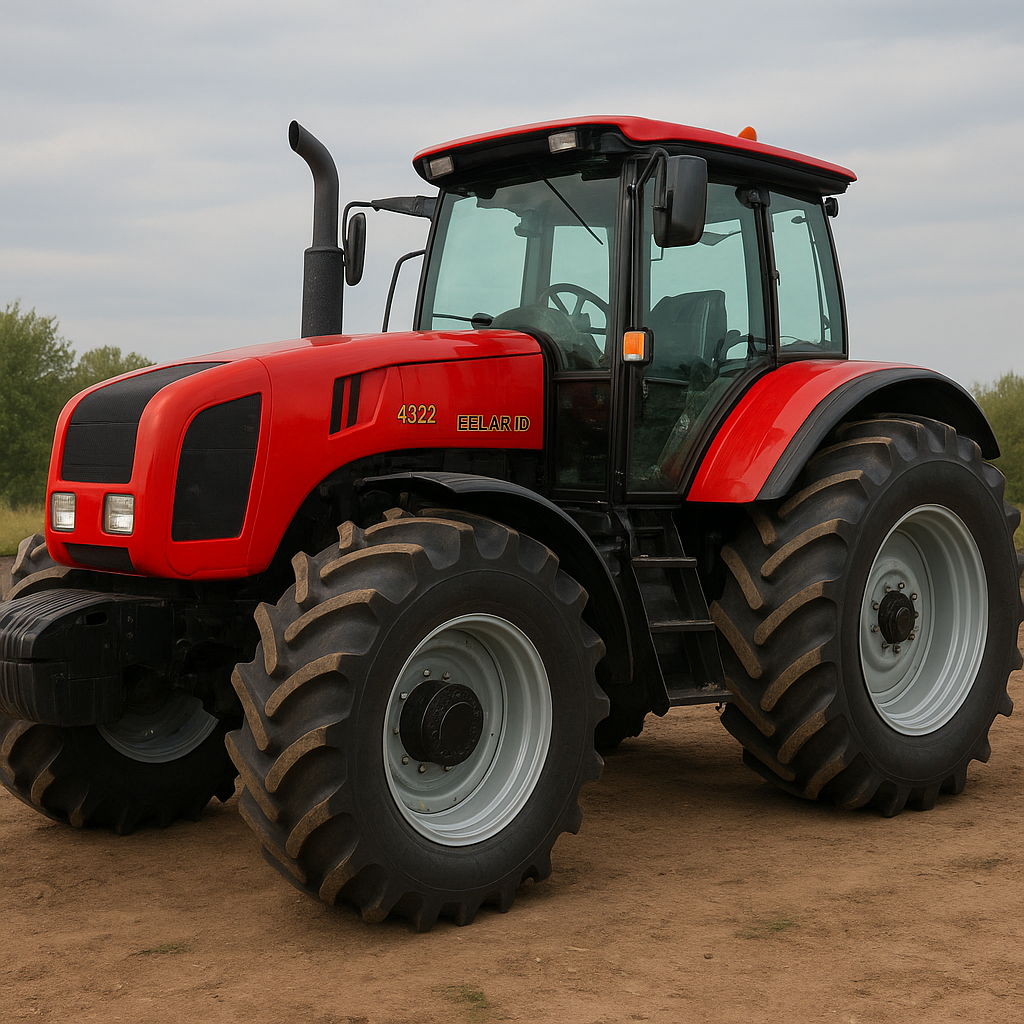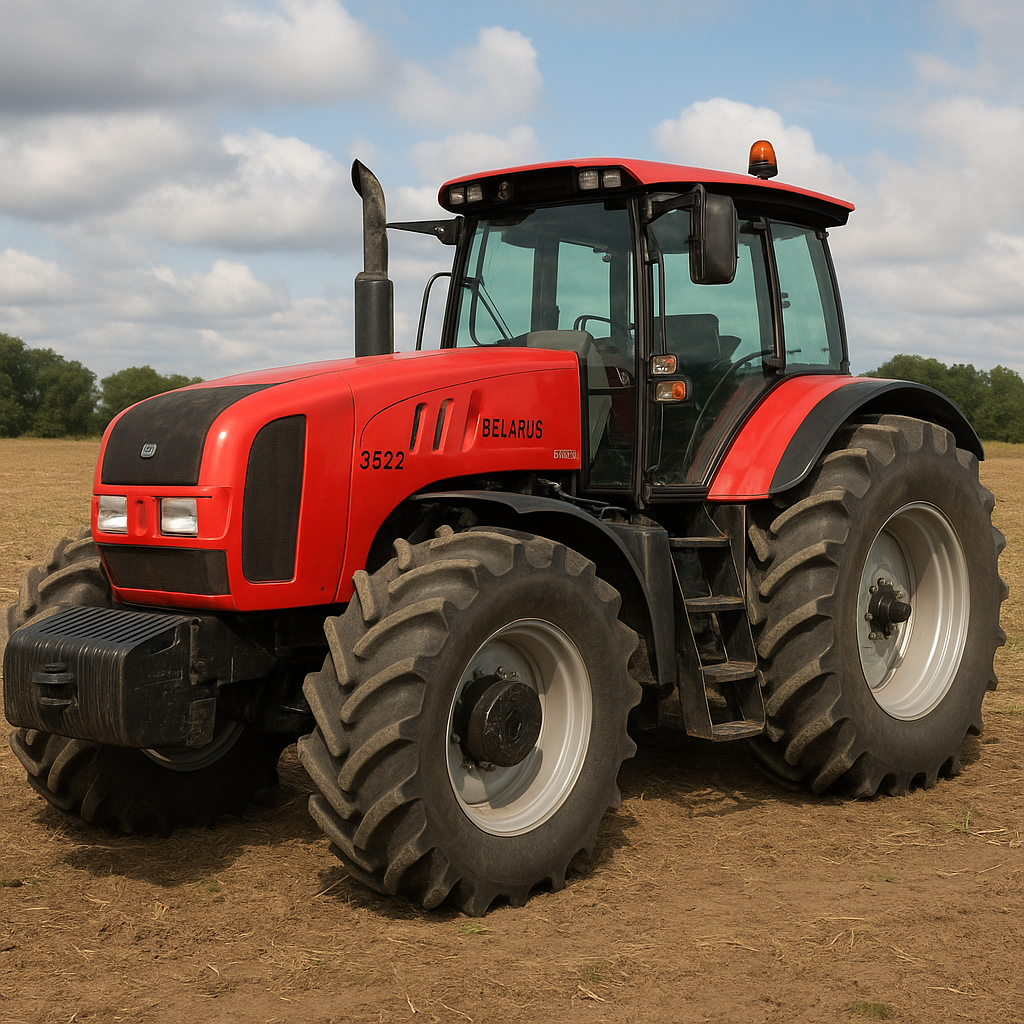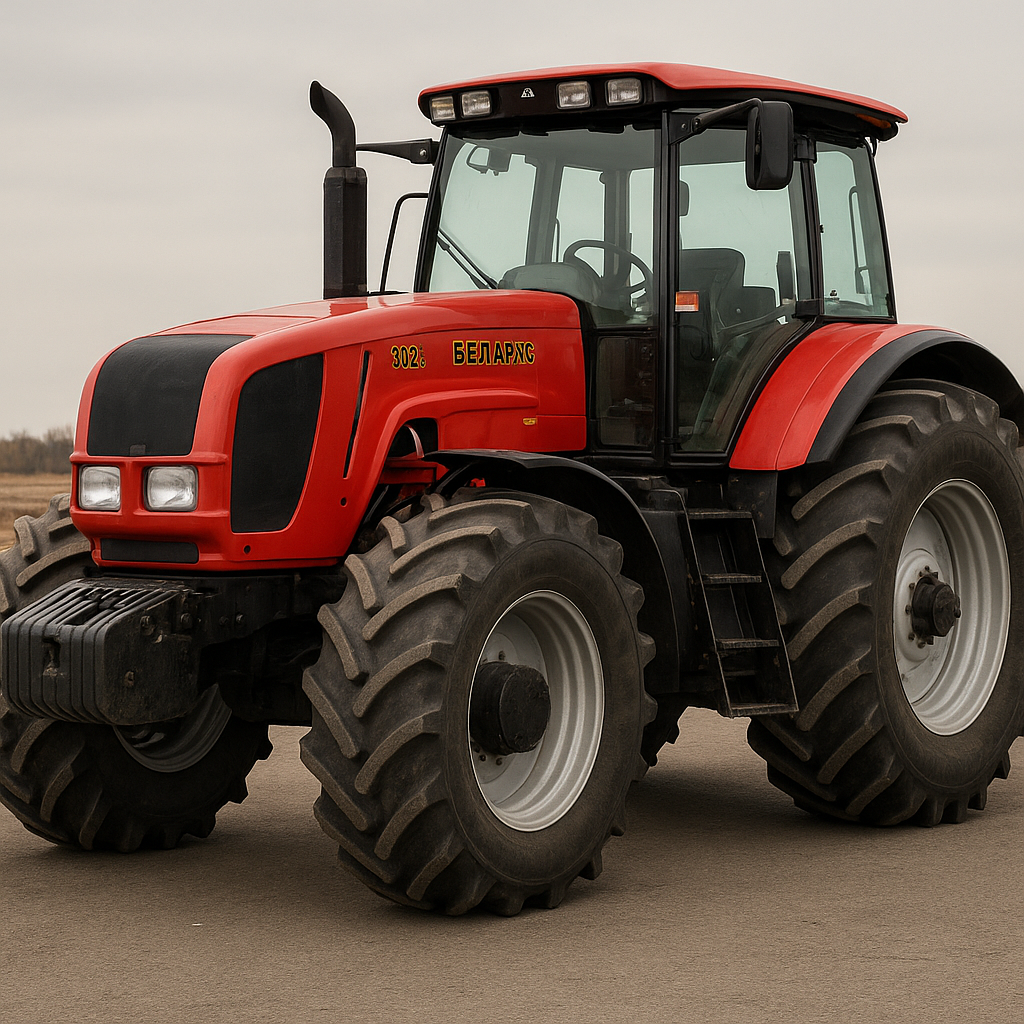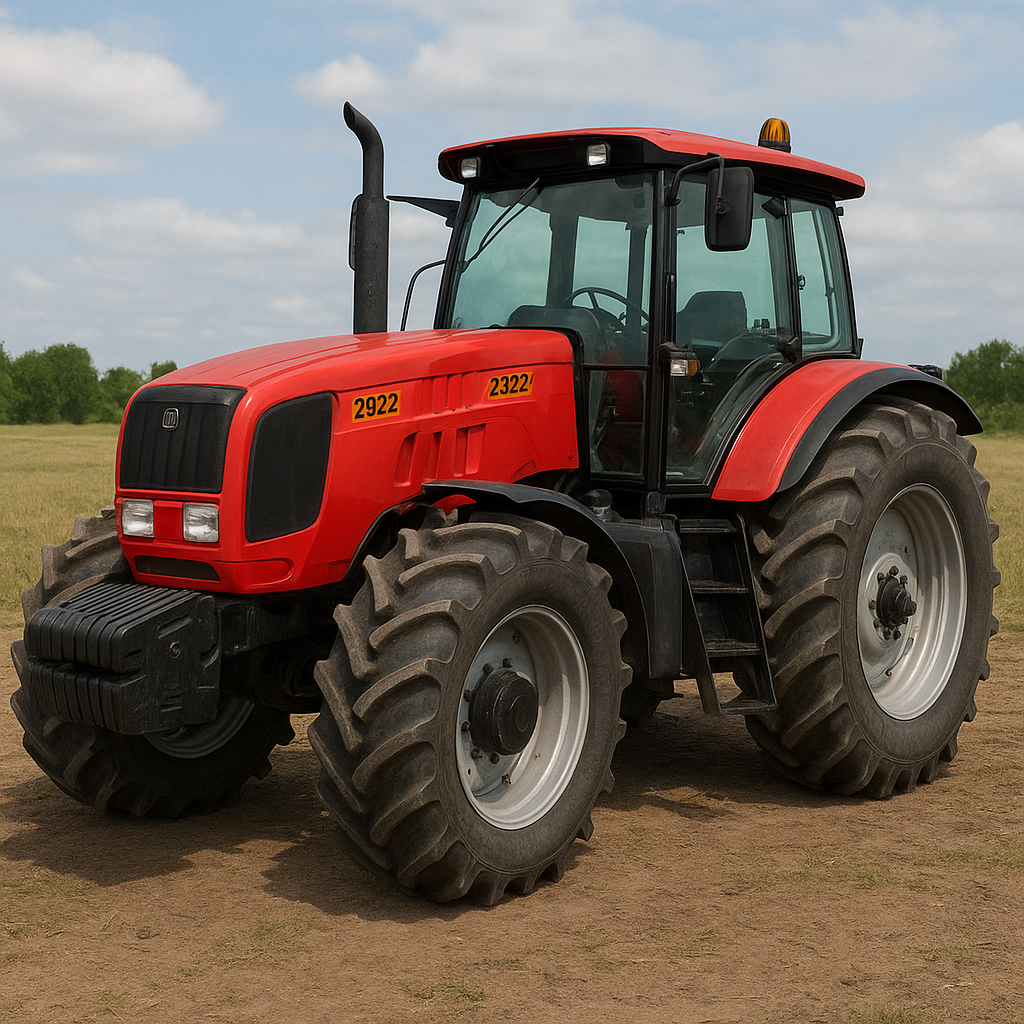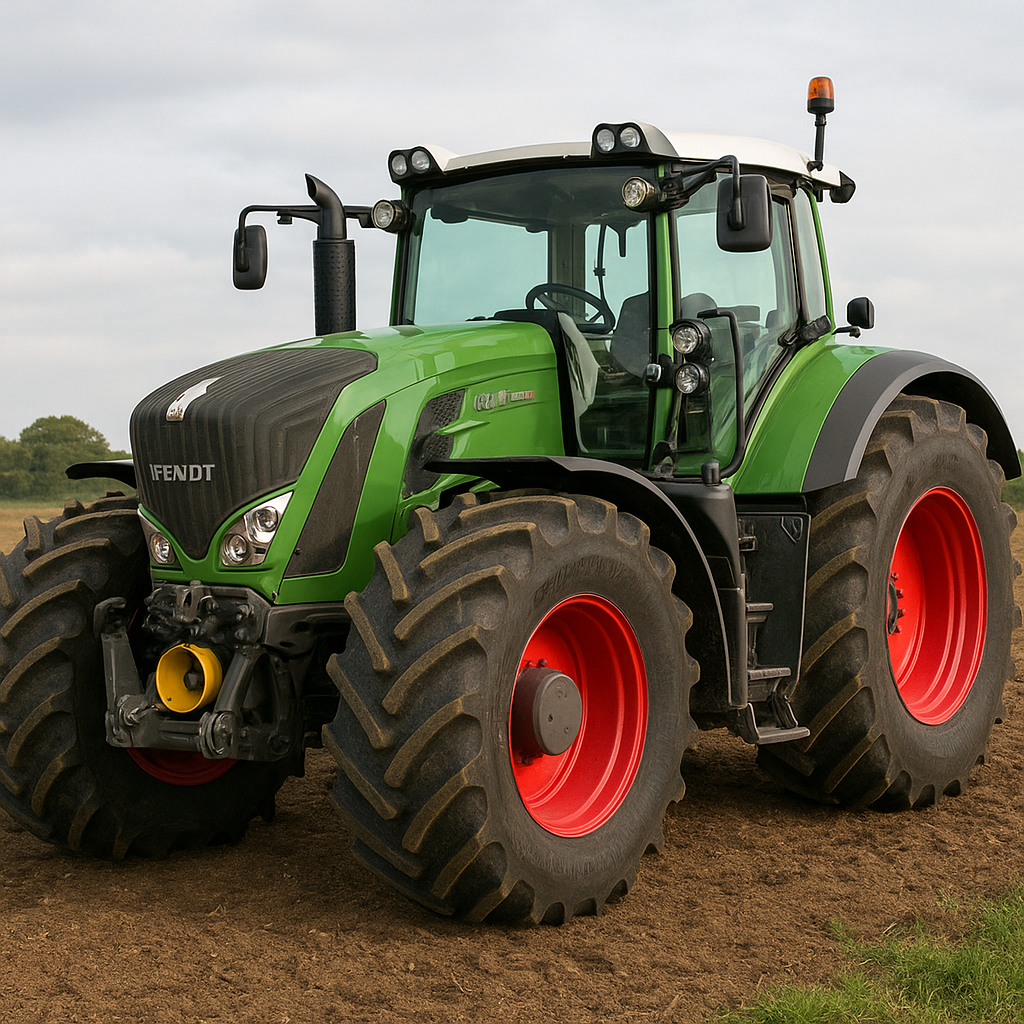
The Fendt 930 Vario is a high-performance agricultural tractor designed to meet the demands of large-scale farming, heavy transport, and precision fieldwork. Combining robust mechanical engineering with advanced electronics and operator comfort, this model represents a balance between power, efficiency, and versatility. In the following sections, we explore the tractor’s background, technical attributes, practical applications, innovations, and considerations for operators and fleet managers.
Background and Positioning in the Market
Fendt, part of the AGCO Group, is widely recognized as a premium manufacturer of agricultural machinery. The 900 Vario series, within which the 930 is placed, targets customers who require a powerful, reliable workhorse for large-scale arable operations, contract work, and heavy implement handling. The 930 Vario is positioned as a mid-to-high-power model in the series, offering a blend of high torque, continuous-variable transmission performance, and modern digital features. It appeals to those who need a tractor that can perform long working days in various conditions while providing advanced comfort and farm-management integration.
Technical Overview and Key Specifications
The technical package of the Fendt 930 Vario centers on a strong engine, continuously variable transmission, advanced hydraulics, and a comfortable, ergonomic cab. Below are the principal technical areas, with typical values where manufacturers or industry references commonly report them. Exact figures can vary by model year, option packages, and regional configuration.
Engine and Powertrain
The 930 Vario is built around a robust diesel engine optimized for torque and fuel economy. The engine typically delivers nominal power in the range of around 300 horsepower, with peak torque delivery optimized in the medium RPM range to support heavy draft and transport tasks. The powertrain uses Fendt’s renowned continuously variable Vario transmission, which provides stepless speed control, smooth acceleration, and efficient power transfer, enhancing both field performance and road travel.
- Approximate engine class: 6-cylinder agricultural diesel
- Typical rated power: around 300 hp (varies by model year and boost options)
- Transmission: Vario continuously variable transmission (CVT)
- Maximum road speed: commonly up to 40–60 km/h depending on gearing and legal configuration
Hydraulics and Hitch Systems
Hydraulic performance is a crucial factor for a tractor of this class, given the heavy implements it is expected to handle. The 930 Vario is usually offered with high-flow hydraulic pumps and multiple remote valves to support complex hydraulic functions.
- Hydraulic flow: typically in the range of 150–200+ l/min depending on pump options
- Number of remote valves: configurable with several electronically controlled outlets
- Rear lift capacity: high lifting capacity to handle large ploughs, seed drills, and mounted equipment
- Front linkage options: available for mounting front implements and front PTO-driven attachments
Power Take-Off (PTO) and Driveline
PTO versatility is important for field implements and auxiliary equipment. The 930 usually supports multiple PTO speeds to match the needs of mower conditioners, balers, spreaders, and other driven attachments.
- PTO speeds: typically 540/1000 rpm options, sometimes with economy modes
- Front and rear PTO available depending on configuration
- Strong driveline design to withstand continuous heavy use
Cab and Operator Environment
The cab is engineered for long-day comfort and efficient operation management. Modern 930 Vario cabs commonly incorporate high-quality seating, low noise levels, climate control, excellent visibility, and an intuitive control layout connected to multifunction displays.
- Ergonomic controls, often integrated into an armrest console
- High-resolution displays for machine data, guidance, and telematics
- Comfort features: air-suspended seats, climate control, and effective sound insulation
Applications and Typical Uses
The versatility of the Fendt 930 Vario makes it suitable for a wide array of agricultural and non-agricultural tasks. Operators choosing this model typically require continuous high performance across many tasks.
Primary Agricultural Uses
- Tillage: Pulling large ploughs, cultivators, and disc harrows where steady torque and high traction are required.
- Sowing and drilling: Pulling seed drills and air seeders over wide working widths with precise speed management.
- Fertilizer and chemical application: Efficiently transporting and operating large sprayers and spreaders with hydraulic and PTO support.
- Harvest support: Transporting grain trailers, towing chaser bins, and powering PTO-driven harvest auxiliaries.
Transport and Contracting
Contractors and farms with mixed duties appreciate the 930’s ability to combine field work with road transport. Its top speed and transmission smoothness make it suitable for moving equipment and loads between sites, while the comfortable cab supports long transit times.
Specialized and Auxiliary Roles
- Static power source for stationary PTO-driven machinery.
- Feed mixing and transport on large livestock operations.
- Winter service tasks such as snow clearing with front-mounted implements and high hydraulic capacity.
Innovations and Technology
Fendt integrates many modern technologies into the 930 Vario that increase precision, reduce operator workload, and enhance connectivity. These systems are designed to improve operational efficiency and allow better farm data management.
Precision Farming and ISOBUS
Compatibility with ISOBUS standards enables seamless communication with a wide range of implements. Combined with GPS-based guidance and section control, the 930 facilitates precise input application, reduced overlap, and improved crop protection efficiency.
- Autosteer functionality and section control
- ISOBUS-compatible terminals for implement control
- Variable rate application support through integrated mapping and control
Connectivity and Telematics
Modern Fendt tractors include telematics platforms for remote monitoring, fleet management, and data transfer. These solutions help farm managers oversee fuel consumption, engine hours, maintenance intervals, and performance across multiple machines.
- Remote diagnostics and software updates
- Performance and fuel usage tracking
- Integration with farm-management information systems (FMIS)
Drive and Traction Technologies
Fendt’s drivetrain technologies, including electronic traction management and advanced differential locks, improve traction control and minimize soil compaction through optimized torque distribution. Tire pressure management systems (where available) can further reduce compaction when moving between field and road modes.
Operational Economics and Efficiency
When evaluating a tractor like the 930 Vario, both acquisition cost and lifecycle economics are important. The model aims to deliver lower fuel consumption per hectare, high uptime, and extended service intervals to justify its premium price.
Fuel Efficiency and Productivity
Continuous-variable transmissions and engine management systems are tuned to deliver power where needed while reducing fuel consumption. Operators often report that the Vario CVT helps maintain optimal engine RPM for implements, translating to better fuel economy under many working conditions.
Resale Value and Total Cost of Ownership
Fendt tractors traditionally hold good resale value due to brand reputation, build quality, and strong dealer networks. The total cost of ownership should account for depreciation, fuel, maintenance, tires, and downtime. For many large farms and contracting businesses, the 930’s productivity and lower operating costs per hectare can offset initial investment.
Maintenance, Support, and Dealer Network
Access to a strong dealer and service network is critical for heavy-use tractors. Fendt supports owners through authorized dealers who provide maintenance, parts, and field support. Preventive maintenance programs, combined with remote diagnostics, help minimize unplanned downtime.
Service Intervals and Durability
- Scheduled maintenance intervals optimized for long life
- Robust components designed for high daily workloads
- Availability of spare parts through regional dealer networks
Operator Training and Support
Because modern tractors include complex electronics and precision systems, operator training is an important part of maximizing the value of the machine. Fendt dealers and commercial trainers often provide instruction on machine operation, telematics usage, and precision farming tools.
Environmental and Safety Considerations
Modern agricultural machines are designed with emissions, safety, and soil protection in mind. Engines comply with current emissions regulations (e.g., Stage V or equivalent where applicable) and include aftertreatment systems to limit particulate and NOx emissions. Safety features such as good visibility, effective lighting packages, and stability systems reduce the risk of incidents in the field and on roads.
Soil Health and Compaction Management
Large tractors present a risk of soil compaction if not managed properly. The 930 Vario’s weight distribution, tire options, and potential tire pressure management systems help mitigate compaction. Best practice uses wide tires, duals, or tracks and careful route planning to preserve soil structure.
Real-World Performance and Operator Feedback
Farmers and contractors using the Fendt 930 Vario commonly praise its smooth transmission, high comfort level, and ability to maintain consistent performance under load. Key strengths often cited include reliable traction in challenging conditions, precise implement control through ISOBUS, and excellent visibility for front-mounted tools.
- Pros frequently mentioned: comfortable cab, efficient Vario transmission, strong hydraulic capacity, and digital integration.
- Considerations: acquisition cost relative to competitors, complexity of electronic systems requiring trained technicians for advanced diagnostics.
Comparative Notes and Alternatives
Within the market segment, the 930 Vario competes with other high-power tractors from manufacturers such as John Deere, New Holland, Case IH, and Claas. Buyers often compare fuel efficiency, after-sales support, telematics capabilities, and operator comfort when choosing between brands. The Fendt brand typically differentiates on technology integration and operator experience.
Summary and Final Thoughts
The Fendt 930 Vario is a powerful, technologically advanced tractor designed for demanding agricultural and contracting operations. Its combination of a high-capacity engine, smooth Vario transmission, comprehensive hydraulics, and modern precision-farming interfaces make it a versatile choice for large farms and contractors. While the initial investment is significant, the benefits in efficiency, operator comfort, and integration with farm-management systems make it attractive for those needing consistent high performance and advanced functionality.
Key attributes include: power, Vario transmission, hydraulics, PTO, ISOBUS, FendtONE connectivity, fuel efficiency, cab comfort, precision farming, and durability.
Exact technical data such as precise horsepower ratings, hydraulic flow rates, weight, and fuel tank capacity can vary by production year and optional equipment. For the most accurate, up-to-date specifications and regional configurations, consult the official Fendt documentation or an authorized dealer. The 930 Vario’s broad capability set makes it suitable for modern large-scale agricultural enterprises that require a premium, well-supported tractor platform.